
Most people picture an aging dog as a slower, grayer version of the pup they used to know – a little stiffer, a little quieter, maybe napping in a new spot. That’s the obvious stuff. The signs vets actually worry about are far softer than that, and they’re the ones almost every owner misses until months, sometimes years, have already slipped by.
Here’s the part that stings a little: your dog has probably already been trying to tell you something. Not with a limp or a yelp, but with a longer stare, a skipped bite of dinner, a bark that sounds just slightly different than it used to. These thirteen signs are the whispers that come before the shout – and once you know what to look for, you may never watch your senior dog the same way again.
#13 – Suddenly Becoming “Velcro” Around You
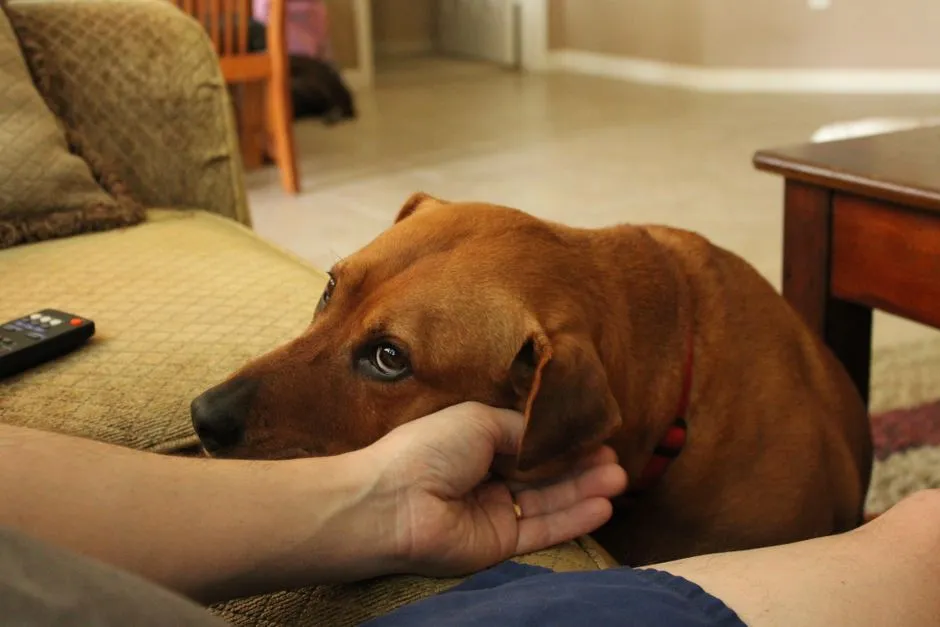
When an older dog starts shadowing you from room to room, it’s rarely just extra love showing up out of nowhere. It can be a quiet alarm bell. Many senior dogs become noticeably clingier right before health or cognitive problems start turning up on tests, long before anything looks visibly wrong.
They may not understand what they’re feeling – only that being alone suddenly feels less safe. So they stick to the one thing that’s always made sense: you. Owners often call it sweet. Vets call it a change in baseline behavior worth watching, and it can point to:
- Early canine cognitive dysfunction (doggy dementia)
- Vision or hearing loss
- Rising anxiety or pain at rest
If your once-independent dog now insists on lying against your feet, standing in the bathroom while you shower, or whining the second you leave the room, that’s not just affection anymore. It’s communication.
#12 – Sleeping More… but Not Sleeping Well
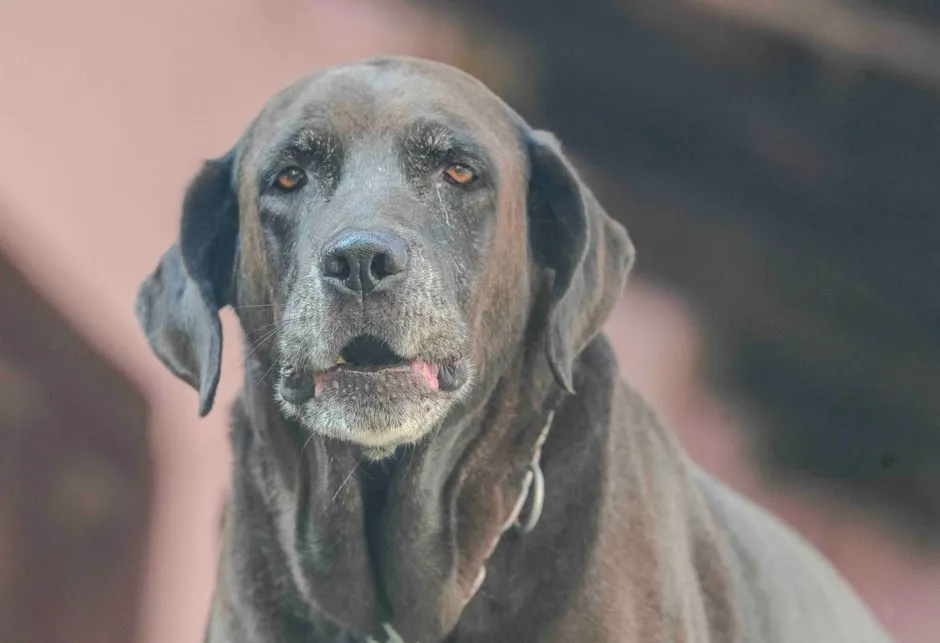
Everyone assumes older dogs simply sleep more. But almost nobody asks the real question: are they sleeping more, or just trying to rest because something’s uncomfortable? A senior dog who naps constantly but keeps shifting positions, sighing, or waking easily may be quietly battling chronic pain, itchiness, or low-grade anxiety.
Long before a limp ever shows up, arthritic dogs often just sleep weird. Watch for frequent repositioning like they can’t get comfortable, heavy panting at night with no heat or exercise involved, or a sudden preference for hard floors over soft beds – sometimes softer surfaces actually put more pressure on sore joints.
Owners write this off as old-dog laziness, but it’s usually the opposite. They’re exhausted from never quite reaching deep, restorative sleep. That restlessness is your dog saying, in the only language it has, “Something doesn’t feel right in my body.”
Worth Knowing
- Canine arthritis affects 80 percent of dogs that are age 8 or older, and much of it hides in plain sight until sleep starts suffering.
- Cartilage does not contain nerves, so a dog won’t experience pain from it wearing away until it is no longer able to protect his joints – which is exactly why restlessness often shows up before any limp.
- Weight management is a hugely important part of managing arthritis, since fat cells promote inflammation in the body, which results in increased pain.
#11 – Staring at Walls, Corners, or “Nothing”
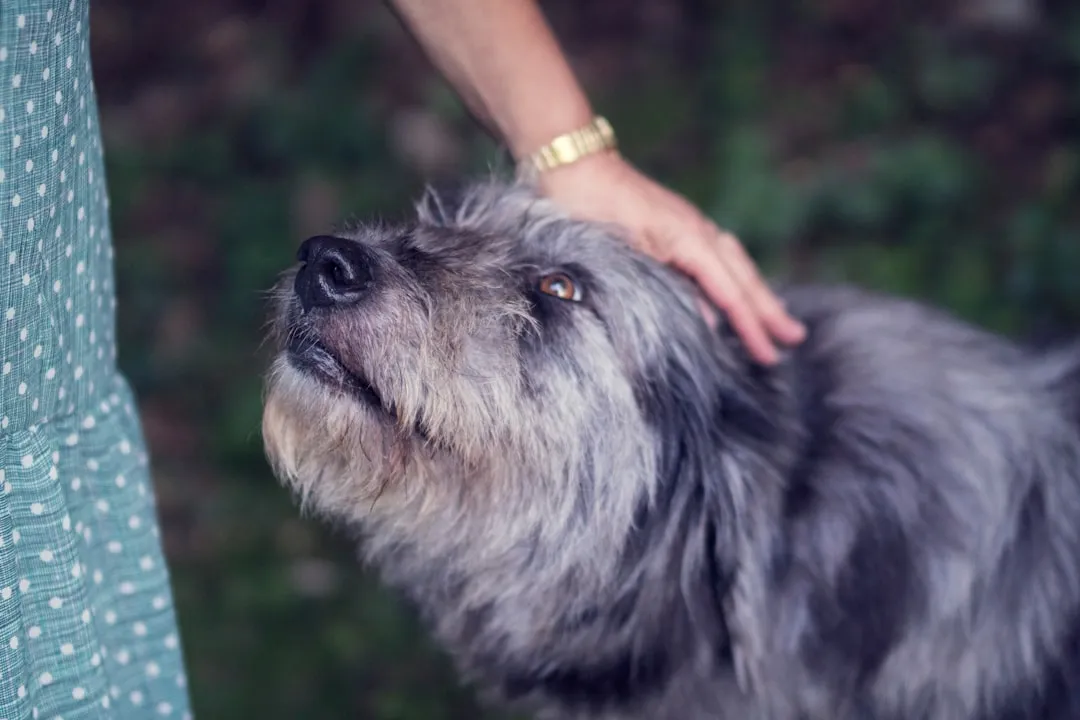
A senior dog standing in a corner, staring at a wall, or gazing into empty space isn’t being weird or seeing ghosts. It’s one of the most under-reported early signs of cognitive decline, and most owners laugh it off the first few times – until they notice it’s become a pattern.
Dogs with early dementia can get momentarily “stuck,” confused about where they are or what they were just doing. It can look like pausing in a doorway as if they forgot why they walked there, standing motionless in an odd spot for thirty or sixty seconds, or seeming lost in a room they’ve known for years, especially at night.
Some dogs also start pacing in slow, looping routes with no clear destination. It doesn’t mean their life is over. It means their brain is quietly asking for help, and early support – routine, gentle enrichment, vet-guided supplements – can genuinely change how the rest of their story goes.
Fast Facts
- CCD affects about 14-35% of dogs over 8 years of age, depending on their age and health status.
- This number rises to 68% in dogs between 15 and 16 – meaning most very senior dogs experience at least some cognitive change.
- Cognitive dysfunction syndrome is among the most underdiagnosed conditions in senior dogs, largely because most affected dogs are never diagnosed because owners assume the signs are normal aging.
#10 – Drinking Just a Bit More Than Usual
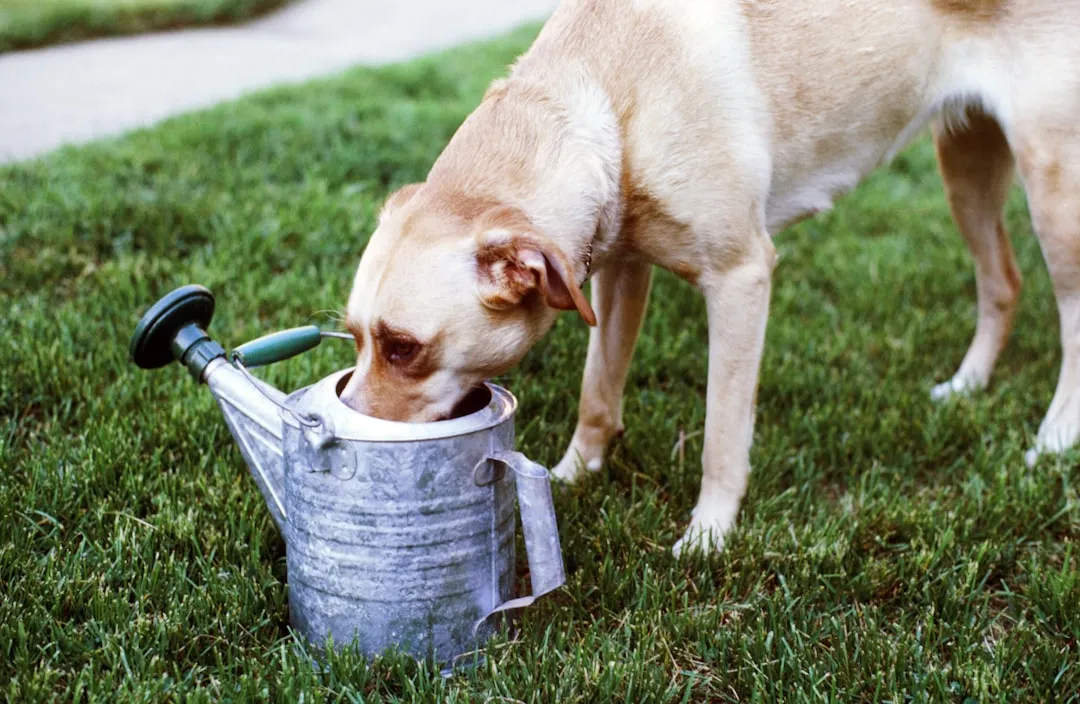
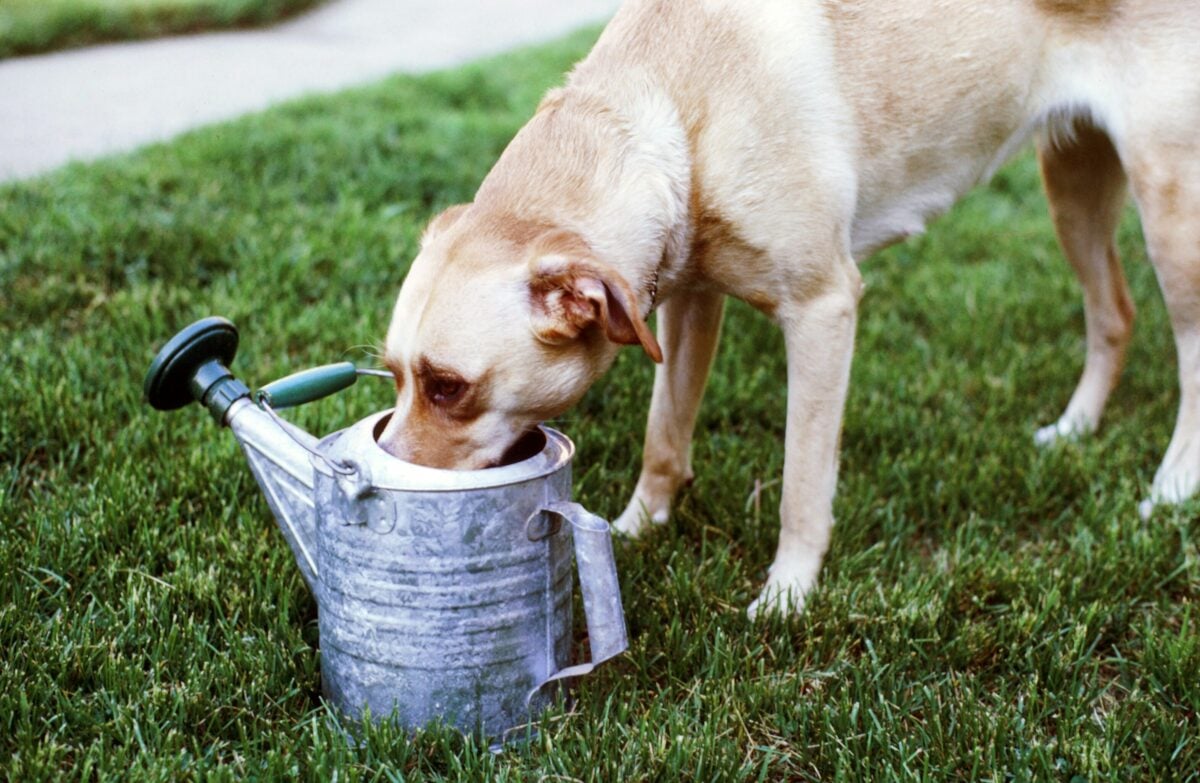
Most owners only panic when a dog is guzzling water like it’s been lost in a desert. But even a quiet, gradual increase in drinking or peeing can be the very first whisper of kidney disease, diabetes, or a hormone imbalance building underneath the surface.
Senior dog problems rarely explode overnight. They creep in slowly, and water intake is one of the softest but most reliable clues available. You might notice the water bowl emptying faster than it used to, more frequent trips outside, or accidents from a dog who’s been perfectly house-trained for a decade.
Plenty of people blame hot weather or an “old bladder,” but in senior dogs this pattern is often the exact trigger that should send you in for lab work. Catching it early can add real years of comfortable life. Your dog doesn’t know the word “kidneys,” but this is how they tell you something isn’t right.
#9 – Slower to Greet You at the Door
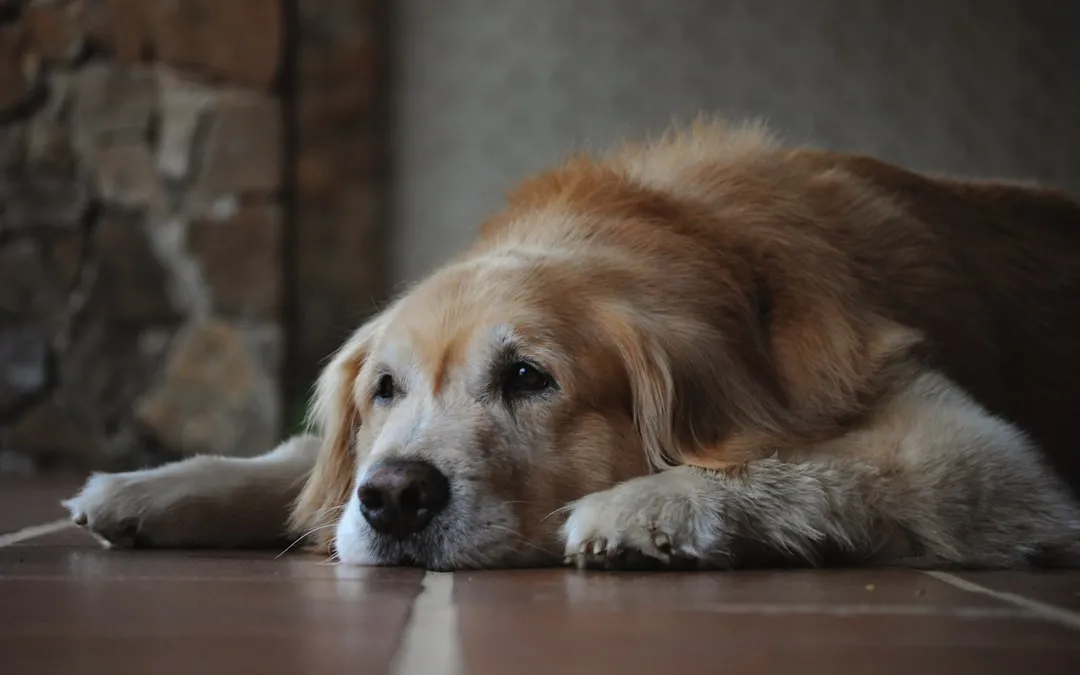
For a lot of dogs, the entrance routine is sacred – the mad dash, the wagging tail, maybe a toy clenched proudly in the mouth. When a senior dog suddenly stops racing to greet you, or arrives but noticeably slower, it’s tempting to just blame age.
But that softer, delayed greeting is often the first visible sign of chronic pain or cardiac fatigue. Watch for a dog who takes a second to “gear up” before standing, hesitates on stairs or slick floors, or wags with less full-body enthusiasm than they used to bring.
Energy naturally drops with age, but a dog who clearly wants to be excited and just can’t get there anymore is likely uncomfortable, not disinterested. Many vets say that once owners finally try proper pain management, the change is almost shocking – the “old” dog suddenly looks years younger. That shy hesitation at the door is your dog quietly asking for that help.
#8 – Subtle Changes in Their Eyes, Not Just Cloudiness

Most people think cloudy eyes automatically mean cataracts, and stop looking any further. But senior dog eyes reveal far more than that one obvious clue. A new red tinge, visible blood vessels, squinting, or a sudden “sad” look can point to real, active discomfort.
Chronic dry eye, glaucoma, and even high blood pressure all leave subtle signs around the eyes long before a dog visibly loses their sight. Pay attention to more discharge than usual, your dog turning their head to favor one eye, or flinching and pawing at their face near bright light.
A lot of owners simply say, “He just looks tired lately.” What they’re actually seeing is inflammation, pressure, or strain building quietly. Vision loss in senior dogs can be managed remarkably well when it’s caught early. Left ignored, it becomes a silent thief of both sight and confidence.
#7 – Getting Picky With Food They Always Loved

When a senior dog starts leaving a few bites behind, walking away from meals, or taking longer to finish, most people simply think, “He’s just not as hungry anymore.” In reality, loss of appetite is one of the clearest distress signals a dog’s body can send – especially later in life.
It can point to dental pain, nausea, organ disease, or a side effect from medication. Watch for kibble dropping from the mouth, chewing only on one side, or a dog who seems hungry but quits eating halfway through, as if something changed their mind.
A lot of families switch food brands or add tasty toppers and feel relieved when the dog eats again, without ever asking why eating suddenly got hard in the first place. That quick fix can quietly delay a real diagnosis. Your dog isn’t being spoiled. They’re telling you, as gently as they know how, that something about mealtime hurts now.
#6 – More “Accidents”… or Just Asking Out Differently
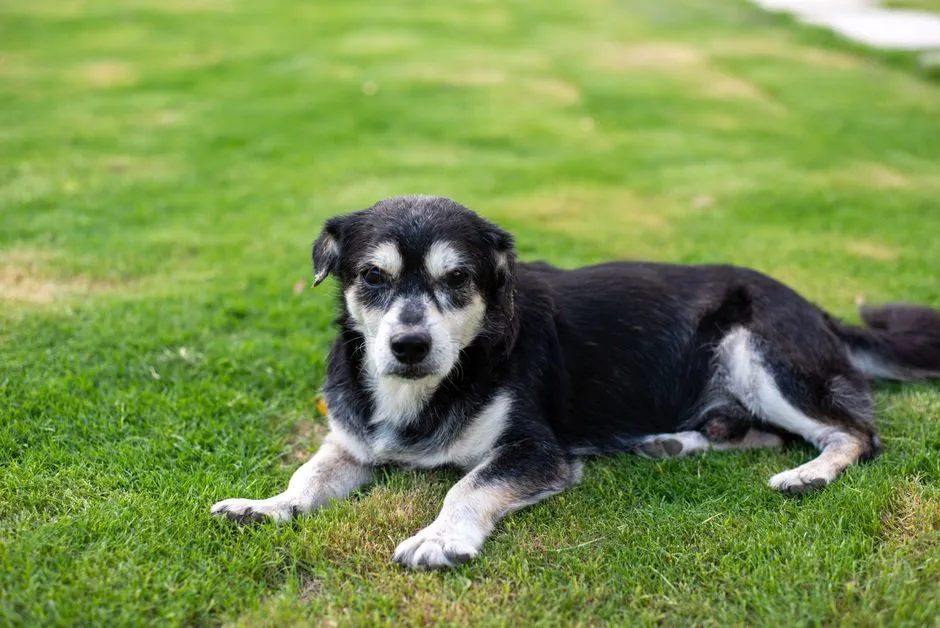
House soiling in senior dogs gets blamed on stubbornness or spite far more often than it deserves. The uncomfortable truth is that most older dogs who start having accidents are either physically struggling, deeply confused, or both. They’re not mad at you. They’re losing control, clarity, or both, and it terrifies them just as much as it frustrates you.
The signs can be surprisingly mild at first – standing quietly by the door instead of barking, needing one middle-of-the-night trip outside after years of sleeping straight through, or a few damp spots where they used to hold it for hours without effort.
Hormone changes, kidney issues, arthritis, and cognitive decline can all play a role here. Punishing or scolding a senior dog for accidents is one of the most common, and most tragic, mistakes owners make. They’re not choosing this. They’re showing you the exact limits of their body.
Quick Compare
- Normal aging: Needs one extra potty break after a big meal or a longer-than-usual day.
- Possible warning sign: Sudden accidents indoors from a dog who’s been reliably house-trained for years.
- Normal aging: A slightly slower walk to the door when it’s time to go out.
- Possible warning sign: Standing quietly by the door instead of signaling, or seeming unsure where the door even is.
#5 – Avoiding the Couch, Car, or Bed They Used to Love
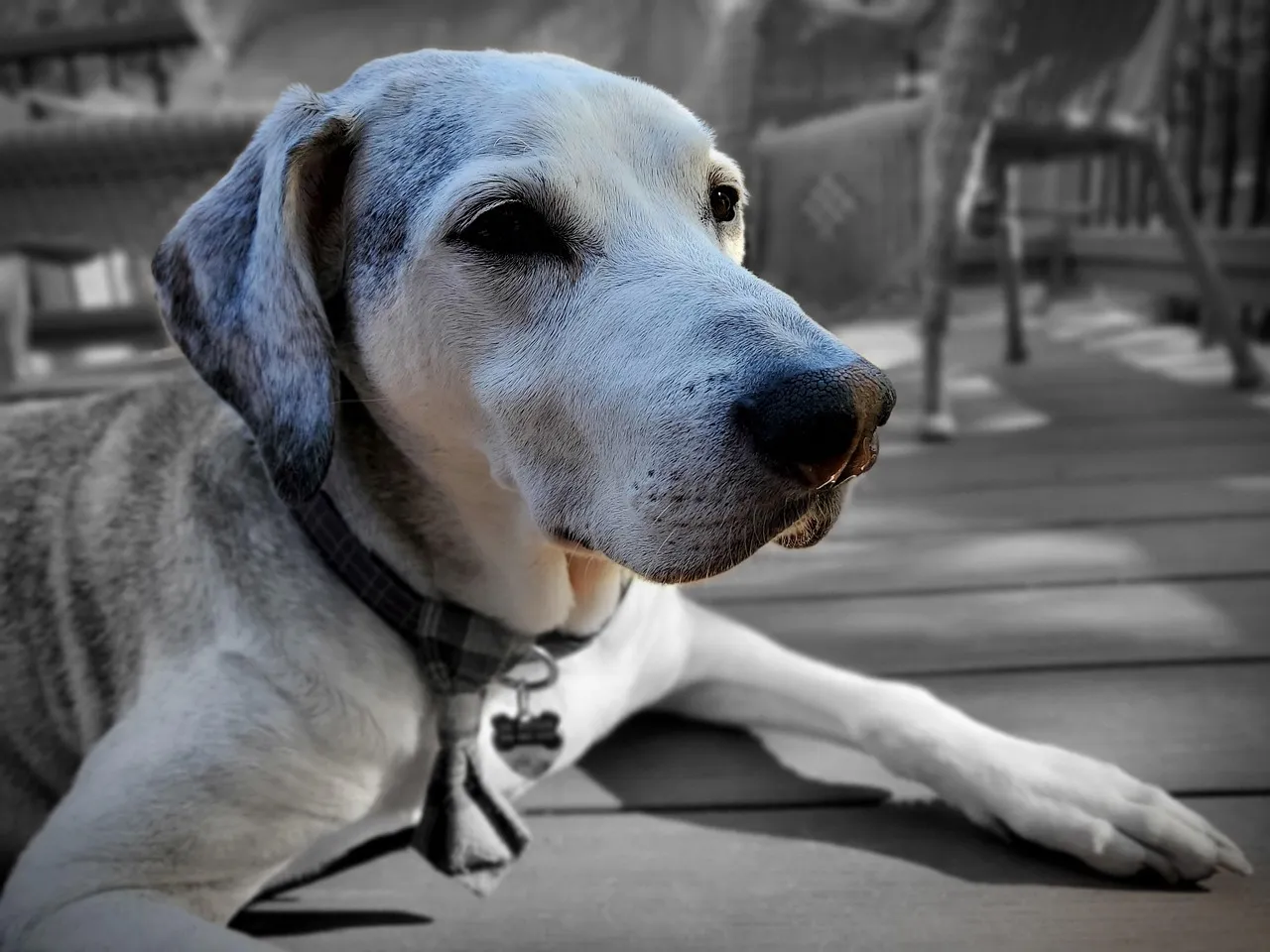
Most people don’t think twice the first time their older dog decides to sleep on the floor instead of jumping up on the couch. But that quiet avoidance is often the earliest, clearest sign of joint pain or spinal discomfort. Dogs rarely yelp about it. They simply start making different choices to avoid what hurts.
Watch for a dog who no longer jumps into the car and waits to be lifted instead, circles the bed or couch before lying down beside it rather than on it, or pauses halfway up the stairs as if reconsidering the whole climb.
Owners often shrug it off with, “He knows he’s not allowed up there anyway,” or “She finally listens now.” In reality, that’s your dog trading comfort for pain avoidance. With proper arthritis management, many dogs happily reclaim their old favorite spots. That sudden obedience was never obedience at all – it was a message.
#4 – A Different Kind of Bark, Whine, or Nighttime Vocalizing
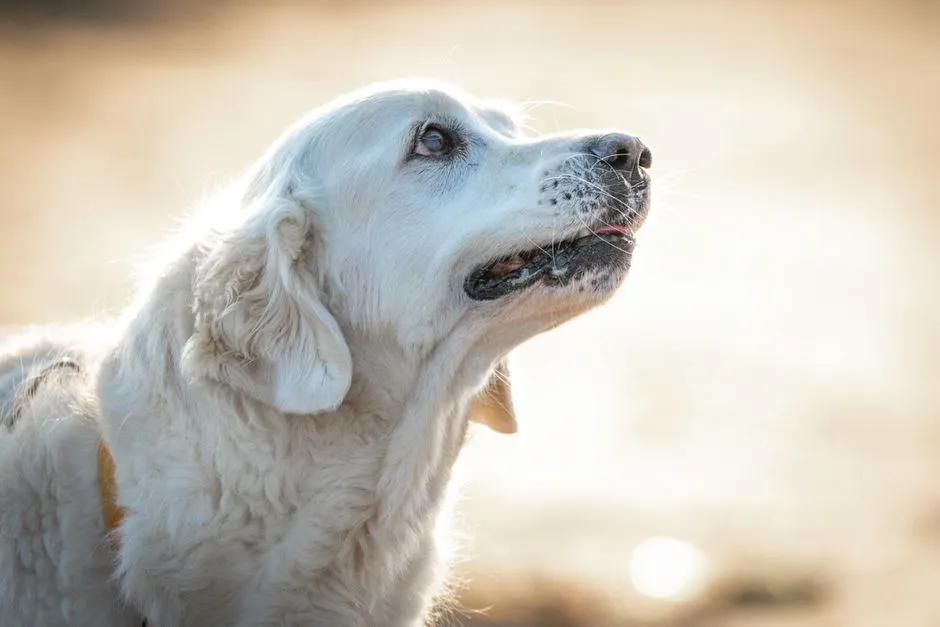
A senior dog who suddenly starts whining more, barking at odd hours, or “talking” in a new tone is almost never doing it to annoy you. Changes in vocalization are one of the most underrated senior signals there is, and pain, anxiety, dementia, and even high blood pressure can all reshape when and how a dog uses their voice.
Notice whining at night even after a potty break, random barking at nothing in particular around dusk, or a hoarser, more strained bark than the one you’re used to hearing.
Some owners write this off as old-dog crankiness. The truth is usually more layered – he may be disoriented in the dark, aching more once he lies down, or genuinely hearing the world differently as his senses shift. He’s not just being noisy. He’s telling you that nights feel a lot harder than days now.
#3 – Grooming Less… or Suddenly Licking One Spot Too Much
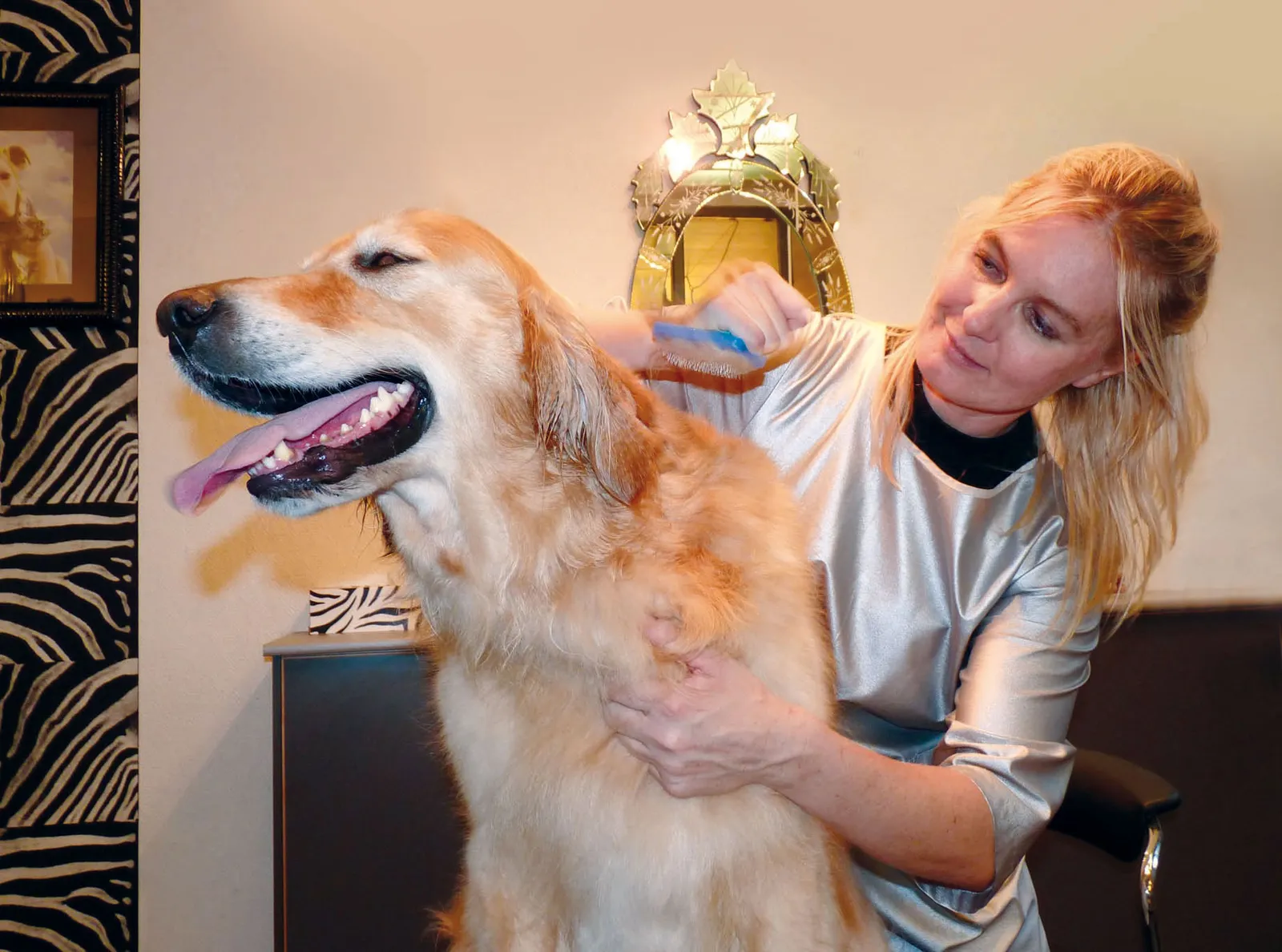
We expect cats to be the fussy groomers, but dogs have quiet grooming habits too. When a senior dog stops caring about their coat, or suddenly obsesses over licking one single area, that’s almost always a health conversation starter, not a harmless little quirk.
Seniors with arthritis may stop stretching to reach their back end, while dogs with itchy skin or underlying pain often over-lick one shoulder, paw, or joint. Watch for a dull, unkempt coat on a dog who used to look sleek, a new bald patch or saliva-stained fur, or a dog who suddenly resists brushing when they never minded it before.
Owners often think “allergies” and stop there. But chronic licking at a joint, hip, or the base of the tail correlates strongly with deeper discomfort, and a neglected coat simply means grooming has become physically harder to manage. Your dog has no words for “I can’t bend the way I used to.” This is how they say it instead.
Why It Stands Out
- It targets one specific joint or spot, not a general all-over itch.
- It often shows up alongside stiffness getting up or lying down, not just skin irritation.
- It tends to worsen after rest, after cold weather, or first thing in the morning – patterns ordinary allergies don’t usually follow.
#2 – Subtle Mood Swings or “Personality Changes”
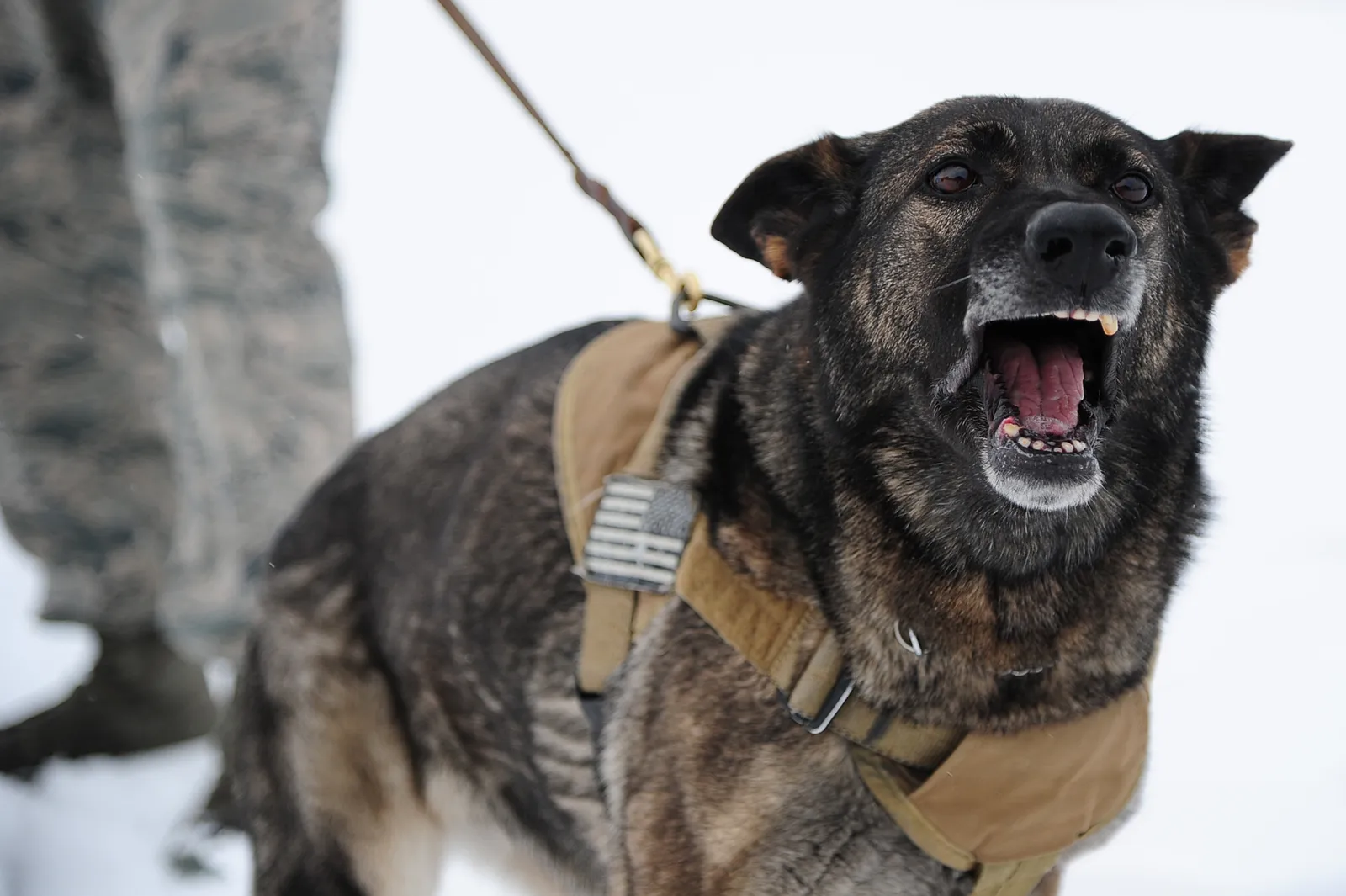
This is the one most owners quietly gaslight themselves about. “He’s just grumpy in his old age.” “She’s not as friendly anymore.” In truth, personality shifts in senior dogs are almost always communication, not a character flaw showing up out of nowhere.
Pain, sensory loss, and cognitive changes all rewrite how safe the world feels to a dog. Watch for a formerly tolerant dog growling when touched in certain spots, a social dog withdrawing at family gatherings, or a sharper startle response when approached from behind or in low light.
Behavior is always the first language, and pain is often the last thing owners consider.
Common refrain among veterinary behaviorists
Many owners take these changes personally and feel genuinely hurt. But your dog isn’t turning on you. They’re trying to protect themselves inside a body that no longer feels predictable. This is often the moment people later say, “I wish I’d known sooner,” after finally discovering arthritis, a tumor, or dementia behind it all. Don’t wait for a diagnosis to start taking these changes seriously.
#1 – That Extra-Long, Quiet Look Right Into Your Eyes
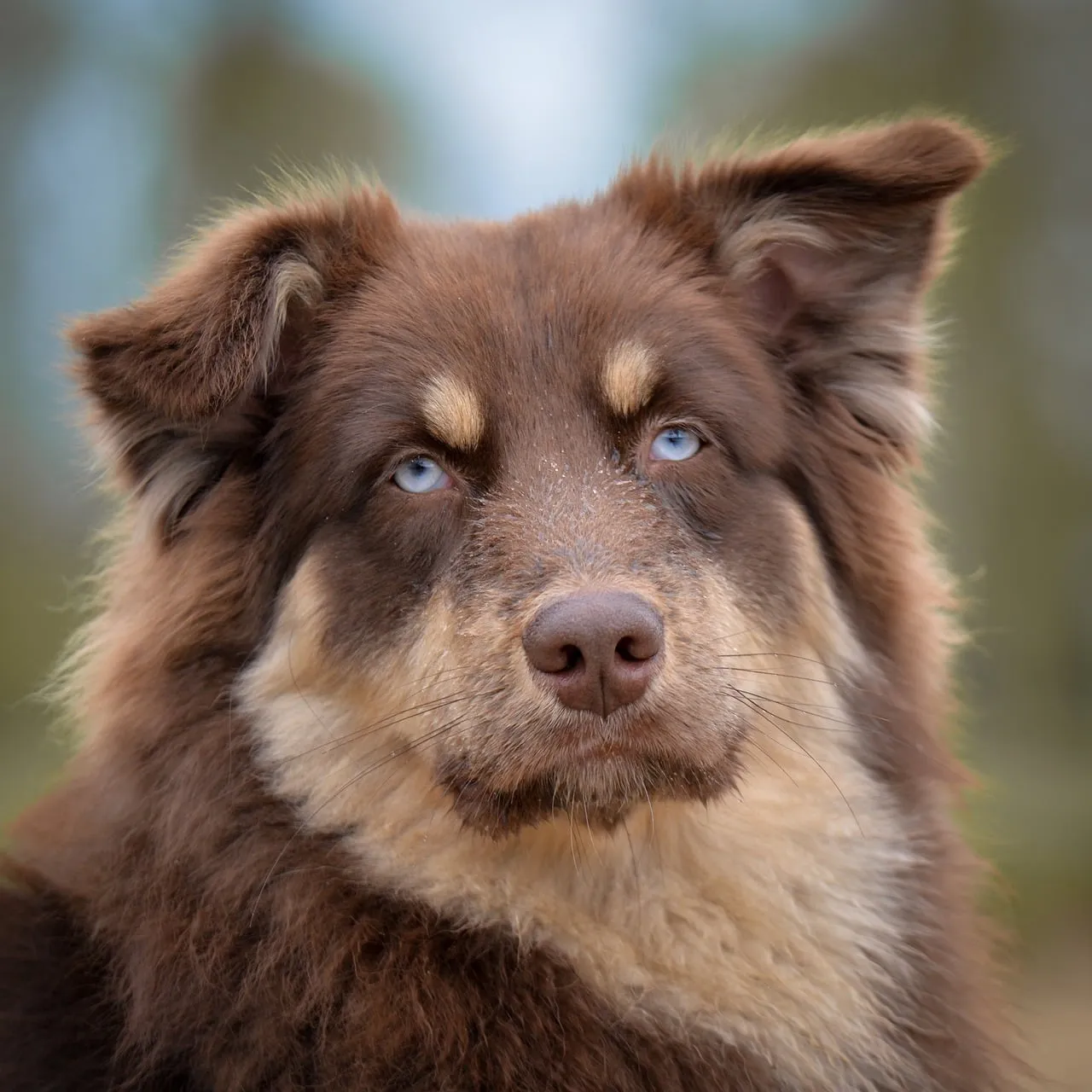
Ask any long-time vet or hospice provider, and they’ll tell you the same thing: the eyes are where senior dogs say the things we don’t want to hear. That long, searching gaze your older dog gives you on the couch, in the yard, or right before bed isn’t just “being sweet.”
Especially later in life, many dogs start holding eye contact a beat longer, softer, almost like they’re checking in with you. It shows up as climbing closer than usual just to watch your face, resting their head on you while locking eyes and sighing, or losing interest in toys in favor of simply being near you.
This doesn’t automatically mean they’re dying tomorrow. But it is often their quiet way of saying, “You are my whole world, and I’m tired in a way you can’t quite see.” Too many owners only understand that look in hindsight, after a crisis, or after they’ve already said goodbye. If you’re seeing it now, it may be time to listen harder to the softer signs, ask more questions at the vet, and protect their comfort fiercely.
The Bottom Line
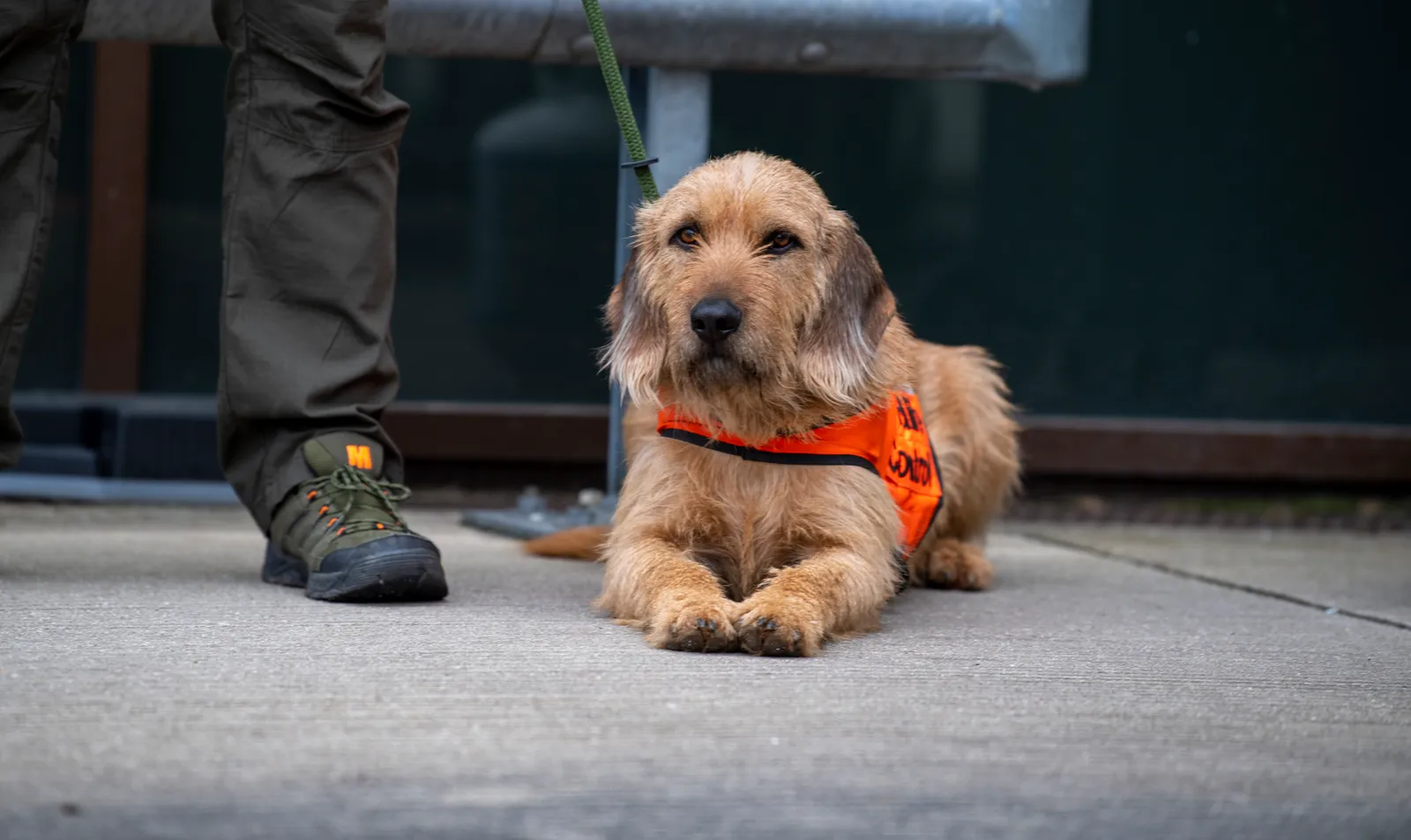
Senior dogs rarely complain the way humans do. They whisper. A little more clinginess, a skipped meal, a new stare at the wall, a quieter greeting at the door – these are not random aging quirks. They’re your dog’s own language for pain, confusion, or a deep, quiet fatigue.
The uncomfortable truth is that most of us don’t realize what they were saying until we’re looking back with regret, piecing it together after the fact. You don’t have to wait for dramatic limping or a collapsed walk to take your dog seriously.
If something feels off, it probably is. Trust that feeling, write down the small changes, and push for real answers even when someone tells you it’s “just age.” Your dog has spent an entire lifetime trusting you without question. The least we owe them is to trust them back, especially now that they’re speaking in these softer, harder-to-hear ways.
Did we miss a gentle sign your senior dog showed you, one you only understood looking back? Share it. It might be exactly what another owner needs to see in time.

- 16 Animals Vets Say Form Bonds With One Person That Rival Any Dog – Most Families Never Expect Them - August 5, 2026
- 13 Gentle Signs a Senior Dog Is Saying Something Most Owners Don't Realise Until Later - August 5, 2026
- 17 Animals That Form a Bond So Deep With One Person That Rehoming Them Is Almost Impossible - August 5, 2026