
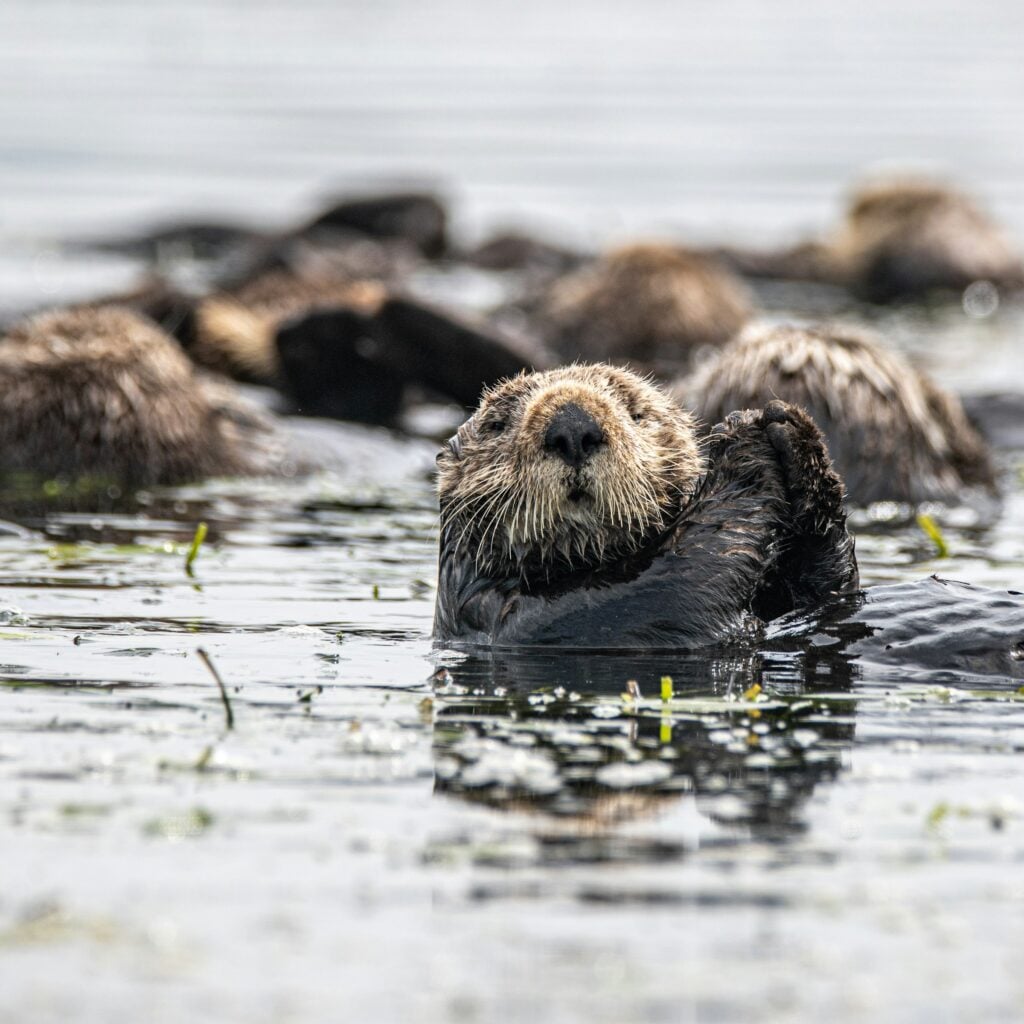
If you have ever watched a sea otter floating on its back, cracking open a shell like it is having the best snack break of its life, it is easy to think of it as just cute background scenery. But in California’s coastal waters, that “cute” little predator is quietly holding entire underwater forests together. Pull otters out of the picture, and the kelp world starts to fall apart in ways that are subtle at first, then shockingly obvious.
California’s kelp forests are not just pretty dive spots. They buffer waves, store carbon, feed and protect fish, and underpin coastal economies. Sea otters are one of the main reasons those forests are still standing where they are. Once you see how many ecological strings they pull, the story stops being about fuzzy animals and becomes something much bigger: how one species can tilt the balance between an underwater jungle and a barren, rocky wasteland.
They Keep Sea Urchins From Turning Forests Into Underwater Deserts
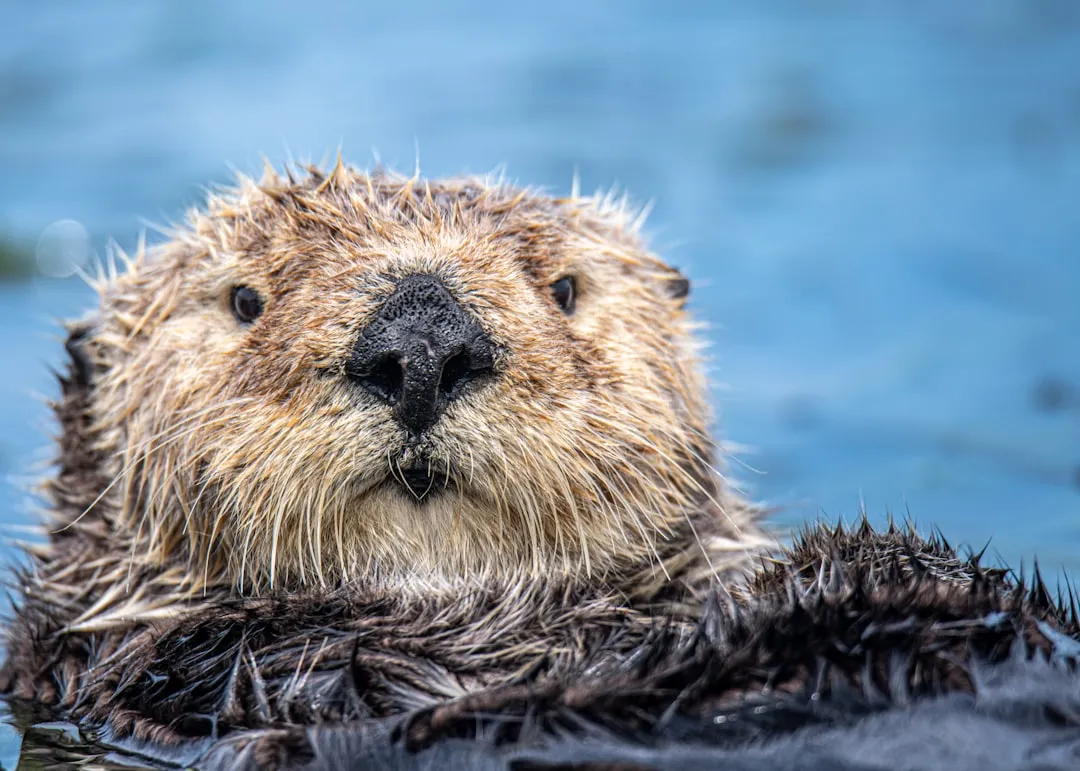
Here is the blunt truth: without sea otters, sea urchins can eat a kelp forest to death. Urchins love to graze on kelp holdfasts, the rootlike structures that anchor kelp to the seafloor. When urchin numbers explode, they mow down those anchors, and towering kelp fronds collapse, leaving behind what scientists call “urchin barrens” – stretches of bare rock studded with spines and not much else.
Sea otters are one of the few predators that truly specialize in cracking through an urchin’s armor. They do not just nibble on a few; in healthy otter areas, they consume them day after day, focusing on the biggest, juiciest individuals that would otherwise do the most damage. This relentless hunting pressure keeps urchin populations in check and forces the survivors to hide in crevices instead of freely roaming across open reef. In simple terms, otters swap a spiny wasteland for a swaying forest.
They Are Classic “Keystone Predators” Holding the Whole System Together
Ecologists use the term “keystone species” for animals that have an outsized influence on their ecosystem compared to their numbers. Sea otters are pretty much the textbook case. They are not the most abundant animals in the kelp forest, but their feeding habits ripple outward, shaping everything from the amount of kelp to the types of fish and invertebrates that can survive there. Take away the keystone, and the arch collapses.
In California, the presence or absence of otters often marks the difference between a kelp-dominated coastline and an urchin-dominated one. Because they consume not only sea urchins but also abalones, crabs, and other invertebrates, they reshape competition on the seafloor. That reshuffling then affects who has access to shelter, food, and light in the kelp forest. It is a cascading chain of effects, and otters sit right at the top, driving those changes just by trying to meet their daily calorie needs.
Their Voracious Appetites Help Kelp Grow Taller and Denser
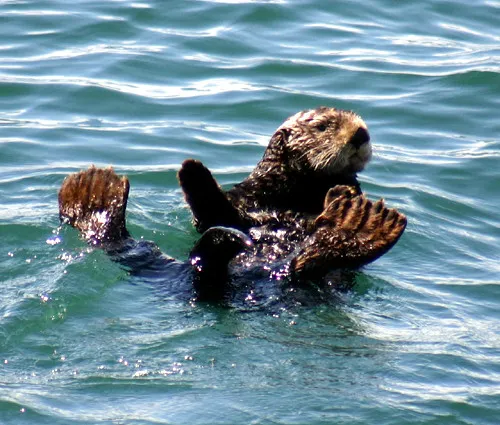
Sea otters burn a lot of energy. Because they lack the thick blubber of larger marine mammals, they rely on an insanely fast metabolism and a serious food intake to stay warm in chilly Pacific waters. That means they are constantly on the hunt, Hoovering up invertebrates from the seafloor. To a kelp plant, this relentless grazing pressure on herbivores is a gift.
When otters thin out urchins and other grazers, more baby kelp plants survive long enough to grow into towering fronds. Existing kelp can devote energy to growing taller and producing more blades rather than healing from bite marks at their base. The result is a thicker, more three-dimensional forest, with layers of habitat from the sunlit canopy near the surface down to the shaded understory. That extra structure is not just pretty; it is crucial for everything that lives there.
They Boost Biodiversity by Turning Kelp Forests Into Living Apartment Complexes
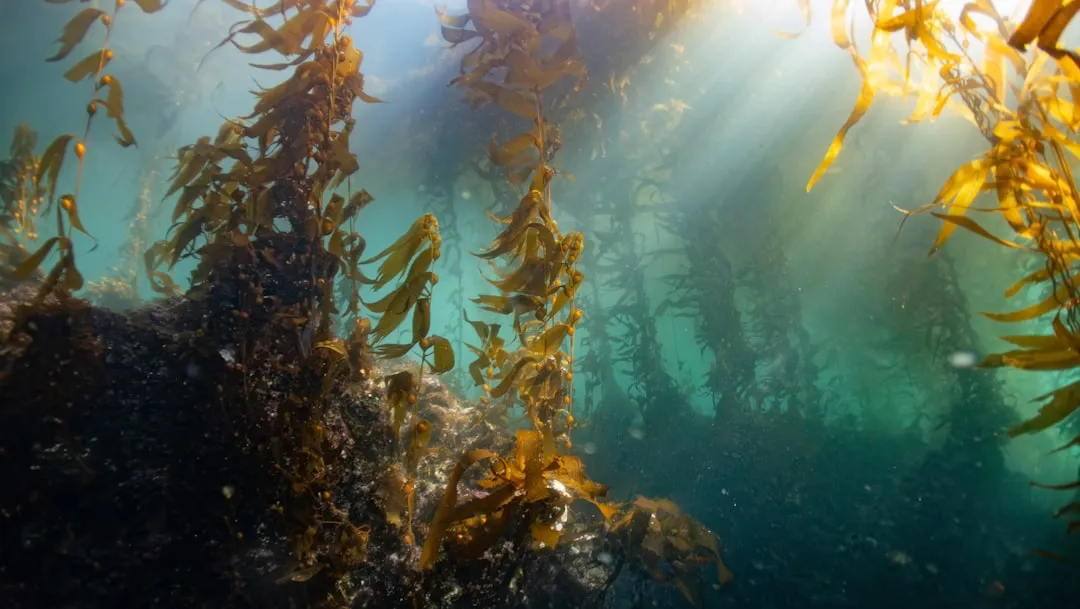
Imagine a sleek glass office tower compared to a sprawling, multi-level treehouse. A bare rocky reef with few kelp fronds is like the glass tower: simple, clean, and pretty empty. A healthy kelp forest shaped by otters is the treehouse: crowded, chaotic, and full of life at every level. By protecting kelp structure, otters indirectly create more living space for countless species.
More kelp means more nooks and crannies for fish to hide, more surfaces for invertebrates to cling to, and more food dripping down the food web in the form of drifting kelp fragments and tiny animals. Juvenile rockfish, perch, and other species use the forest as a nursery, taking advantage of the complex habitat to avoid predators. Without the otter-driven balance that allows those forests to flourish, many of these species lose their shelter, and the whole community becomes simpler and less resilient.
They Help Kelp Forests Lock Away Carbon and Steady the Coastline
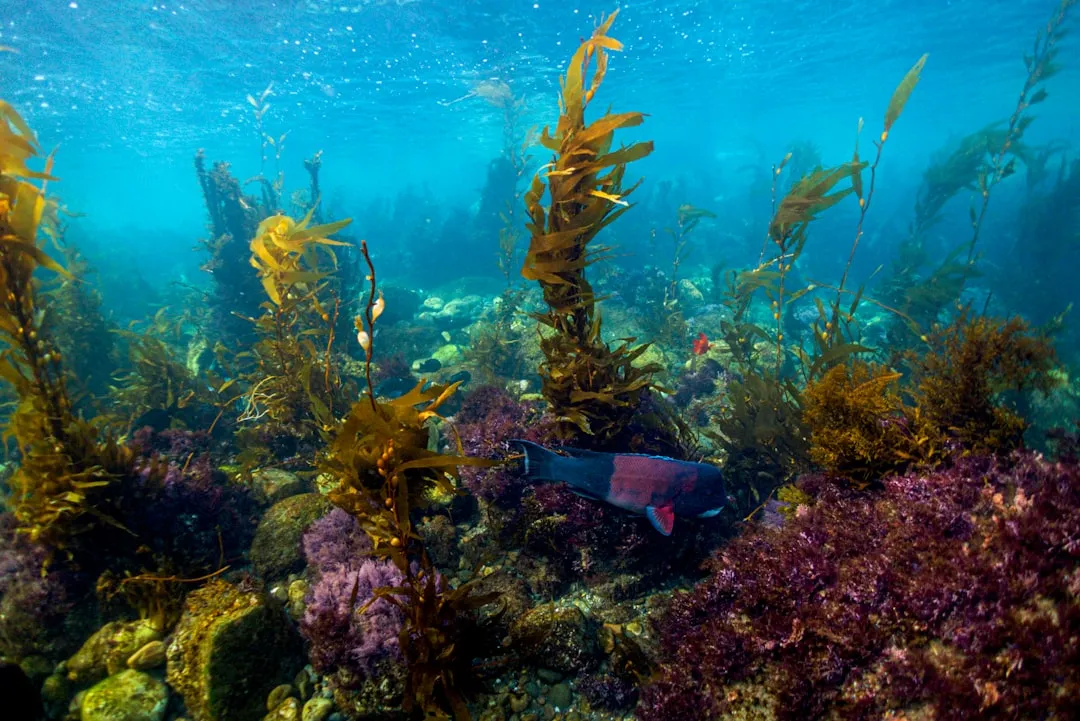
We usually talk about forests on land when we talk about climate, but kelp forests are also quiet heavy lifters in the carbon story. As kelp grows, it pulls dissolved carbon from seawater and builds it into plant tissue. Some of this carbon ends up buried in deep water or coastal sediments when kelp breaks off and sinks, removing it from circulation for long stretches of time. By supporting dense kelp growth, sea otters indirectly help ramp up this natural carbon capture.
On a more local scale, kelp forests act as living breakwaters that soften wave energy before it crashes into shore. This can reduce coastal erosion and help protect intertidal habitats and human-built structures. When otter predation keeps urchin barrens from forming, those living breakwaters stay intact for longer stretches, offering continued protection. It is a reminder that a hungry animal floating on its back offshore can shape how storm waves feel on a beach people walk every day.
They Anchor Coastal Cultures, Tourism, and Local Economies
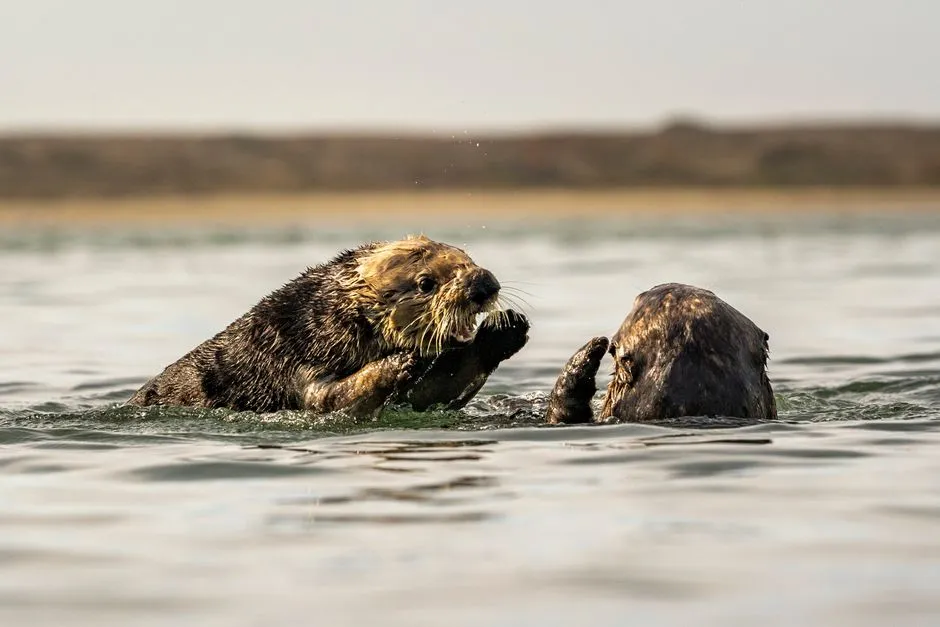
It is easy to talk about sea otters and kelp forests like abstract ecological diagrams, but along the California coast they are also everyday life for a lot of people. Divers, kayakers, wildlife watchers, and photographers flock to spots where they can see otters and dense kelp forests in the same view. Those visitors book hotels, eat at coastal restaurants, rent gear, and support local guides. The charismatic presence of otters is often the hook that brings people to these places; the rich kelp forest beneath them is what keeps the ecosystem worth visiting.
There is also a cultural and emotional layer that does not show up in spreadsheets. Many coastal communities, including Indigenous nations, have deep historical relationships with the species and habitats of the kelp forest. Otters are a visible symbol of a living, functioning coast rather than a degraded one. When people see otters thriving in thick kelp, it sends a quiet signal that the ecosystem still has some of its old power left, and that can shape how communities feel about conservation and restoration efforts.
They Expose How Fragile and Interconnected the System Really Is
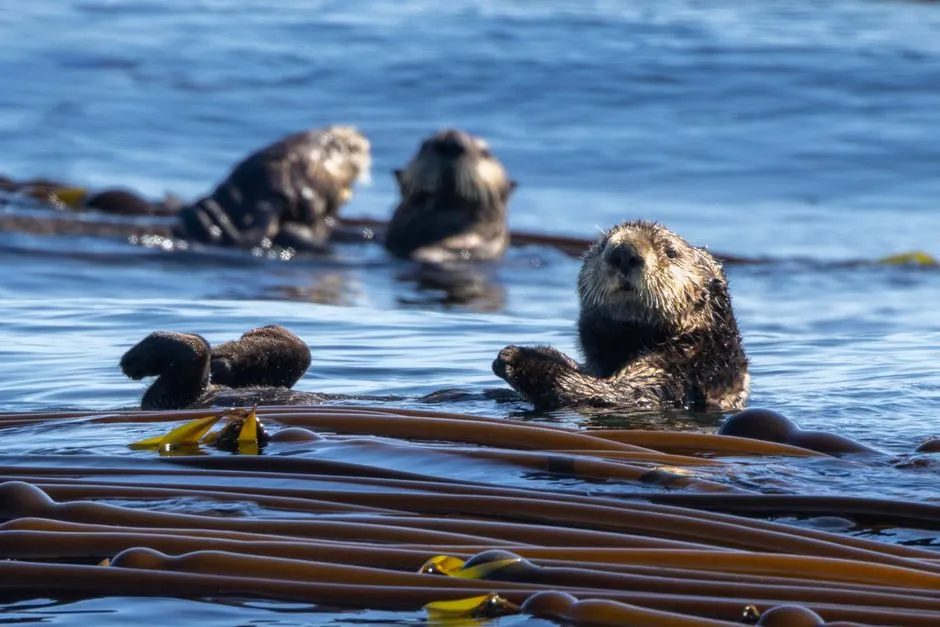
Sea otters do not operate in a vacuum, and that is part of what makes them so important – and so vulnerable. Their role in maintaining kelp forests only fully works when other pieces of the system are not collapsing around them. Disease outbreaks in sea stars, marine heatwaves, pollution, and shifting ocean currents can all stress kelp, otters, or both at once. When several of those stresses stack up, even hardworking otters can struggle to keep up with urchin surges and habitat loss.
Because their influence on the ecosystem is so strong, otters become a kind of living indicator of coastal health. If their numbers are dropping or their food sources are shifting in weird ways, it is often a sign that something deeper is wrong in the kelp forest. That can be uncomfortable to confront, but it is also incredibly useful. Otters force us to see the coast as a web instead of a list of separate issues, which is exactly the mindset needed to plan real, long-term protection for California’s marine habitats.
They Show Us What Recovery – and Responsibility – Actually Look Like
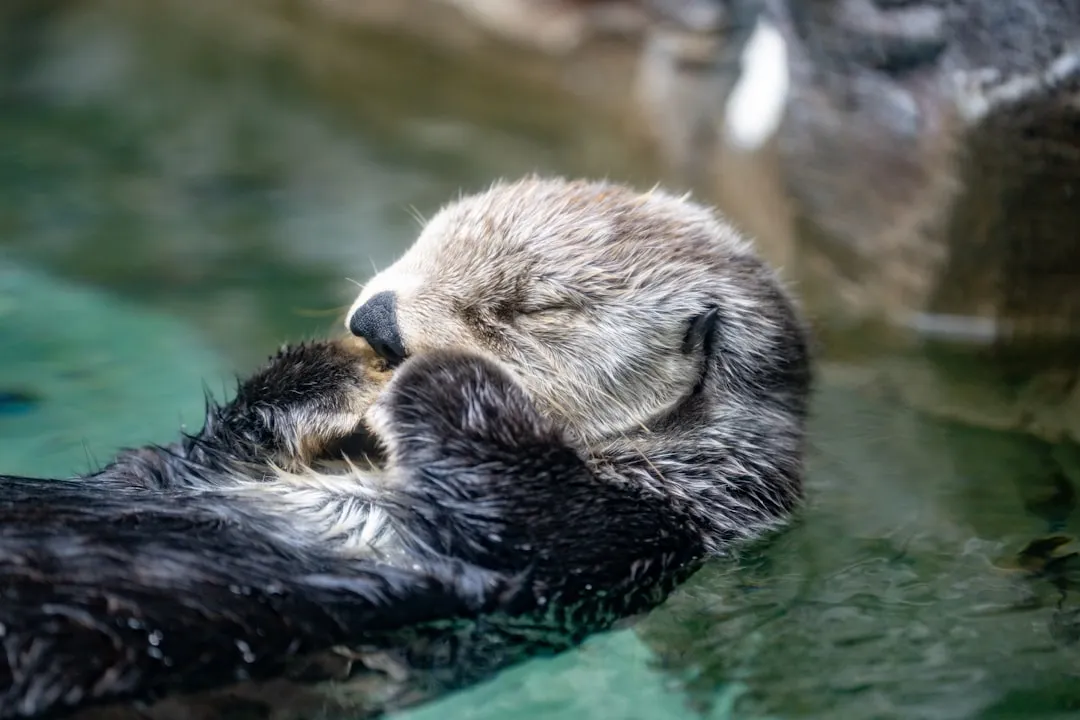
One of the most striking things about sea otters in California is that they are a comeback story still in progress. Hunted to near disappearance in the past, they survived only because a small remnant population hung on and people eventually decided they were worth protecting. Their gradual return has literally transformed sections of coastline back into functioning kelp forests. Watching those before-and-after changes makes it very clear that human choices, both harmful and helpful, echo through entire ecosystems.
For me, that is what makes sea otters more than just adorable mascots. They are living proof that when we give a key species room to recover, entire worlds can grow back around them. But they are also a reminder that recovery is fragile and never finished, especially as warming oceans and new stressors pile on. The real question is whether we are willing to keep backing the conditions that let otters do their job – curbing pollution, managing fisheries thoughtfully, and respecting the limits of these coastal systems. In the end, sea otters are telling us something simple: if we take care of the keystone, the forest has a fighting chance. Did you expect that much to depend on a single pair of whiskers and a rock?

- 10 Fascinating Facts About the Petrified Forest's Stone Trees - August 6, 2026
- 7 Things Skunks Do Before They Spray - August 6, 2026
- 7 Reasons Sea Otters Matter to California's Kelp Forests - August 6, 2026