

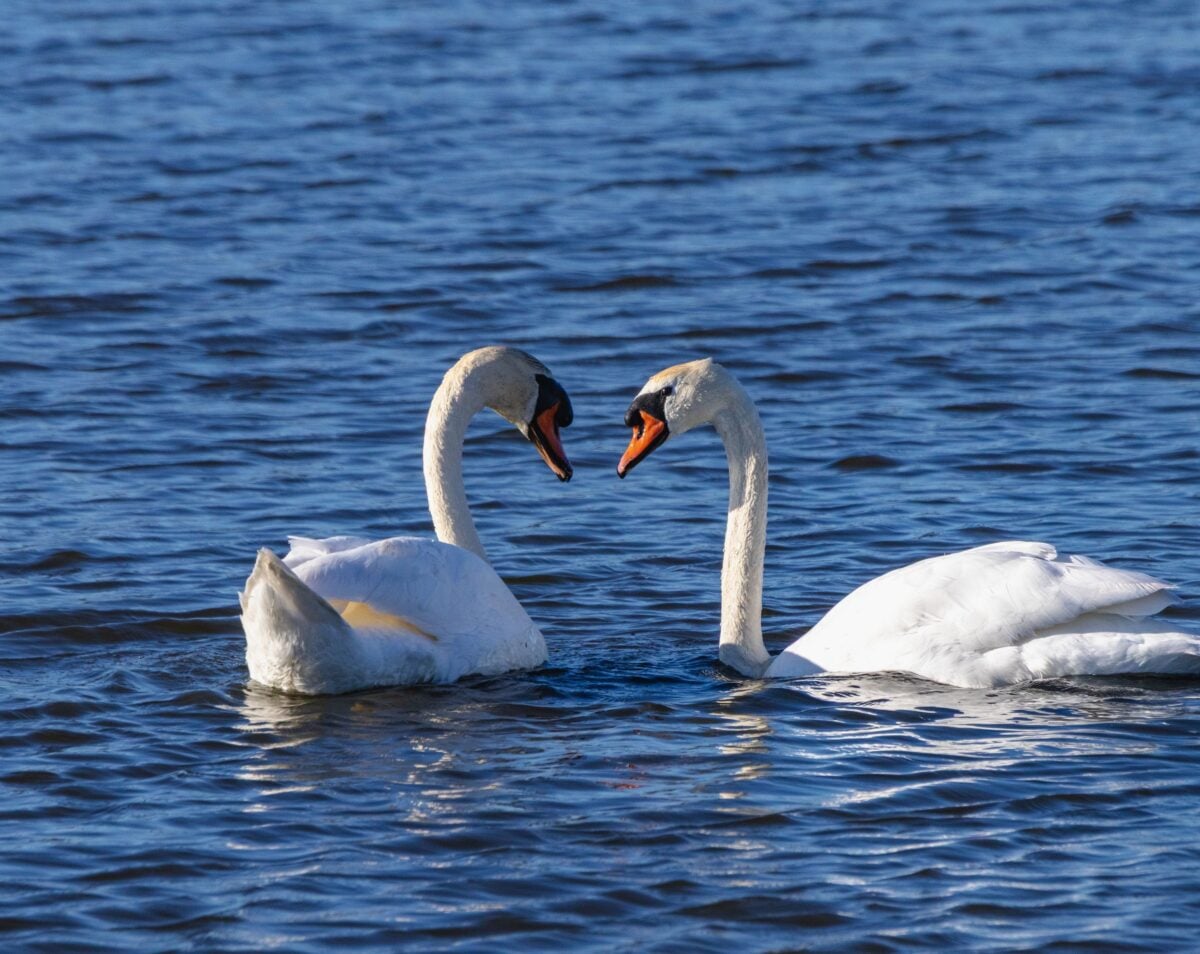
A dramatic wildlife rescue unfolded recently when an injured male swan needed urgent intervention near a waterway. The female swan remained close throughout the operation, showcasing the strong pair bonds these birds often form. This event highlights how human efforts to help can intersect with natural behaviors in unexpected and intense ways. What makes this situation stand out is the physical challenge rescuers faced while trying to secure the distressed bird for treatment. Teams must navigate such moments carefully to avoid causing further harm.
The Physical Demands of Capturing an Injured Swan
Handling a large waterfowl like a swan requires specialized training and considerable physical strength from rescuers. In this case the male’s size and agitation turned the extraction into a prolonged wrestling match as the bird used its powerful wings and beak in defense. Teams must balance speed with safety to avoid further injury to the animal or themselves. Protective gear and coordinated movements become essential tools during these operations. Success hinges on minimizing stress while securing the bird for transport to care facilities. Such incidents underscore the realities wildlife teams encounter when animals in pain react instinctively.
Unwavering Loyalty from the Female Swan
Observers noted the female swan’s persistent presence throughout the ordeal as she stayed close even as rescuers worked. This behavior reflects the strong monogamous tendencies common among mute swans which often mate for life and defend shared territories together. Her refusal to flee demonstrates how pair bonds influence survival strategies in the wild. Such loyalty can sometimes aid rescuers by keeping both birds in one location though it also adds emotional complexity to the scene. Researchers have documented similar attachments in other waterfowl species during times of distress. The female’s steadfast watch added a layer of determination to the entire effort.
Challenges in Urban and Wetland Environments
Rescue operations involving swans frequently occur near populated areas or waterways where injuries from fishing lines boats or pollution arise. Teams must navigate these settings while contending with the birds’ natural wariness of humans. In this instance the proximity of the mate required extra caution to prevent additional harm. Local wildlife organizations coordinate with veterinarians to stabilize animals quickly before release back into familiar habitats. These efforts highlight ongoing needs for public awareness around hazards that affect avian populations. Prompt action in such cases supports broader conservation goals for swan species facing habitat pressures.
Final Thought
Dedicated rescue networks play a vital role in reuniting pairs like this one after treatment and recovery. What would you have done if you witnessed the scene?
Source: Original YouTube Video

- Rescuer Wrestles Injured Swan To Save Him While Loyal Mate Refuses To Leave His Side - August 6, 2026
- 19 Animals That Stay Loyal for Life - August 6, 2026
- 12 Cutest Small Towns in America - August 6, 2026