
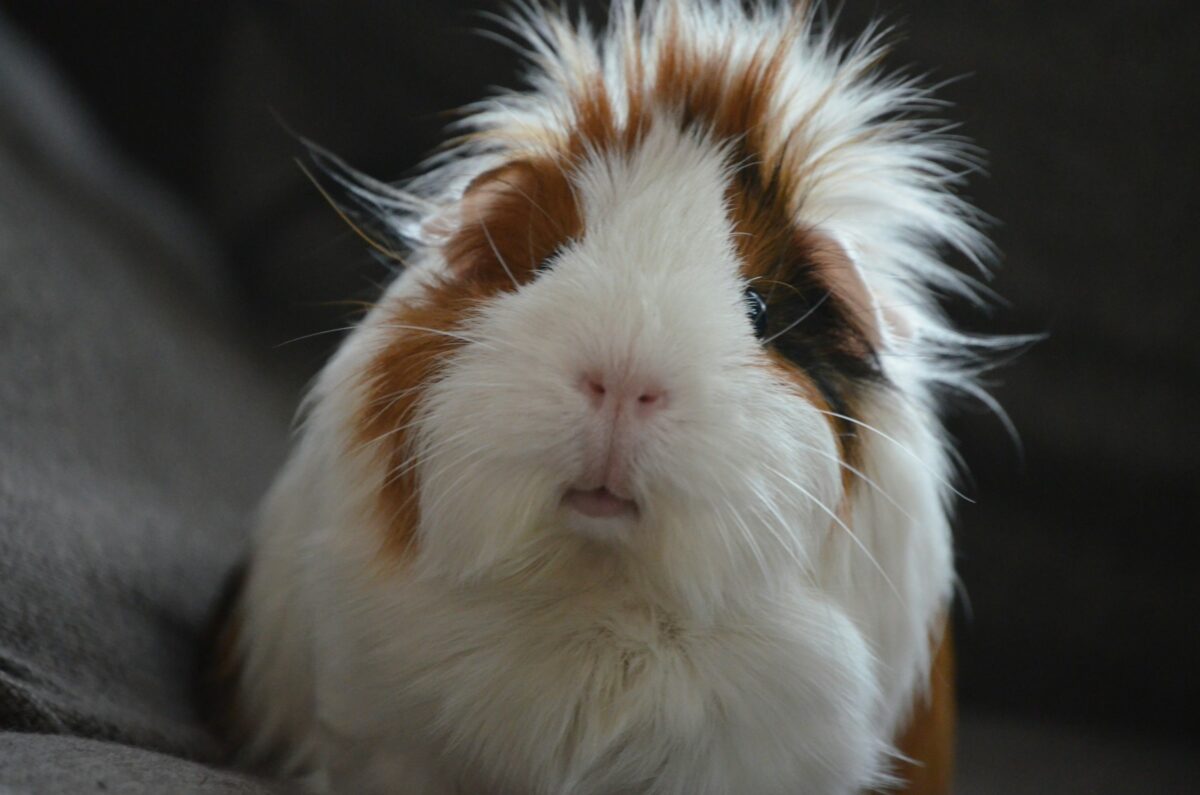
#1 They know exactly when mealtime is coming
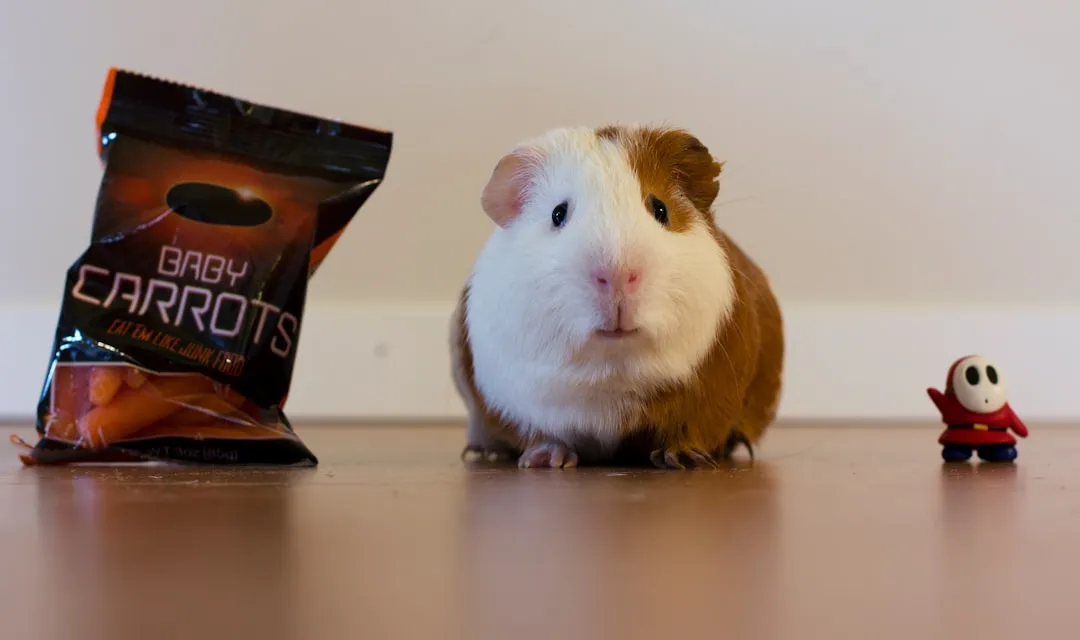
Guinea pigs build their entire day around food, and that means they pay very close attention to when it shows up. Guinea pigs have a keen sense of routine and can remember daily schedules and feeding times, becoming accustomed to the rhythm of their environment so they can anticipate when it’s time for meals, playtime, or other activities. This is not just a vague sense of hunger. It is a learned pattern tied to specific times of day.
Owners who feed at slightly irregular hours often notice their pigs getting restless or vocal right around the usual time, even when nothing else has changed. If you ever change their feeding schedule, they might still ask for food at the old time, showing they have remembered that pattern. That kind of persistence suggests the memory of “this is when food happens” runs deeper than simple hunger cues.
#2 They connect specific sounds with food arriving
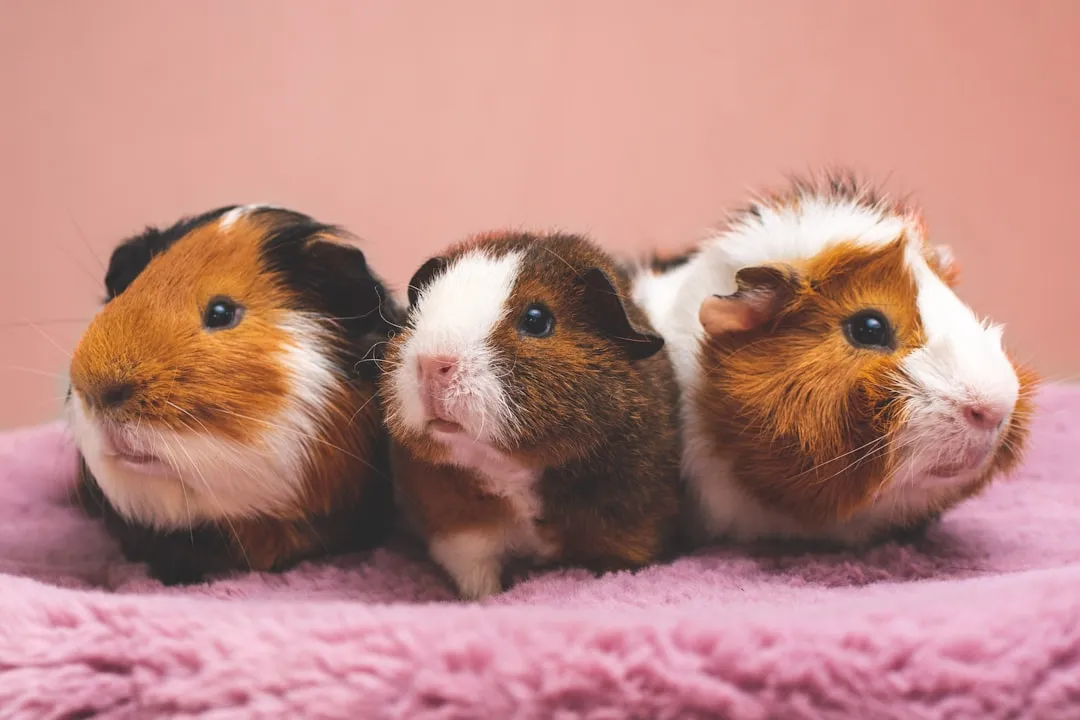
It is not just clock time that guinea pigs track. They also latch onto the specific sounds that precede a meal, and they learn these associations remarkably fast. The sound of the refrigerator opening or a food bag crinkling can trigger excitement and anticipation, linking these sounds to the presence of their owner.
This is a textbook example of associative learning, the same basic mechanism behind a dog perking up at the sound of a leash. Guinea pigs are especially good at this kind of pattern matching. Guinea pig memory is often tied to associative learning, and they are quite good at linking certain events or sounds with outcomes. A crinkling bag during the day means snacks. The same sound at night, after lights out, tends to get ignored entirely, because the pigs have also learned when treats are not on the table.
#3 They remember the layout of their own cage
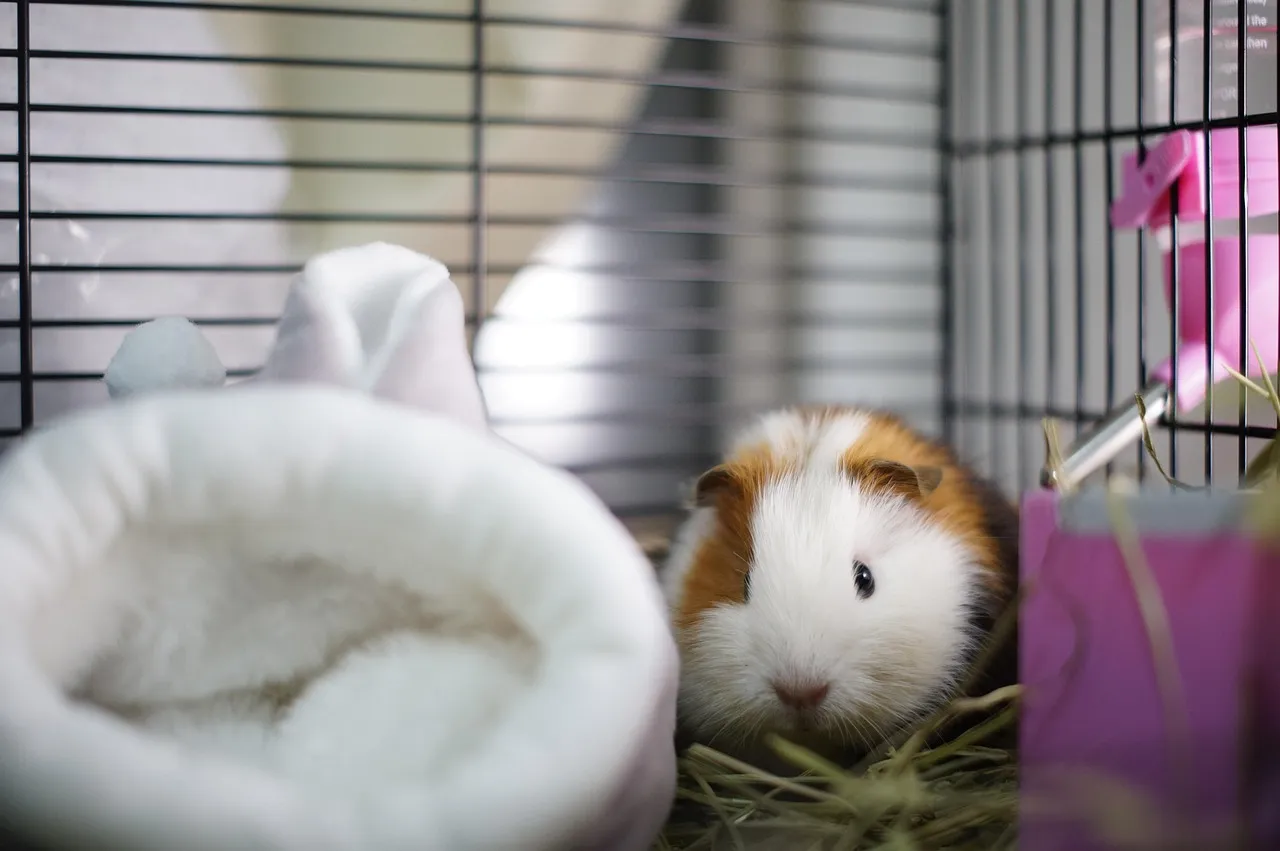
Guinea pigs build a surprisingly detailed mental map of their living space, and they rely on it constantly. They showcase impressive learning abilities, remembering the layout of their living space such as the location of their hiding spots, food dishes, and favorite toys, which helps them navigate their environment and find comfort in familiar surroundings. This spatial memory is not a minor detail. For a prey animal, knowing exactly where the nearest hideout is can be the difference between feeling safe and feeling exposed.
Rearrange the furniture, though, and things get interesting. Pet owners who have shifted a cage’s layout report a short window of confusion before their pigs adjust. As one longtime keeper described it, if you rearrange their cage, they will initially be a bit confused, but quickly adapt and remember the new layout. That quick recovery is itself a sign of active memory updating, not just fixed habit.
#4 They recognize the voice of the person who feeds them
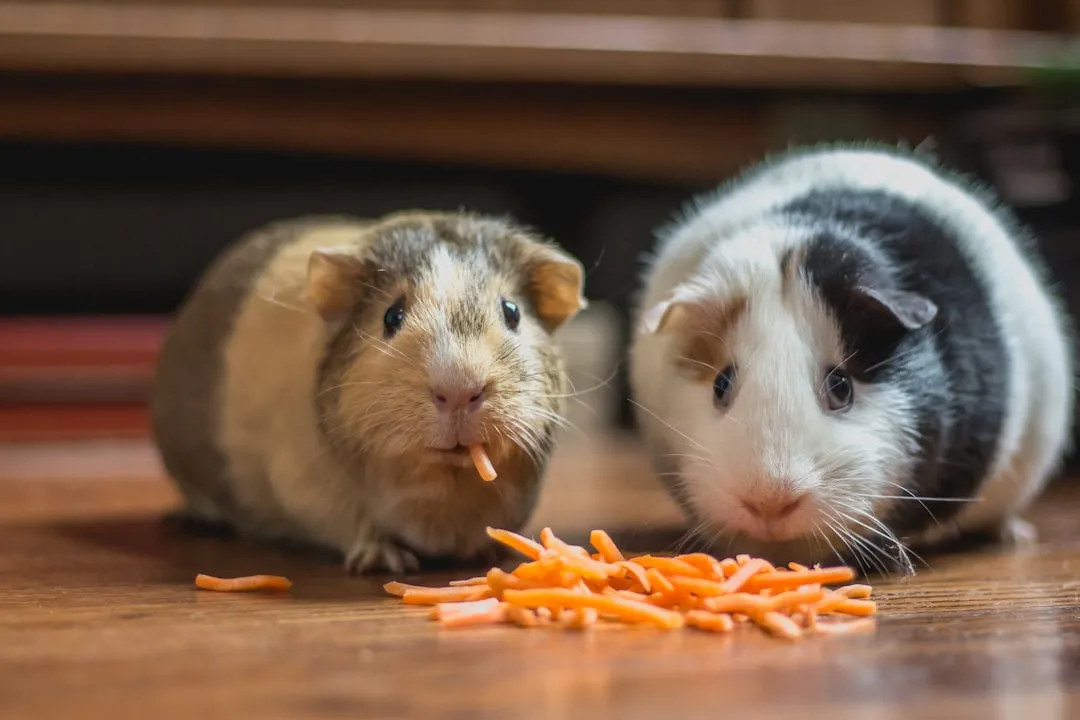
Guinea pigs have sharp hearing, and they use it to sort familiar humans from strangers. One of the most striking aspects of a guinea pig’s memory is their ability to recognize and remember their human caregivers, quickly associating the presence, scent, and tone of their owner’s voice, and distinguishing that voice from others. This is why the same “wheek wheek” chorus that greets one household member might stay quieter for a visiting relative.
Interestingly, this recognition seems to build gradually through repeated exposure rather than happening all at once. They will learn to associate tones and sounds that are repeated countless times. The more consistently someone talks to a guinea pig during feeding and handling, the faster that voice becomes a trusted signal rather than background noise.
#5 They remember scent as a marker of safety
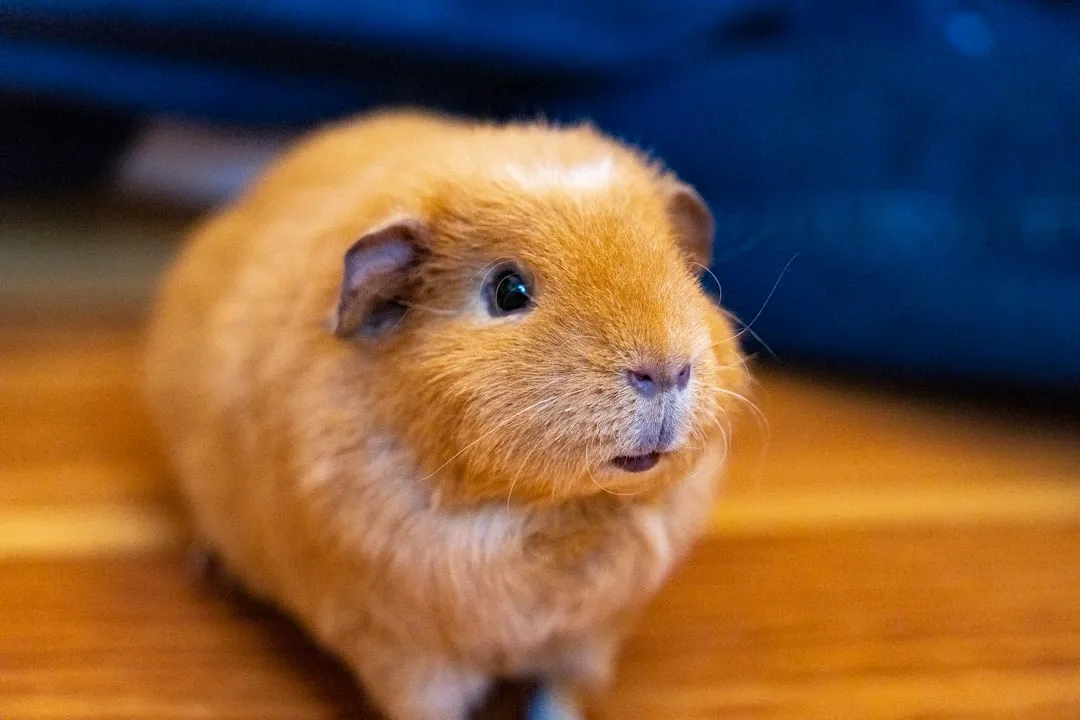
Smell plays an outsized role in how guinea pigs sort the world into safe and unfamiliar. Guinea pigs have scent glands on their chin and cheeks that they use to communicate with other guinea pigs and mark their territory, and when you spend time with your guinea pig, you leave your scent on them, and they remember it. That lingering scent becomes part of how a pig recognizes its own person day after day.
This sense of smell also compensates for fairly weak eyesight. Guinea pigs have an excellent sense of smell, which they use to identify their owners, recognizing the unique scent of their caregivers in a way that reinforces the bond. A change in soap, lotion, or laundry detergent can occasionally throw a pig off for a moment, which is a small but telling clue about how much weight scent carries in their daily recognition system.
#6 They notice when the routine itself changes
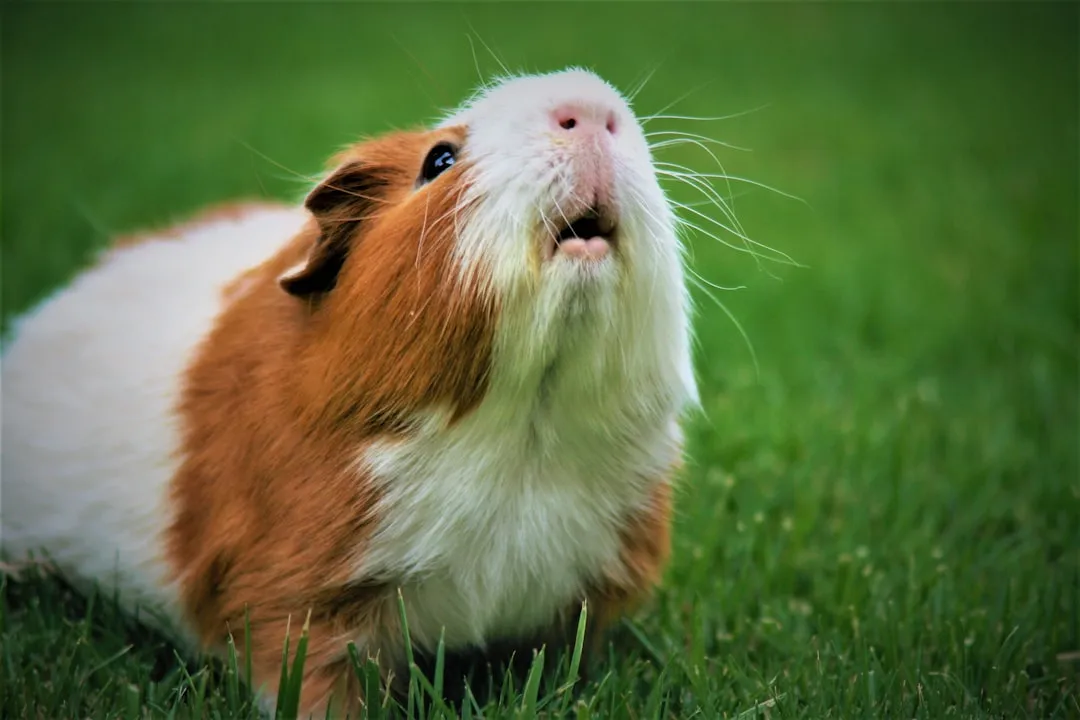
Beyond specific cues like sound or scent, guinea pigs seem to track the broader shape of their day, and they clearly register when that shape shifts. Long-term owners often describe pigs settling into a rhythm of morning feeding, midday quiet, and evening attention, then reacting when that rhythm breaks. A change in routine, even something as brief as a day away with a pet-sitter, can disrupt a guinea pig noticeably, because these are creatures of habit that do not love change.
This sensitivity to disrupted routine is not just anecdotal color. It lines up with how guinea pigs are known to organize their day around predictable events. Many guinea pigs do best with a predictable routine, so feeding at about the same times each day can reduce stress and help owners notice appetite changes early. A pig that suddenly stops reacting to its usual routine markers is often one of the first signs owners use to catch early health issues.
#7 They remember specific handling experiences
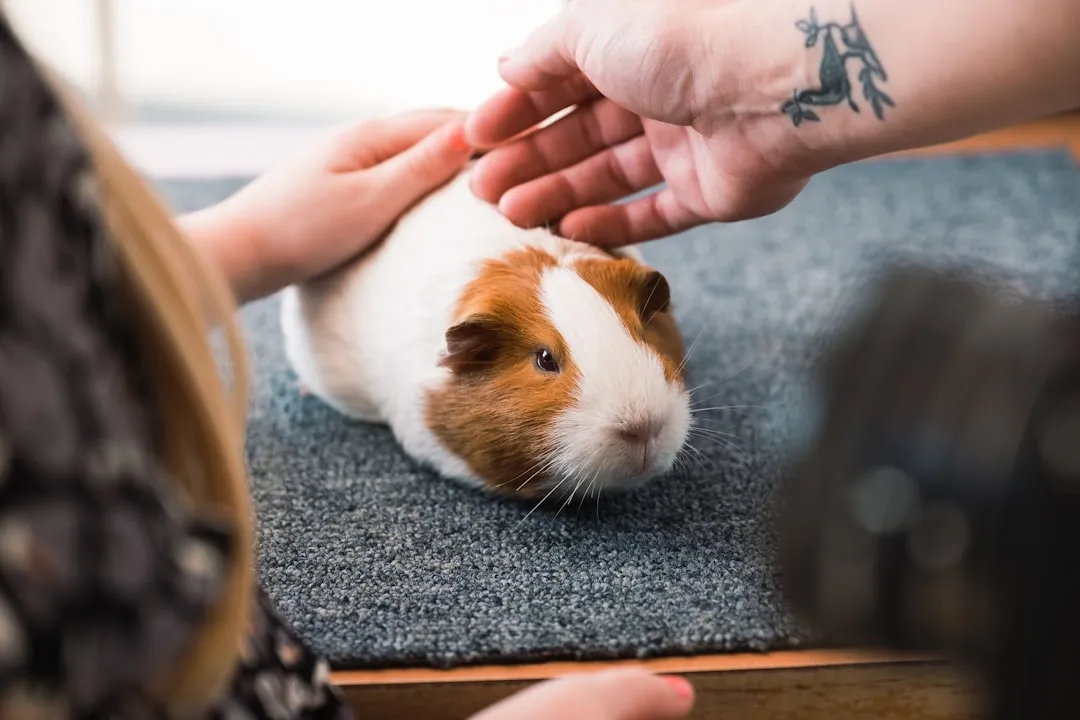
Guinea pigs do not treat every interaction with a human the same way. They seem to file away whether past handling felt safe or stressful, and that memory shapes how they respond going forward. Guinea pigs can remember specific actions and gestures of their owners, such as recalling the act of being hand-fed a treat or being gently petted in a particular way.
This works in both directions. A pig that has been picked up calmly and rewarded with a treat tends to relax faster during future handling, while one that has had a rougher or more sudden experience may stay guarded longer. It is a reminder that consistency in how a pig is handled, not just when it is fed, feeds directly into the trust it builds over time.
#8 They remember their place within a social group
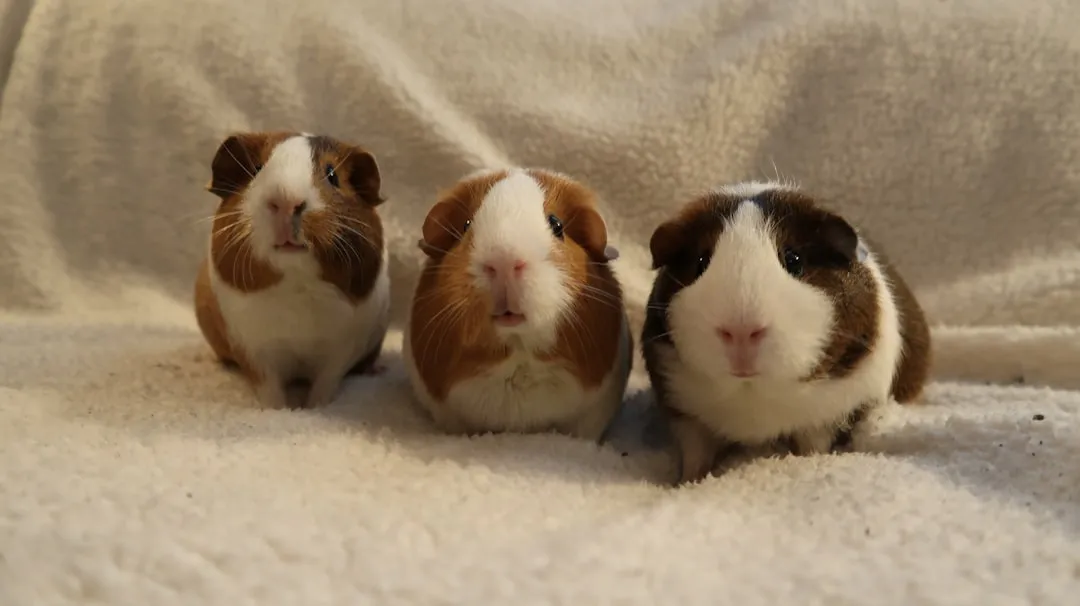
Guinea pigs living with companions keep track of more than just humans and food schedules. They also remember the dynamics of their own small social circle. Their cognitive abilities include remembering locations and associating them with rewards, along with social learning, where they observe and learn from the behavior of other guinea pigs and humans.
This social memory shows up in everyday group behavior, from who eats first at the hay rack to which cagemate gets groomed and which one gets a polite but firm nudge away. These are not random interactions repeated by accident. They reflect a running mental record of who is who within the group, updated as relationships shift over weeks and months.
Final Thoughts
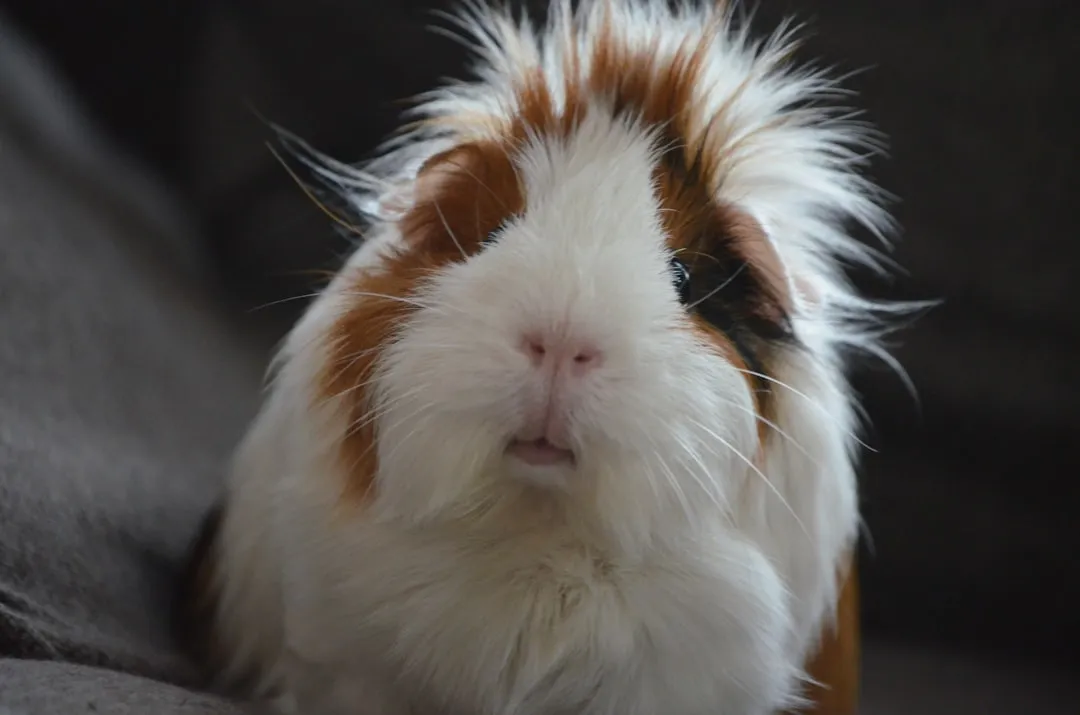
None of this means guinea pigs are secretly plotting their day like tiny furry accountants. Their memory is practical and narrow, built around survival basics like food, safety, and familiar faces rather than abstract thought. Still, dismissing it as pure instinct misses something important about how these animals actually experience their environment.
If there is one honest takeaway here, it is that routine is not just a convenience for guinea pig owners, it is genuinely load-bearing for the animal’s sense of security. A predictable schedule is not fussy pet-parenting, it is closer to a basic welfare need. Anyone who has watched a guinea pig calm down the moment a familiar routine resumes after a disruption already knows this without needing a study to confirm it.

- What Large Dog Breed Are You According to Your Zodiac Sign - August 8, 2026
- 8 Plants That Help Keep Mosquitoes Away From Texas Patios - August 8, 2026
- 10 Facts About the Grand Canyon Hidden in Its Rock Layers - August 8, 2026