
Most horse owners believe they’ll just know. They picture a single dramatic moment – a fall, a colic that won’t resolve, a morning the horse simply doesn’t get up – that will make the decision for them, clean and undeniable.
The truth lifelong riders carry quietly is stranger and sadder than that. By the time the obvious signs show up, the horse has usually been declining for months already, in ways so small that even a good vet, seeing the horse every few weeks, can miss them. Below are the eighteen quiet signs experienced owners actually watch for – and by the end, you may recognise a pattern you’ve been trying hard not to see.
18. The “Flat-Eyed” Look That Doesn’t Go Away
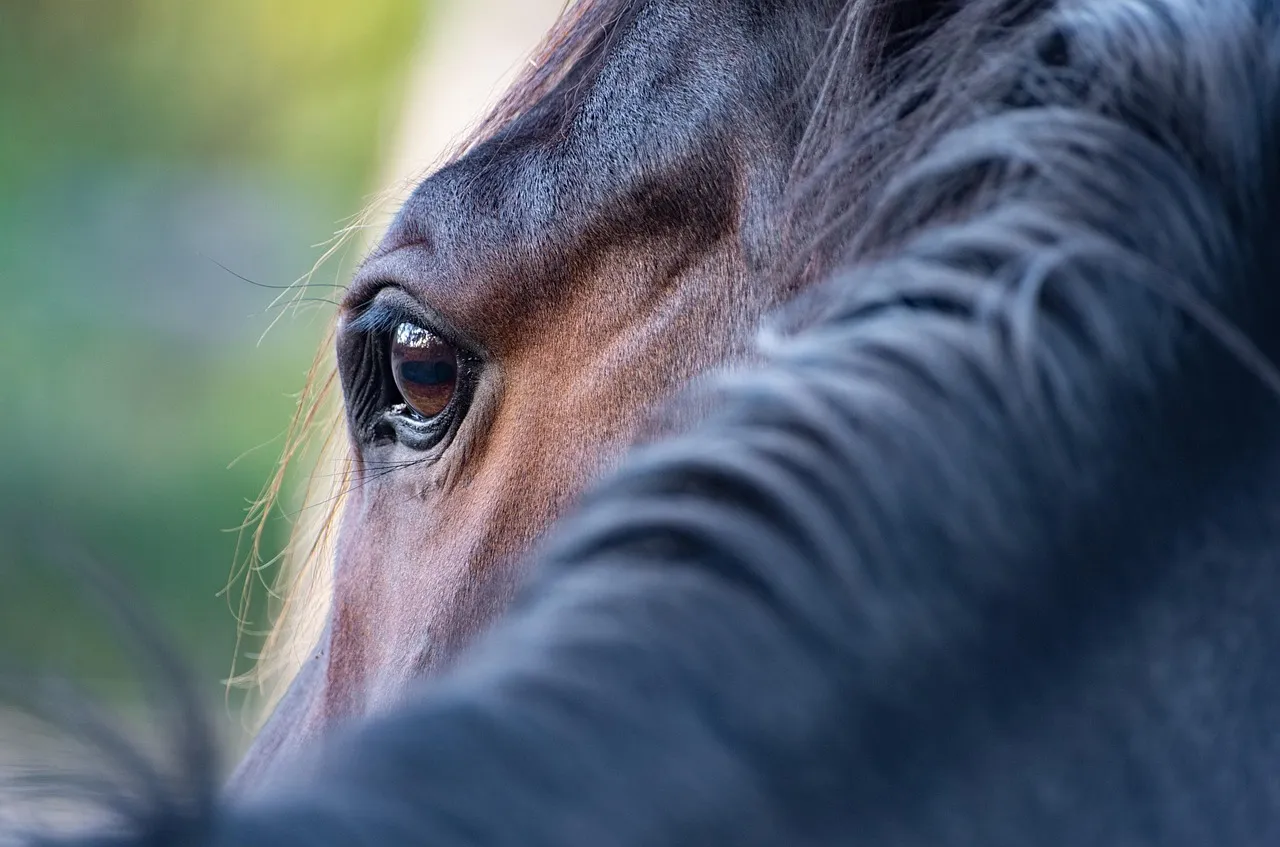
Old horses often get softer, kinder eyes. That’s normal, and it’s not the issue. What lifelong riders notice is a persistent dullness that doesn’t match the horse’s usual personality – a steady, flat gaze that seems to look “through” you instead of “at” you. The horse still blinks, still reacts, but the spark that used to flash when you walked up with the halter just isn’t there most days.
One off-day means nothing. But when a horse that used to meet you at the fence starts watching from the back of the paddock with that same empty stare, week after week, experienced owners take notice. Loss of eye brightness paired with reduced interaction often mirrors chronic discomfort or systemic frailty. As one longtime rider put it, “I knew it was close when he stopped looking like himself.”
17. The Horse That Never Truly Rests
Most owners watch for obvious lameness. Seasoned riders watch how a horse stands when nothing is happening at all. A horse nearing the end will often shift weight constantly, as though no position ever feels quite right.
- Alternating hind legs every few seconds
- Parking out slightly, as if trying to relieve back or abdominal pressure
This isn’t a relaxed doze. The topline stays tense, the eyes are half-closed but never peaceful, and the tail sits rigid instead of loose. Long-term joint disease, low-grade laminitis, or chronic internal pain can show up as this restless standing rather than a clear limp. If your horse never seems to “melt” into a comfortable pose anymore, that’s the body quietly saying nowhere is pain-free.
16. The “Fake” Good Days That Don’t Add Up
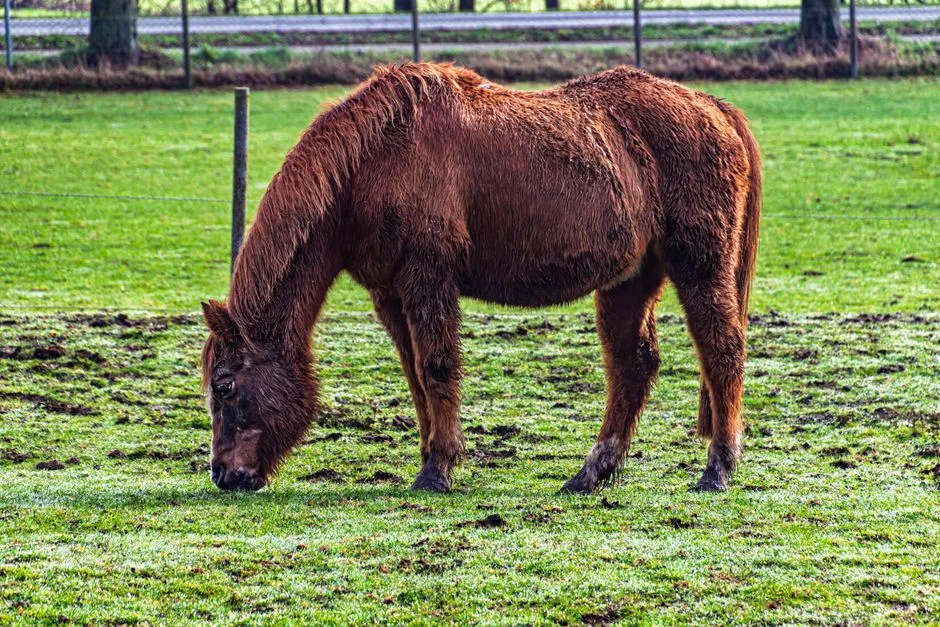
People new to ageing horses cling to good days as proof everything’s fine. Lifelong riders learn to ask a harder question: what does a good day actually cost the horse now? An old horse near the end may still trot to the gate or nicker for feed, but the bounce-back afterward tells the real story.
- A short burst of energy followed by hours of flatness
- Looking more drained the day after even light exercise
Those bright moments are often adrenaline or habit, not real wellness – the mind rallying for a minute with no reserve underneath it. Experienced owners stop judging by the highest moments and start judging by the average. When “good” now just means “less miserable,” that’s a quiet, sobering shift.
15. The Slow, Reluctant Walk to the Gate
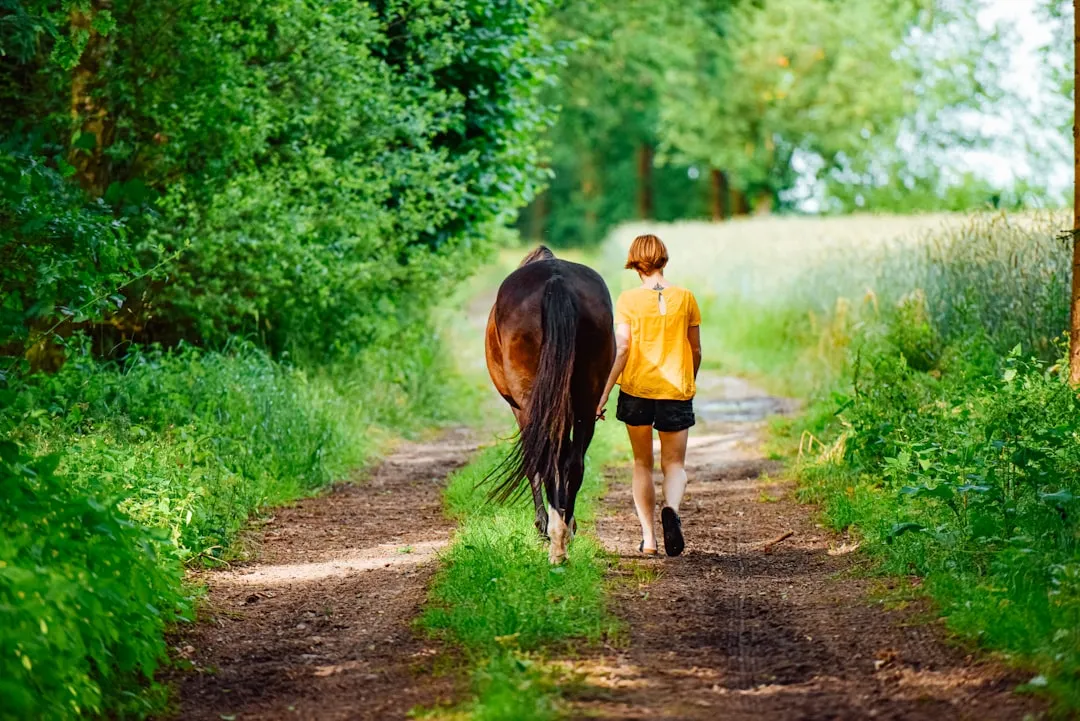
Every barn has that horse who used to power-walk toward a bucket, a trailer, or a favorite person. When that same horse starts to trudge instead – even with food or turnout on offer – seasoned riders don’t wave it off as “he’s just old.” Age doesn’t erase enthusiasm on its own. Pain and internal decline do.
- Hesitating before stepping onto concrete or hard ground
- Shorter strides, especially heading downhill
- Pausing often, as if deciding whether the trip is worth it
The horse still comes to you, but the tempo is wrong. That eager “here I come” stride has turned into a careful shuffle. When food and familiar routines no longer inspire a quicker step, it usually means moving simply hurts.
Worth Knowing
- Reluctance to move can come from arthritis, laminitis, neurological changes, or plain fatigue – not just “old age” on its own
- Horses are natural stoics; in the wild, slowing down once meant becoming prey, so hiding pain is instinctive
- A shortened stride or hesitation on hard ground is one of the earliest lameness clues vets are trained to spot
- Comparing day to day, not just judging single “good” moments, is the most reliable way to catch a real decline
14. Appetite Sliding From Eager to Obligatory
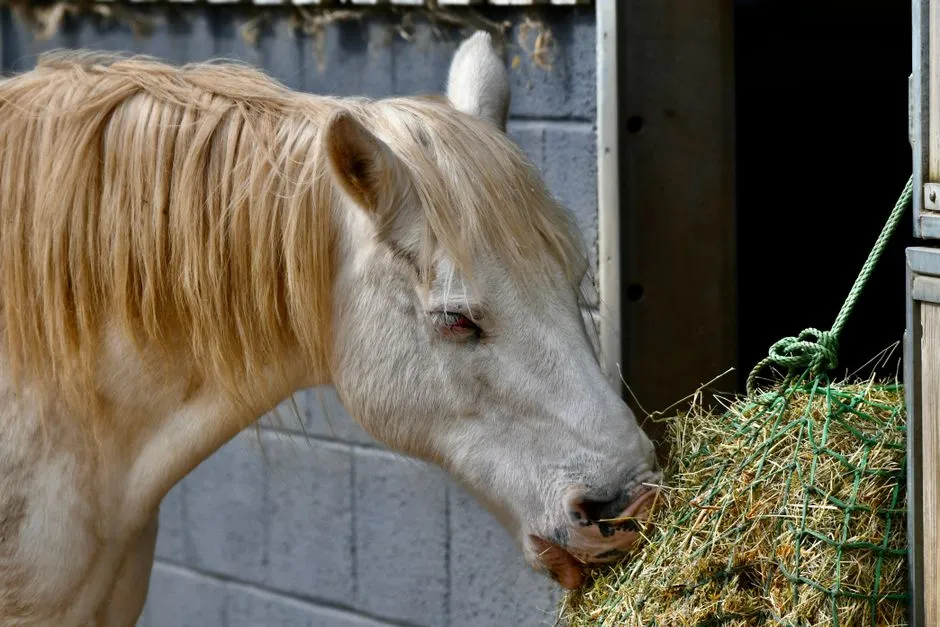
Horses close to the end rarely stop eating overnight. More often, their relationship with food quietly changes shape. They still walk to the feeder, still nibble hay, but the urgency is gone.
- Slower eating, with long pauses between mouthfuls
- Leaving more hay or feed behind, especially tougher stems
- Picking out soft pellets and ignoring the rest
Dental trouble, chronic pain, gut issues, and plain fatigue all make eating feel like effort instead of reward. Lifelong riders can tell the difference between a picky horse and one that’s grown almost indifferent to food it used to love. When even a favorite treat doesn’t speed them up anymore, that dulled appetite often signals something bigger going on underneath.
13. Drifting to the Edges of the Herd
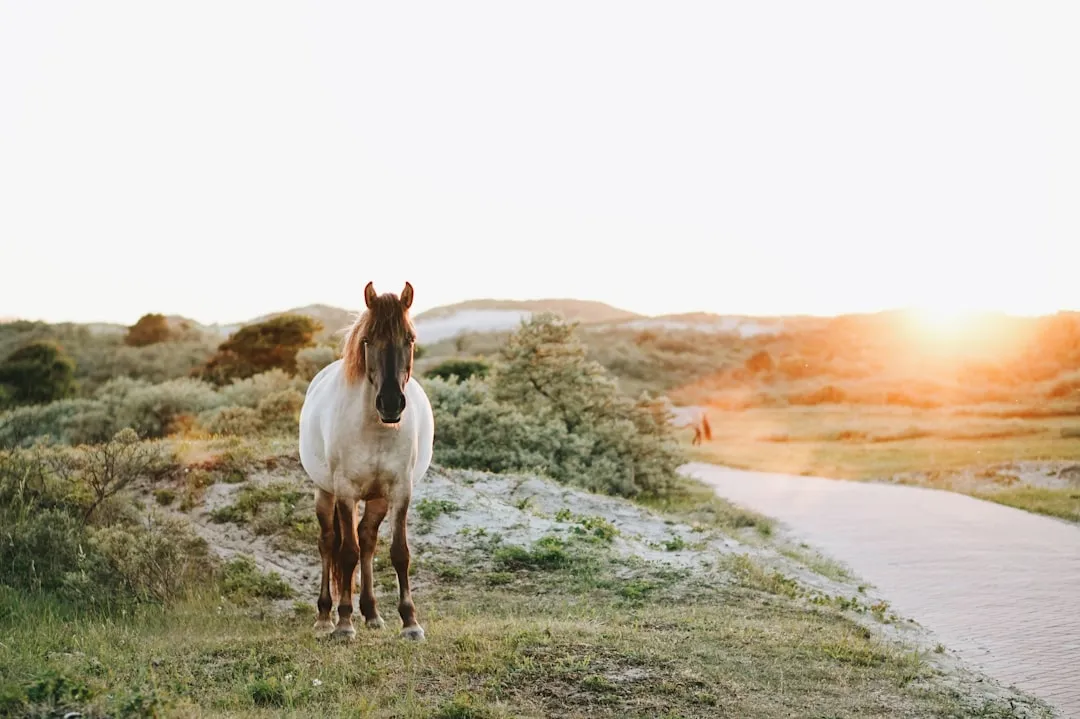
In almost every herd, older horses eventually settle into a quieter role. That’s normal. What’s not normal is a senior horse who systematically removes itself from social life altogether.
- No longer sharing shade or hay piles with long-time buddies
- Dropping out of light mutual grooming
- Losing interest in new arrivals or the usual herd drama
Instead, the horse grazes alone, watching from a distance. This isn’t just low rank in the pecking order – it’s withdrawal. Sometimes it’s self-protection, avoiding bumps that hurt more now. Sometimes it’s plain exhaustion. A horse living on the margins of a herd it once navigated confidently is often telling you it no longer has the energy, or the comfort, to belong to it.
12. Minor Health Problems That Never Fully Clear Up
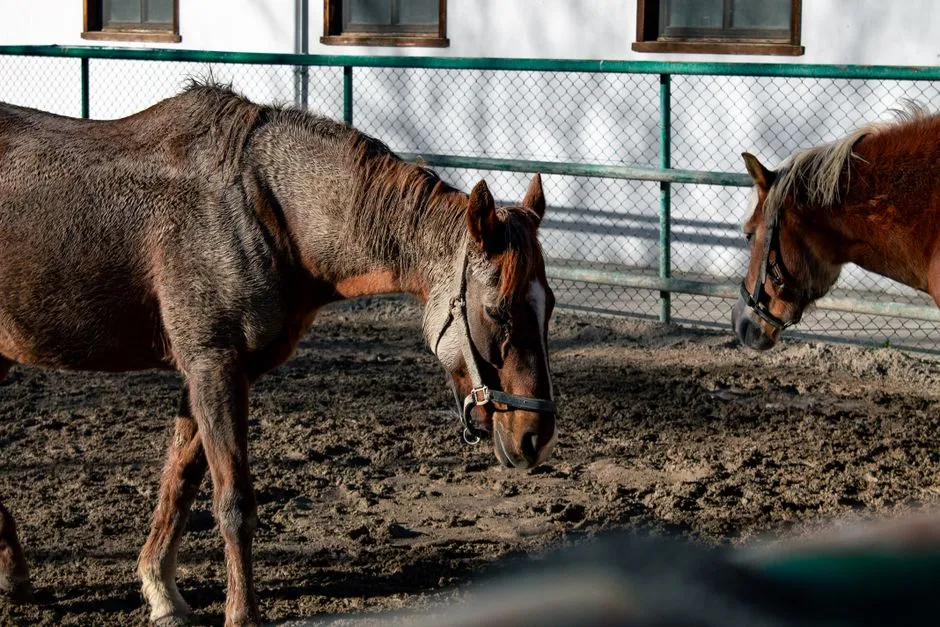
Vets can treat almost anything once. What worries experienced owners is when small issues start stacking up in an ageing horse, one after another, with less and less recovery time in between.
- Recurrent eye goop, skin funk, or mild respiratory issues
- Slow-healing scrapes or repeated hoof abscesses
- Low-grade fevers or unexplained “off” days
Individually, each episode is manageable. Together, they reveal an immune system and repair mechanism losing ground. When your calendar becomes a timeline of small problems with shrinking gaps of normal in between, that’s not bad luck – that’s data. Lifelong riders read it as a whole-body system running out of steam.
11. The Horse That Sleeps Less, Not More
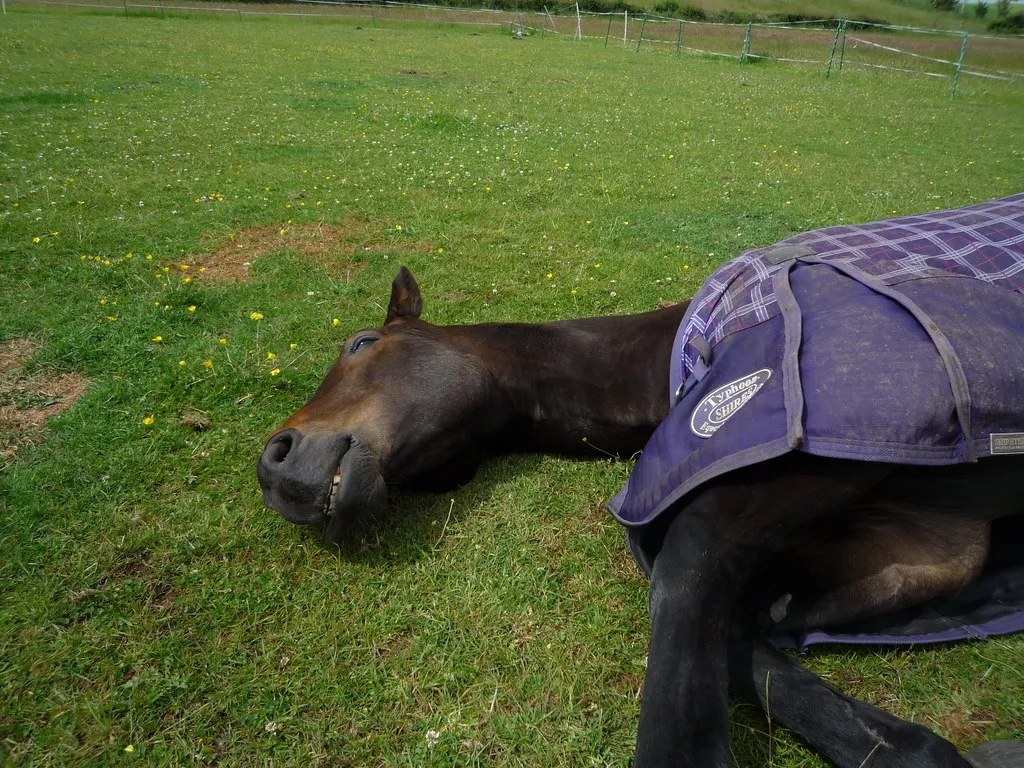
People assume old horses sleep constantly. In reality, a horse nearing the end often sleeps less – and worse. Healthy horses need to lie down regularly to get true REM sleep. Ageing, pain-ridden horses often can’t afford to.
- Hesitating to lie down because getting back up hurts
- Catnapping standing, never fully relaxing
- Rarely, if ever, stretched out sunbathing anymore
Over time, chronic sleep deprivation makes everything worse: pain perception, immune function, coordination, mood. When lifelong riders realise they haven’t seen their horse lying down in weeks, even on warm, quiet, safe days, they don’t call it laziness. A body that can’t risk the effort of lying down is a body living on a razor’s edge.
Fast Facts
- Horses can doze standing up thanks to a “stay apparatus” that locks the legs, but that’s light rest, not deep sleep
- True REM sleep only happens lying flat, and most horses need at least a short stretch of it daily
- Chronic pain, arthritis, or fear of struggling to rise can make a horse avoid lying down for long stretches
- In secure herds, horses often take turns lying down so one member can keep watch – a habit that fades when trust or comfort breaks down
10. Tiny, Repeated Coordination Slips
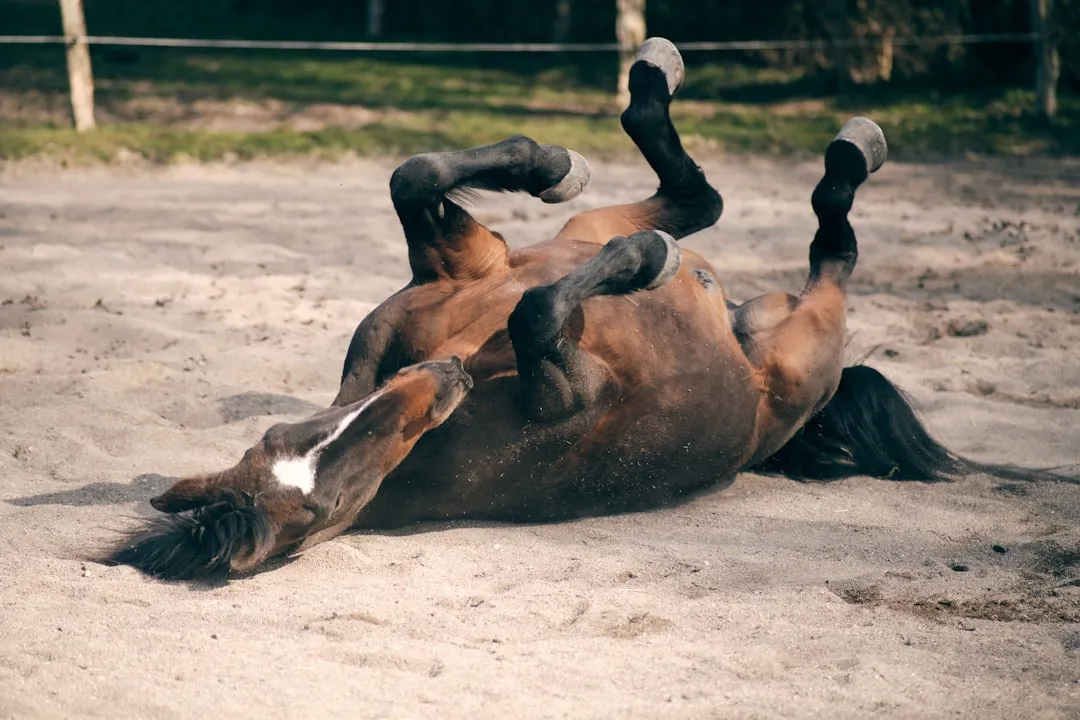
Not a dramatic trip, not a stumble over a big rock – just patterned tiny missteps. A front hoof that occasionally scrapes the ground. A hind leg that doesn’t quite clear a small rut. A slow, careful correction after slipping on smooth footing.
Each moment alone looks harmless. Together, they point to fading proprioception and strength. Under saddle it might show up as slight weaving or a delayed response on uneven ground. On the ground, it’s the horse that can’t pivot smoothly anymore, or clips gateposts more than it used to. These subtle slips can reflect neurological change, severe arthritis, or general weakness – any of which raises real fall risk in an older horse.
9. The Shrinking World of a Once-Curious Horse
Healthy horses are nosy by nature. They investigate new buckets, sniff jackets, watch trailers roll in. Age alone doesn’t erase that curiosity – but a shrinking mental world is exactly what alarms experienced riders in a horse nearing the end.
- New objects barely earn a glance
- Visitors, dogs, and changes in routine draw little interest
- The horse seems “there but not there” in its own environment
This isn’t the calm confidence of a well-desensitized horse. It’s a gradual fading of engagement with the world. Some riders compare it to dementia in people; others just call it “checking out.” When a horse who once scanned everything now barely registers what’s happening beyond the feed tub, their inner spark may be dimming right alongside their physical reserve.
8. The Chronic Low-Grade Pain Face
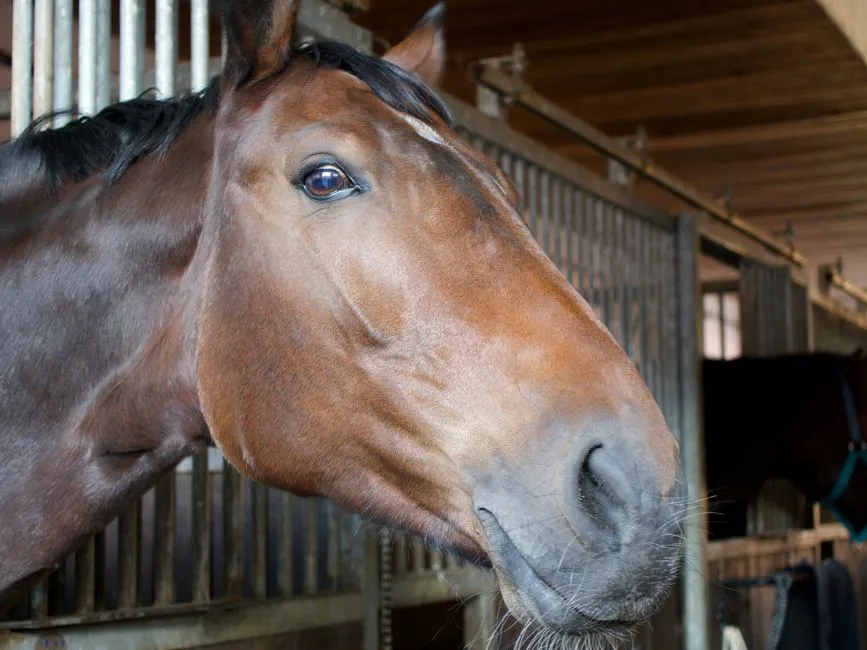
Experienced horse people learn to read the pain face: tight, triangular eyes, pinched nostrils, a tense muzzle, a clenched jaw. In a horse nearing the end, this expression stops being occasional and becomes the default.
- Lips slightly pursed, lower jaw held rigid
- Head carried a little lower and more fixed than before
- Fleeting flinches when groomed in certain spots
Many owners miss it precisely because it isn’t dramatic – no screaming colic roll, no obvious wound. Just a permanent, quiet effort to endure. Over time, the soft, relaxed expression becomes the rare one instead of the norm. If your horse looks mildly uncomfortable more often than they look at ease, you’re not imagining it. That’s chronic suffering, speaking softly.
7. When Basic Handling Turns Into a Fight
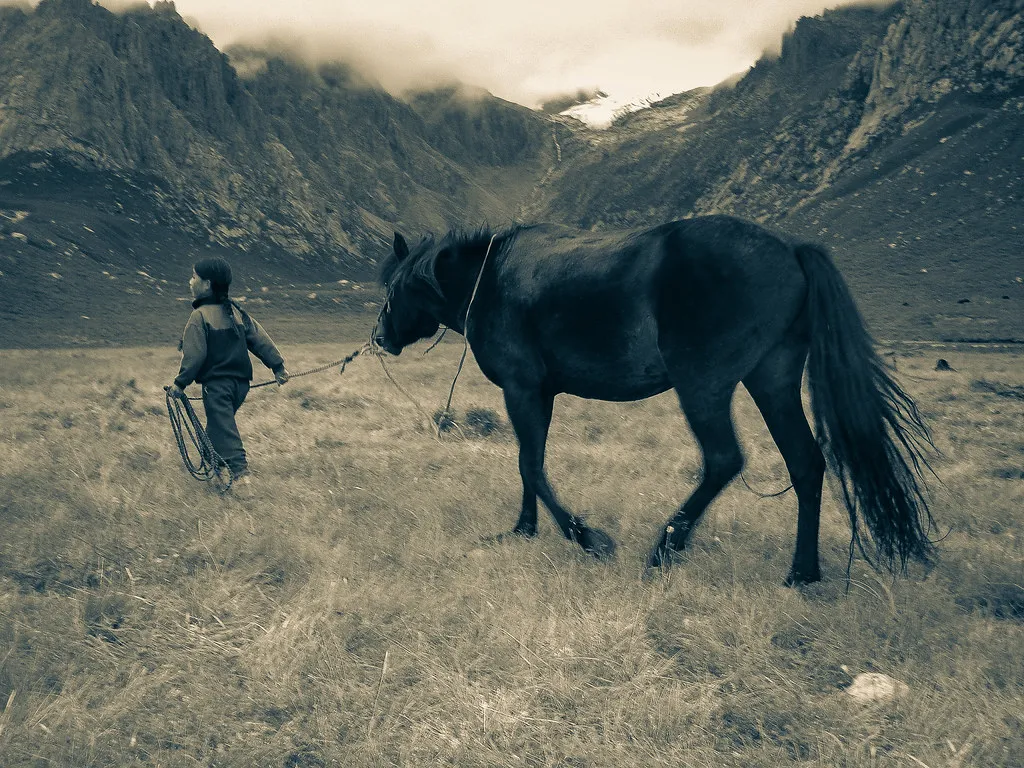
Old horses are allowed a little grumpiness. But there’s a line, and lifelong riders notice the moment routine care starts to feel like an argument.
- The horse who always stood for the farrier now leans, struggles, or pulls away
- Grooming or blanket changes trigger tail swishing, pinned ears, or attempts to move off
- Trailer loading or leading suddenly looks risky or stressful
Often this isn’t “bad behavior” at all – it’s a body saying it can no longer do this comfortably. Fighting for balance during a hoof trim, twisting a sore joint for bandaging, holding up an aching leg – it all adds up. When ordinary handling becomes a daily negotiation with visible discomfort, pretending nothing’s changed stops being kind.
6. Recovery Time That Keeps Stretching Out
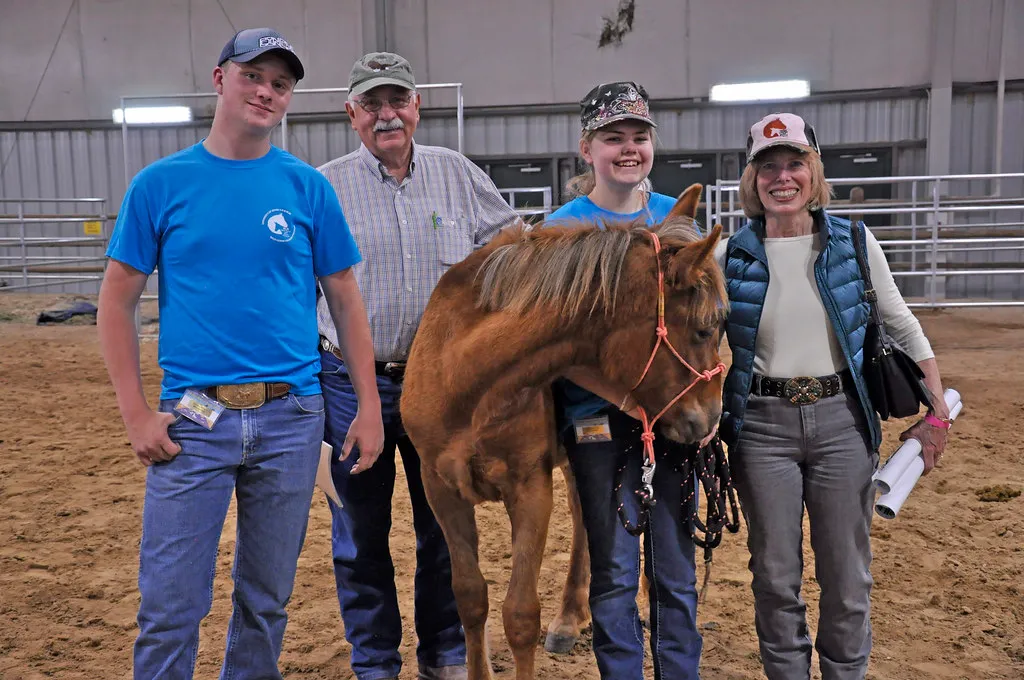
Every horse gets tired after a big day. The difference with a horse near the end is that recovery from even tiny exertions keeps getting longer, no matter how much you scale things back.
- Puffier breathing and a raised heart rate after a short walk
- Soreness the next day from a gentle ride that used to mean nothing
- Needing days, sometimes a full week, to look “normal” again
You soften the footing, shorten the rides, drop the expectations – and the pattern holds anyway: less work still adds up to more fallout. That widening gap between effort and recovery is one of the clearest, most objective markers that the body is running out of capacity, no matter how much heart the horse still has.
5. Struggling to Stay Warm, Cool, or Comfortable
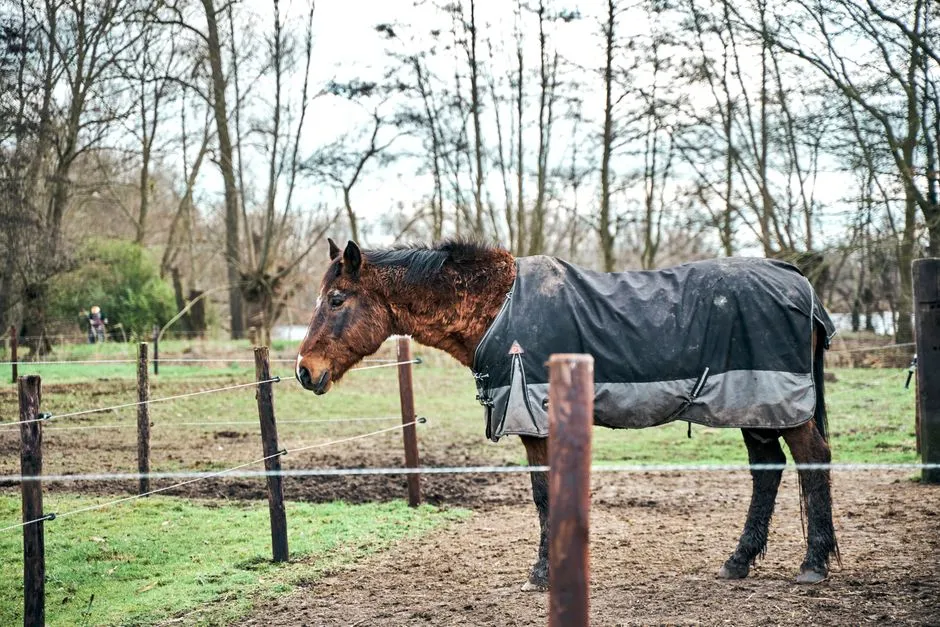
Lifelong riders keep a mental log of how their horses handle weather. When a senior horse suddenly struggles with temperatures it used to shrug off, that’s rarely “just age.” More often, it’s a failing ability to regulate body temperature at all.
- Sweating heavily with minimal exertion
- Shivering in mild cold while other horses are fine
- Taking longer to dry off or cool down
- Sudden heat or sun intolerance that shows up out of nowhere
These shifts can point to endocrine disorders like PPID (Cushing’s), cardiovascular limits, or general frailty. A horse that can’t keep itself comfortable in ordinary conditions is spending energy just to survive the weather – energy that isn’t left over for healing, digestion, or movement.
Quick Compare
- Normal ageing: sheds the winter coat a bit slower, mild seasonal dip in energy
- PPID-type decline: long, patchy coat that won’t fully shed, plus unexplained excess sweating
- Normal ageing: handles modest temperature swings about as well as younger herdmates
- PPID-type decline: shivers or overheats even when the rest of the herd seems unaffected
4. Joint and Hoof Problems That Stop Responding to Treatment
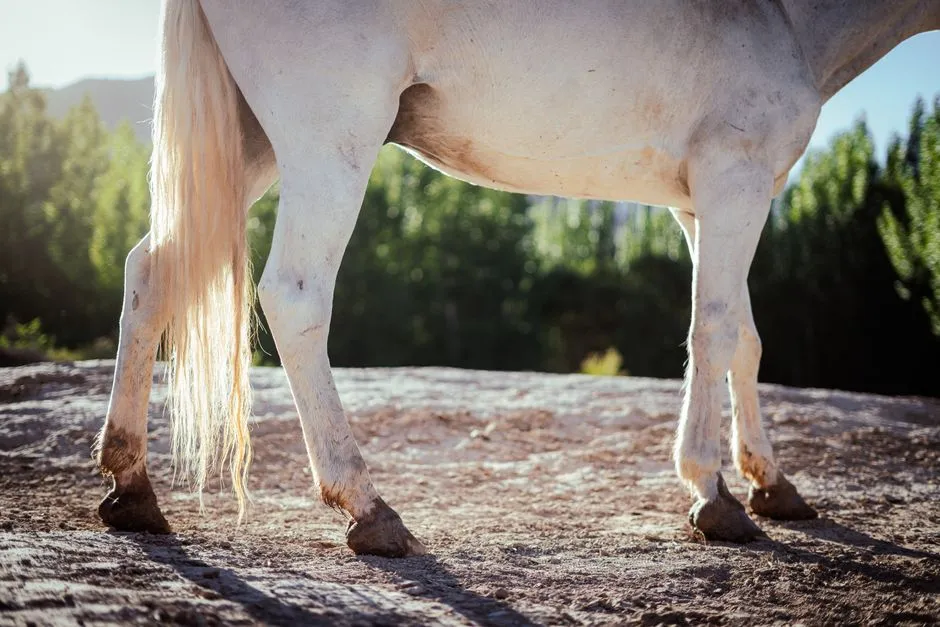
Plenty of older horses live well with arthritis, navicular changes, or a laminitis history, as long as management keeps working. The quiet, ominous shift is when your best tools stop doing their job.
- Joint injections that used to feel miraculous barely move the needle now
- Pain medication that helps for a few hours instead of a full day
- Frequent farrier adjustments that make things “less bad,” not genuinely comfortable
You keep tweaking – new shoes, pads, supplements, therapies. Some help a little. None bring the horse back to something you’d honestly call comfortable. When the disease curve keeps trending downward despite appropriate care, you’re not maintaining quality of life anymore. You’re managing decline. Lifelong riders know exactly how brutal that difference is.
3. The Personality Reversal Nobody Wants to Admit
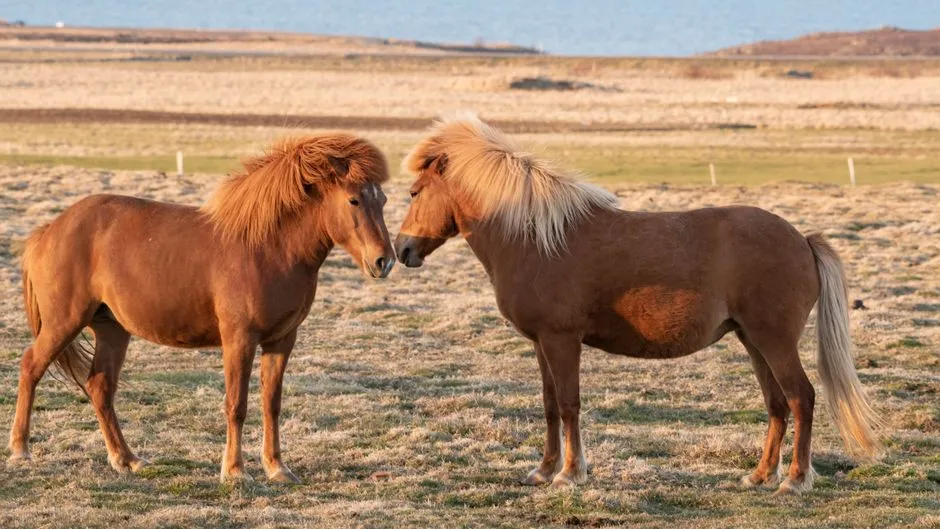
The most gut-wrenching sign for many riders isn’t physical at all. It’s the personality flip: the brave horse turns spooky, the kind lesson saint pins its ears at kids, the opinionated firecracker goes strangely passive and detached. Pain, exhaustion, and cognitive change can all warp behavior, and long-time owners feel it before they can explain it.
You might catch yourself saying, “He’s just not himself anymore,” and then trying to talk yourself out of it. Riders who’ve walked this road before know to listen to that sentence instead of arguing with it. When the core “who they are” starts to fade, it usually means their internal experience of life has shifted from manageable to overwhelming. It isn’t about rideability or perfection – it’s about whether the horse still seems to recognise and inhabit its own identity.
At a Glance
- The confident horse becomes spooky or hyper-vigilant
- The gentle babysitter type turns snappish or intolerant
- The outgoing personality goes quiet and withdrawn
- The food-motivated horse loses interest in treats it once adored
2. The Vanishing Joy: No More Real Good Moments
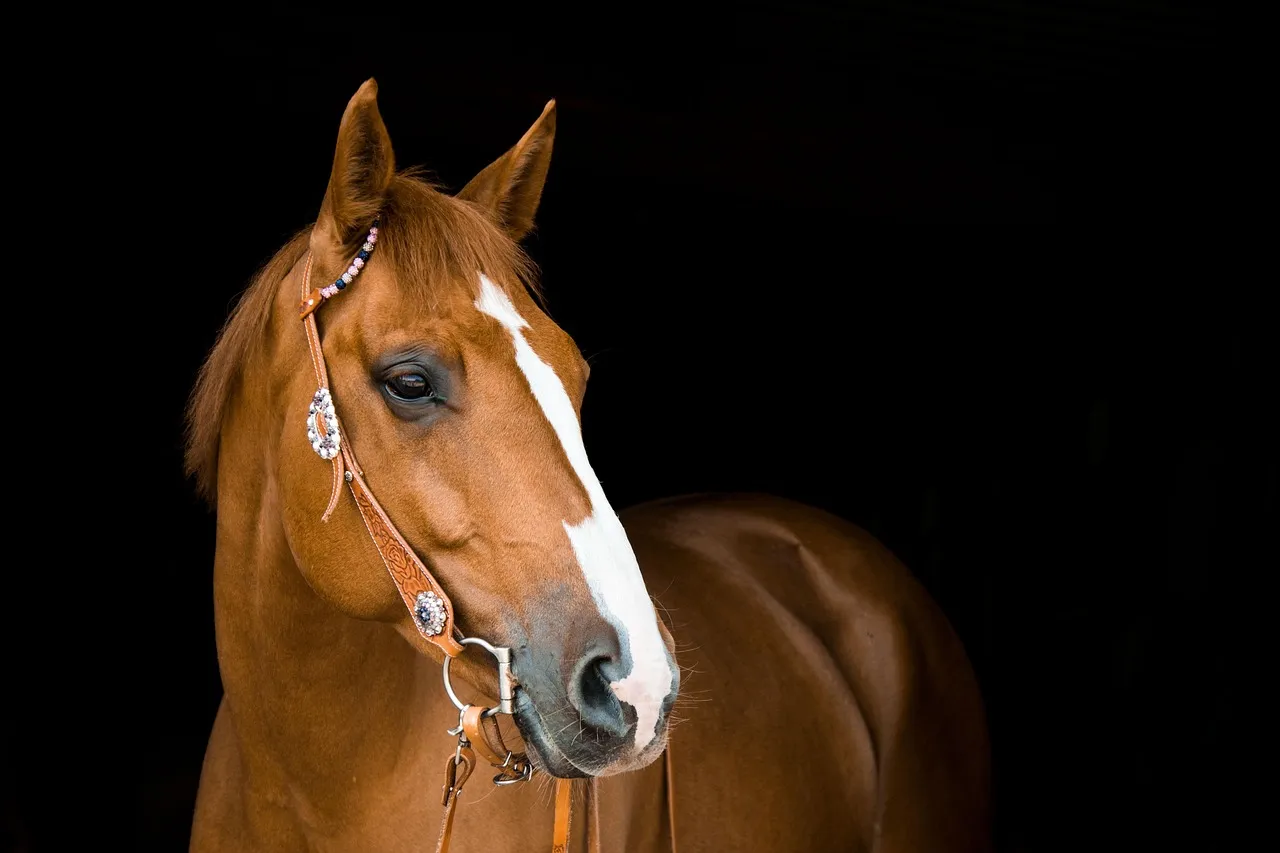
Even horses with chronic issues usually still show flashes of joy – a playful buck in turnout, a contented roll, an eager nicker for their person. Lifelong riders quietly track how often those moments still show up. A horse nearing the end doesn’t necessarily suffer all day; more often, the joy simply drains out.
- When was the last time they truly lit up at anything?
- Do they still roll with gusto, or is it half-hearted and rare?
- Do they ever trot or canter by choice, even briefly?
If you’re struggling to remember the last time you saw them really enjoy something, that isn’t sentimentality – it’s evidence. A life that’s ninety percent endurance and ten percent pleasure might still be worth living. A life that’s ninety-nine percent endurance and one percent pleasure rarely is.
1. When Your Gut Already Knows and You Keep Moving the Goalposts
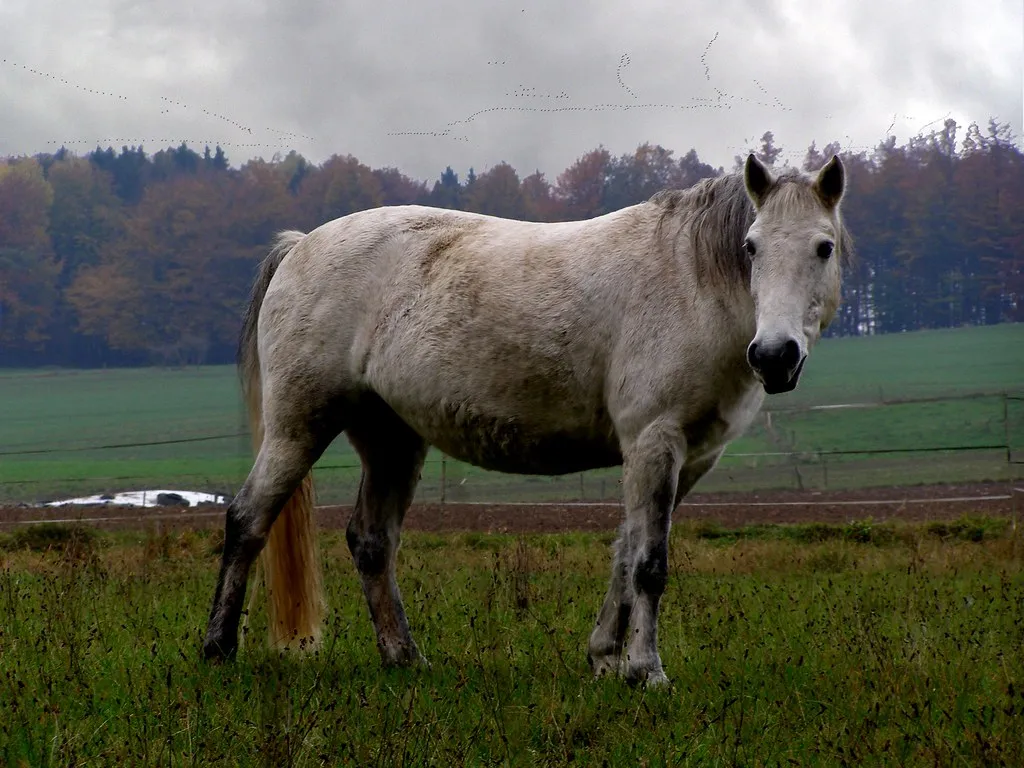
The harsh truth lifelong riders will admit, often through tears, is this: you usually know before you let yourself know. The clearest sign that an ageing horse is nearing the end isn’t one symptom – it’s the way you start behaving around all the others.
- Making new excuses for signs you’d once have taken seriously
- Lowering the bar again and again on what counts as “a good day”
- Avoiding an honest conversation with your vet because you already suspect the answer
You cling to any small “up day” as proof things aren’t that bad, while quietly ignoring the relentless downward trend.
Common sentiment among longtime horse owners
When you realise you’re working harder to justify keeping them going than you are to keep them comfortable, that’s often the final, clearest sign of all. It has nothing to do with courage, and everything to do with love.
Most people wait for one dramatic crisis to tell them it’s time. Lifelong riders know that for many ageing horses, the truth arrives in whispers instead: the flat eye, the restless stance, the vanishing curiosity, the slow, stubborn erosion of joy. No single sign here is a death sentence on its own.
But when several of them start overlapping, day after day, ignoring the pattern isn’t optimism – it’s avoidance. Our job was never to stretch a life to the last possible heartbeat. It’s to protect the animal in front of us from a life that has quietly become more burden than blessing.
You don’t owe anyone an explanation for choosing a kind end over a long, drawn-out decline. But if you truly love them, you owe them the courage to see what’s already there in front of you.

- 17 Gentle Things an Ageing Horse Does in Its Final Season That Owners Understand Far Too Late - August 8, 2026
- Is Your Ageing Horse Nearing the End? 18 Quiet Signs That Only Lifelong Riders Ever Recognise - August 8, 2026
- 17 Things Wildlife Biologists Wish More People Understood About the Hummingbirds Visiting Their Yard Each Summer - August 8, 2026