
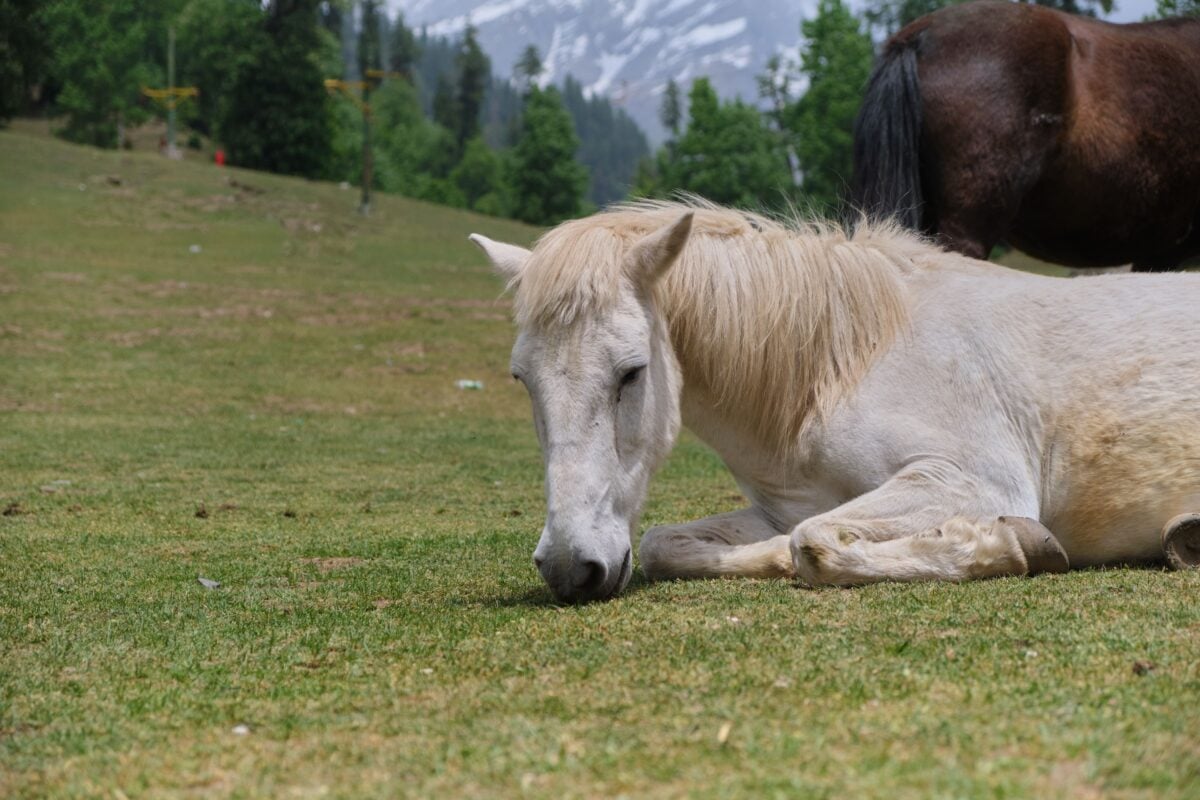
Most people assume an old horse just “slows down a bit,” and then one random morning it’s suddenly time to say goodbye. That’s not how it actually happens, and anyone who’s lived through it will tell you the ending was never sudden at all.
The final season is really a slow parade of tiny, gentle changes – so small they feel harmless in the moment, and so quiet you don’t notice them stacking up. It’s only afterward, replaying every little detail, that they hit you like a truck. These aren’t dramatic emergencies. They’re whispers. Here are the 17 subtle things ageing horses do in their last season that owners almost always understand far too late.
#1 – They Start Choosing the Quiet Corner of the Field
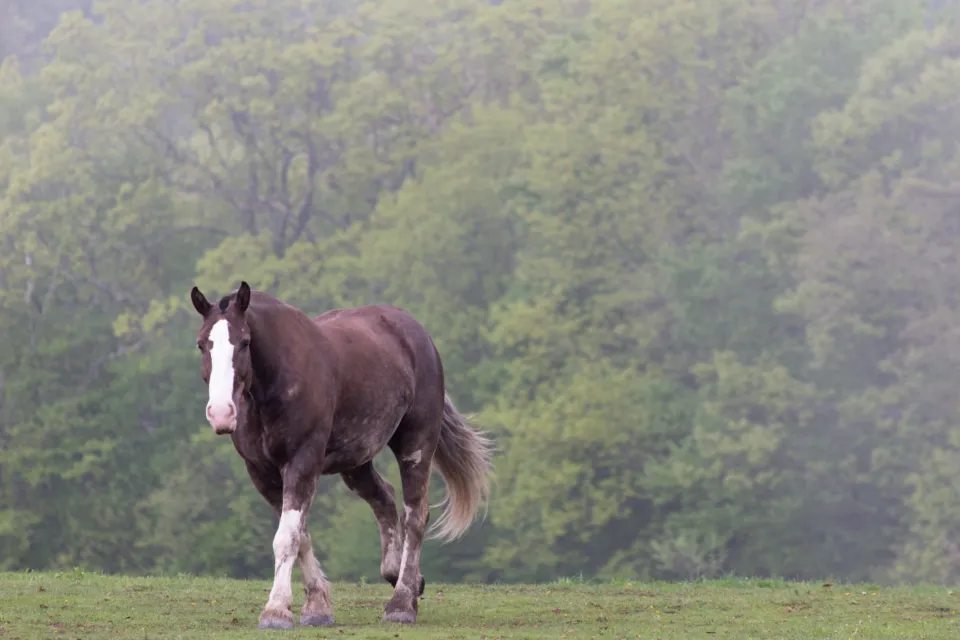
The first gentle shift rarely looks like sickness. It looks like geography.
One day you notice your horse isn’t patrolling the whole pasture the way they used to. They gravitate toward the same calm spot – a fence line, a tree, a gate – and they just stay there.
They’re not lame. They’re not in distress. They’re just quieter, and that’s exactly what makes it so easy to explain away as a lazy afternoon.
Older horses begin budgeting their energy like a fixed income. They’ll still walk for food and water, but the aimless wandering and the “let’s go see what’s happening at the far fence” curiosity fade first.
That favorite corner becomes a front-row seat to the herd, without the pressure of standing in the middle of every argument. Most owners only realize afterward that their horse had quietly started stepping back from the hustle of the group.
#2 – They Greet You Slowly, But More Softly Than Ever
In their prime, your horse might have trotted or cantered to the gate the second they heard the feed bin rattle. In their final season, they still come – just different.
Instead of the dramatic gallop, you get a slow, steady walk and a long, deliberate sigh when they finally reach you. The excitement is still there in their eyes; the body just answers at half-speed.
Most owners chalk it up to a mellow mood and move on. But what actually changes isn’t the speed – it’s the softness. They linger with their nose at your chest. They stand for longer scratches. They close their eyes when your hand finds their favorite spot, as if banking every second.
It’s tempting to romanticize this as “they know they’re going,” but the simpler truth is that they’re tired, and you are still their safe place. Looking back, those slow walks to the gate were the last version of them giving you everything they had left.
#3 – They Start Leaving a Little Feed Behind
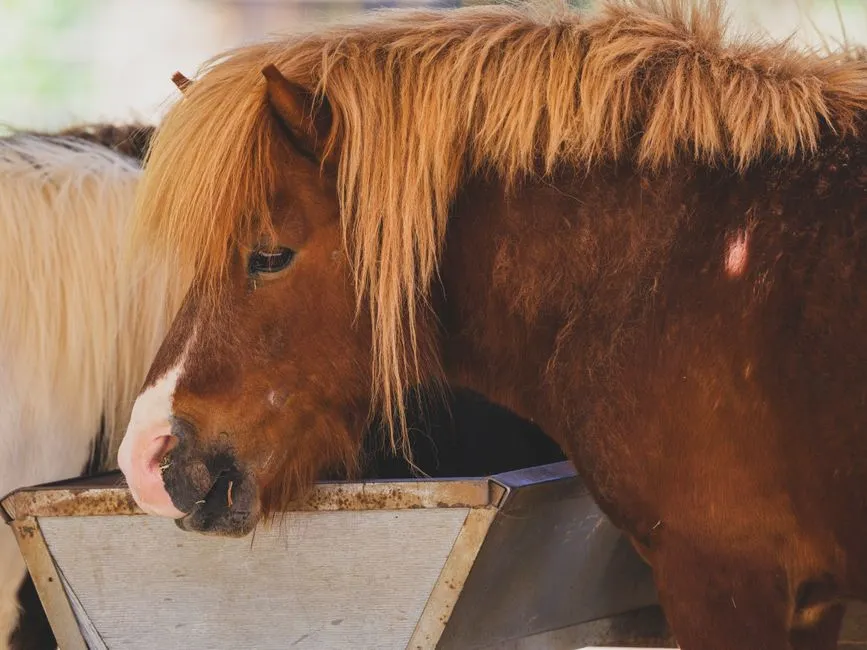
Most horse owners panic when a senior stops eating altogether – but the real first warning is much quieter than that. In that last season, many horses start leaving just a bit of grain or hay they used to inhale in seconds.
It’s not a full refusal. It’s a stubborn half-flake left untouched, or pellets scattered and ignored at the bottom of the bucket.
It’s easy to blame the weather, boredom, or a bad batch of feed. Sometimes it’s dental pain. Sometimes it’s a metabolic shift. Sometimes the simple mechanics of chewing a full portion have quietly become harder work than they used to be.
Horses are prey animals, and they rarely advertise discomfort loudly – they whisper it in small changes like this one. A lot of owners only spot the pattern after the goodbye, replaying the moment their horse started walking away from the hay before everyone else was even done.
#4 – They Stand With Their Eyes Half-Closed in the Sun
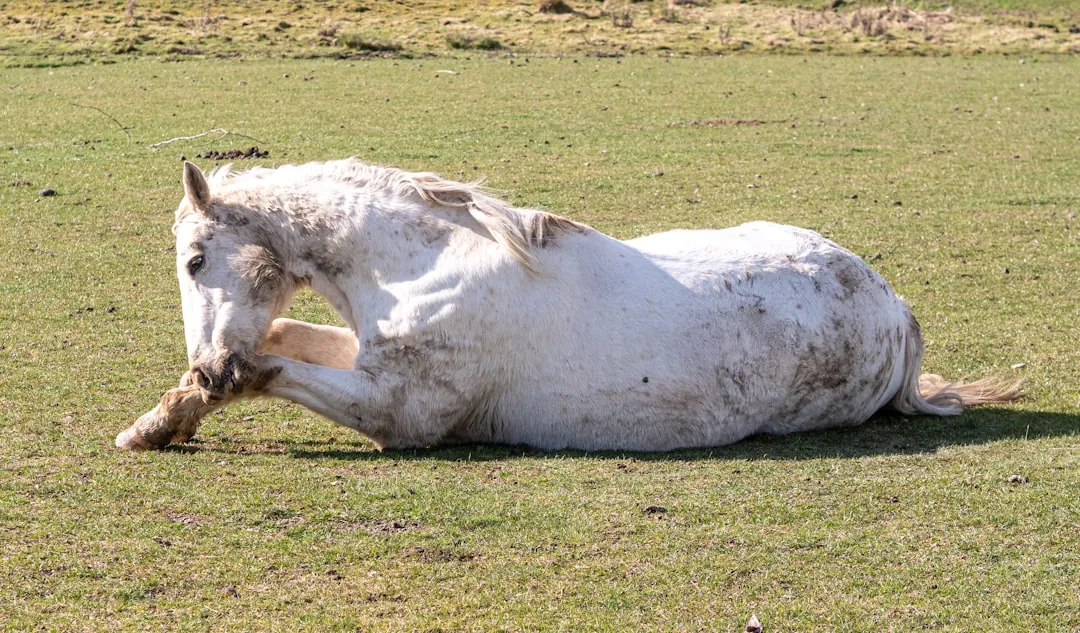
If you’ve ever watched an old horse stand in a patch of sunlight with their eyes half-closed and lower lip drooping, you know the picture. People love to snap a photo and call it “living the dream.”
The truth is a little more complicated. In the final season, those sun-soaking sessions last longer and happen far more often, and it isn’t just a nap – it’s a strategy.
Ageing joints ache less in warmth. Old backs feel better when they’re not bracing against wind or cold. So they seek the sun the way we’d reach for a heating pad.
Owners often only realize later that the horse taking endless sun naps was choosing comfort over movement the whole time. That drowsy, peaceful look we love to photograph is sometimes pure relief from stiffness – which is exactly why it’s so easy to miss as a sign of a quiet, daily battle with pain.
Fast Facts
- Warmth increases blood flow to stiff joints, which is why sun-soaking becomes a daily ritual for older horses.
- Arthritis is one of the most common conditions in senior horses and often worsens in cold or damp weather.
- A drooping lower lip and half-closed eyes usually signal deep relaxation, not sedation or illness.
- Longer, more frequent rest breaks in the sun are a normal part of ageing, not a sign of laziness.
#5 – They Let the Younger Horses Go First
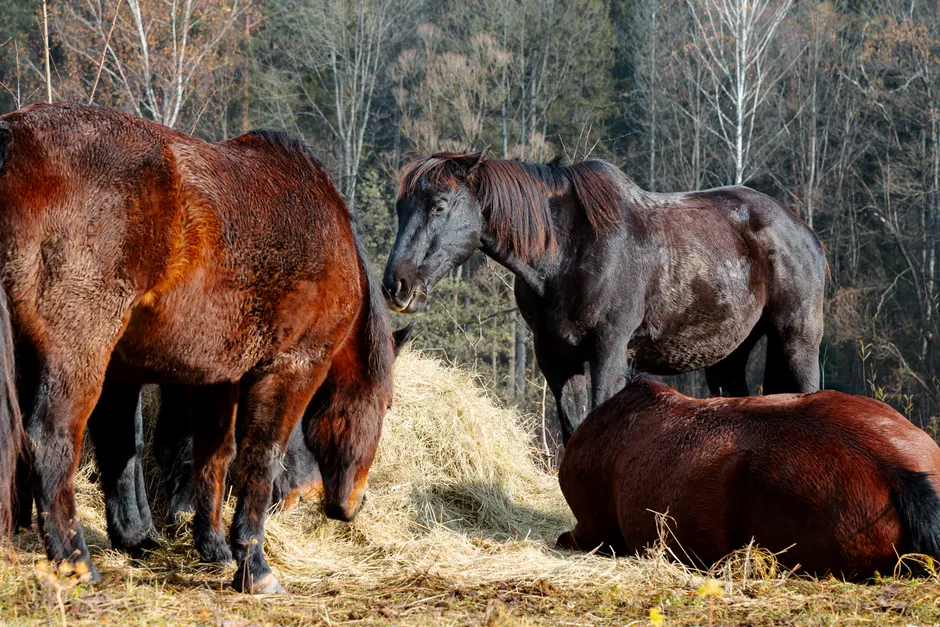
Herd position doesn’t always change dramatically with age, but the behavior around that position absolutely does. In the final season, many older horses stop bothering to fight over the best spot at the hay pile or the freshest water.
They still hold their status with a look or a pinned ear, but the energy to actually follow through just isn’t there anymore. You’ll see it in small moments:
- They stand at the second-best hay pile and quietly nibble.
- They wait until the rush at the trough is over before stepping in.
To a new owner, it can look like good manners, or like the horse is “finally calming down.” Experienced owners know it’s usually fatigue in disguise – they’re not less opinionated, they’re just selectively choosing their battles because their body can no longer afford every argument.
After they’re gone, you remember how they used to shove everyone aside at feeding time, and how different that last season looked. The shift from “I insist” to “I’ll wait” is one of those clues nobody decodes in real time.
#6 – They Trip Once or Twice, and You Brush It Off
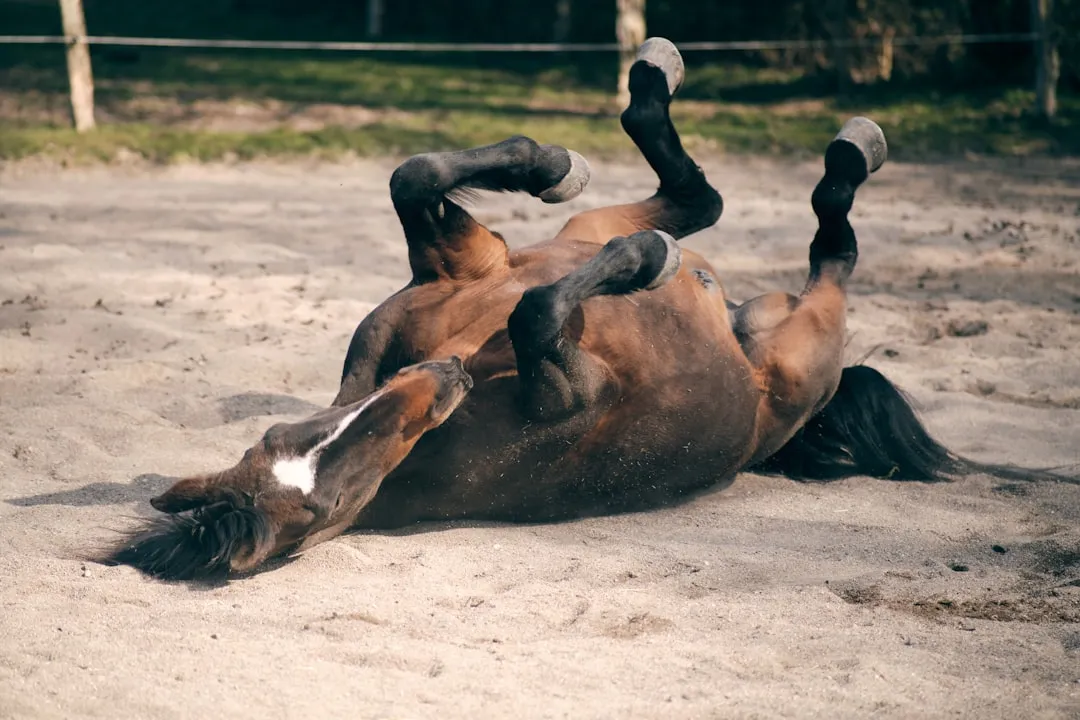
Most people don’t call the vet because their horse stumbled over a rut once in the pasture. But in an ageing horse’s final season, those tiny missteps become more frequent, and far more telling.
A toe catch here. A small trip on uneven ground there. It’s easy to write it off as clumsiness, a hidden hole, or just a bad moment.
Older horses lose muscle tone, joint range, and sometimes nerve sensitivity, so their bodies don’t correct as fast as they once did. That “almost went to their knees but caught themselves” moment under saddle or in hand is actually a real red flag that the balance system is wearing thin.
Owners who’ve been through more than one senior horse will tell you the same thing: the first trip you remember months later probably wasn’t the first at all. You just finally noticed. “I should have stopped riding sooner” is one of the heaviest regrets in this whole list.
Quick Compare
- Occasional stumble: happens rarely, usually on rough ground, and the horse recovers instantly.
- Age-related misstep: happens more often, even on flat footing, and may show a delayed recovery.
- Occasional stumble: no lingering change in gait or energy afterward.
- Age-related misstep: often paired with shorter strides, stiffness, or reluctance to move out.
#7 – They Start Having “Off” Days That Look Like Nothing… Until They Add Up
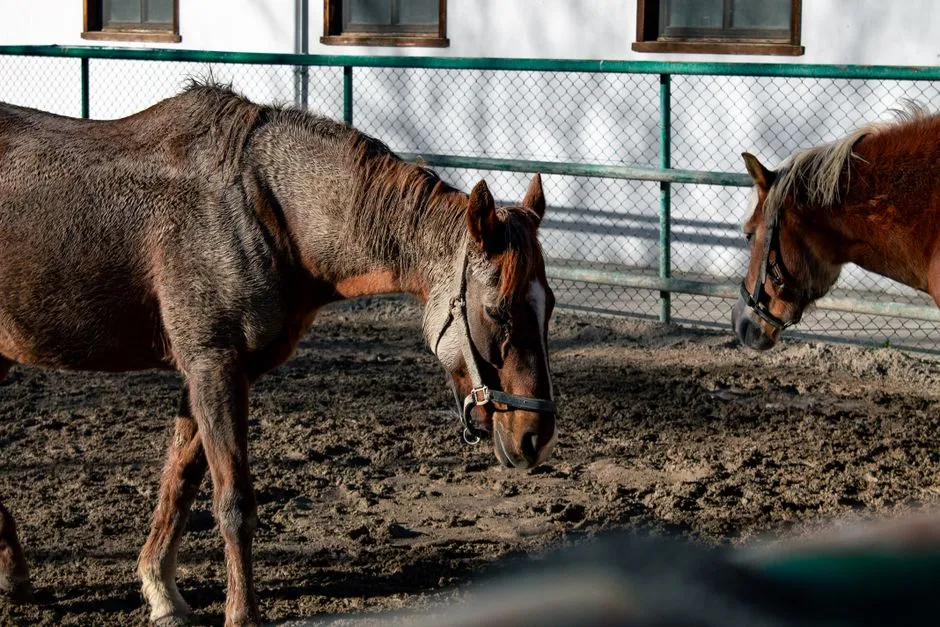
One of the cruelest parts of the final season is how inconsistent it is. Your old horse will have a great day – bright-eyed, moving freely – and then the very next day, something is just slightly off. No obvious lameness, no colic, just a sense that their engine takes longer to start.
They’re slow to leave the stall. Their trot is shorter. Their expression is a touch duller. Because the next day might be better, it’s easy to convince yourself it was a fluke:
- “Must have slept funny.”
- “Weather’s messing with him.”
- “He’s just stiff, I’ll warm him up.”
What’s really happening is that the baseline is sliding, very slowly, in increments small enough to deny. Only after the goodbye do most owners realize those “off days” were their horse quietly showing them that the reserves were running out.
#8 – They Lean Into You Just a Little Longer
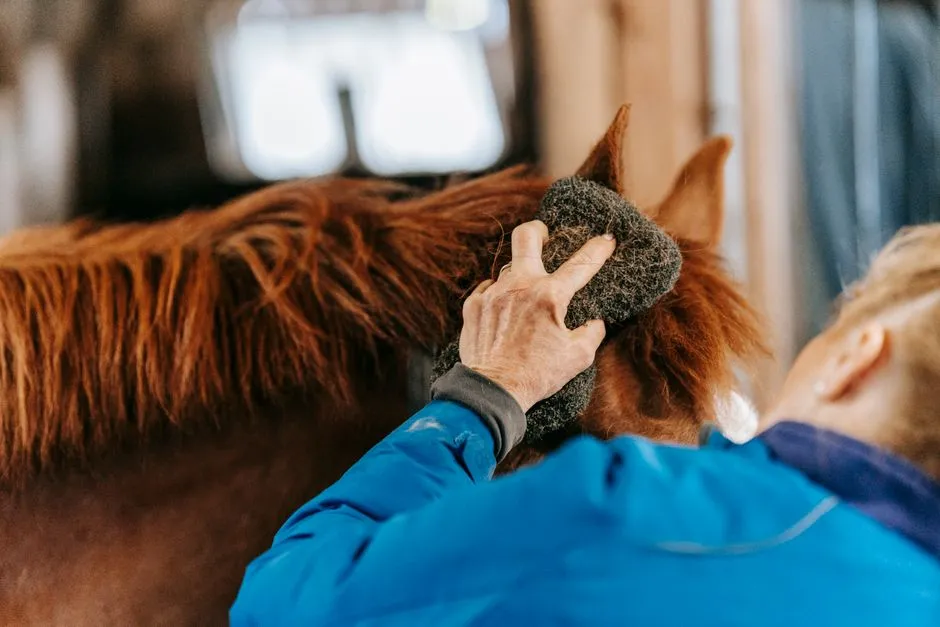
In that last season, contact changes. Your horse doesn’t just tolerate grooming anymore; they seem to soak it up. They lean their weight into the curry comb. They rest their head against your chest and don’t pull away as quickly as they used to.
A withers scratch turns into a full-body sigh. Some horses even get “clingier” on the ground, stepping toward you the second you stop touching them.
We like to interpret this as love, and in many ways, it is. But it’s also comfort-seeking. Just as older people find real relief in a warm hand on a sore shoulder, ageing horses respond deeply to gentle physical contact.
Many owners later realize those long, quiet grooming sessions were their horse’s best pain-management tool. The short rides and fancy shows fade in memory. The slow brushing in the aisle, the leaning head, the soft breath on your neck – those are the scenes that end up haunting you and healing you at the same time.
#9 – They Stop Reacting to Little Annoyances
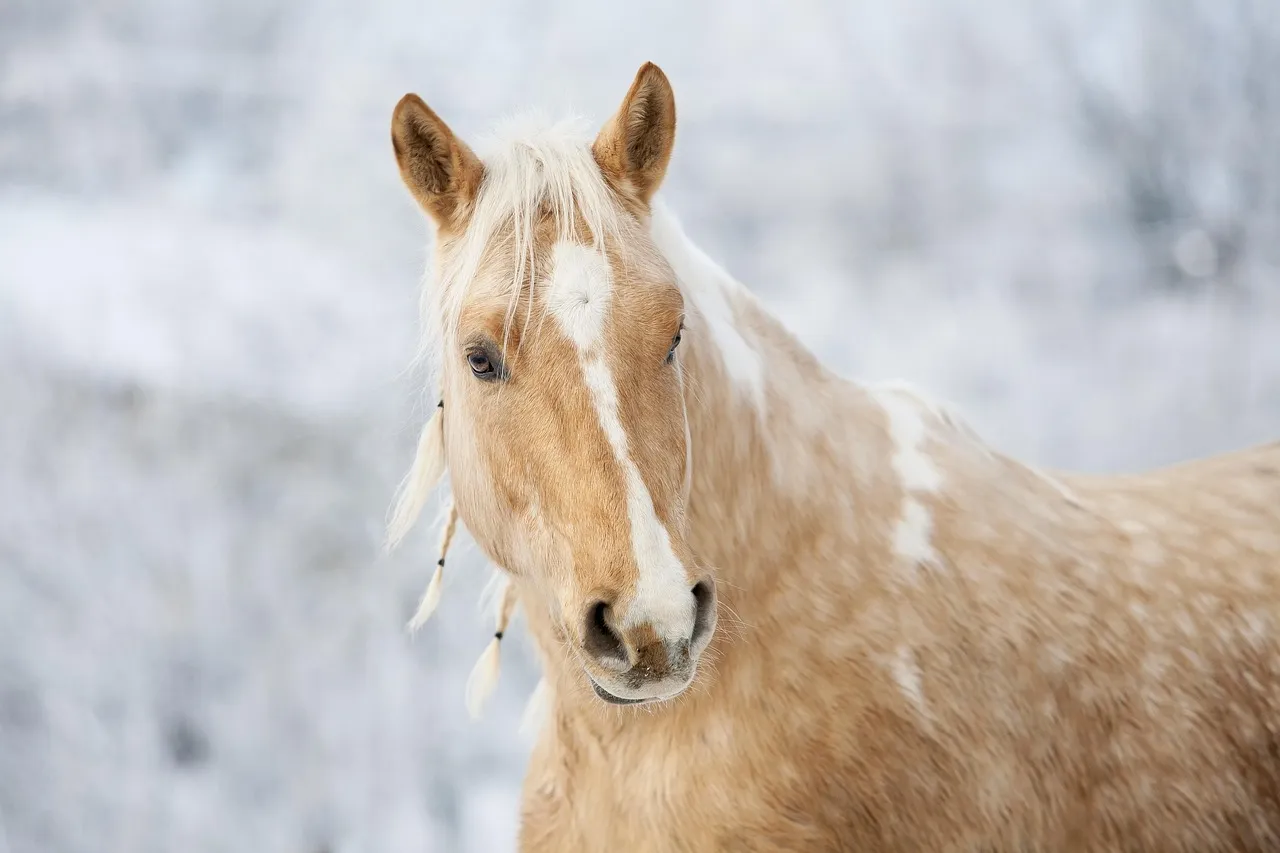
Flies on the belly. A tarp snapping in the wind. A pushy pasture mate crowding their space. In their younger years, your horse probably had strong opinions about all of it – swishing, stomping, snorting.
In that final season, you notice they react less. Flies land and stay. The tarp flaps and they don’t even flick an ear. It looks like unshakeable calm, but often it’s simply lower energy and slower nerves.
Swatting at every fly takes muscle and coordination. Startling at every sound costs energy they no longer have to waste. This can trick owners into thinking their horse has “finally gone bombproof,” when really they’re just too tired to care.
It’s a harsh realization for a lot of people: the behavior you were once proud of, “nothing spooks him anymore,” might have been exhaustion the whole time, not training. That’s a misunderstanding many owners only unravel long after the last goodbye.
#10 – Their Coat Tells the Truth Before You’re Ready To
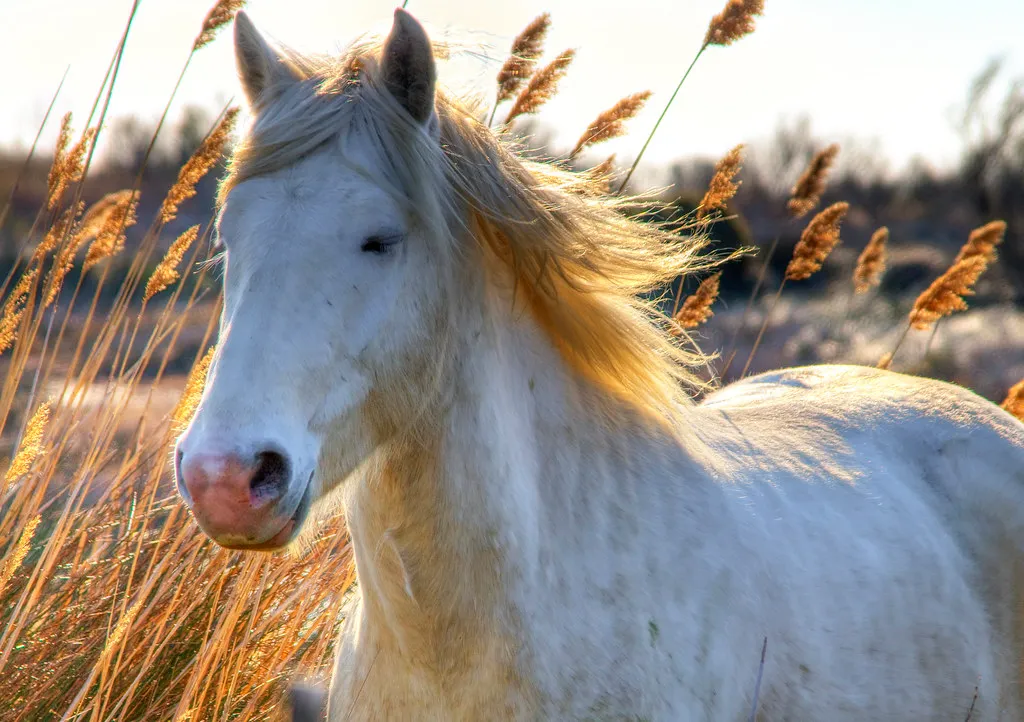
Even with good care, many old horses’ coats start to change in that final season. Shedding takes longer. The summer coat doesn’t get quite as sleek. You might notice more gray hairs around the eyes, a duller topline, or strange patchiness that’s hard to ignore.
Owners often respond with better grooming, supplements, and blankets, and none of that is wrong. But the coat is a billboard for what’s happening underneath. Endocrine shifts, reduced circulation, and nutritional gaps show up in the hair before they scream through the joints.
A lot of owners remember thinking, “He just looks old this year,” without wanting to say it out loud. So they call it “cute” or “distinguished” instead, and move on.
Later, that first obviously aged coat becomes a mental timestamp – the season when the clock really started ticking down. The look doesn’t cause the ending, but it’s often the first thing you can no longer fully pretend away.
Worth Knowing
- A dull, patchy, or slow-shedding coat can be an early clue to endocrine issues like Cushing’s disease (PPID).
- PPID becomes increasingly common in horses over 15, and coat changes are often the first visible sign.
- Reduced circulation in older horses can show up as duller hair long before it ever affects movement.
- Extra blanketing and grooming bring comfort, but they don’t address the underlying cause.
#11 – They Start Sleeping in Pieces, Not in Deep Bouts
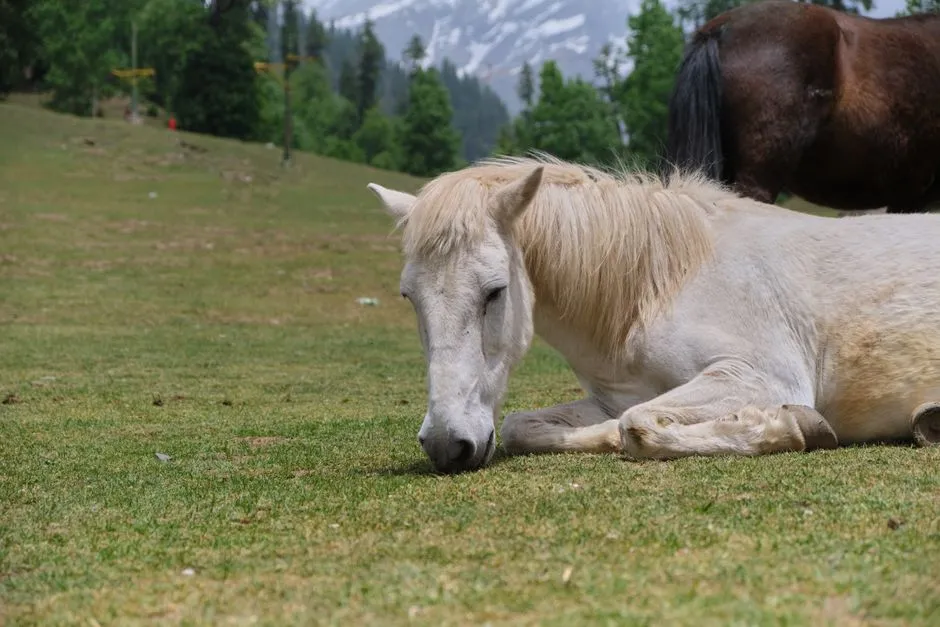
Horses need REM sleep, and to get it, they usually have to lie down. Ageing horses often struggle with this – joints hurt, and getting up becomes a production. In that last season, many seniors start napping more often but lying down less deeply, and for much shorter bursts.
You’ll see them doze standing, head low and back rounded, over and over throughout the day. Some owners only realize something is wrong when they notice:
- Hock and fetlock swelling from standing too much.
- Scrapes on the knees from rushed, awkward attempts to lie down or get up.
- Shavings in odd places on the body, proof of short, uneasy rests.
Chronic sleep deprivation makes everything worse – pain, balance, mood. But because horses can technically sleep standing, people underestimate how badly an old horse might be missing true, restorative rest. After they’re gone, owners often remember that he “never seemed to lie down anymore,” and wish they’d made deeper bedding or a smaller, calmer herd so he could feel safe enough to actually rest.
#12 – They Quietly Lose Topline Even When Feed Stays the Same
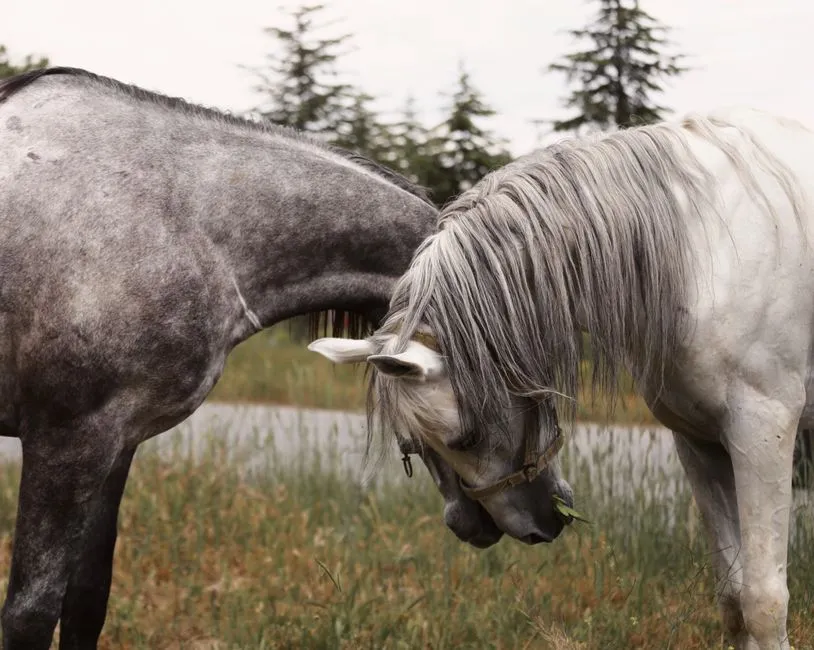
You’ll hear owners say, “He’s eating fine, but he’s just melting over his back and rump.” That’s the classic senior outline: belly okay, topline and hindquarters fading despite no real change in diet.
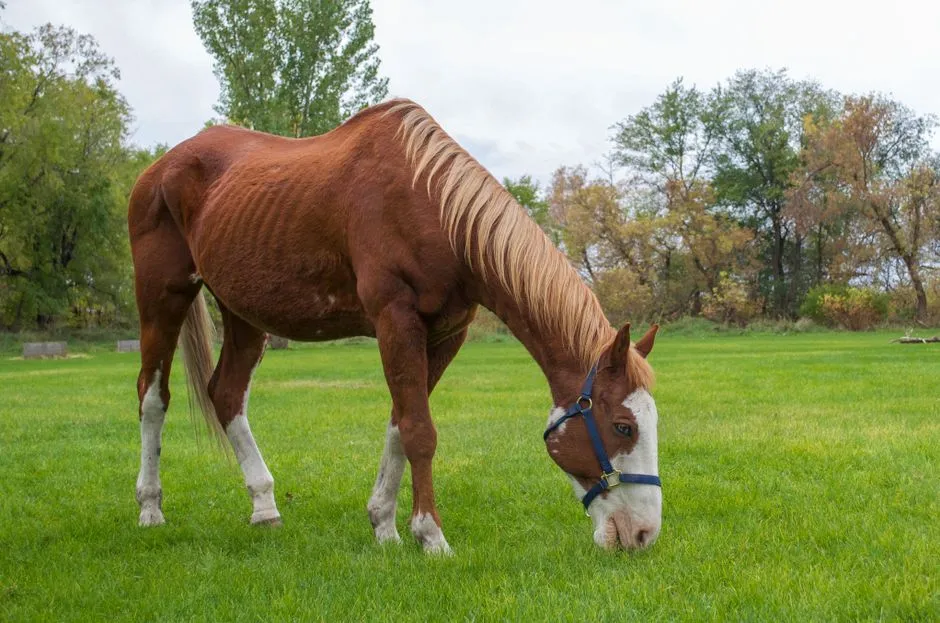
It’s muscle loss, sometimes from reduced movement, sometimes from absorption issues, often from a tangle of age-related factors all at once. In that final season, saddle fit becomes a nightmare – pads bridge, pressure points appear, and even light riding can’t rebuild what age is steadily taking away.
Many horses will still try for you. They’ll pick up a canter, hop a small log, or march down the trail on sheer habit and heart. That’s exactly what makes owners feel so guilty later.
They realize their horse “felt okay” largely because it was doing everything in its power to hide how weak it had actually become. You only truly see how thin that topline was when you look back at the last photos with grieving eyes instead of hopeful ones.
#13 – They Start Having Tiny, “Harmless” Health Scares
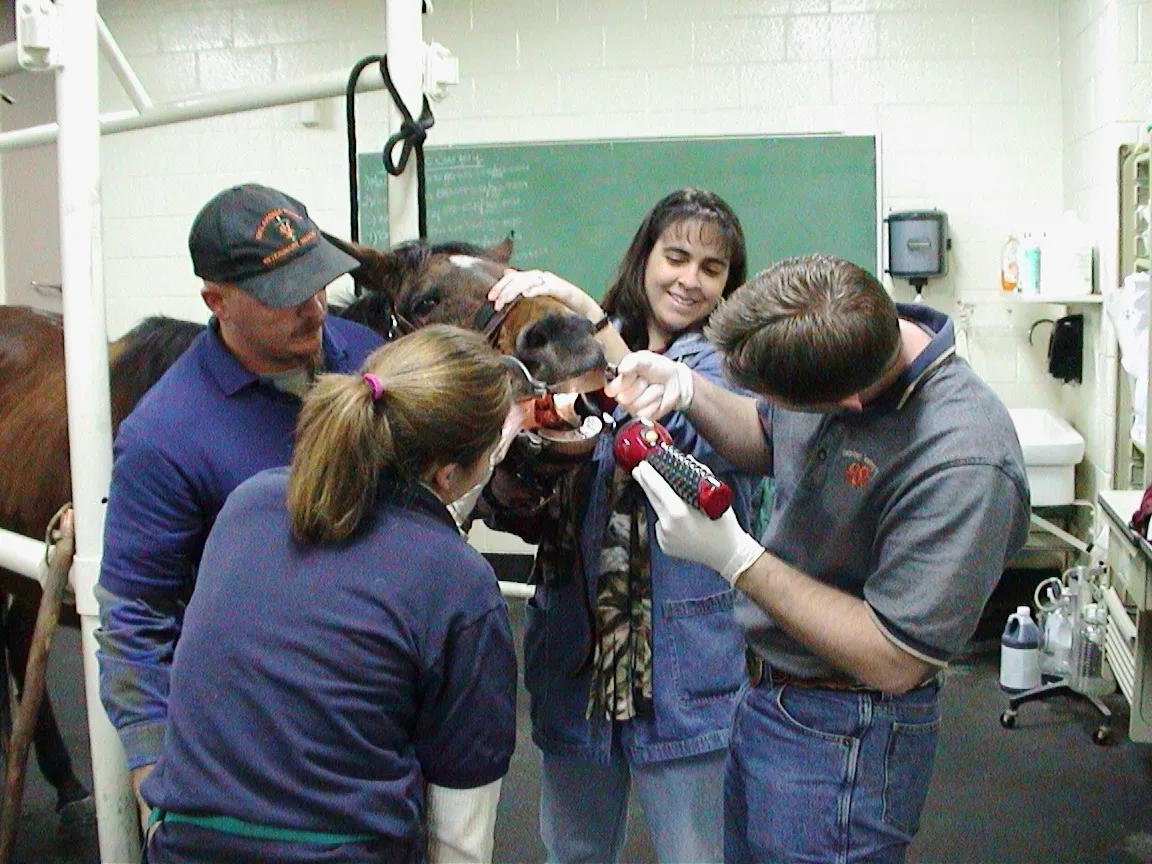
Colicky for an hour, then fine after a walk. A mild choke that clears quickly. A hoof abscess that takes longer than usual to resolve. In the final season, the gap between small problems starts to shrink.
It feels like you’re always monitoring “some little thing.” Nothing dramatic enough to scream this is the end, but enough to flick at your nerves every time. Most owners rationalize each one:
- “It’s just the weather swing.”
- “He must have eaten too fast.”
- “He’s always been a bit sensitive.”
Technically, none of those explanations are wrong. But those small incidents are often the body’s way of saying it doesn’t bounce back the way it used to. Vets see it clearly – the horse who used to shrug off everything now needs more care, more meds, more time. Owners, stuck in the day-to-day, rarely connect the dots until they’re staring back at a whole list of “little scares” that, together, told one very big story.
#14 – They Watch You Leave Just a Bit Longer
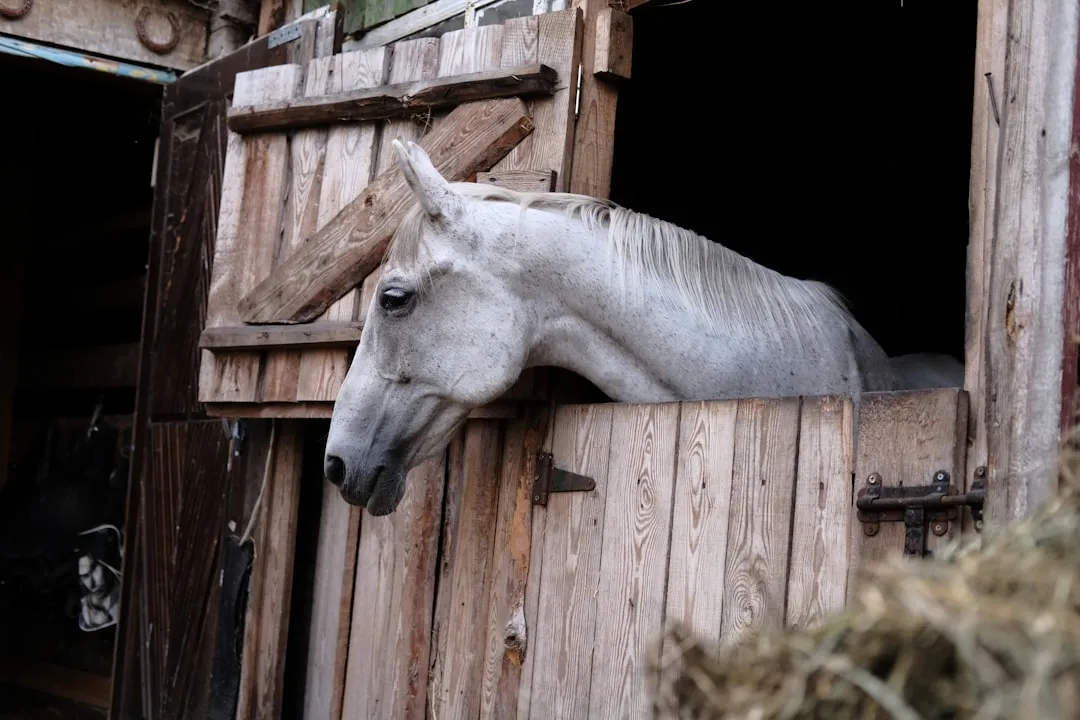
This one bothers people the most in hindsight. In the final season, many owners notice their horse standing at the gate or stall door watching them walk away – longer and more quietly than before.
Not whinnying, not pacing. Just watching. Head low, ears soft, eyes following until you’re out of sight.
We want to believe they’re simply relaxed and content, and sometimes they are. But old horses also grow more dependent on routine and familiar faces. Change gets harder. Long absences rattle them more, even when they don’t show it with drama.
So they anchor themselves to the one constant they trust: you. After they’re gone, that last look over the shoulder as you drove away, or turned off the barn lights, becomes the memory that loops on repeat – the one that makes you wish you’d gone back for one more pat, one more “goodnight, old man.”
#15 – They Start Telling You “No” in Softer, Sadder Ways
A healthy middle-aged horse says “no” loudly – bucking, spooking, planting their feet. An ageing horse in its final season often says “no” by simply not offering the “yes” they gave you for years.
They hesitate at the trailer ramp. They balk at the mounting block, not with drama, but with a tired, apologetic look. The canter transition that used to be automatic now takes two or three asks – or never really comes at all.
A lot of riders misread this as stubbornness or a training slip. In reality, it’s usually the body finally failing to cash the checks the brain is still writing. The willingness is there. The capacity isn’t.
This is where the hardest decisions live, because you’re forced to choose between your plans and their comfort. Owners who’ve walked this path once tend to retire the next old horse much earlier – they’ve learned that “he’ll tell me when he’s done” is only half true, because sometimes he does tell you, but whispers it so gently you don’t hear it until afterward.
At a Glance
- Vets often recommend easing workload gradually rather than stopping all activity at once.
- Hesitation at familiar tasks – trailer loading, mounting, transitions – is an early retirement cue worth listening to.
- Many senior horses do better with lighter, shorter, more frequent sessions than long, demanding rides.
- Retiring a horse doesn’t end its purpose – hand-walking and quiet companionship still matter deeply.
#16 – They Have One Last “Good Week” That Tricks You
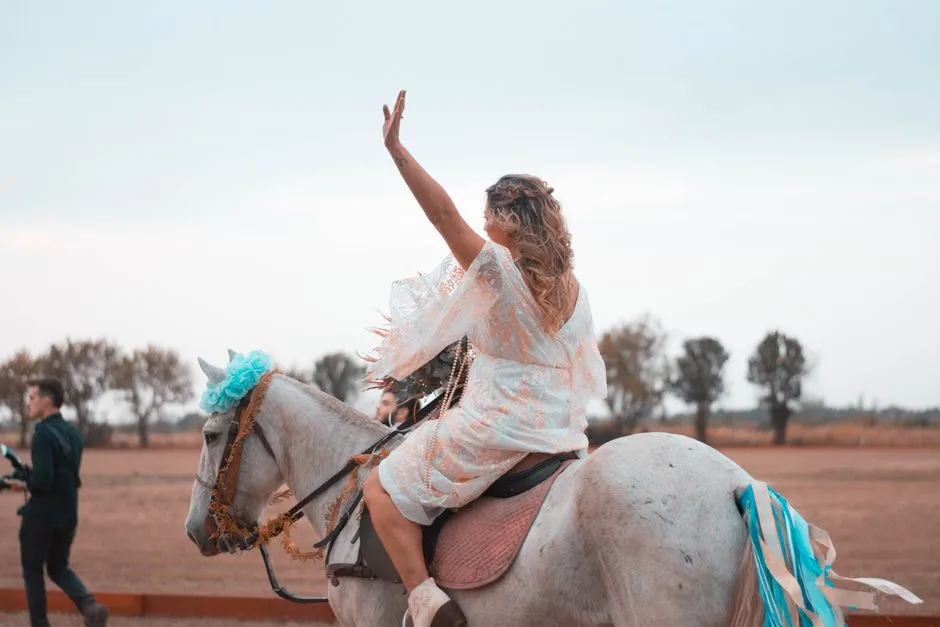
Almost every long-time horse person can tell you about it: the sudden rally. After weeks or months of slow decline, there’s a bright spell where the old horse looks almost like their younger self again.
They trot out to the field. They clean up every scrap of feed. Their eyes sparkle again, and you feel almost foolish for having worried so much.
Biologically, that final surge can be the body burning through its last reserves. Emotionally, it’s brutal, because owners grasp at it as proof that “he’s turning a corner,” and start planning one more ride, one more show, one more summer.
When the crash comes – another colic, a bad fall, a day when they simply can’t get up – it feels like a betrayal. In hindsight, many people see that golden week differently: not a cure, but a gift. A last chance to say goodbye while the horse still felt like himself, even if almost nobody recognizes it in the moment.
#17 – They Finally Look at You in a Way You Can’t Ignore
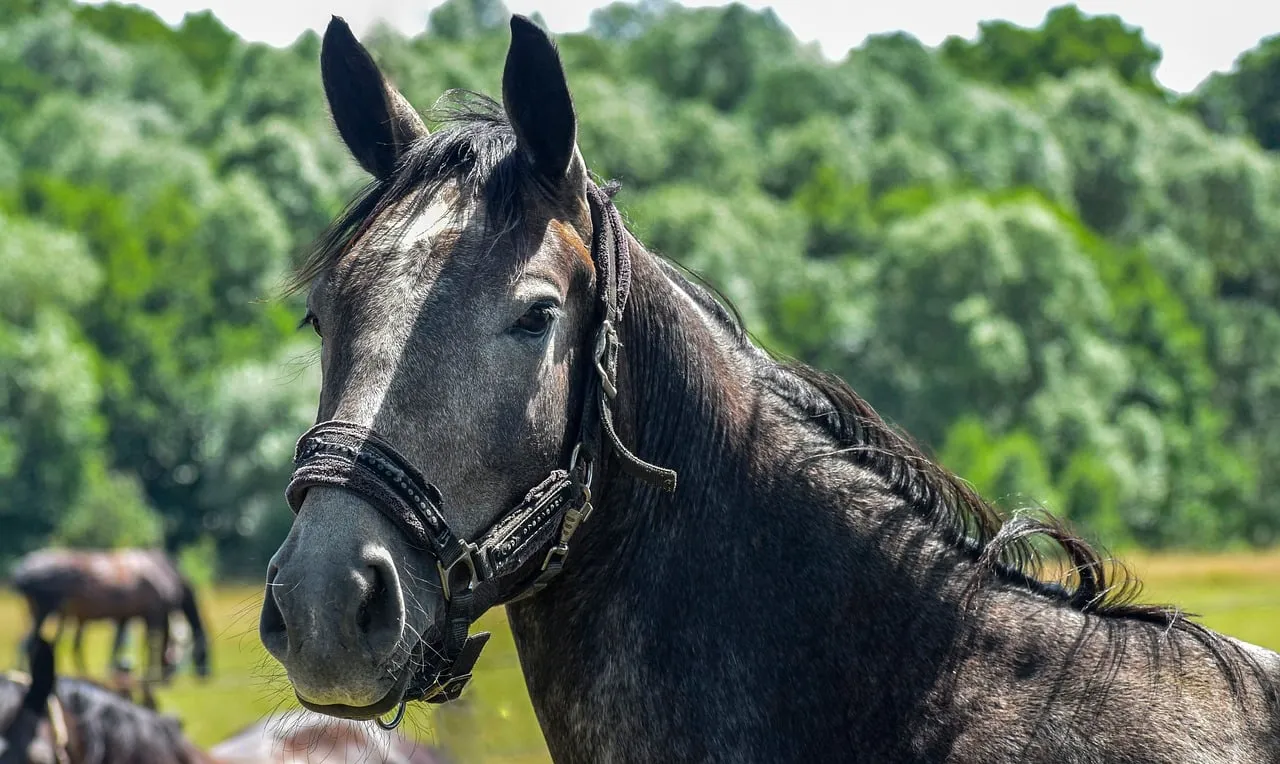
For all the subtle signs and tiny shifts, there is usually one day, one look, that cuts through every ounce of denial. Owners describe it the same way across countries and disciplines: their horse looked at them in a way they’d never seen before, and they just knew.
The ears are still. The eyes are deep and tired. The head hangs a little lower than usual. It’s not panic, and it’s not pain screaming. It’s resignation – a quiet “I can’t keep doing this.”
That moment forces you to grow up in an instant, no matter your age. It overrides the show goals, the money spent, the childhood dreams tied up in this one animal.
What shocks most people is how fast the decision becomes obvious once you actually see that look. The guilt never comes from the decision itself – it comes from all the weeks and months you realize you’d already been postponing this conversation without admitting it.
The Bottom Line
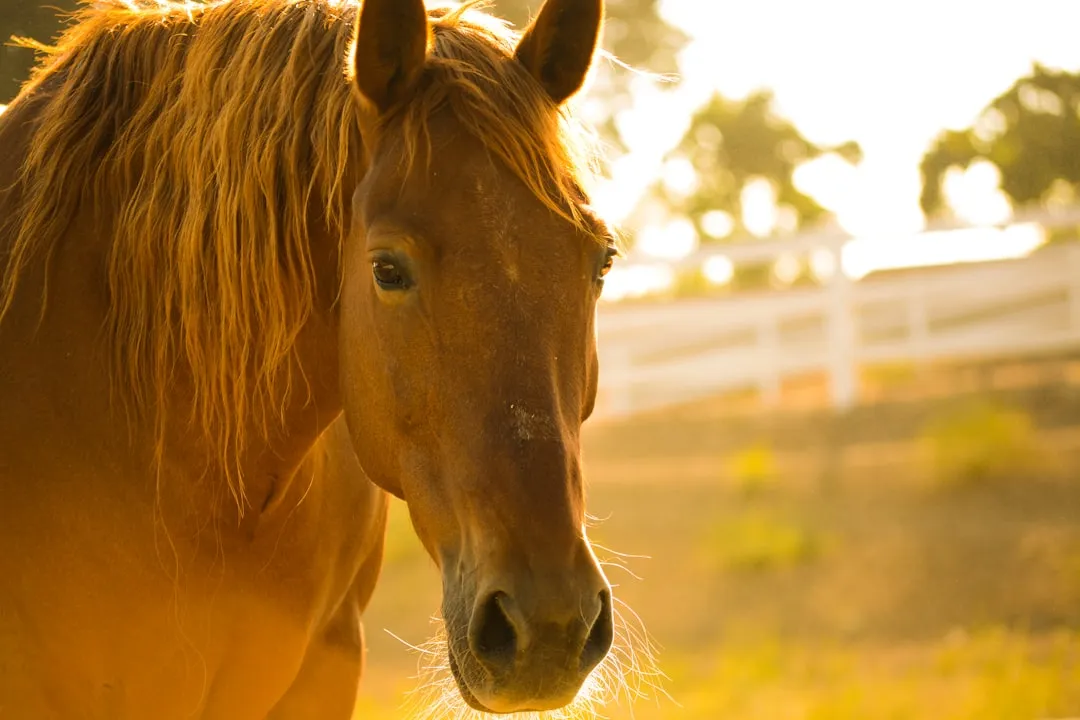
Ageing horses rarely leave us in one clean, cinematic moment. They fade in a hundred gentle ways – quieter greetings, longer naps, softer “no’s,” smaller circles in the field. Each sign, on its own, looks harmless. Together, they tell the story nobody wants to read: that the final season has already begun.
The real mistake isn’t missing one symptom. It’s clinging so hard to how they used to be that we refuse to see who they are right now.
The bravest owners are the ones who treat those subtle shifts as sacred information, not inconvenient noise. They retire earlier, call the vet sooner, and choose comfort over ego, even when it costs them a season of riding or showing they weren’t ready to give up.
If you’ve walked this road, which of these signs hit you the hardest – or did your horse teach you a different one entirely?

- 16 Wild Animals Sanctuary Workers Say Choose One Human Early and Never Once Change Their Mind - August 8, 2026
- 18 Animals That Bond So Completely With One Person They Never Truly Settle With Anyone Else Again - August 8, 2026
- 17 Gentle Things an Ageing Horse Does in Its Final Season That Owners Understand Far Too Late - August 8, 2026