
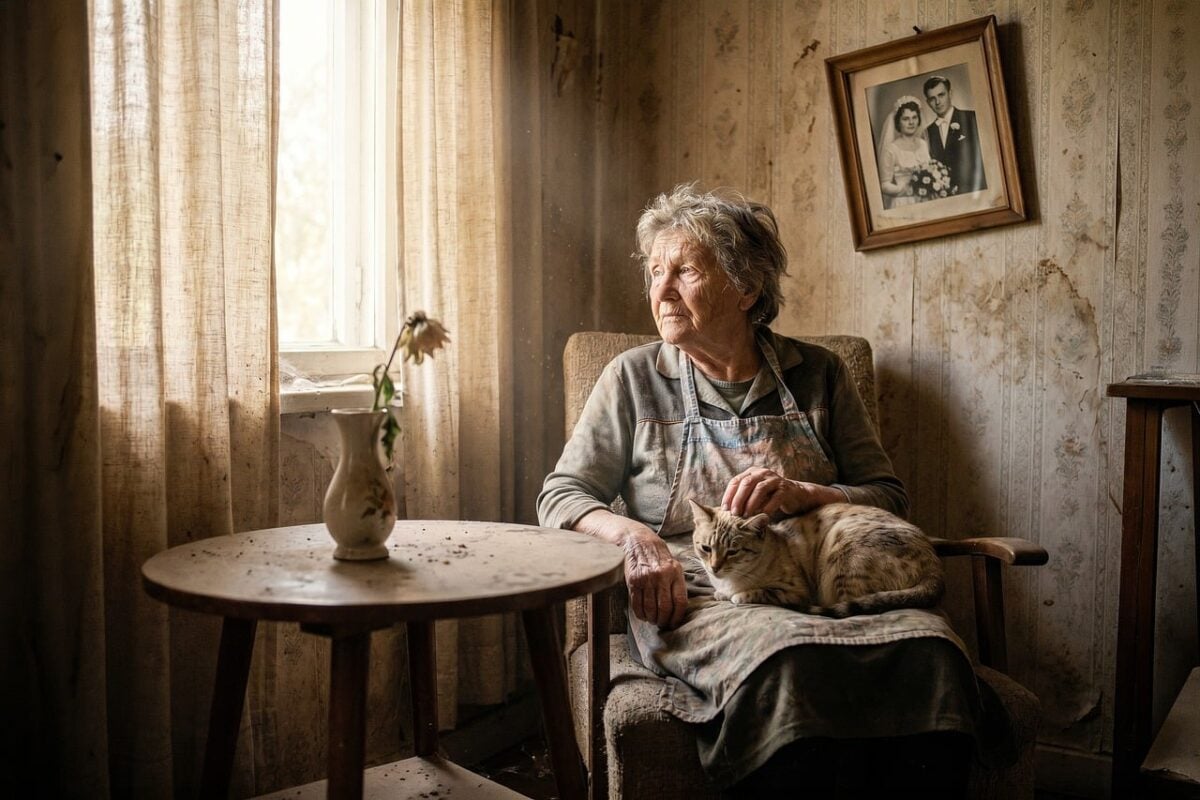
Everyone assumes cats stay standoffish right up until the very end. Old cats prove that wrong in a way that’s hard to argue with once you’ve actually lived through it – they narrow their entire world down to one person, and they do it with a precision that feels almost deliberate.
Some of the signs look like ordinary “old cat stuff”: a new hiding spot, a change in appetite, a strange little meow that wasn’t there before. But string enough of them together and a pattern shows up that vets and behaviorists no longer wave off as coincidence. Here are the 18 signs that say your cat has already made its choice.
#1 – They Suddenly Sleep Only Where You Are
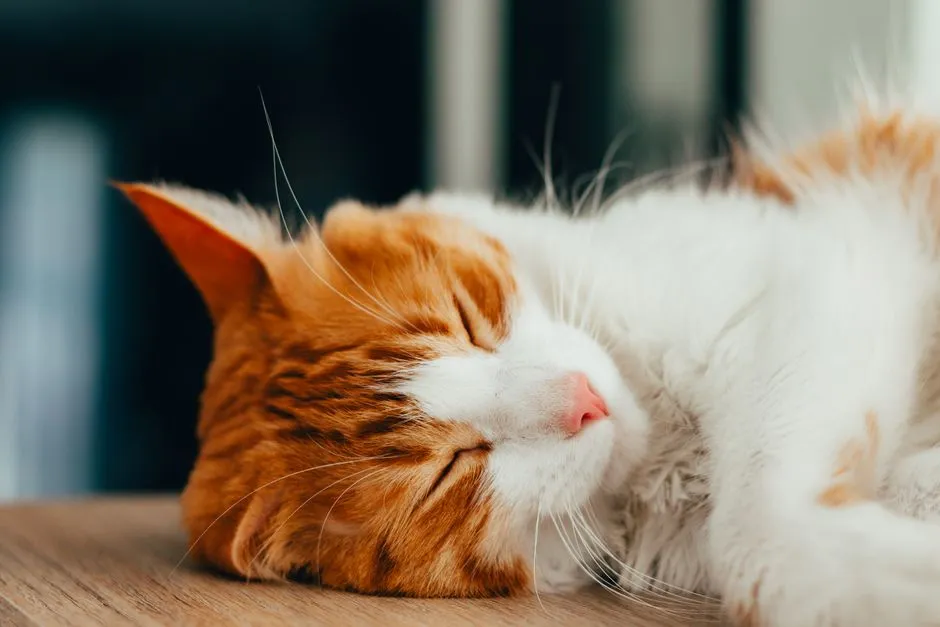
An old cat that used to rotate between couches, sunny windowsills, and everyone’s bed suddenly narrows its whole world down to you. Your pillow, your lap, your side of the bed – those become the only spots that matter anymore.
Older cats often pick one “anchor person” once they start feeling vulnerable, and constant proximity is their quiet way of saying this is where I feel safest.
You’ll notice it most at night. Instead of wandering the house or switching chairs, they insist on curling against your legs, your chest, sometimes even your face.
Some people find this a little suffocating. But from the cat’s side, it’s the highest compliment they have left to give – out of every spot in the house, your body is now home base. And that’s mild compared to what comes next.
#2 – They Follow You Room to Room… but Only at a Slow Shuffle
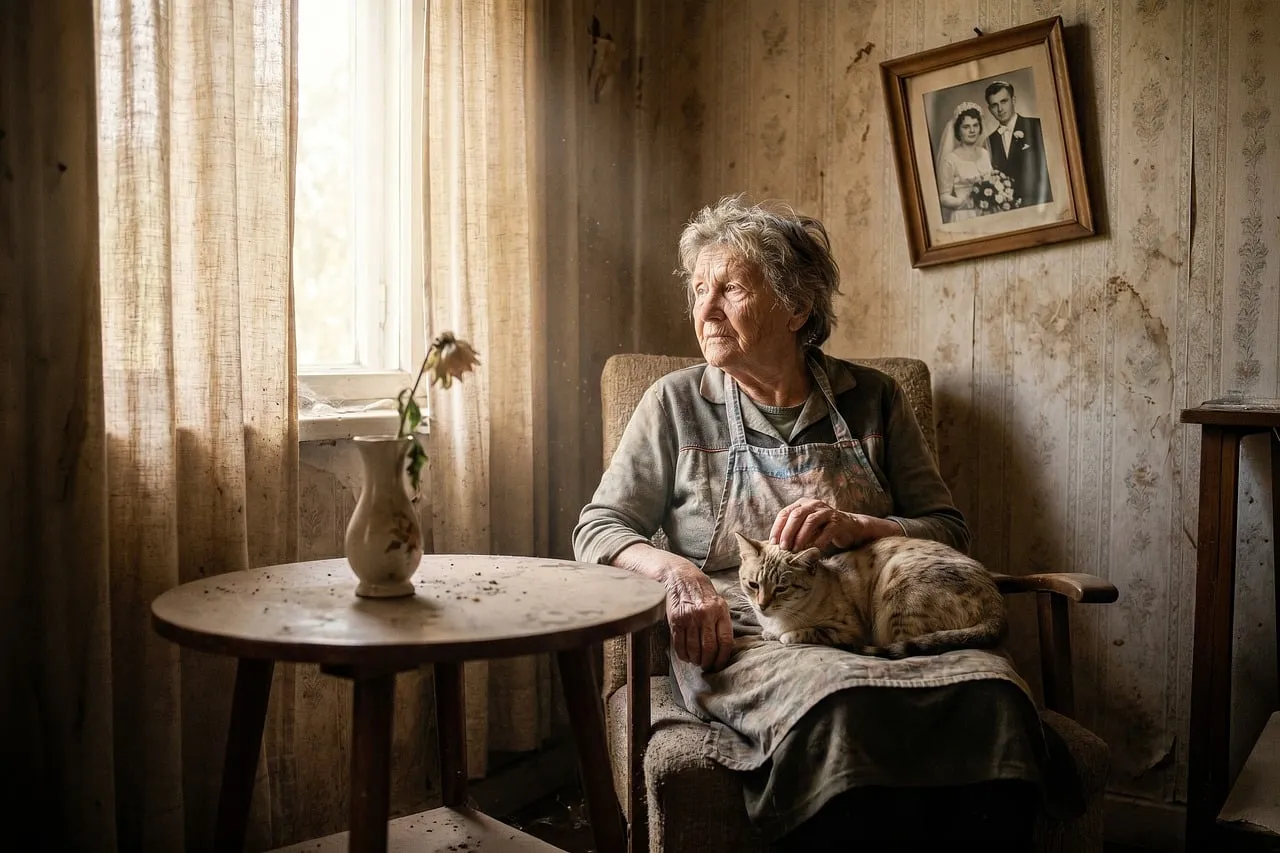
This isn’t the energetic shadowing of a young, curious cat. It’s slow, sometimes wobbly, and completely deliberate. When an elderly cat drags itself off a warm bed just to lie on the bathroom rug while you shower, that’s not random – it’s a conscious investment of their limited energy in you.
They’re literally spending their last reserves to stay in your orbit.
- They appear in the doorway every time you move.
- They settle nearby, not to play, but simply to be present.
Fast Facts
- Osteoarthritis is widely studied, recognized and treated in dogs, but its prevalence in cats is similarly high – affecting up to 90% of cats over 12 years old – and it’s routinely underdiagnosed.
- Because cats are lower on the food chain, any sign of weakness can mean death in the wild, so they hide pain as long as possible.
- That instinct runs so deep that a cat visibly struggling to reach a certain room is telling you something significant.
Many people misread this as anxiety or clinginess, but behaviorists increasingly describe it as something closer to hospice bonding. Your cat is choosing presence over comfort, and they’re choosing it with you, not anyone else in the house. Sign #3 is even harder to explain away.
#3 – Their Weak Meows Change to One Special “Call” for You
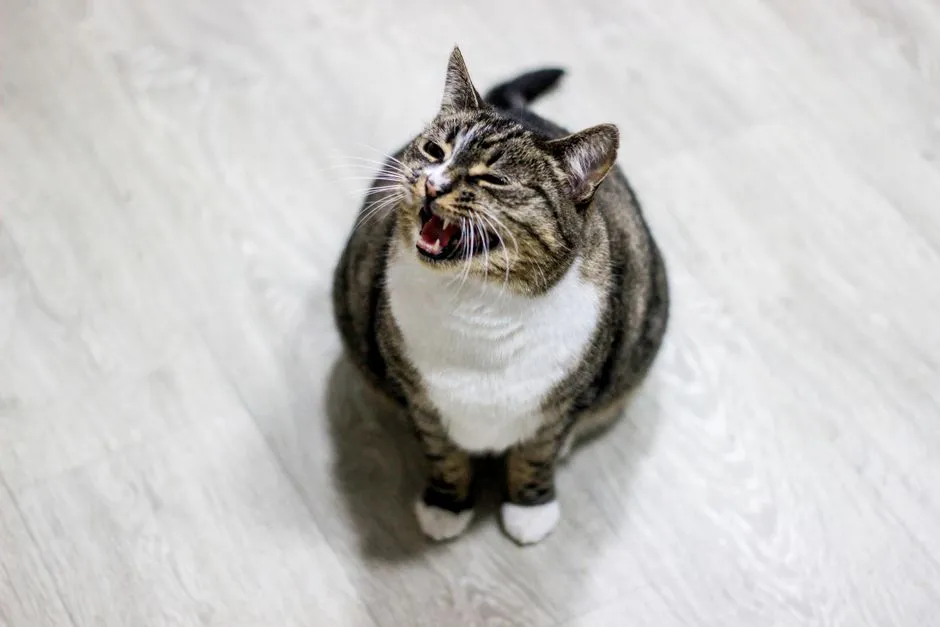
Old cats often get quieter overall. Yet paradoxically, many develop one oddly distinct sound they reserve almost entirely for their chosen person. It might be a raspy chirp, a drawn-out croak, or a tiny broken “mrrp” – and you’ll notice they use it only when they’re seeking you, not food or toys.
It’s less a demand and more of a check-in: are you still here?
Some owners swear their senior cat “calls” them from another room, then simply relaxes when they show up, needing nothing else at all. Skeptics call it over-interpretation, but the pattern is hard to dismiss when it’s this consistent. The cat doesn’t repeat that sound with kids, guests, or even the main feeder in the house – just with the person they’ve attached their final days to. Wait until you see what they do with their body next.
#4 – They Turn Their Back to Everyone Else… Literally
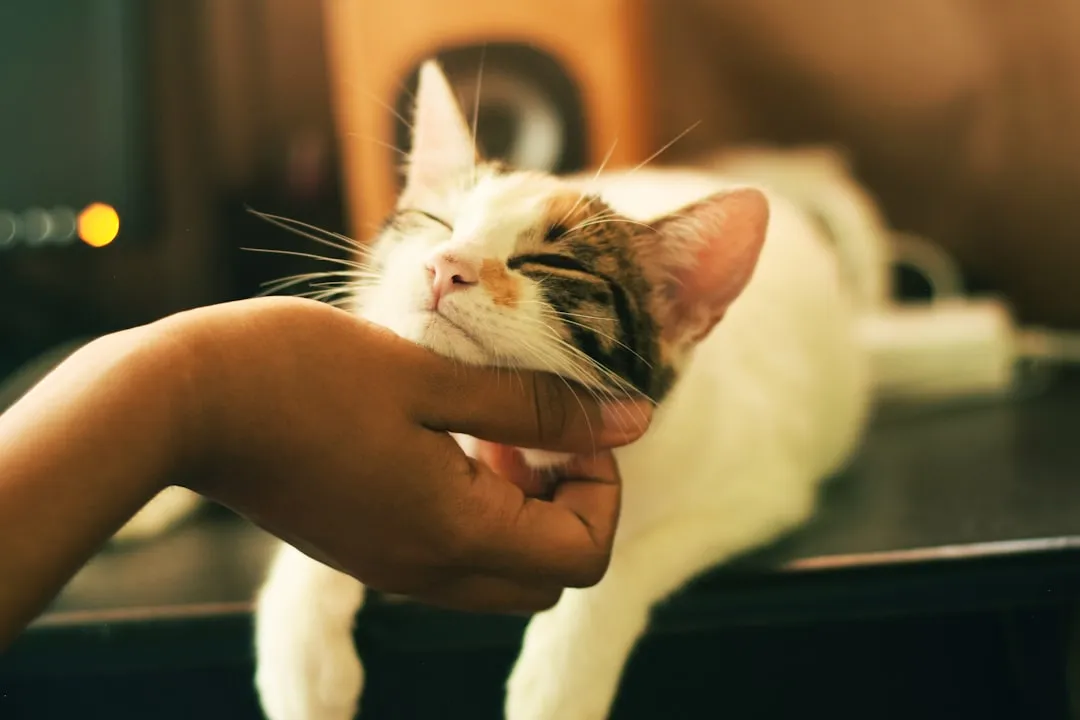
You’ll sometimes see an old cat on the couch surrounded by the whole family and think, “she’s with everyone.” Look closer. Who is she actually facing? When cats trust someone deeply, they’re more willing to expose their back or side to that person while keeping others in their line of sight.
In a room full of people, the chosen one is often the one sitting behind the cat.
This can look like the cat curled near grandma but facing the door – yet the moment you sit down, they quietly rotate so their spine faces you instead. Most casual observers miss it, but it’s a classic prey-animal instinct: they position the safest human to guard their blind spot. In very old age, when they can’t bolt or fight like they used to, that choice matters more than ever. This next one is the one nobody wants to admit.
#5 – They Accept Uncomfortable Care Only From You
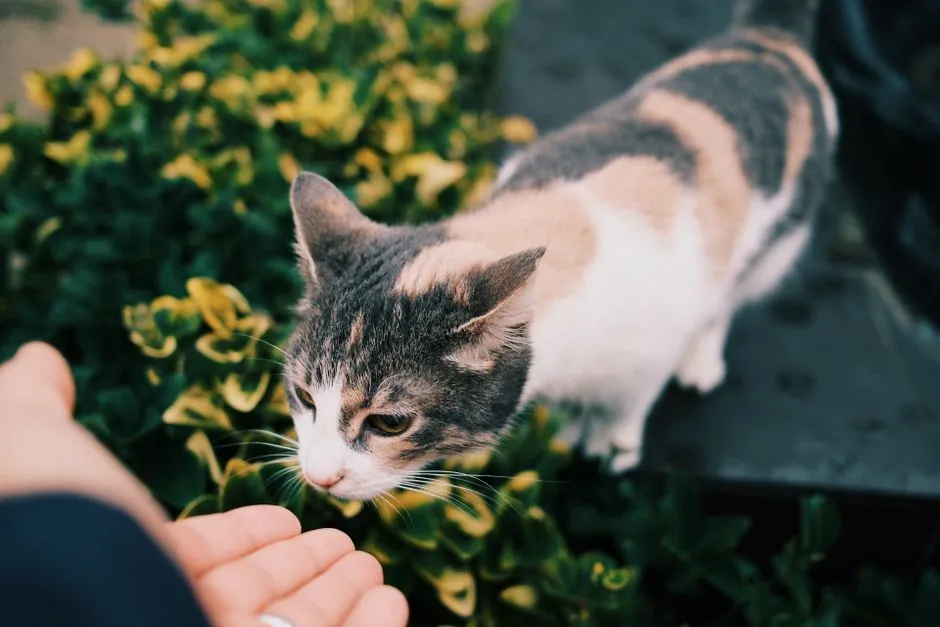
Here’s where it gets uncomfortable. End-of-life cats often need things they absolutely hate – pills, subcutaneous fluids, eye drops, assisted grooming. What shocks many owners is that the cat will tolerate these invasive routines from one person and outright fight or flee from everyone else.
That’s not just technique. That’s trust under stress.
- Claw trims when arthritis makes paws sore
- Wiping eyes or cleaning fur when they’re too stiff to do it well
- Lifting them onto the bed when they can’t jump
Most people assume the cat loves “the fun person” most. In reality, the one they trust at the end is usually the one doing the hard, unglamorous, medical work – and the cat knows exactly who that is. They’re effectively choosing their nurse. Sign #6 is quieter, but just as telling.
#6 – Their Hiding Spots Move Closer to One Person’s Territory
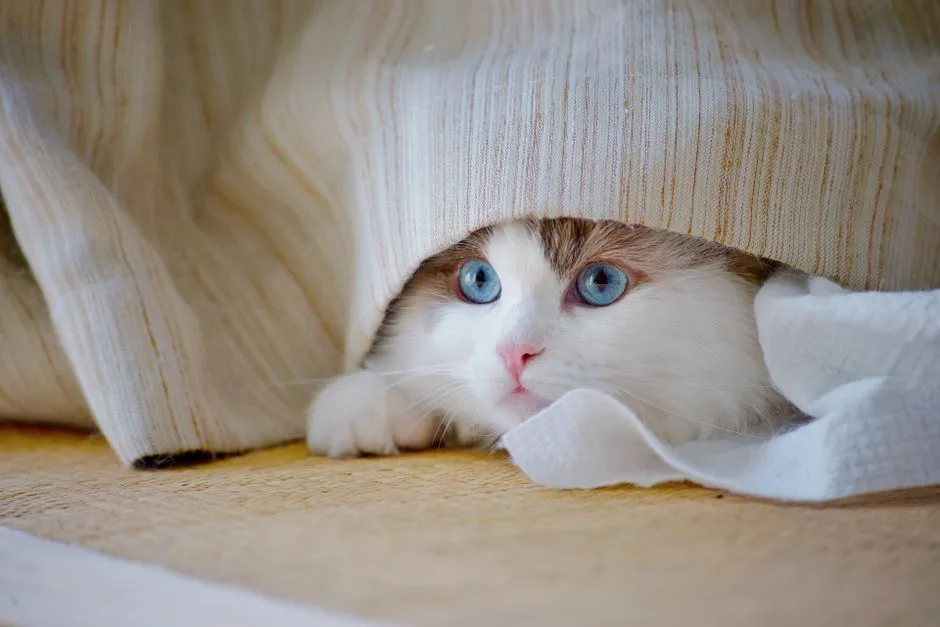
Cats hide more as they age or feel unwell. That part’s obvious. What most people miss is where those new hiding spots show up.
Instead of remote closets, many senior cats quietly pick shadowed corners of the chosen person’s bedroom, office, or favorite chair. They don’t want to disappear – they want to be nearby without being underfoot.
Maybe they switch from a basement box to the space under your nightstand, or from behind the washer to the gap under your desk. These cats still drag themselves somewhere remote if truly terrified, so this isn’t laziness. For everyday hiding, they now choose spots where your scent is strongest and your footsteps are most predictable – staging themselves close for the moments they finally want your touch. What happens next feels almost unfair to everyone else in the house.
#7 – They Save Their “Good Moments” for You
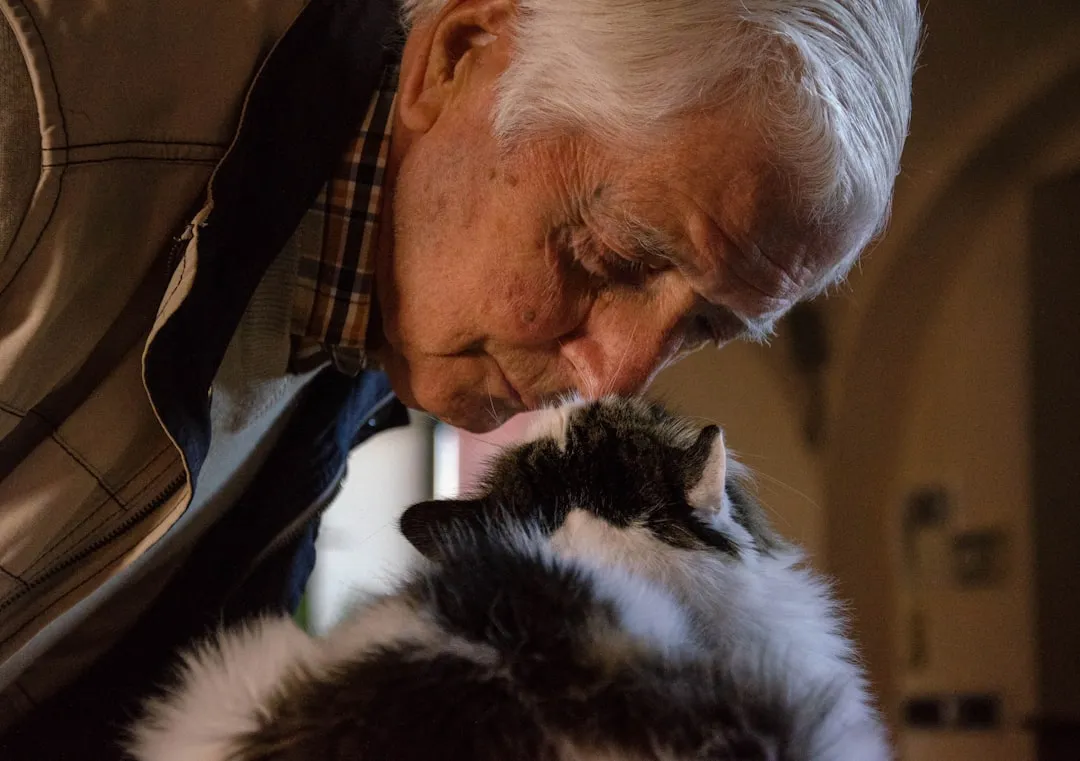
Owners of old cats often say, “he’s so much more himself when it’s just the two of us.” That’s not nostalgia talking. Many senior cats with limited energy will selectively spend their brighter moments on one person and seem dull or withdrawn with everyone else.
It might be a short play swat, a louder purr, or that old habit of head-butting you hard enough to knock your glasses crooked.
- They trot awkwardly to the door only when you come home.
- They reserve their slow-blink eye contact for you, ignoring everyone else.
From the outside, it can look almost unfair, like the cat is snubbing kind family members. But think of it like an elderly relative who only lights up when their favorite person walks in – they’re strategically spending what little life they have left. Even their appetite isn’t immune to this bond.
#8 – They Change Their Eating Habits Around You
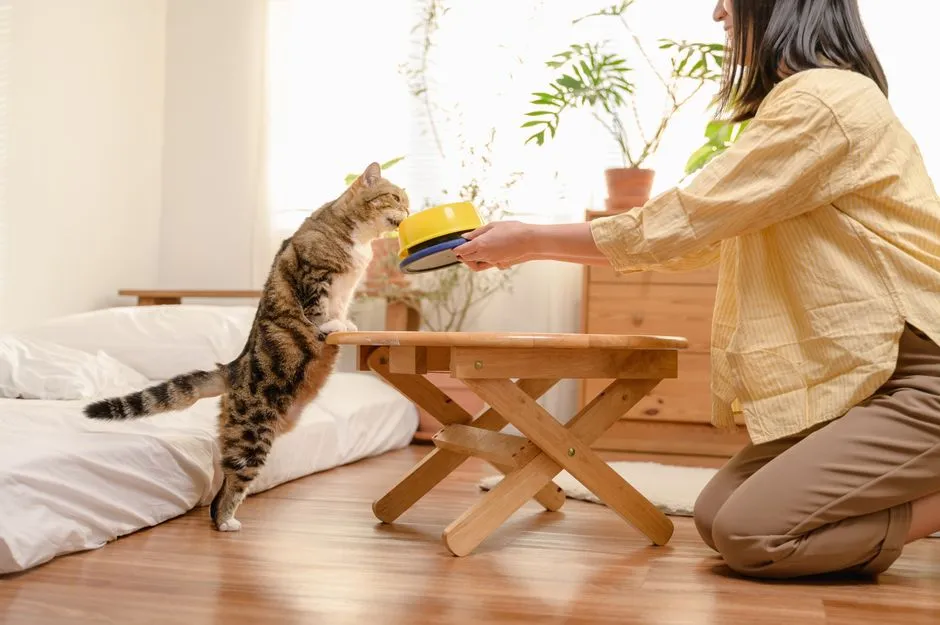
This one’s subtle but powerful. Some senior cats won’t touch food when the room is noisy or full, but will nibble the second you sit quietly nearby. In animal behavior, eating in someone’s presence is a high-trust move, especially for a sick or frail animal.
If your old cat will only eat in “their” feeding seat, or while you talk softly nearby, that’s not manipulation. That’s dependence.
- They stand and stare at the bowl until you join them.
- They only accept syringe-fed supplements without a fight when it’s your hand doing it.
At a Glance
- Vision and hearing naturally fade in senior cats, making a familiar voice or scent far more reassuring than a crowded room.
- Smell is one of the last senses to dull, so recognizing your scent near the bowl can matter more than the food itself.
- Unfamiliar noise and chaos can spike stress in older, more fragile cats, which is often enough to shut down their appetite entirely.
Many vets will confirm it: some cats genuinely eat better on the days their person is home. It’s not in your head – your presence is measurably changing their behavior, sometimes making the difference between maintaining weight and losing it. This next one will break your heart a little.
#9 – They Use Their Last Grooming Energy on You
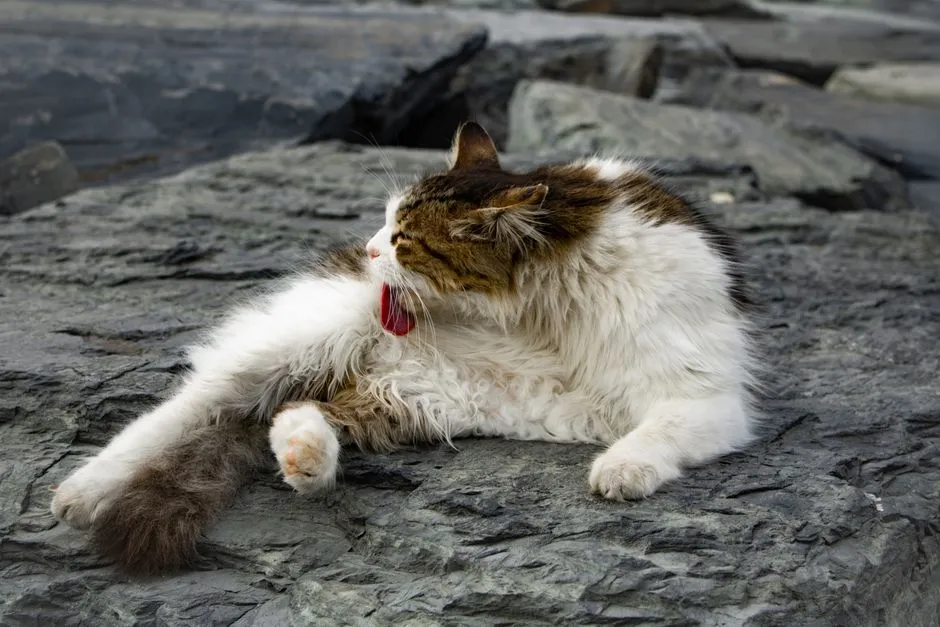
Old cats get greasy. Arthritis and fatigue make full-body grooming exhausting. But pay attention to where they still bother to groom. If you’re the chosen person, you’ll often notice they still wash your hand, your sleeve, or your hair when you’re close – even while their own fur goes neglected.
That’s not hygiene. That’s bonding.
It’s a strange thing to watch: some cats stop thoroughly cleaning their lower back or tail but will stubbornly keep grooming your fingers after you pet them. From a pure survival standpoint, that makes no sense. Emotionally, it tracks perfectly – they’re redirecting their last bit of “I care about this” energy from self-maintenance to you. That’s love, in the only currency they have left. Sign #10 shows up in the strangest object.
#10 – They Choose Your Scented Objects as “Safe Pillows”
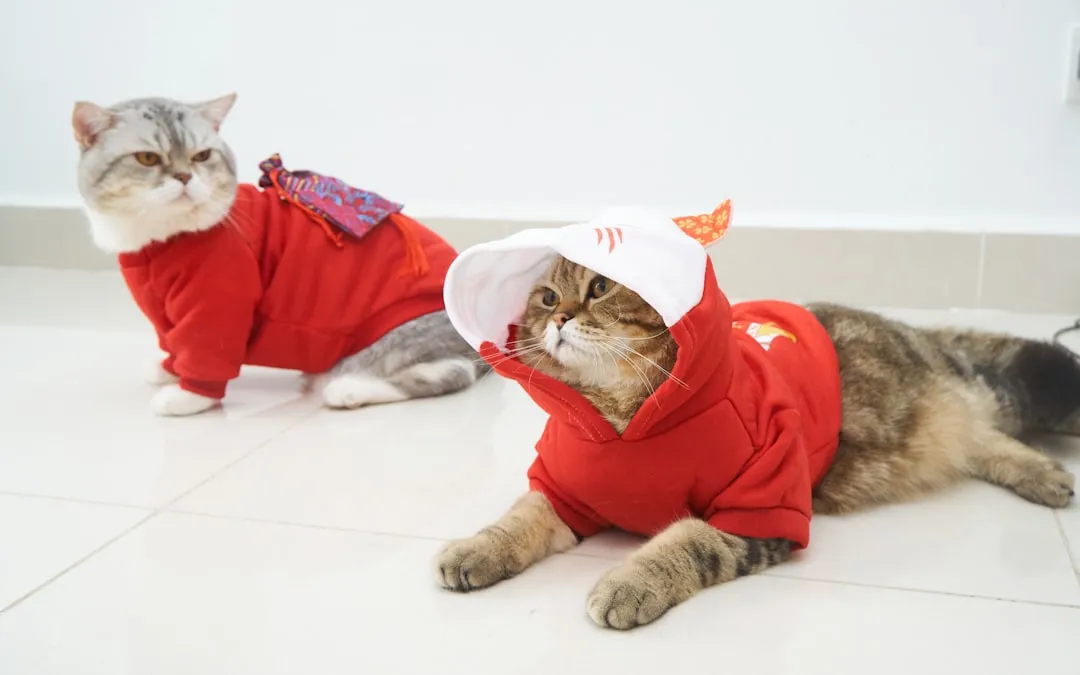
People laugh when their cat steals their dirty clothes, but for senior cats, this can run deeper than it looks. Many old cats with limited mobility migrate to one specific hoodie, slipper, or pillow that smells strongly of their chosen person – and refuse to trade it for anything plush or new.
You can buy the fanciest orthopedic cat bed on the market, and they’ll still curl up on your worn T-shirt instead.
- Sleeping on your side of the bed even when you’re not in it.
- Ignoring family members’ clothing piles but burrowing straight into yours.
Some dismiss this as “any warm spot will do,” but watch what happens if someone moves your item. The cat will painfully follow it to the new location instead of picking a more convenient cushion nearby. That loyalty to your scent over comfort is a quiet, physical declaration: this is my person. Sign #11 is the one that makes people cry.
#11 – They Let Their Guard Down Completely in Your Arms
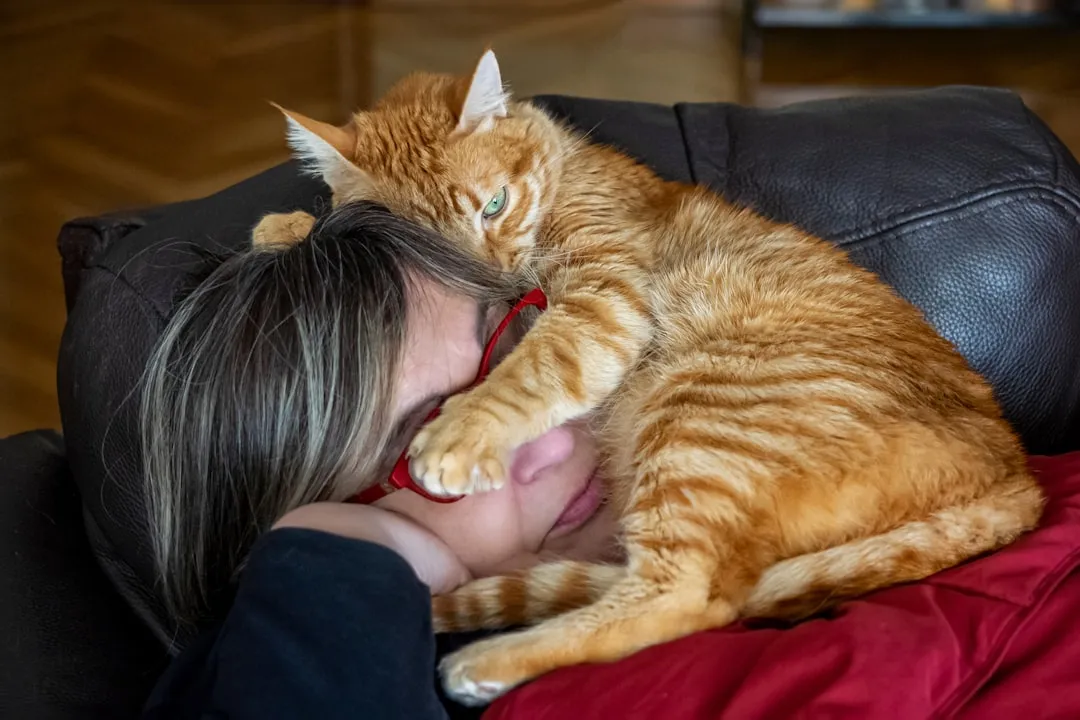
Most cats, even affectionate ones, keep a little tension in their bodies when held. Old or ill cats especially tend to stiffen, since being picked up can genuinely hurt. But when a cat has truly chosen you, there are moments when their body goes almost limp against your chest or lap – eyes half-closed, breathing slow – in a way they don’t do with anyone else.
That’s full vulnerability.
- Letting you touch the belly they don’t offer to others.
- Falling into a deep, twitchy REM sleep on you, not just beside you.
If a cat seems floppy all the time, that can actually be a medical emergency worth checking. But when they selectively melt into only you, that’s emotional – they’re surrendering the last of their “don’t hold me” pride and handing their sense of safety over to you. For a lot of owners, this is the exact moment it hits: they’re choosing me for the end. At night, this bond gets even more obvious.
#12 – They Seek You Out During Confusion or Nighttime Restlessness
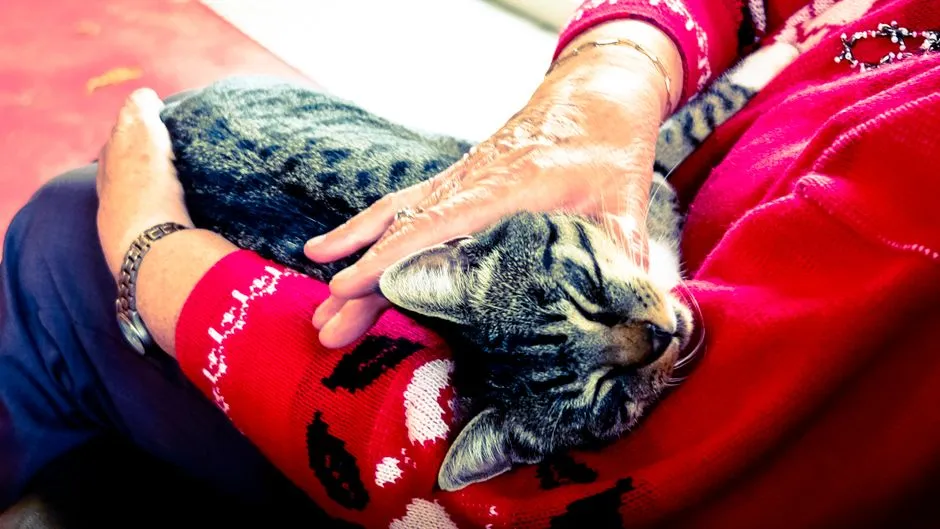
Cognitive decline is common in older cats. They may yowl at night, seem lost in familiar rooms, or stare blankly at walls. What’s telling is who they look for once that confusion spikes.
If, in their most disoriented moments, they eventually funnel themselves toward your bedroom, your chair, or your closed door, they’re anchoring to you as their lighthouse.
- They calm faster when they can see or smell you.
- Restless pacing turns into quiet circling near your side of the bed.
Many owners brush this off as coincidence, but the pattern is hard to ignore. The cat may not understand what’s happening to its body or brain, but it understands that your presence makes the panic quieter. That’s not habit – that’s a last, instinctive choice of who to trust when nothing else makes sense. Watch their eyes next.
#13 – They Position Themselves So They Can Watch Your Face
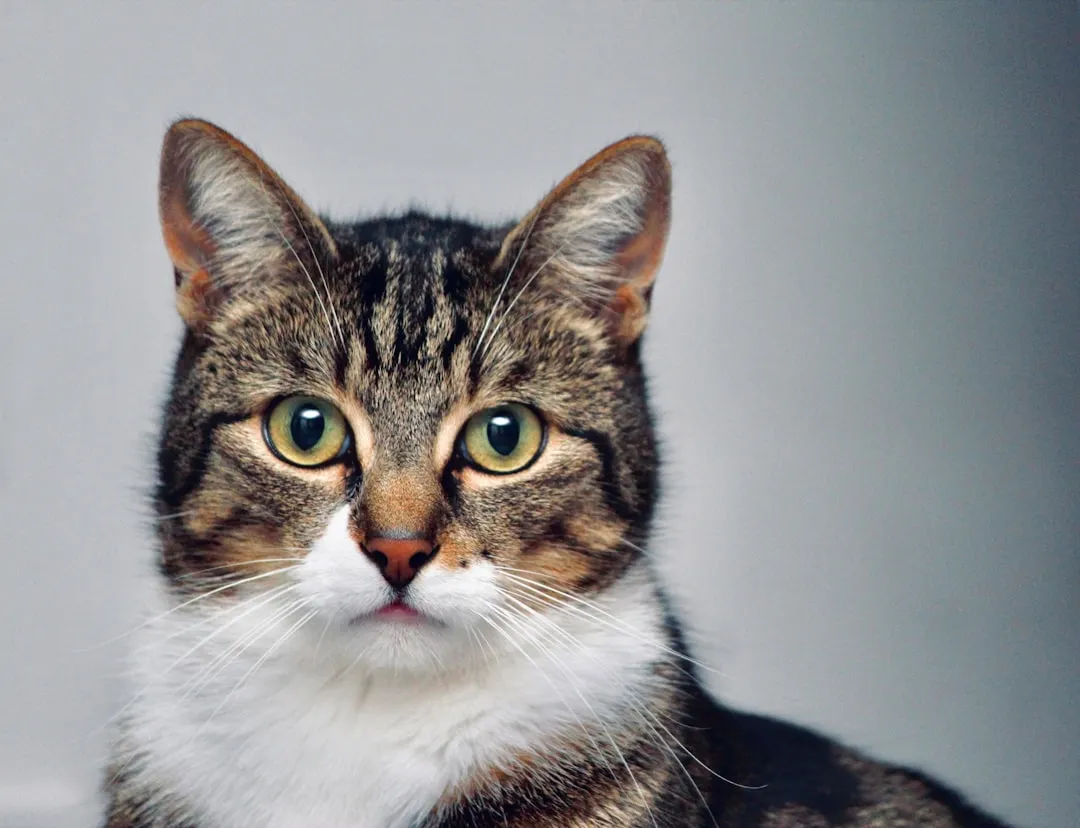
We talk a lot about cats being mysterious, but aging strips some of that distance away. Old cats who have chosen a person will often adjust their favorite spots so they can see that person’s face clearly, whether you’re on the couch, in bed, or at your desk.
Eye contact becomes less of a standoff and more of a lifeline.
- Choosing the arm of the sofa that lets them look up at you.
- Sleeping on the pillow beside you, nose pointed toward your face.
Worth Knowing
- A University of Sussex study found cats are more likely to slow blink at their owners after their owners have slow blinked at them, compared to when they don’t interact at all.
- The same research team found cats were more likely to approach the experimenter’s outstretched hand after they’d slow blinked at the cat, compared to when they had adopted a neutral expression.
- In frail or aging cats, holding that soft eye contact with one person may be doing double duty: staying connected and staying calm.
There’s a reason hospice workers often say animals mirror a lot of what dying humans do with eye contact – it’s about reassurance. Your cat may not understand words, but it absolutely reads your micro-expressions and tone. Watching your face is how they keep confirming that they’re still safe. Leaving the house changes everything, too.
#14 – They React Differently When You Leave… and When You Return
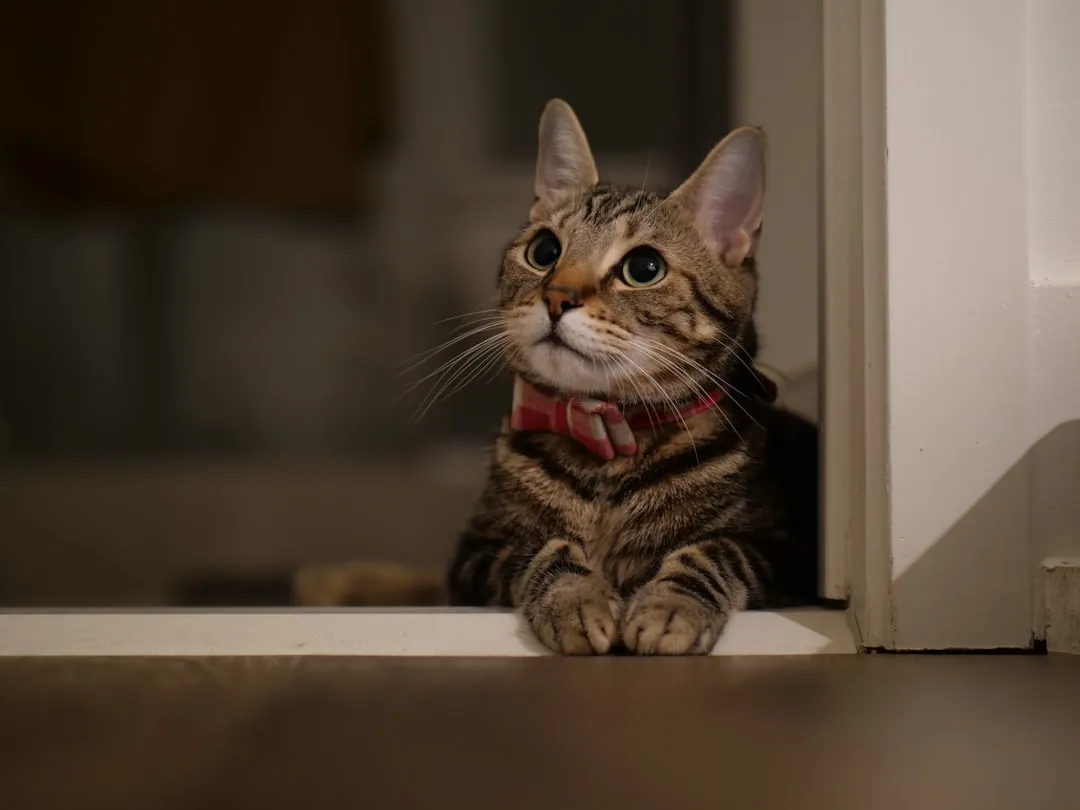
Not every cat cries at the door, but the chosen person’s absence tends to land differently than everyone else’s. You may notice your old cat becomes more restless, less interested in food, or strangely withdrawn when you’re gone for a stretch, then noticeably perks up the second you walk back in.
Others in the house might say “she just slept the whole time,” but the moment you appear, the eyes brighten.
- A tiny tail flick or slow head lift they don’t bother giving anyone else.
- A weak but determined push to stand and greet you.
A lot of people still cling to the idea that cats don’t care about specific humans. Senior cats repeatedly prove that wrong. They might not throw a party like a dog would, but the emotional spike when their chosen person returns is real – and in old age, it can be startlingly obvious. This next shift can look almost cold from the outside.
#15 – They Quietly Stop Competing for Anyone Else’s Attention
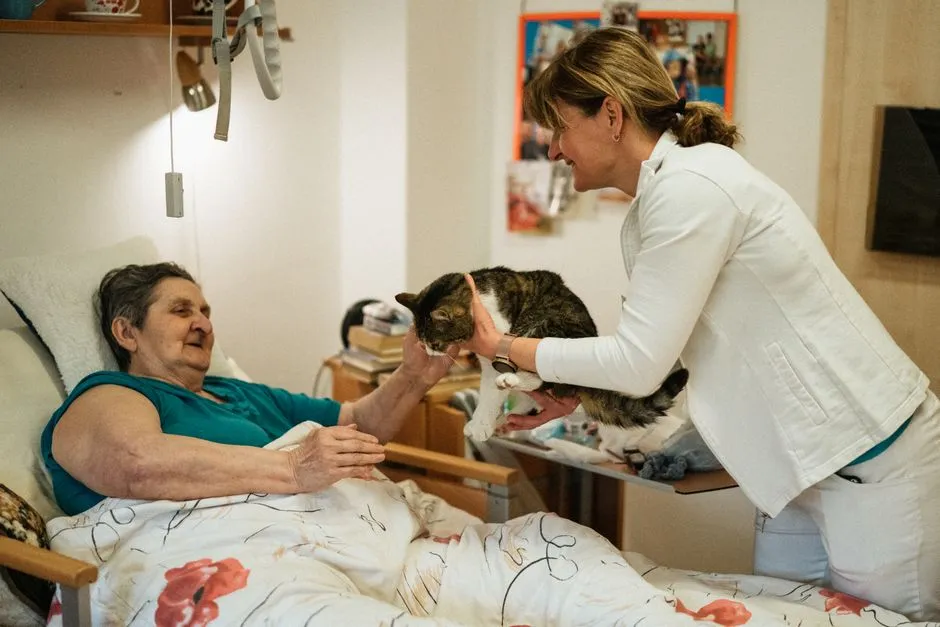
In multi-person or multi-pet households, you might notice a strange social shift. The old cat stops pushing onto laps when other people are around. They stop wedging themselves between partners, stop head-butting visitors, stop trying to join the kids’ games.
Instead, they consistently opt out – unless it’s just you.
It’s like they’ve retired from social politics entirely. This isn’t depression, it’s prioritization. Remaining energy is limited, senses are fading, joints hurt. They could spread themselves thin trying to be “everyone’s pet,” or they can narrow their circle to the one person who makes them feel safest. Cats are not obligated to be fair about affection, and at the end, most simply aren’t. Sign #16 is the hardest one to watch.
#16 – They Allow You to Witness Their Weakest Moments
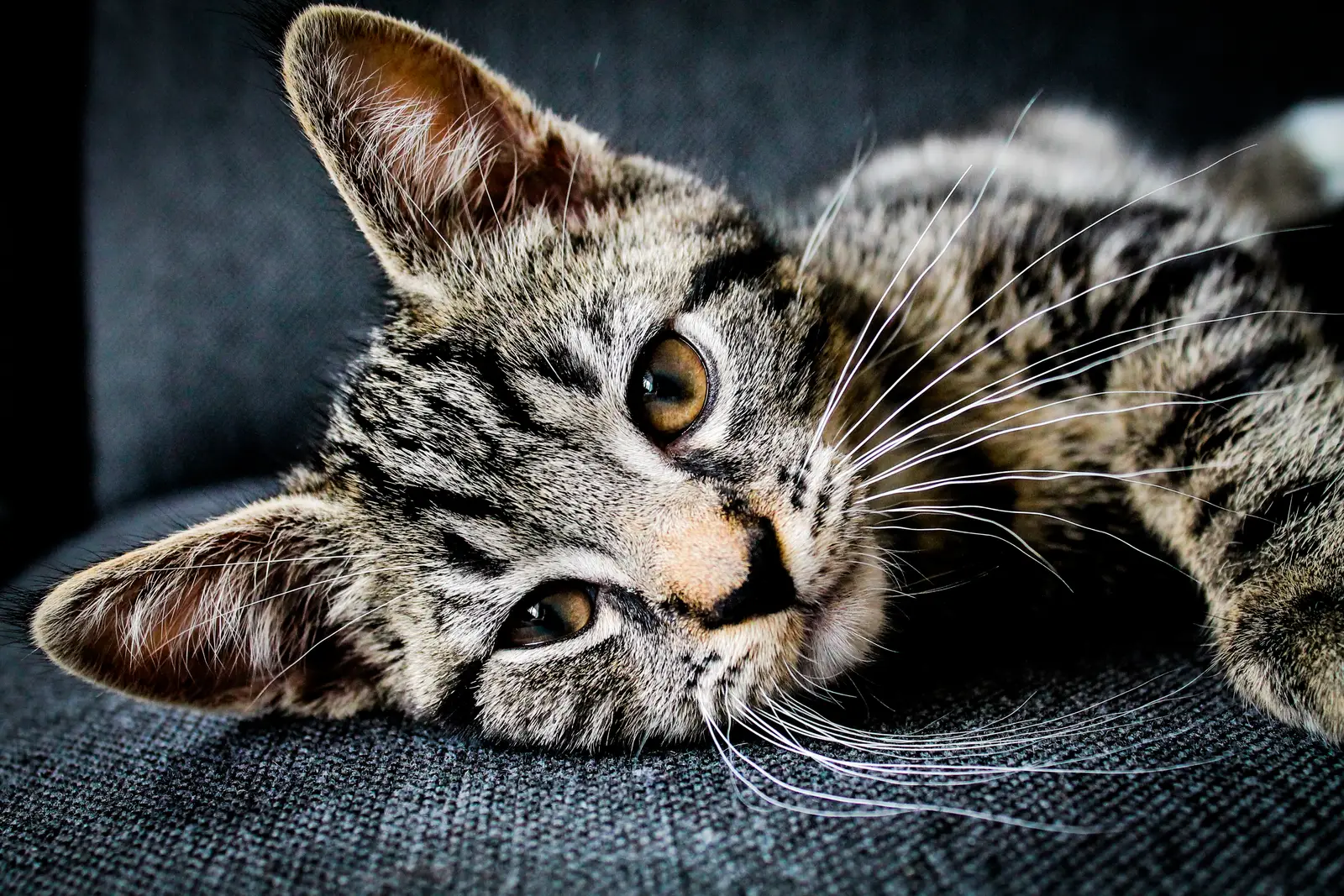
Most cats are experts at disappearing when they feel truly awful. They slip under beds, into crawlspaces, anywhere out of reach. That’s pure survival instinct. So when an old or dying cat does the opposite – staying in plain sight near your spot while breathing hard, shaking, or struggling to move – it’s a massive behavioral shift.
They are consciously letting you see them at their most vulnerable.
- They stop hiding pain episodes from you like they used to.
- They seem to wait for you before attempting hard tasks like jumping down.
Some people call this “giving up.” It’s closer to the opposite. They’re choosing connection over hiding, even when every instinct tells them to vanish. They’re trusting you not just with comfort, but with the raw, unfiltered reality of their decline. By this point, they’ve stopped asking for much at all.
#17 – They Seek Your Touch More Than Your Entertainment
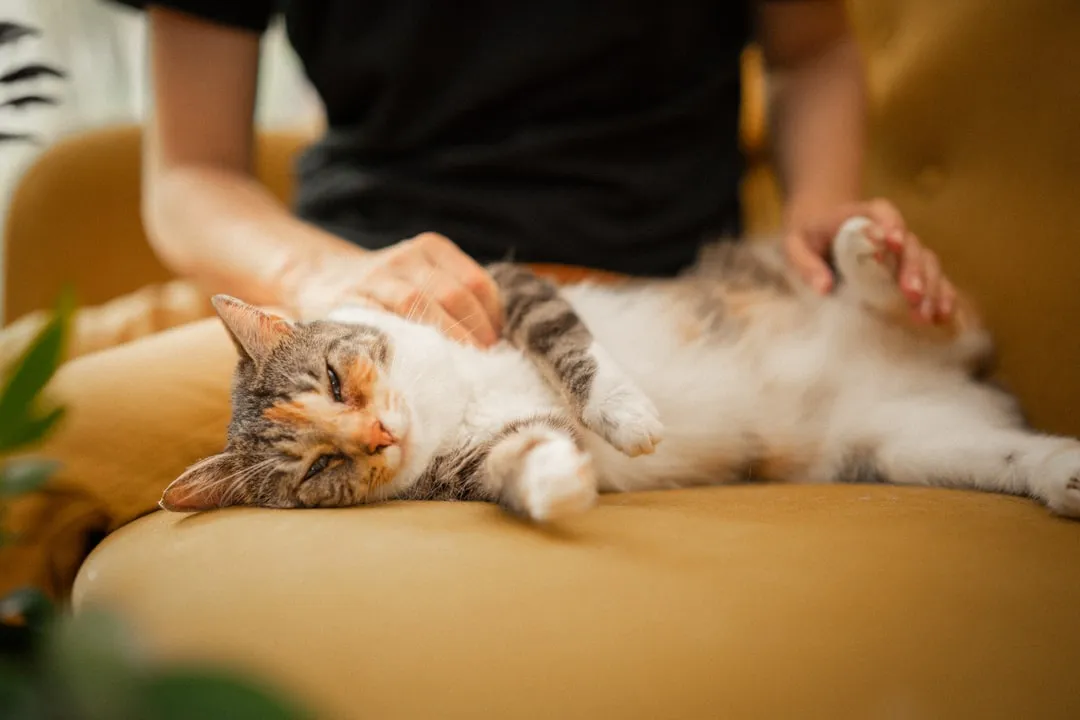
In youth, cats chase lasers, hunt toys, and climb furniture. In old age, play drops way down the priority list. What often replaces it, for the chosen person, is simple contact.
They’re no longer asking you to do something. They’re asking you to be there.
- Leaning into slow, steady petting instead of batting at moving toys.
- Preferring your still presence over any stimulation from others.
Why It Stands Out
- Play depends on quick reflexes and sharp senses, both of which fade fast with age.
- Touch, by contrast, costs almost no energy while still delivering steady, predictable comfort.
- Choosing calm contact over stimulation is a practical trade a weakening body makes on its own, not a loss of personality.
Is this clingy? Maybe. But it’s also incredibly specific – they’re not demanding this from the most fun kid, or the person who buys the treats, or the one who talks baby talk the loudest. They pick calm, familiar hands and predictable rhythms, weaning themselves off outer excitement and clinging to inner safety instead. And then comes the sign nobody wants to see, but almost everyone who’s lived it recognizes instantly.
#18 – When the Time Comes, They Try to Be Where You Are
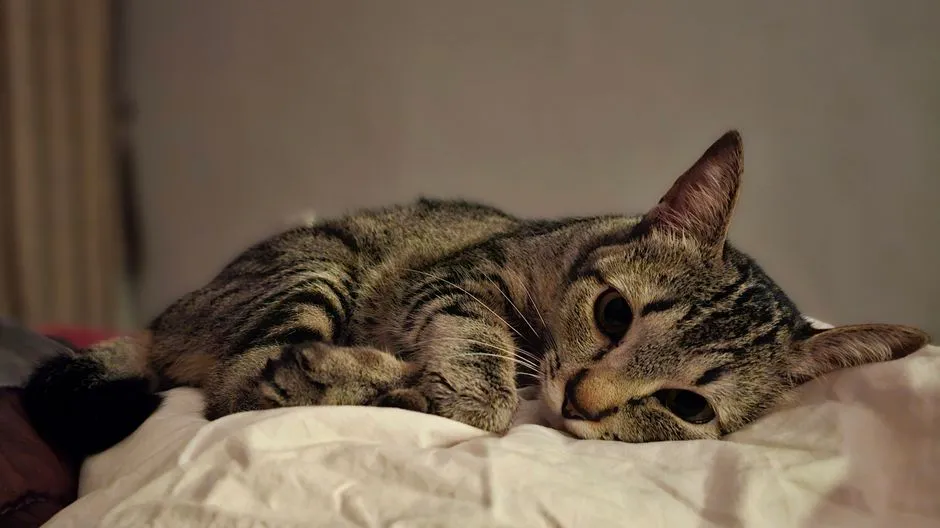
This is the hardest one to talk about, and honestly, where the arguments always start in comment sections. Some insist animals always go off alone to die. Yet countless owners, vets, and hospice foster caregivers report the opposite: when truly at the end, many cats use whatever strength they have left to move toward one person – the one they’ve chosen.
They may drag themselves to your doorway, your side of the bed, or your usual couch spot.
Not every cat gets the timing right. Some pass while you’re not home, or quietly in their sleep. But when you watch an old cat stubbornly relocate itself, despite obvious weakness, just to be in your usual place, it’s hard to call that coincidence. It’s their final, wordless request: I want to be with you for this. Whether you call that love, trust, or pure instinct, it’s unmistakably a choice.
The Bottom Line
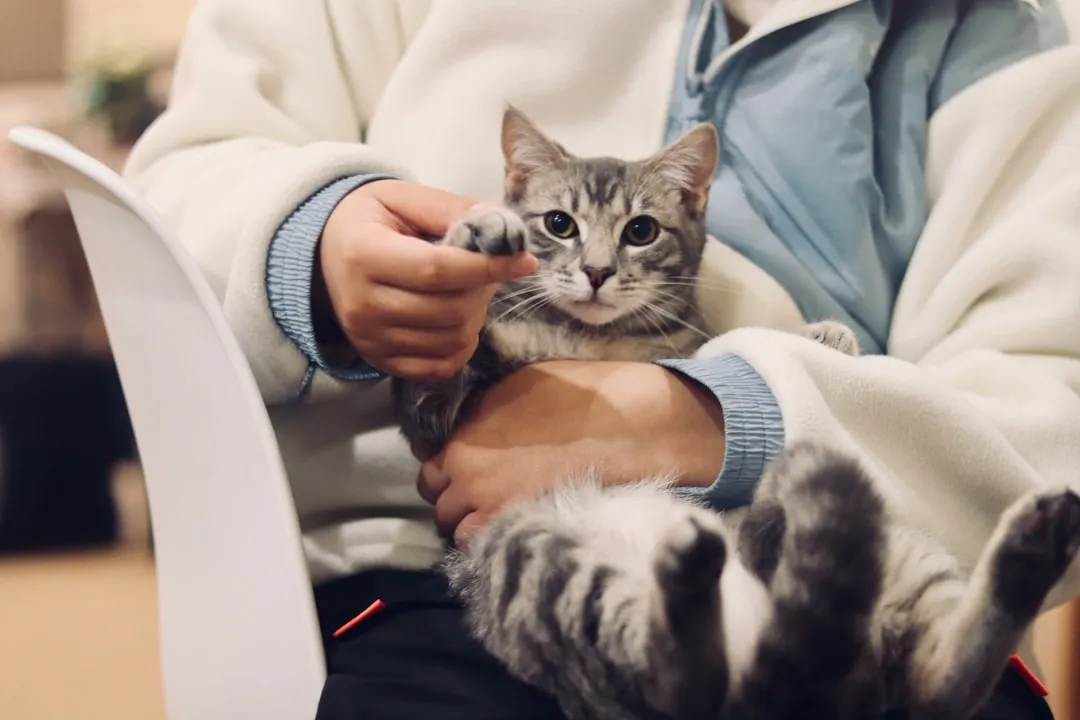
When an old cat quietly picks one person to stand beside them at the end, it doesn’t look like a movie. There’s no dramatic speech, no obvious last goodbye.
Instead, it’s a series of small, fiercely specific decisions: whose bed they limp to, whose hands they tolerate for painful care, whose absence dulls their appetite, whose presence calms their confusion.
If you’re that person, you are not imagining the weight of that role. It’s real, and it’s heavy.
Some will argue we’re over-humanizing cats. I’d argue the opposite – we’ve been underestimating them for years. They don’t choose with words; they choose with behavior, and in their final chapter, those choices become razor-sharp.
If you’ve been the one they walked toward when they were weakest, you’ve already been chosen. Did your old cat show these signs, or do you completely disagree? Say it in the comments – this is exactly where the debate belongs.
