
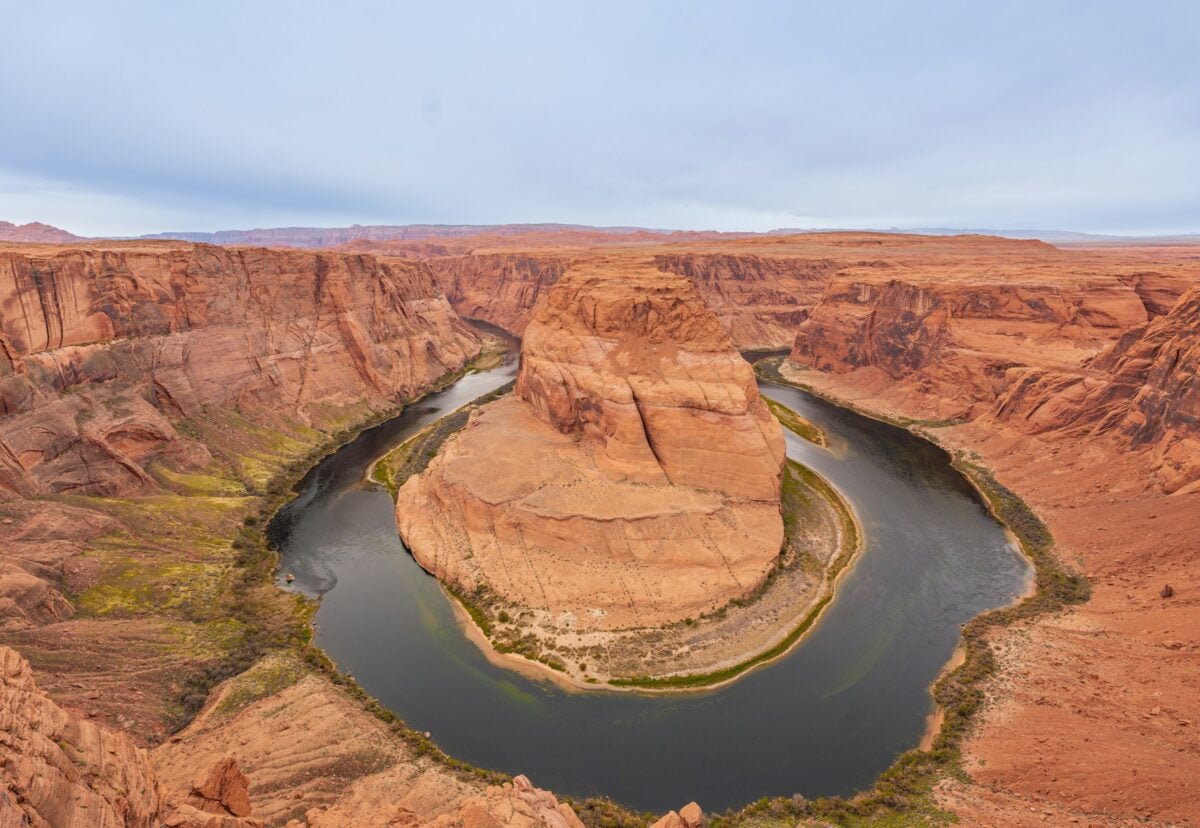
Stand on the rim of the Grand Canyon and it feels like time itself has been sliced open in front of you. Those colored bands are not just pretty stripes; they are pages in a planetary diary that runs almost as long as complex life on Earth. The wild part is that most visitors snap a photo, say it looks big, and leave without realizing they just stared at nearly two billion years of history in one shot.
The real magic of the Grand Canyon lives in its rock layers: buried oceans, vanished deserts, missing chapters, mass extinctions, and even hints of continents drifting like slow-motion icebergs. Once you know what you are looking at, every stripe tells a story. Let’s walk down through that stone stack and unpack ten of the most surprising secrets hidden in the canyon’s walls.
1. The Canyon’s Rocks Are Almost Half as Old as Earth Itself
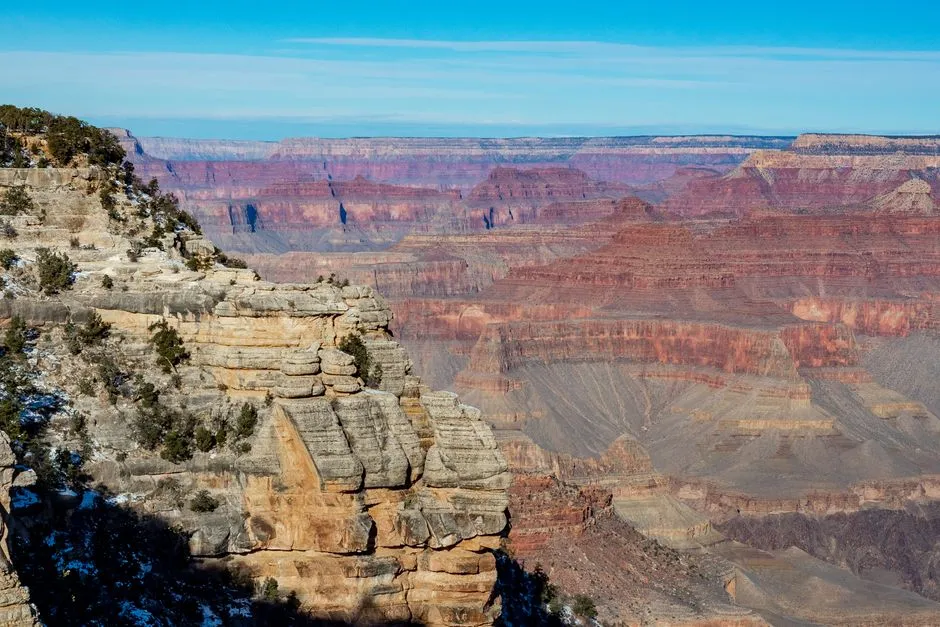
Here’s a mind-bender: some of the rocks at the bottom of the Grand Canyon are roughly about one and three quarter billion to almost two billion years old. That means they formed when the planet was still in its early, experimental stage, long before dinosaurs, trees, or even complex animals existed. These ancient rocks, known as the Vishnu Basement Rocks, sit far below the younger, colorful layers tourists usually notice.
To put that in perspective, if Earth’s entire history were a single 24‑hour day, those basement rocks would be forming around four or five in the morning. Humans, by comparison, would stroll in during the last fraction of a second before midnight. When you look down into the inner gorge and see those dark, twisted rocks, you are basically staring into the deep pre-dawn of our planet’s story.
2. The Canyon Walls Record Multiple Ancient Oceans Coming and Going
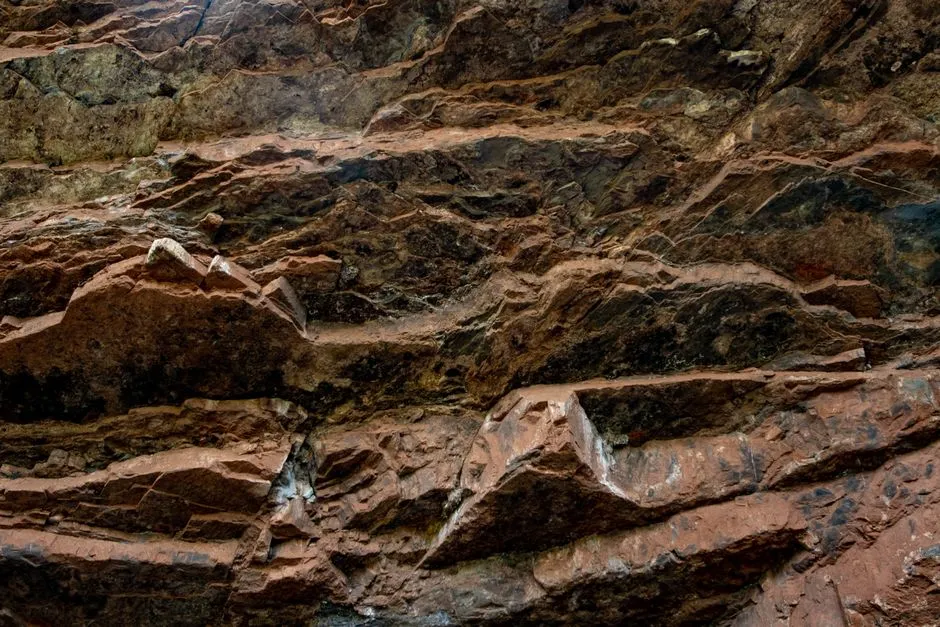
One of the most surprising secrets in those rock layers is how often the sea invaded and retreated from what is now Arizona. Several formations in the canyon, like the Muav Limestone and the Redwall Limestone, were laid down under shallow, warm oceans full of marine life. Each limestone band is like a fossilized beach resort, frozen in time where ancient seas once lapped over a much older landscape.
Between these ocean episodes, the area dried out, eroded, and sometimes turned into deserts or river plains before the water came back again. You can see this as alternating stacks of sandstone, shale, and limestone, each telling you whether the region was more like a coastline, a muddy tidal flat, or a calm offshore sea. It is almost like the canyon is a layered playlist of ancient climates: ocean, land, ocean, land, repeated over hundreds of millions of years.
3. There Is a Huge “Missing Chapter” Called the Great Unconformity
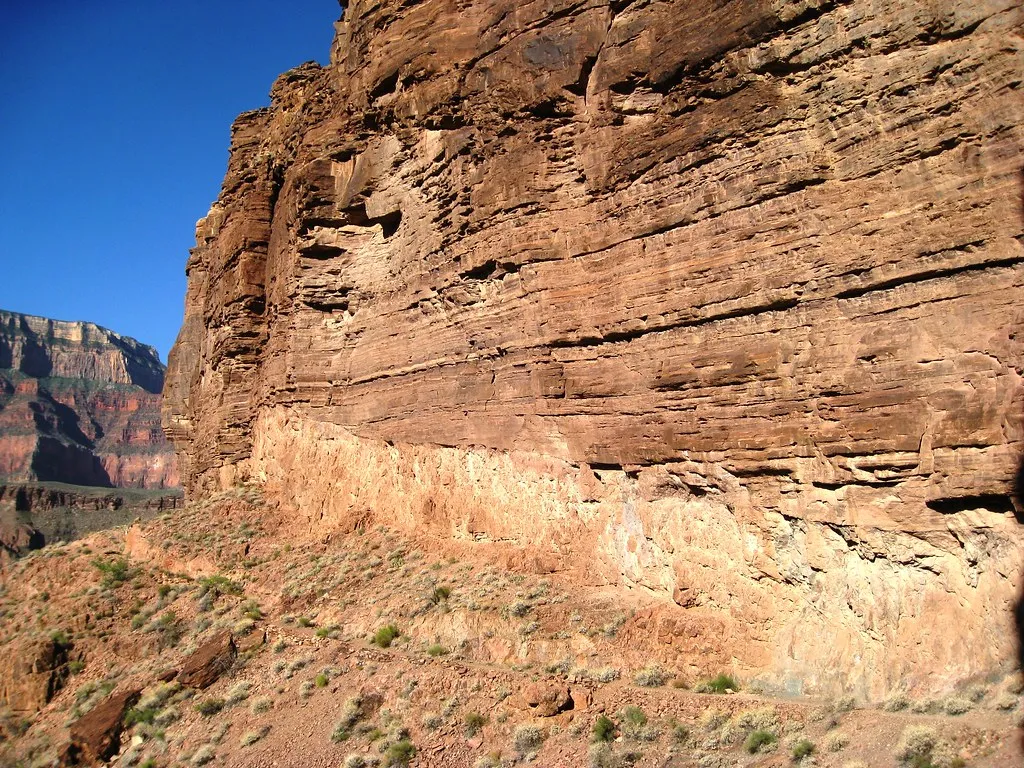
Imagine reading a thousand-page novel and suddenly discovering that several hundred pages in the middle are just gone. That is essentially what geologists stumbled on in the Grand Canyon. Between some of the oldest basement rocks and the younger sedimentary layers above them lies the Great Unconformity, a boundary where a massive span of time is simply missing from the rock record.
In some places, the age gap at this boundary can reach more than a billion years. That means older rocks were uplifted, eroded, weathered down, and then later buried under new sediments, erasing countless details of what happened in between. The Great Unconformity is like a scar in Earth’s memory, reminding us that even rocks – those supposedly permanent witnesses – can lose huge pieces of their own past.
4. Fossils in the Layers Track the Rise of Complex Life
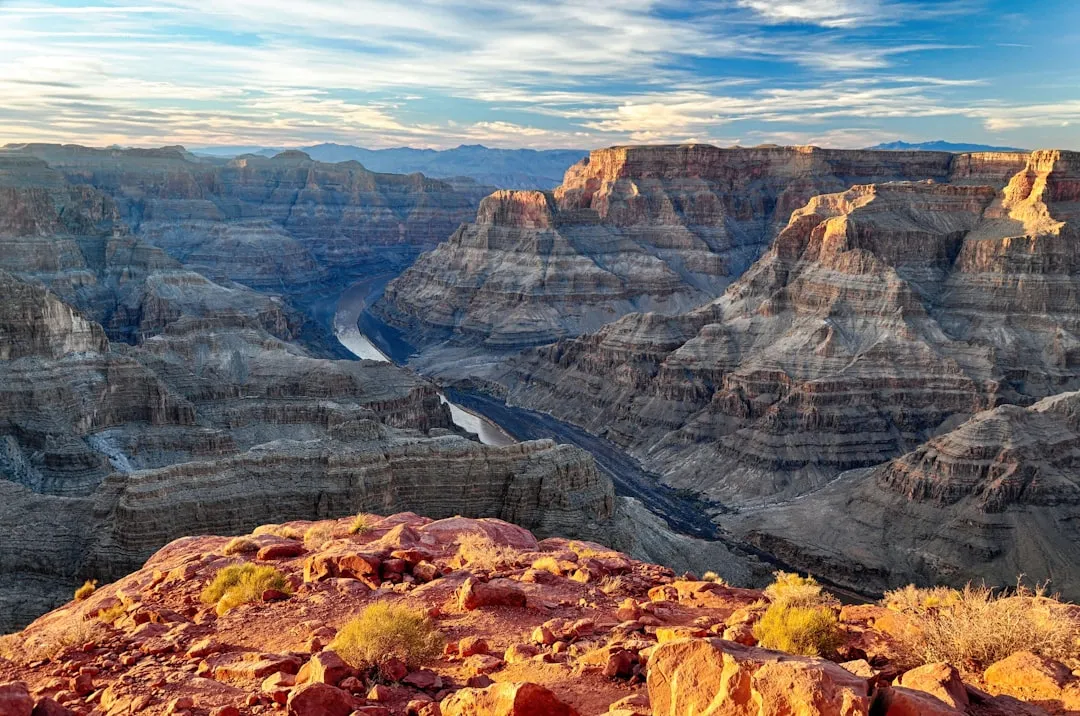
Not all of the Grand Canyon’s secrets are about what is missing; some are about what appeared for the first time. The canyon’s sedimentary rocks hold fossils that trace the growth of life from simple marine creatures to more complex ecosystems. In some of the oldest sedimentary units, like the Tapeats Sandstone, you may find traces of early sea life, such as burrows and impressions, rather than full skeletons.
Higher up in the stack, the story gets richer. In limestones like the Redwall, you move into a world crowded with corals, brachiopods, and other marine animals that suggest bustling, reef-like environments. Layer by layer, the fossils are like snapshots of life slowly getting more elaborate, giving you a stone-by-stone time-lapse of evolution long before familiar dinosaurs ever walked the Earth.
5. Those Bold Red and White Stripes Are Ancient Deserts and Rivers
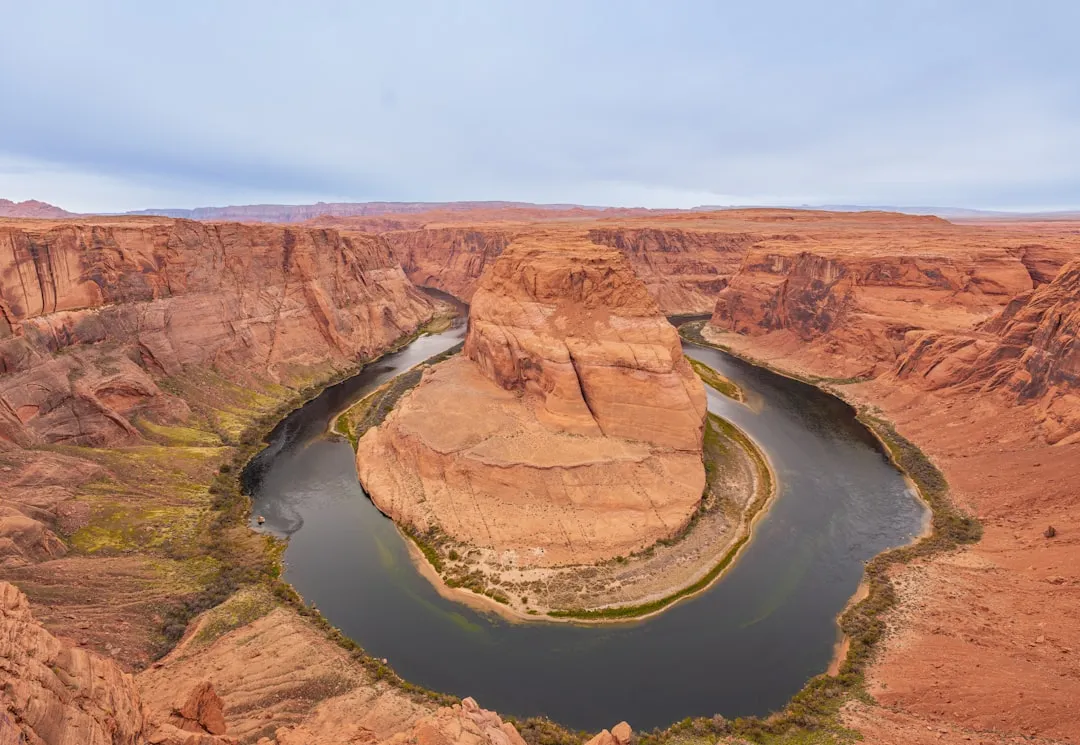
Many people see the Grand Canyon’s red and cream bands and just think “pretty colors,” but some of those layers are literally frozen deserts. Sandstone units, like the Coconino Sandstone, preserve cross‑bedding and patterns that look a lot like modern sand dunes. These features tell geologists that parts of the region were once vast, wind-blown deserts, more like parts of North Africa than the canyon landscape you see today.
Other sandstones and shales capture traces of old river systems and floodplains. Tilted beds, ripple marks, and mud cracks preserve moments when rivers meandered, overflowed, and baked in the sun. When you hike down the trails and brush your fingers across slanted layers in the rock, you are literally touching the sides of long-vanished dunes and stream beds, like running your hand across the pages of a stone atlas.
6. The Colorado River Is Young Compared to the Rocks It Carved
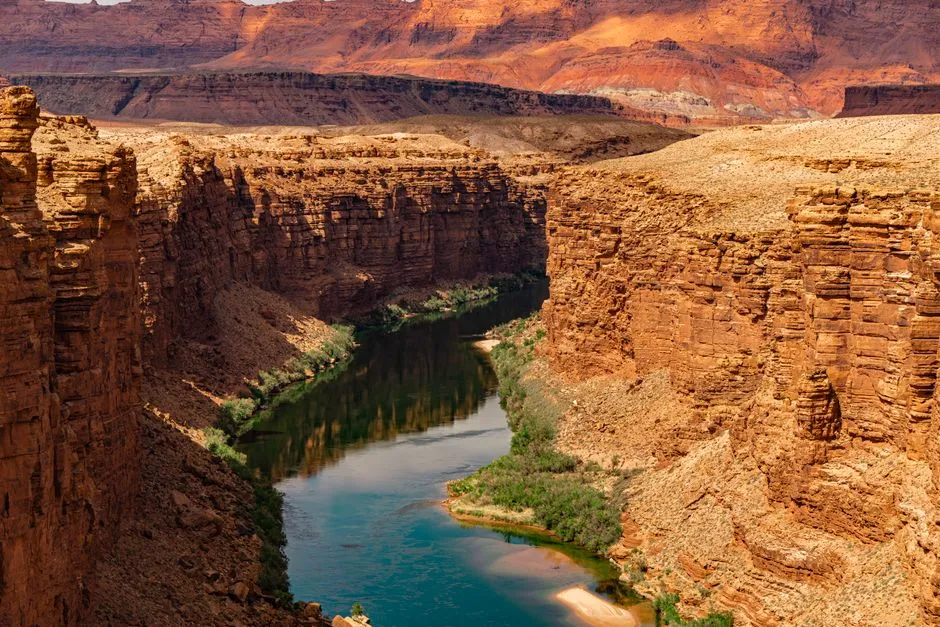
One of the most counterintuitive facts about the Grand Canyon is that the dramatic gorge is geologically young, even though the rocks themselves are ancient. The stack of rock layers spans hundreds of millions to nearly two billion years, but the main phase of canyon carving by the Colorado River likely took place in only the last few million years. In geologic terms, that is almost like carving a masterpiece out of an old block of marble overnight.
This mismatch between ancient rocks and a relatively youthful canyon explains why you can see so much history exposed in such steep, dramatic cliffs. The river and its tributaries sliced through layer after layer, taking advantage of fractures, uplift, and changes in climate. What you see today is the result of a young river rushing through old stone, like a modern artist sculpting with unimaginably ancient raw material.
7. Different Rock Types Control the Canyon’s Shape and Steepness
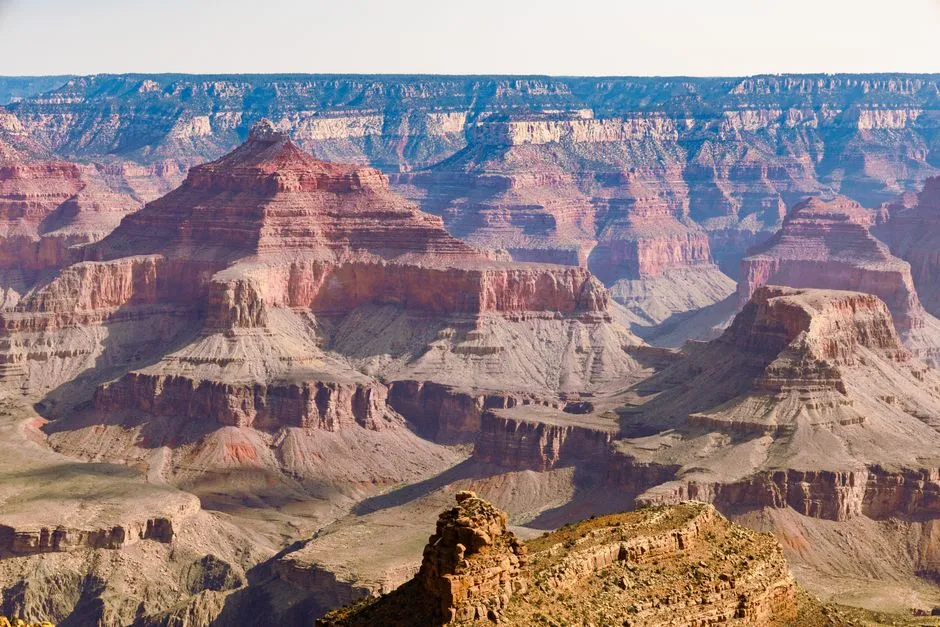
The Grand Canyon’s staircase-like appearance is not random; it is a direct result of how different rock layers respond to weathering. Harder, more resistant rocks like limestones and some sandstones tend to form cliffs and ledges, while softer shales and mudstones erode more easily into sloping, crumbly hills. When you look across the canyon walls, you can almost see a barcode pattern of tough “cliff-formers” and weaker “slope-formers.”
This difference in resistance shapes everything from the overall canyon profile to tiny side gullies. Trails like the Bright Angel or South Kaibab weave their way through these softer sections, zigzagging where the rock allows safe passage and cutting sharply where cliffs insist on steep drops. The whole landscape is a negotiation between rock strength, water, and gravity, and the result is that complex, rugged beauty people travel from all over the world to see.
8. Volcanic Rock Flows Once Dammed the Canyon
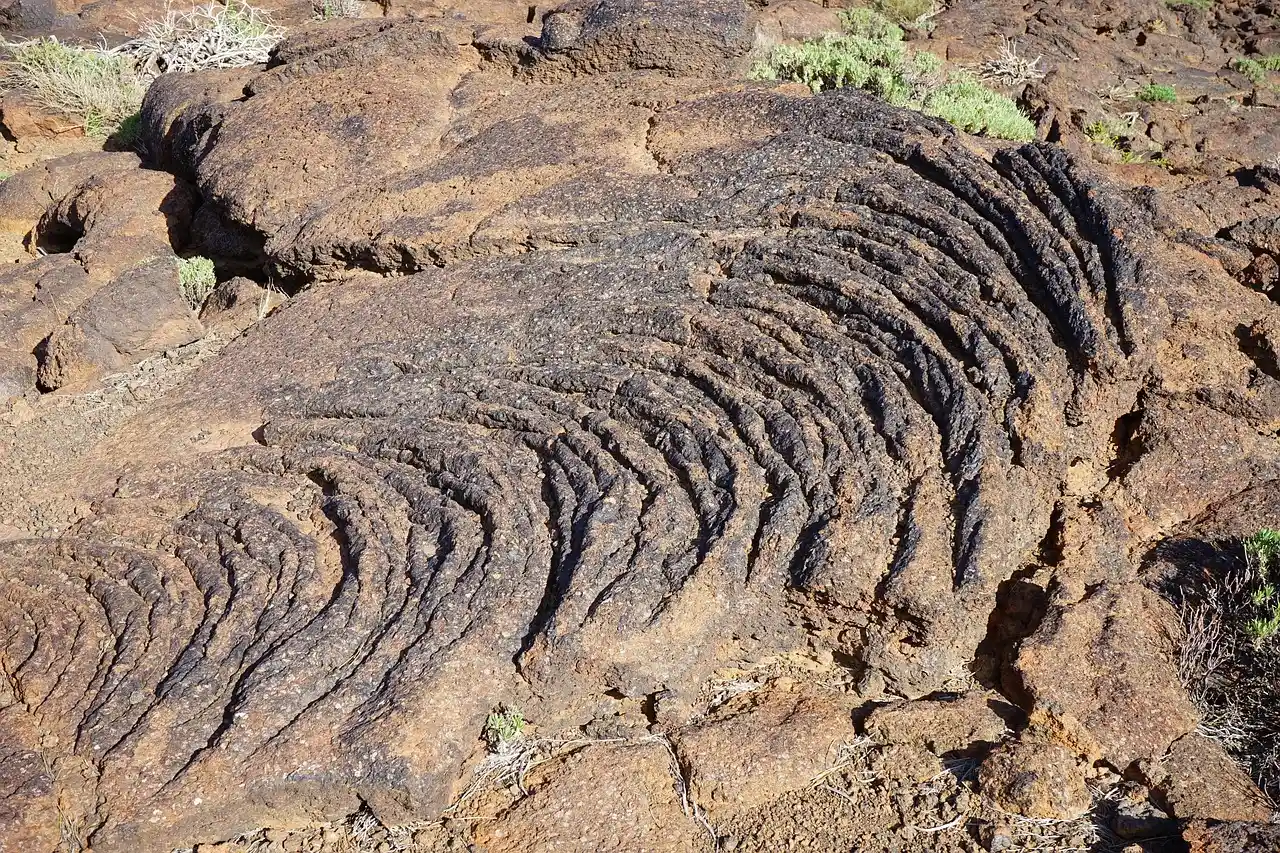
Most people think of the Grand Canyon as purely a river-and-sediment story, but there is a dramatic volcanic twist hidden in the layers near the western part of the canyon. In the relatively recent geologic past, eruptions in the region sent lava flows spilling into the gorge, where they cooled into dark basalt rock. These flows sometimes piled up enough to temporarily dam the Colorado River, creating deep lakes that backed up through sections of the canyon.
Over time, the river did what rivers do: it chewed through those lava dams and re‑established its flow, leaving behind traces of old lake sediments and isolated basalt caps on mesas. If you could rewind time, you would see a canyon intermittently filled and emptied, like a gigantic bathtub being plugged and unplugged. Those volcanic episodes are a reminder that even a place dominated by erosion can be briefly rewritten by fire from below.
9. The Rocks Record Ancient Climate Swings and Environmental Change
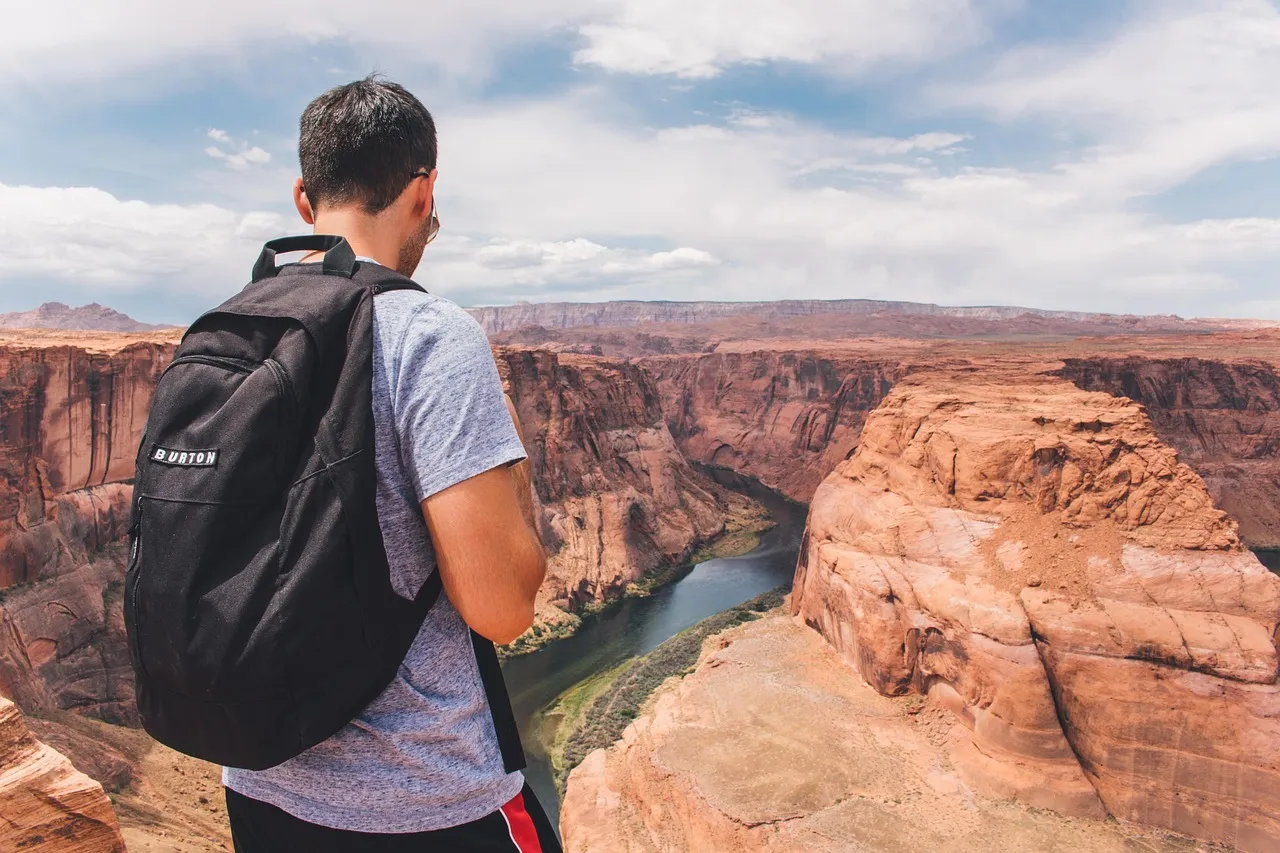
The Grand Canyon is not just a record of where land and sea used to be; it is also a record of how climate has shifted again and again. Certain layers capture evidence of warm, shallow tropical seas, while others preserve features typical of dry deserts or cooler, more temperate environments. Changes in rock color, mineral content, and fossil types can all hint at temperature, rainfall, and even the chemistry of ancient oceans.
When geologists read these signals, they can reconstruct big-picture climate stories: long greenhouse intervals, glacial episodes, or shifts in sea level that flooded and drained entire regions. In a way, the canyon is a warning label written in stone, showing that Earth’s climate has never been static. It has swung dramatically over time, often reshaping ecosystems and wiping out species, long before humans began affecting the atmosphere.
10. The Layer Cake Reveals Continents on the Move
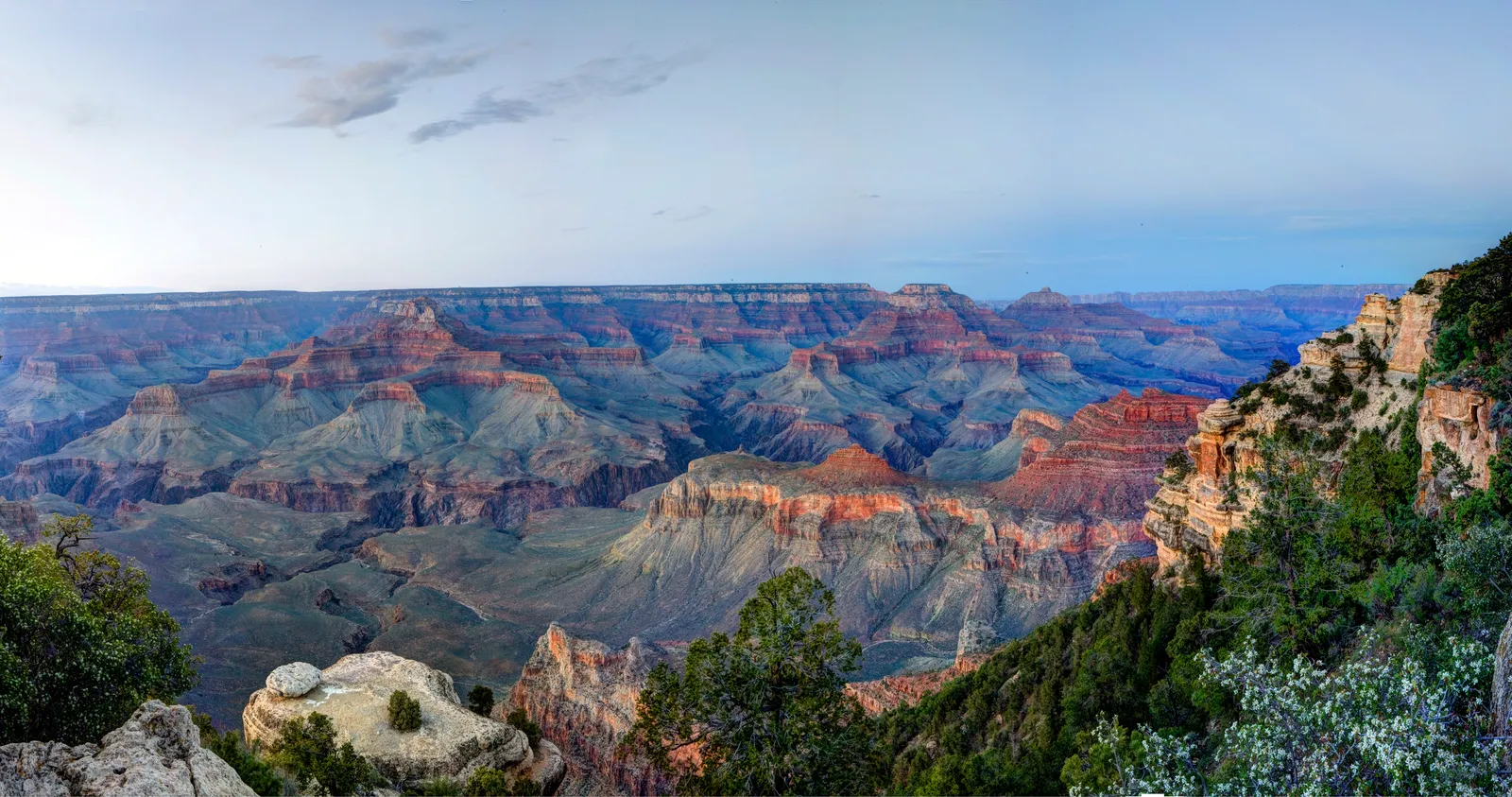
Buried inside the Grand Canyon’s rock record is proof that continents do not stay put. The types of rocks, their ages, and the environments they represent all point to a long history of crustal collisions, uplifts, and shifting positions on the globe. The very oldest basement rocks formed deep in the crust during ancient mountain-building events, while younger sedimentary layers suggest that the region later sat near tropical coastlines or arid interiors as landmasses drifted.
Over hundreds of millions of years, tectonic forces crumpled, tilted, and lifted these rocks, then erosion shaved them back to reveal the cross-section you see today. When you gaze across the canyon, you are not just seeing a gap in the ground – you are seeing the aftermath of continents rearranging themselves like slow-motion puzzle pieces. The Grand Canyon is essentially an exposed edge of that puzzle, inviting you to imagine the planet as a restless, moving machine rather than a fixed backdrop.
Conclusion: A Canyon That Makes Time Feel Personal
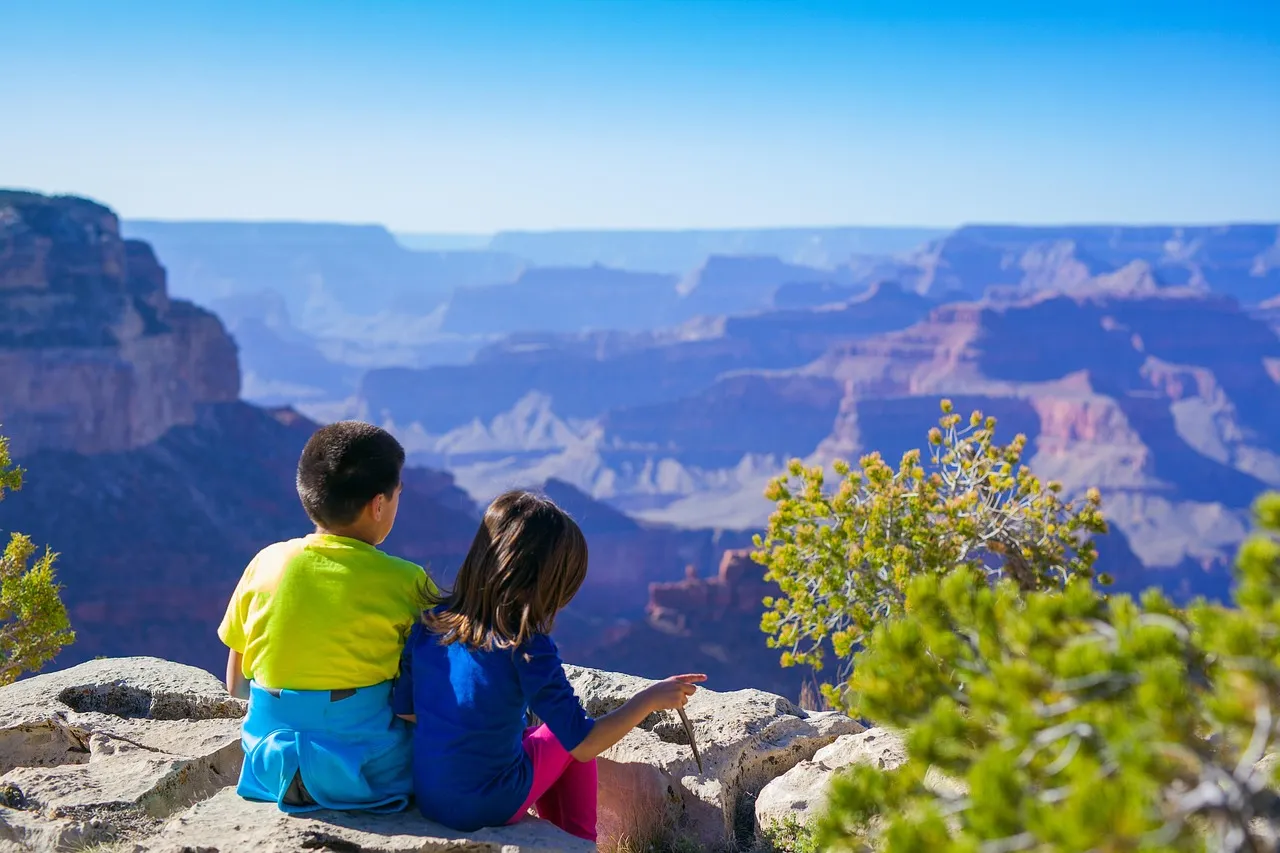
For me, the Grand Canyon stopped being just a big hole in the ground the moment I realized its walls quietly hold a timeline that dwarfs everything we normally worry about. Bills, emails, even entire civilizations feel small when you know you are looking at rocks that formed long before complex life, sliced open by a river that is almost a newcomer. Those layers are not abstract geology trivia; they are a reminder that the world has been through upheavals far greater than anything in the news cycle.
At the same time, there is something oddly comforting about standing at the rim and tracing those stripes with your eyes, like following wrinkles on a wise old face. The canyon tells you that change is the rule, not the exception, and yet beauty can emerge from eons of stress, erosion, and chaos. Next time you see a photo of the Grand Canyon, will you still see only a scenic overlook – or will you recognize it as the longest, most patient storybook you will ever read?

- What Large Dog Breed Are You According to Your Zodiac Sign - August 8, 2026
- 8 Plants That Help Keep Mosquitoes Away From Texas Patios - August 8, 2026
- 10 Facts About the Grand Canyon Hidden in Its Rock Layers - August 8, 2026