
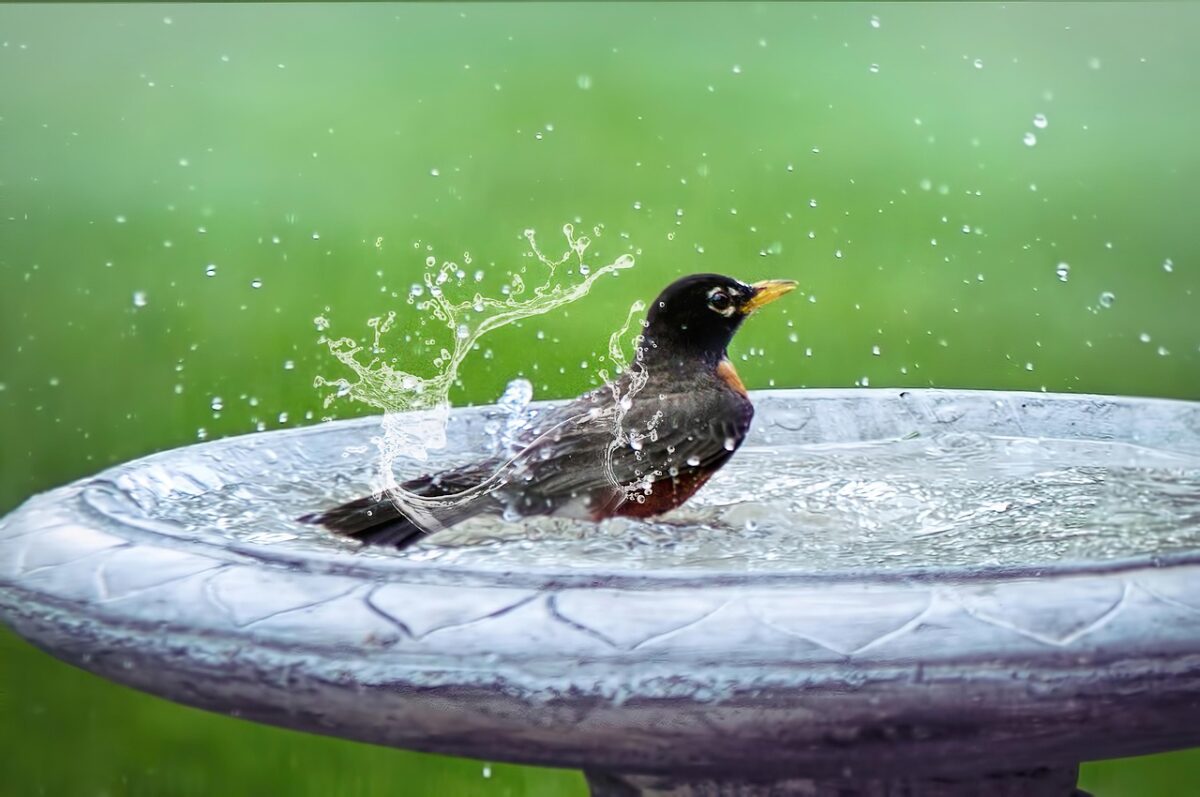
Most people think you need acres of land to help wildlife, but a tiny patch of grass, a balcony, or a narrow side yard can quietly become a lifeline for birds, bees, and butterflies. Small yards can actually punch far above their weight, especially in cities and suburbs where natural habitat is disappearing piece by piece.
When I first planted a single native shrub outside a rental apartment, I honestly didn’t expect anything. A month later, there was a hummingbird hovering at the flowers and a shy little lizard sunning itself on the bricks. That’s when it hit me: you don’t need a “back forty” to matter. You just need to be intentional, a bit patient, and willing to let your yard be a little more wild than the neighborhood norm.
1. Start With Native Plants: The Backbone of Your Micro‑Ecosystem
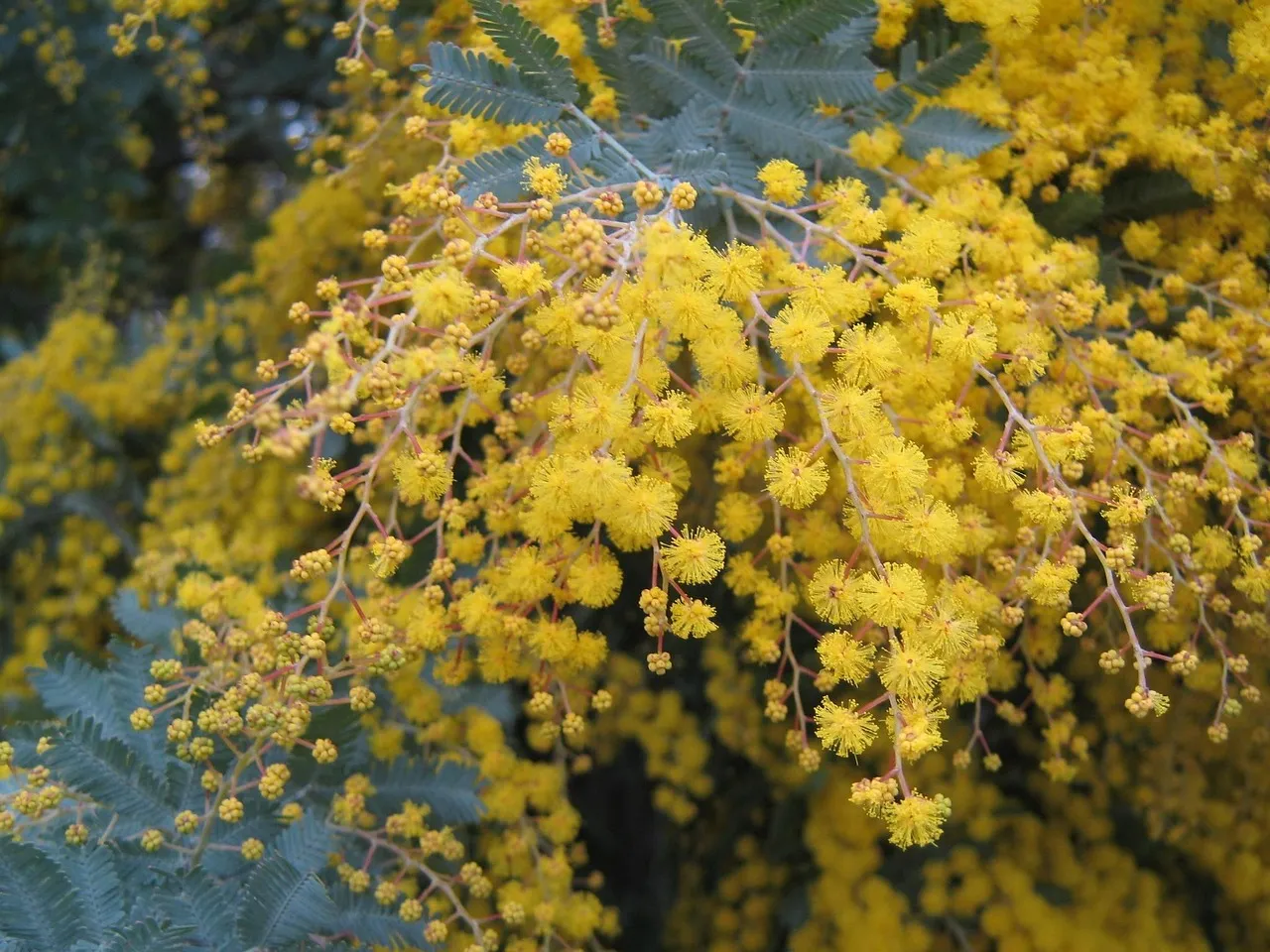
If you do only one thing to turn your small yard into wildlife habitat, make it this: plant locally native species. Native plants have evolved alongside local insects, birds, and other animals for thousands of years, so they offer the exact food, shelter, and timing that wildlife expects and depends on.
In practical terms, that means native flowers provide the nectar that local pollinators can digest, their leaves feed the caterpillars that songbirds need to raise their chicks, and their seeds line up with seasonal migration and hibernation patterns. Think of native plants as the operating system your local ecosystem is built on; when you swap them for generic ornamentals, wildlife can’t “run” properly anymore.
2. Layer Your Plants: Create Vertical Habitat in a Tiny Footprint
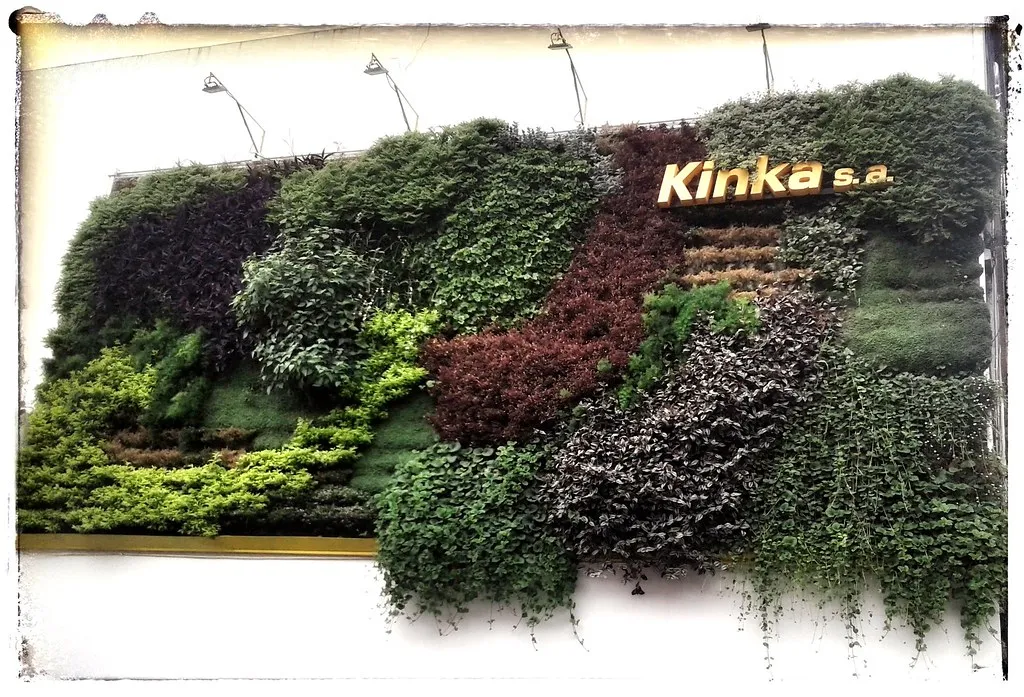
In a small yard, you do not have more square footage, but you do have more height. Wildlife does not live on a flat plane; birds nest higher, insects shelter low, and many animals move up and down through different layers. By stacking life vertically, you can turn a small, bland rectangle into a rich, three‑dimensional habitat.
Imagine a mini forest structure: a small native tree or tall shrub, mid‑height bushes, clumping grasses, sprawling flowers, and low groundcovers beneath. To a chickadee, that’s a protected buffet line; to a butterfly, it’s a sheltered nursery; to a toad, it’s a cool, safe hideout. Even if you only have room for a single small tree, one bush, and a couple of pots with native flowers, that layered effect dramatically increases how many species can use your yard.
3. Add Water: A Simple Birdbath Can Be a Lifesaver
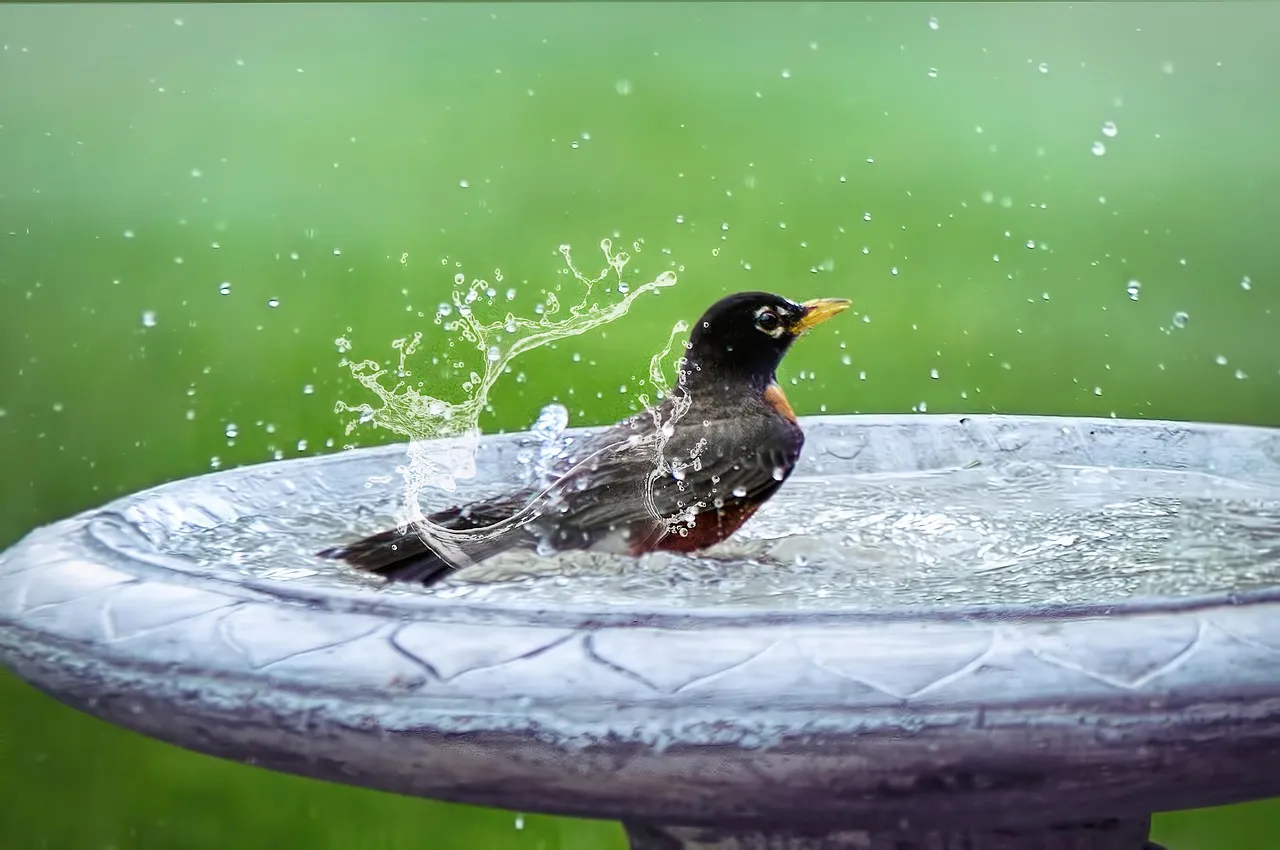
Clean, accessible water is one of the most powerful habitat features you can offer, especially in hot, dry, or heavily urban areas. Birds, bees, butterflies, and even small mammals all need water to drink and, in many cases, to bathe and cool off, but it can be surprisingly hard for them to find safe, shallow sources in typical neighborhoods.
You do not need a fancy pond or big fountain. A simple shallow birdbath, a plant saucer filled with water and a few stones for perches, or even a drip or small bubbler can transform your space. Moving water tends to attract more species and stays fresher longer. The key is to keep it clean and not too deep, so tiny creatures can drink without drowning. Think of it as opening the only café in a thirsty town: once word gets out, you’ll see who shows up.
4. Embrace “Messy”: Leave Leaves, Stems, and Dead Wood for Shelter
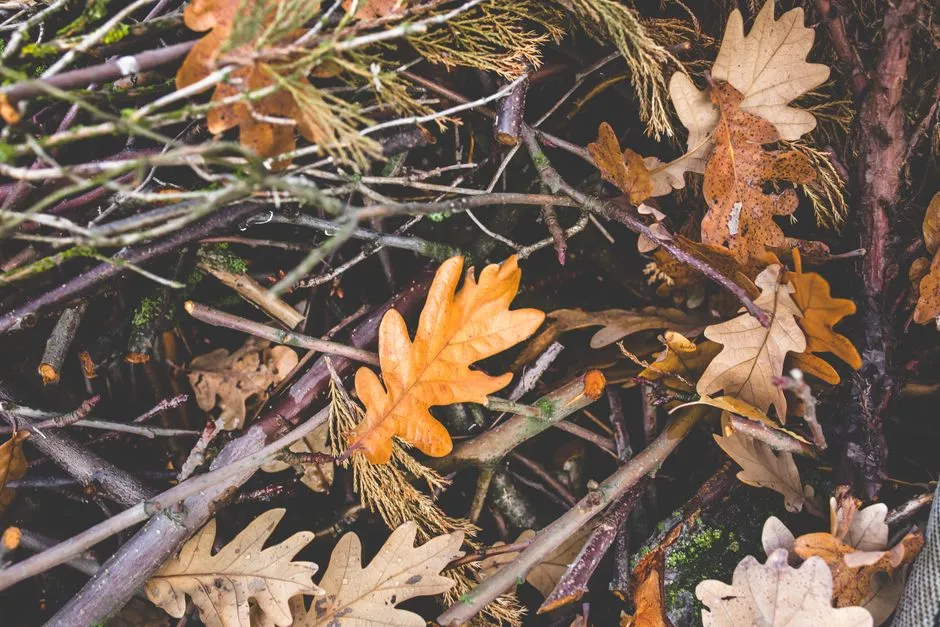
Most conventional yard advice is about cleaning up and controlling every leaf and twig, but that “tidy” look is often a disaster for wildlife. Fallen leaves, hollow stems, and small branches are not trash; they are shelter, winter blankets, nesting materials, and quiet places to hide from predators and harsh weather.
In a small yard, you can still be neat for the neighbors while deliberately leaving some wild corners. Rake leaves under shrubs instead of bagging them, keep a discreet brush pile in a back corner, and delay cutting down old flower stalks until late spring so overwintering bees and insects can emerge. What looks like a little bit of intentional chaos to you can feel like an apartment complex, grocery store, and storm shelter all rolled into one for wildlife.
5. Ditch Pesticides and Herbicides: Let Nature Do the Balancing
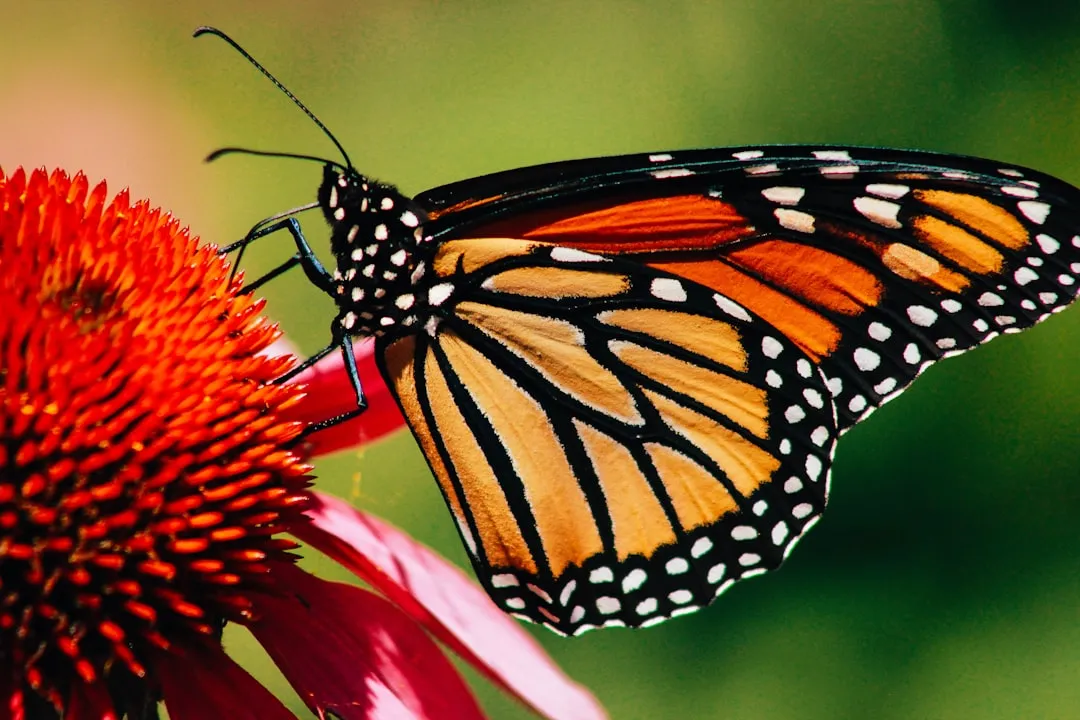
It can be tempting to reach for chemical sprays the moment you see aphids, weeds, or chewed leaves, but those products rarely hit just the “bad guys.” In a small yard, one blast of pesticide can wipe out not only pests but also the lady beetles, lacewings, pollinators, and soil life that keep your mini ecosystem in balance.
Chewed leaves and patchy spots actually mean wildlife is using your plants, which is the whole point of a habitat yard. If you leave nature to work, predators like birds, spiders, and beneficial insects almost always move in and stabilize things over time. Hand‑picking pests, using mulch to suppress weeds, and choosing plants that can handle a little damage are simple, low‑tech ways to keep your yard alive without turning it into a chemical minefield.
6. Offer Food Across the Seasons, Not Just in Spring
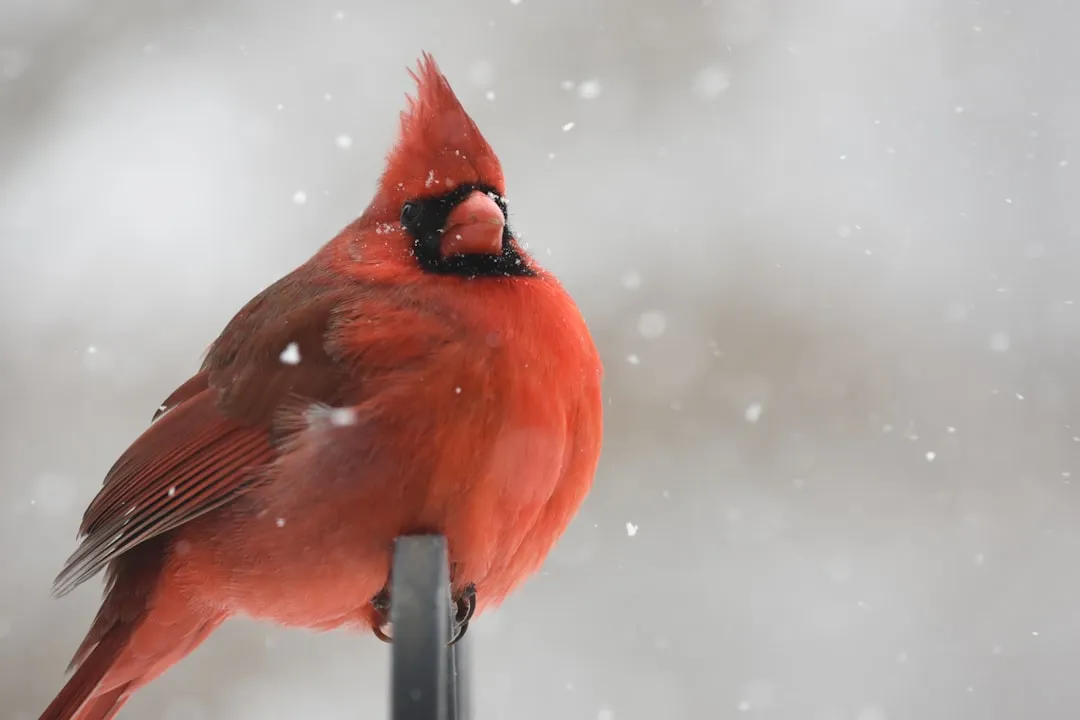
Many people think about flowers and hummingbirds in spring and summer, then forget that wildlife has to make it through fall and winter too. In a small yard, planning for year‑round food can make your space far more valuable than a short‑lived seasonal show. Birds, insects, and small mammals migrate, breed, store fat, and overwinter on their own schedules, and your plant choices can help them at each stage.
Try to include early‑blooming natives for pollinators that wake up on chilly days, midseason flowers for summer activity, and late‑blooming or seed‑heavy plants to support fall migrants and overwintering birds. Berry‑producing shrubs, nut‑bearing trees, and seed heads left standing through winter become an all‑you‑can‑eat buffet when everything else looks dead. Instead of thinking of your yard as a spring garden, think of it as a full‑year pantry with different items coming into season one after another.
7. Create Micro‑Shelters: Rocks, Logs, and Nooks for the Little Guys
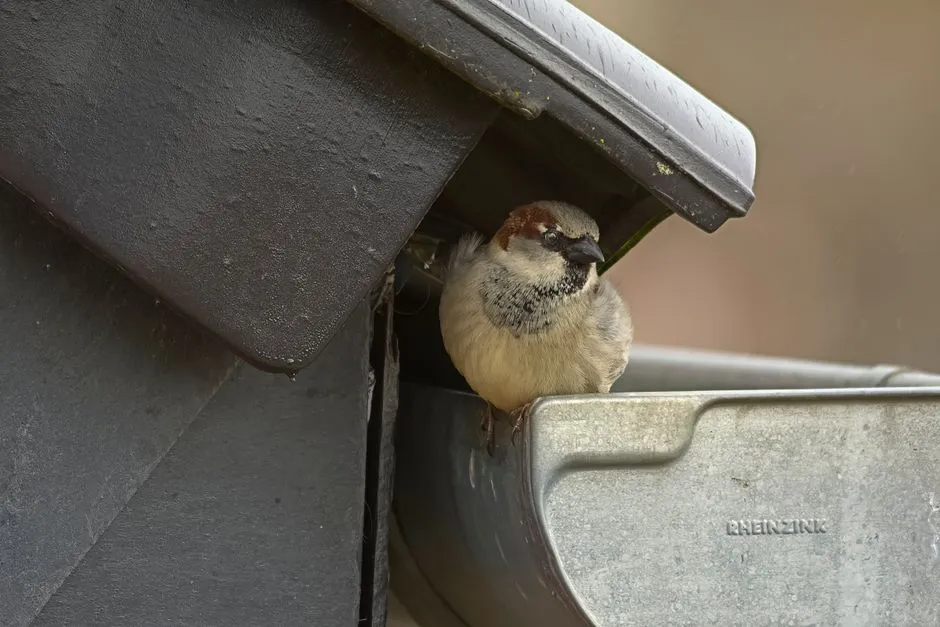
When people imagine wildlife, they usually picture big, obvious visitors like songbirds or butterflies. The truth is, the foundation of any healthy habitat is made of tiny, easily overlooked creatures: beetles, spiders, salamanders, pill bugs, and soil microbes. In a small yard, giving those little residents places to hide and thrive is one of the smartest things you can do.
You can build micro‑shelters with almost no space: a flat rock partially buried to stay cool and moist underneath, a half‑rotted log tucked behind a planter, or a small pile of stones and bark. These spots become safe homes where moisture lingers, temperatures stay more stable, and predators can’t easily reach. It is a bit like offering studio apartments in a housing crisis; you might not see all the tenants, but the whole neighborhood benefits from their quiet work recycling nutrients and feeding the food web.
8. Make It Safe: Reduce Window Strikes, Light Pollution, and Hazards
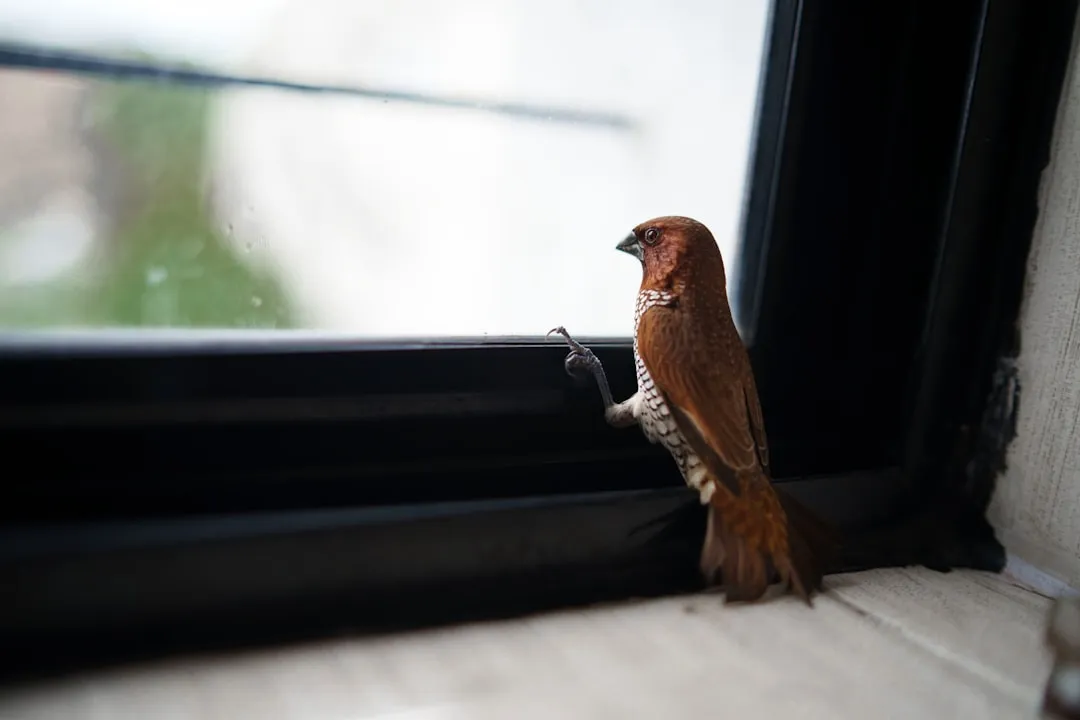
Small yards can feel peaceful, but to wildlife they can be full of invisible dangers: clear glass that looks like open sky, bright night lights that disorient migrating birds and insects, and open water or deep planters that tiny animals cannot climb out of. Turning your yard into habitat means not only attracting wildlife, but also keeping it safe once it gets there.
You can drastically cut bird collisions by breaking up reflections with decals, screens, or exterior shades on large windows near feeders or dense plantings. Use warm, shielded, low‑intensity lighting outside and turn it off when you can, especially during peak migration seasons. Cover open rain barrels, add escape ramps to steep‑sided containers, and keep cats indoors or supervised. These small adjustments cost very little, but to a migrating warbler or a hunting bat, they can be the difference between life and death.
9. Connect With Neighbors: Tiny Yards, Big Impact When Linked
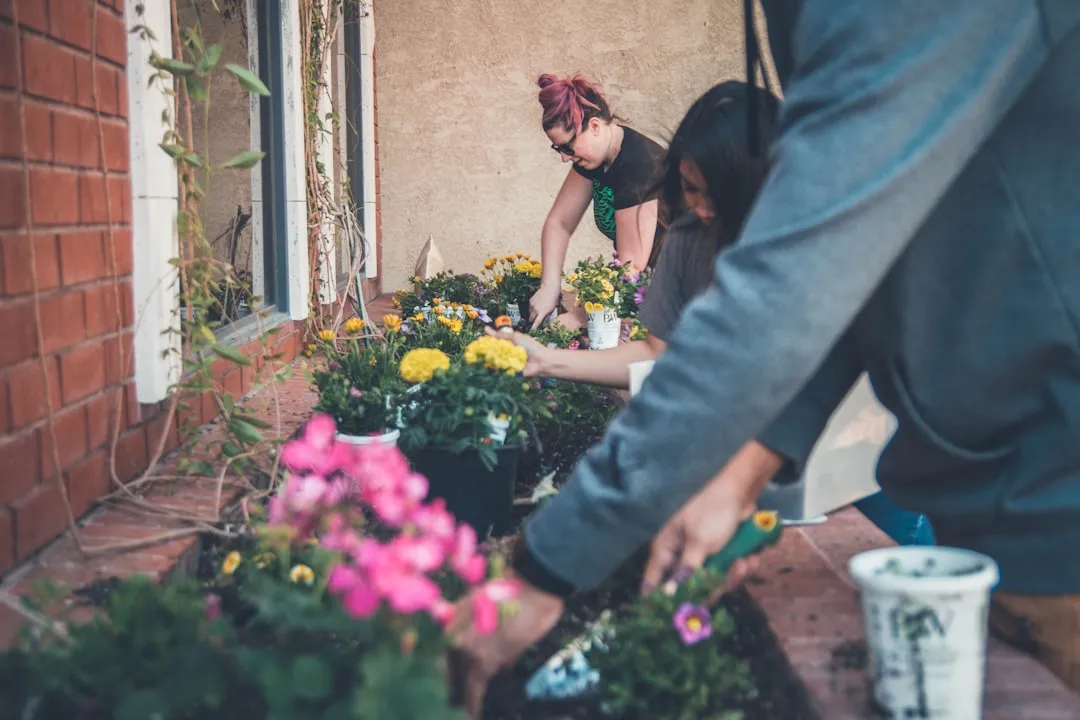
A single small yard is helpful, but when you connect several yards on a street or in an apartment complex, you create a continuous corridor that wildlife can actually move through. Birds, insects, and even small mammals do not care about property lines; they care about whether they can find food, water, and shelter from point A to point B without crossing a sterile desert of turf and concrete.
This is where talking to neighbors, sharing cuttings of native plants, or starting a small habitat challenge on your block can have an outsized impact. Maybe your yard offers water and early flowers, the next one offers berry shrubs, and the yard beyond that keeps a brush pile and late‑blooming natives. Together, you have stitched a patchwork refuge into a neighborhood that might otherwise be inhospitable. In a world where wild spaces are shrinking, this kind of community‑level action is quietly radical.
Conclusion: Letting Go of Perfection to Welcome Back the Wild
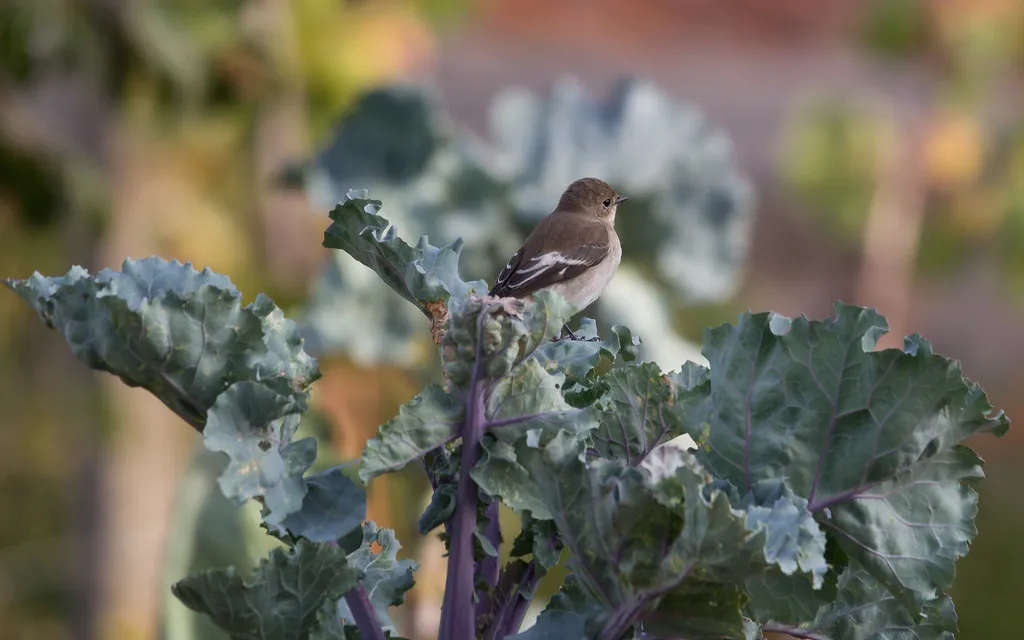
Turning a small yard into wildlife habitat is less about buying the perfect plants or building elaborate features, and more about changing how you see your space. When you stop chasing the pristine, magazine‑ready lawn and start accepting some chewed leaves, fallen sticks, and buzzing activity, your yard shifts from a decorative backdrop into a living, breathing ecosystem. It becomes a place where you are not just an owner, but also a participant and a caretaker.
My own bias is clear: I think the slightly messy, buzzing, bird‑filled yard is far more beautiful than any sterile green carpet. It feels honest, alive, and oddly comforting, like the difference between a staged hotel room and a well‑loved home. In a time when so much wildness is being pushed to the edges, choosing to share your tiny patch is a gentle but firm act of resistance. If every small yard did just a little, how different do you think our neighborhoods would feel?

- What Eagle Are You According to Your Zodiac Sign - August 15, 2026
- 8 Things Secretary Birds Do to Snakes That Make Them Extraordinary Hunters - August 15, 2026
- 7 Reasons Wolverines Survive in Places Most Predators Cannot - August 15, 2026