
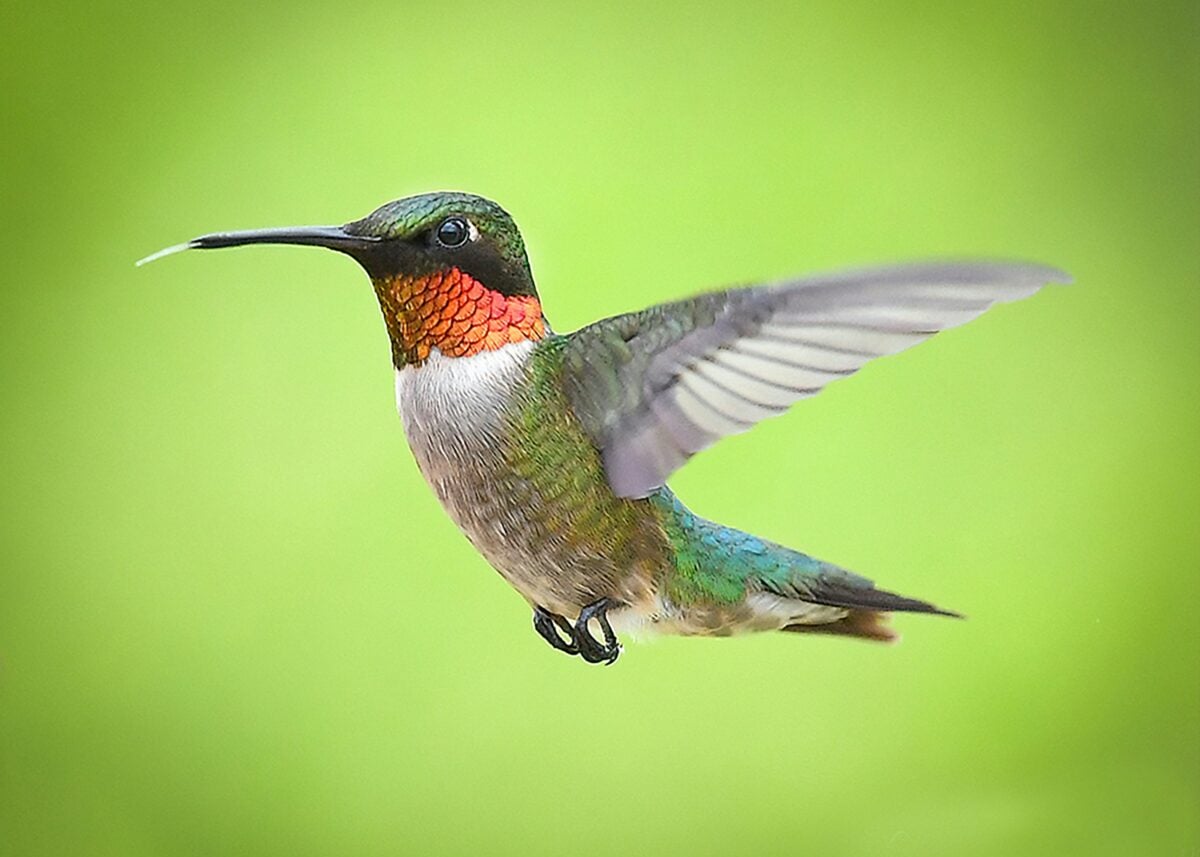
Most people assume hummingbirds just vanish one morning without warning, like someone quietly switched off a light in the backyard. That’s not remotely true. For about seven days before they leave for good, hummingbirds run through a precise, almost robotic checklist that most backyard observers completely miss.
They eat differently, sleep differently, fight less, and even fly differently – all while looking, at a glance, like the same bird that visited your feeder in June. Scientists who track this species say the changes are hiding in plain sight, timed down to the hour. Here’s what the data – and the researchers who study it – actually say.
#1 – They Enter a Feeding Frenzy Scientists Call “Hyperphagia”
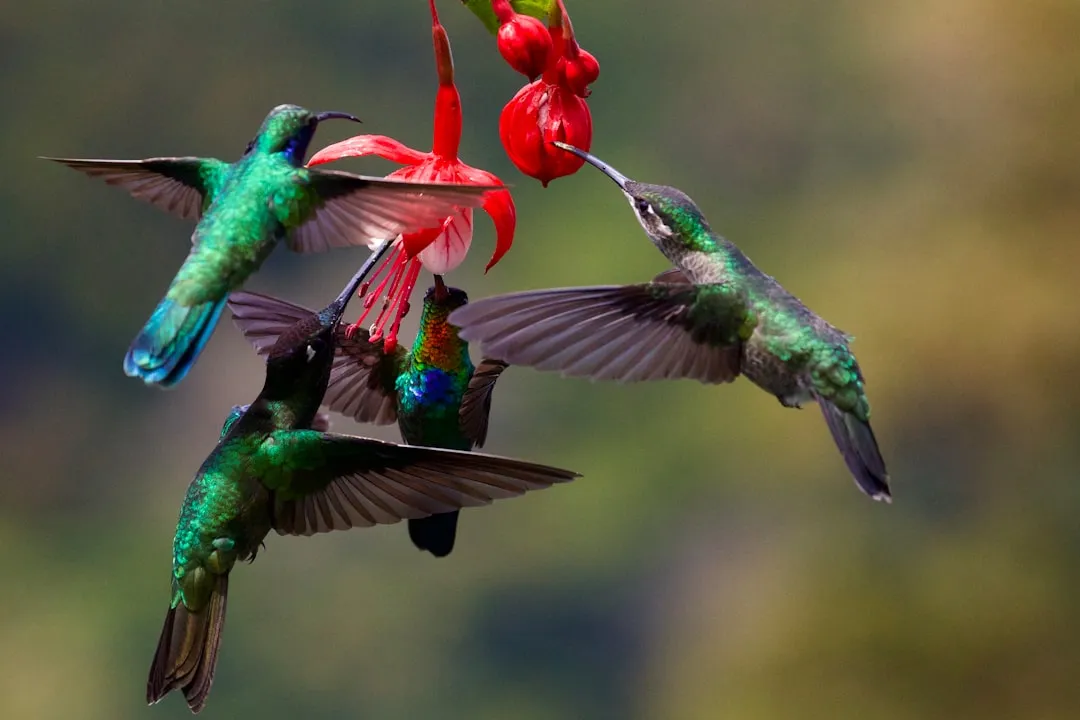
The week before departure, a hummingbird’s appetite doesn’t just increase – it explodes into something closer to obsession. Researchers have a specific term for this shift, and it’s not casual overeating.
Around mid-July, hummingbirds begin sensing the gradual shift in daylight, and their bodies respond with a behavioral shift called hyperphagia – basically a biological eating frenzy. Most gardeners never realize this frenzy has a hard biological trigger, not a hunger trigger. The bird barely leaves the feeder area, lapping nectar and snatching insects almost without pause, turning ordinary visits into marathon feeding sessions that build the exact reserves it will need to survive the trip ahead.
#2 – Their Bodies Physically Transform Into Fuel Tanks
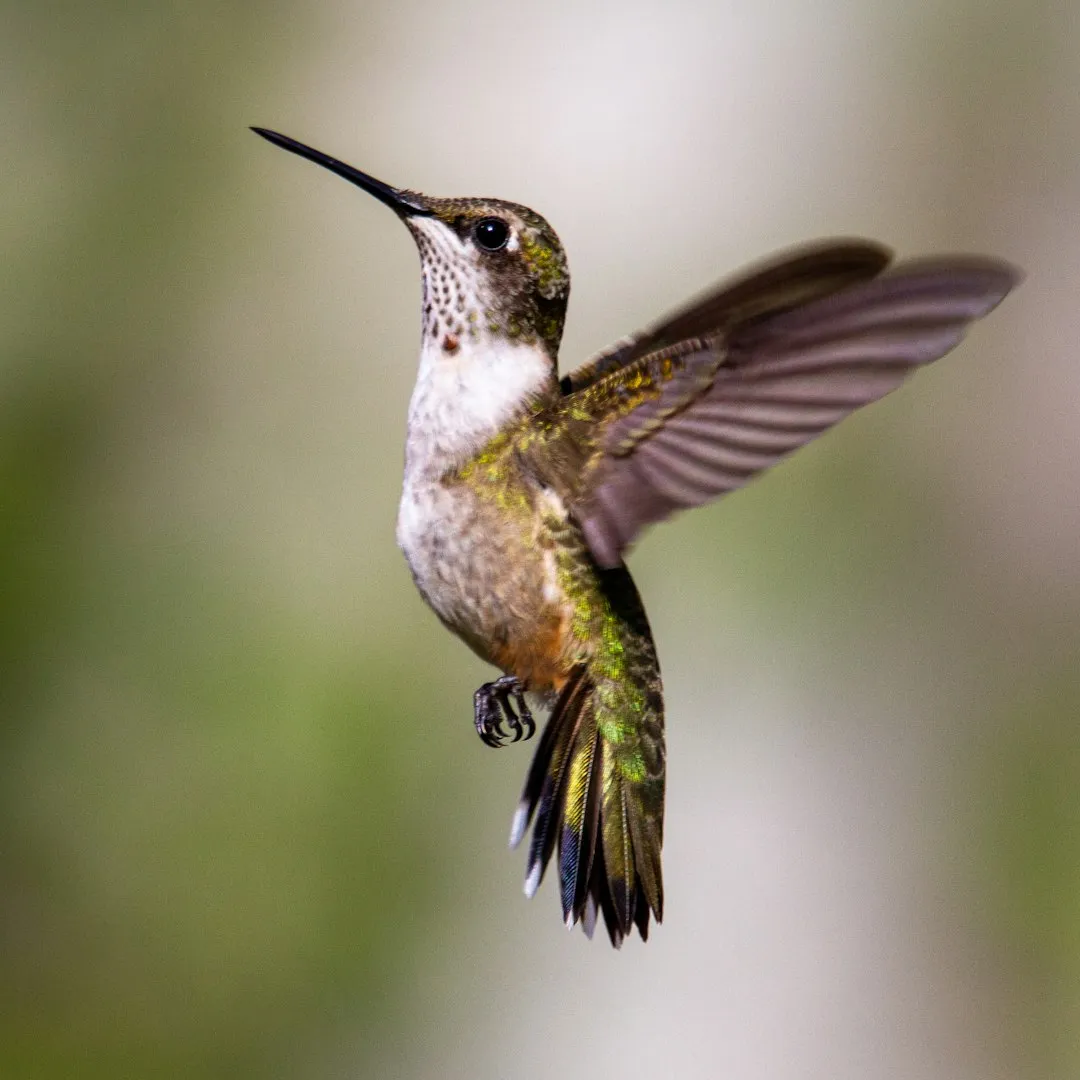
This is the one almost nobody notices until it’s pointed out to them: the bird gets visibly bigger. It’s not bloating or illness – it’s calculated fat storage on a scale that would be dangerous for almost any other animal its size.
Before migration, a ruby-throated hummingbird can nearly double its body weight, increasing from around 3 grams to almost 6 grams, with the additional mass consisting almost entirely of fat deposits. That’s the equivalent of a 150-pound human gaining 150 pounds in days, purely as jet fuel. Hummingbirds accumulate over 40% body fat shortly before migration – a level that would send most warm-blooded animals into organ failure. Hummingbirds treat it as a Tuesday.
Fast Facts
- Body weight can nearly double, going from about 3 grams to almost 6 grams
- The added mass is almost entirely fat, not water weight or illness
- Fat stores can climb past 40% of total body weight
- That’s roughly the human equivalent of gaining 150 pounds in a matter of days
#3 – They Switch From Nectar-Lover to Insect-Hunter
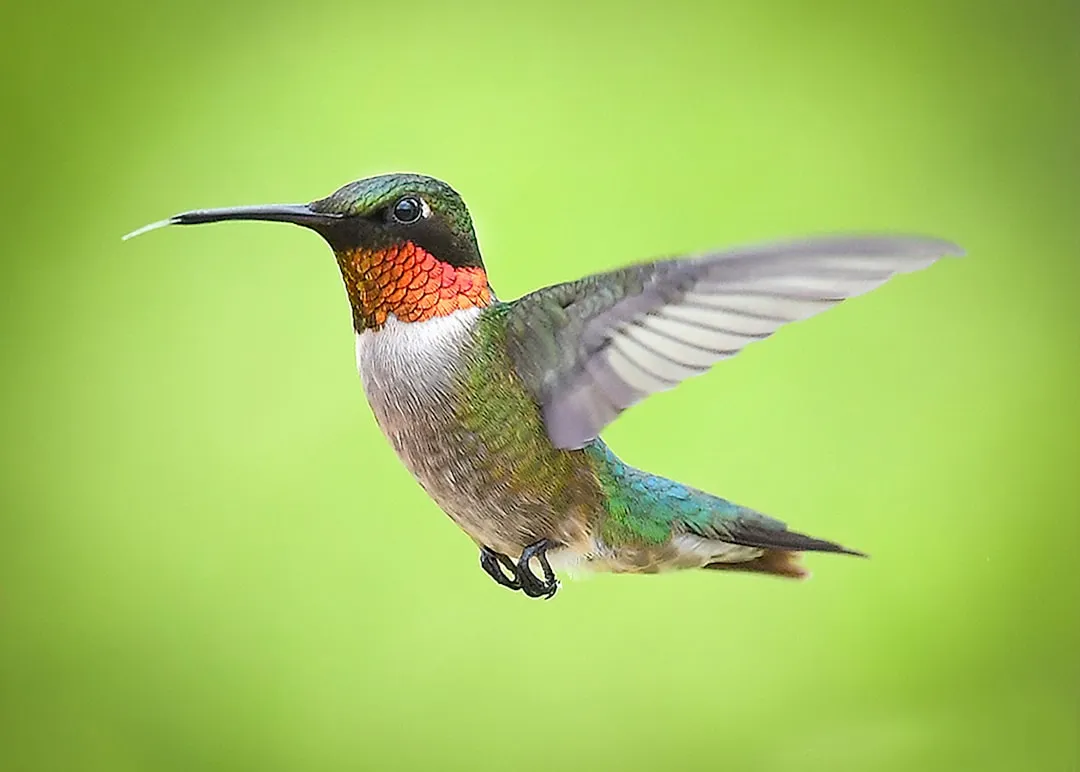
Everyone assumes hummingbirds live on sugar water and flower nectar alone. That assumption falls apart in the final week.
Protein suddenly becomes the priority, and the bird’s hunting behavior shifts to match. You may notice departing hummingbirds hawking small flies and gnats in mid-air, or probing deep into foliage for spiders and other tiny invertebrates. Nectar provides quick-burn sugar, but it can’t build the muscle tissue needed for a multi-day nonstop flight – so the bird eats almost continuously, applying that protein directly toward strengthening the flight muscles that will carry it hundreds of miles without a single rest stop.
#4 – The Extra Fat Doesn’t Go Where You’d Expect
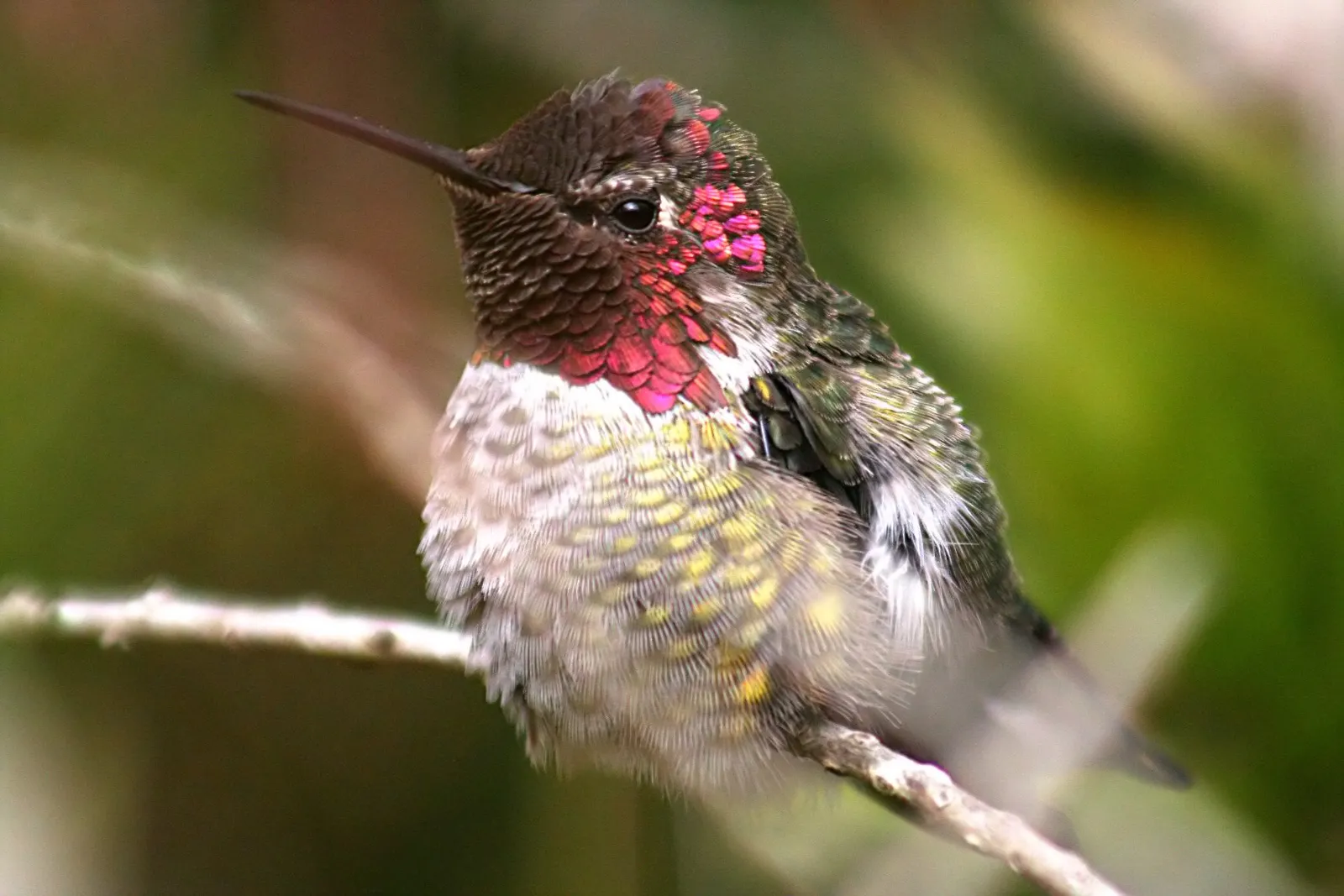
If you assumed the fat just spreads evenly under the skin like a puffy little balloon, you’re wrong. It’s engineered storage, almost architectural in how it’s placed.
A surprising amount of fat is deposited in pockets around organs – one area near the wishbone by the sternum, another along the flanks where the legs attach to the body – keeping the bird’s weight efficiently balanced for flight. Most backyard observers who see a “fat” hummingbird assume something’s wrong with it. In reality, that visible bulge near the chest is a fuel gauge reading nearly full – enough stored energy to fly nonstop nearly 600 miles, more than enough for a ruby-throat crossing the roughly 525 miles from southern Florida to Mexico’s Yucatan Peninsula without a single refuel.
#5 – Sleep Turns Into Something Closer to Hibernation
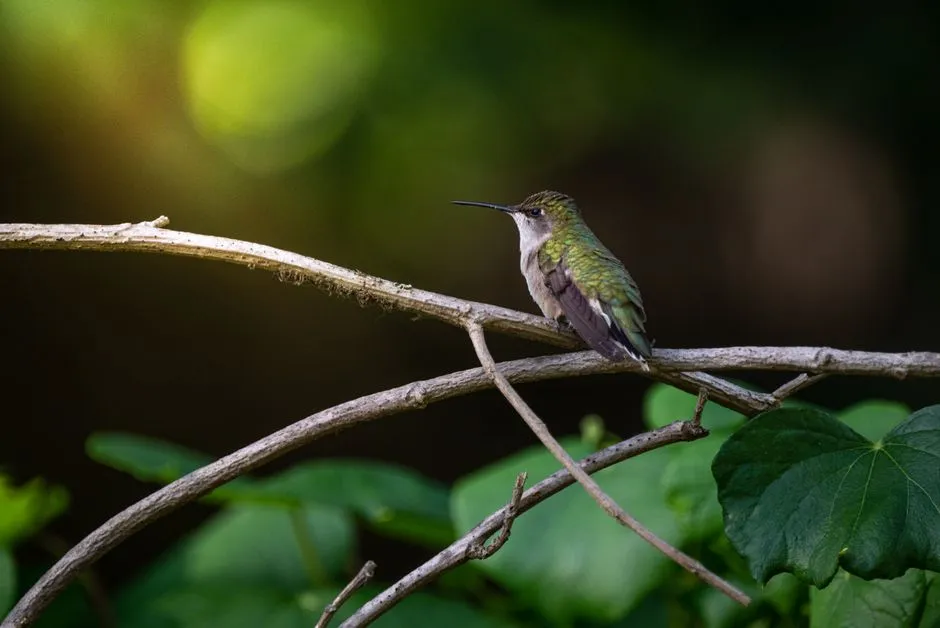
At night, something happens to these birds that looks less like sleep and more like a temporary shutdown. It’s called torpor, and in the final week it becomes a strategic weapon rather than an emergency response.
When they enter torpor, hummingbirds drop their body temperature 20 degrees or more and lower their metabolic rate by up to 95 percent. A puffed-up, motionless hummingbird at dawn isn’t sick – it’s recovering from an overnight power-down. Normally torpor only kicks in when a bird is running dangerously low on fuel. Not anymore. Right before migration, birds will enter torpor even at fat ratios as high as 40 percent, stacking daytime binge-eating with nighttime shutdown to squeeze every possible calorie toward the journey south.
#6 – Territorial Battles Suddenly Stop Making Sense
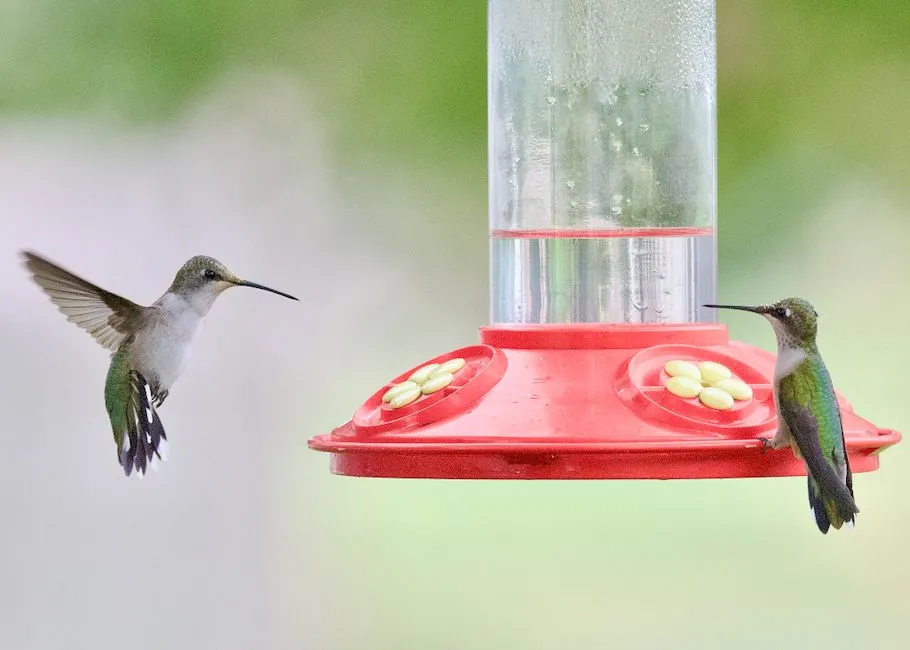
Hummingbirds are famous for being tiny gladiators, dive-bombing anything that comes near their feeder. In the final week, that instinct evaporates.
Watch a feeder that’s been a war zone all summer, and suddenly it’s calm. This isn’t the bird getting friendlier – it’s a cost-benefit decision made by instinct. Defending a territory burns calories a bird can no longer afford to waste, so you may notice multiple hummingbirds feeding side by side with far less squabbling. Fighting is a luxury. Fat storage is not.
#7 – Males Quietly Disappear Days Before Everyone Else
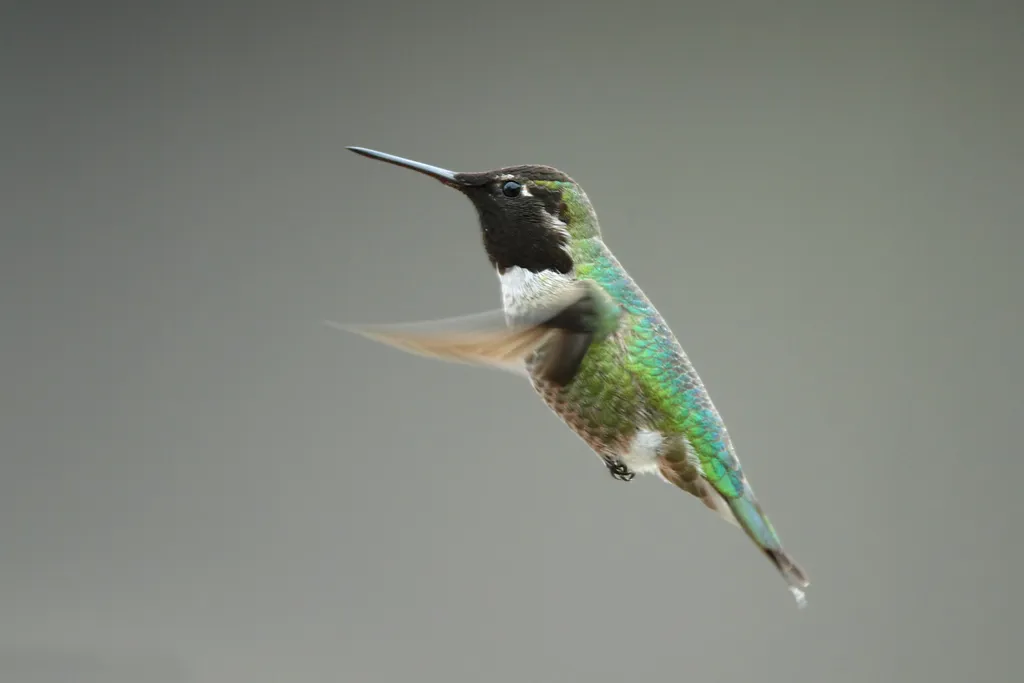
If your feeder suddenly looks like it’s hosting an all-female, all-juvenile crowd, that’s not a coincidence – that’s a departure schedule playing out in real time.
Males leave first, usually by late July or early August, while females and juveniles follow a few weeks later, passing through gardens on their way to Central America. Most gardeners assume the population just “thinned out” naturally. In reality, an entire generation has already begun its journey south. Males aren’t lazy fathers abandoning their brood – they were never involved in raising the young to begin with.
Quick Compare
- Adult males: Depart first, typically late July to early August
- Females and juveniles: Follow several weeks later on the same southern route
- Parental role: Males never raised the young, so early departure isn’t abandonment
#8 – Their Throat Feathers Get a Total Makeover
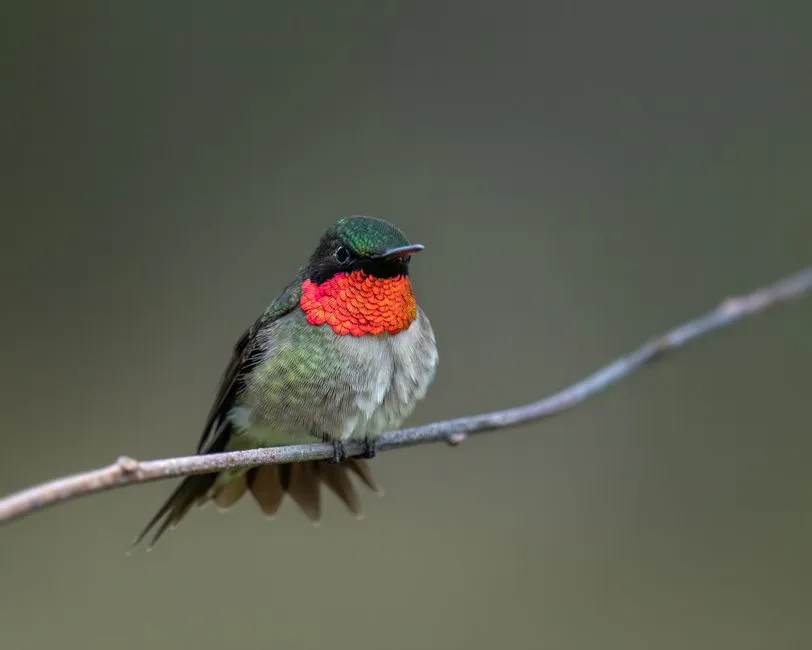
Right before the big trip, some hummingbirds undergo a wardrobe change most people never connect to migration at all: the gorget, that iridescent throat patch, gets replaced ahead of schedule.
Juvenile male ruby-throated hummingbirds have mostly white throat feathers until they molt, after which the iridescent red feathers grow in and the bird is ready to migrate. Most bird-watchers assume molting only happens after migration, but that’s only half true – migratory hummingbirds molt their body feathers first, while tail and flight feathers often wait until after they arrive in South or Central America. The throat comes first because it matters most: functional armor for defending winter territory the moment they land.
#9 – Feeding Times Shift to Two Sharp Windows a Day
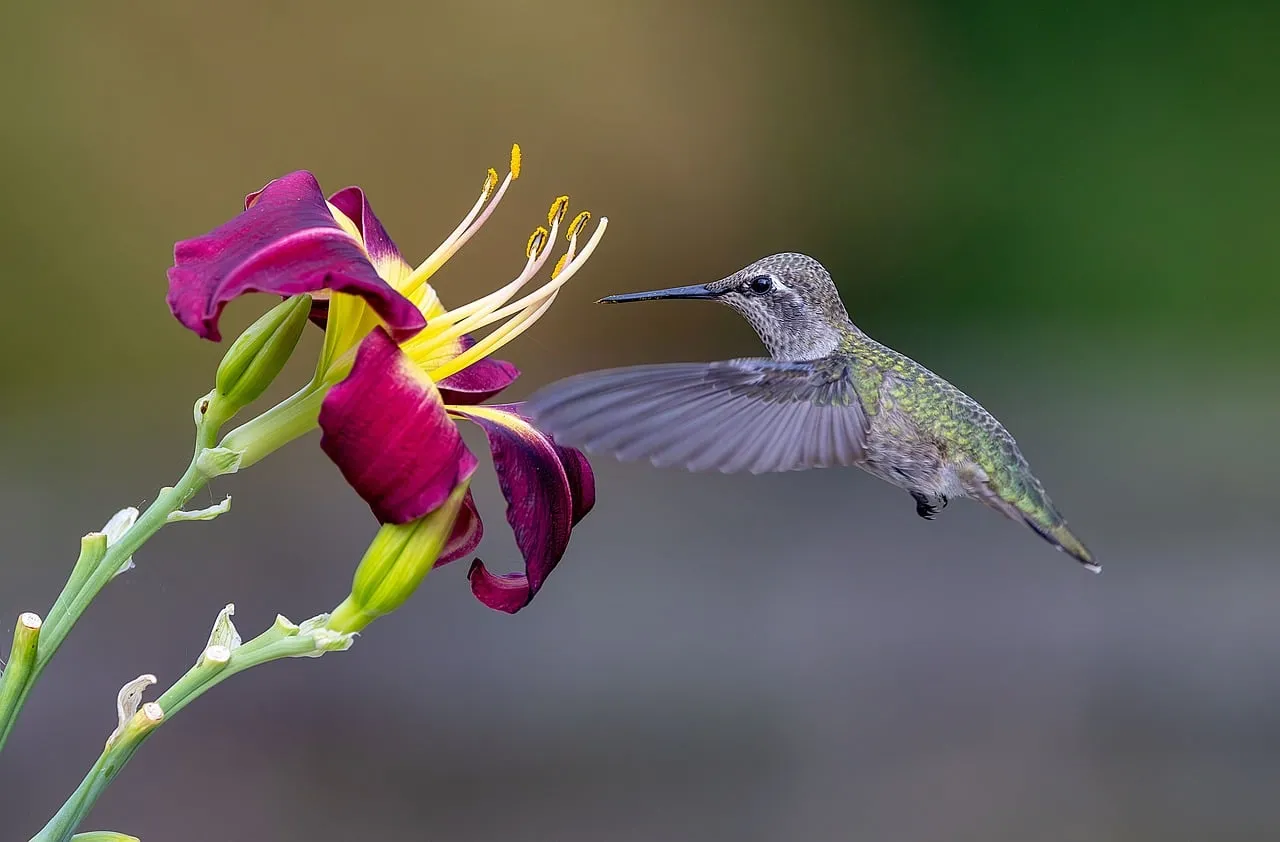
Instead of grazing all day like they did in June, the birds start feeding in tight, deliberate bursts. This isn’t random – it’s efficiency.
Morning and late afternoon become the two non-negotiable feeding windows, timed to maximize energy intake while minimizing exposure during the hottest, least efficient hours. Most people assume a quieter feeder means fewer birds. Often it just means the birds have gotten smarter about when they show up – refueling in short, intense sessions the same way a long-distance athlete carb-loads at specific intervals instead of snacking all day before a race.
#10 – They Start Flying Low, Slow, and Suspiciously Deliberate
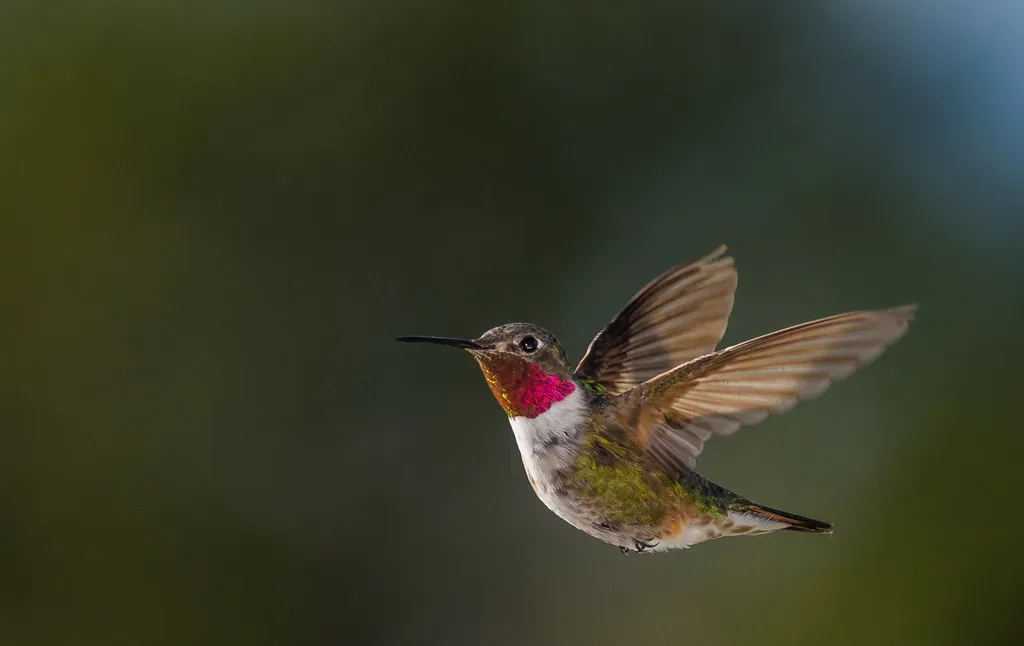
In the days right before departure, hummingbirds start doing something that looks almost like scouting – because it is. The flight pattern changes noticeably from the frantic zip-zip of summer.
You might notice birds engaging in purposeful, low-altitude flight around the yard and beyond, flying alone, often along the same path they’ve flown before – low, just above treetop level. Most people interpret this as the bird being “tired” or “lazy.” It’s actually the opposite: precision. The bird is retracing and reinforcing a mental map it will rely on for thousands of miles, with zero GPS and zero margin for error.
#11 – They Abandon Their Favorite Perch for Good
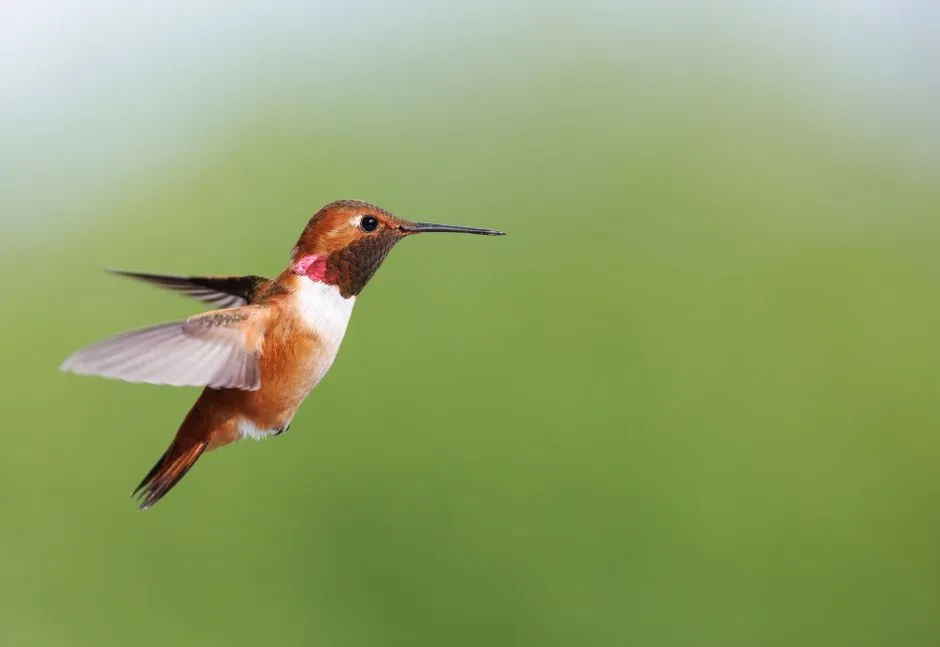
All summer, a hummingbird has a “spot” – the same twig, the same wire, the same after-meal resting place. In the final week, that loyalty disappears.
Instead of settling on a favorite branch to preen and guard territory, the bird lifts off and heads in a consistent southern direction, this direct departure replacing the lingering routines of summer. This is one of the most reliable signs a bird is about to leave for real, and almost nobody clocks it because it looks so subtle. Once you see it happen twice from the same bird, the countdown has already started.
Worth Knowing
- A bird retracing the same southern flight path more than once is a strong departure signal
- An abandoned favorite perch often means the bird has already begun its journey
- This shift is easy to miss because it looks like normal flight, not dramatic behavior
#12 – Roosting Spots Get a Sudden Security Upgrade
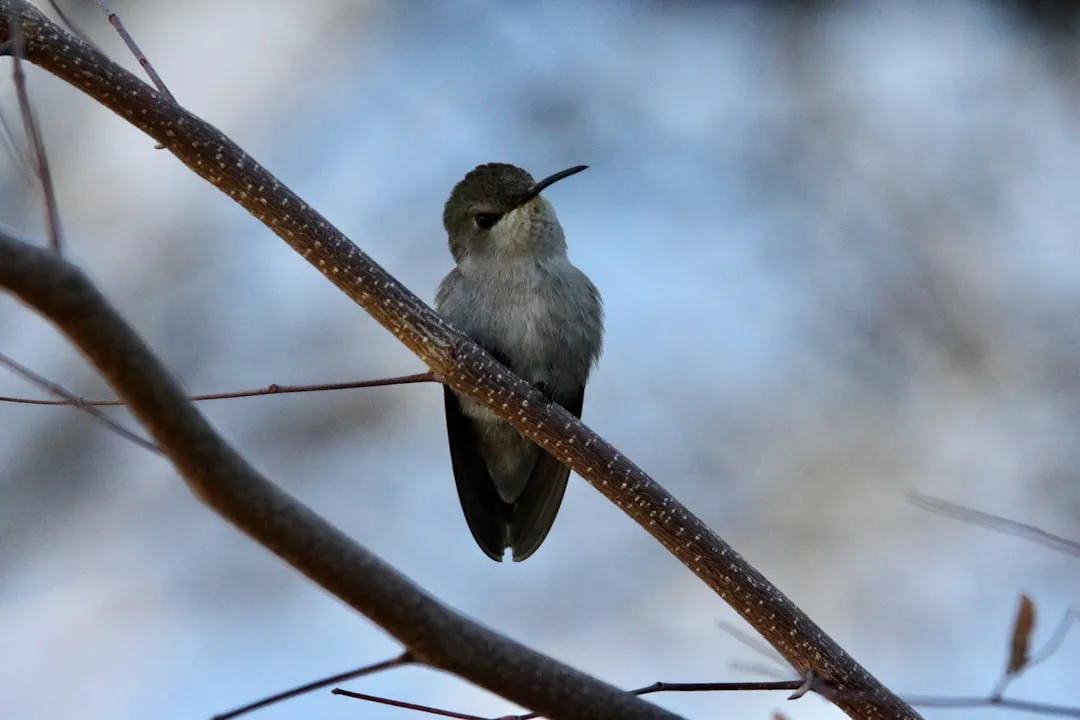
At night, hummingbirds start choosing noticeably different – and noticeably better – places to sleep. This isn’t comfort-seeking. It’s risk management ahead of a dangerous journey.
Before leaving, hummingbirds choose slightly more protected perches, locations that offer extra cover from wind or predators during the critical final days. A bird carrying nearly double its body weight in fat is slower, clumsier, and more vulnerable than usual. A slightly better-insulated roost on a cool night means less energy burned and more fat saved for the flight ahead – like patching your tent seams before a backpacking trip. Every calorie not spent shivering is a calorie available for the Gulf crossing.
#13 – The Dramatic Aerial Displays Just Stop
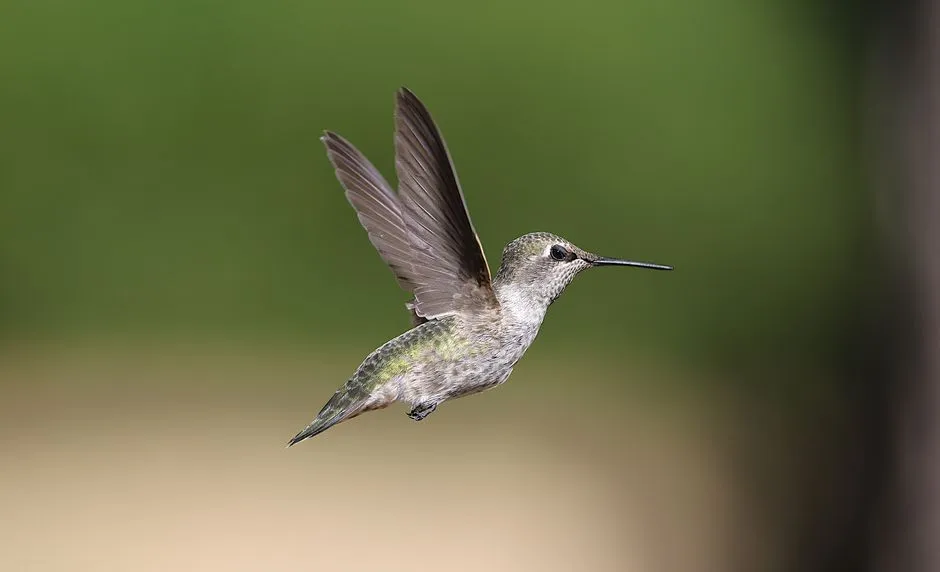
If you’ve watched a hummingbird perform dive-bomb courtship displays all summer, you’ll notice something eerie in the final week: total silence in the sky.
The dramatic dives and chases that mark breeding season taper off as energy shifts toward migration, with birds conserving strength instead of performing for mates or rivals. Most people don’t realize how metabolically expensive those flashy displays actually are. A bird preparing to cross a hurricane-prone gulf simply cannot afford to spend calories showing off anymore, so the focus narrows to nothing but feeding and resting.
#14 – They Quietly Merge Into an Invisible Highway Overhead
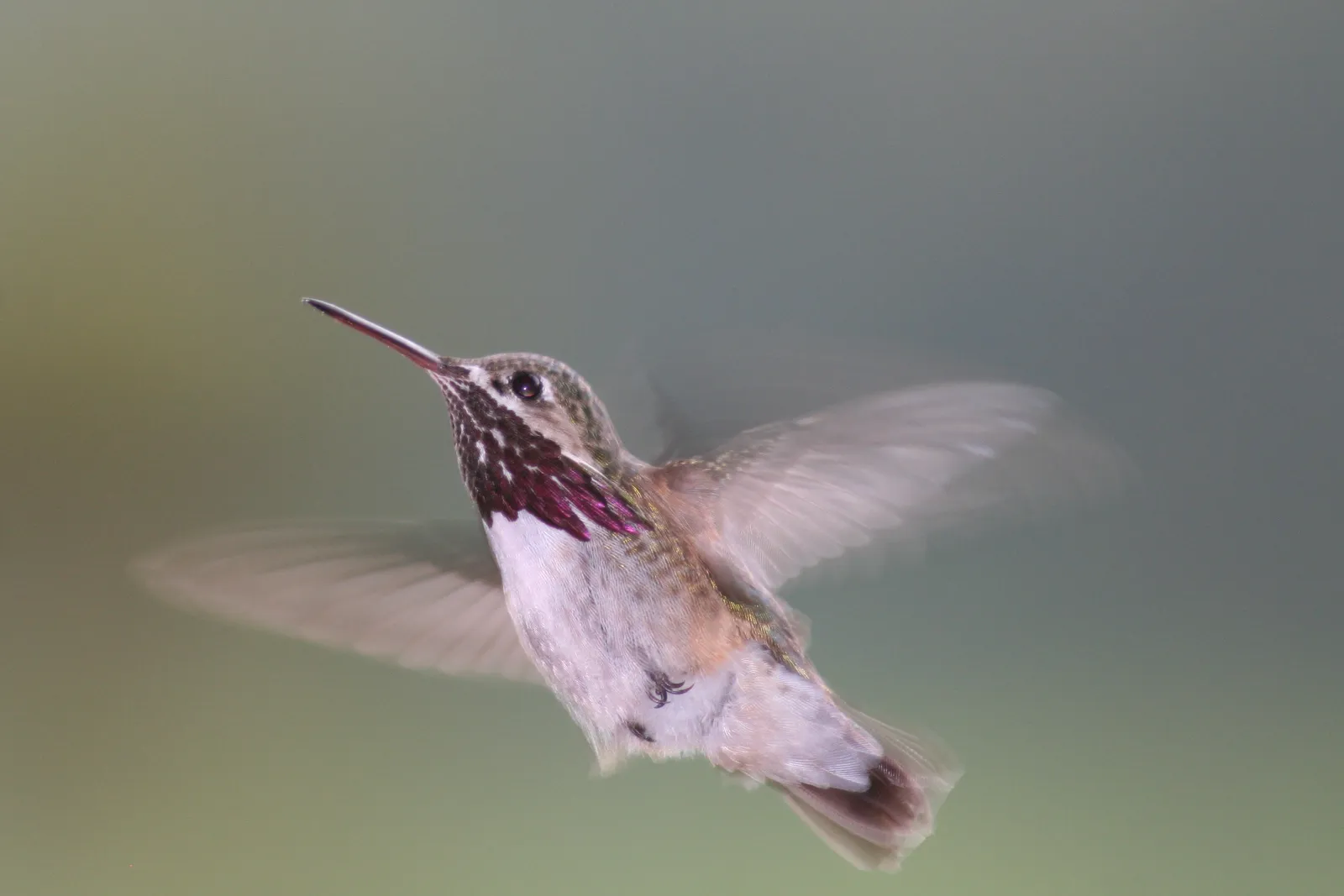
While you’re watching one or two birds at your feeder, something much larger is happening directly above your roof – and you almost never see it.
Local birds start joining a massive, largely invisible stream of migrants, following flyways tied to ridgelines, coastlines, or river valleys you can’t see from the ground. On the right day, experienced birders can stand in one spot and watch a steady trickle of hummingbirds pass at treetop level. Your backyard was never the whole story – it was one brief rest stop on a highway you couldn’t see without knowing exactly where and when to look.
The hummingbird’s ability to navigate across such vast distances, guided only by innate instinct, is one of nature’s great unsolved mysteries.
Sheri Williamson, hummingbird researcher
#15 – Older Birds Leave Before the Young Ones Even Know What’s Happening
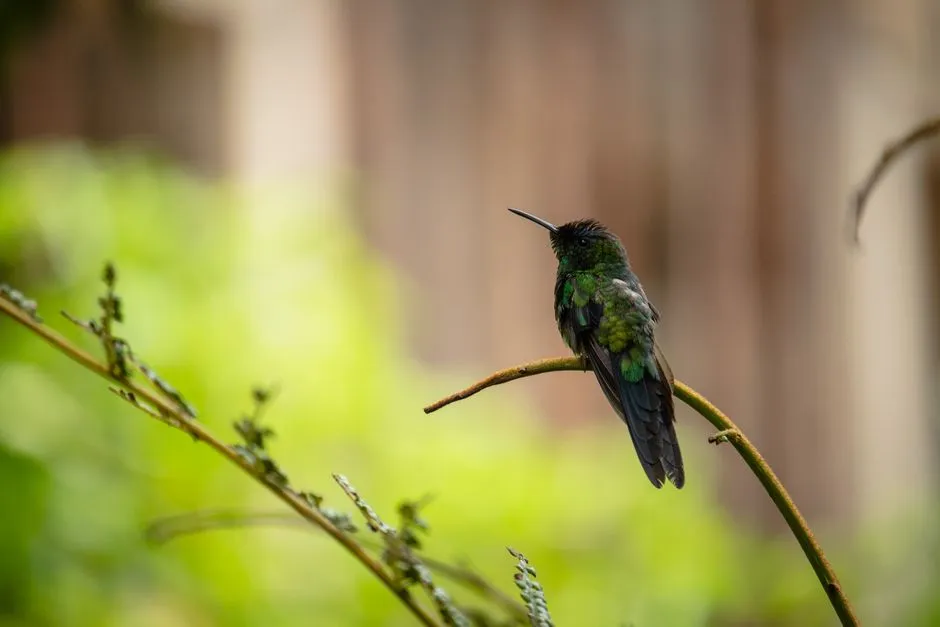
Not every hummingbird runs on the same internal calendar. Experience – or the lack of it – dramatically changes departure timing.
Older, more experienced hummingbirds typically migrate earlier than juveniles, and males migrate ahead of females to claim territory and attract the best mates. There’s no flock leader explaining the plan; each bird runs on pure inherited instinct. It’s genuinely debated among birders whether a juvenile making a 2,000-mile solo journey with zero prior experience is nature’s most reckless design flaw or one of its most awe-inspiring feats. Either way, that young bird is navigating entirely blind, using only instinct and celestial cues it’s never consciously tested before.
#16 – Feeder Traffic Suddenly Spikes With Strangers
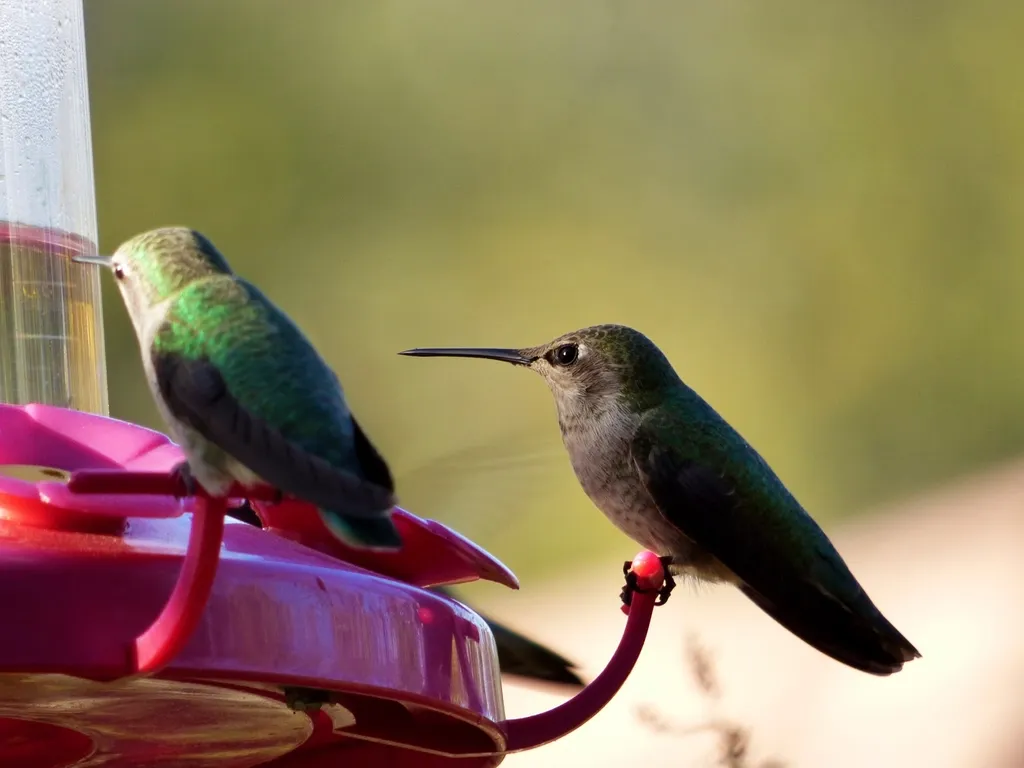
Just when you think your local hummingbirds are gone, your feeder suddenly gets busier than ever – with birds you’ve never seen before. This isn’t a rebound. It’s a completely different population passing through.
One morning the usual two hummingbirds get replaced by five unfamiliar ones jostling for position in the early light. Most homeowners mistake this for their “own” birds becoming more active before leaving. It’s actually the opposite: total strangers cashing in on your garden. These transient migrants have no loyalty to your feeder and no memory of your yard – they’re refueling for a leg of a journey that started somewhere else entirely and will end somewhere you’ll never see.
At a Glance
- Local birds: Familiar with your yard and its established feeding rhythm
- Transient migrants: Just passing through, with no memory of your feeder
- Sudden feeder spike: Usually means new birds, not busier “resident” ones
#17 – The Departure Itself Is Timed by a Clock You Can’t See or Change
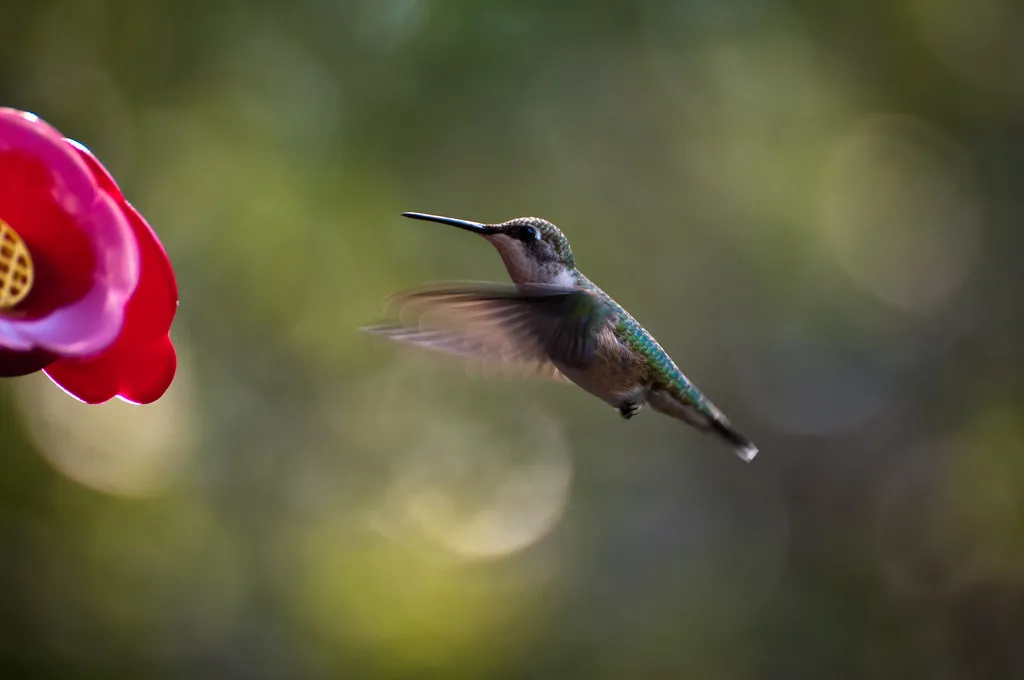
This is the fact that reframes everything else on this list: the entire week isn’t driven by weather, temperature, or your feeder at all. It’s driven by something far more ancient and far less negotiable.
The trigger for all of this behavior isn’t conscious decision-making – it’s biology. Fall migration is triggered by declining day length, and no amount of warm weather or full feeders changes that internal countdown. Leaving feeders up in fall doesn’t cause hummingbirds to delay their departure, because the urge to leave is written into their physiology, not into the presence or absence of your sugar water. Every behavior on this list, from the fat storage to the abandoned perches, has been building toward one unchangeable exit date set by sunlight – not sentiment.
The Bottom Line
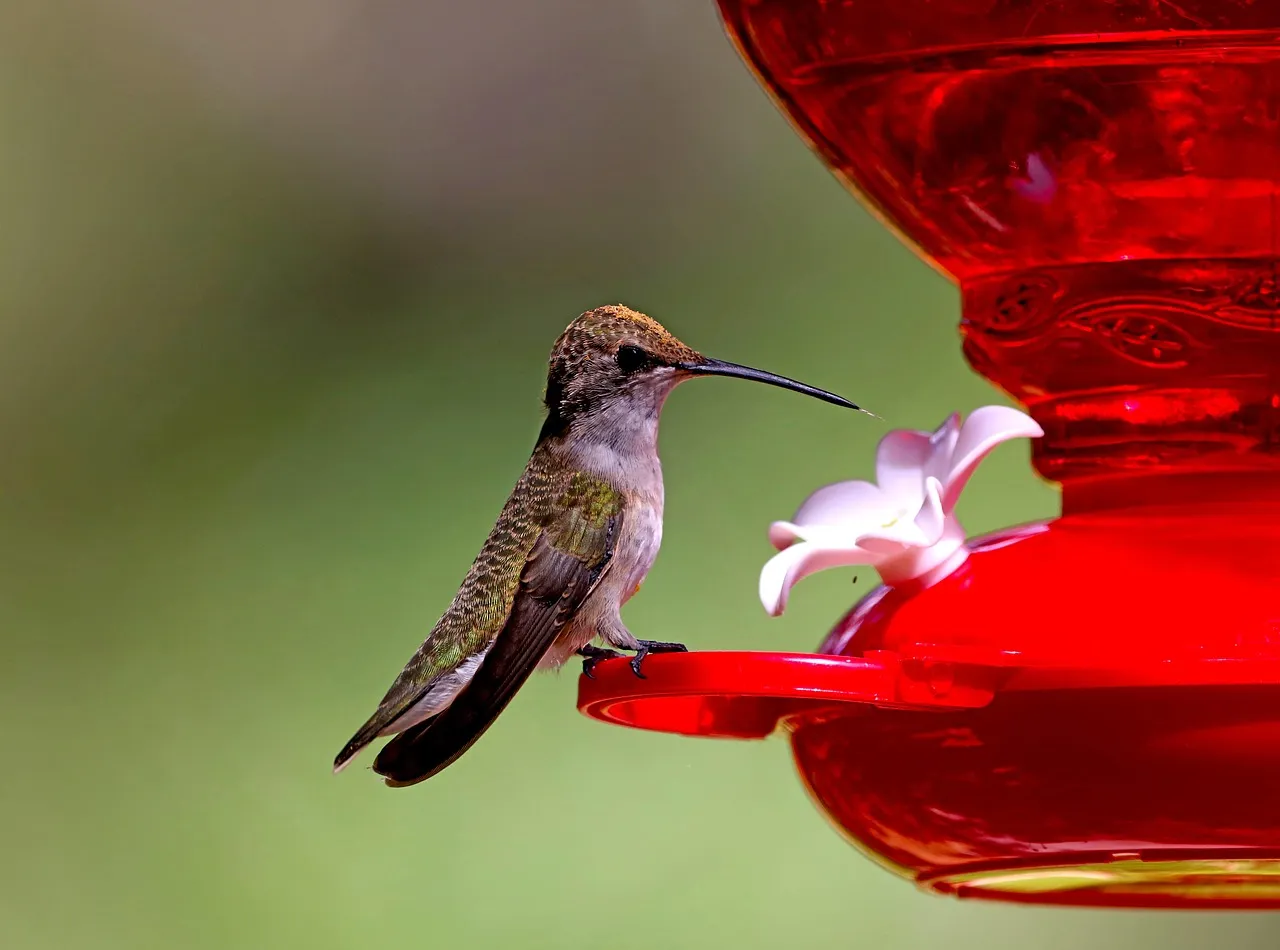
Here’s the uncomfortable truth: hummingbirds were never “yours” to keep, and no feeder, flower bed, or backyard ritual was ever going to change their internal clock.
The most shocking takeaway isn’t the fat-doubling or the torpor – it’s that every single behavior on this list is running on autopilot, wired in by daylight hours millions of years before your garden existed. We’d argue the “leave your feeders up longer” advice, while well-meaning, gives people false credit for a decision biology already made weeks earlier. The birds were never confused, lost, or lingering out of attachment. They were simply finishing a checklist.
Did we miss a behavior you’ve noticed in your own backyard the week before your hummingbirds vanished? Drop it in the comments – we want to hear what you caught.

- 17 Things Hummingbirds Do in the Week Before They Disappear That Most People Sleep Through - August 12, 2026
- 18 Hummingbird Behaviors Experienced Gardeners Say Almost Nobody Notices Happening in Their Own Garden - August 11, 2026
- 17 Garden Jobs in Early Autumn That Decide Whether Birds Stay Through the Winter - August 11, 2026