
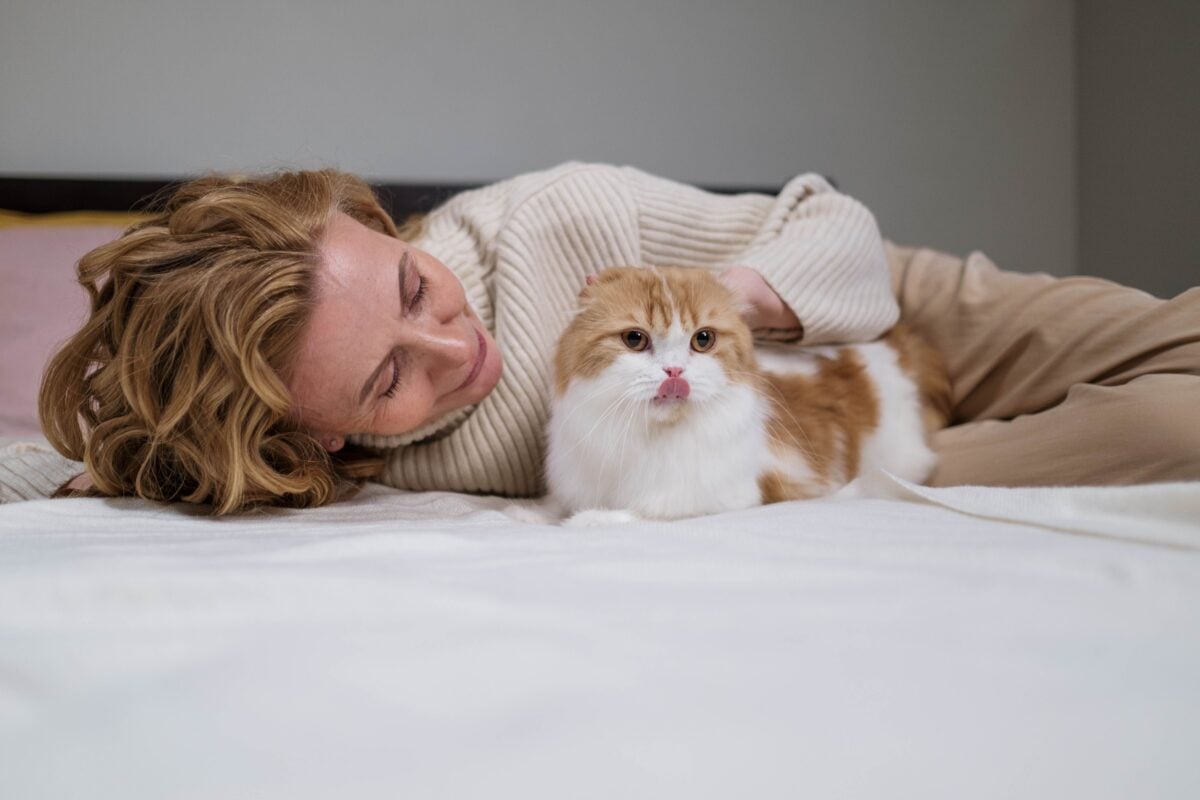
Most people see their old cat camping out in one room and shrug it off as a cute little senior quirk. Maybe she just likes the sunbeam in the guest room, right? Maybe she just prefers her own space now.
Except that’s rarely the whole story. A senior cat quietly shrinking their entire world down to one room is often one of the loudest warnings they know how to give you – and most of us miss it completely because it doesn’t look dramatic. It looks peaceful. Stick around, because sign #16 is the one vets say people miss most often, and it’s the one that costs cats the most time.
#1 – Your Cat Only Leaves That Room for Food or the Litter Box
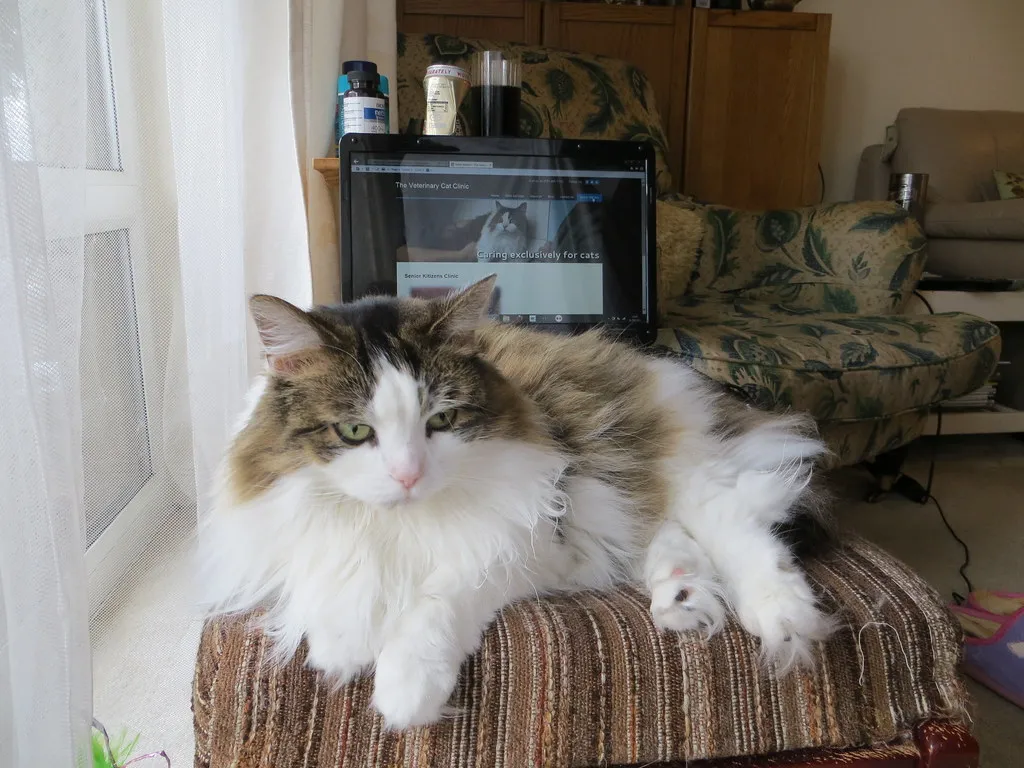
If your cat used to roam the whole house but now basically lives in one room and only dashes out to eat or use the litter box, that’s not just a personality shift. Senior cats often “shrink their world” when something feels unsafe, painful, or overwhelming. That one room becomes their bunker – the spot that feels predictable and easy to defend.
Watch how they move in and out. If they hug walls, hesitate in doorways, or bolt back quickly after eating, they may be managing anxiety, pain, or vision changes. This kind of strict home-base behavior usually means your cat is coping, not relaxing. Track when it started and how often it happens, then talk to your vet about whether pain, arthritis, or cognitive decline could be driving it – because most healthy seniors still explore at least a little.
#2 – They Choose the Quietest, Least Chaotic Room in the House
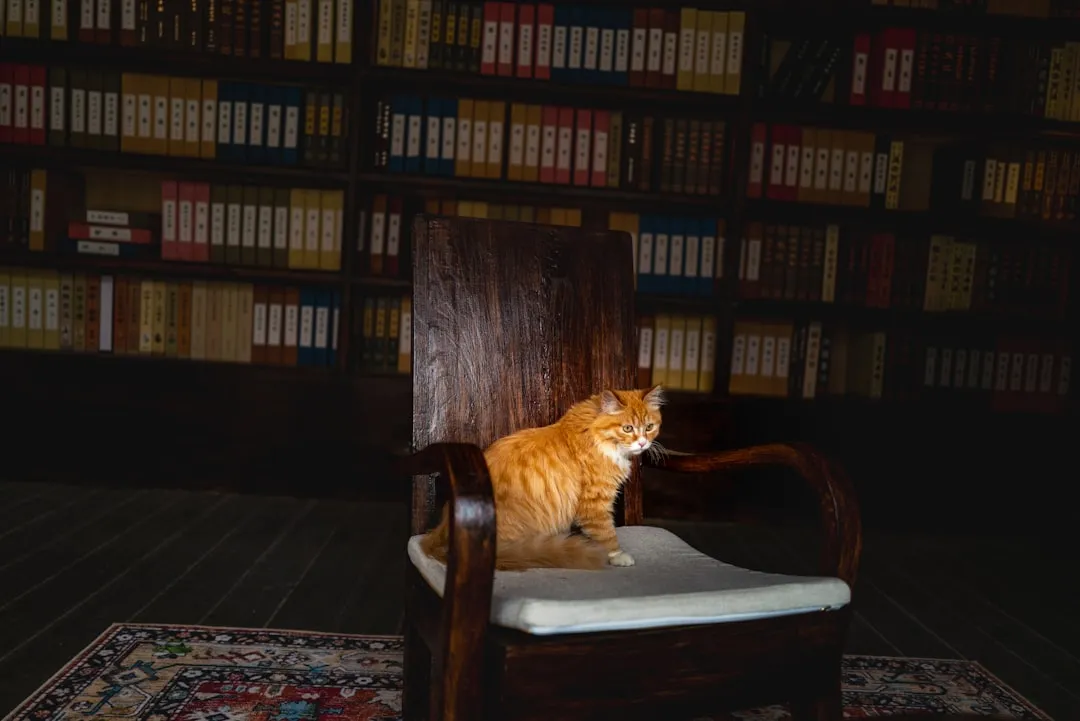
If your senior cat has voluntarily moved into the guest room, the home office, or a far corner bedroom, that’s not random. Older cats are much less tolerant of noise, sudden movement, and household chaos – even from people and kids they genuinely love. That one quiet room may be the only place where doorbells, TVs, visitors, and vacuum cleaners don’t constantly assault their senses.
This can actually be a smart coping strategy – but it’s also a sign your environment may be too intense for an aging animal. If they flinch at loud sounds, startle when someone walks by, or refuse to come out during busy hours, their nervous system is telling you, “I need less.” Try softening the rest of the house: gentler lighting, fewer sudden bangs, calmer routines. What looks like “just a grumpy old cat” is often sensory overload in disguise.
#3 – They Pick the Warmest Spot and Guard It Like Territory
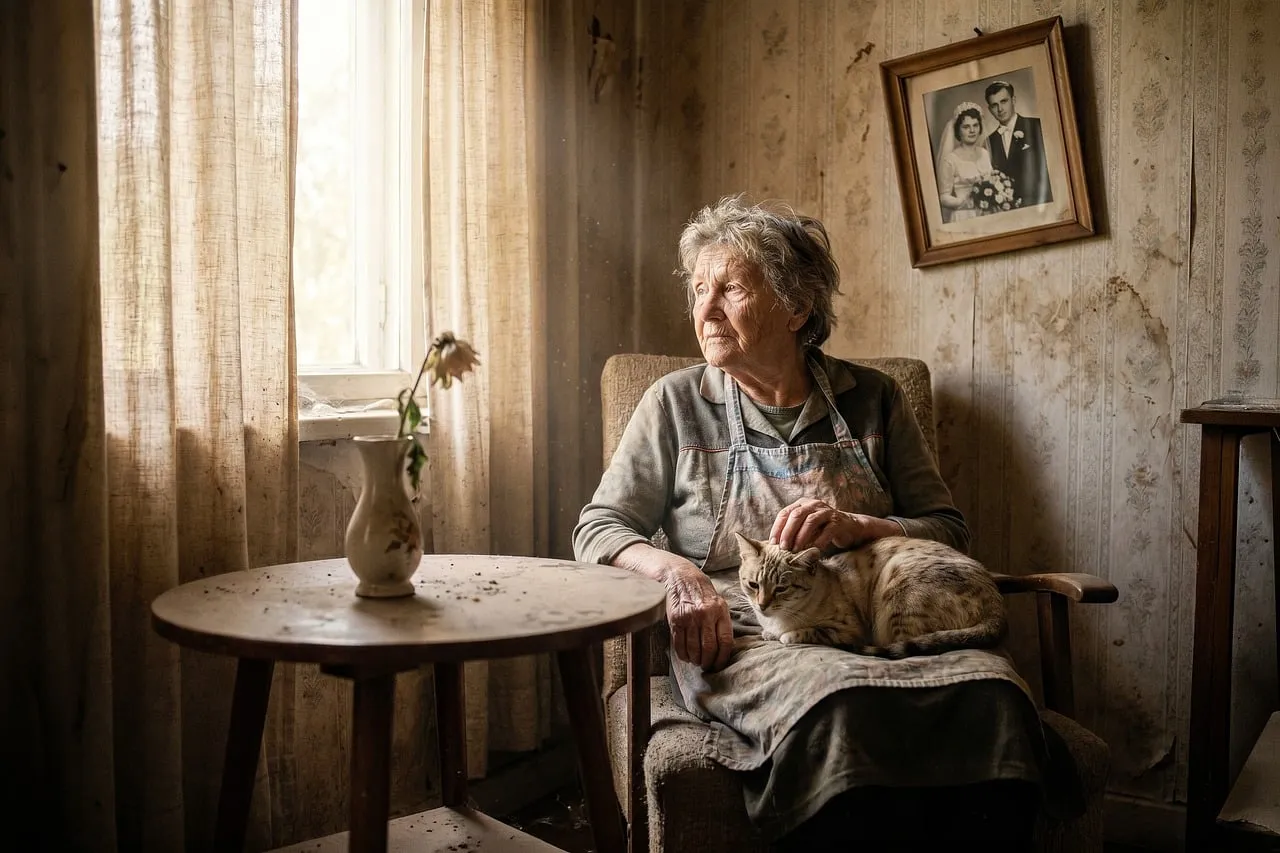
A lot of people joke that their old cat is “solar powered,” glued to the one sunny room in the house. But for seniors, seeking constant warmth is often a sign of arthritis, poor body temperature regulation, or an underlying illness. If the chosen room happens to be the warmest one – sun exposure, a space heater, better insulation – your cat may be using it like a full-body heating pad.
You’ll notice they avoid tile floors and drafty hallways in favor of soft beds near windows, blankets, laundry piles, or heat vents. If you touch their joints – hips, knees, spine – and they flinch or get snappy, the room-hogging might be about pain, not preference. Ask your vet about arthritis pain control, and consider adding joint-friendly comfort to other rooms so your cat isn’t trapped in one warm corner forever.
Fast Facts
- Osteoarthritis affects an estimated 70% to 90% of cats over 12 years of age.
- Studies suggest arthritis signs can begin earlier than most owners think, in about 60% of cats over age 6.
- Cats are naturally skilled at hiding pain and illness, since showing weakness would be dangerous in the wild.
- Because the signs are so subtle, arthritis is often missed entirely by attentive, loving owners.
#4 – They Avoid Stairs or Slippery Floors to Reach Other Rooms
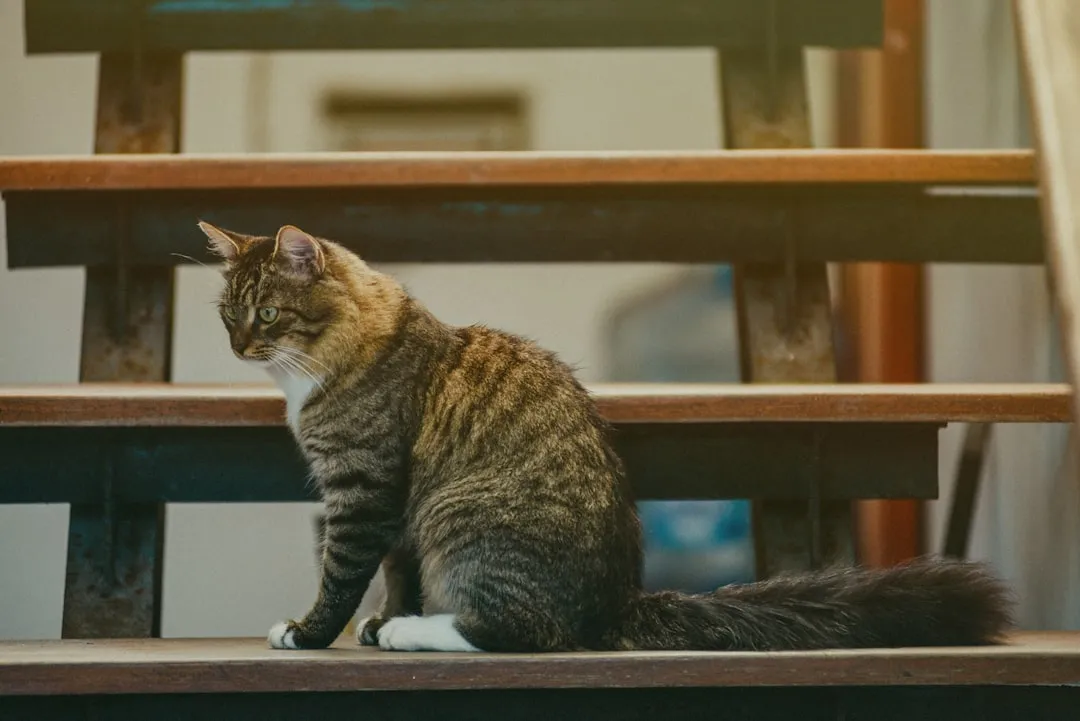
If your cat’s “favorite” room just happens to be the only one that doesn’t require stairs, jumping, or crossing slick floors, that’s a big clue. Older cats quietly redesign their routes to avoid anything that hurts. Hardwood and tile can feel like ice rinks to senior joints; stairs can look like a mountain.
You may notice they hesitate at the top of the stairs and then change their mind, stop following you to the basement or second floor, or skirt rugs for traction on the way to one easy-access room. Most people mislabel this as laziness, but it’s often pain wearing a disguise. Adding carpet runners, non-slip mats, or low steps can suddenly “unlock” your whole house again – and if your cat starts re-exploring once it’s easier to move, you’ve found real pain that needs a vet’s attention.
#5 – Their Litter, Food, and Water All End Up in That One Room
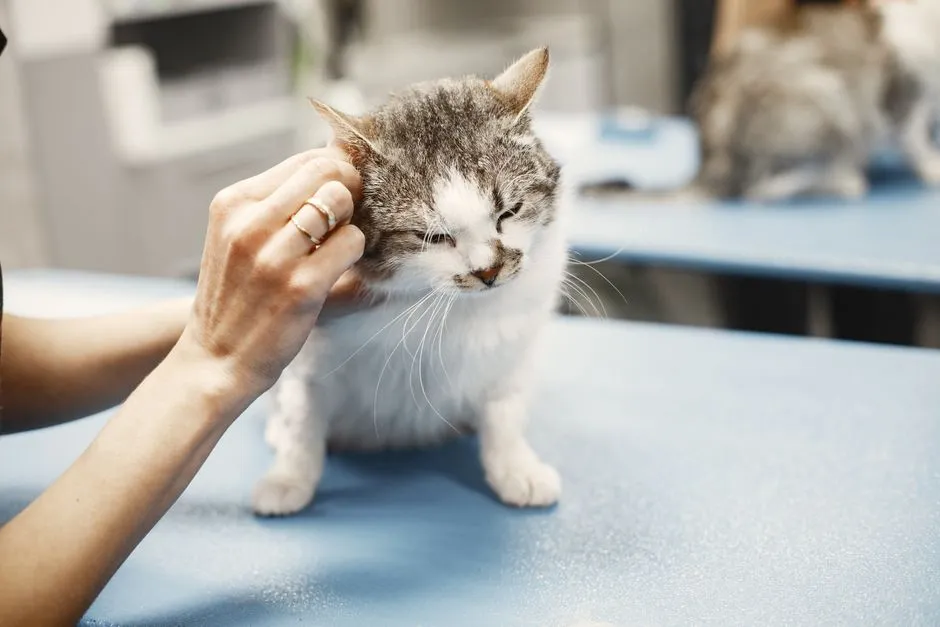
When the litter box, food, and water gradually migrate into the same room your cat is hiding in, you’ve basically built them a one-room studio apartment. That can be compassionate – but be honest with yourself: are you adapting to a medical problem instead of addressing one?
Senior cats who won’t walk far to eat or eliminate often aren’t being stubborn; they’re telling you every step costs them something. If a formerly active cat now needs everything within a few feet, think about pain in the hips or spine, muscle weakness, or even heart and respiratory issues that make movement exhausting. Convenience changes are fine short-term, but quietly compensating without investigating can let serious disease progress unnoticed.
#6 – They Seem Disoriented the Moment They Leave Their “Safe” Room
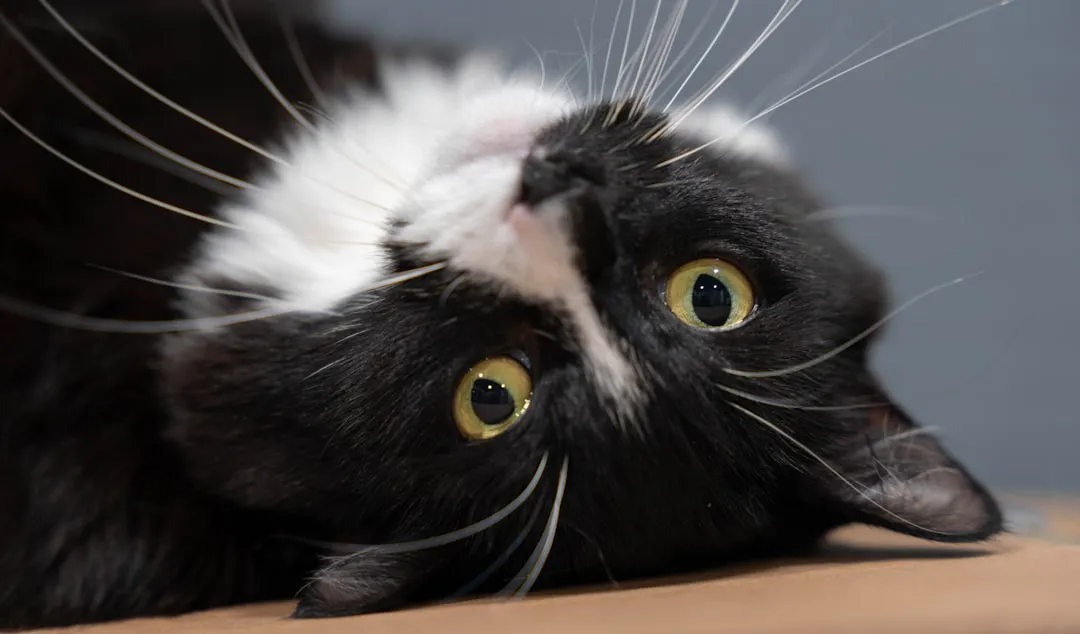
Some senior cats step outside their chosen room, look around like they’ve never seen the hallway before, then dart back to safety. That’s not drama – that can be feline cognitive dysfunction, essentially cat dementia, or major sensory loss. These cats may genuinely get “lost” in their own house.
Watch for standing frozen in the middle of another room looking confused, yowling until someone guides them back, or pacing and circling before retreating to “their” spot to settle. If your cat seems totally fine in their chosen room but baffled anywhere else, they’ve mentally anchored their sense of safety to one location. Vets often recommend routine and environmental consistency, plus early enrichment or medication, to slow the decline.
Worth Knowing
- About 28% of cats between 11 and 14 develop at least one behavioral sign of cognitive dysfunction, and that rises to roughly 50% in cats over 15.
- Cognitive changes can start as early as age 10, with the odds climbing steadily from there.
- Affected cats can forget long-familiar routines, including where the litter box or food bowl has always been.
- The condition can even reshape how a cat relates to the people and animals already living in its own home.
#7 – They’re Suddenly Avoiding a Person or Another Pet
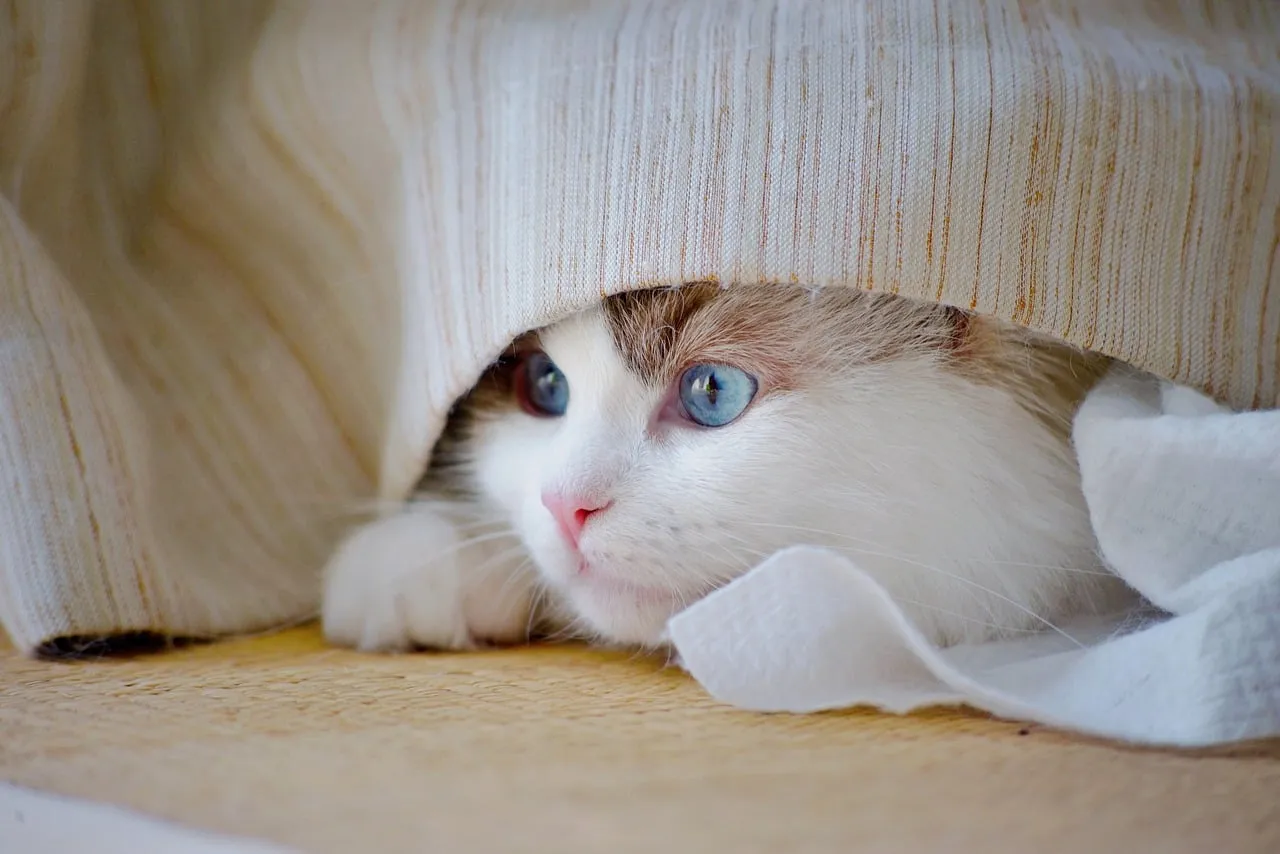
If your senior cat has moved into one room specifically to avoid another cat, a dog, or even a person, you’re not looking at a random retreat – you’re looking at social stress or outright bullying. Older cats are often less able to defend themselves, and they know it. They choose a room with one entry point they can watch, or somewhere high where nothing can sneak up.
Notice if they relax in “their” room but flatten their ears the moment someone enters, only leave when the other animal is crated or asleep, or start hissing in doorways when they never used to. Owners love to insist “they’ve always gotten along,” but hierarchies shift as cats age and grow frailer. If your senior now lives in the bedroom while the younger cat owns the living room, that’s a power imbalance worth fixing with separate resources and real advocacy.
#8 – They’re Sleeping So Deeply They’re Hard to Rouse
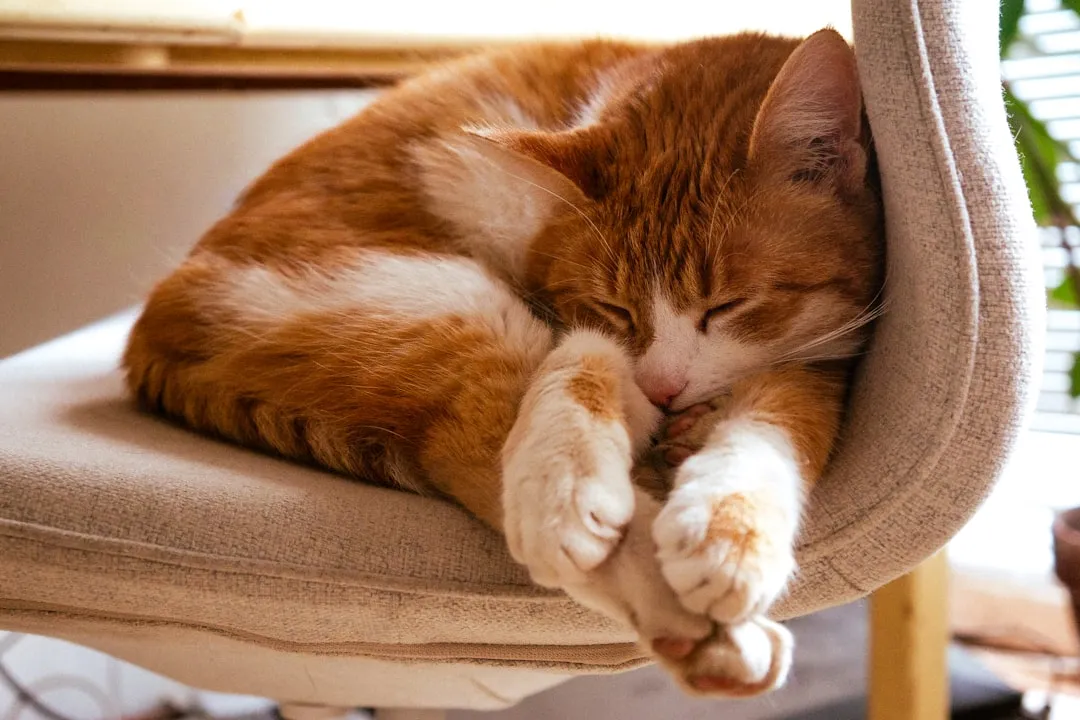
Senior cats in a single chosen room often sleep 18 to 20 hours a day – but here’s the important part: if they’re hard to wake, seem groggy, or take a while to reorient, that’s a concern, not a cozy vibe. Many people mistake unresponsive, heavy sleep for “being so comfortable there” when it can actually signal pain, illness, or cognitive change.
Notice how they wake up. Do they respond quickly to their name or a soft sound? Do they seem startled or cranky when disturbed? Do they just fall right back asleep instead of stretching or grooming? A little deep rest is normal senior behavior. But when their whole world shrinks to bed, bowl, and box, you’ve crossed from “senior chill” into something a vet exam and bloodwork need to explain – kidney disease and hyperthyroidism both love to hide behind exhaustion.
Quick Compare
- Normal senior rest: Wakes easily, stretches, grooms, then settles back down on its own.
- Rest worth watching: Slow to respond, seems groggy or briefly disoriented upon waking.
- Normal senior rest: Naps in short cycles, still perks up at familiar sounds.
- Rest worth watching: Sleeps through meals, visitors, or household noise without stirring at all.
#9 – They’re Grooming Less Everywhere Except One Spot
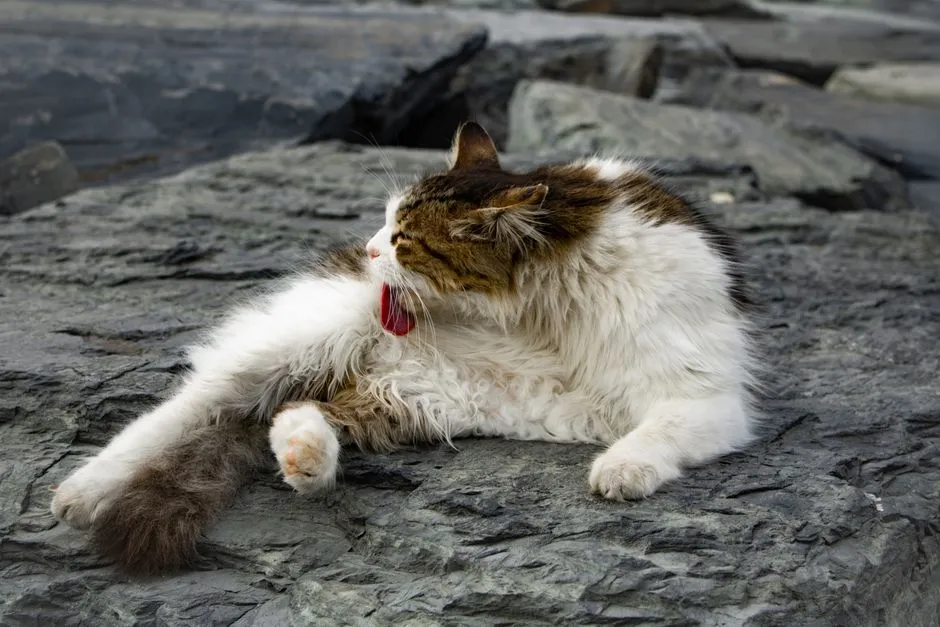
If your senior cat lounges in one room and their coat is getting dull, greasy, or matted – but they’re still obsessively licking one specific area – they might be dealing with pain, arthritis, or stress licking. The chosen room is where they feel secure enough to fuss over their body, but only the parts they can still comfortably reach.
Watch for matted fur on the back, hips, or base of the tail, an overgroomed belly or one favored side, or dandruff showing up only near certain joints. A cat that used to groom meticulously everywhere but now only maintains what it can reach from a sitting position is very likely hurting. Most owners only connect the dots once they realize the grooming changes started the exact week their cat stopped roaming the house.
#10 – Their Eating and Drinking Habits Quietly Change in That Room
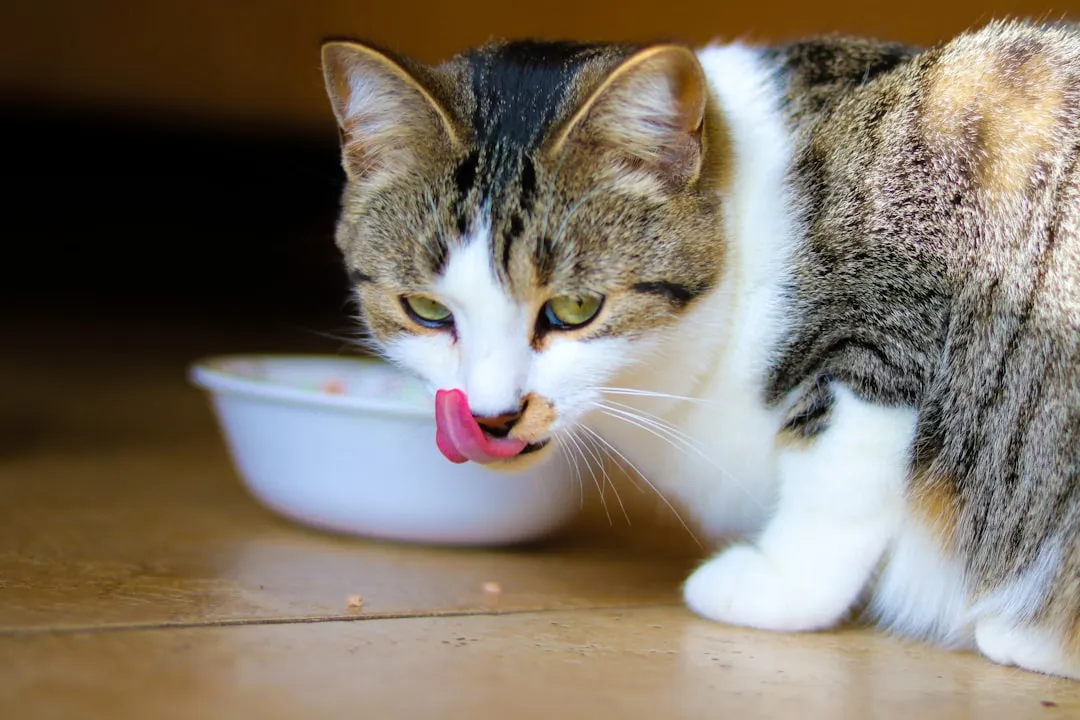
Feeding your senior in “their” room can be kind – but pay close attention, because subtle appetite or thirst changes are much easier to spot when they only eat in one place. If they pick at food, walk away, stare at the bowl, or suddenly start or stop drinking heavily, don’t write it off as pickiness.
Watch for hesitation lowering their head, which can mean neck or joint pain, dropped kibble that points to dental disease, a sudden preference for only canned food, or a water bowl that’s emptying far faster or slower than usual. People love the story that “she just prefers eating alone now,” but the more honest story is often that health is quietly rewriting her habits. Physically measure food and water for a week and bring those numbers to your vet – sudden pattern shifts almost always deserve a closer look.
#11 – They Go Quiet in Their Room but Vocalize Loudly Everywhere Else
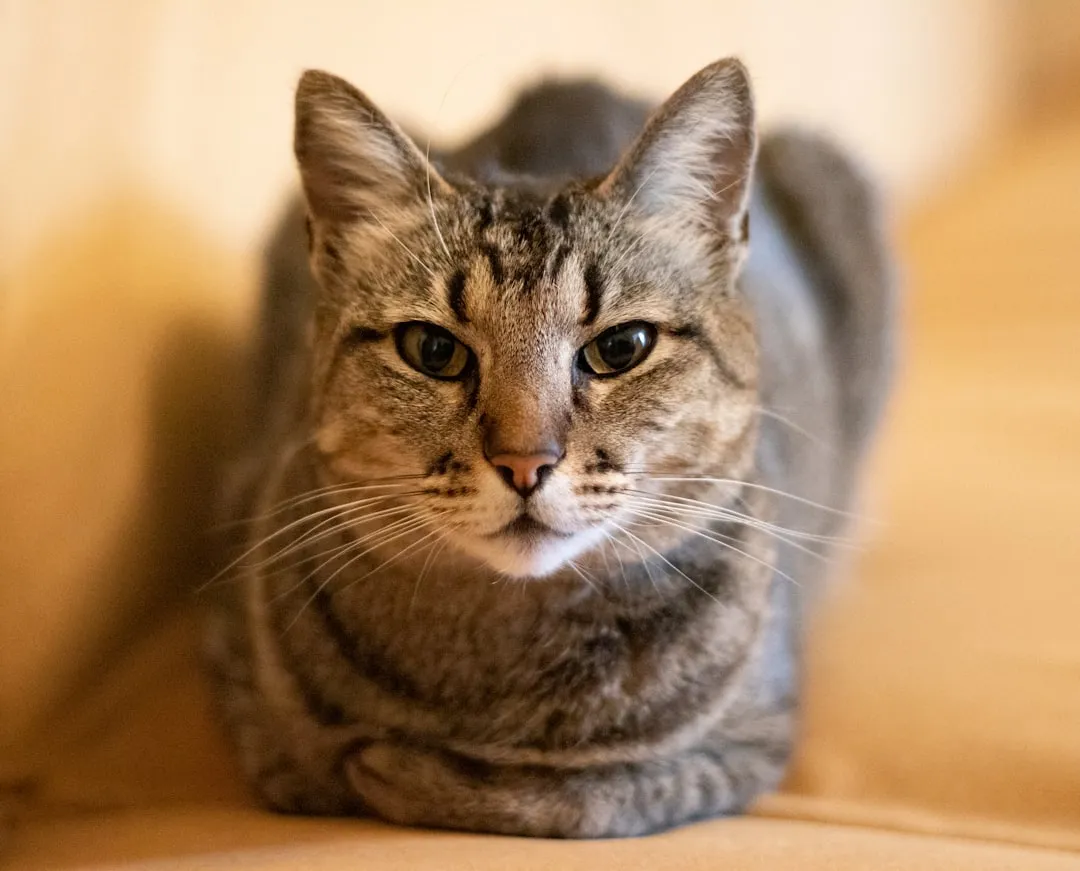
If your cat is silent and calm in their favorite room but yowls, cries, or talks excessively the moment they step into other parts of the house, that contrast matters. Increased vocalization in seniors can signal pain, confusion, anxiety, or even high blood pressure. The fact that it only happens outside their safe room suggests the rest of the house feels like hostile territory to them.
Listen for loud, unsettling howls in hallways or on stairs, repetitive meowing at night far from their room, or instant silence the moment they retreat back. Owners often blame this on “senior drama,” but older cats don’t waste energy without a reason. Everywhere outside that one room, they’re broadcasting distress – and a thorough exam including blood pressure and thyroid testing can be genuinely eye-opening.
#12 – Even Inside That Room, They Cling to Edges and Hidey Spots
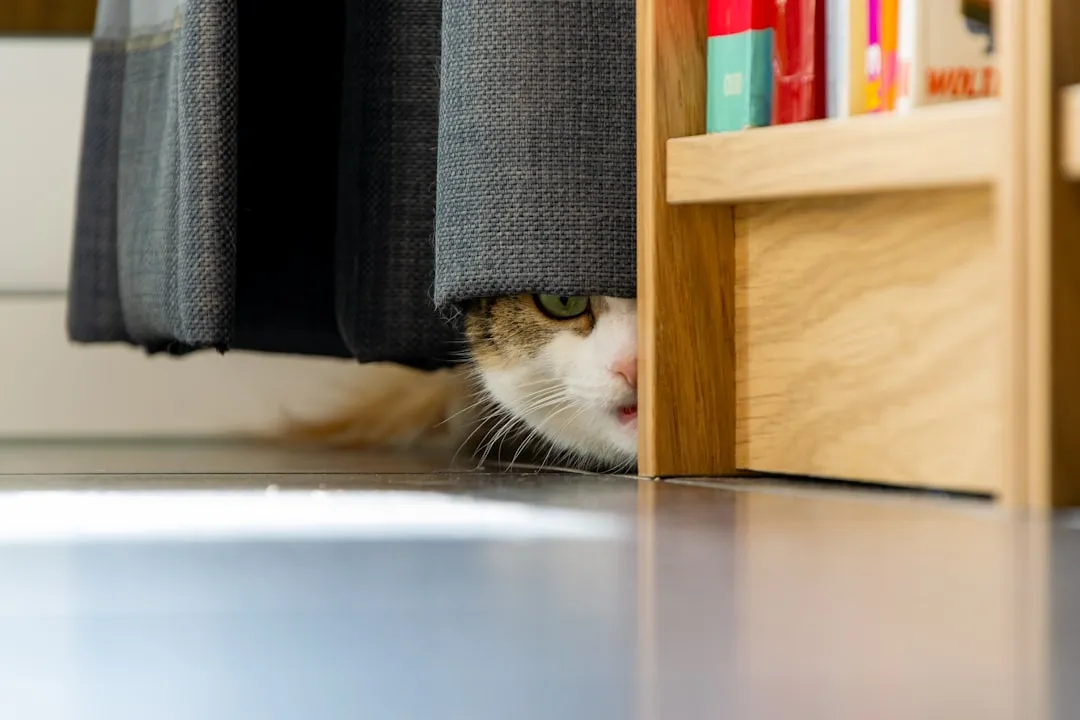
How your cat uses their chosen room matters just as much as which room they picked. A confident cat sprawls on the bed or in the middle of a rug. An anxious or sore senior hugs walls, hides under furniture, or wedges into tight corners where nothing can sneak up behind them. The room isn’t just preferred – it’s a bunker.
Look for a cat that chooses under the bed instead of on it, tucks behind boxes or into the closet, or always faces the door like a tiny security guard. This pattern screams “I feel vulnerable.” Seniors know they can’t sprint or fight the way they used to, so they trade square footage for a defensible position. Small environmental changes plus vet-managed pain control can sometimes turn bunker behavior back into relaxed lounging.
#13 – They Freeze or Flinch at Light and Shadows in Other Rooms
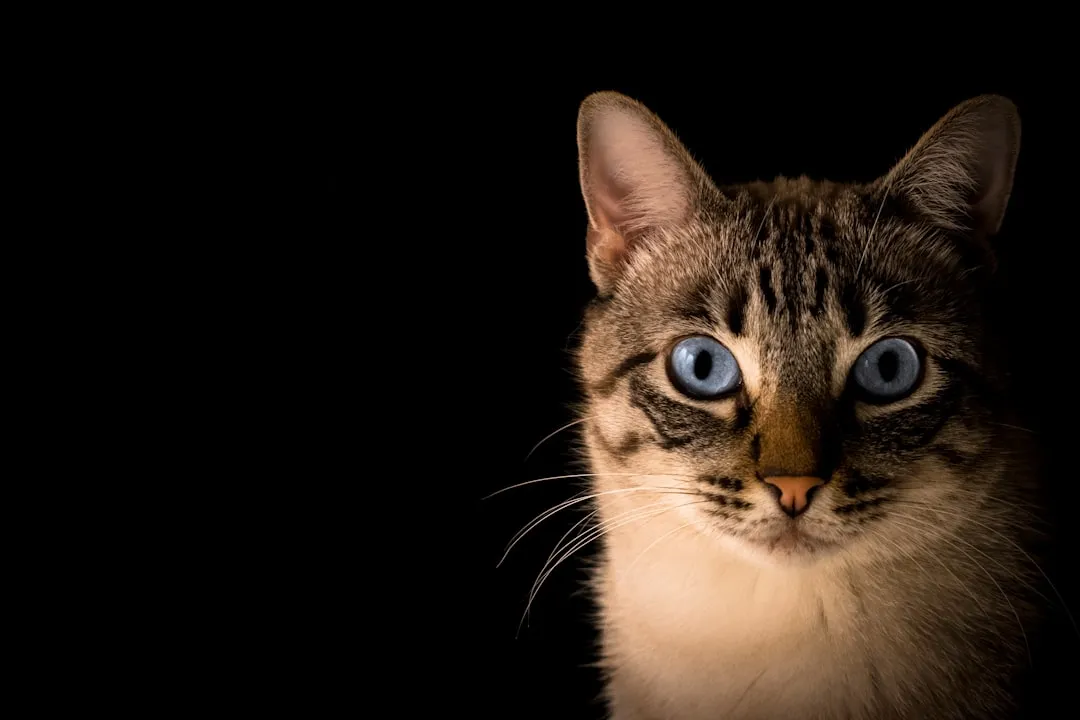
If your senior cat is calm in their preferred room but jumps, freezes, or stares hard at light changes, shadows, or TV flicker elsewhere, eyesight might be part of the puzzle. Declining vision makes unfamiliar or high-contrast spaces genuinely terrifying. Rooms with big windows, shiny floors, or lots of movement can feel like visual chaos.
Watch for bumping into furniture only in certain rooms, hesitation in bright sunlight or dark hallways, or overreacting to ceiling fans and reflections. The safer-feeling room usually has consistent lighting and a predictable layout your cat has memorized. That’s not quirky – it’s survival. A vet eye exam can rule out retinal issues or blood pressure damage, and something as simple as a nightlight can widen their whole comfort zone.
#14 – They Only Accept Affection Inside That One Room
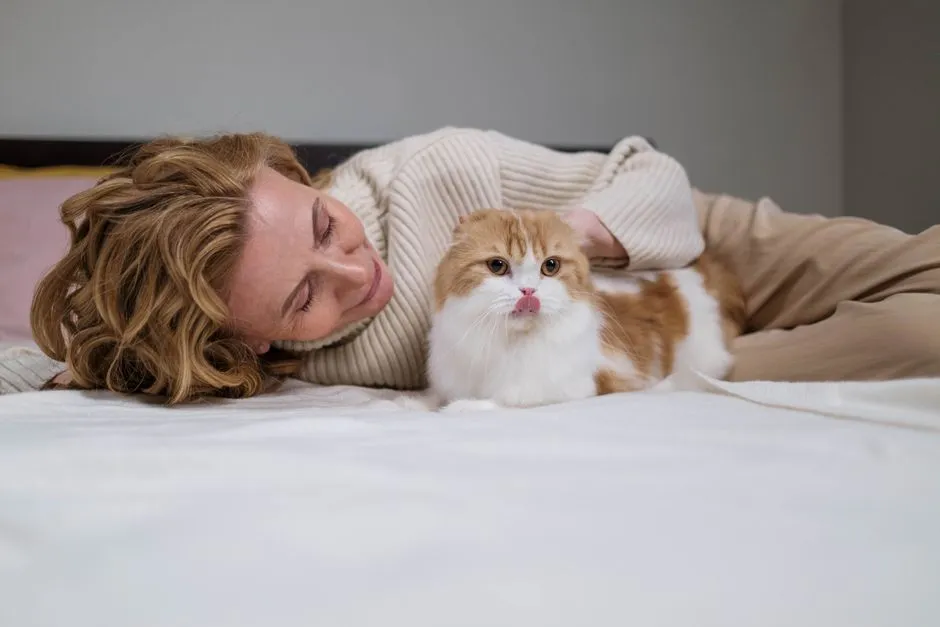
Some senior cats become “bedroom cuddlers” who only allow petting in their chosen room. People often adore this ritual, but behaviorally, it can mean your cat only feels safe enough to fully relax in that one environment. Anywhere else, they stay in alert mode even if they look calm on the surface.
Notice if they ignore you in the living room but melt the second you sit on “their” bed, or only purr and knead in one spot, or get twitchy when petted somewhere busier. Affection-location shifts are easy to shrug off as preference, but older cats carefully choose where they can afford to drop their guard. If you want more whole-house comfort, don’t drag them into the living room – instead, make other rooms feel a little more like the safe one, with familiar blankets and quieter routines.
The cat sits by choice, not by force, and that choice tells you everything about how safe they feel in that spot.
Common veterinary behaviorist guidance on feline territory and safety-seeking
#15 – They Fight You When You Try to Move Them to Other Rooms
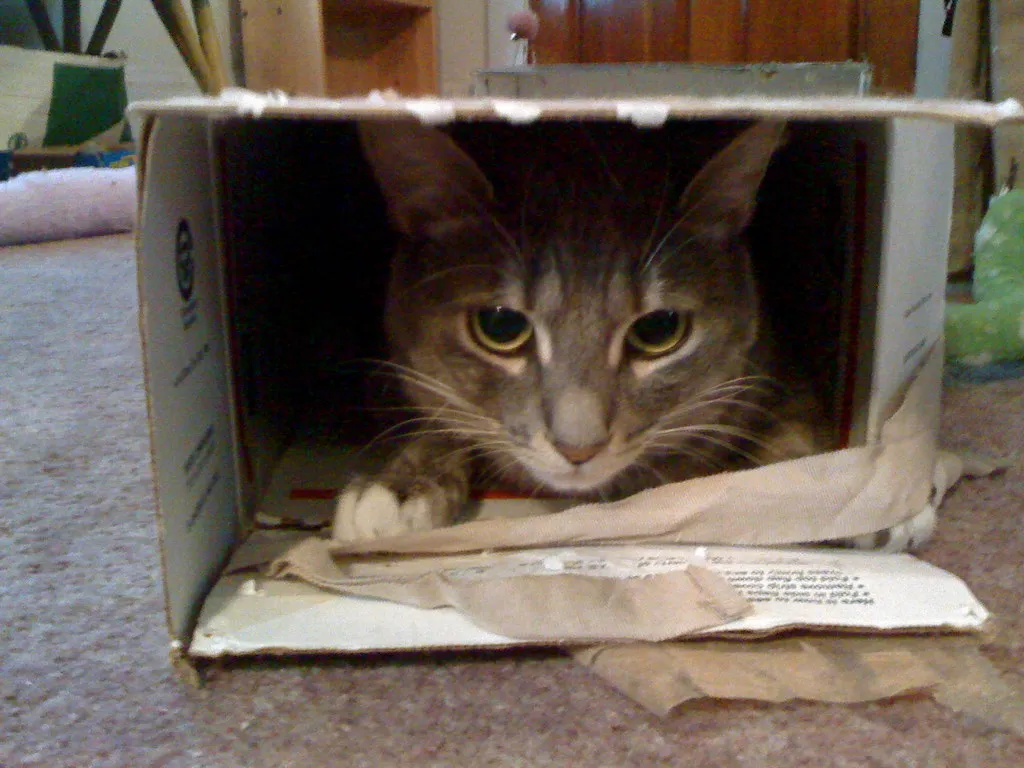
If you physically carry or coax your senior cat out of their preferred room and they stiffen, growl, claw, or sprint straight back at the first chance, believe them. Forcing “family time” can mean dragging them straight into pain, confusion, or sensory overload. The room isn’t just a habit – it’s a coping mechanism, and you’re interrupting it.
This matters even more if they’re fine being handled in their safe room but not elsewhere, instantly hide when set down somewhere new, or start panting or open-mouth breathing from stress. It’s understandable to want your cat back in the middle of family life, but their resistance is data. Something about other rooms feels bad enough that they’re willing to fight you over it, which means it’s time to investigate, not push harder.
#16 – The Change Happened Suddenly, Not Gradually
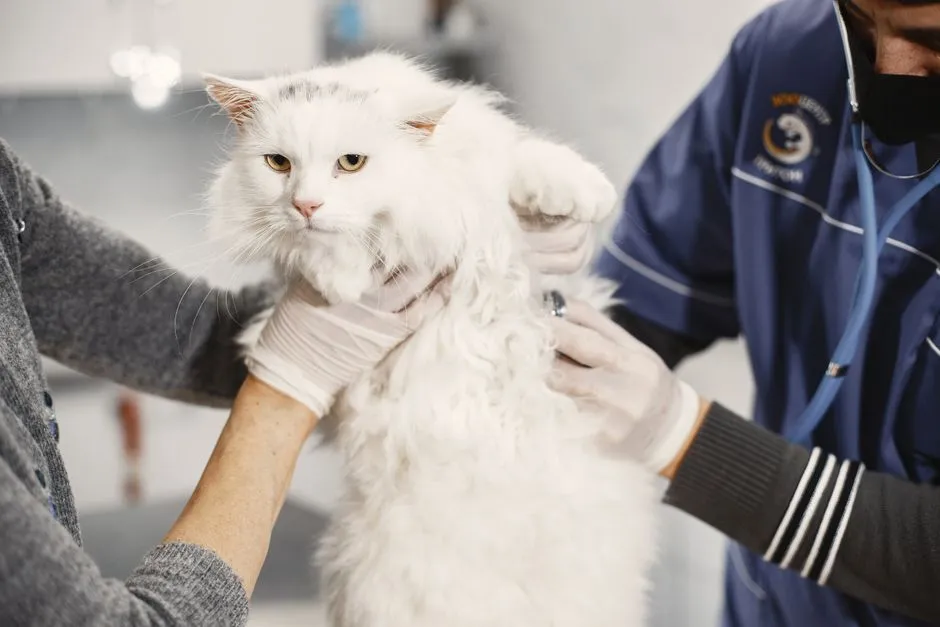
This is the one almost everyone misses: a slow, years-long drift into loving one room is a completely different story than a sudden relocation. If your cat basically changed their address overnight – used to be everywhere, now nowhere but one room – that’s a medical emergency until proven otherwise.
Watch for a shift that happens within days or a couple of weeks, especially if it’s paired with less appetite, more sleep, or new hiding behavior, or if your cat resists leaving the new “safe room” at all costs. Cats are change-averse by nature, and seniors even more so – they don’t overhaul their habits on a whim. A sudden rewrite of their whole territory map usually means something hurts, something scares them, or something in their brain, vision, or organs changed fast. This is the moment to drop the “maybe she’s just quirky now” story and get a same-week vet appointment, because catching disease at this stage can genuinely add years to their comfort.
At a Glance
- Gradual drift: Unfolds over months or years, with small, mild preference shifts.
- Sudden retreat: Happens within days, often alongside appetite or sleep changes.
- Gradual drift: Cat still explores occasionally and tolerates other rooms.
- Sudden retreat: Cat refuses to leave the new room at all, even for favorite people.
When a senior cat chooses one room over everywhere else, it’s rarely “just a phase.” It’s a strategy – they’re shrinking their world down to the one place their aging body and brain can still handle. Sometimes that means warmth for arthritic joints, sometimes it means escape from chaos, and sometimes it means they’re quietly managing pain or fear while we tell people how “cute” the new habit is.
Here’s the opinionated part: I think most of us don’t miss these signs because we’re careless – we miss them because we love the story where our cat is just getting endearingly weird in old age. That story is more comfortable than the one where something actually needs fixing. But a good guardian to an aging cat doesn’t chase comfort in denial; they chase comfort for the cat, which sometimes means an uncomfortable vet visit you didn’t want to book. Take the one-room retreat seriously, ask why, and you might turn that quiet exile back into an actual home again.

- Is Your Senior Cat Choosing One Room Over Everywhere Else? 16 Signs Worth Watching - August 12, 2026
- 17 Things Lifelong Cat Owners Say They Wish Somebody Had Explained Far Earlier Than This - August 12, 2026
- 19 Things Veterinary Nurses Quietly Wish Every Owner Understood About Cats Over the Age Twelve - August 12, 2026