
Most people assume any “good-natured” dog will simply adjust to a loud, unpredictable household – a new baby, slamming doors, three kids and their friends tearing through the living room. That assumption is exactly how families end up with a dog that’s anxious, snapping, or hiding under the bed by dinnertime, then wondering what they did wrong.
The truth trainers and behaviorists have known for years is blunter: some breeds are practically built to soak up chaos like a sponge, while others are quietly falling apart under that same noise, those same visitors, that same unpredictable schedule – suffering in silence until it finally boils over into a bite or a “bad dog” label. Below are 18 breeds built for the beautiful mess of a busy family home, and 18 that are secretly struggling in homes just like yours.
#36 – Labrador Retriever: The Gold Standard for Chaos-Tolerant Family Dogs
Labs aren’t overrated – they’re popular because they actually work for real families. Bred as working retrievers, they carry high energy, low grudge-holding, and a famously forgiving temperament. Most shrug off noise, weird kid movements, and a constantly ringing doorbell like it’s just another Tuesday.
They tolerate clumsy affection and bounce back fast from an accidental tail pull, channeling their energy into play instead of destruction – but only with daily exercise and real mental work.
- Daily physical exercise, not just a quick backyard pee
- Mental work like training, fetch, or sniff games
Skip that and they’ll chew, dig, and raid counters. But compared to almost any other breed, a well-bred Lab is almost unfairly forgiving of a hectic household.
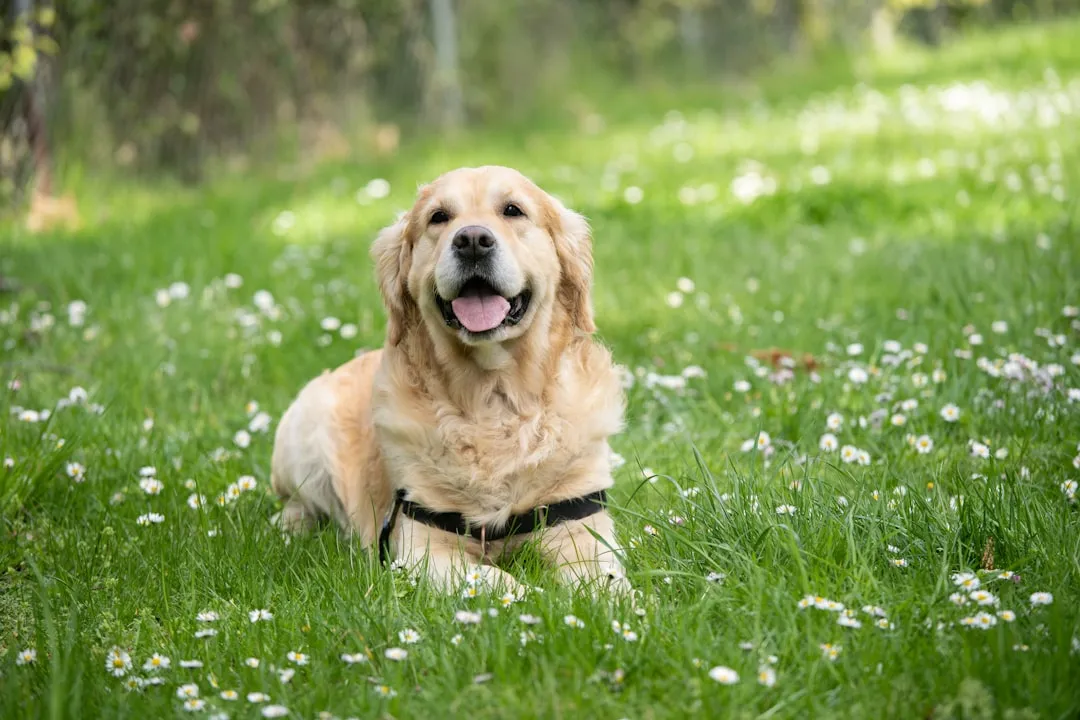
#35 – Golden Retriever: Gentle, Patient, and Weirdly Good with Chaos

Goldens are the “soft-focus Instagram family dog” for a reason. They were literally developed to be biddable, people-oriented, and eager to please, and that temperament still shows up in most well-bred lines. Their default reaction to chaos is usually “who’s my new friend?” – not “who’s a threat?”
Modern Goldens, though, are increasingly prone to anxiety and health issues when badly bred, and they don’t do well left alone for long stretches. In a home where everyone’s gone ten hours a day, they can turn clingy, destructive, or genuinely depressed.
Still, in a household where people are around – even if not always focused on the dog – Goldens roll with noise and unpredictability better than almost any other breed.
At a Glance
- Group: Sporting (Gundog)
- Typical weight: 55-75 lbs
- Energy level: High, needs roughly an hour of exercise daily
- Best fit: Homes where someone is around most of the day
#34 – Mixed-Breed “Mutt”: Often the Most Adaptable of All
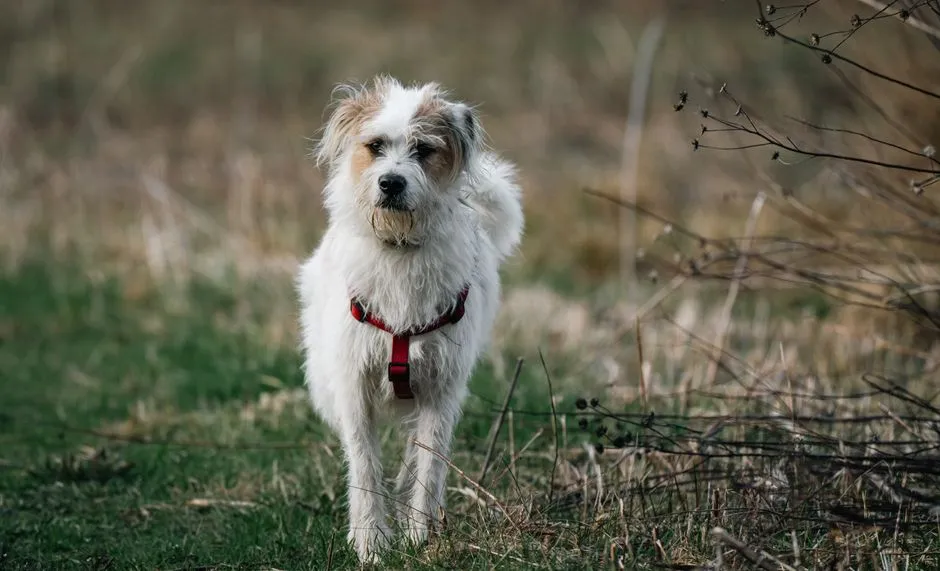
This will annoy some purebred purists, but many behaviorists quietly admit it: a well-chosen mixed-breed from a good shelter can outperform a lot of trendy purebreds in adaptability. Mixed heritage dilutes extreme traits – intense guarding, ultra-high drive, severe anxiety – and often produces exactly the medium-energy, go-with-the-flow dog busy families need.
The catch is you have to choose intentionally rather than fall for the cutest puppy photo.
- Meet adults or older teens, not just eight-week-old mystery puppies
- Ask shelters about noise tolerance, kid behavior, and reaction to strangers
What you gain is a dog already “pre-tested” in real-life environments. For many loud, active families, the right mutt beats the wrong purebred status symbol every time.
#33 – Beagle: Noisy, Nose-Driven… but Surprisingly Family-Friendly

Most people only hear “howly and stubborn” when someone says Beagle. Fair – but in a busy family home, those traits are more manageable than you’d expect. Properly exercised Beagles are cheerful, sturdy, and usually very tolerant of kids and visitors, without the sharp edge some herding or guarding breeds show under chaos.
The trade-off is real, though.
- They bark and howl – a lot
- Their nose overrides their brain, especially near food
If your family can walk a lot, secure your yard, and accept some volume, a Beagle fits a loud, coming-and-going household well. They’re far less likely to melt down from commotion than many “smarter,” more sensitive breeds.
#32 – Boxer: The Clown Who Loves Loud, Messy Families

Boxers are secretly one of the best breeds for families that feel like a sitcom. They’re goofy, high-energy, and generally adore human contact, especially kids. A well-socialized Boxer treats a Nerf gun battle in the living room like the best day of its life, not a threat.
They’re physically robust too, which matters when toddlers fall into the dog every ten minutes. But Boxers aren’t plug-and-play – they need major exercise and clear boundaries, or they’ll get pushy and mouthy without meaning any harm.
- They need major exercise and structure
- They can be pushy if never taught boundaries
Channel their enthusiasm and they’re often calmer around noise than many so-called “family” breeds.
#31 – Cavalier King Charles Spaniel: Quietly Perfect for Indoor Chaos

If your house is busy but physically small, Cavaliers deserve serious consideration. They combine lapdog size with a remarkably gentle, kid-tolerant temperament – a rare combo. Most are happy to cuddle on the couch amid TV noise, video games, and constant chatter, welcoming guests instead of eyeing them with suspicion.
The downside is big, though: health. Cavalier lines are plagued with serious heart and neurological issues, a trade-off almost nobody mentions until they’re already attached.
In a bustling home with modest space and decent human presence, a well-bred Cavalier comes close to ideal. Affectionate, adaptable, and rarely overwhelmed indoors – but you have to vet breeders ruthlessly.
#30 – Standard Poodle: Smart Enough to Cope, Stable Enough to Stay Calm
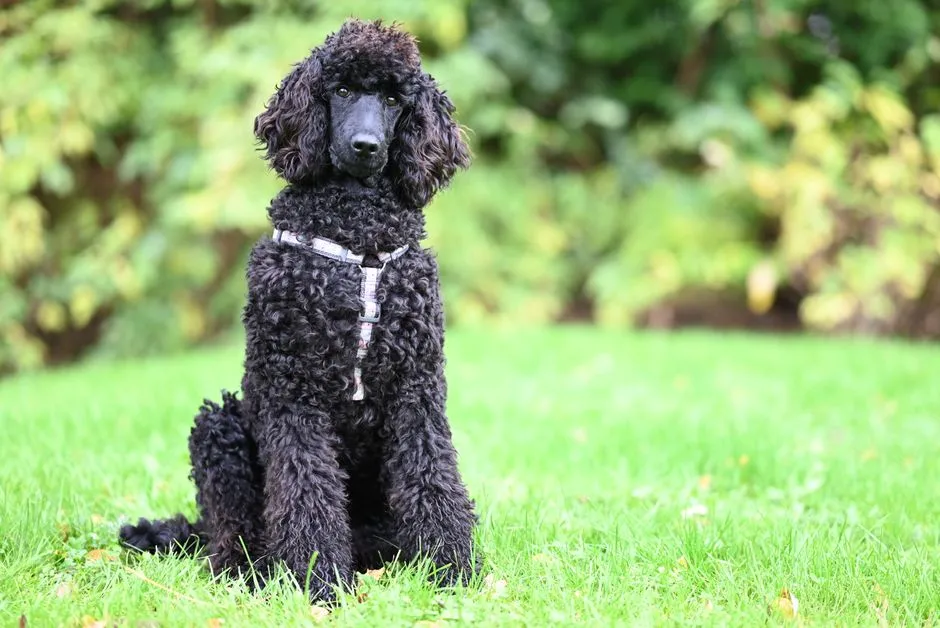
Standard Poodles aren’t just fancy haircuts. In real life, they’re athletic, highly intelligent, and often emotionally stable enough to handle busy homes – as long as you respect their brains. Many bond strongly with families, tolerate kids reasonably well, and adapt easily to shifting schedules.
What trips people up is underestimating the mental side of the breed.
- They get bored easily if never trained or engaged
- Boredom leads to neurotic behaviors or reactivity
If your family likes involving the dog – tricks, hikes, puzzle feeders – a Standard Poodle can thrive in hectic environments and stay surprisingly chill. Ignore them, and their cleverness becomes your problem.
#29 – Border Collie: Brilliant… and Often Miserable in Truly Busy Homes
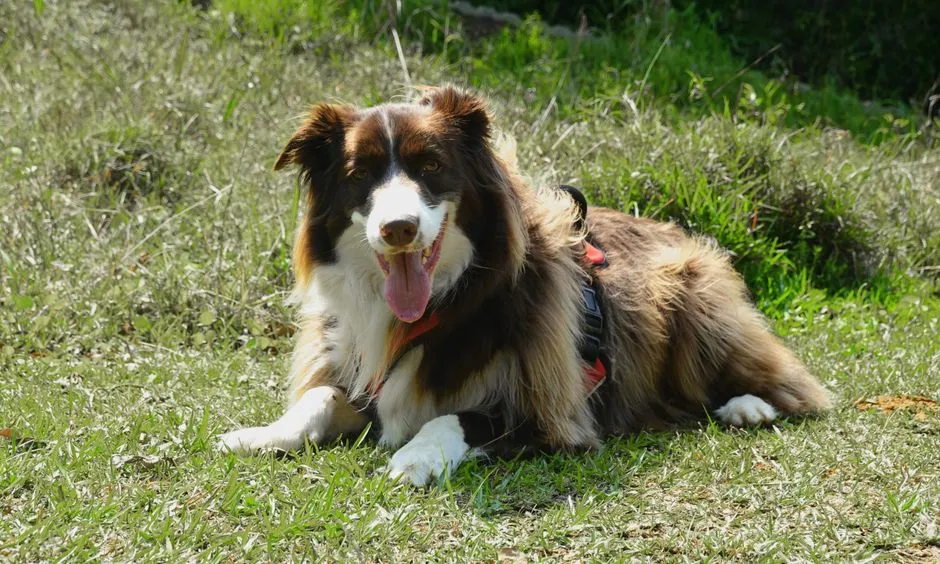
Now we shift into breeds that quietly struggle with typical family chaos, starting with the one social media constantly mis-sells. Yes, Border Collies are geniuses – but their genius is wired for work, not for being background noise in a human circus. Constant running kids, random yelling, and unpredictable visitors can trigger obsessive herding instincts: nipping heels, chasing, staring like the family room is a flock.
They need more mental and physical stimulation than almost any pet home can realistically offer, and they’re prone to anxiety and compulsive behaviors when under-worked.
- Need more stimulation than most pet homes can give
- Prone to anxiety and compulsive behaviors when under-worked
On a farm or in a sport home, they shine. In a “busy but distracted” family, they quietly unravel and get mislabeled as neurotic.
#28 – Australian Shepherd: Instagram Darling, Family Headache

Aussies are everywhere online, but off-camera they’re often overwhelmed in ordinary homes. Bred as herding dogs, they mix high energy with heightened sensitivity to movement and sound – a rough combo in houses with screaming toddlers, slamming doors, and a rotating cast of visitors.
Many respond by trying to control the chaos: herding kids, barking at guests, going hyper-vigilant about everything.
- Reactivity toward unfamiliar people or kids
- Nipping or chasing running children
- Anxiety when routines constantly shift
Some well-bred, well-trained Aussies cope fine, but the average “we just wanted a cute fluffy dog” household is a mismatch. Most people underestimate how much structure it takes to keep an Aussie mentally sane.
#27 – Belgian Malinois: Built for Combat, Not Kindergarten
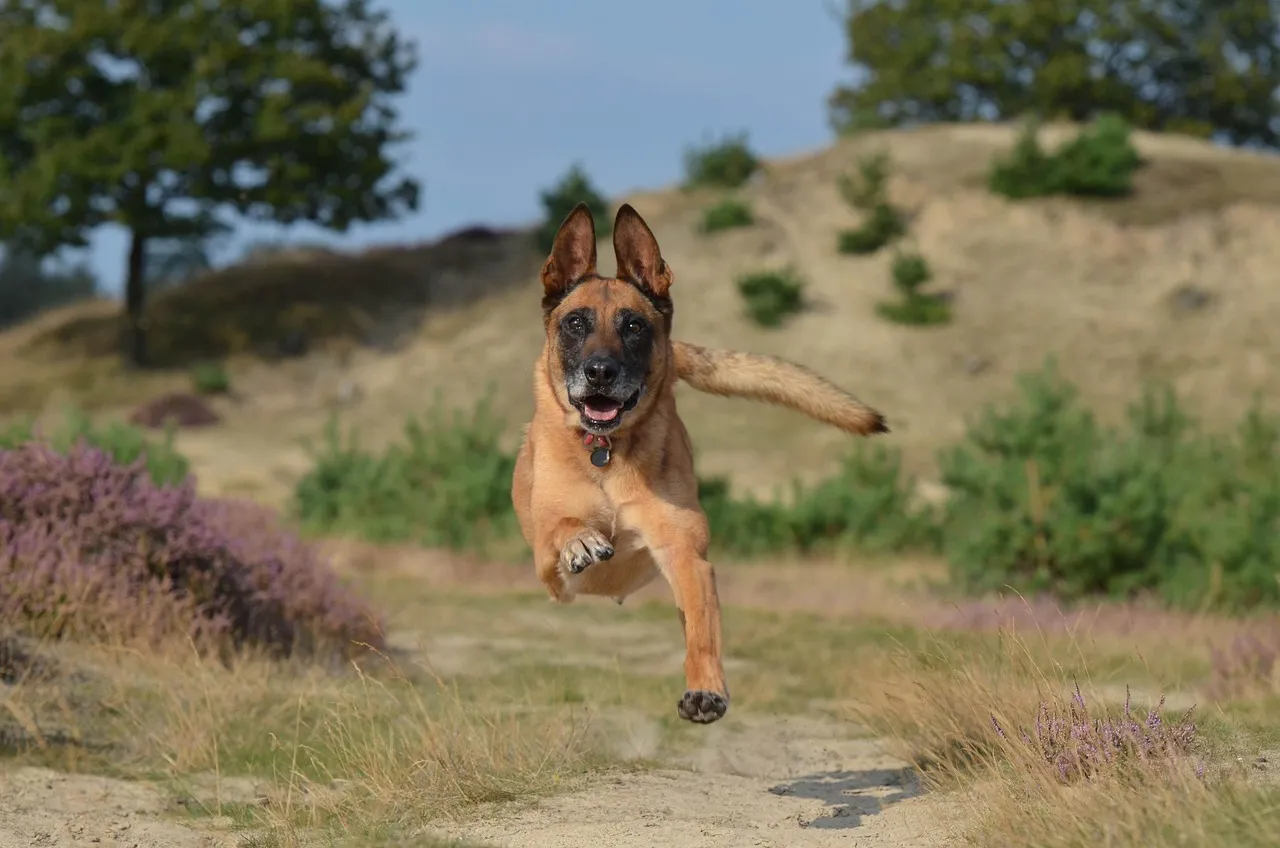
Malinois are the “cool dog” of police videos and action movies, and that has been a disaster for the breed’s reputation as a family pet. These dogs are intense, driven, and bred to bite on purpose – not because they’re mean, but because that’s the job description.
In a busy family home with kids, guests, and constant stimulation, most Malinois aren’t just a bad fit – they’re a genuine safety risk in inexperienced hands.
- Require expert-level training and daily serious work
- Channel frustration into destruction or aggression
- Hyper-alert to every sound and movement
Can a Malinois live with a family? Yes, with an experienced working-dog handler and ironclad routines. That’s not most people. In most busy households, an unmatched Malinois becomes a ticking time bomb of unmet drive.
#26 – Shiba Inu: Independent, Sensitive, and Not Here for Your Kid’s Chaos
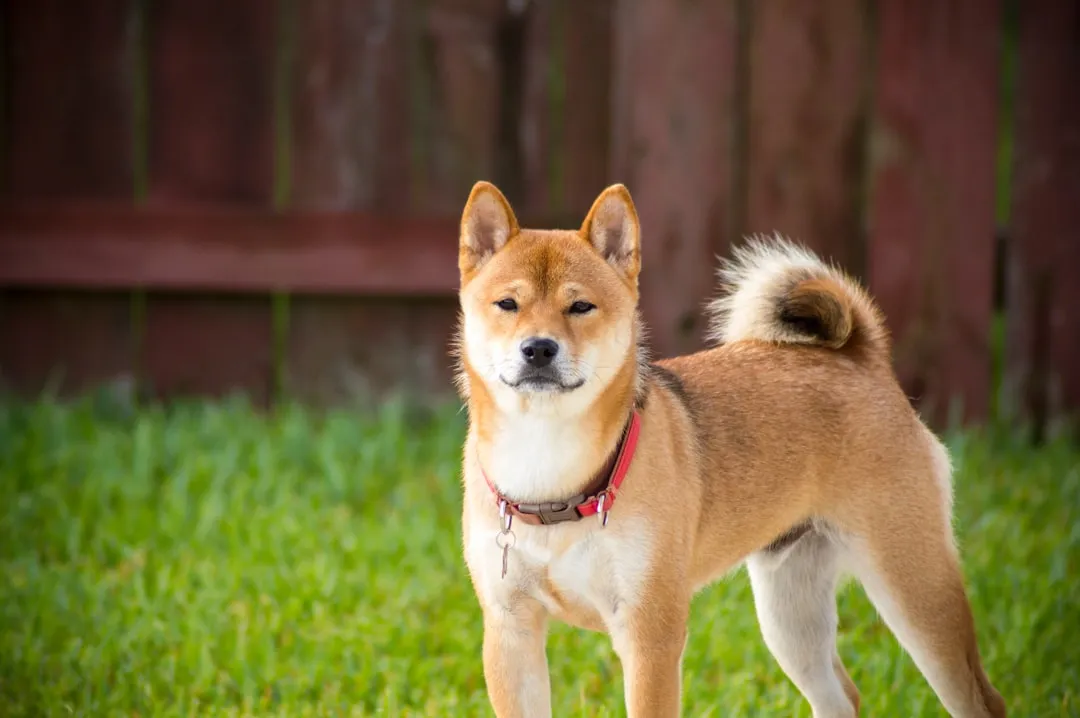
Shibas look like living fox plushies, but inside they’re independent, strong-willed, and often intolerant of rough handling or constant disturbance. Many hate being grabbed, hugged, or crawled on – exactly what small children impulsively do.
In a loud, unpredictable house, Shibas can turn aloof, snappy, or become determined escape artists just to get some peace.
- High prey drive and love of bolting
- Limited tolerance for pushy dogs or kids
- Notoriously difficult off-leash
In a calm, adult household that appreciates their cat-like personality, Shibas can be wonderful. In swirling kid-chaos, they’re quietly miserable and often mistaken for “mean” when they’re just overwhelmed.
#25 – Chihuahua: Tiny Body, Low Threshold for Mayhem

Many people assume “small dog equals great with kids,” and Chihuahuas pay the price for that myth constantly. These dogs are fragile, easily injured, and often fearful around loud, fast-moving humans – and fear in a small dog usually looks like yapping or biting.
Families label them “nasty,” but the reality is simpler: they’re terrified and defending themselves the only way they know how.
- Toddlers can seriously injure them just by falling or grabbing
- Constant noise and sudden movement keep them on edge
- They often bond to one person and resent everyone else
A well-socialized, well-bred Chihuahua can do fine with older, gentle kids. But a random loud household with young children needs predictability and respect, not a perpetual tornado of activity.
#24 – Dachshund: Comedic on TV, Overwhelmed in Real Life

Dachshunds look cartoonish and charming, but they land in more bite statistics than most people realize. Historically bred as tenacious hunting dogs sent underground after badgers, that grit often turns into assertiveness and reactivity in chaotic homes.
Noise, rough handling, and constant disruption can push many Dachshunds straight into defensive mode.
- Guarding of laps, couches, or favorite humans
- Snapping when picked up suddenly or bothered while resting
- Barking frenzies at every sound
In a thoughtful home with older kids and clear rules, they’re loyal, hilarious companions. Treating them like living toys is exactly how families end up with a “grumpy sausage dog.”
#23 – Jack Russell Terrier (and Similar High-Drive Terriers): Energy Meets Zero Chill

Jack Russells and their close cousins are like espresso shots in dog form – clever, intense, and wired to chase, dig, and problem-solve all day long. Mix that with a house full of screaming kids and constant motion and you get a dog that’s perpetually over-aroused, not happily tired.
Over-arousal shows up as nipping, barking, and relentless pestering of everyone in range.
- Harass other pets in the house
- Fixate on running children
- Become destructive when under-stimulated but over-excited
They can be great for active families who deliberately train and run with the dog daily. For “busy but distracted” households, their intensity is gasoline on a fire – they don’t relax just because you’re tired.
#22 – Siberian Husky: Drama, Escape, and Zero Interest in Your Rules

Huskies have become social media darlings, but their real temperament often clashes hard with crowded family life. They’re independent, vocal, escape-prone, and bred to run for miles – not nap through a Netflix marathon while kids chase each other around them.
In a hectic home where doors open constantly and gates get forgotten, Huskies turn into furry chaos engines fast.
- Escaping the yard or front door at every opportunity
- Howling or “talking” when bored or ignored
- Destroying furniture when exercise is lacking
Families with fenced acreage and an active lifestyle can make it work. In suburban homes with minimal time, Huskies are often chronically under-exercised and over-stimulated – a miserable combination for everyone.
Worth Knowing
- Originally bred to pull sleds long distances across the Arctic
- Famous for a strong prey drive and a talent for slipping past fences
- Shed heavily twice a year, needing frequent brushing
- Their “talking” and howling are often mistaken for aggression
#21 – German Shepherd: Incredible Partner, Risky Match for Unstructured Chaos
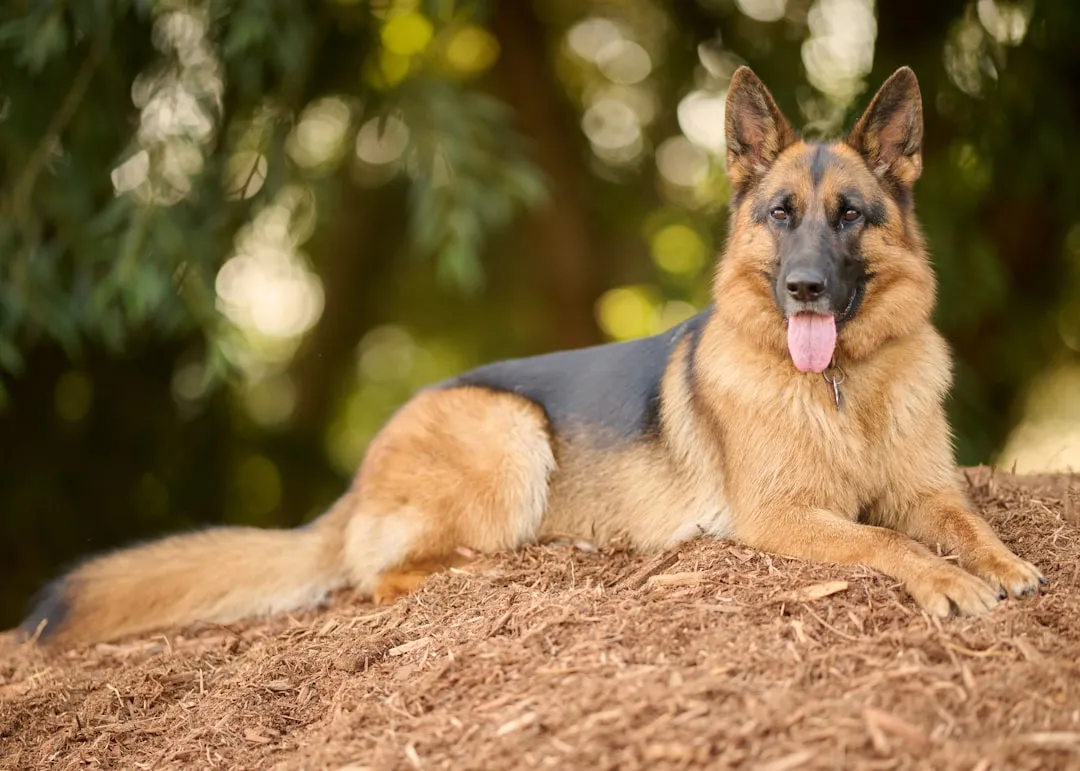
German Shepherds can be phenomenal family dogs – in the right hands. But they’re also guarding, herding, and highly sensitive dogs who notice every shift in their environment. In a disorganized, noisy household with inconsistent rules, a GSD may try to manage everything itself.
That looks like guarding specific family members, patrolling windows, and reacting strongly to every visitor or sudden movement.
- Over-attachment to one person, leading to protectiveness
- Reactivity toward strangers or visiting kids
- Stress when routines constantly change
Well-bred, well-trained Shepherds with solid socialization absolutely can live with families – they’re just not DIY dogs. Treat one like a Labrador with pointy ears and you end up with an overworked protector on high alert 24/7.
#20 – Pug: Surprisingly Chill… If You Understand Their Limits

Pugs are often dismissed as “joke dogs,” but they can actually handle a fair amount of indoor chaos. Most are social, people-oriented, and relatively unfazed by noise and visitors, happy just following the action from room to room and soaking up attention and snacks.
They’re rarely shy, and many do fine with kids who are taught basic respect. The catch is that their bodies are fragile in ways temperament tests don’t capture.
- Brachycephalic breathing means they overheat easily
- They can’t handle rough physical play or long runs
In busy, mostly-indoor homes that aren’t super athletic, Pugs often do surprisingly well emotionally. They’re chaos-tolerant companions, not backyard roughhousing partners.
#19 – Bichon Frisé: Happy-Go-Lucky Velcro Dog for Smaller Spaces
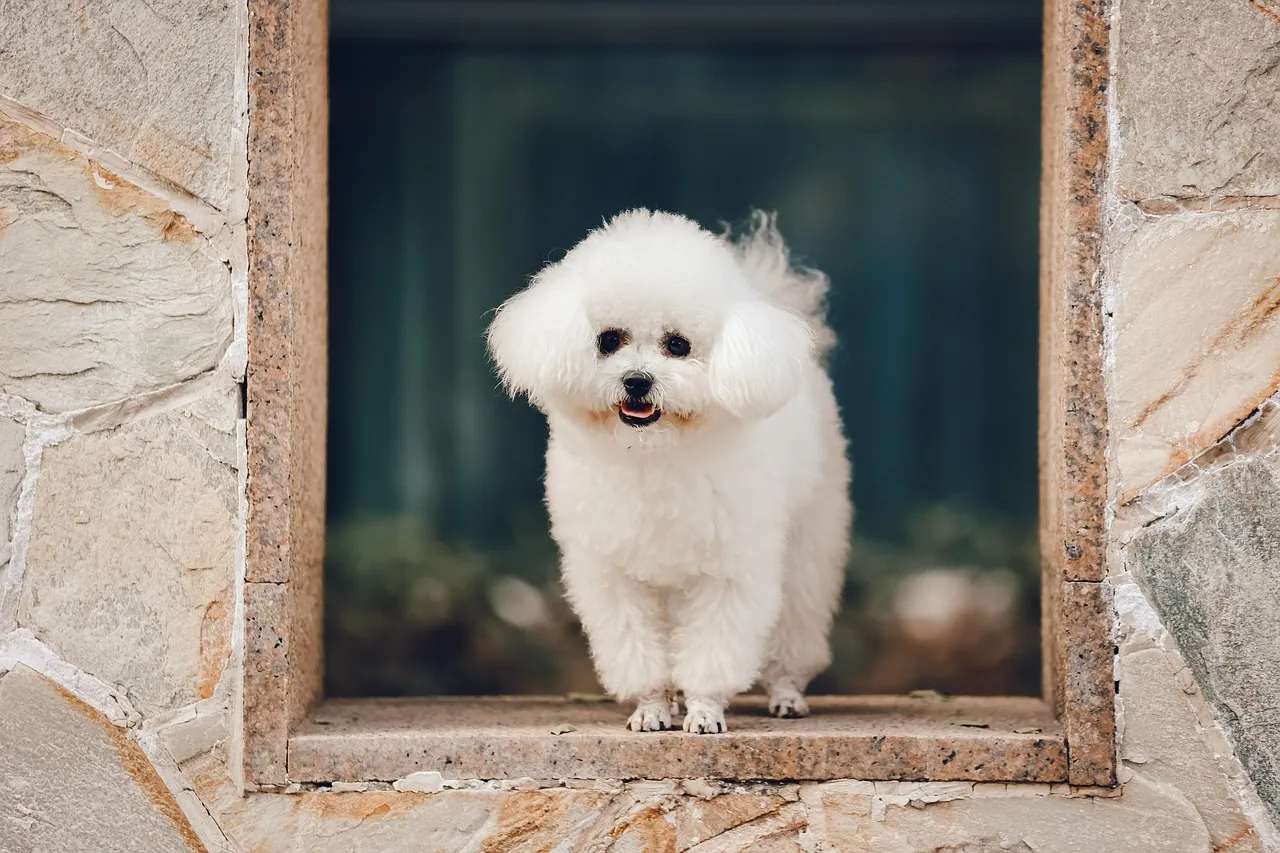
Bichons are cheerful, social little dogs bred purely as companions, and many adjust beautifully to apartments or smaller homes buzzing with activity. They typically enjoy meeting people, tolerate gentle kids well, and don’t need intense physical exercise.
Instead, they thrive on being included – following you from room to room, “helping” with chores, curling up on the couch amid noise. There are weak spots to know about.
- Can develop separation anxiety if left alone too long
- Grooming is non-negotiable and time-consuming
If your family is home a lot, even distracted, and can handle grooming, a Bichon often does great with kid chaos and frequent visitors. They want to be in the mix, not in charge – a big win in hectic households.
#18 – Bernese Mountain Dog: Gentle Giant Who Often Loves Big-Family Energy

Berners are large, but temperamentally they’re often gentle, affectionate, and surprisingly tolerant of bustling households. Many love being surrounded by “their” people and handle noise and commotion with a shrug rather than a meltdown.
Their size makes them sturdy enough to deal with accidental bumps, and their typical demeanor is more “chill companion” than “hyper bodyguard.” The harsh truth is health, not temperament.
- Short lifespans
- Prone to cancers and orthopedic problems
Emotionally, a well-bred Berner can be an excellent match for families who want a calm, kind dog around constant human activity. They’re one of the few giant breeds that often truly like being in the heart of family chaos.
#17 – Great Dane: Couch-Sized Dog with Surprisingly Low Chaos Reactivity
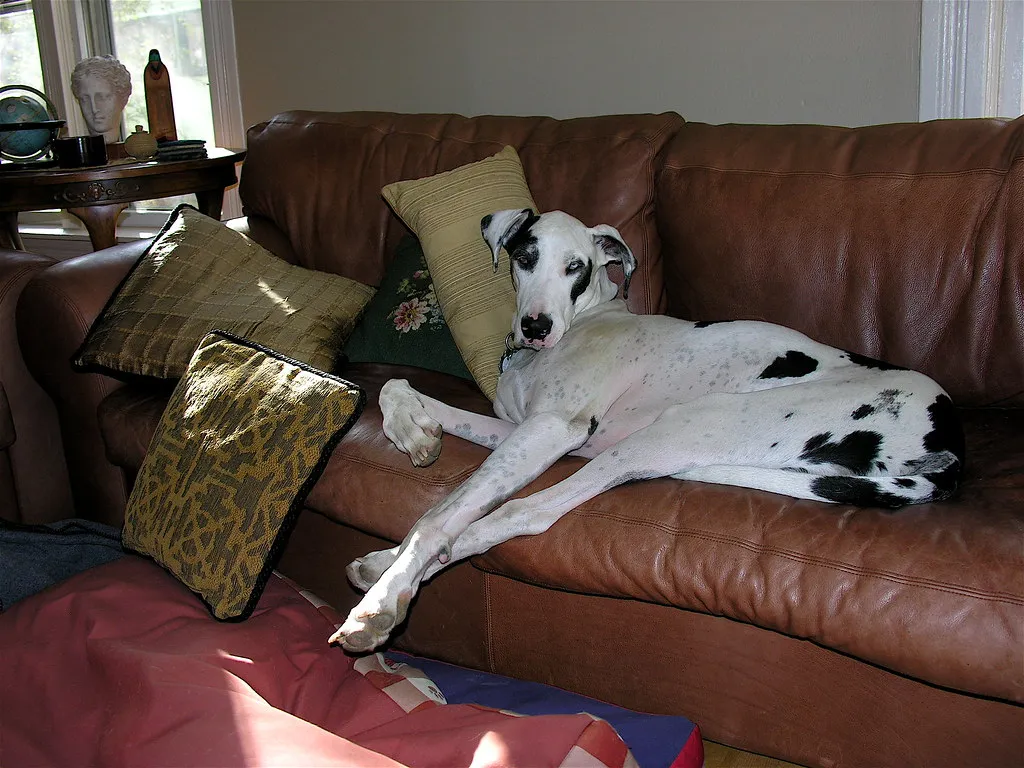
Great Danes look intimidating, but many are gentle, people-focused, and fairly low-energy indoors. In busy homes with enough space, they often adapt well – lounging on couches while kids play around them, greeting visitors politely with proper training.
Their sheer size alone discourages rough handling, which ironically protects them from toddler chaos.
- Very short lifespan and health challenges
- Space and cost – food, vet care, car room
When families can meet those logistical demands, Danes often stay emotionally stable even when the house is a zoo. They’re better suited to noisy homes than many smaller, reactive breeds people mistakenly choose “for the kids.”
#16 – Cocker Spaniel: Sensitive Souls in the Wrong Era

Cockers are often marketed as classic “family dogs,” but modern lines are inconsistent. Many are soft, sensitive, and prone to anxiety or resource-guarding if overwhelmed by constant noise, rough petting, and unpredictable visitors.
Without early socialization and training, a nervous Cocker can slide toward defensive snapping.
- Guarding of food, toys, or laps
- Fearful reactions to sudden loud sounds
- Matting and discomfort when grooming is skipped in busy schedules
In calm, attentive households, good Cockers are wonderful, cuddly companions. In high-chaos homes with no time for grooming or emotional needs, they’re often far more stressed than their “cute” image suggests.
#15 – English Bulldog: Chill with Noise, Crushed by Lifestyle

Bulldogs are often emotionally suited to busy households – typically low-energy, people-loving, and not easily rattled by noise or crowds. Many are happy to snooze while life explodes around them, watching kids run past from the comfort of their bed.
They rarely overreact to visitors, more likely to seek cuddles than pick fights. The problem is physical, not mental.
- Severe breathing issues
- Orthopedic and skin problems
- Heat intolerance in active, outdoor-heavy families
They can handle chaos psychologically, but their extreme physical limits make them a poor fit for families who want a dog joining in on outdoor life. Emotionally, they cope. Physically, they often can’t.
#14 – Rottweiler: Deeply Loyal, Too Often Put in the Wrong Role

Rottweilers can be devoted family dogs, but they’re strong, guarding breeds who take protection seriously. In a constantly busy home with endless visitors, delivery drivers, and swarms of kids, a Rottweiler is forced to guess who’s welcome – an unfair job for a powerful dog.
Inconsistent training only makes that guessing game riskier for everyone involved.
- Over-guarding doorways and yards
- Tension around unfamiliar children
- Stress when rules and leadership are unclear
With committed, experienced owners and excellent socialization, they thrive with families. As a casual “tough-looking family dog” choice, though, they’re one of the most mismatched breeds around – not built for unstructured, revolving-door homes.
#13 – Akita: Dignified Guardian Who Rarely Enjoys Kid Swarms
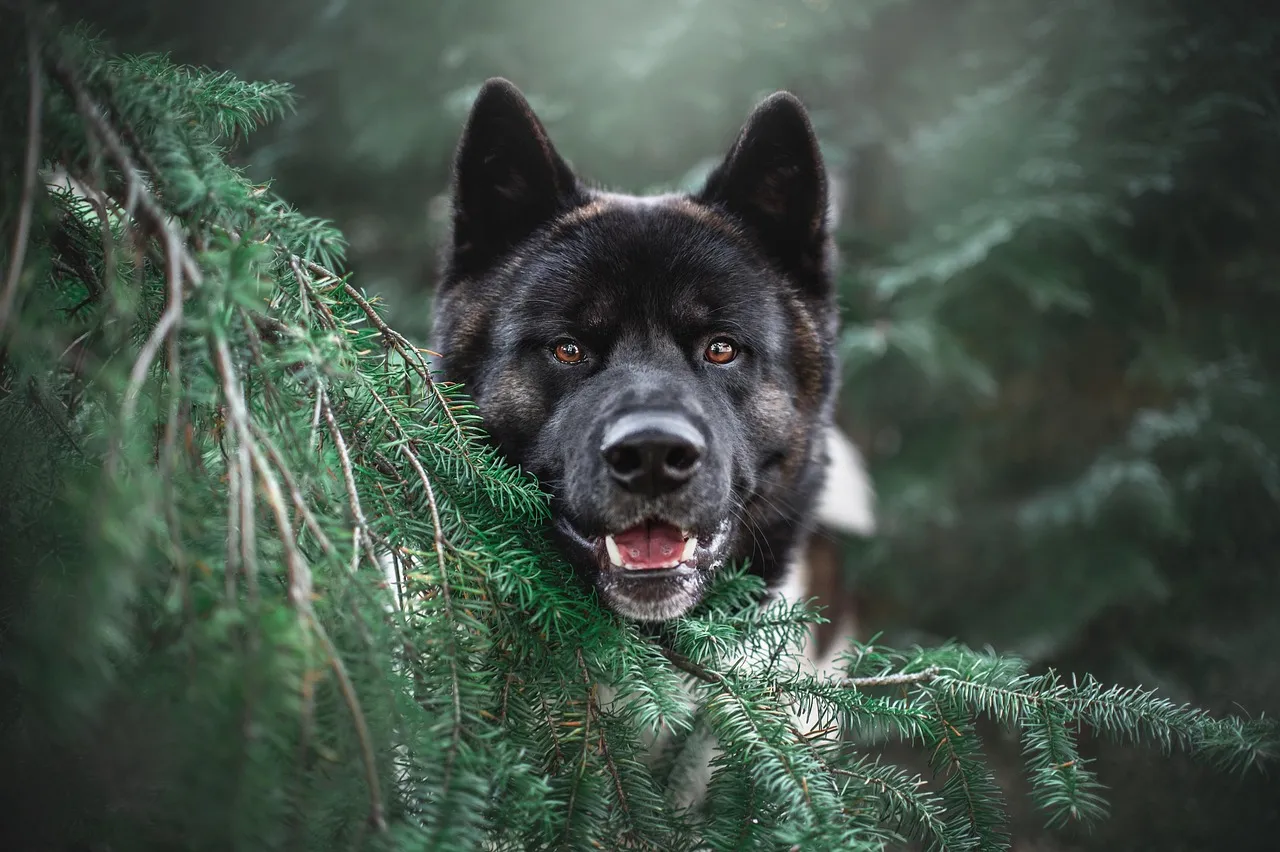
Akitas are independent, reserved, and naturally suspicious of strangers, even when well-bred and socialized. They bond deeply with their core family but often have little patience for intrusive handling, noisy visitors, or boisterous playgroups invading their space.
In a busy household with frequent guests and loud kids, many Akitas stay chronically tense rather than settling in.
- Dog-aggression toward same-sex dogs
- Guarding behavior around resources and spaces
- Low tolerance for being climbed on or grabbed
In a quiet, respectful home with clear boundaries, Akitas are incredibly loyal companions. In a revolving-door, kid-heavy environment, they’re more likely to endure than enjoy – a welfare problem people gloss over.
#12 – Great Pyrenees: Calm Farm Guardian, Overwhelmed Suburban Babysitter
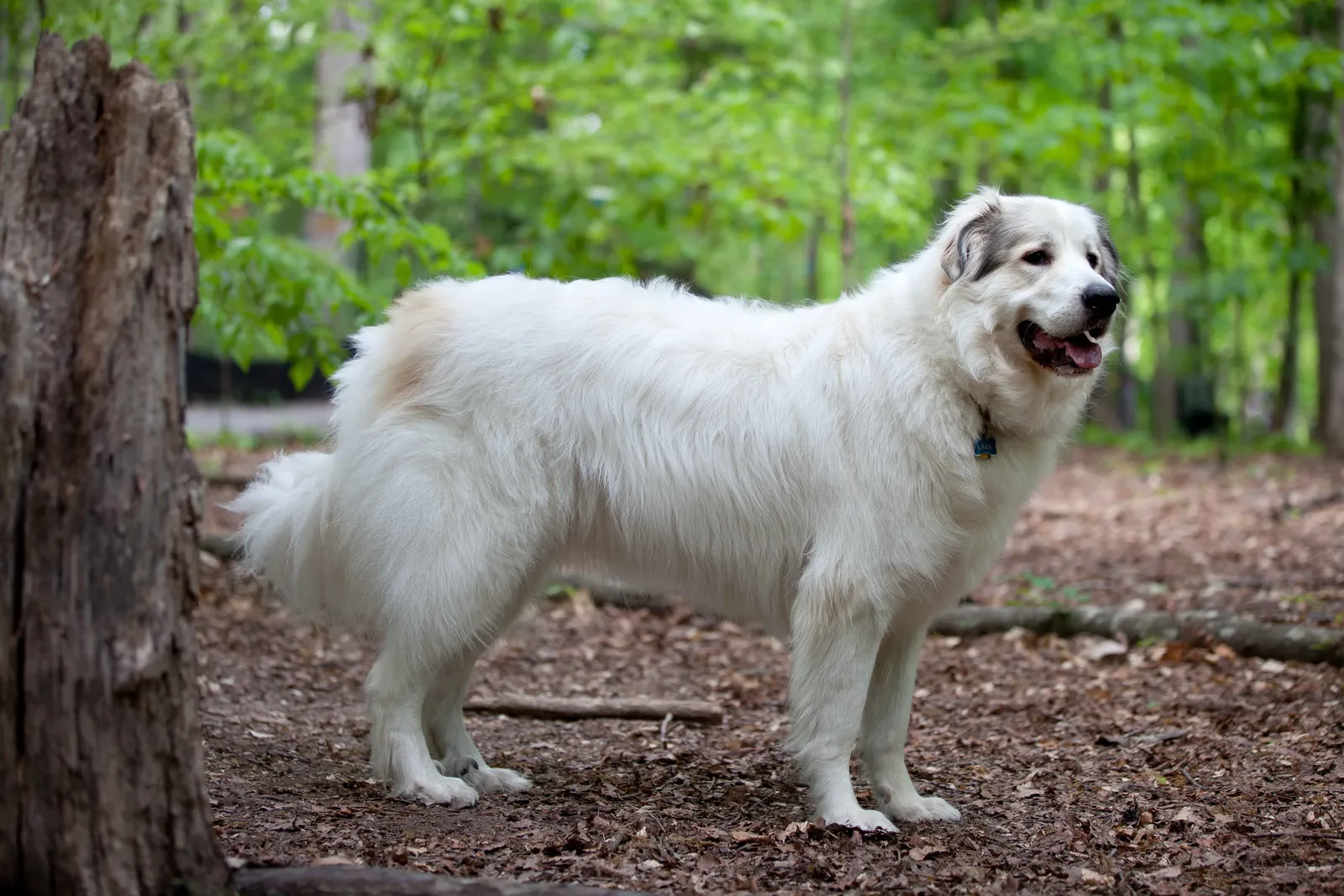
Pyrs are famous as livestock guardians, and that job shapes everything about them – independent, barky, and hyper-aware of “their” territory. In a noisy, close-proximity neighborhood, those instincts turn into constant alert barking at every sound, shadow, and visitor.
Inside a hectic house they may look calm on the couch, but mentally they’re monitoring everything, which is exhausting for a dog who never gets to switch off.
- Endless barking at neighbors and delivery people
- Tension when unfamiliar kids visit “their” yard
- Frustration when left to “guard” with no guidance
On acreage with a consistent family and clear territory, Pyrs thrive. In jam-packed suburbs with rotating playdates, they’re frequently stressed guardians trapped in the wrong environment.
Fast Facts
- Group: Working (Livestock Guardian)
- Typical weight: 85-100+ lbs
- Historically worked alone overnight, guarding flocks with minimal human contact
- Bred to bark loudly at anything unfamiliar – a habit that doesn’t switch off indoors
#11 – Shar-Pei: Low-Drama Look, High-Drama Sensitivities
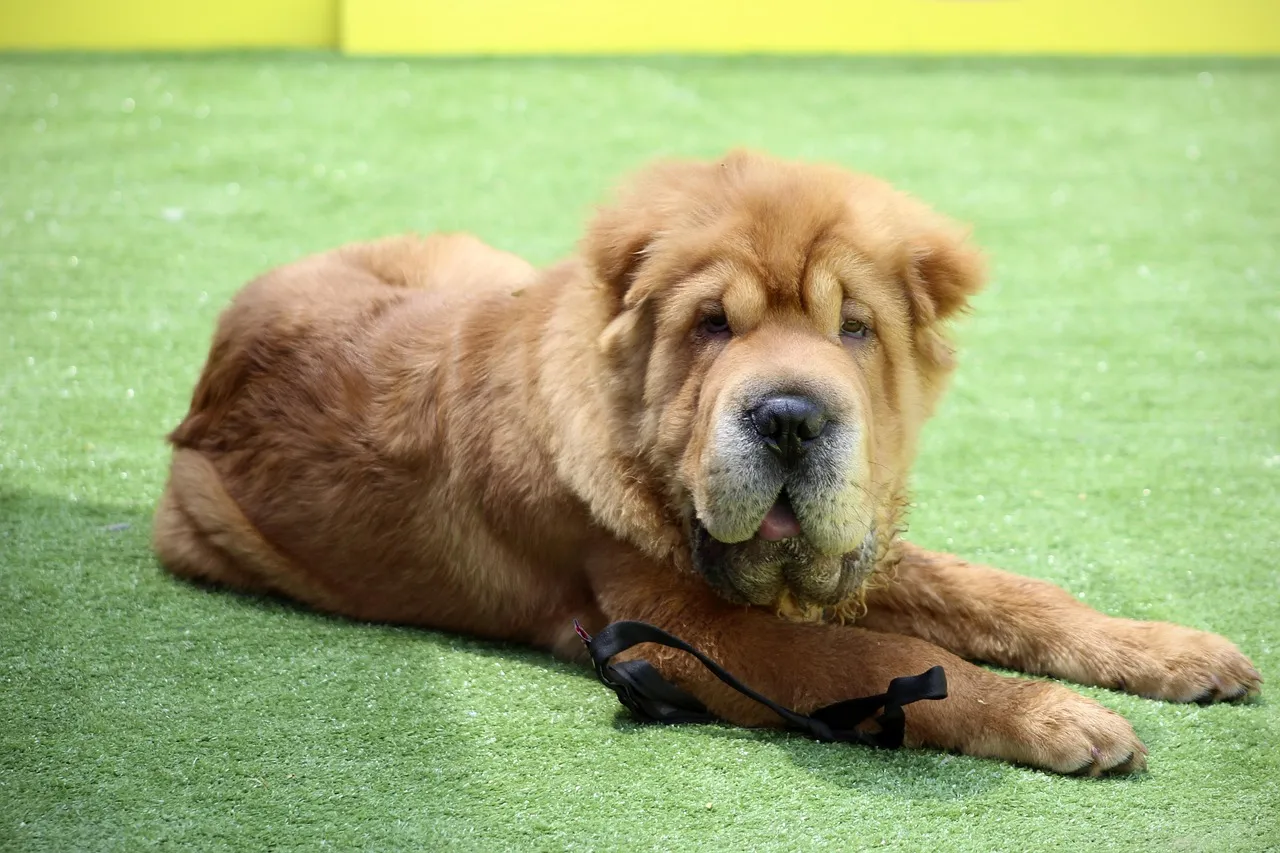
Shar-Peis look stoic and unbothered, but they’re often aloof, suspicious, and sensitive to handling and environmental stress. In a home where kids constantly invite friends over and adults barely have time for structured training, a Shar-Pei may retreat, growl, or escalate when pushed too far.
Their calm appearance can hide a dog who is quietly at the end of its rope.
- Guarding behavior over food, toys, or space
- Low tolerance for chaotic, unpredictable behavior
- Skin and health issues that get neglected in hectic homes
They’re better suited to calm, adult-centered environments with clear boundaries. Treating a Shar-Pei like a generic “family dog” is unfair to the dog and risky for everyone around it.
#10 – Standard Schnauzer: Smart, Intense, and Easily Overloaded
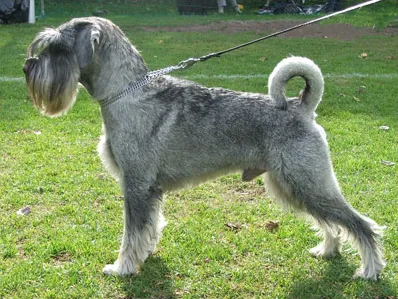
Standard Schnauzers are highly intelligent, watchful, and bred as versatile working and farm dogs – they notice everything and have opinions about all of it. In a busy home with random visitors and inconsistent rules, they tend to appoint themselves hall monitor: barking, herding, controlling movement.
Their brains need clear structure and consistent expectations, not a household running on chaos.
- Need clear structure and consistent expectations
- Require ongoing training and mental outlets
Without that, they get sharp, reactive, or chronically on edge. They can be incredible with active, thoughtful families – but in chaotic, hands-off homes, they quietly burn out.
#9 – Weimaraner: Velcro Athlete Who Hates Being Ignored

Weimaraners are clingy, energetic, and deeply attached to their people – which sounds perfect for families until you realize busy homes often mean the dog is alone or sidelined for long stretches. Under-exercised and under-supervised Weims spiral into separation anxiety and frantic energy fast.
The result is a dog that’s constantly one ignored moment away from a meltdown.
- Chewed furniture and doors
- Hyperactive greeting rituals that knock kids over
- Screaming-level whining when left alone
A family that truly lives outdoors and includes the dog in everything can make a Weim thrive. In “constantly going in twelve directions” households, their neediness and athleticism turn into one long meltdown.
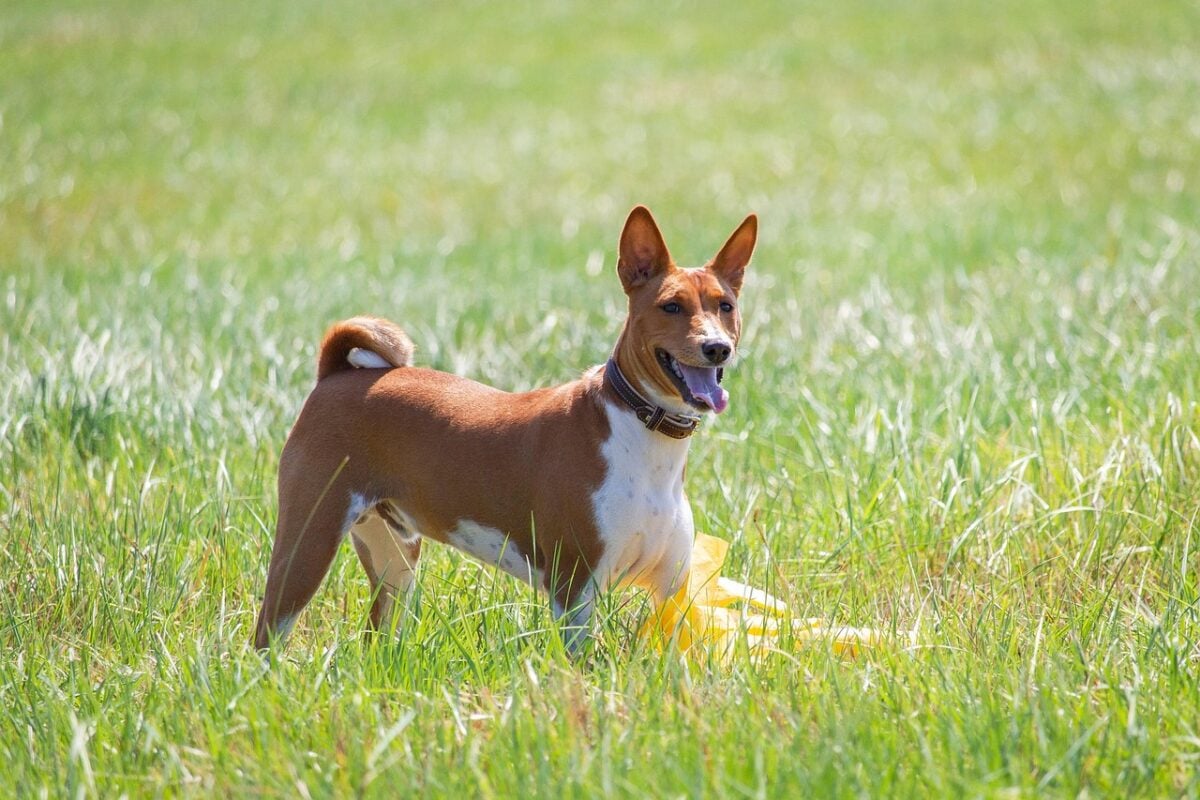
#8 – Basenji: Quiet Doesn’t Mean Chill
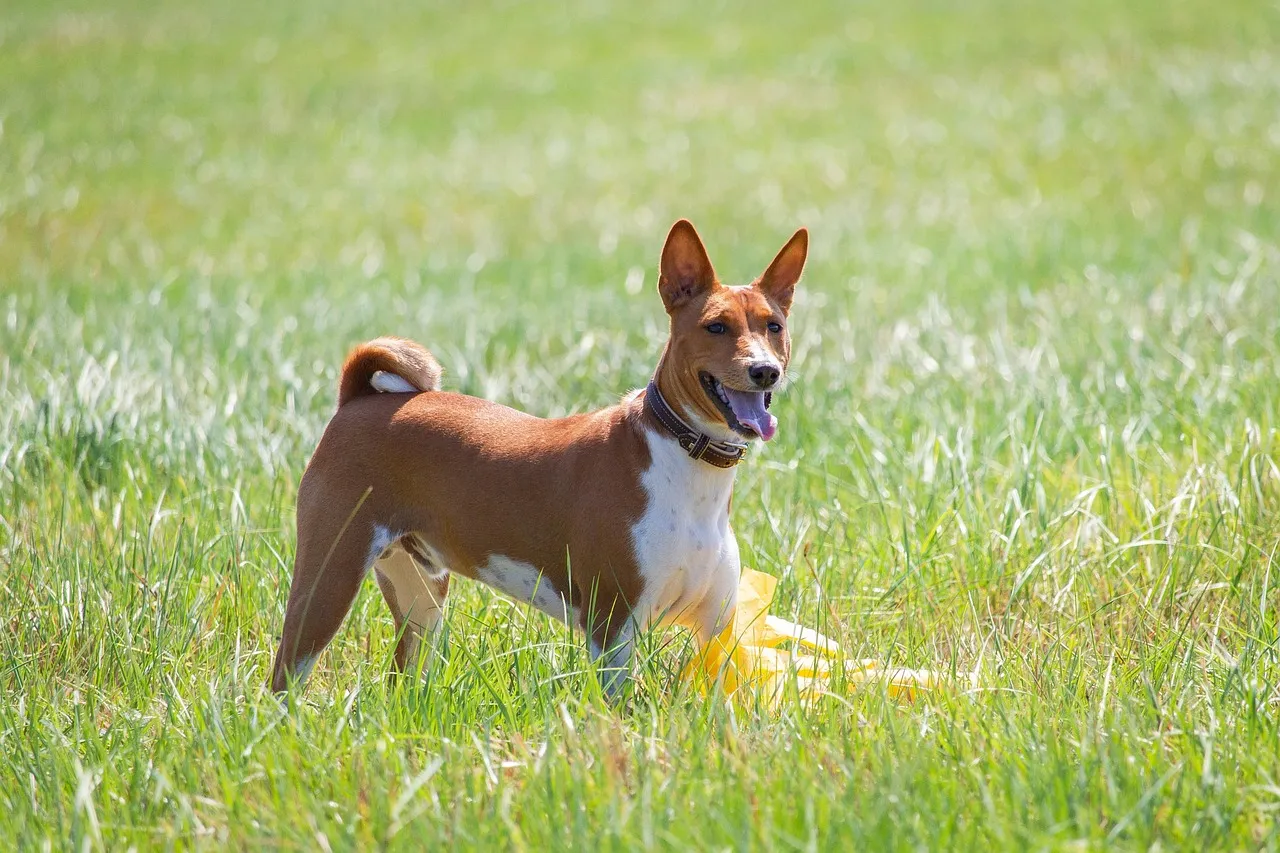
People see “barkless dog” and assume Basenjis are great for busy homes. The reality is more complicated – they’re independent, cat-like, and often intolerant of rough handling or chaotic environments. They may not bark much, but they’ll yodel, scream, or simply disappear to avoid contact.
Many dislike rain, cold, and excessive touching, which clashes directly with grabby kids and loud play.
- Escape attempts and wandering
- Destructive chewing when bored
- Aloofness or snappiness when cornered
They’re fascinating dogs in calmer, structured homes that respect their quirks. They’re not no-fuss family accessories – they’re specialized personalities that busy households routinely misread.
#7 – Whippet: Quiet, Sensitive, and Overwhelmed by Rough-and-Tumble Homes
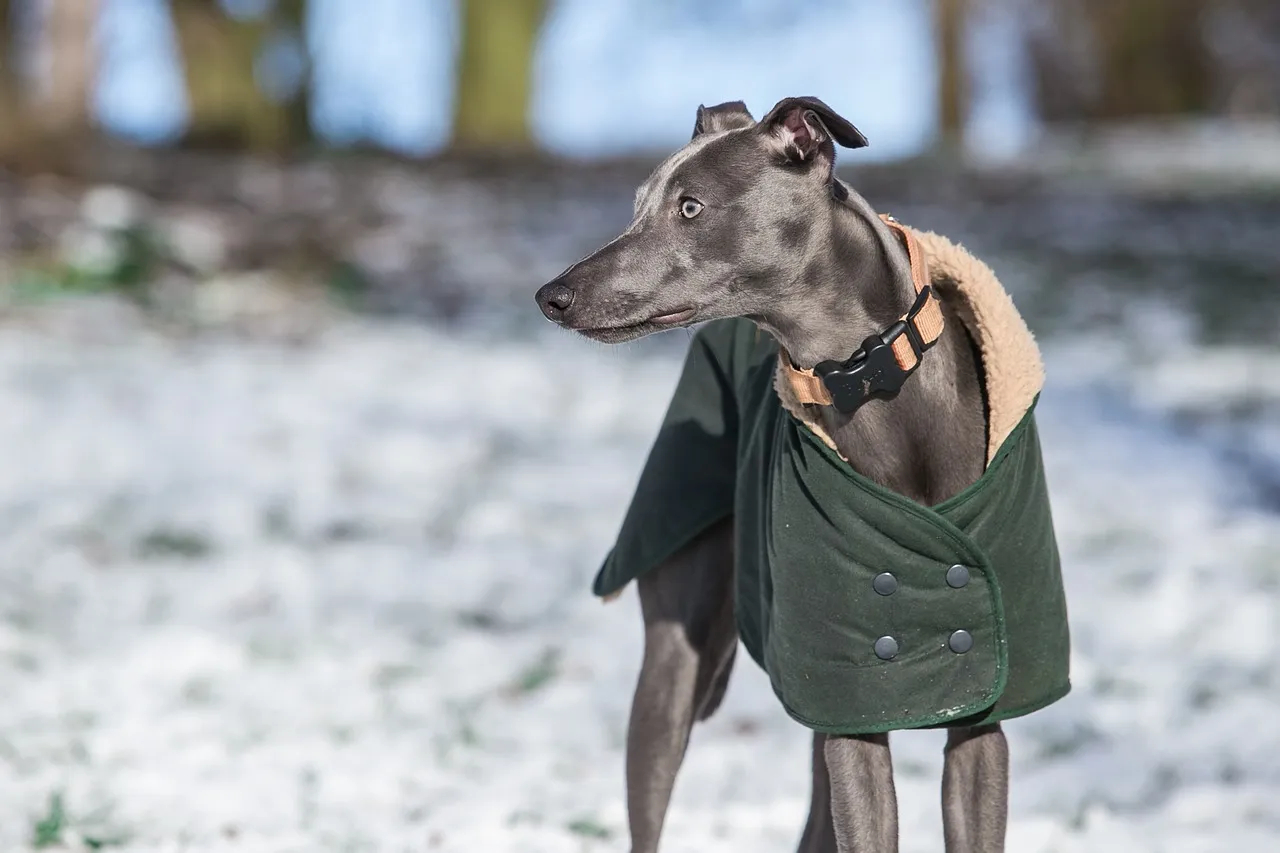
Whippets are gentle sprinters who love zooming and then sleeping for hours. But they’re also physically delicate, sound-sensitive, and often shy or reserved with strangers and boisterous children – a rough combination for a loud house.
In homes full of yelling, rough play, and slamming doors, many Whippets simply retreat and become chronic couch-hiders.
- Fearfulness and noise sensitivity
- Injury risk from rough play or accidental collisions
- Stress when constantly startled or crowded
They’re excellent dogs for calmer, older-kid homes that enjoy quiet evenings and occasional sprints. In perpetual chaos, they tend to simply survive rather than thrive.
#6 – Italian Greyhound: Fragile Body Plus Sensitive Nerves Equals Bad for Chaos
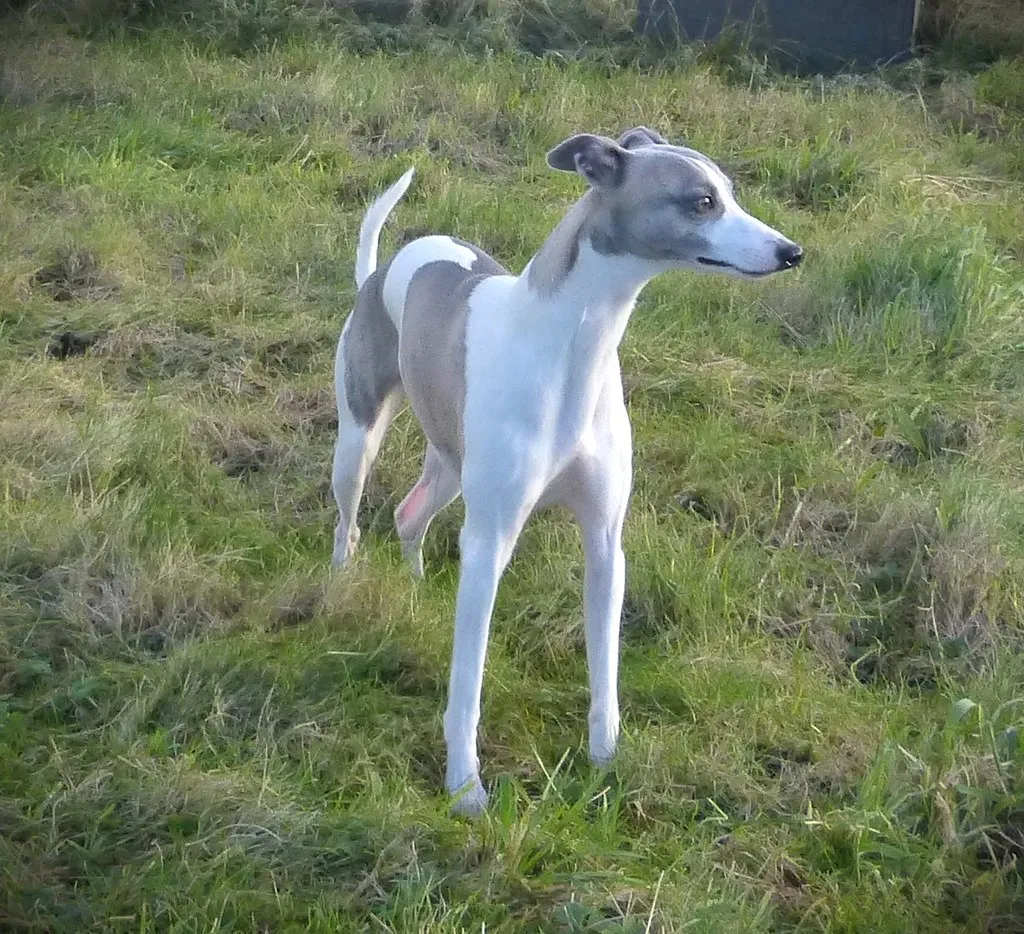
Italian Greyhounds magnify many Whippet traits – even more fragile, even more sensitive. They’re tiny, delicate, and prone to breaking legs from simple jumps or falls, let alone collisions with running children.
Loud, unpredictable environments make them anxious in ways that show up physically, not just emotionally.
- Physical injury risk is uncomfortably high
- Emotional stress from noise and chaos can be constant
- House-training often regresses under stress
They’re best suited to quieter, careful households that understand their fragility. Busy, rough, high-traffic homes are almost the exact opposite of what they need.
#5 – Chow Chow: Reserved Guardian Miscast as a Fluffy Teddy
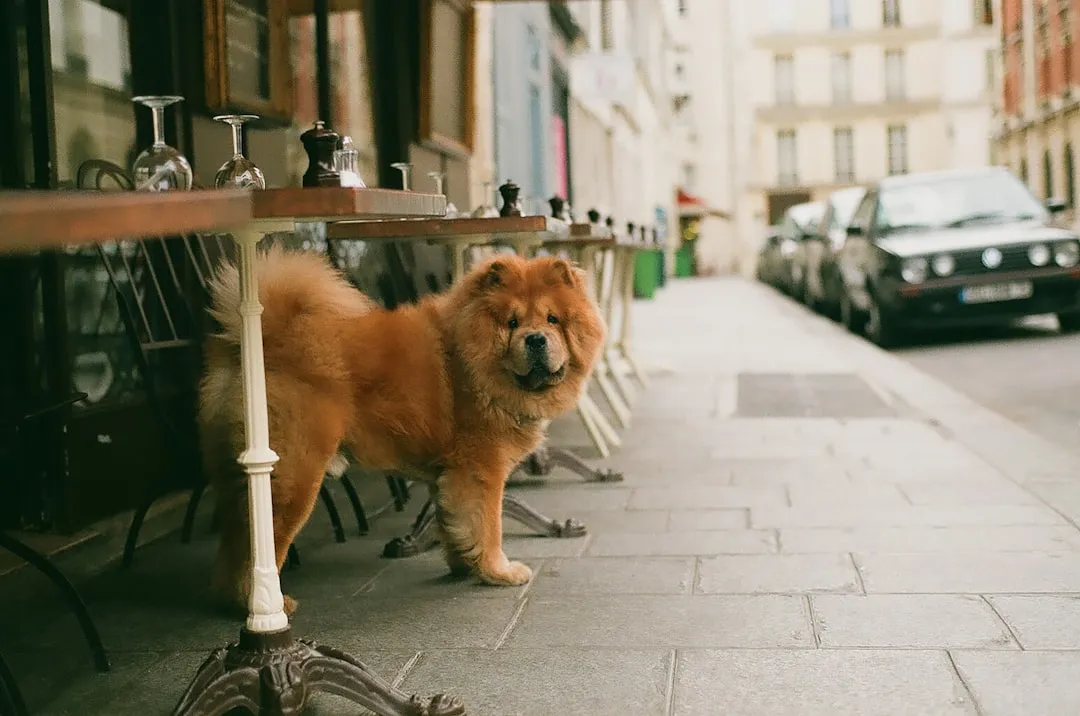
Chows look like giant stuffed animals, which is exactly how kids treat them – and exactly what they hate. Their temperament is typically cat-like, aloof, and territorial, not cuddly and endlessly tolerant.
In a noisy family with young children and frequent guests, many Chows become defensive, grumbly, or frankly dangerous when pushed past their limit.
- Low tolerance for being disturbed while resting
- Guarding of personal space and certain family members
- Suspicion toward visitors and kids outside the core family
They can coexist peacefully in calm, respectful homes with older children. As a “big fluffy family dog,” though, they’re one of the most mismatched breeds people keep choosing for the wrong reasons.
#4 – Japanese Spitz / American Eskimo Dog: Cute Cloud, Serious Noise and Nerve
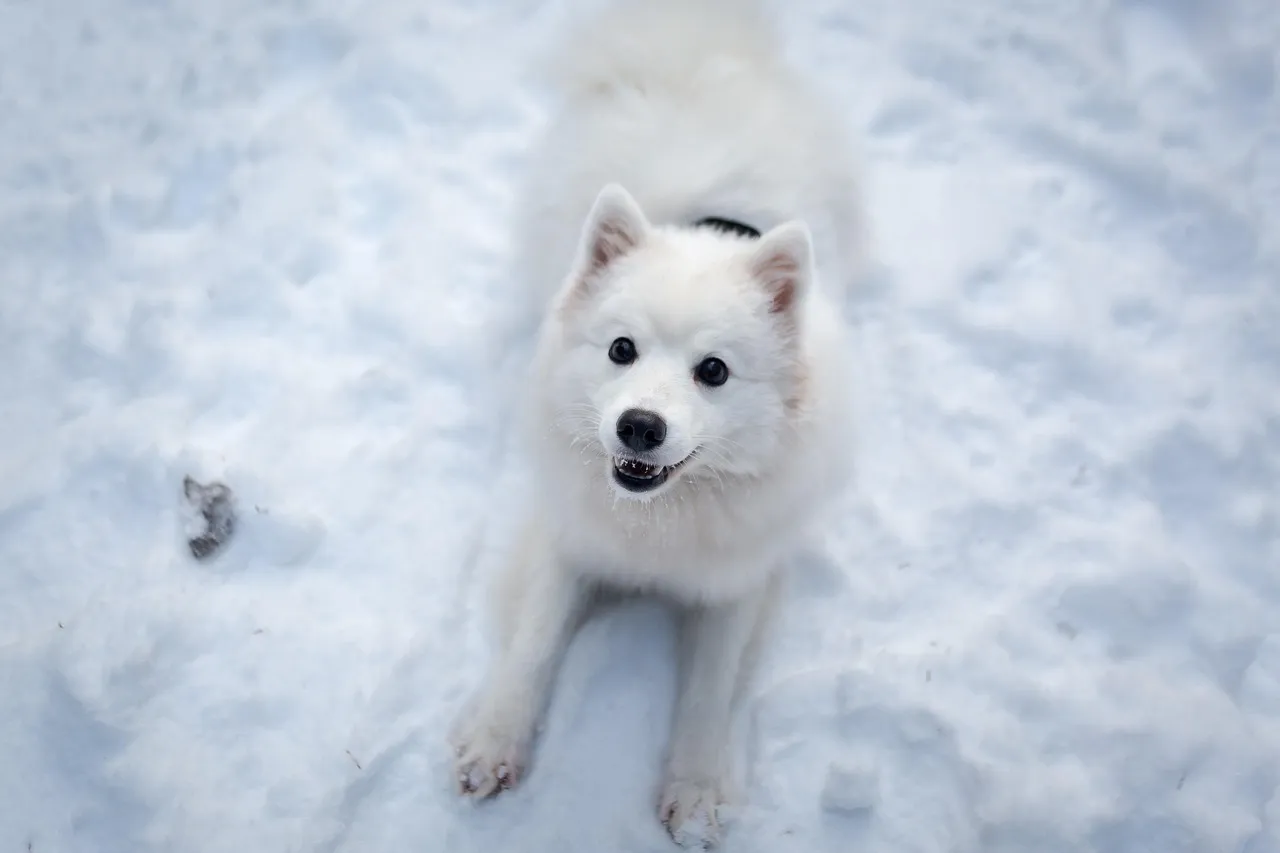
These white, fluffy spitz breeds are alert, vocal, and often quite sensitive to environmental changes. In a busy home, their default response to every sound and movement is usually barking – a lot of it.
Many are closely bonded to their people and get stressed by constant comings and goings, especially without stable routines or training.
- Barking can reach neighbor-war levels
- Nervousness around unpredictable kids may trigger nipping
- Grooming gets skipped, adding discomfort
They can be good family dogs when life is structured and kids are respectful. They don’t just “get used to” chaos – they wind up hyper-vigilant instead.
Quick Compare
- Japanese Spitz: typically 10-25 lbs, developed in Japan as a companion breed
- American Eskimo Dog: typically 10-35 lbs depending on size variety, an American breed with German spitz roots
- Both share the same alert, vocal temperament and thick white double coat
#3 – Chinese Crested: Social, Yes – But Not Built for Rough, Loud Homes
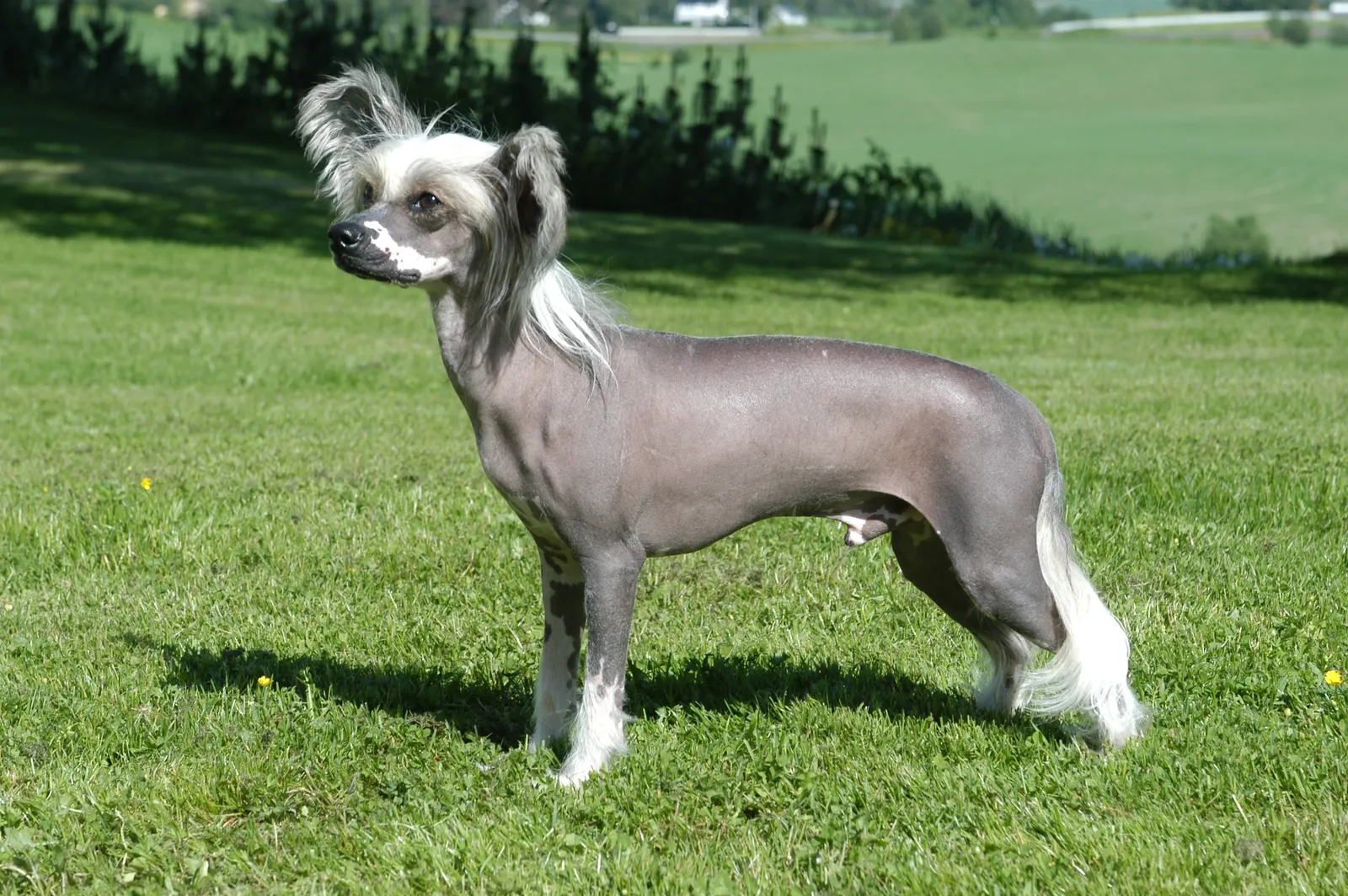
Cresteds are sensitive, people-focused toy dogs, often happiest glued to one or two humans. They can be playful and sweet, but their small size, fragility, and skin issues in hairless types make busy homes genuinely risky.
Rough handling, sudden grabbing, or being stepped on are constant threats when kids are racing around the house.
- They may become anxious shadows, dodging feet
- Startle responses can lead to defensive snapping
- Skin and dental care get neglected when families are stretched thin
They belong with gentle, attentive families who aren’t living at maximum volume 24/7. Their emotional neediness plus physical vulnerability make full-on kid chaos a fundamentally bad match.
#2 – Lhasa Apso / Shih Tzu-Type Companions: Palace Dogs, Not Playroom Toys
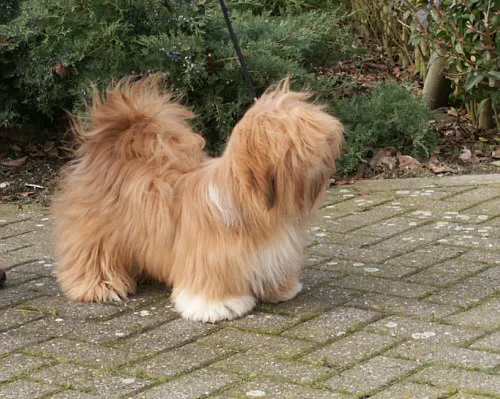
Historically, Lhasas were temple and palace watchdogs, and that legacy still shows. Even crossed or confused with Shih Tzus, many lines retain a watchful, sometimes sharp temperament that clashes with a house full of doorbell rings and visiting kids.
In busy homes with rough handling, they often turn into barky, defensive little guards instead of the cuddly lapdog people expect.
- Barking at every sound, nonstop
- Biting when disturbed on furniture or in laps
- Matted coats when grooming gets pushed aside
Shih Tzus alone can be more generally easygoing, but poorly bred lines often carry Lhasa-like sharpness. They’re better suited to respectful, moderately quiet households that understand “small” doesn’t mean “unbothered.”
#1 – High-Drive Working Line Anything: The Dogs Almost No Busy Family Is Ready For
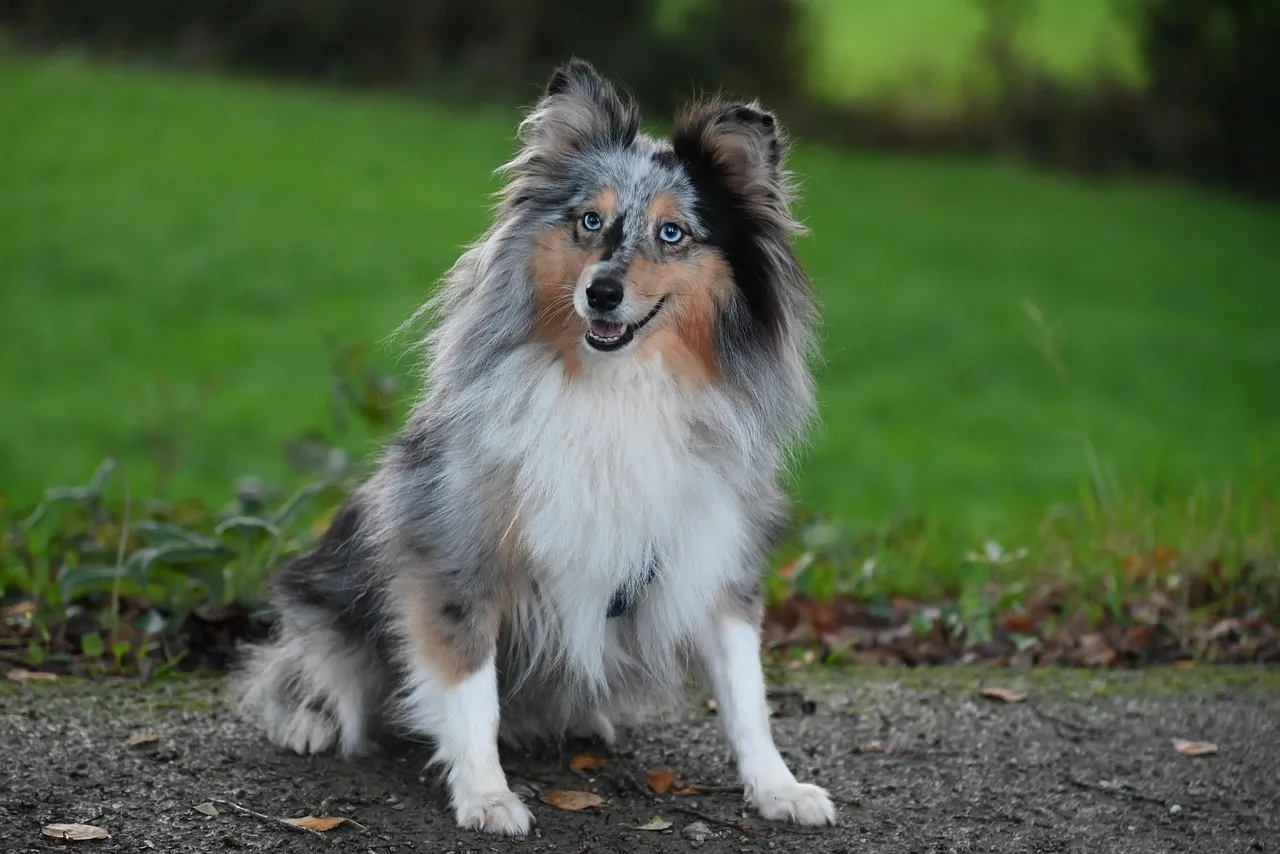
This isn’t a single breed – it’s a warning category. High-drive working-line German Shepherds, Malinois, Dutch Shepherds, working Border Collies, field-bred Labs, and similar dogs are bred to work for hours under stress. That makes them absolute nightmares in homes that are “busy” but not intentionally structured around the dog’s needs.
In typical hectic families, that mismatch turns ugly fast.
- Channel frustration into destruction, reactivity, or biting
- Hyper-focus on kids, guests, or movement as “jobs”
- Develop serious behavioral issues from chronic under-stimulation
These dogs can be extraordinary with expert handlers whose lives revolve around training, sport, or work. As a “we’re always on the go, so the dog won’t be bored” pet, though, they’re almost guaranteed to quietly suffer while everyone misreads chaos as exercise. For most families, this is the single worst temperament match on the list.
The Bottom Line
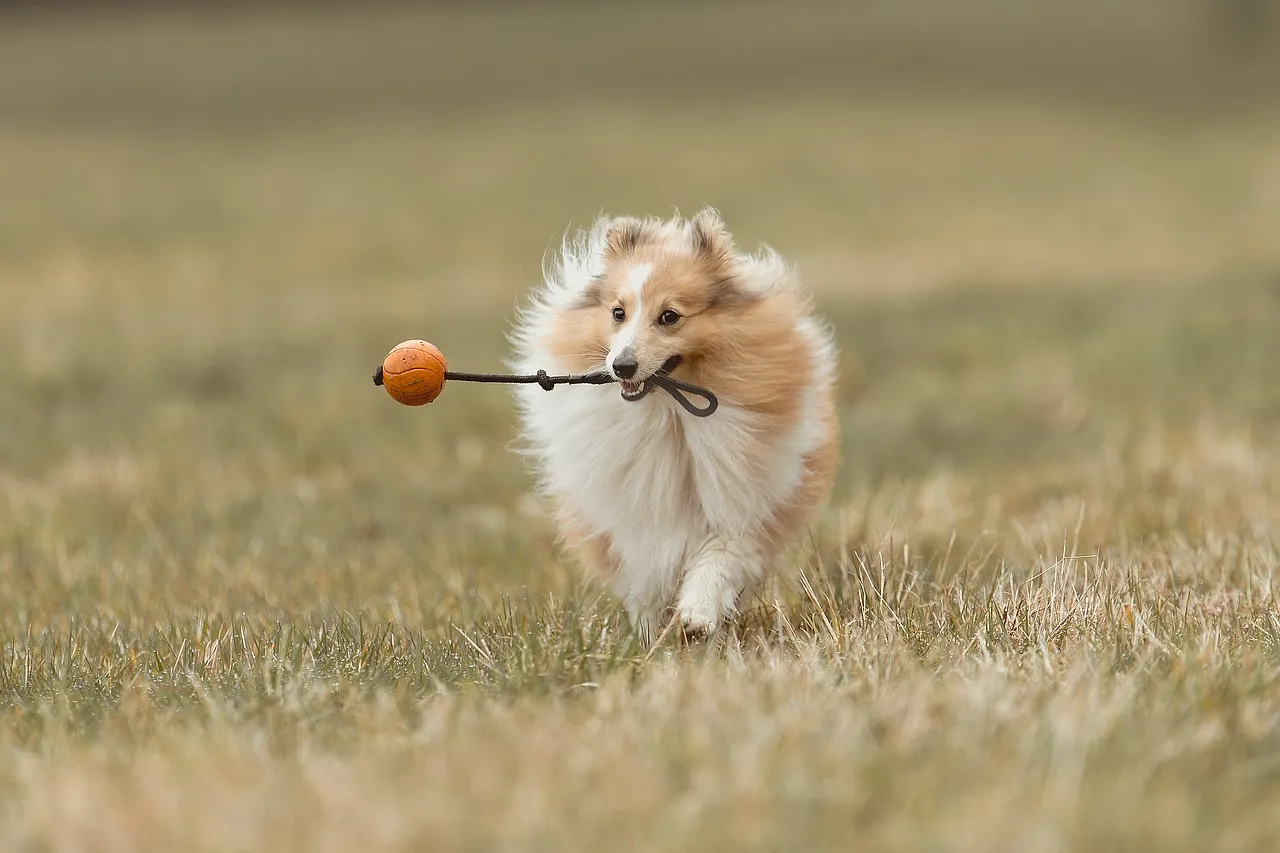
The uncomfortable truth is this: “busy” doesn’t automatically mean “good for dogs.” Some breeds – Labs, Goldens, sturdy mutts, Boxers, Cavaliers, Berners – actually thrive on kid noise, visitors, and constant movement, as long as exercise and basic training are in place.
Others – Border Collies, Malinois, Chihuahuas, Shibas, fragile sighthounds, sharp-edged guardians – are quietly overwhelmed, then blamed when their stress finally explodes into a bite or “bad behavior” nobody saw coming.
Dogs are not our whole life, but they make our lives whole.
Roger Caras
The real mistake isn’t picking a “good” or “bad” breed. It’s picking a dog whose genetics were never built for your lifestyle, then acting surprised when biology wins.
If that stings a little, good – it might be exactly what saves a dog from a miserable mismatch. So tell us: which breed on this list do you think is the most overhyped family dog, and which one is the underrated star nobody talks about?

- 18 Dog Breeds That Thrive in a Busy Family Home and 18 That Quietly Struggle - August 12, 2026
- Is Your Senior Cat Choosing One Room Over Everywhere Else? 16 Signs Worth Watching - August 12, 2026
- 17 Things Lifelong Cat Owners Say They Wish Somebody Had Explained Far Earlier Than This - August 12, 2026