
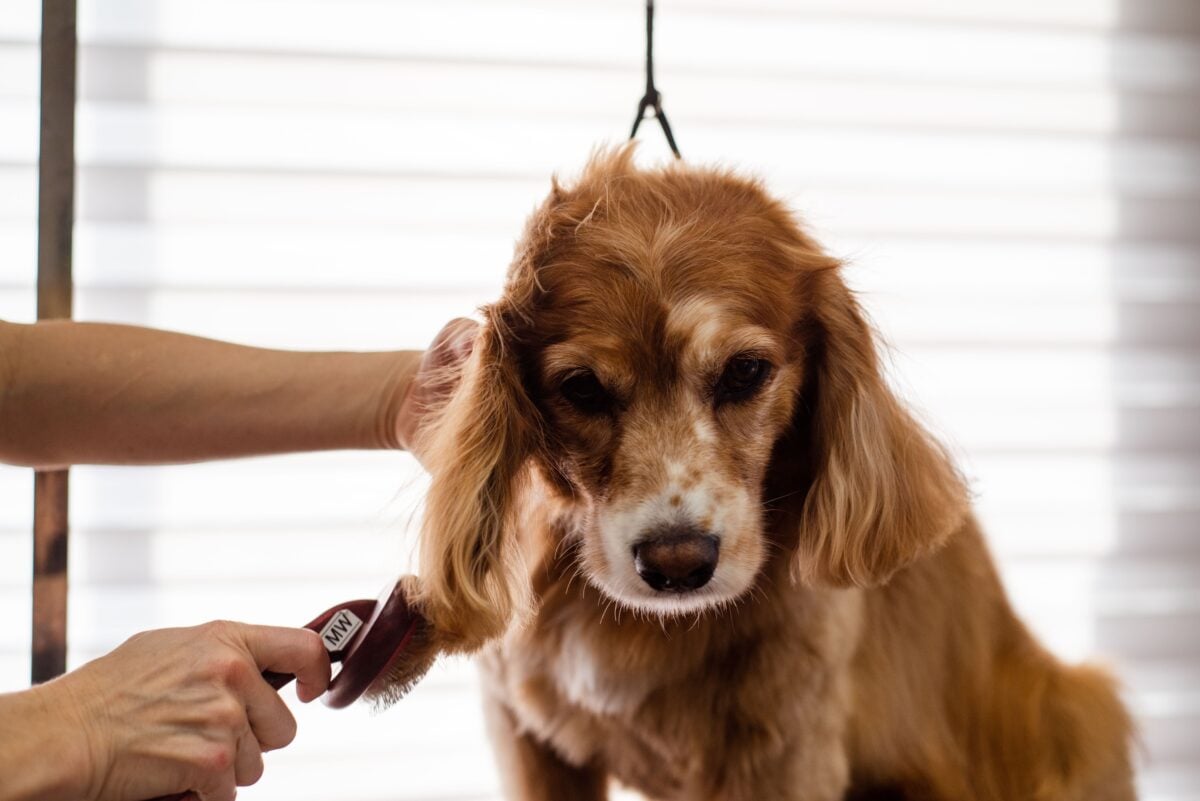
Most dog owners are certain they’d be the first to notice if their dog started slipping. They see their pet every single day, after all. They’re almost always wrong.
Groomers spend more hands-on time with your dog’s body than anyone else outside a vet’s exam table, and their trained fingers catch subtle shifts in skin, joints, and behavior months – sometimes years – before an owner ever connects the dots. Lumps, sensitivity, new anxiety, or a quiet drop in stamina all surface during a grooming session long before they become obvious at home. Here’s what groomers actually notice first, and why it usually beats an owner to the punch.
#1 – The First Grey Hairs Around the Muzzle
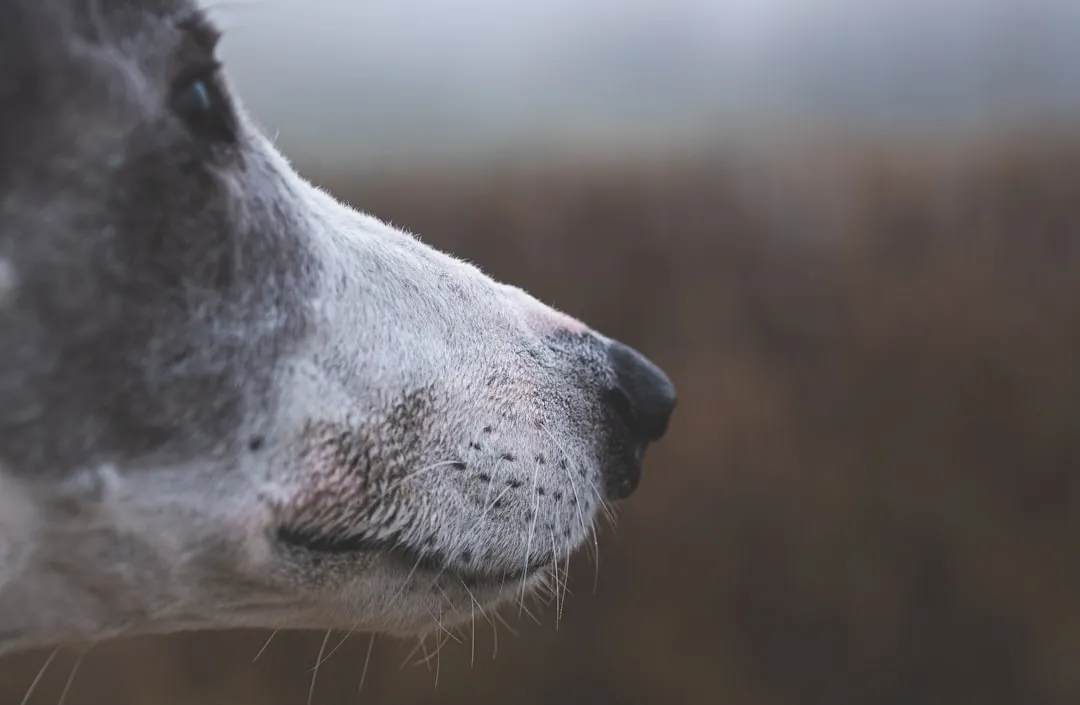
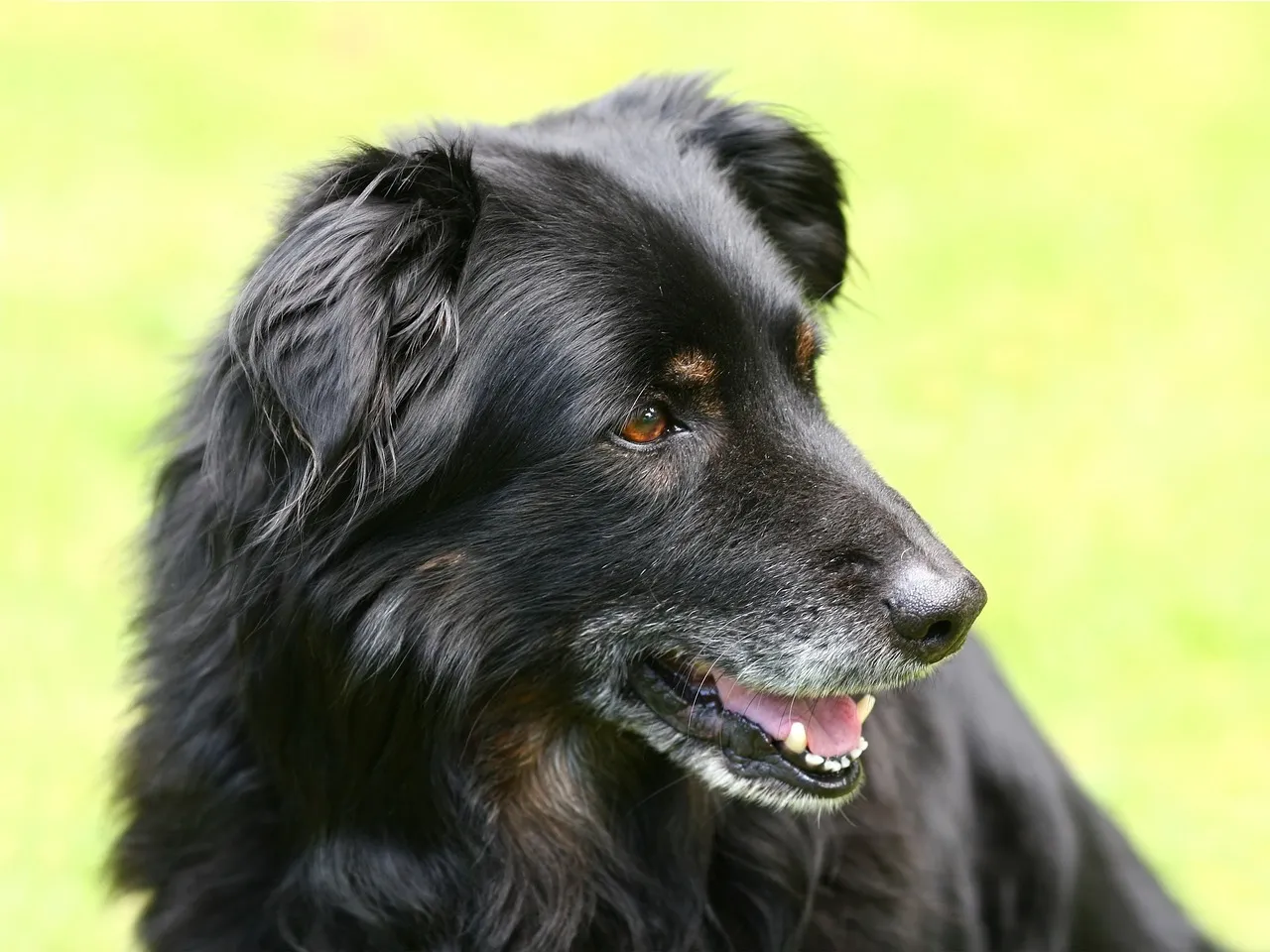
Groomers see the salt-and-pepper shift before it ever registers as “old” to an owner staring at their dog every day. That graying around the muzzle is often one of the very first visible signs of aging in dogs. Because owners see their dog constantly, the change blends into the background – but a groomer who sees the same dog every six to eight weeks notices the contrast immediately.
Turns out, this graying isn’t cosmetic trivia. Much like humans, dogs develop gray or white fur as they age, typically starting around the face and muzzle before spreading elsewhere. Groomers often treat this as the visual cue that quietly starts them asking about energy levels and appetite, even before anyone mentions the word “senior.”
At a Glance
- Large and giant breeds are often considered “senior” as early as 6 to 7 years old
- Small and toy breeds may not hit senior status until 8 to 10 years old
- Muzzle graying is frequently the very first visible aging marker, regardless of size
- Groomers who see a dog every six to eight weeks often spot this shift before owners ever do
#2 – A Coat That Suddenly Feels “Wrong”
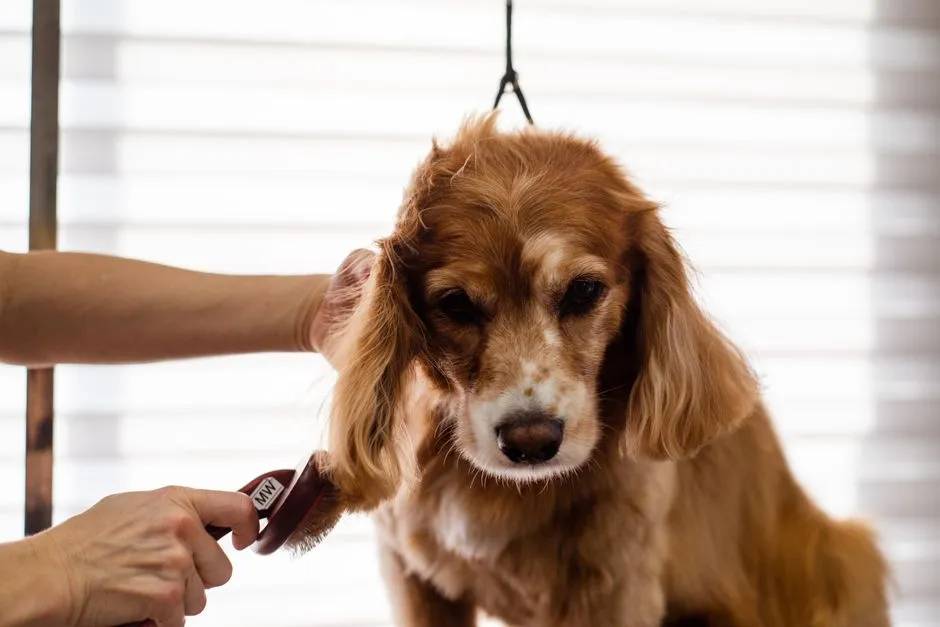
Experienced groomers can tell a dog is aging just by running a brush through its coat, before they even look at the face. Aging changes a dog’s coat and skin in real, touchable ways. Some dogs develop wiry, rough patches where they once had soft fur, while others thin out and develop bare spots that don’t grow back the way they used to.
This is one of the most quietly diagnostic moments in an entire appointment. Along with graying, a coat can turn thinner or patchier as aging affects the hair follicles, sometimes leaving it less lustrous or even leaving small bald spots. Most owners assume it’s seasonal shedding. Groomers usually know better, and they’re often the first to say the word “senior” out loud.
#3 – Flaky, Dry Skin That Wasn’t There Before
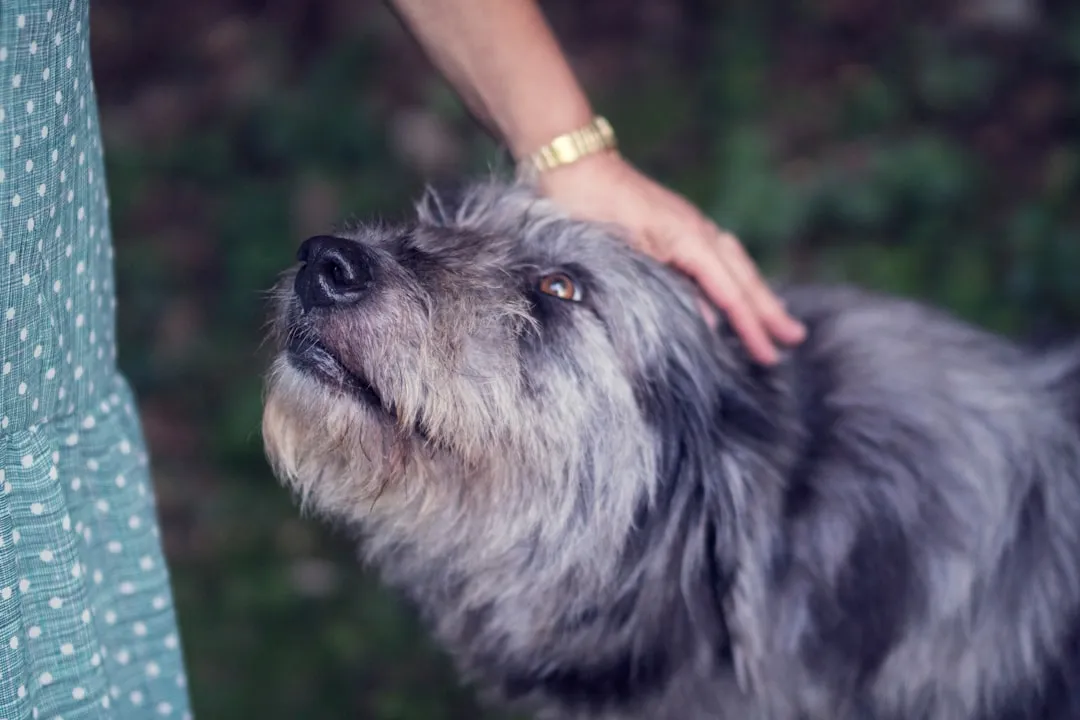
Here’s a mistake most owners make: assuming new dandruff means a bad shampoo or dry winter air. In reality, it’s often biology. Sebaceous glands produce less oil as dogs age, leading to drier, flakier skin – and more itching without any obvious cause.
Most people don’t realize this is one of the clearest internal clocks a groomer reads with their hands. A young dog’s skin practically maintains itself; an older dog’s skin needs help. Here’s the counterintuitive part: many owners assume older dogs need less grooming because they’re less active, but it’s actually the opposite – less activity means less natural coat maintenance. Groomers who notice this shift often quietly bump up the recommended appointment schedule long before the owner asks why.
#4 – New Lumps and Bumps Under the Coat
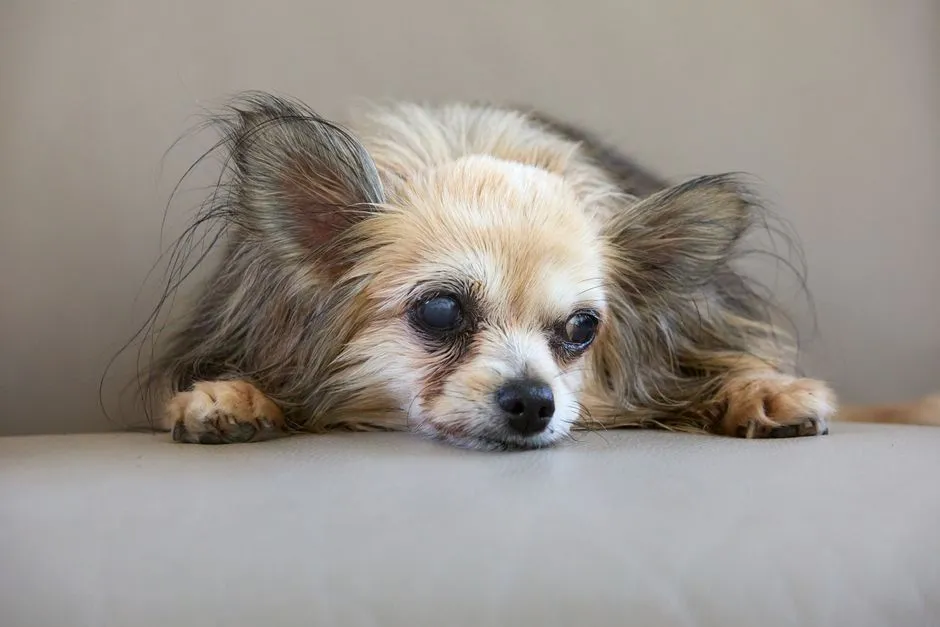
This is the discovery that makes even confident owners go pale at pickup. Senior dogs commonly develop lipomas – benign fatty lumps – along with other skin tags or growths. They aren’t always serious, but they need to be on a groomer’s radar so they aren’t nicked with clippers or irritated during brushing.
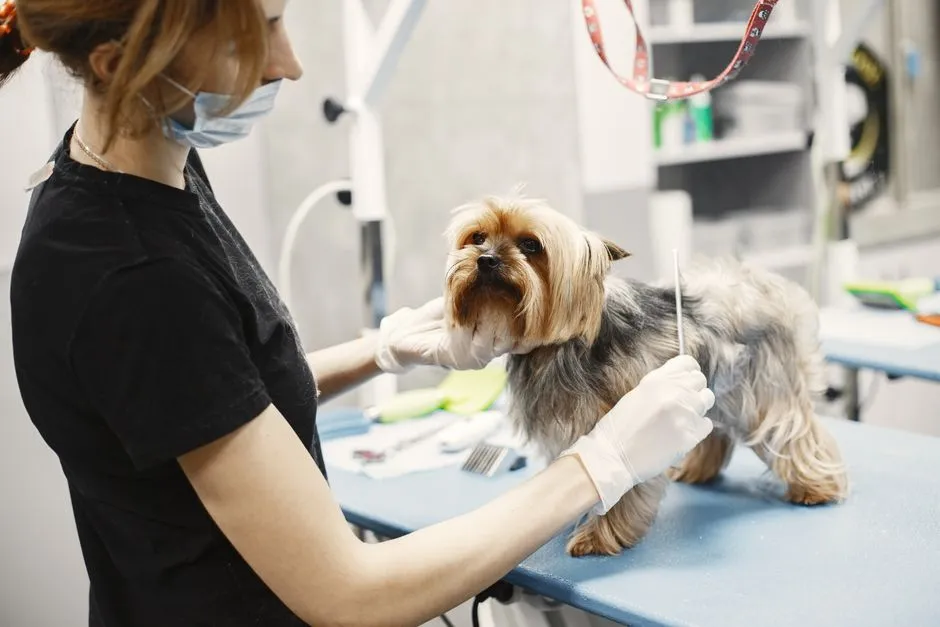
Quietly, this is one of the biggest reasons groomers double as informal health scouts. They may be the first to notice weight loss, skin disease, pain, or lumps that owners haven’t seen. A groomer’s hands cover every inch of a dog’s body during a bath and trim – territory even the most attentive owner rarely touches with that kind of thoroughness.
#5 – Nails That Grow Thicker and More Brittle
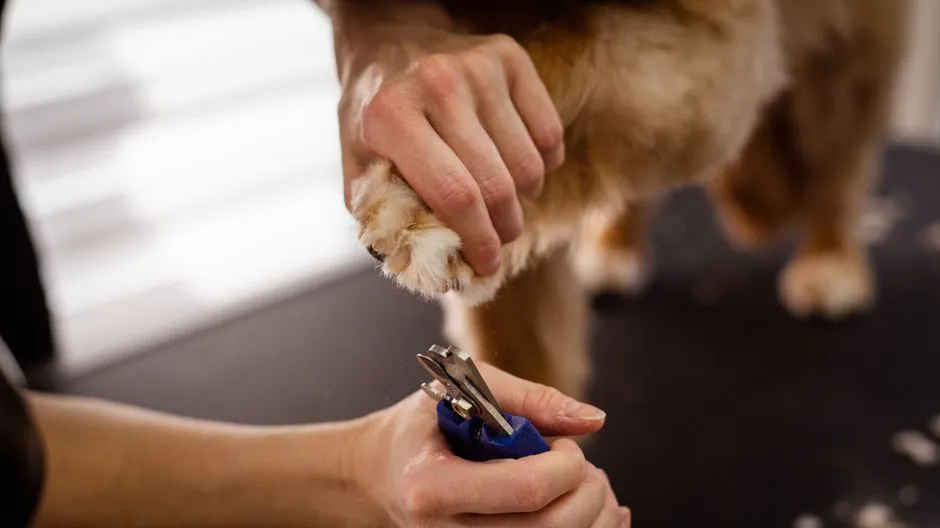
Ask any groomer and they’ll tell you: senior dog nails behave differently. They tend to grow more slowly but turn noticeably harder and more brittle, which makes trims trickier and occasionally uncomfortable for the dog if not handled with extra care.
This shift often lines up with a dog standing less on hard surfaces, which naturally files nails down less over time. Many groomers say it’s one of the most reliable non-verbal signs of reduced activity at home – nails simply don’t wear the way they used to on a dog who once ran circles around the yard.
#6 – Struggling to Stand for the Full Appointment
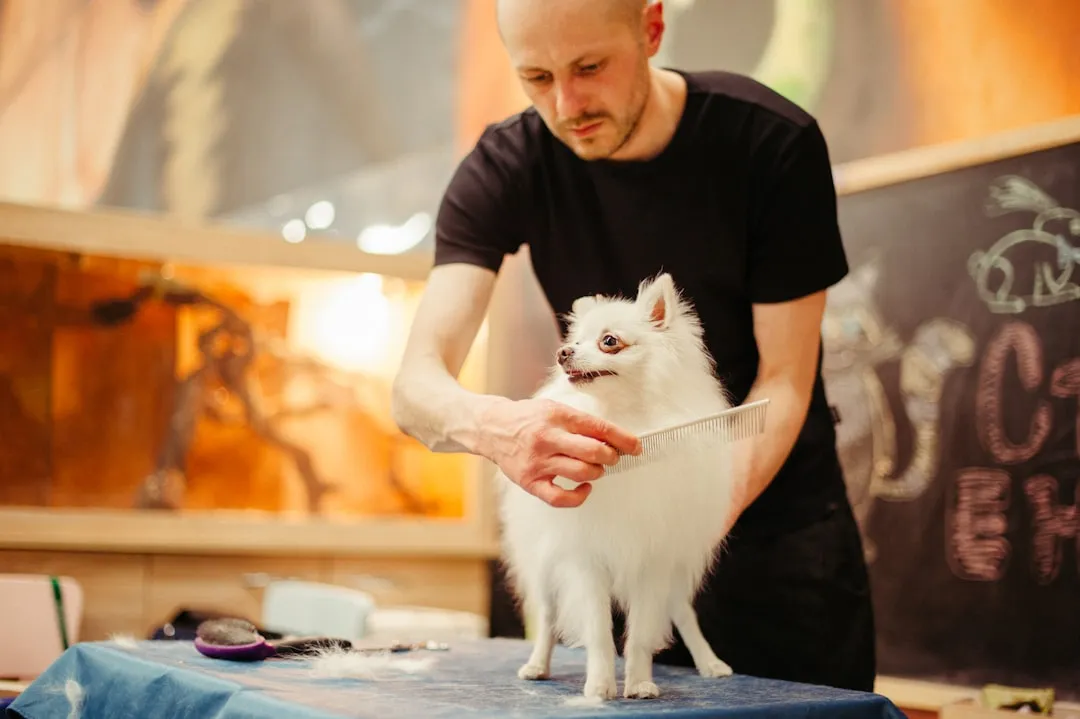
A groomer’s table is basically a stamina test in disguise. Grooming sessions naturally reveal a dog’s endurance, and groomers track changes in energy throughout the appointment, recovery time after standing, fatigue during routine procedures, and shifts in attention span or alertness.
Mobile and salon groomers alike agree this is one of the earliest tells, precisely because it happens in a controlled, repeated setting. For many senior dogs, these subtle endurance changes can be the first hint of conditions like heart disease or a metabolic disorder. An owner watching their dog lounge on the couch at home may never see what a groomer sees in five straight minutes of standing still.
#7 – Stiffness After Being Held in One Position
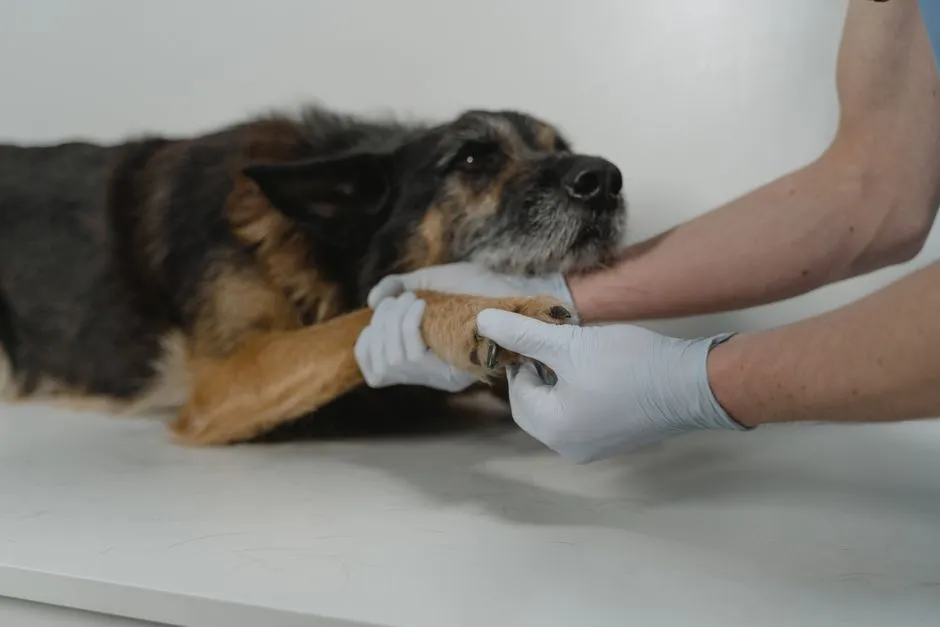
If a dog freezes up or shifts awkwardly after being posed for a trim, that’s rarely just “being difficult.” An older dog may struggle with stairs, jumping into the car, or getting up after a nap, and owners often notice a new weakness in the back legs – mobility issues that can point to canine arthritis or another degenerative condition.
Groomers see this in real time because grooming literally requires holding a dog still in unnatural positions. That makes a grooming table one of the best early-detection environments for joint pain outside a veterinary clinic. Stiff movements, especially when standing up, lying down, or climbing stairs, along with a changed gait, are exactly what a trained groomer is watching for.
Worth Knowing
- Osteoarthritis is estimated to affect up to 80% of dogs over the age of 8
- It’s one of the most commonly diagnosed joint conditions in veterinary medicine
- Many dogs show subtle stiffness long before an obvious limp ever appears
- A grooming table can reveal this stiffness early, since holding still is required throughout
#8 – A Sudden Reluctance to Lift a Paw or Leg
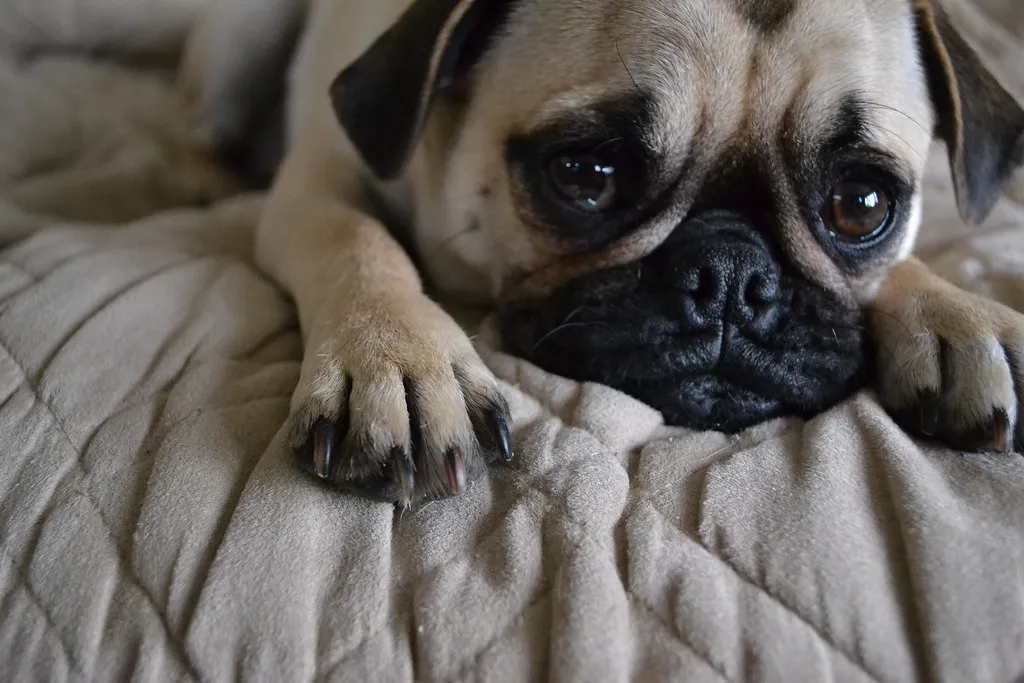
This one throws owners for a loop because it looks like stubbornness, not pain. A dog that has always been easy about grooming can suddenly start snapping or pulling away when it’s in pain. Groomers who’ve worked with the same dog for years notice this personality shift almost instantly, because it breaks a long-established pattern of easy cooperation.
This is often the single loudest warning sign a groomer relays back to an owner, simply because it’s so out of character. A dog that never minded nail trims suddenly yanking a paw away, or refusing to lift a leg for a belly trim, is frequently one of the earliest behavioral fingerprints of joint pain – long before a limp ever shows up on a walk.
#9 – Flinching or Snapping When Touched in Specific Spots
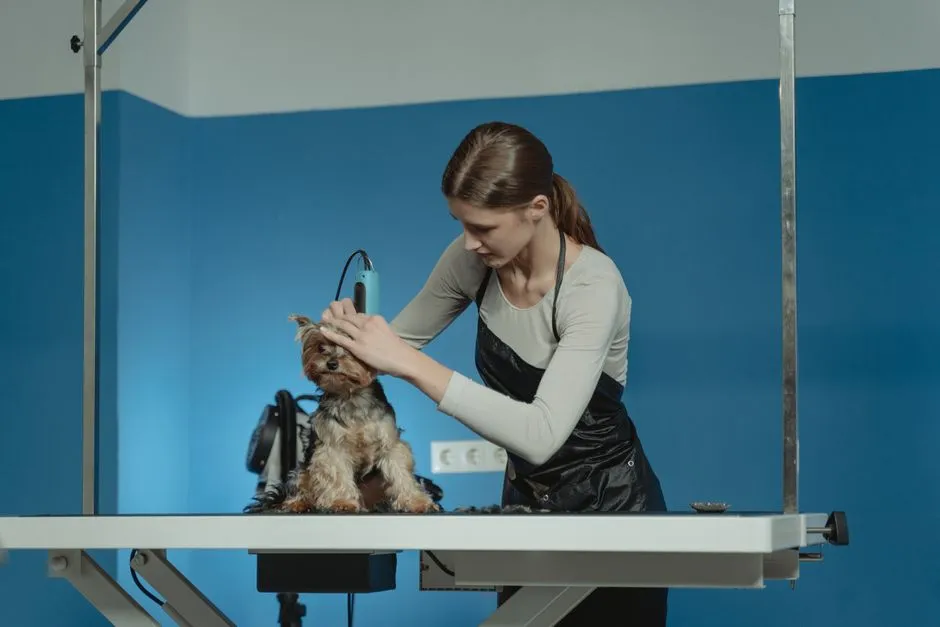
Most owners assume aggression during grooming is a training issue. It’s frequently physical instead. Some dogs develop swelling or warmth around certain joints, grow less tolerant of touch in those areas, or start over-grooming a specific spot as they search for relief.
Groomers are trained to map exactly where a dog reacts, and a consistent flinch at the hips, elbows, or lower spine is treated as a red flag, not a behavior problem. It’s a genuinely divisive opinion between trainers and groomers: many groomers argue that “aggressive” senior dogs are overwhelmingly misdiagnosed as difficult, when they’re actually in pain.
#10 – Eyes That Look Slightly Cloudy Up Close
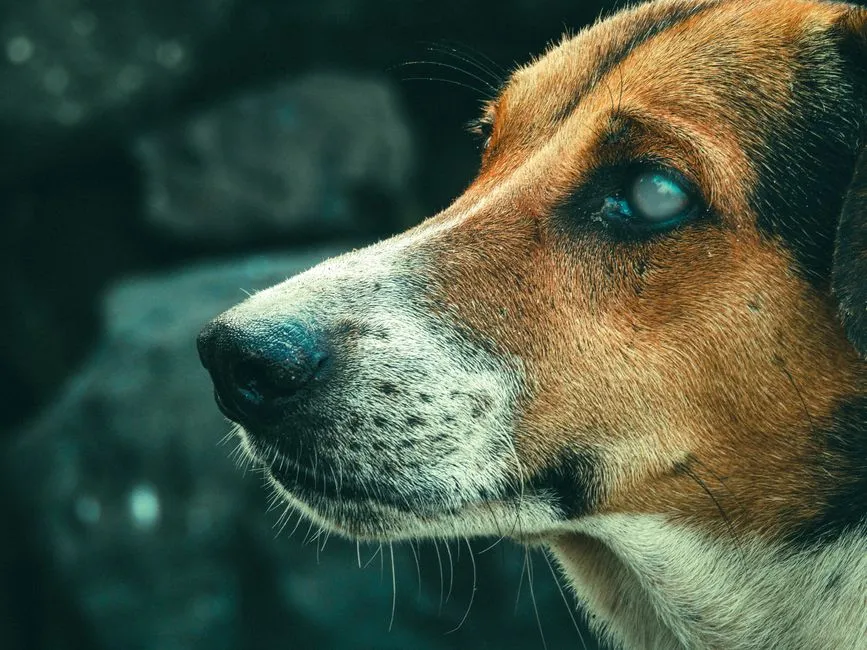
Owners rarely catch this one because they don’t stare directly into their dog’s eyes for extended stretches – groomers do, constantly, during face trims. Eye cloudiness can develop so gradually that it slips past daily notice entirely.
Most people don’t realize how easy this is to miss from a normal viewing distance. It’s a fairly common occurrence in senior dogs and often doesn’t affect vision, but it can also signal canine cataracts or another eye condition, most of which are easily treatable if caught early. A groomer who flags this is essentially handing an owner a free warning that saves them from a much harder conversation later.
#11 – Breath That Changes Almost Overnight
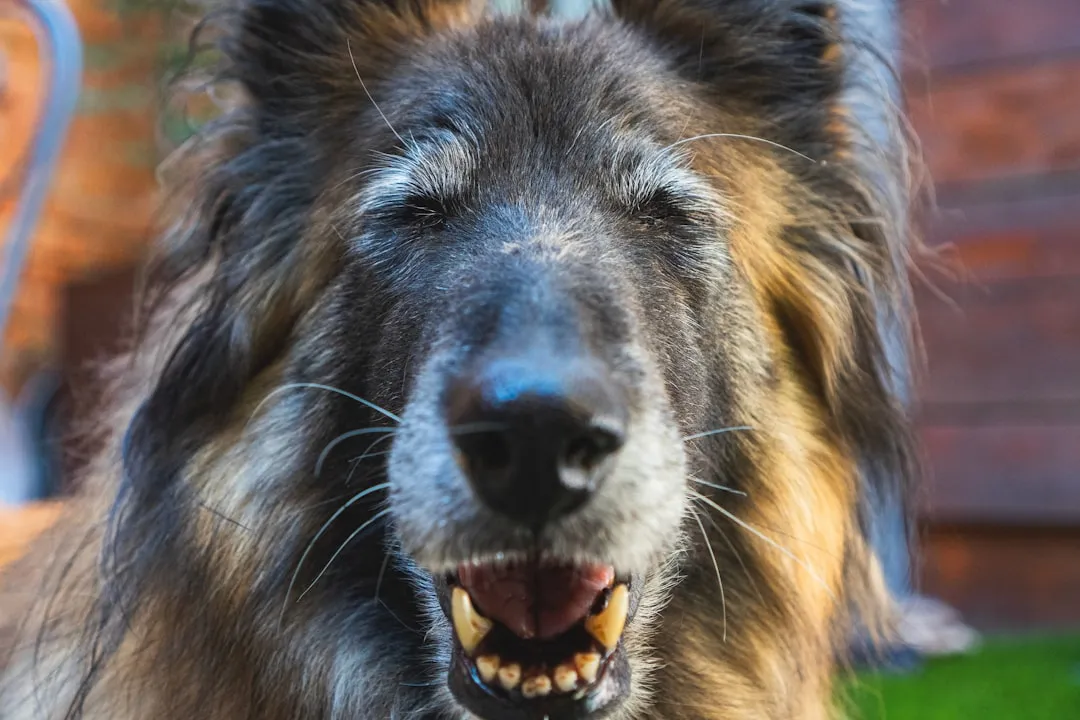
A groomer doing a face and ear trim gets closer to a dog’s mouth than almost anyone else. Bad breath can happen at any age, but if it turns suddenly and noticeably worse, it can point to gum disease, tooth decay, or an oral infection.
This isn’t just an unpleasant smell – it’s often a symptom of a weakening system. A dog’s immune system loses strength with age, making it harder to fight off infections the way it once did. Groomers who mention this to owners are frequently the reason a dental issue gets caught before it turns into a much bigger, far more expensive veterinary problem.
#12 – Unexplained Weight Loss or Gain
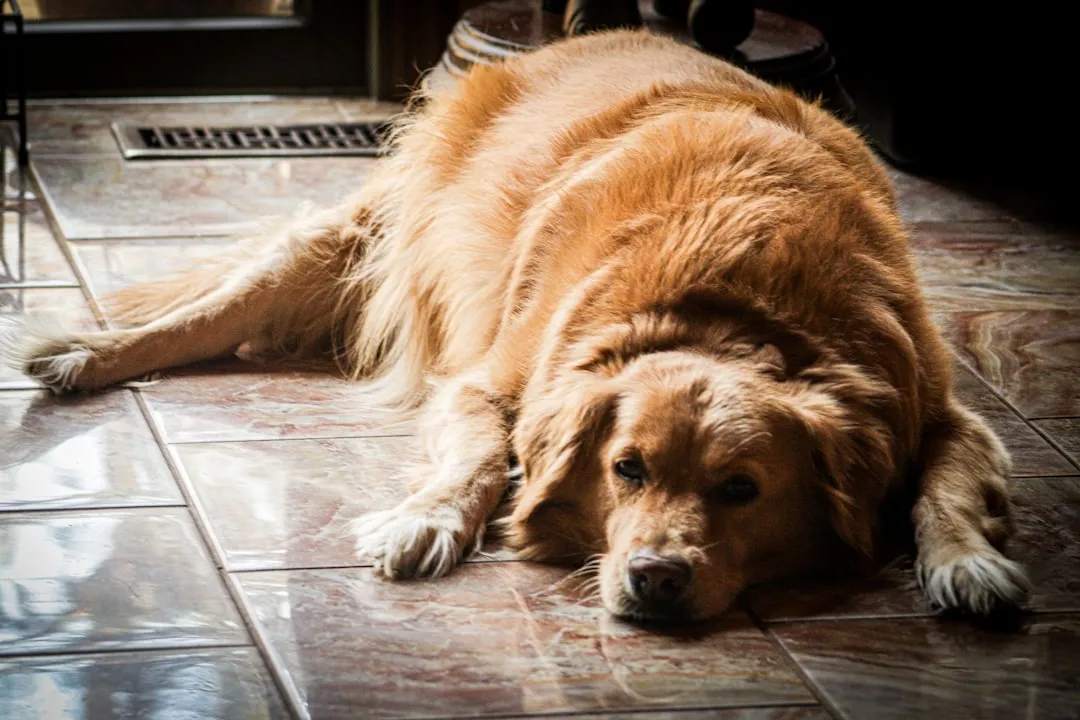
Groomers handle a dog’s entire body during a bath, which puts them in a unique position to notice subtle weight shifts that never show up on a bathroom scale at home. They’re often the first to spot weight loss, skin changes, pain, or lumps an owner simply hasn’t seen.
Weight gain tells its own story too. Lack of exercise in dogs with arthritis can lead to weight gain and muscle loss, which then feeds back into reduced mobility. Many groomers say this is one of the more awkward conversations they have with clients, since it means gently pointing out something the owner has been standing next to every single day without noticing.
#13 – Muscle Loss Along the Hindquarters
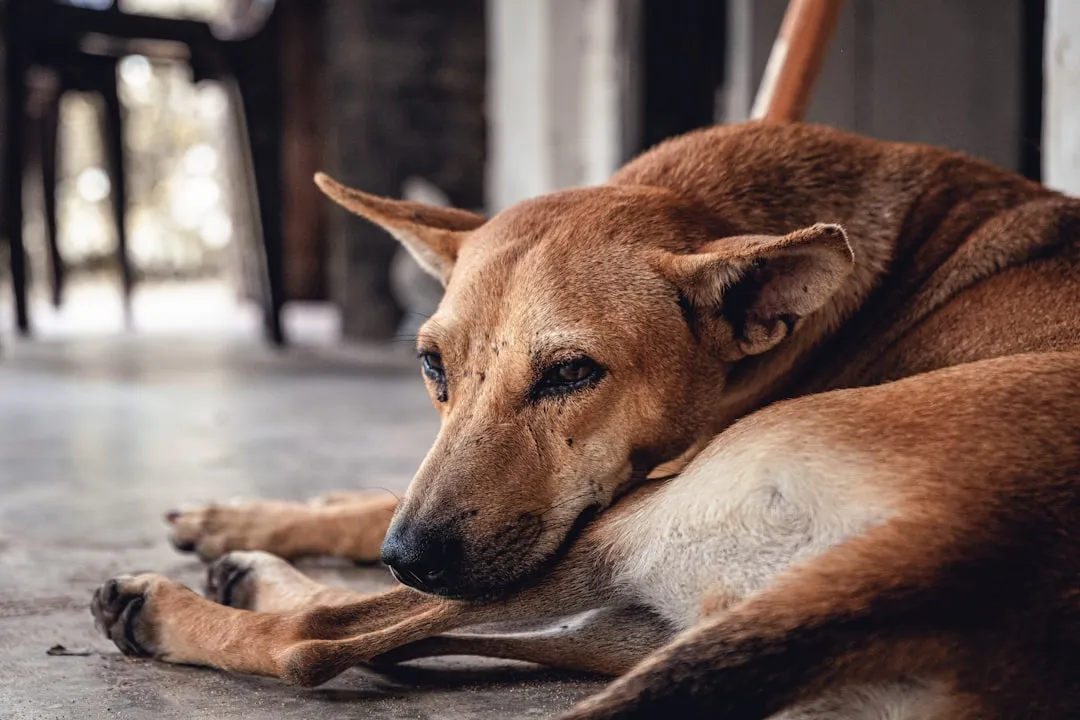
This is one of the more physically obvious signs, but only if someone is actively feeling for it – which groomers are, every single bath. A visibly thinning topline or noticeably softer hind legs is a common early tell, along with a new weakness in the back legs.
This muscle wasting is closely tied to the same arthritis pattern groomers watch for elsewhere on the body. Less exercise leads to less muscle tone, which leads to less mobility, which leads to even less exercise. A groomer running hands down a dog’s back legs during a bath will feel this loss well before it’s ever visible through a coat at home.
#14 – New Anxiety or a Startle Reflex That Wasn’t There Before
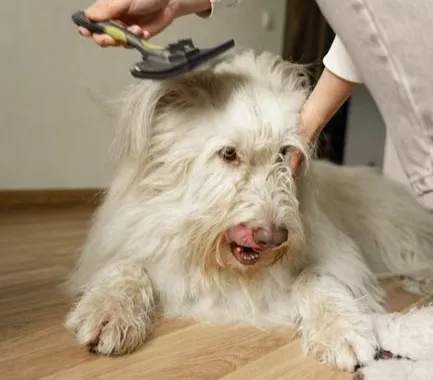
A dog that used to relax through grooming and suddenly jumps at sounds or touch is telling groomers something important. It often starts small: hesitation in familiar spaces, a sharper startle response, restlessness, or a shorter fuse during handling.
Groomers who specialize in senior dogs often point to sensory decline as the hidden cause. A dog losing its hearing or sight can still recognize a familiar groomer by smell – the shampoos, the routine, the sounds it can still make out. This is a genuinely divisive opinion in the grooming world: some groomers believe every “randomly anxious” senior dog deserves a hearing and vision check before anyone slaps a behavior label on it.
#15 – Confusion During a Routine They’ve Done a Hundred Times
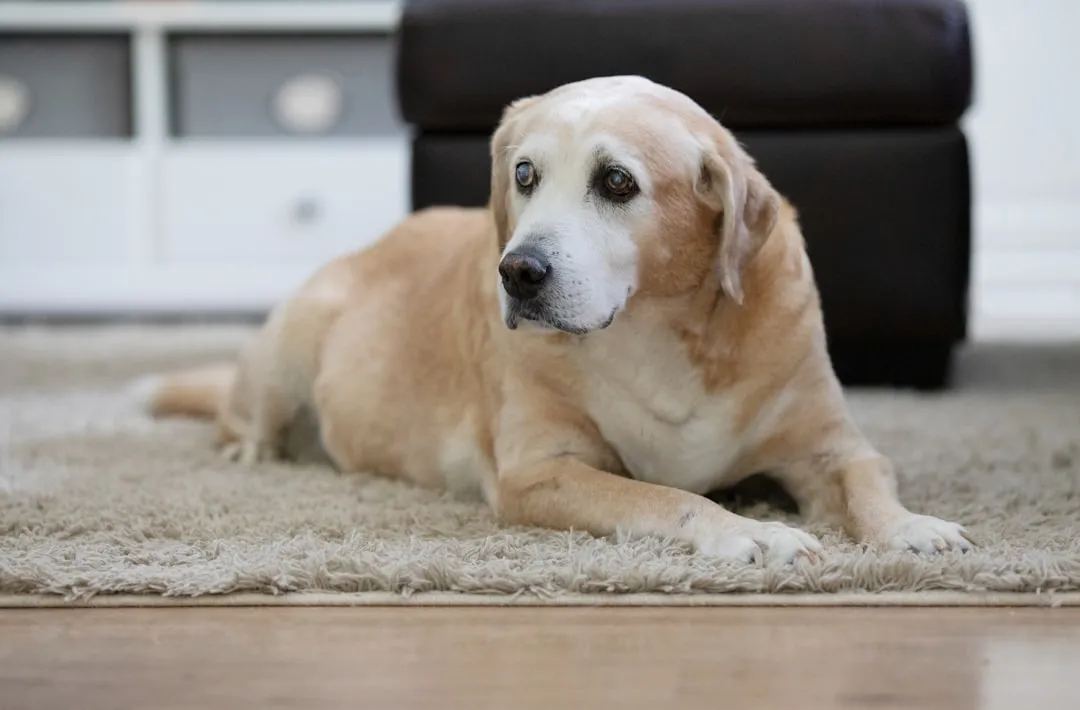
This is the one that unsettles even seasoned groomers. A dog that has walked the same path to the tub for years suddenly hesitates, wanders, or seems lost mid-routine. Groomers often notice increased confusion during familiar procedures, changes in how a dog recognizes them or the environment, and unusual anxiety or vocal behavior.
This pattern lines up with a recognized medical condition, not just “getting old and forgetful” as a vague catch-all. Senior dogs can develop canine cognitive dysfunction, a condition similar in many ways to Alzheimer’s. Groomers who catch this early are often the first to gently suggest a cognitive screening, well before an owner has strung scattered moments of confusion into a pattern.
Fast Facts
- Roughly 28% of dogs aged 11 to 12 show at least one sign of cognitive decline
- That number climbs to about 68% in dogs aged 15 to 16
- Canine cognitive dysfunction shares biological similarities with Alzheimer’s disease
- Despite how common it is, only a small fraction of cases ever get formally diagnosed
#16 – Changes in Skin Pigmentation
This sign is easy to miss under fur, but nearly impossible to miss with hands directly on the skin during a bath. Groomers notice new patterns of hair loss or thinning, scaling that may point to hormonal imbalances, and skin pigmentation changes that can signal something happening underneath.
Most people don’t realize pigmentation shifts can be tied to hormonal changes that come with aging, not just sun exposure or breed traits. Groomers who see the same dog’s skin every six to eight weeks are in a rare position to notice a slow color shift that would take an owner years to catch from casual petting alone.
#17 – Slower Recovery Between Every Step of the Appointment
This is the sign groomers say ties every other clue together. It’s not one dramatic moment – it’s the cumulative fatigue across an entire appointment. Groomers track energy throughout the session, recovery time after standing, fatigue during routine steps, and changes in alertness, and for many senior dogs these subtle shifts are the first hint of something like heart disease or a metabolic disorder.
A dog that once bounced through a full groom without a break, now needing pauses to catch its breath, is showing a full-body decline that owners rarely see in short bursts of daily interaction. This is the slide groomers say convinces them, every time, that a vet visit is overdue.
The Bottom Line
Here’s the uncomfortable truth: your groomer probably knows your dog is aging before you do. From the first grey hairs on the muzzle to slower recovery times mid-appointment, these 17 signs make one thing clear – grooming is quietly one of the most underrated early health-screening tools available to dog owners.
Why It Stands Out
- Groomers physically handle areas owners rarely touch with the same thoroughness
- Repeated six-to-eight-week visits create a built-in comparison point most owners simply don’t have
- A single appointment can surface skin, joint, dental, and cognitive clues all at once
- Catching these signs early often means cheaper, simpler vet visits down the road
Skin, joints, energy, cognition – a trained set of hands catches all of it in ways casual daily observation simply can’t. Owners who wave off a groomer’s offhand comment about a lump, a stiff leg, or a dog “acting different” are ignoring some of the cheapest, earliest health data they’ll ever get for free. Which of these signs did your groomer mention first – and did you actually believe them right away? Drop it in the comments.

- What Groomers See in an Ageing Dog Long Before Its Owner Does: 17 Early Signs - August 12, 2026
- 19 Garden Birds Arriving Earlier Every Year and 19 That Have Almost Stopped Coming Back - August 12, 2026
- Is Your Older Pet Simply Slowing Down? 19 Autumn Changes Owners Consistently Misread - August 12, 2026