
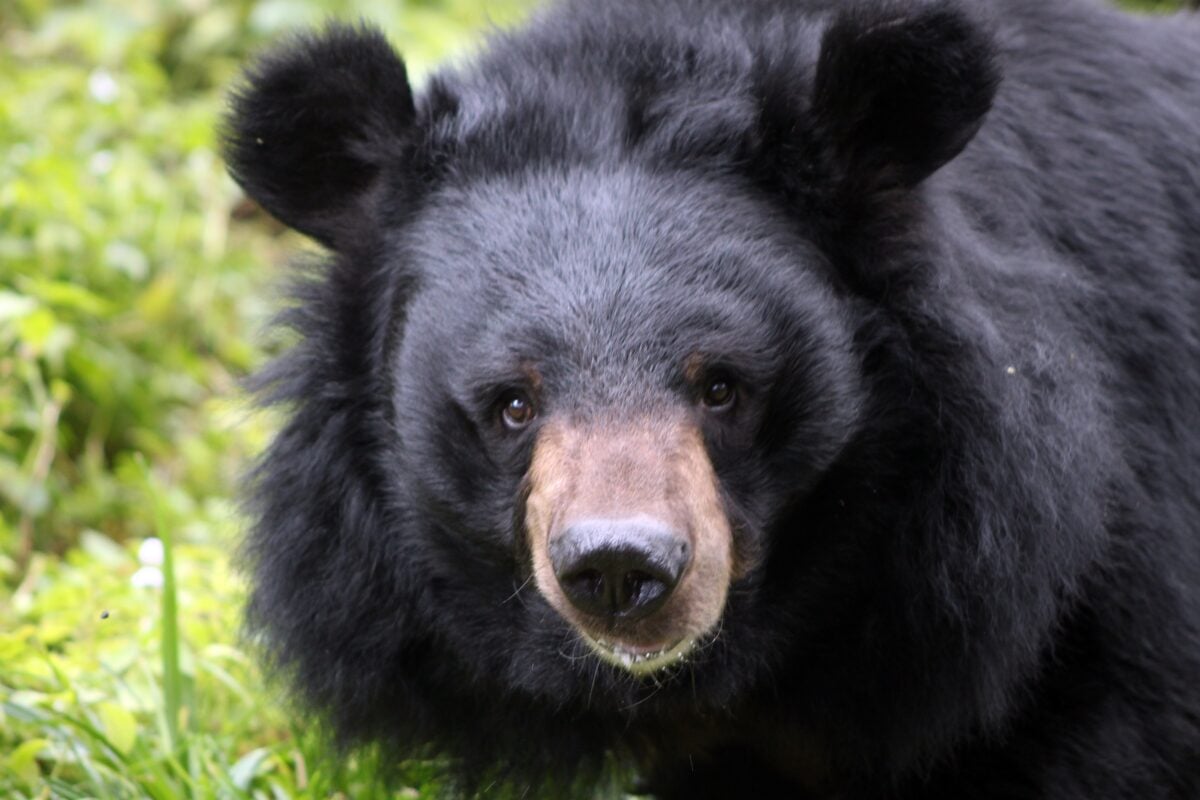
You never really forget the first time you see a black bear up close. Your brain does this strange flicker between awe and absolute panic, and every instinct you have starts shouting different advice. Some of it is useful, but a lot of it is dead wrong. In those few seconds, what you do next can be the difference between a tense but safe encounter and a genuinely dangerous situation.
The tricky part is that black bears are often misunderstood. They can look almost cuddly from a distance, and social media is full of casual bear videos that make people dangerously relaxed about them. At close range, though, they are powerful, unpredictable wild animals. Let’s walk through the most common mistakes hikers make when they bump into a black bear up close, and what to do instead so that both you and the bear get to walk away.
Mistake 1: Panicking and Trying to Run
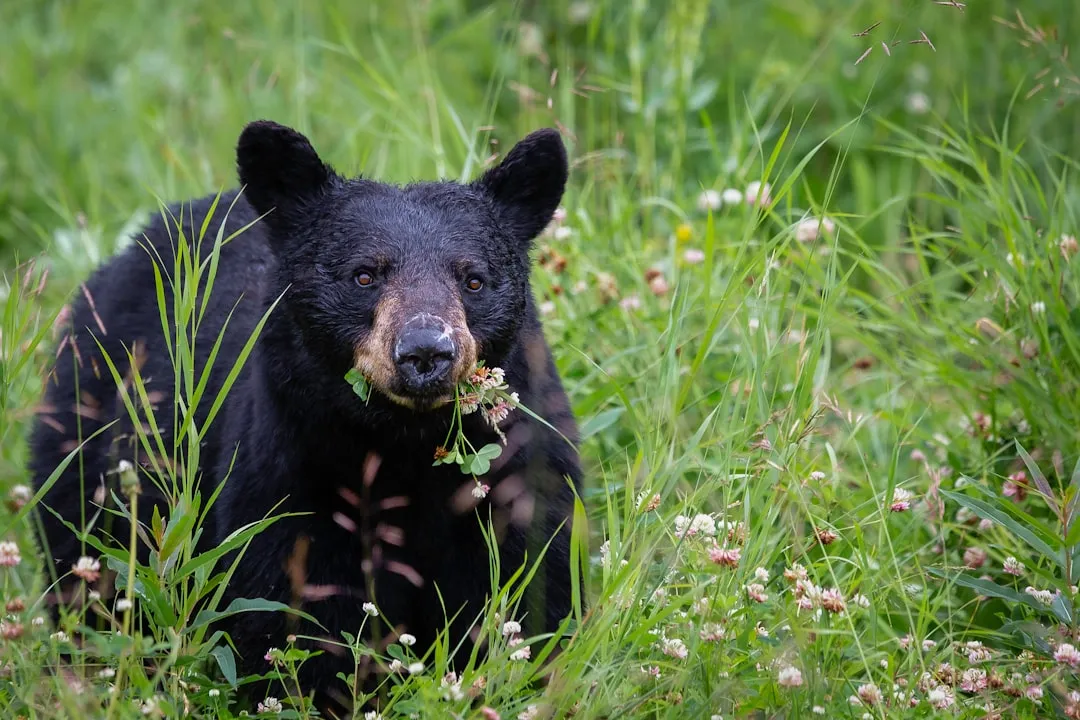
That electric jolt of fear that tells you to turn around and sprint is completely normal, but it is also one of the most dangerous impulses you can follow. Black bears are fast, much faster than any human, and running can flip a switch in their brain that turns you from a curious object into prey that is trying to escape. It is like suddenly yanking a toy away from a dog and then expecting it not to chase.
Instead, you need to fight that urge with everything you have and focus on slowing down your body, even if your heart is racing. Take a breath, plant your feet, and remind yourself that the vast majority of black bear encounters do not end in an attack. Staying put and composed for a few seconds gives you time to assess the bear’s behavior and choose your next move carefully instead of letting instinct drag you into a full-on sprint.
Mistake 2: Screaming, Crying, or Making Erratic Movements
When people are terrified, they often start yelling, sobbing, waving their arms wildly, or dropping their gear in a frantic shuffle to get away. To a bear, all that chaos can look confusing or even provocative. You’re basically turning yourself into a loud, unpredictable creature that the bear now has to figure out, and that can make it more nervous than it already was.
A much better approach is controlled noise and deliberate movement. You want to speak in a firm, calm voice and move your arms slowly so the bear can see you’re human, not prey and not a rival animal. Think of it as trying to de-escalate a tense conversation instead of starting a shouting match. Smooth, steady behavior shows the bear you are not a threat, and you are not something to chase.
Mistake 3: Approaching for a Better Look or a Photo
One of the most dangerous modern instincts is the urge to get that perfect close-up shot for social media. People creep forward, zoom with their phones, or even step off the trail, because from ten or fifteen feet away the bear looks calm and almost friendly. In reality, you are stepping deeper into its comfort zone and forcing it to make a decision about you.
Wildlife professionals consistently repeat that a calm bear is not an invitation, it is a warning that you are already close enough. At close range, every step forward is like walking into someone’s living room uninvited and starting to take pictures of their kids. The respectful and smart move is to create distance, not close it, even if that means giving up the photo you really wanted to brag about later.
Mistake 4: Misreading a Black Bear as “Harmless” Compared to a Grizzly
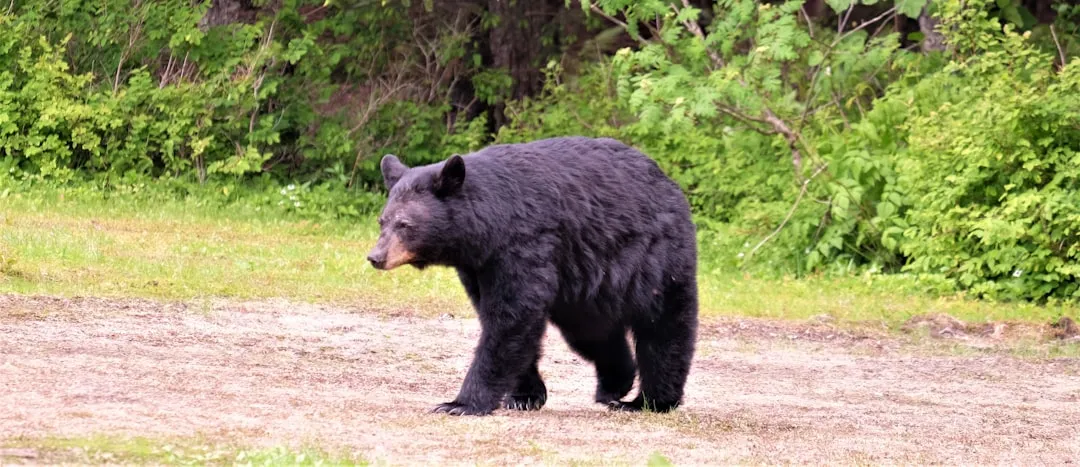
Many hikers mentally rank bears, deciding that grizzlies are the real danger and black bears are somehow the safer, softer cousins. That mindset can lead to risky behavior, like leaving food out, cutting through brush carelessly, or dismissing a close encounter as no big deal. Just because black bears are generally less aggressive than some other species does not mean they cannot seriously injure or kill.
The more honest and useful way to think about black bears is this: they are usually shy and avoid people, but they are still strong, muscular predators with teeth and claws that you do not want anywhere near you. Under stress, cornered, or protecting cubs, they can be extremely dangerous. Respecting a black bear means treating it with the same caution and seriousness you would give any large wild animal, even if it does not match the horror-movie image in your head.
Mistake 5: Turning Your Back and Not Managing Your Retreat
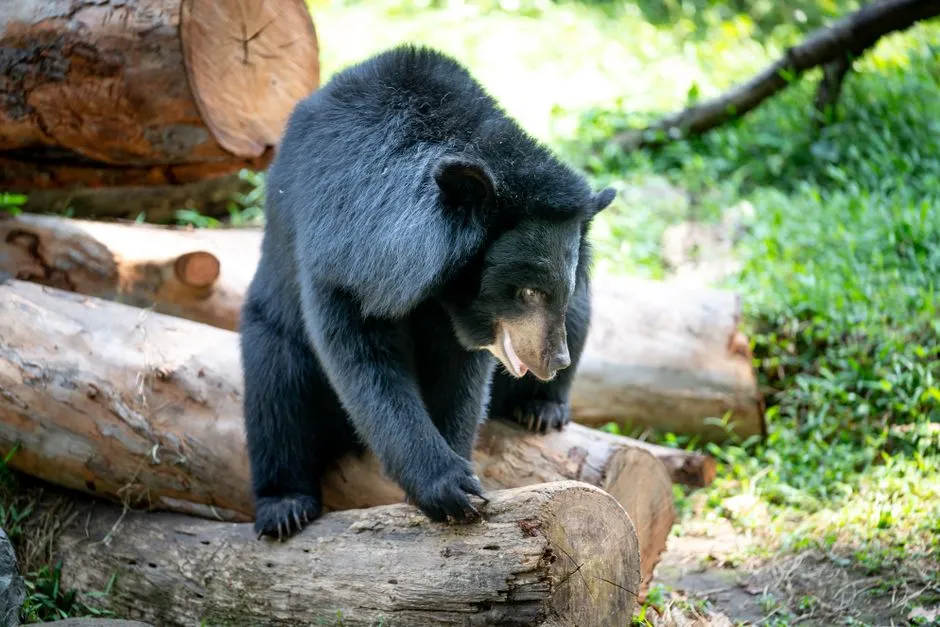
Another huge mistake is spinning around and walking away quickly with your back turned, or worse, backing up so fast that you trip over rocks, roots, or your own pack. When you turn your back completely, you lose the ability to read the bear’s body language and you signal that you are not paying attention. It is a bit like turning your back on a nervous dog that is not sure what you are going to do next.
The safer move is to slowly increase distance while still facing the bear, watching its posture, head, ears, and movement. You want to move diagonally away if possible, giving the bear room to leave and making it clear you are not approaching. Steady, measured steps tell the bear you are not panicking, and they also protect you from tripping or stumbling into an even worse position, like ending up between a mother and her cubs.
Mistake 6: Failing to Use Bear Spray Correctly (or Not Having It Ready)
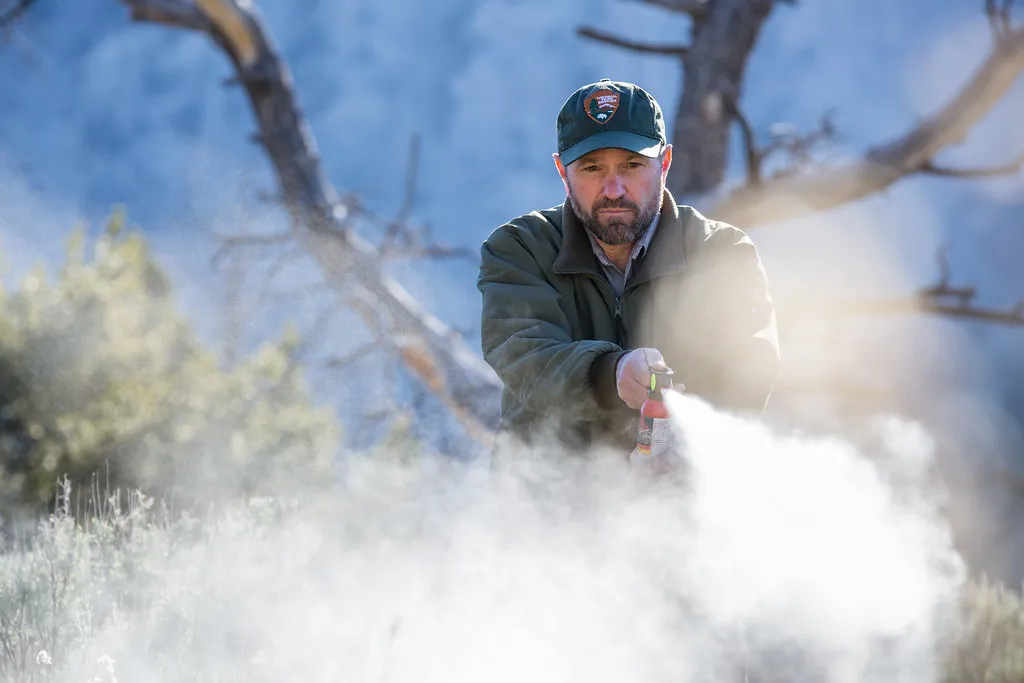
Plenty of hikers carry bear spray buried deep in their packs, which is almost the same as not having it at all when a bear is suddenly close. Others have it handy but have never actually looked at the instructions, so they fumble with the safety, aim into the wind, or wait until the last possible moment. In a real encounter, those few wasted seconds and small mistakes can decide whether the spray is effective or just a useless cloud.
Having bear spray within reach, like on a belt or chest strap, and practicing the motion of drawing and aiming it before you ever see a bear makes an enormous difference. When a black bear comes too close and shows signs of aggression, you want your body to already know what to do. Think of it like buckling a seat belt: the time to figure it out is not during a crash, and the same goes for bear spray when things suddenly get serious.
Mistake 7: Leaving Food or Smells Around That Pull the Bear Even Closer
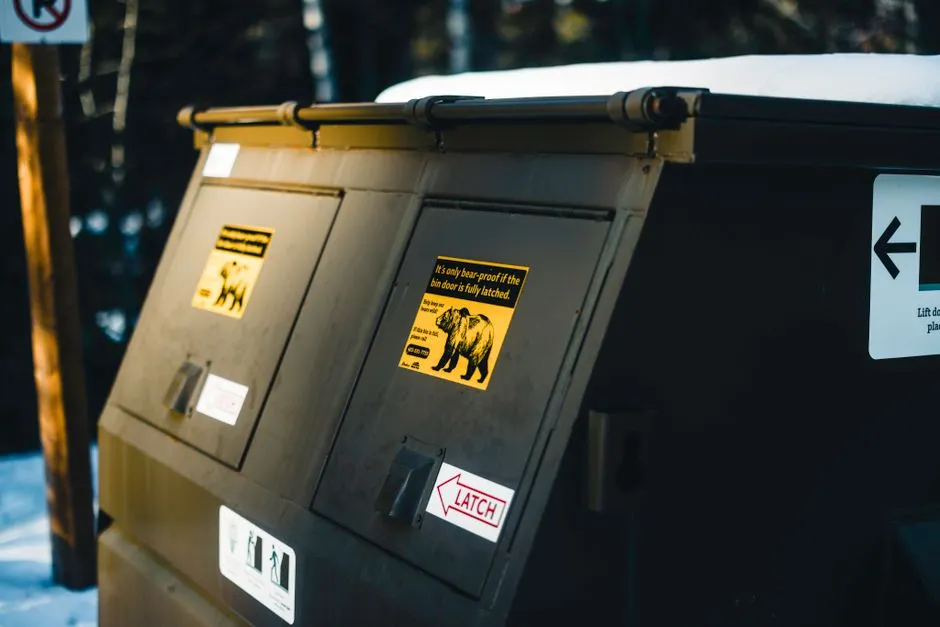
Sometimes the close encounter is not really random at all; it is an invitation you did not know you sent. Open snacks, food wrappers, cooking gear, or even strong-smelling items like flavored drinks or scented wipes can act like a giant neon sign for a curious black bear. If that bear has gotten used to human food in the past, its fear of people might already be lower than it should be.
In the moment, that means one of your fastest ways to calm a tense situation is often to secure food, close packs, and avoid dropping tasty items in a panic. Long before any encounter, it means storing food properly, using bear-resistant containers where required, and treating every smell as a message you are sending to nearby wildlife. When you manage your food and scents thoughtfully, you are not just protecting yourself, you are also reducing the chances that bears learn to associate people with easy meals.
Mistake 8: Not Understanding When to Stand Your Ground and When to Fight Back
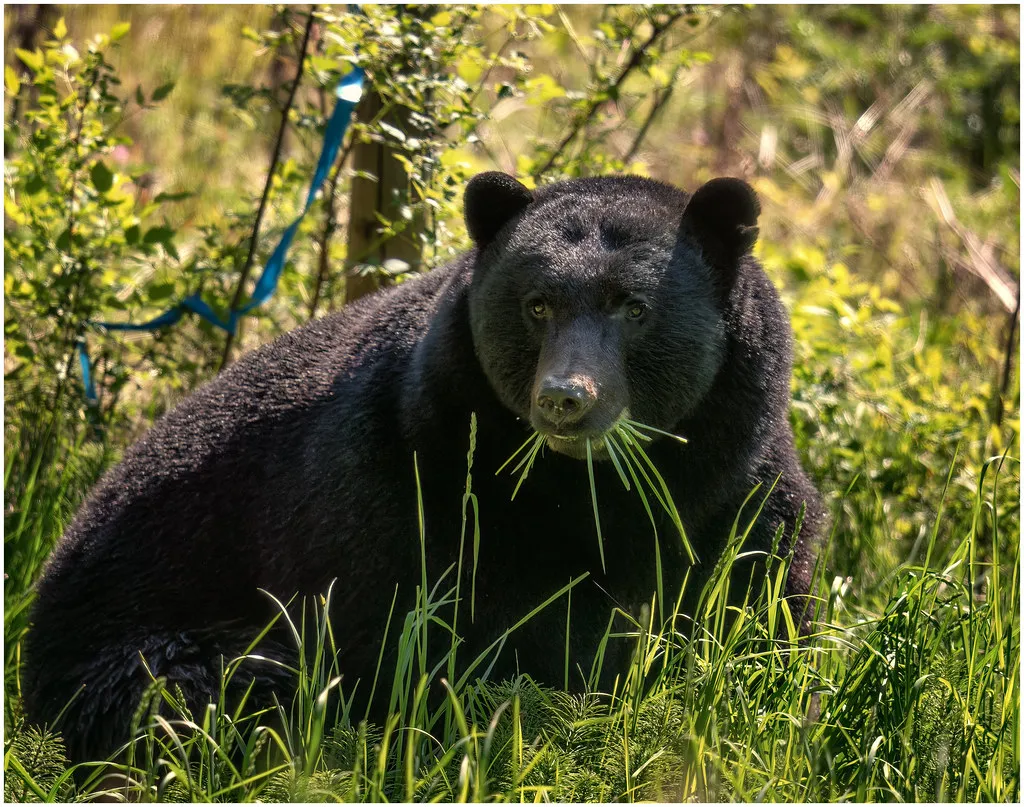
One of the hardest things for hikers to sort out is the difference between a bluff, a defensive bear, and a predatory situation. Many black bears will huff, snap their jaws, stomp, or even make short rushes toward you as a warning because they want more space or feel cornered. In those cases, standing your ground, appearing larger, using your voice, and then backing away slowly once the bear has room can end the encounter safely.
In the very rare situation where a black bear actually makes contact and seems to be treating you as prey rather than just defending itself, the advice flips sharply: you fight back with everything you have. Target the bear’s face and muzzle, use rocks, sticks, your pack, and your body weight. This is not a time to curl into a ball and hope it loses interest. Knowing the difference between these scenarios before you ever step onto the trail means you are not trying to decode bear behavior for the first time in the most stressful moment of your life.
Conclusion: Respect the Bear, Respect Yourself
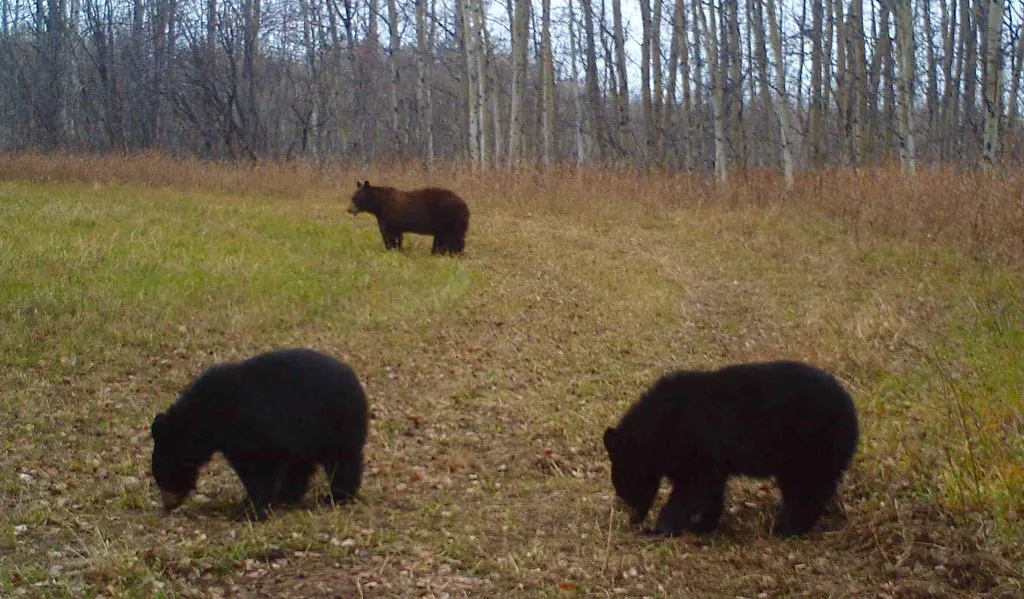
At the heart of all these mistakes is one simple truth: black bears are neither gentle forest mascots nor unstoppable monsters. They are wild animals trying to survive, just like you are trying to have a good day on the trail and get home in one piece. When hikers panic, treat bears like props for photos, or underestimate their power, they turn what could have been a tense but manageable encounter into something genuinely dangerous.
My own opinion is that if you are not willing to learn how to behave around wildlife, you have not really earned the right to be in their backyard. Carry bear spray, learn how to use it, practice calm responses in your head, and take every encounter seriously without turning it into drama. That mix of respect, preparation, and humility is what keeps both people and bears alive. The next time you step onto a forest trail, will you walk in like a guest who did their homework, or a tourist hoping luck and phone coverage will be enough?

- 17 Cat Breeds That Grow Softer With Age and 17 That Turn Far More Particular - August 18, 2026
- 17 Things Stable Hands Notice About a Horse Long Before Its Owner Suspects Anything - August 18, 2026
- The World’s Oldest Animals Reveal Secrets to Longevity - August 18, 2026