
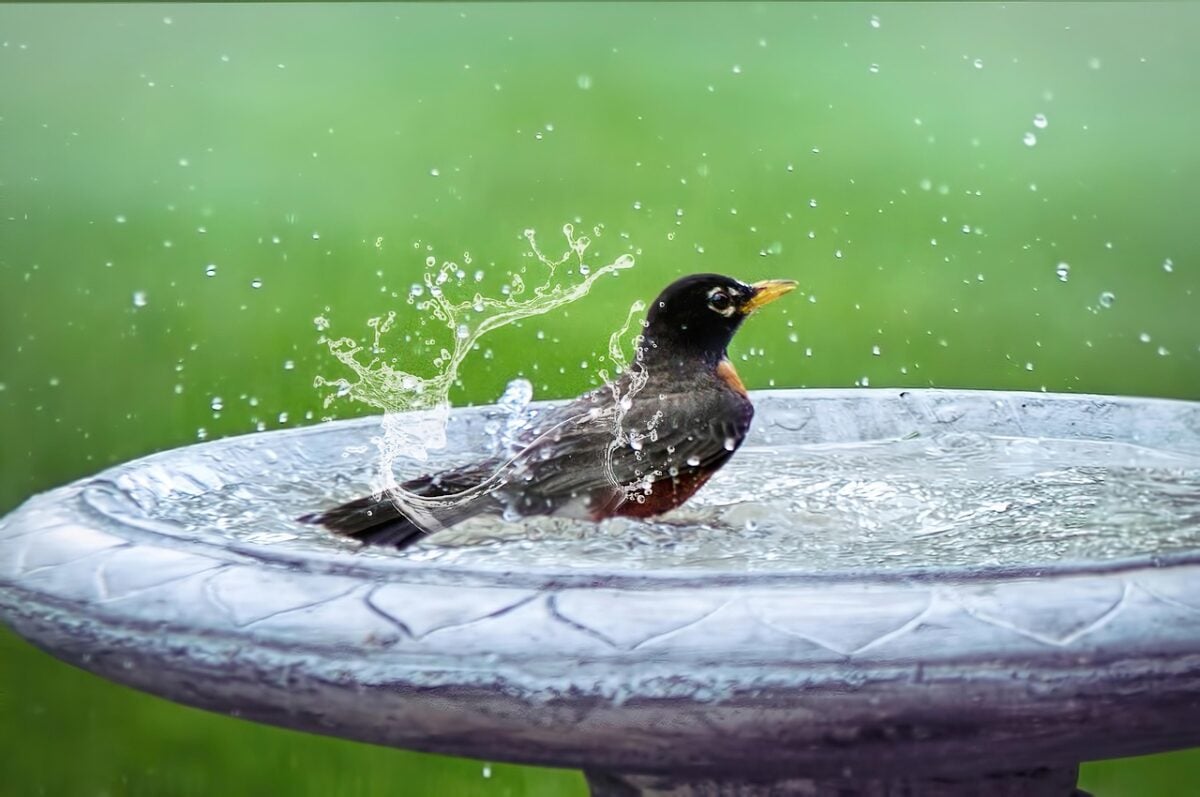
Early autumn is that split-second moment in the year when your garden quietly chooses sides: will it become a lifeline for birds in winter, or a pretty but empty backdrop? The air is still mild, the trees are just starting to turn, and hidden in that in-between season are all the little decisions that decide whether robins, finches, and sparrows keep visiting when the frost hits. If you get this window right, your garden can buzz and flutter with life while everything else turns gray.
I learned this the hard way one year when I “tidied” everything to perfection in late September and then wondered why my usual blackbirds never showed up in January. It felt weirdly lonely. Since then, I plan my early autumn jobs around one question: would a bird actually want to hang out here in February? These 17 garden tasks are the ones that genuinely make the difference between a dead-quiet yard and a winter sanctuary full of wings, color, and tiny, stubborn hearts trying to make it through the cold.
1. Leave Some Seed Heads Standing Instead of Cutting Everything Back
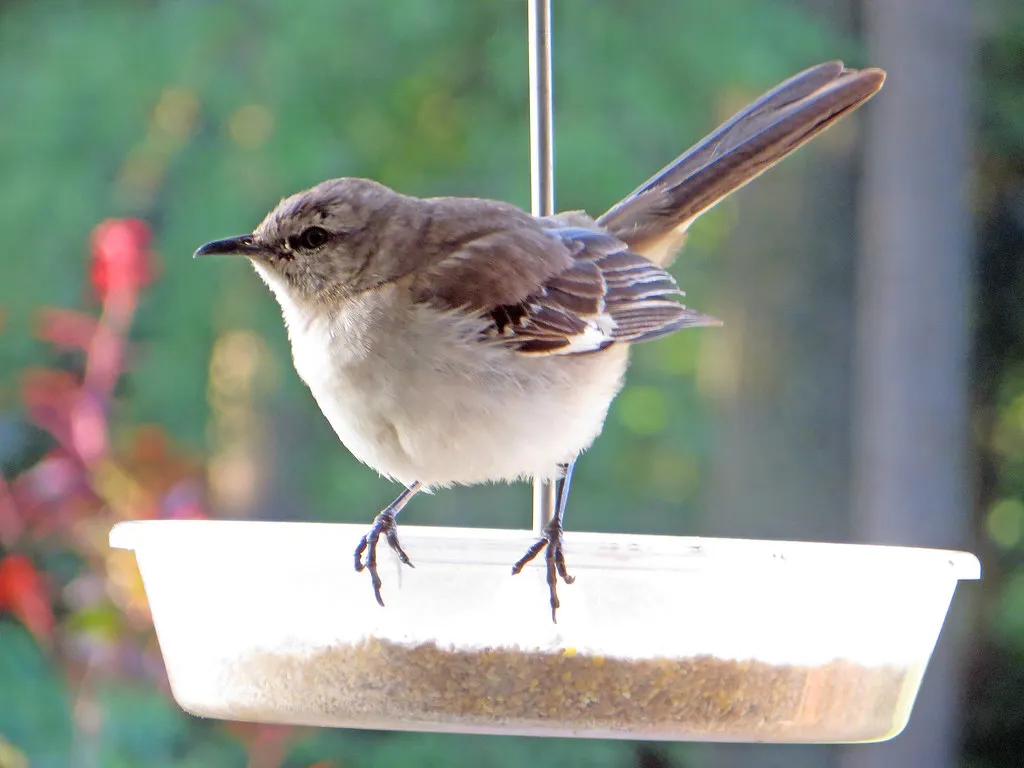
It’s tempting to chop down every faded flower as soon as it looks even slightly scruffy, but for birds, those seed heads are basically winter snack dispensers. Plants like coneflowers, sunflowers, rudbeckia, teasel, and ornamental grasses hold onto their seeds well into the cold months, especially if you leave the stems standing. To a goldfinch, that “messy” patch is like a fully stocked pantry when the ground is frozen solid.
In early autumn, walk around your garden and consciously choose which plants to leave standing instead of cutting back. Aim to keep a good number of seed-bearing perennials untouched, especially in sheltered spots where snow does not sit as heavily. You can always trim things in late winter if they truly bother you visually, but once those seeds are gone, they are gone, and so are some of your easiest, most natural bird feeders.
2. Swap Summer Feeders for High-Energy Winter Food
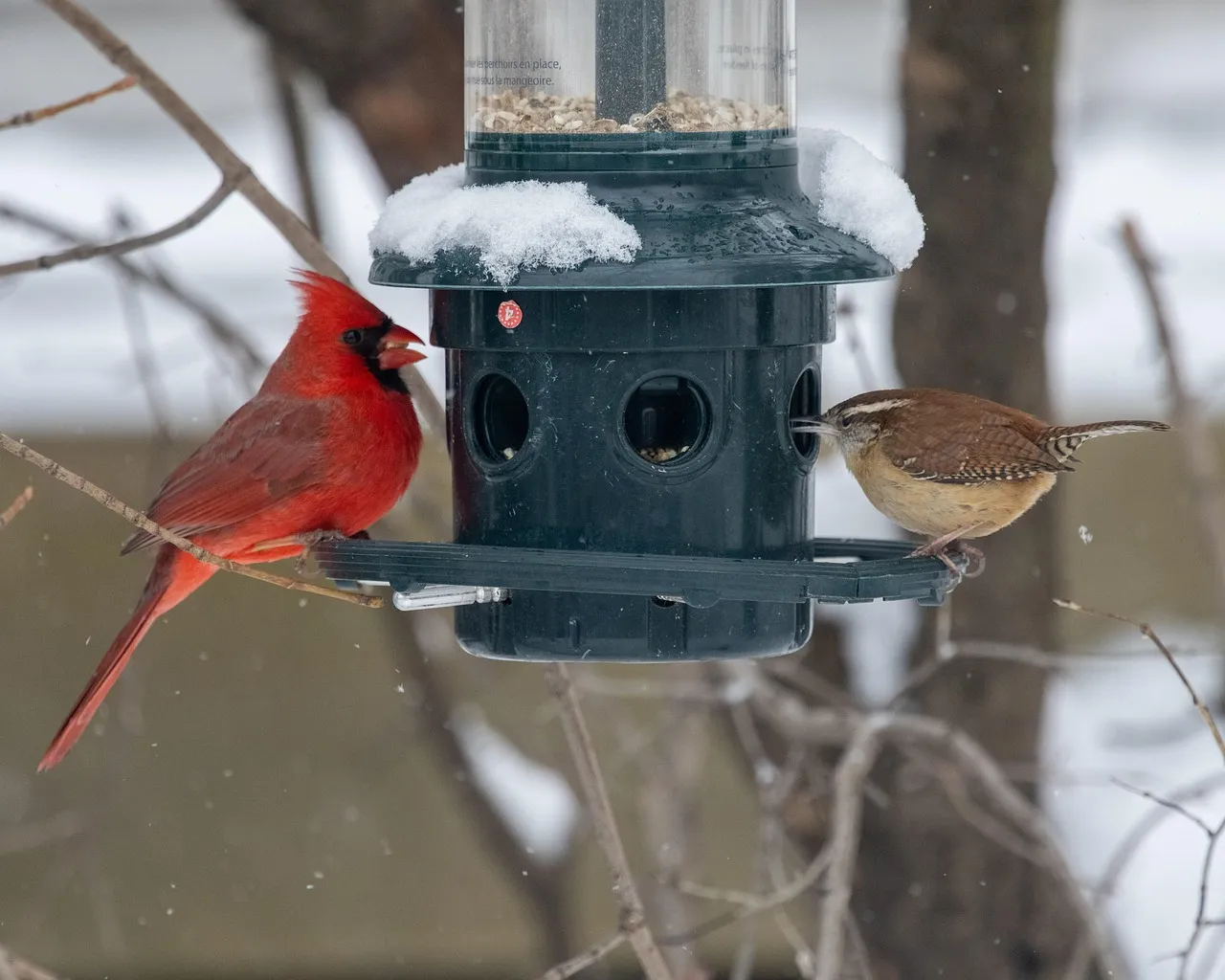
As temperatures slide down in early autumn, birds quietly start shifting from light, summery diets to serious calorie-dense fuel. This is the moment to phase out soft summer mixes and fruit-heavy blends and replace them with high-energy options like black oil sunflower seeds, suet, peanuts (unsalted, never dry roasted with flavorings), and quality winter seed mixes. Think of it like changing your own meals from salads to stews – birds need that same upgrade.
Do this switch in stages rather than overnight, especially if you already have regular visitors. Keep feeders topped up and in the same familiar spots so birds do not waste energy searching. Once the first really cold night hits, those fat-rich feeds can literally mean the difference between a bird maintaining its body temperature or not, and early autumn is exactly when you set that system up properly.
3. Clean and Disinfect Bird Feeders Before the Cold Arrives
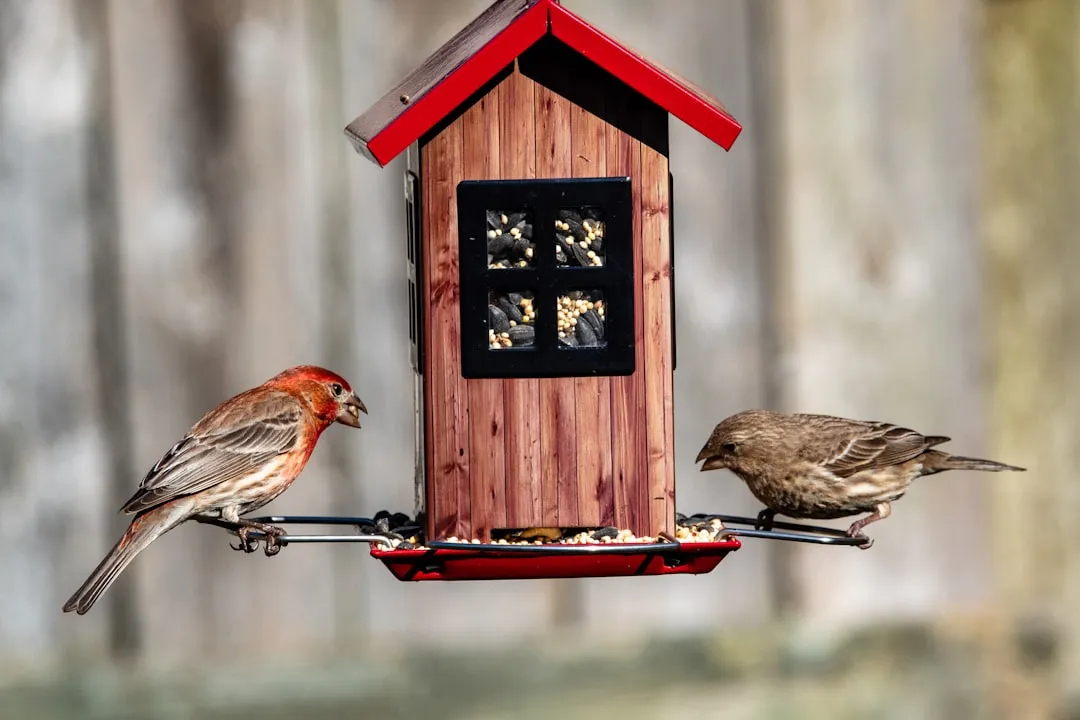
Dirty feeders are one of the most underrated reasons birds stop visiting a garden or, worse, get sick and disappear altogether. In early autumn, before winter use really ramps up, take every feeder down and give it a serious clean. Use hot soapy water, scrub off mold, old seed, and droppings, and then disinfect with a mild, bird-safe solution before rinsing thoroughly and drying. This job is honestly not glamorous, but it is crucial.
Healthy birds are more likely to stick around, and they will trust a food source that consistently feels safe and fresh. Once freezing weather hits, cleaning gets more annoying and far easier to delay, so getting everything pristine now sets you up for months. I always think of it like deep-cleaning a kitchen before a long holiday season; the better you prep once, the easier all the little top-ups and quick rinses will be later.
4. Install or Refresh a Winter-Proof Water Source
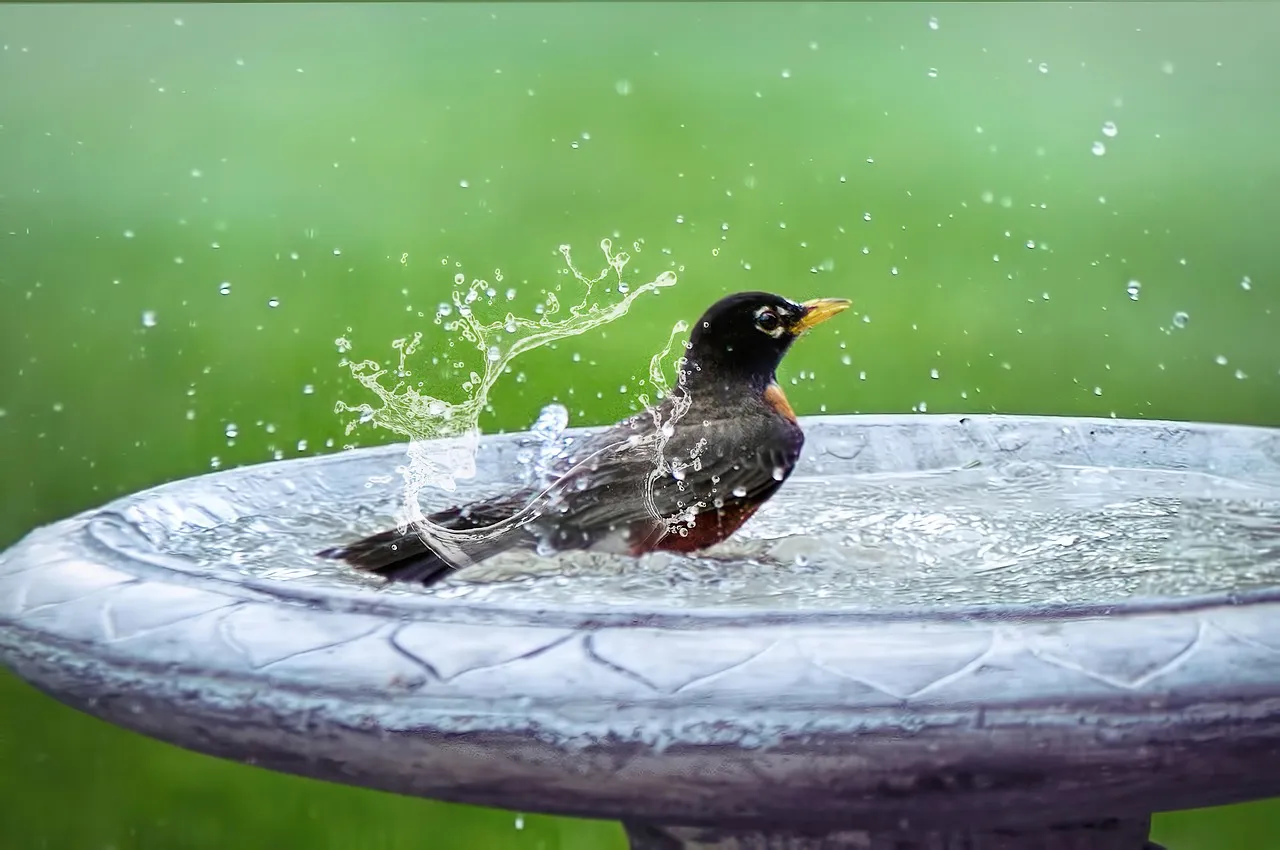
People often obsess over food and completely forget about water, even though in winter it can be harder for birds to find unfrozen drinking and bathing spots than it is to find seeds. Early autumn is the perfect time to set up a bird bath properly, position it well, and decide whether you want to use a small heater or insulated design to keep it from freezing. Even a simple, shallow dish on a stand can become a magnet for winter birds if it stays clean and accessible.
Place the water away from dense cover where predators like cats could easily ambush, but close enough to shrubs or trees that birds can quickly escape if they feel exposed. Refresh the water regularly in autumn so birds learn that your garden is a reliable spot before the really desperate months come. Once they trust your place as a dependable drinking station, that habit often carries straight through the worst of winter.
5. Plant Berry-Rich Shrubs and Trees for Future Winters
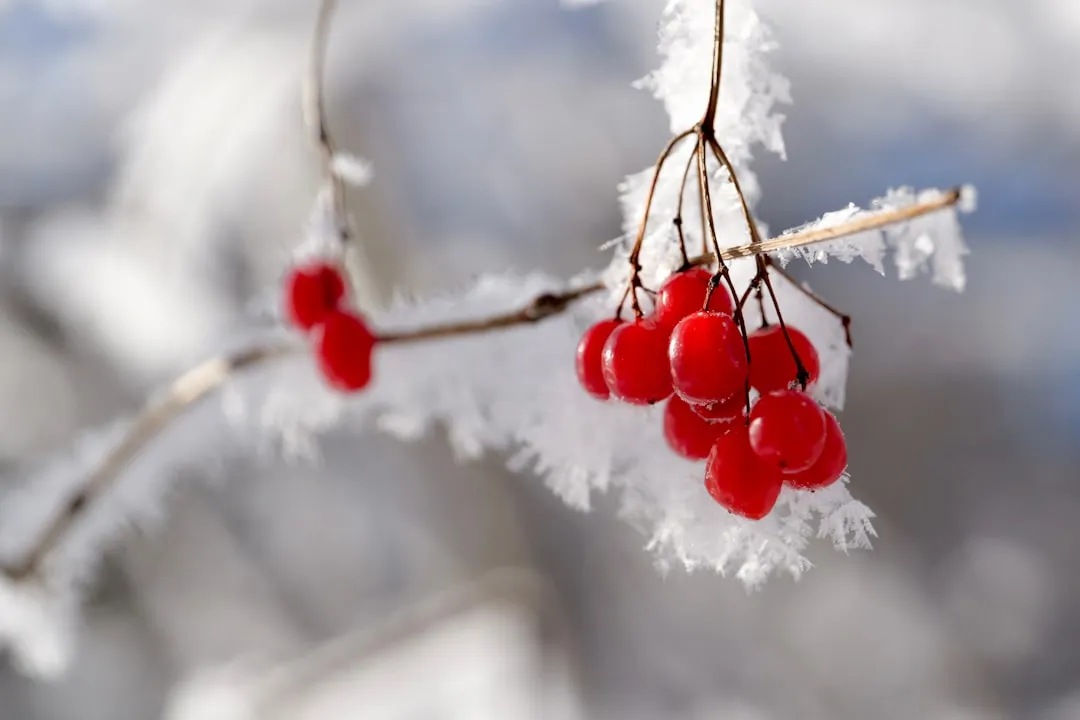
Early autumn is one of the best times to plant trees and shrubs, and if you care about birds, you want ones that carry berries well into winter. Species like hawthorn, holly, rowan, crab apple, cotoneaster, viburnum, and elder can become literal lifelines, offering nutrients long after insects and soft green growth have disappeared. You might not see the full benefit this very winter, but you are quietly building a long-term safety net.
Instead of filling your borders with purely ornamental plants, start asking which shrubs offer both beauty and food. Berries that hang on late into the season can pull thrushes, waxwings, and blackbirds into your garden when almost nothing else would tempt them. It is one of those decisions that feels subtle when you are planting but looks incredibly obvious when you see a tree glowing with fruit in January and covered in grateful birds.
6. Reduce Autumn “Tidying” to Keep Insects and Shelter
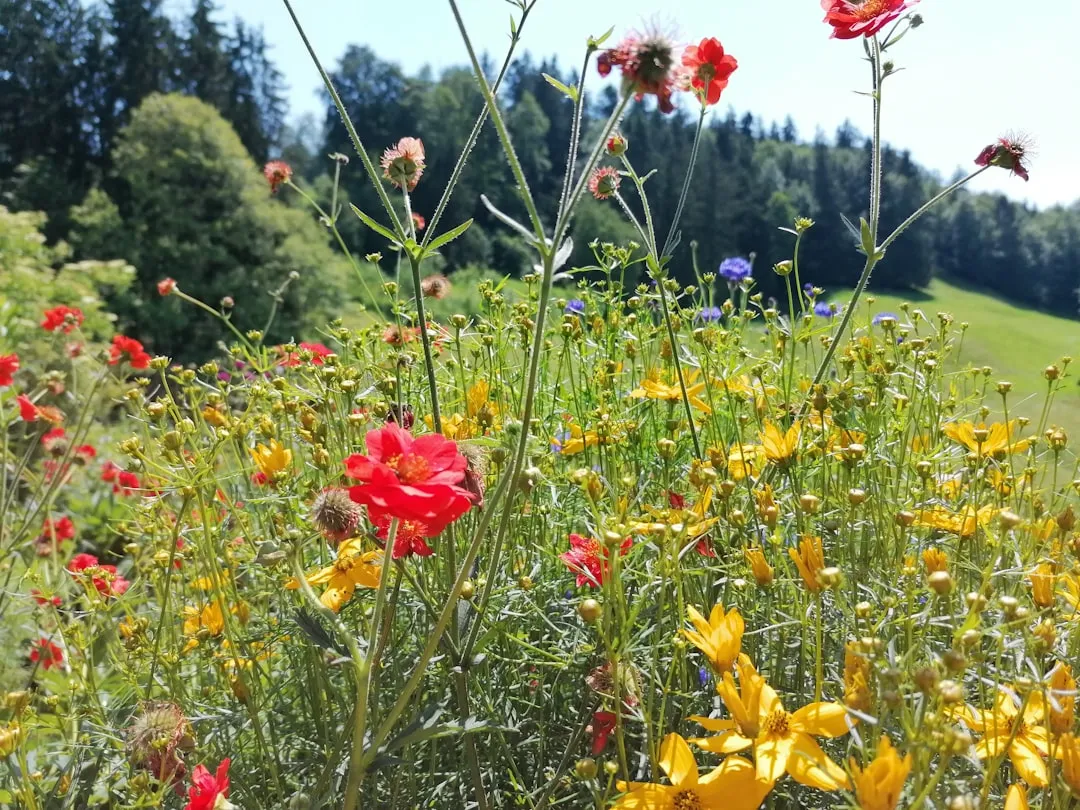
The classic impulse in early autumn is to rake, sweep, and trim everything until the garden looks like a freshly vacuumed living room. Birds, though, rely on that so-called mess: leaf piles hide insects and larvae, hollow stems shelter overwintering bugs, and half-rotten corners become foraging hotspots. If you strip it all away, you remove a huge chunk of the natural food web birds depend on when daylight is short and energy is limited.
Try designating certain areas as “wild zones” where you deliberately do less. Leave a quiet corner with leaves, hollow stems, and some light debris, especially under shrubs or trees. This not only feeds insect-eating birds but also makes your garden feel more alive and layered. I used to apologize to neighbors for these “untidy” patches; now I feel slightly smug when I see tiny birds flipping through them on icy mornings, finding what they need.
7. Create Brush Piles and Thickets as Safe Hiding Spots
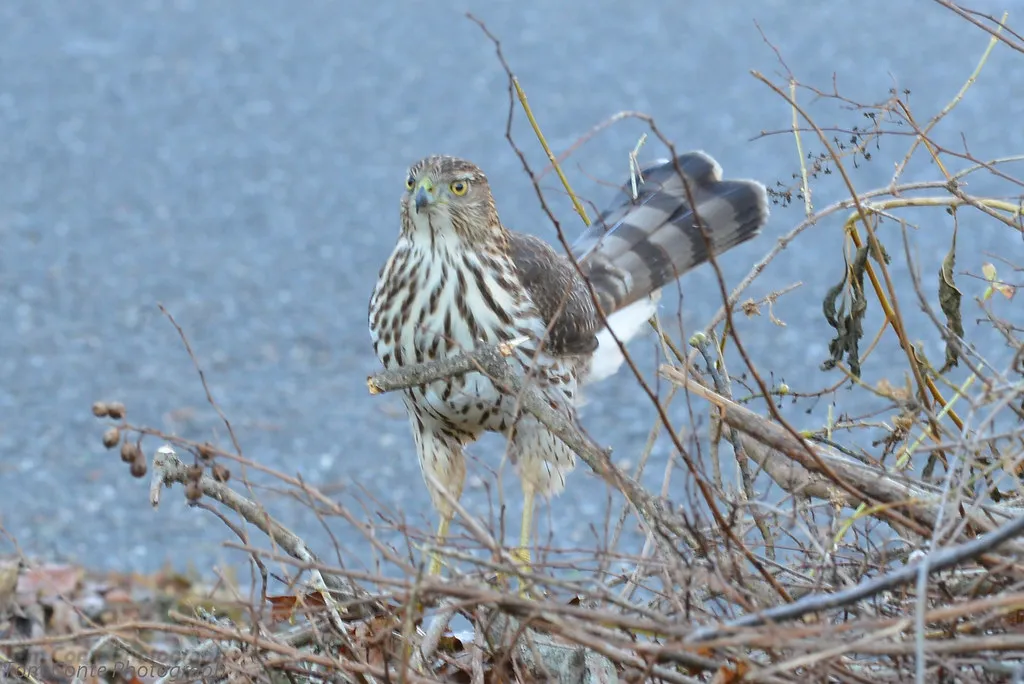
Birds need more than food and water; they need safety. In winter, when trees are bare and many perennials are cut down, exposed gardens can feel like open-air danger zones. Early autumn is the time to gather pruned branches, twigs, and sticks into low brush piles in discreet corners, ideally near hedges or fences. These rough stacks become instant hideouts and roosting spaces, especially for smaller birds that are constantly watching for hawks and cats.
A deliberately messy thicket can be more valuable to a flock of sparrows than the fanciest bird feeder. Think of it as building tiny, natural fortresses where they can dive in and vanish at the first hint of trouble. You do not need anything complicated or expensive – just consistency and the willingness to let some parts of your garden look more woodland than showroom. The reward is that birds may choose your garden over a more polished but exposed yard next door.
8. Check, Repair, and Position Nest Boxes for Winter Roosting
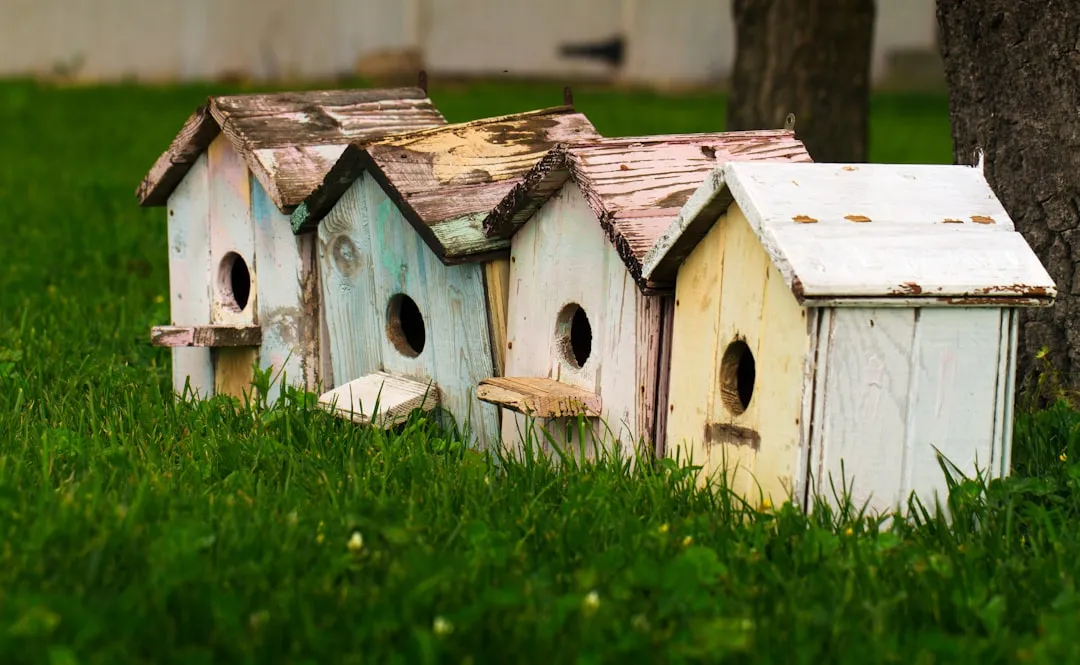
People often think of nest boxes only for spring breeding, but many bird species use them in winter as cozy night shelters. Early autumn is the moment to take boxes down, clean out old nesting material, check for damage, and fix any loose fittings. A dry, snug, well-secured box can hold several tiny birds at night, sharing warmth that might literally carry them through the coldest spells.
After cleaning, rehang the boxes securely, ideally facing away from the prevailing wind and in positions that avoid full, harsh midday sun. If you want to go a step further, add a couple of purpose-made roosting pockets or nest-style pouches in sheltered spots like dense hedges. Birds that get used to roosting in your garden through the cold months are far more likely to stick around in spring, turning your winter guests into long-term residents.
9. Adjust Feeding Stations to Reduce Stress and Competition
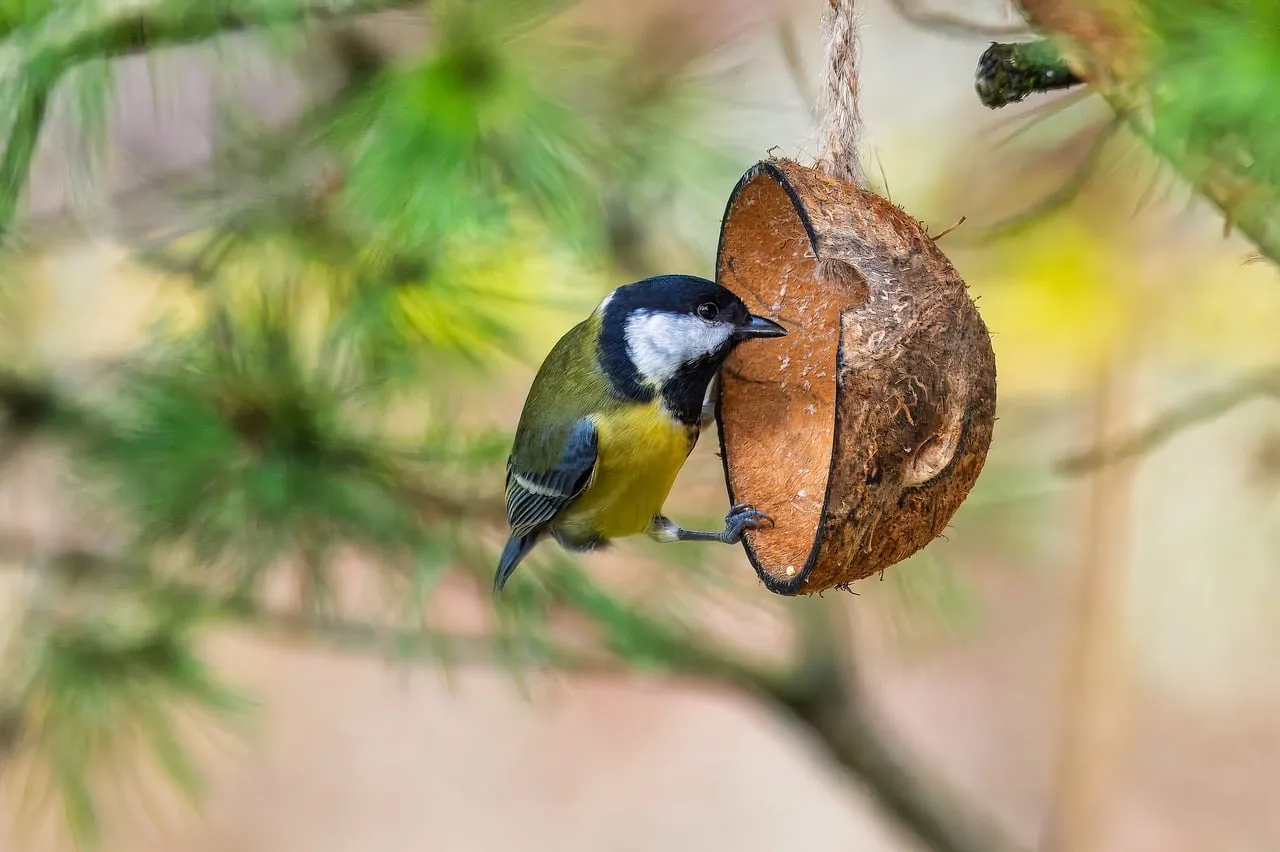
In early autumn, as migrant birds pass through and resident birds begin to form winter flocks, feeding stations can quickly turn into crowded, stressful battlegrounds. To encourage birds to stay, you want to reduce that tension by spacing feeders out, offering multiple feeding styles (hanging, tray, ground), and avoiding tight clusters where dominant birds bully everyone else away. A calm, well-designed feeding layout makes a garden feel safer and more reliable.
Think vertically as well as horizontally: some birds prefer higher feeders, while others feel more secure closer to the ground but near cover. Keep at least one feeder in a fairly open, visible spot so birds can look out for predators, and another closer to shrubbery for shyer species. If you watch for a few days and see one spot constantly overcrowded, tweak the placement. Early autumn is the perfect time to refine this, before winter demand peaks.
10. Sow or Maintain a Late-Season Wildflower or “Weed” Patch
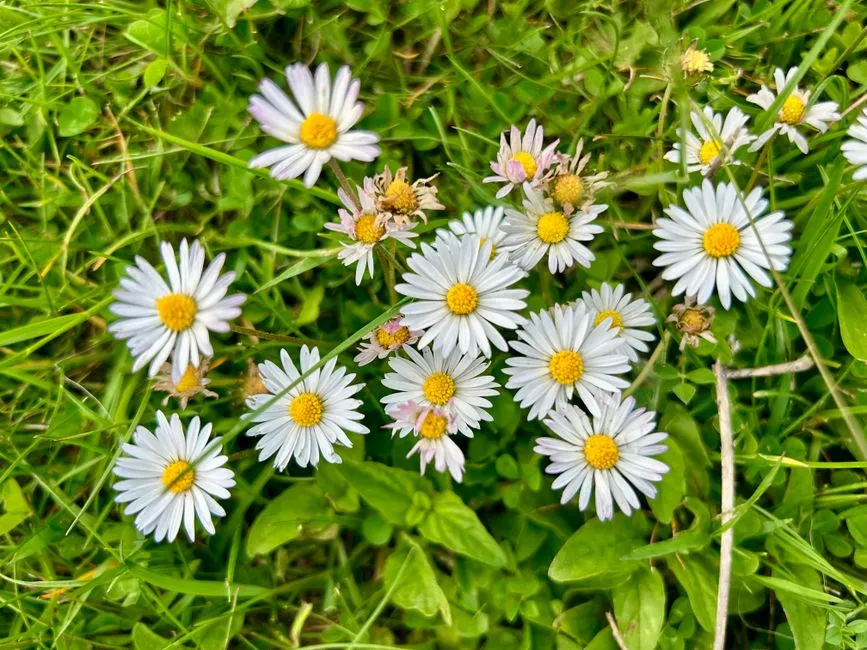
Even though the main growing season is winding down, early autumn is when you can set up a wildflower or “bird-friendly weed” patch for next year’s seeds and insects. Leaving self-seeded plants like dandelions, plantain, shepherd’s purse, and groundsel in a controlled area might feel rebellious, but those plants feed an enormous range of small birds. Many wildflowers are best sown in autumn too, using the natural cold of winter to break seed dormancy.
If you already have a rough patch, resist the urge to mow it down completely. Instead, cut only a portion, leaving some areas longer and seed-rich. Over time this creates a mosaic of micro-habitats that keep food coming over a longer period. It is the opposite of a perfectly uniform lawn, and that is exactly why birds love it. You are essentially saying: this space is for living things, not just for appearances.
11. Protect and Diversify Hedges as Natural Bird Hotels
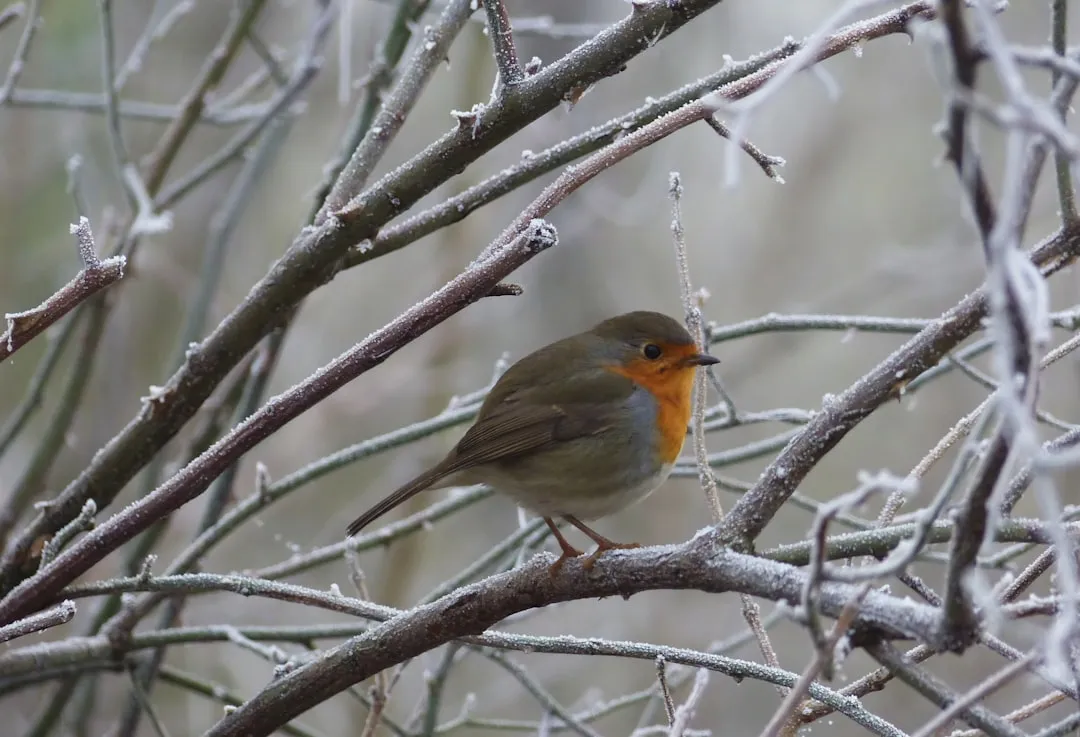
A good mixed hedge is like an all-inclusive resort for birds: food, shelter, nesting sites, and safe travel corridors all rolled into one. In early autumn, check your hedges for gaps, dead sections, or overly hard trimming that might leave birds too exposed in winter. Where you can, plant in new native shrubs or climbers to thicken the structure and add different fruiting and flowering times.
Instead of shaving hedges into harsh, tight boxes, consider a looser trim that keeps them dense but still slightly wild. Birds need layers they can dive into, not just a green wall. If you do need to cut, try to avoid severe reductions at this time of year; leaving enough cover helps birds feel comfortable roosting there on cold nights. Over a few seasons, a thoughtfully managed hedge can become the backbone of a bird-friendly garden, more important than any single feeder.
12. Mulch and Protect Soil to Support Underground Life
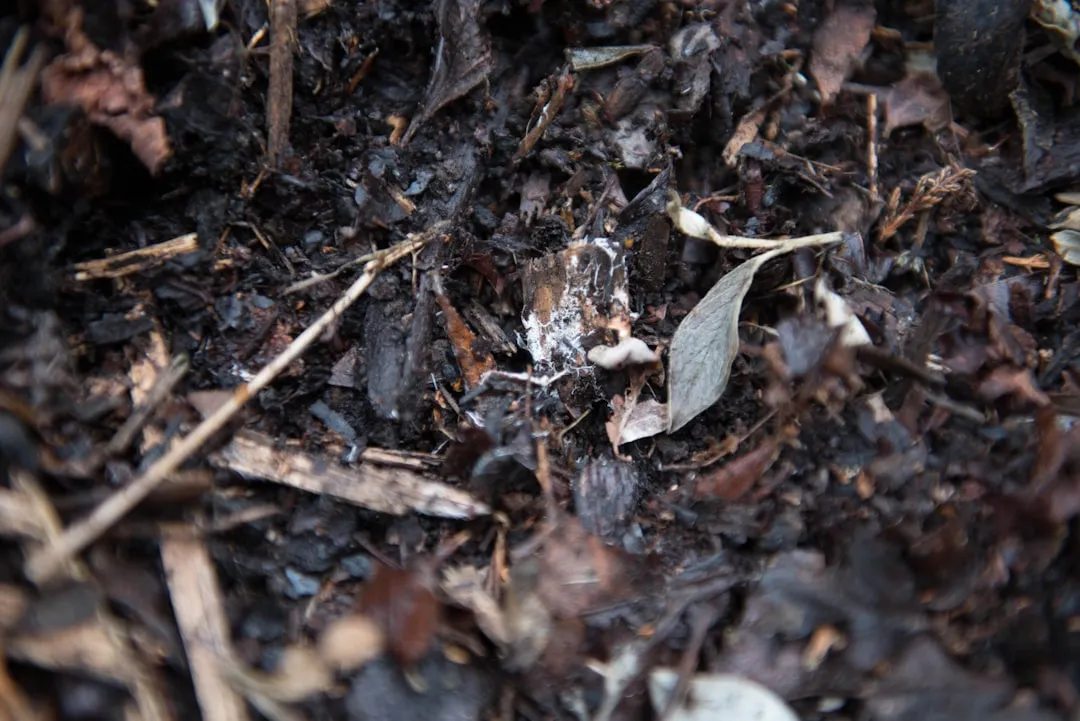
This one sounds indirect, but birds are only the visible tip of a much larger ecological iceberg. When you mulch beds in early autumn with compost, leaves, or well-rotted organic matter, you are feeding worms, beetles, and countless tiny soil-dwelling creatures. In turn, those underground populations support thrushes, robins, and other birds that rely on grubbing around for invertebrates even in winter thaws.
A well-mulched garden also moderates soil temperature and moisture, making it easier for insects and larvae to survive cold snaps. That means that when a mild day appears in January and your local robin bounces hopefully across the beds, there is actually something to find. It may not feel as directly bird-focused as putting up a feeder, but over time, this backstage work is what keeps your garden genuinely alive for more than just a single season.
13. Avoid or Reduce Autumn Pesticide and Herbicide Use
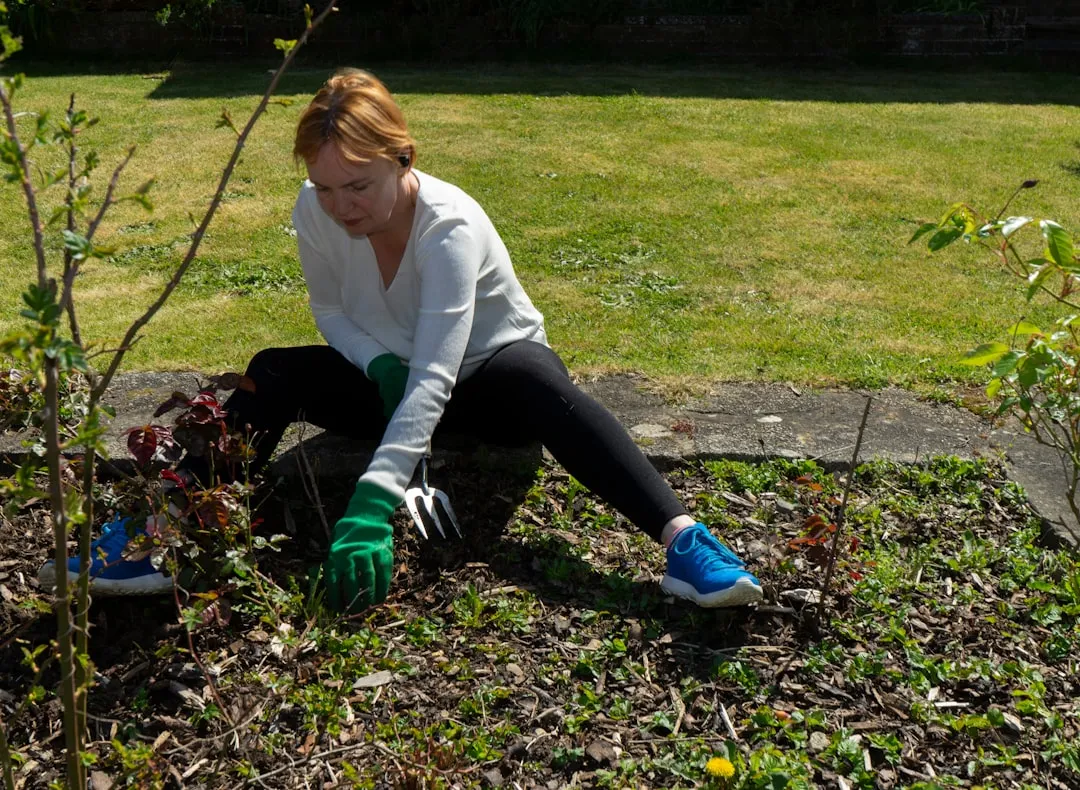
Early autumn is often when people reach for herbicides to “clean up” paths and beds or apply pesticides to tackle lingering pests before winter. The problem is that these chemicals do not just remove the insects you consider problematic; they can strip out a whole food layer that birds desperately need. Insect-eating birds in particular rely on the remaining autumn bugs and overwintering larvae as a vital safety net.
If you want birds to choose your garden as a winter base, you need to accept a certain level of nibbling, blemishes, and wildness. Try hand-weeding, mulching, or tolerating patches of so-called weeds, especially in less-visible corners. Over a couple of seasons, you often see a balance emerge as birds, ladybirds, beetles, and other predators start doing more of the pest control for you. It is slower than a spray bottle, but much more in line with the kind of garden birds actually want to live in.
14. Provide Ground Feeding Areas for Shy and Non-Perching Birds
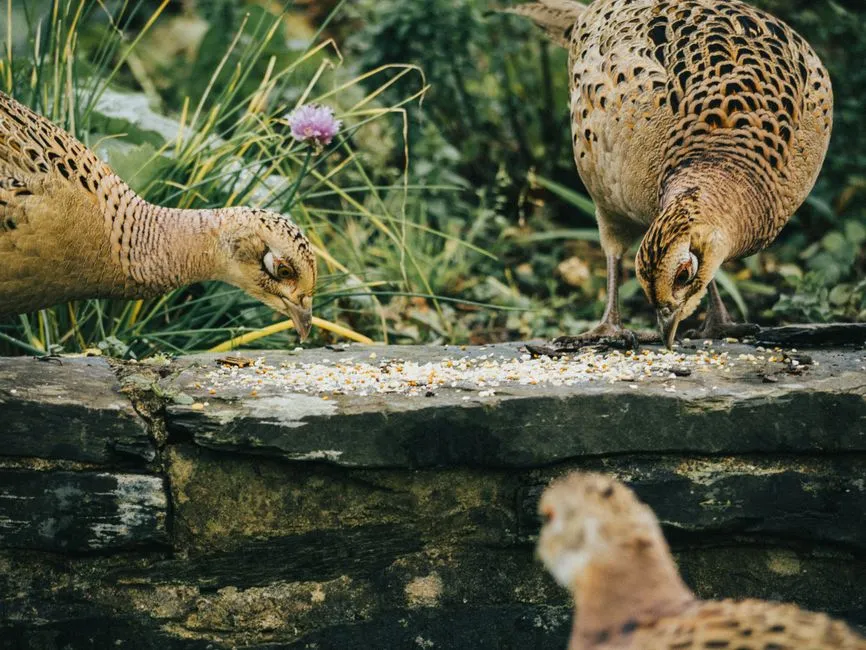
Not all garden birds are confident acrobats that love hanging feeders. Some, like dunnocks, blackbirds, thrushes, and certain sparrows, prefer to feed on or near the ground, often under cover. Early autumn is a good time to set up proper ground feeding spots with scattered seed, suet pellets, or chopped fruit, ideally on a tray or flat stone to keep food from sitting straight on wet soil. This small adaptation opens your garden to a whole different group of winter guests.
Place these ground feeding zones near shrubs or low hedging so birds can dart back into safety quickly. Watch how they behave over a few days; if they seem jittery or exposed, adjust the location. Offering food at different heights and in different styles is like making sure you have both tables and cozy booths in a café. The more comfortable options you give, the more likely birds are to treat your place as their regular spot rather than a last resort.
15. Store and Rotate Seed Properly to Keep It Fresh
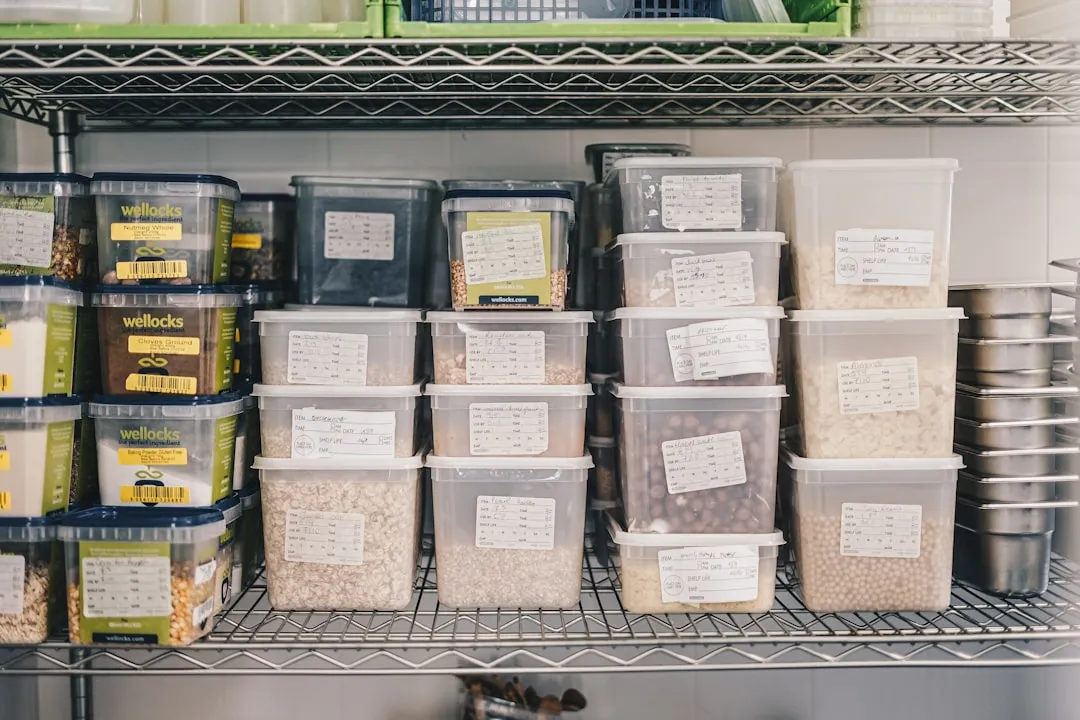
Buying large bags of bird food in early autumn can be economical, but if you store them badly, you risk moldy, stale, or insect-infested seed by midwinter. Birds are much better than we are at sensing spoiled food, and they will quietly abandon a feeder if the contents are off. Keep seed in sealed, rodent-proof containers in a cool, dry place, and only put out as much as birds can realistically eat in a day or two.
Check feeders regularly for clumps, unpleasant smells, or signs of fungus, especially after wet spells. It is better to throw away a small amount of dubious seed than to risk making birds ill or driving them away altogether. In a way, you are running an outdoor restaurant: if the quality drops, your customers will simply fly somewhere else. Early autumn is the time to get your storage containers sorted so the flow of fresh, safe food never breaks in the months that matter most.
16. Plan Your Own Winter Access So You Can Keep Feeding
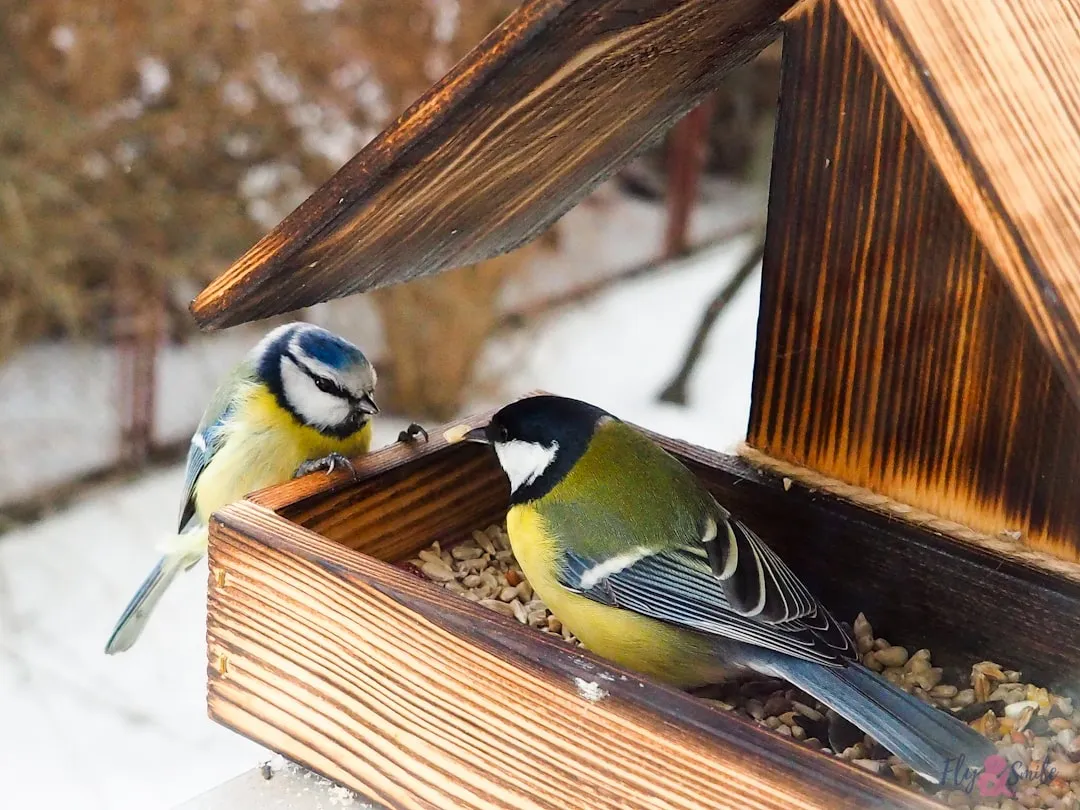
This sounds almost laughably practical, but it is crucial: if you cannot easily reach your feeders, water sources, and wild patches in bad weather, you are far more likely to let things slide. In early autumn, think about where snow and ice usually build up, how far you are willing to walk in the cold, and whether you can safely top up food and water when paths are slippery. Sometimes just moving a feeder a few meters closer to a door makes all the difference in whether you keep it filled in January.
Birds start to rely on regular feeding schedules, and a sudden, long gap right in the harshest spell of winter can hit them hard. Setting yourself up for success – clear routes, reachable heights, maybe a small storage bin outside – helps you maintain that consistency. I used to underestimate this and then curse my own laziness at 7 a.m. on icy mornings; planning in autumn means you are more likely to actually follow through when it counts.
17. Pay Attention and Adapt to the Birds That Actually Show Up
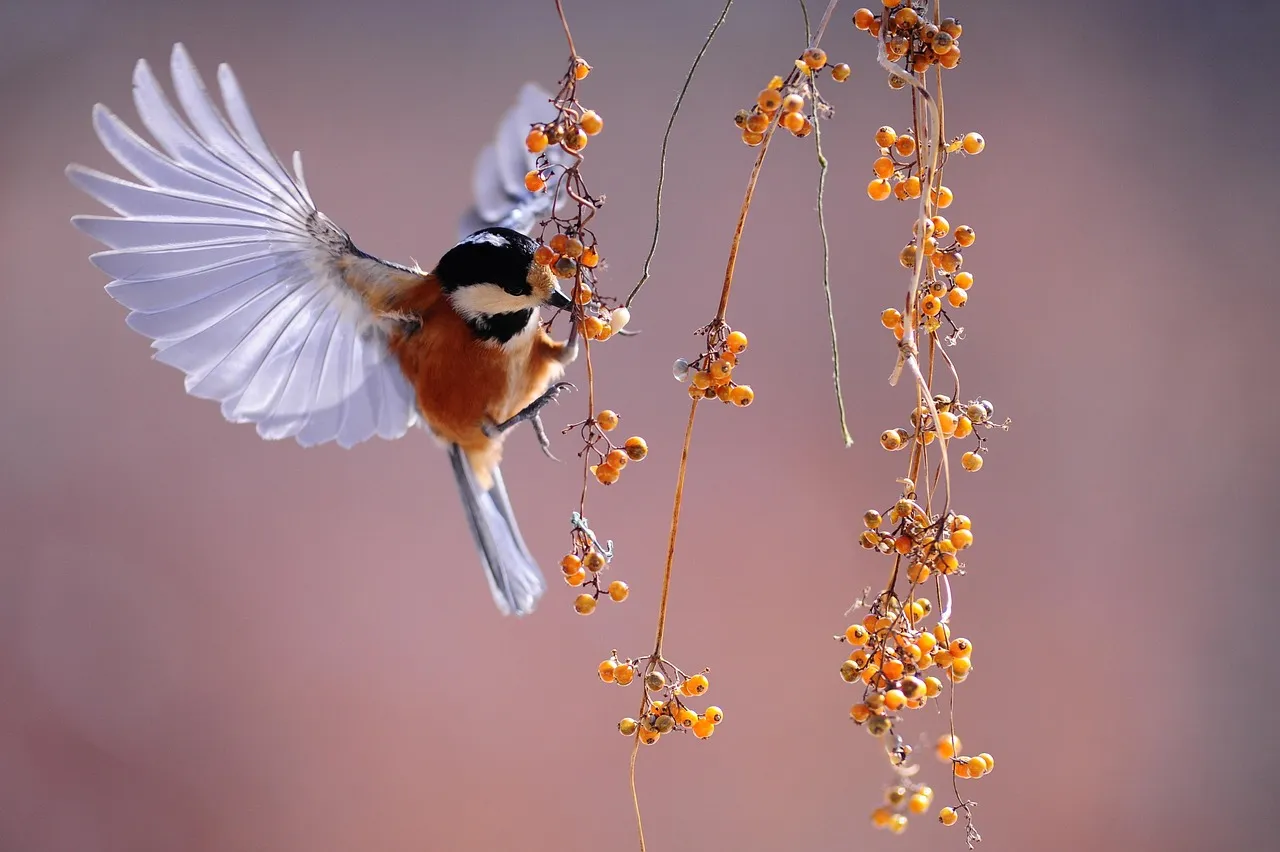
The most important early autumn job is not a single action; it is a mindset. Instead of following a rigid formula, watch which birds appear, when they feed, and what they prefer. Maybe your garden naturally attracts more finches than thrushes, or maybe you are right under a regular winter blackbird route. Adjust your planting, feeding styles, and shelter accordingly, rather than forcing some idealized bird mix you saw in a book.
I have found that once you start paying attention, your garden becomes less of a “project” and more of an ongoing conversation with the birds that vote with their wings. If you respond to what they are telling you – more cover here, less disturbance there, better food over there – they are far more likely to commit to your space as a winter base. Early autumn is when that conversation really begins, and whether they stay through the cold months often comes down to how well you listen now.
Conclusion: A Winter Sanctuary Is Built in the Quiet of Early Autumn
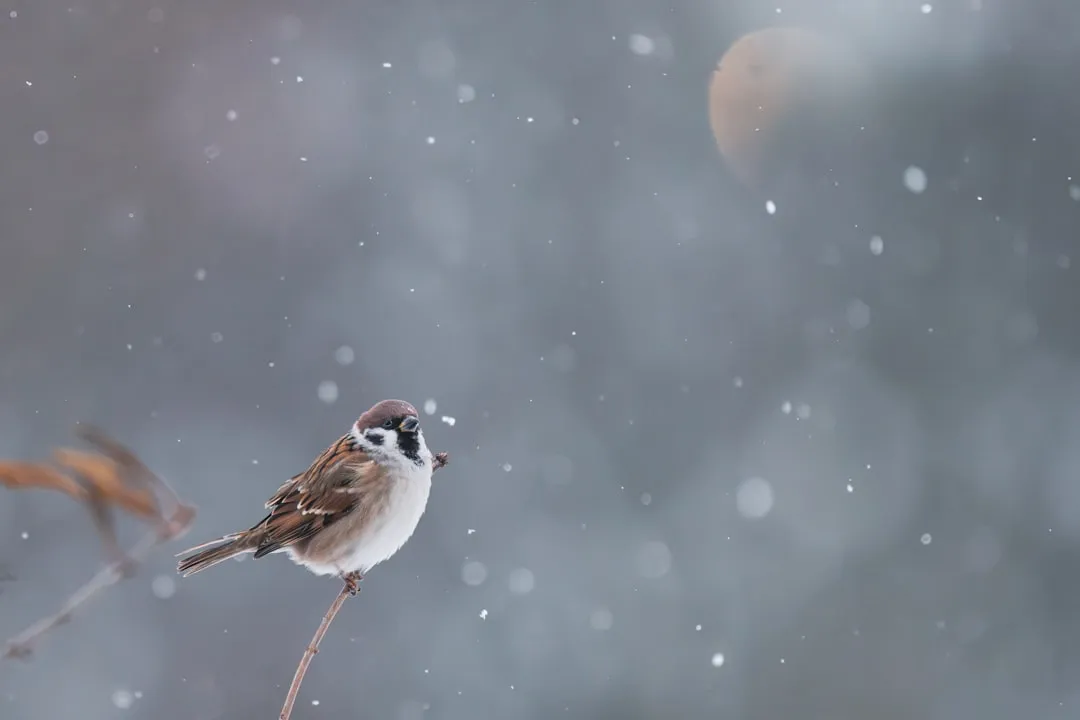
By the time the first real frost settles in, it is already too late to ask whether your garden is bird-friendly enough for winter; the decision was made in those mild early autumn weeks. Leaving seed heads, planting berry shrubs, cutting back on chemicals, and building shelter might look small and almost unimportant in the moment, but together they add up to one clear message for birds: you can survive here. Ignoring those choices sends the opposite signal just as clearly.
I think the most powerful shift is realizing that you are not just decorating a space; you are tipping the scales of survival for fragile, wild lives right outside your window. When a robin puffs itself up on a frozen morning and still sings, it is partly on the back of the quiet, practical work you did months earlier. That is a responsibility, but it is also a privilege. Looking at your own garden, will it be just another silent, frosted patch this winter, or a place that stubbornly stays alive when everything else goes still?

- 17 Garden Jobs in Early Autumn That Decide Whether Birds Stay Through the Winter - August 20, 2026
- What Dogs Do Differently Every October 18 Changes Owners Mistake for Simply Getting Older - August 20, 2026
- 18 Things Boarding Kennel Staff Learn About a Dog Within Ten Minutes of Arrival - August 20, 2026