
Your dog flops down earlier than usual, hesitates on the stairs, and side-eyes the vacuum like it’s personally offended him. Classic old-dog behavior, right? Except vets and trainers keep noticing the exact same wave of “he’s suddenly so old” complaints rolling in every single October, often clustering right around the 18th – and that timing is the whole tell.
If age were really the cause, it wouldn’t arrive on a schedule. So what is actually happening in that narrow window? From secret hearing loss to hidden heart strain to a household mood that’s quietly rubbing off on the dog, here are 18 things that happen to dogs every October that owners keep mistaking for the calendar catching up with them.
#18 – They Start Sleeping Way More, And You Call It “Old Dog Tired”
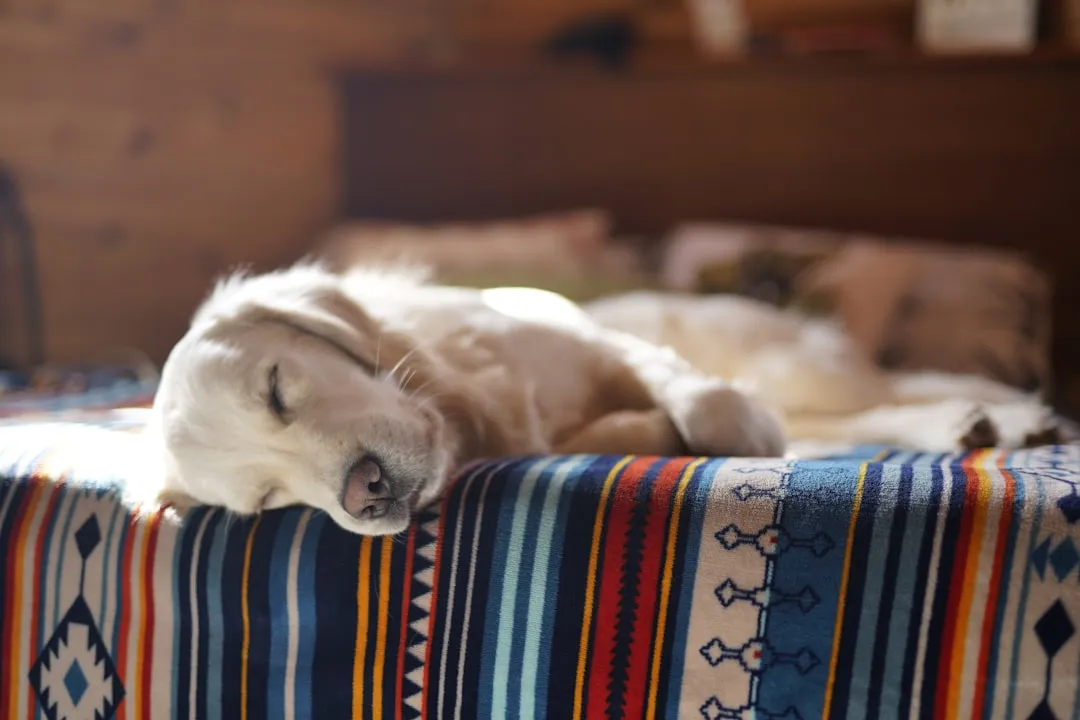
Most owners assume, “He’s just getting older,” the moment their dog starts snoozing more in mid-October. In reality, shorter daylight hours trigger a rise in melatonin, nudging dogs toward a seasonal reset that has nothing to do with their birth certificate.
The real danger is what owners do next: they back off exercise because they assume the dog “can’t handle it anymore.” Less movement leads to stiffness, weight gain, and genuine fatigue within a few months – so the sleepiness that started as a normal seasonal shift quietly becomes the very decline everyone feared.
#17 – Their Joints Look Stiffer Overnight, Not Over Years
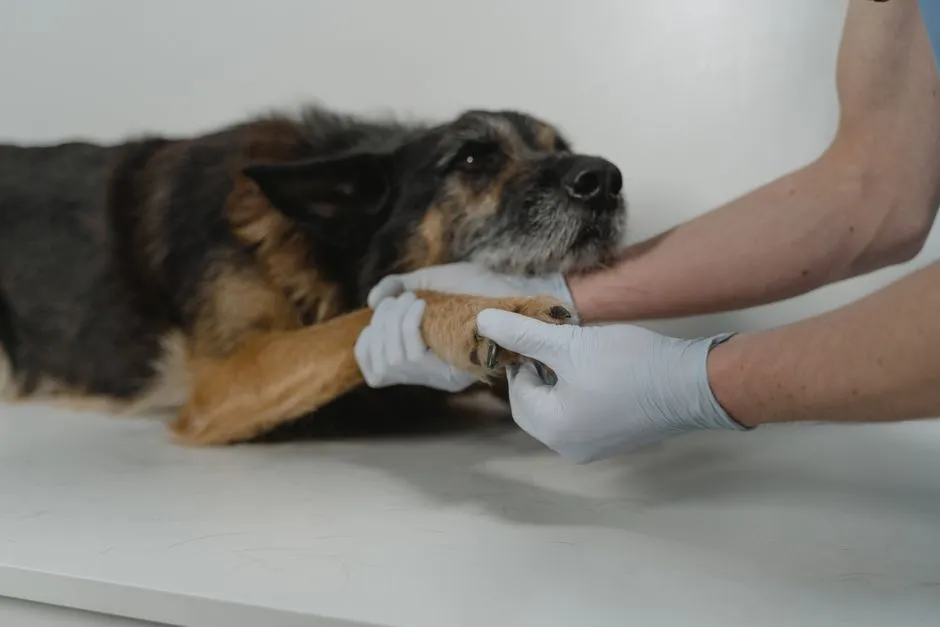
Every October, clinics see a spike in “he suddenly got old” visits. The dog is slow to get up, hesitates on stairs, or refuses to jump in the car, and owners swear it happened overnight.
Pain specialists know better: cooler, damp weather doesn’t create arthritis, it exposes joint disease that was already quietly building for months. With supplements, weight management, and adjusted exercise, many of these dogs move better within weeks – but only if someone stops blaming the birthday and starts treating the joints.
Fast Facts
- Cooler, damp weather doesn’t cause arthritis – it just makes existing joint pain more noticeable.
- Weight management and adjusted exercise often show visible improvement within weeks, not months.
- Stairs, car jumps, and sudden direction changes are usually the first movements to reveal joint trouble.
#16 – They Go Quiet and Withdrawn, And It’s Mistaken for Age
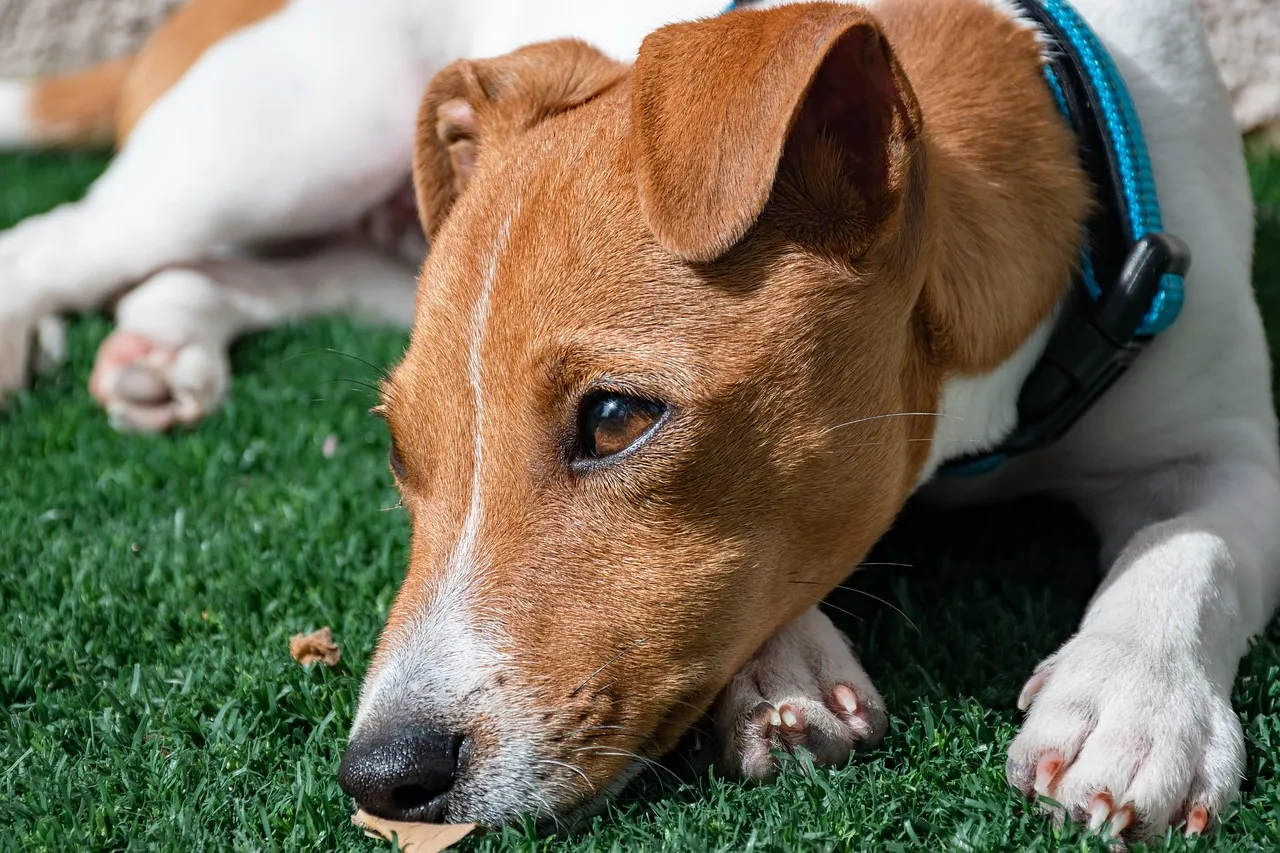
Some owners notice their dog looking sadder, clingier, or oddly withdrawn as the days shorten, and they chalk it up to “he’s old and doesn’t care anymore.” Behaviorists see something else entirely: real anxiety triggered by shifting light and routine, especially in sensitive breeds.
Darker evenings, colder walks, and owners glued to screens indoors mean dogs lose stimulation almost overnight. Enrichment toys, scent games, and short frequent outings can turn that “grumpy old dog” back into an engaged one – proof that the problem was boredom, not decline.
#15 – They Flinch at Every Sound as Halloween Creeps Closer
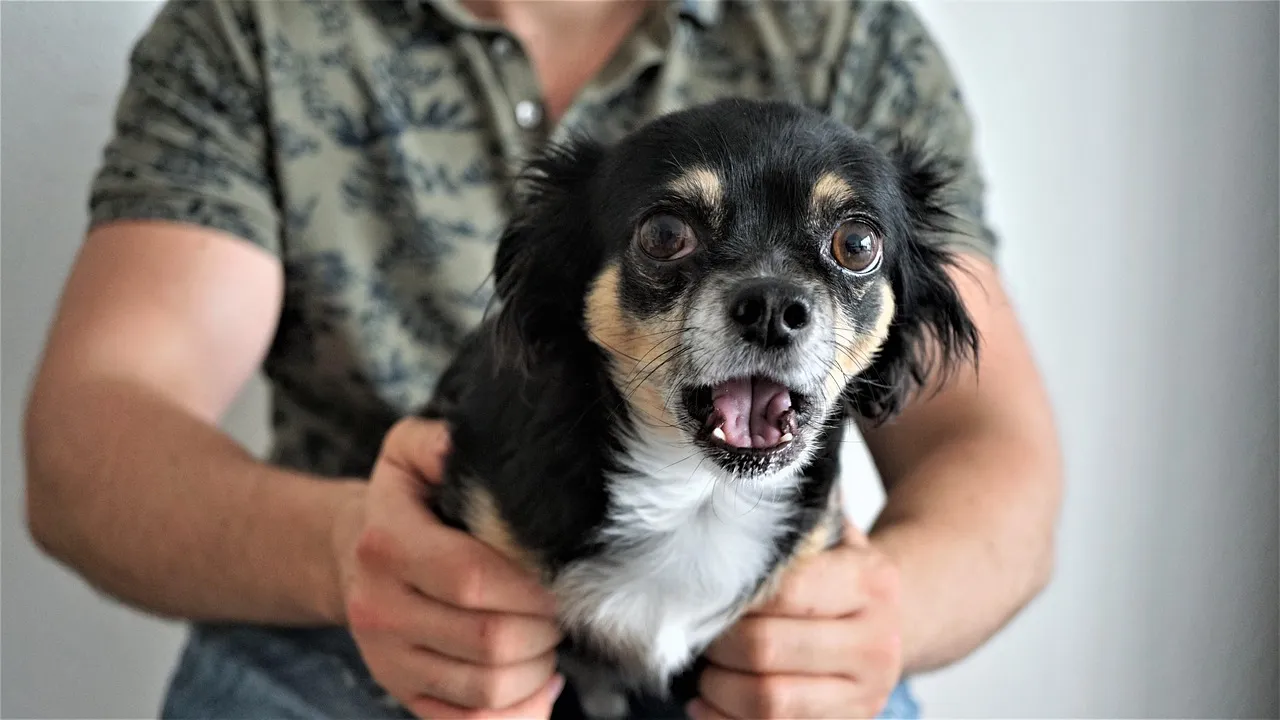
Many owners think their dog is “losing it” once decorations, door knocks, and random bangs start ramping up in mid-October. The dog startles, barks at shadows, or hides under the bed, and it gets labeled age-related confusion.
But October is genuinely one of the loudest, strangest months of the year for a dog’s senses – flapping decorations, fireworks, kids yelling outside more than usual. An older dog with slightly dulled hearing or vision is simply working overtime to interpret chaos in the dark, and noise desensitization or a safe hiding spot helps far more than shrugging it off as dementia.
#14 – They Move Less Because You Did, Not Because They Aged
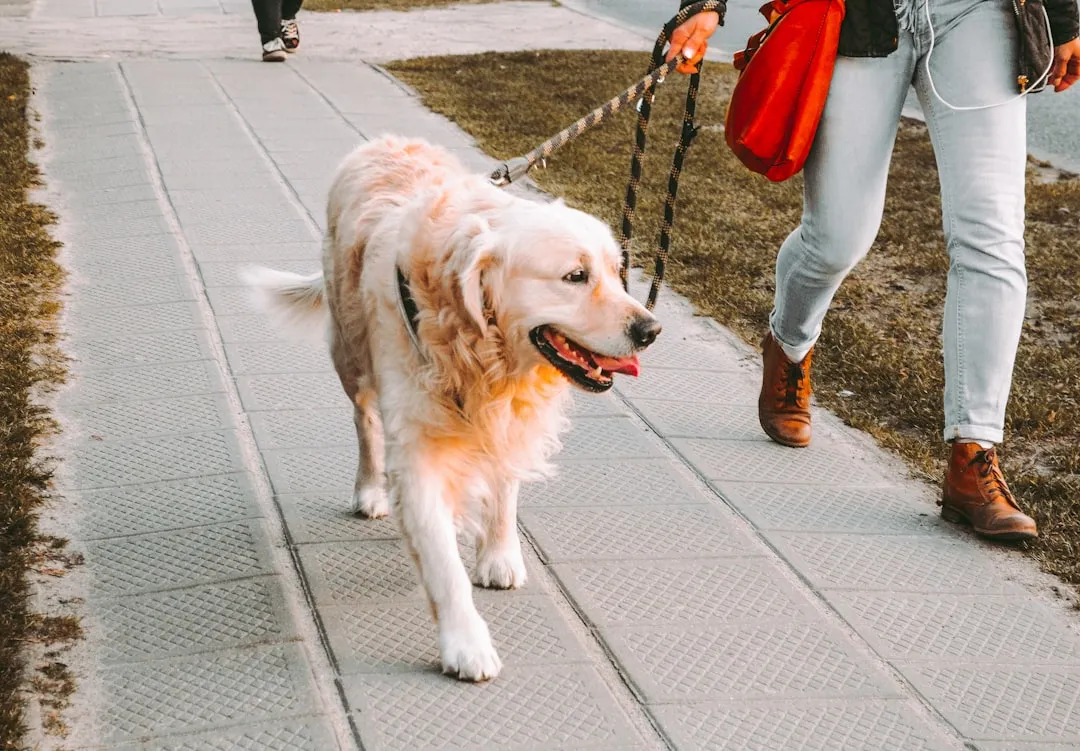
By October, most humans are busier, more tired, and outside less – walks shrink, weekend adventures disappear, and then owners notice, “he doesn’t zoom like he used to, must be age.” In countless homes, the dog only slowed down after the owner did first.
Less exercise means less muscle supporting aging joints and more pent-up energy turning into restlessness or “lazy” behavior. Bring back a consistent, gentle fall routine – shorter but more frequent walks, hallway fetch, quick training games – and many “old” dogs look years younger within days.
#13 – They Act Hungrier, But It’s Not Just “Old Dog Greed”
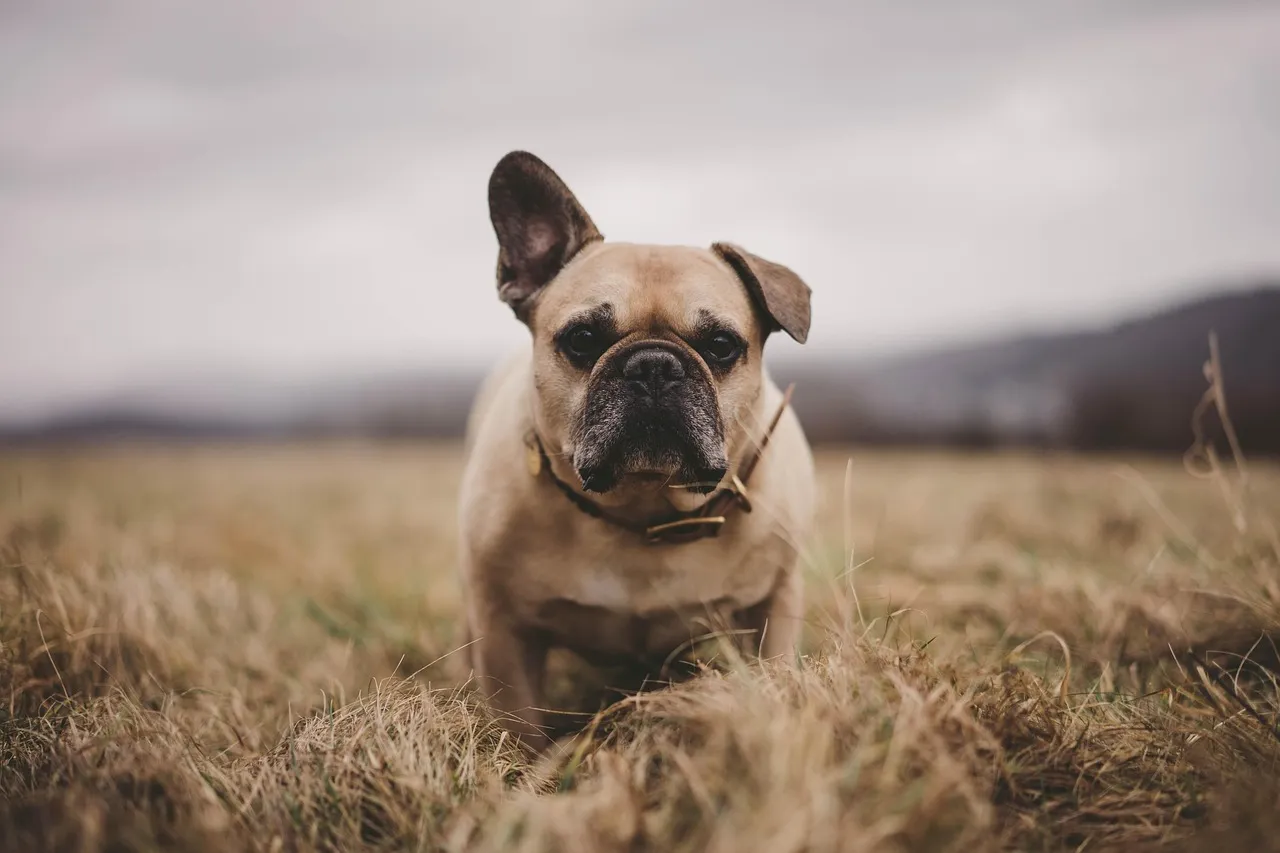
Owners love to joke that their dog is “becoming an old man who lives for food” once the fall begging starts. In truth, mild temperature drops raise calorie needs, especially in lean or active dogs, while owners unconsciously shorten walks and forget to adjust portions.
The dog burns differently, eats the same, and genuinely feels hungrier – it’s math, not personality. A fall body-condition check and a chat with the vet about portions, plus puzzle or scatter feeding, satisfies both the stomach and the brain far better than blaming old age.
#12 – Their Coat Changes Overnight, And You Call It “Looking Old”
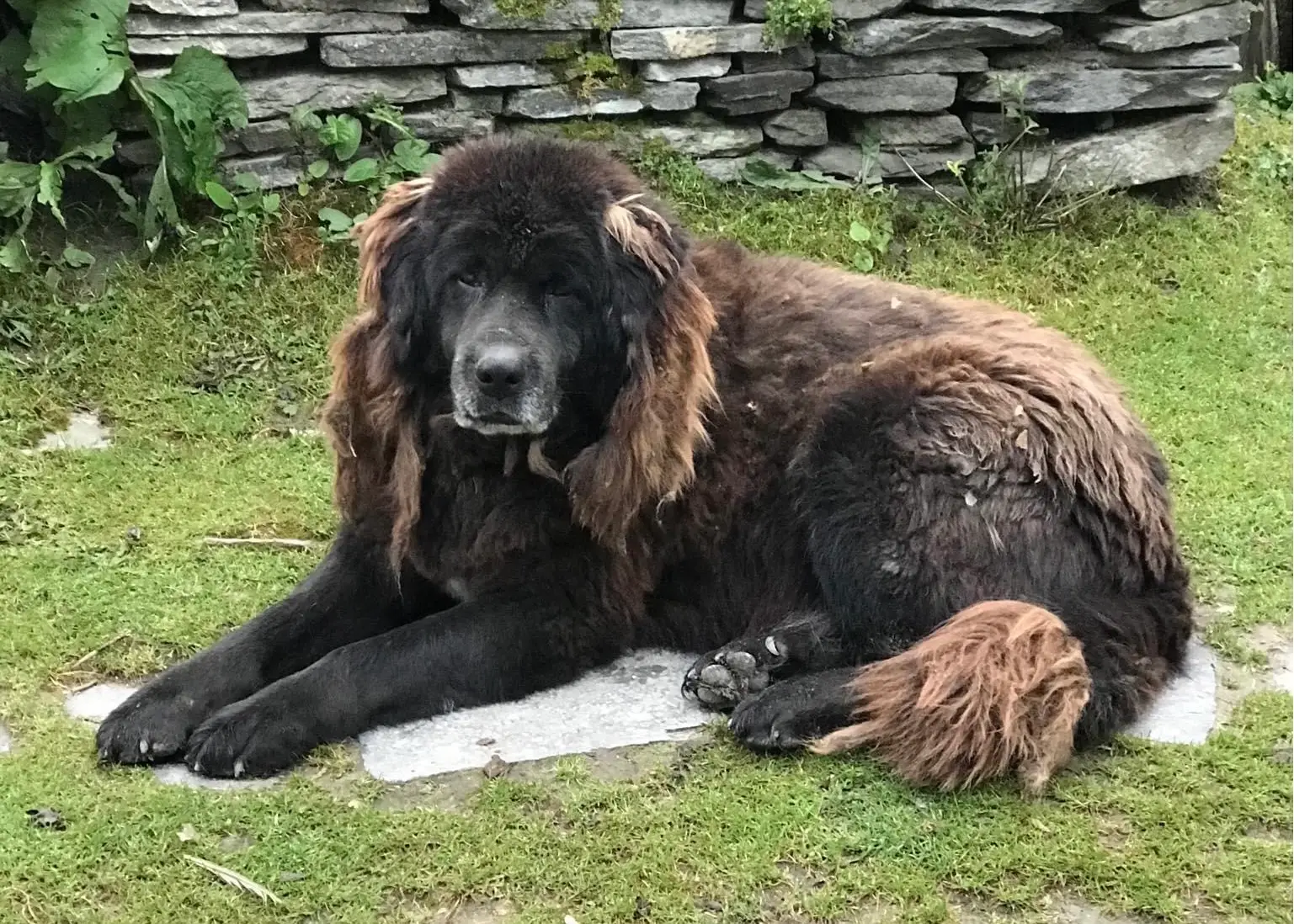
Around mid-October, many breeds blow coat, get patchy, or lose their shine, and owners immediately declare, “he aged overnight.” But coat cycles are deeply seasonal – shorter days trigger shedding and regrowth that can make a healthy dog look scruffier than he actually is.
If nutrition is only “okay,” that normal seasonal shed gets exaggerated into dullness and thinning. Address the diet with omega-3s and quality protein, and the “sudden aging” look often reverses fast – gray muzzle hairs are real aging, but the dramatic October coat crash usually isn’t.
#11 – They Get Clingy, And People Mistake It for Confusion
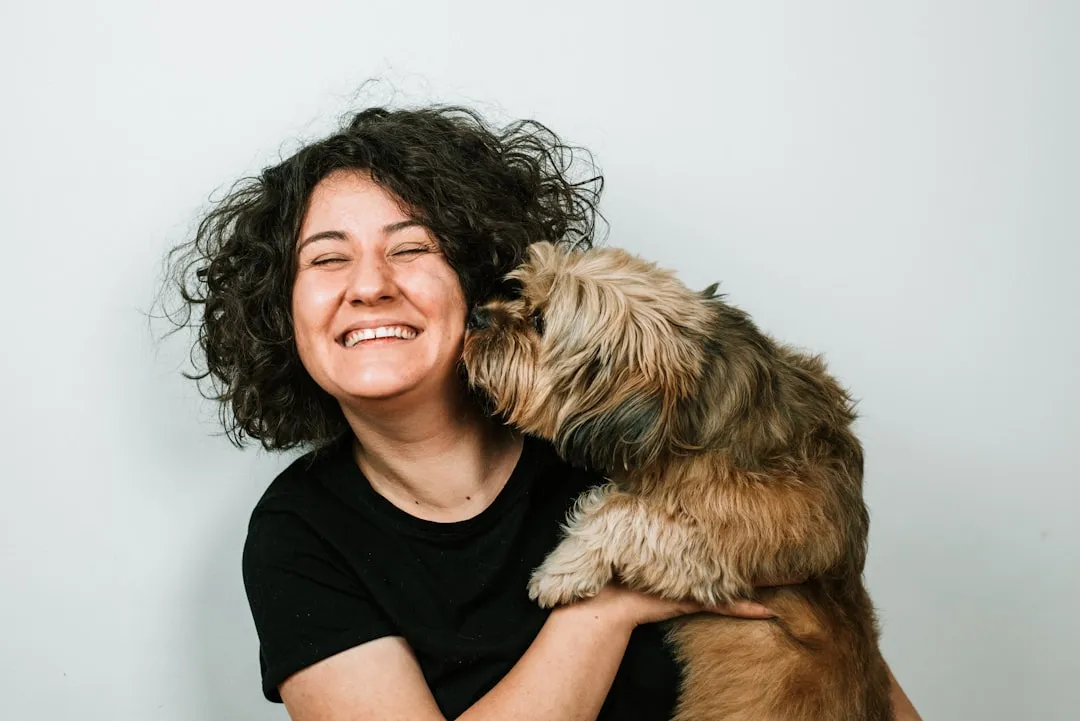
Many dogs turn Velcro-like in October, following owners room to room and whining at the door, and it gets blamed on “senior confusion” or fear of being alone. Trainers see dogs reacting to shifting household energy instead – holiday stress, mood slumps as it gets darker, more indoor time with less real interaction.
Dogs are emotional barometers, and when your energy drops or gets chaotic, many respond by sticking closer. True cognitive decline exists, but it’s diagnosed through patterns over time, not a single clingy October – so before assuming a medical mystery, check whether your own schedule and patience changed first.
#10 – They Hesitate on Walks Because Their World Looks Different
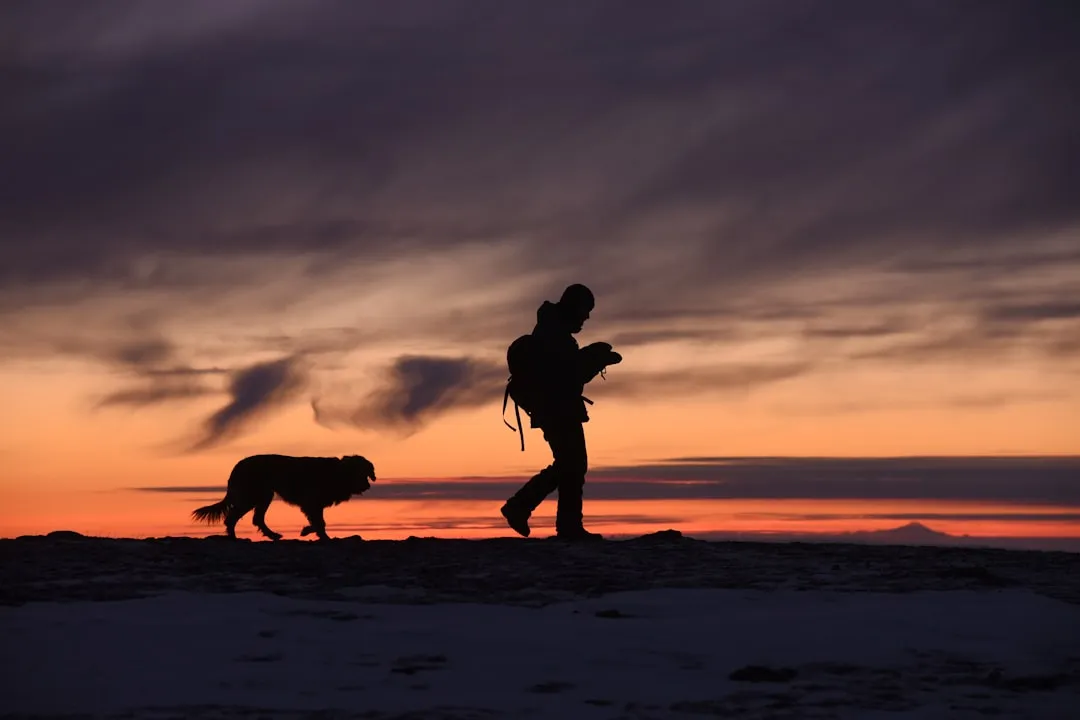
Ever notice your dog balking on evening walks once it’s suddenly dark by dinnertime? Owners say, “his eyes are going, he’s old,” but changing light, shadows, and holiday decor can make a familiar route feel unrecognizable and suspicious.
Pumpkins, inflatable ghosts, and flickering lights all show up around this exact time, creating a perfect storm for a dog with slightly reduced sight. Choosing well-lit routes and giving them time to sniff and process – instead of forcing them forward – restores confidence that has nothing to do with age.
#9 – Accidents Start Happening, But It’s Rarely a “Senior Bladder”
Bathroom accidents that begin in fall get blamed on aging bladders almost automatically. Vets find other culprits far more often – colder, wetter ground makes some dogs hold it longer than they should, and rushed, dark evenings mean fewer bathroom opportunities overall.
Holiday prep adds another layer: rearranged furniture, opened guest rooms, and lingering unfamiliar scents can confuse a dog about “allowed” spots. Any senior accident deserves a vet check, but if it “starts every October,” the real culprit is often routine and environment, not the birth date.
#8 – They “Ignore” You More, Because They Genuinely Can’t Hear You
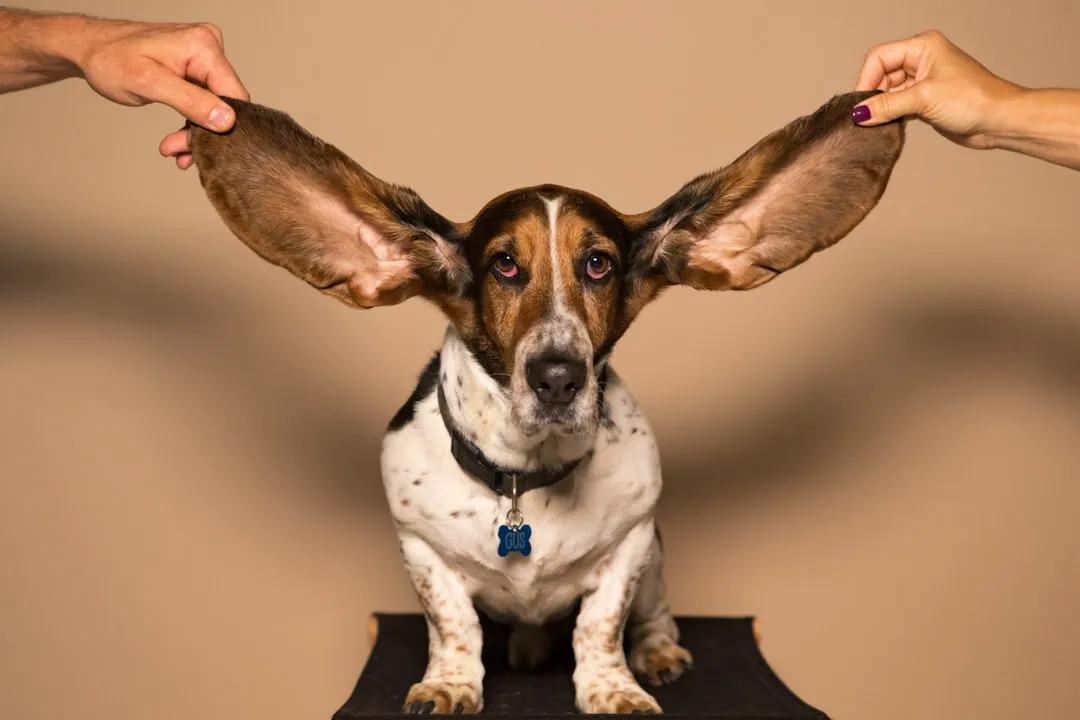
“Suddenly stubborn” is a common October complaint, as dogs that listened perfectly all summer start missing cues in the dark or in the yard. People jump straight to “selective hearing” or “too old to care.”
In truth, leaf blowers, Halloween parties, and traffic on wet roads raise the noise floor dramatically, and even mild hearing loss gets buried under it. Testing with hand signals and closer distance often “magically” fixes the issue – proof it was sensory overload, not attitude.
Quick Compare
| What Owners Assume | What’s Actually Happening |
|---|---|
| He’s just getting old | Shorter days raise melatonin and shift sleep patterns |
| Selective hearing | Leaf blowers, parties, and wet-road traffic drown out cues |
| Senior confusion | Holiday routine changes leave dogs without their usual markers |
| Old-age grumpiness | Cold floors and quiet pain build up until patience snaps |
#7 – They Get Snappy, And Owners Blame Old-Age Grumpiness
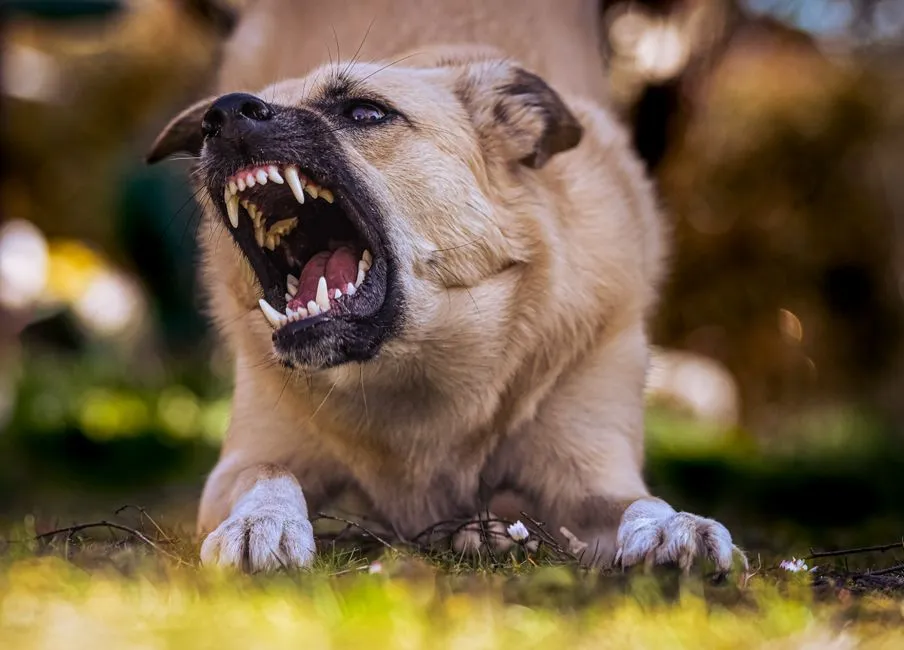
A dog who tolerates kids and guests all year may start growling or snapping in October, and the usual verdict is “he’s getting old and mean.” Pain experts see a red flag instead: cold floors, more visitors and costumes, and disrupted rest can push underlying pain past the breaking point.
A dog in pain has zero tolerance for nonsense, and many dogs who “bite out of nowhere” had months of missed low-grade pain signals beforehand. If snappiness shows up like clockwork every fall, that’s not a personality flaw – it’s a diagnostic clue worth a vet visit.
#6 – They Lose Interest in Toys, But It’s Usually a Setup Problem
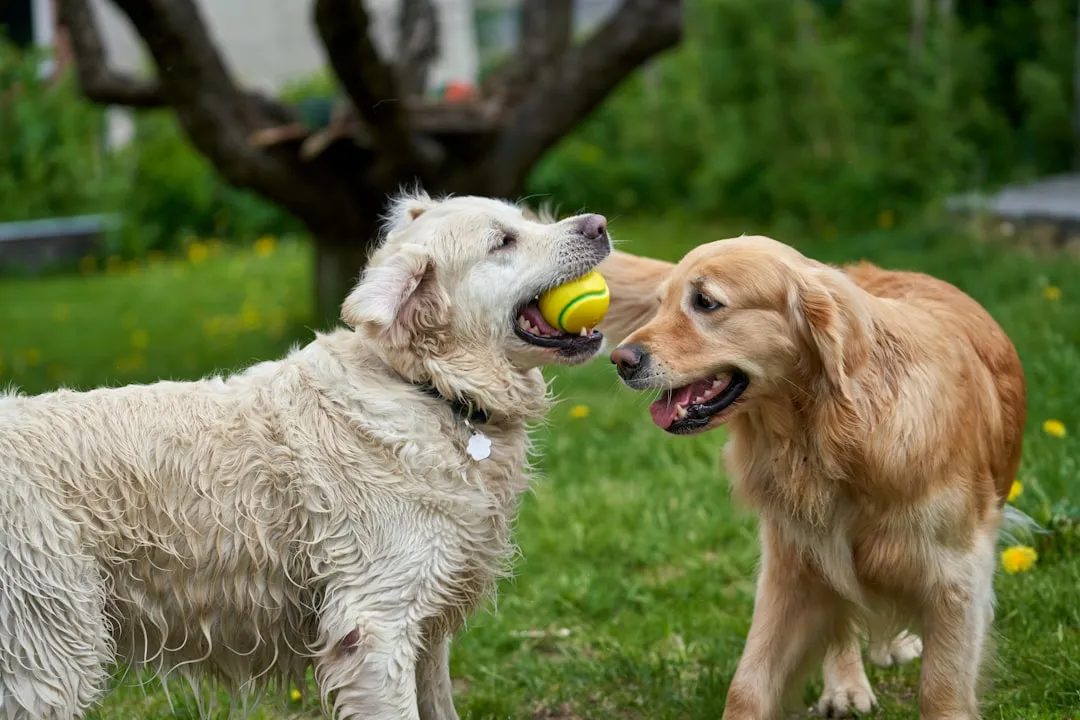
Around mid-October, owners pack away summer toys without replacing them, then declare, “he’s too old to play now.” Most adult and senior dogs still want to play – they just won’t chase a slippery ball across hardwood or land hard on a cold Frisbee jump.
Swap in nose-work games, soft tug toys on carpet, and slow-feeder puzzles, and dogs who “retired themselves” often re-engage within days. They never stopped liking fun; the games just stopped matching their bodies.
#5 – Their Weight Creeps Up, And Everyone Calls It “Senior Spread”
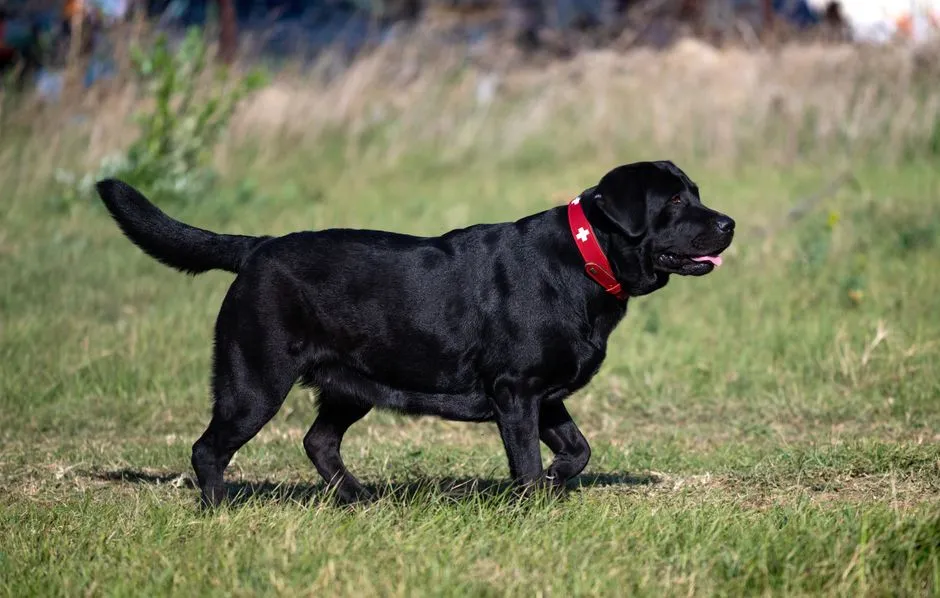
October is often the first time owners notice their dog looks thicker, and they shrug it off as an “old-man belly.” But weight gain isn’t an automatic sign of aging – it’s usually the direct result of shorter walks and richer treats sneaking in earlier each year.
By January, the dog is noticeably heavier and everyone rewrites the story as “he aged fast this winter,” when really he was overfed and under-moved. A fall weigh-in and honest calorie check is one of the simplest ways to buy a dog years of comfort.
#4 – They Cough or Lag on Walks, And It Might Be Their Heart
When a dog suddenly lags, pants excessively, or coughs in cool air, owners assume “old lungs” or “he just can’t keep up anymore.” Cardiology vets flag something different: cooler weather makes longer, brisker walks tempting for humans, unknowingly pushing an aging heart past its comfort zone.
Exercise intolerance, odd breathing, and slow recovery after mild effort are warning signs, not cute quirks. Early detection of heart disease can dramatically change a dog’s prognosis – so a shift from happy walker to reluctant, coughy lagger deserves a vet appointment, not a shrug.
Worth Knowing
- Persistent coughing after mild activity is one of the earliest signs of canine heart trouble.
- Exercise intolerance that appears suddenly in cooler weather is worth a same-week vet call, not a wait-and-see approach.
- Catching heart issues early can significantly extend a dog’s comfortable, active years.
#3 – They Pace All Night as the Clocks and Light Shift
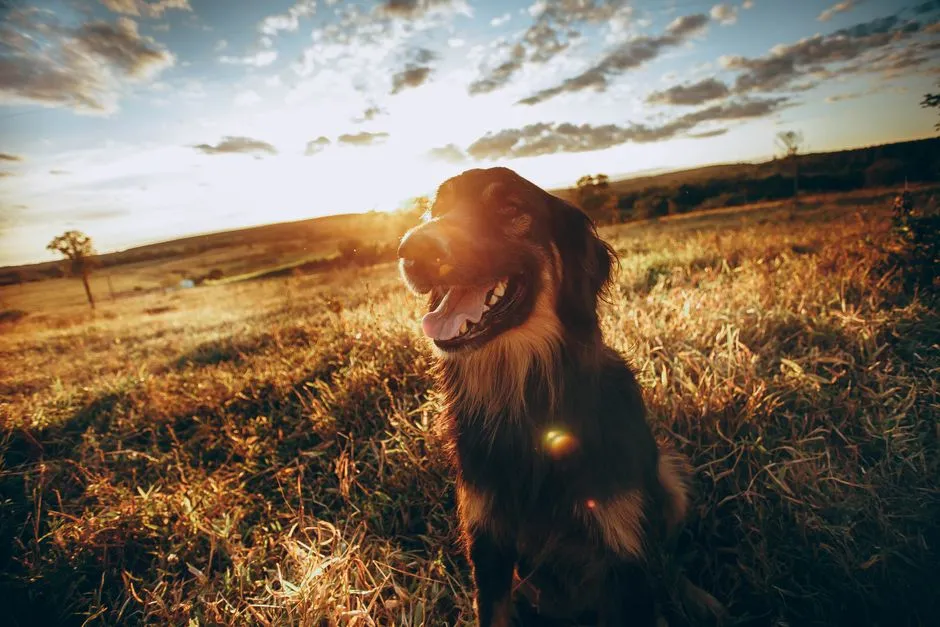
As days shorten and clock changes loom, many dogs begin pacing, whining, or wandering at night, and families call it “sundowning” or doggy dementia. True cognitive decline exists, but abrupt routine changes are massively underestimated – dinner times shift, walk schedules move, and dogs who tracked your clockwork all summer suddenly lose their reference points.
Anxiety plus disrupted sleep can look eerily like dementia, but stabilizing feeding times, walk schedules, and evening lighting often resolves it fast. If symptoms fade once routine stabilizes, you were watching confusion, not brain disease.
#2 – They Refuse Car Rides, And It’s Not Retirement From Adventure
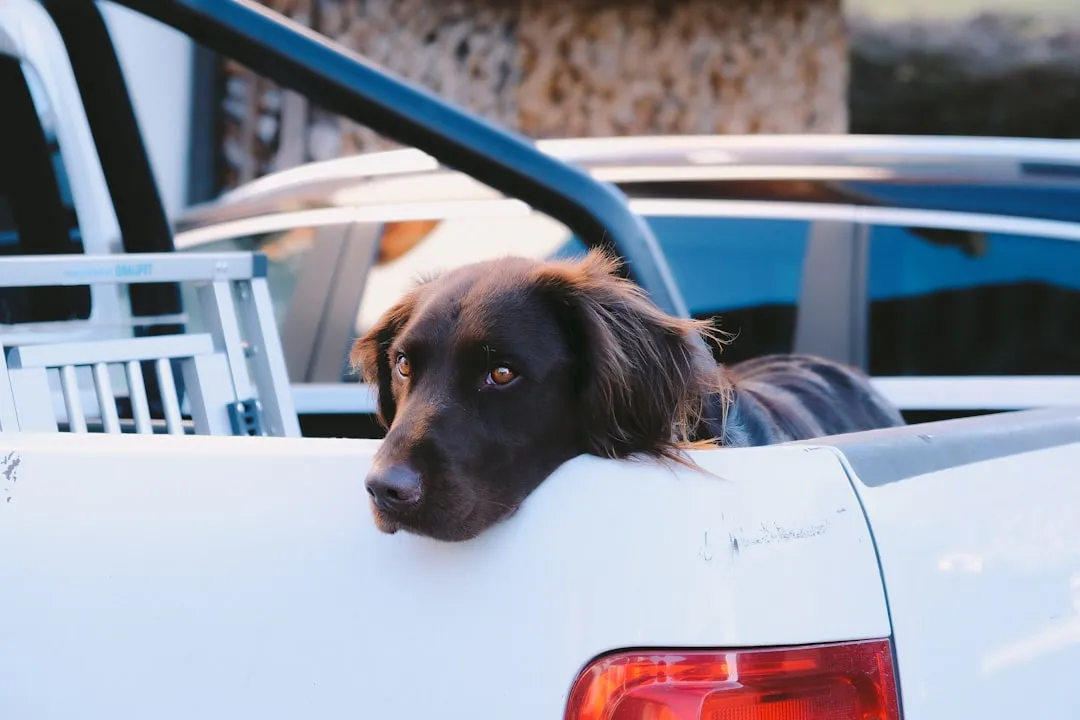
Plenty of dogs that used to leap into the car start balking in late October, and owners assume they “don’t care for adventures anymore.” More often, the real issue is physical discomfort jumping onto cold, slippery surfaces, combined with more stressful destinations like the vet or a crowded pre-holiday store.
Dogs connect the dots – they don’t hate going out, they hate where they end up and how it feels getting there. Ramps, non-slip mats, and more trips to genuinely fun places can restore that spark fast.
#1 – They Quietly Ask for Help, And Most Owners Miss It Completely
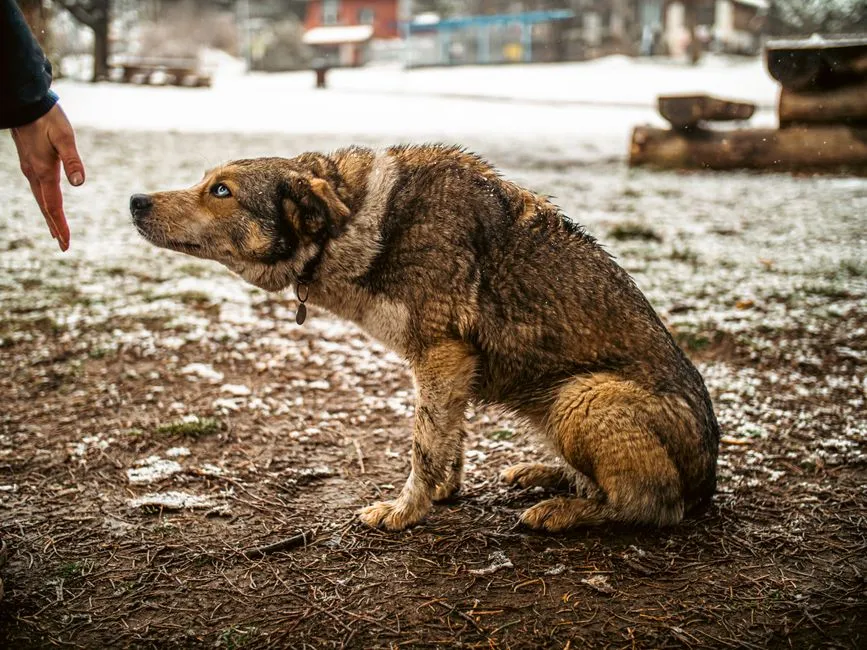
The most important October change isn’t dramatic at all. It’s the way your dog looks at you before jumping, waits a beat longer before climbing stairs, or quietly chooses the softer bed – small hesitations that are often the very first signal that something hurts or feels off.
This is the moment that decides everything: some owners shrug and say, “well, he’s old,” and do nothing, while others hear the message and book a vet check, add joint support, and pay closer attention. Dogs don’t dread aging – they dread being uncomfortable and ignored, and listening early is the difference between a slow, supported senior season and a decline that only looks sudden because no one was watching.
Why It Stands Out
- It’s the only sign on this list that has nothing to do with weather, light, or noise.
- It shows up as hesitation, not drama – a pause before jumping, a longer look before the stairs.
- Owners who act on it early tend to see the biggest long-term payoff of any change on this list.
The Bottom Line
Every October, especially around mid-month dates like the 18th, owners everywhere watch their dogs change and file it under “getting old.” That story is comforting – inevitable, unfixable, almost poetic – and it’s often flat-out wrong.
Seasonal light, temperature, pain, routine shifts, and our own behavior explain far more than most people want to admit. A lot of what gets lazily labeled “age” is actually feedback – your dog telling you exactly what hurts, what confuses him, and where your lifestyle stopped fitting his body.
Blaming age is easy. Paying attention is work. But the dogs who stay vibrant the longest almost always belong to the owners who refused to write off every October change as “just old” – so which kind of owner are you going to be this year?
