
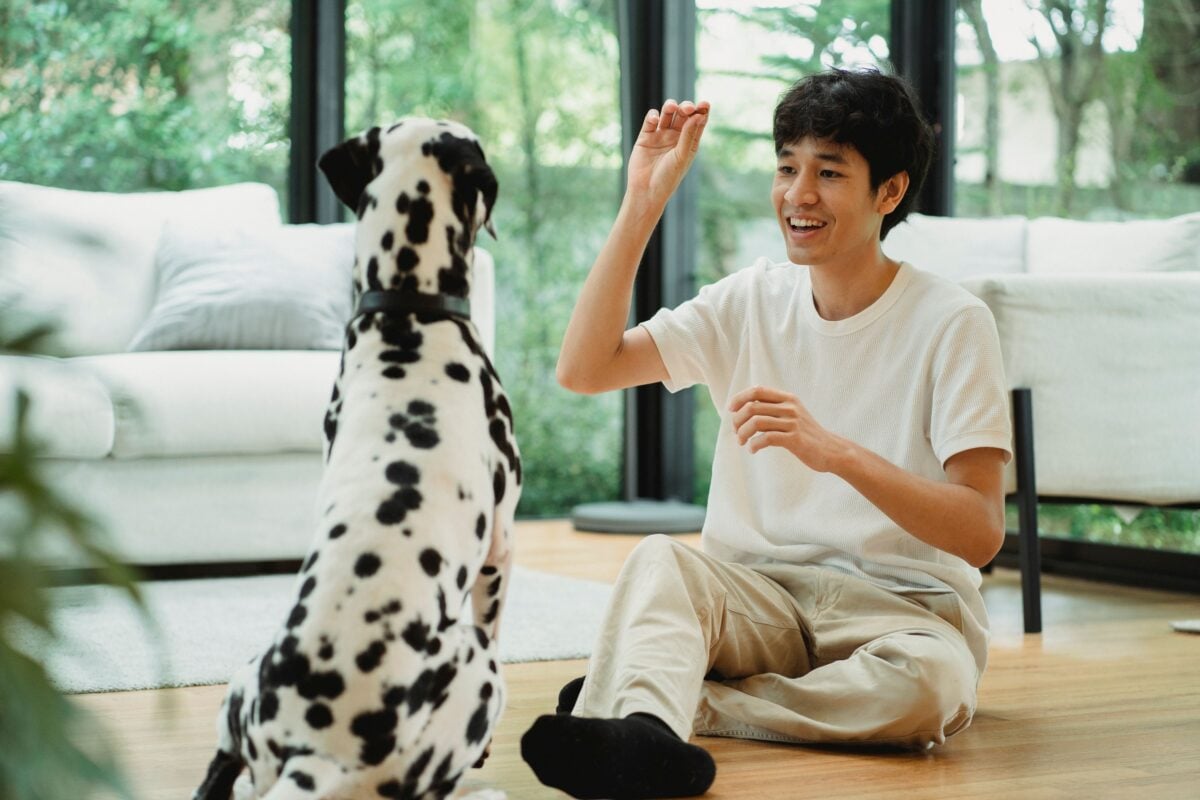
You might think nobody really knows your dog like you do. But walk into a good boarding kennel and, within ten minutes, the staff already has a surprisingly sharp snapshot of who your dog is. It can feel almost spooky, like they’ve read your dog’s diary just from watching them hop out of the car.
Behind that quick read is a mix of training, pattern-spotting, and a lot of time spent with every kind of dog imaginable. From the nervous rescue who freezes at the door to the confident social butterfly dragging their human to the lobby, kennel teams are quietly gathering details that will shape your dog’s entire stay. Here are eighteen things they usually figure out in those first few minutes – often before you’ve even finished the paperwork.
1. Overall Confidence Level

The first few seconds your dog spends on the property say a lot. Does your dog strut in with loose body language, tail gently wagging, taking in the new smells without hesitation? Or do they hang back, low to the ground, scanning the room, maybe even trying to retreat to the car? Kennel staff are trained to watch posture, tail position, and how fast a dog recovers from tiny surprises like a new sound or a closing door.
Confidence matters because it shapes how they’ll introduce your dog to the space and routine. A confident dog might be ready for a quick tour or a calm meet-and-greet with a staff member, while a nervous dog might need slower steps, extra distance, and more reassurance. Recognizing that early helps prevent overwhelm and sets the tone for a calmer, safer stay.
2. Baseline Stress and Anxiety
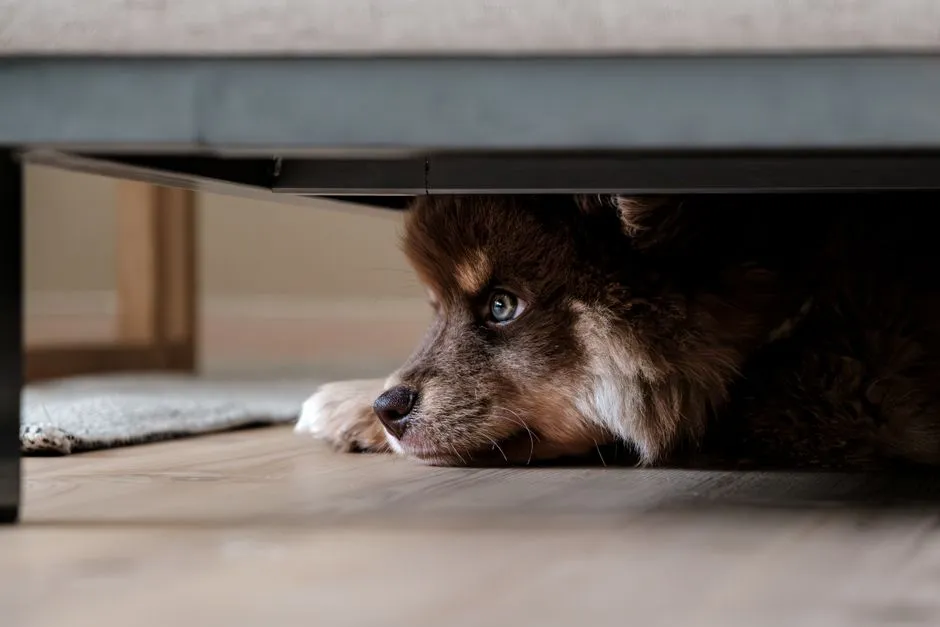
Most dogs are at least a little stressed when they arrive; it’s a new place, new smells, and their human is acting different than usual. But kennel staff are looking at how that stress shows up. Is your dog panting hard even in a cool lobby, shedding a lot, drooling, yawning repeatedly, or pacing in tight little circles? These can be signs of heightened anxiety rather than just mild excitement.
Within minutes, staff can usually tell if they’re dealing with a dog who’s simply keyed up from travel or one who’s genuinely distressed. That difference affects everything from where they’re housed to how often staff check in, how slowly they introduce new routines, and whether calming techniques like quiet time, gentle touch (if welcomed), or puzzle feeders might help.
3. Friendliness Toward New People
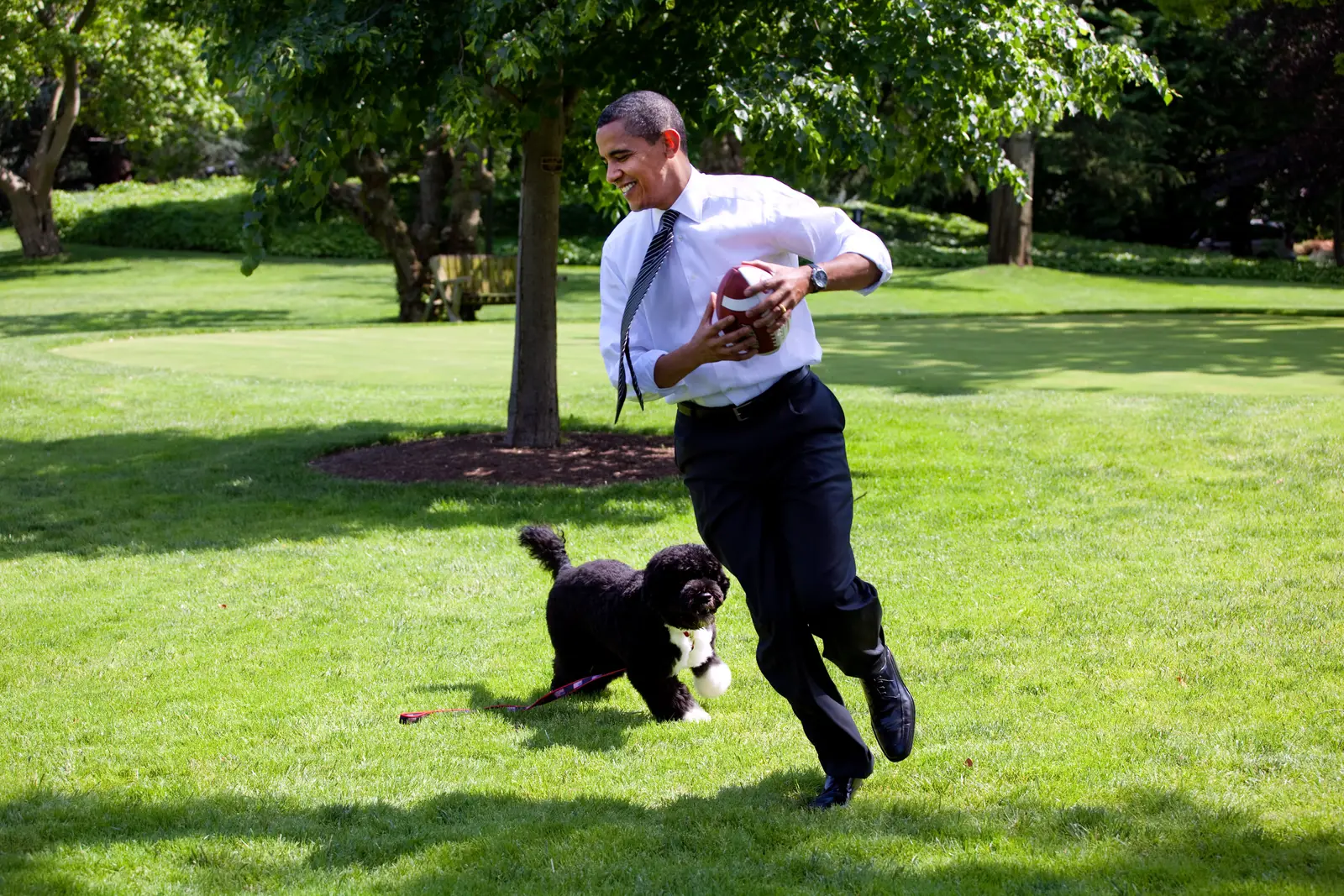
Many owners say, “Oh, he loves everyone,” then watch in surprise when their dog leans away from a new person’s hand. Kennel workers get a feel for your dog’s true comfort with strangers the second a staff member approaches: Do they step forward, wiggle, and make soft eye contact? Or do they freeze, back up, or only interact when their owner nudges them closer?
A dog doesn’t need to be super social to be a good boarding candidate, but staff need to know where that social dial is set. A dog who clearly enjoys people might appreciate extra cuddle sessions, while a dog who’s politely reserved or wary may need more space and slower introductions. Knowing this right away prevents pushing your dog into interactions they don’t actually enjoy.
4. Sensitivity to Handling and Touch

Boarding means your dog will be handled: collars and harnesses clipped and unclipped, leashes attached, bedding adjusted, maybe even medications or grooming. Within minutes of arrival, staff can usually tell how your dog feels about human hands on their body. Do they lean in, relax, and accept gentle touches around their neck, shoulders, and paws, or do they stiffen, pull away, or watch the hand closely?
That early read on handling sensitivity is crucial. A dog who dislikes touch around the collar or paws might react if someone moves too quickly, so staff adapt by going slower, using more treats, and avoiding pressure points. On the flip side, a dog who melts into affection might get more comfort from physical closeness when they’re missing home.
5. Leash Manners and Threshold Behavior
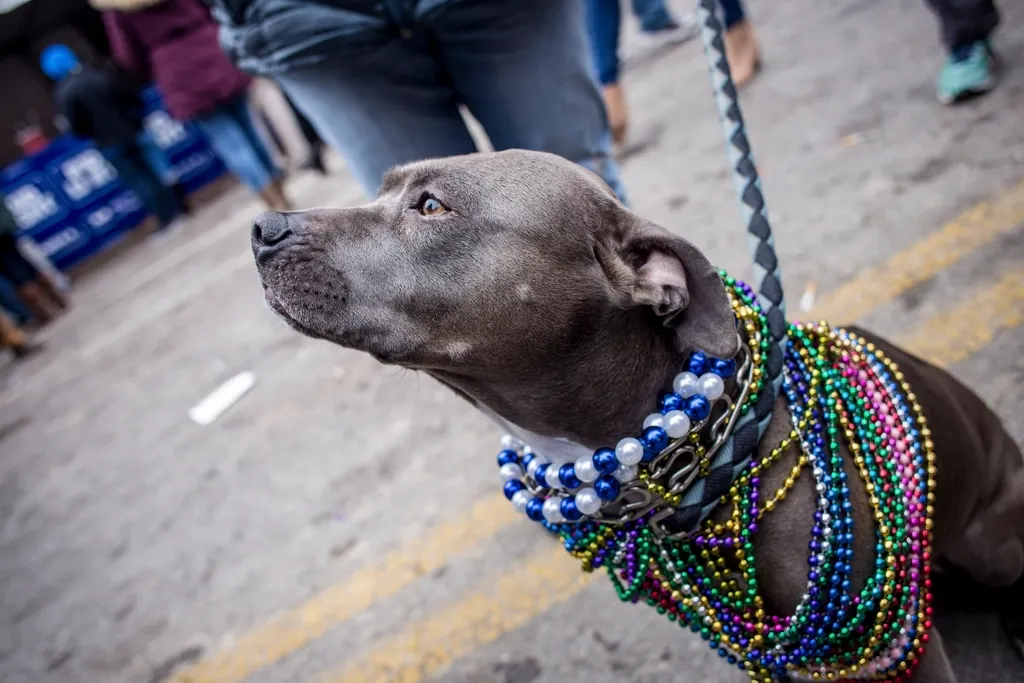
The walk from your car to the lobby tells a story on its own. A dog who drags their human like a sled, zigzagging everywhere, or lunges at every smell is showing how they’ll likely behave during potty breaks and yard transitions. A dog who plods along behind, hesitant to move through doorways or down hallways, is telling a completely different story.
Staff also pay close attention to how your dog handles thresholds: doorways, gates, and new surfaces. A confident dog may trot right through; a more worried dog might slam the brakes and stare at the floor. These patterns help staff know whether they’ll need to give extra time, use more encouragement, or choose quieter routes for walks and yard time.
6. Dog-to-Dog Social Comfort (From a Distance)
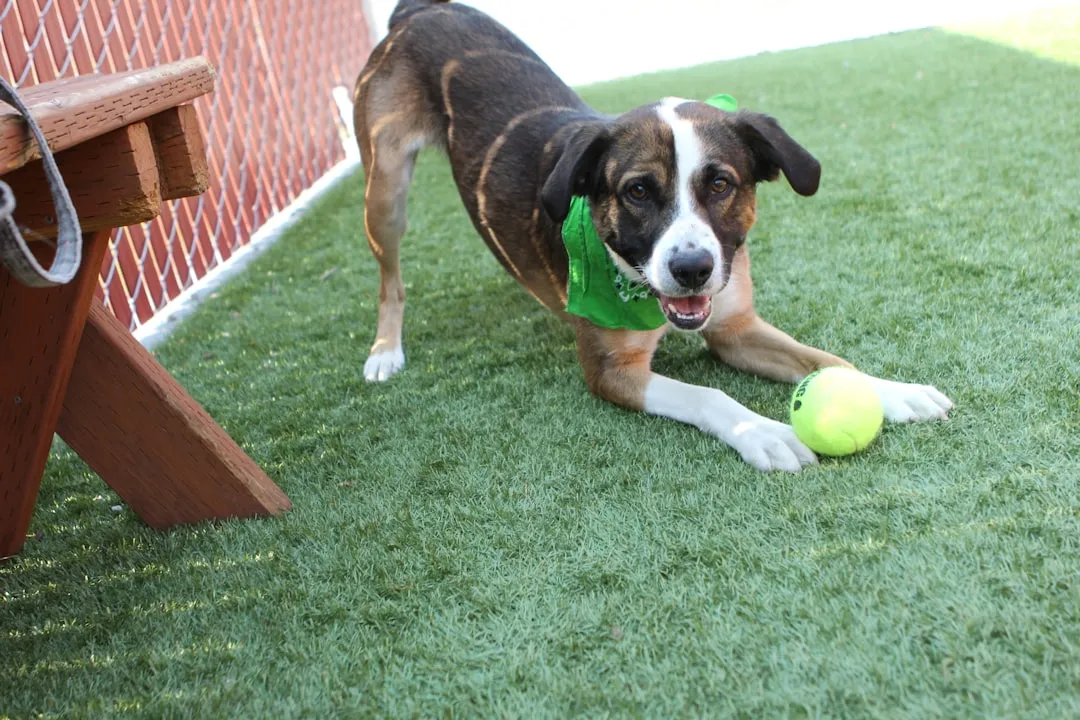
Responsible kennels don’t just toss new dogs into group play right away, but they absolutely do watch how your dog reacts from a safe distance. When another dog walks by on leash, does your dog soften, wag, and offer play bows? Or do they stiffen, hard-stare, bark sharply, or try to hide behind their person?
Within minutes, staff usually know if your dog is a candidate for supervised social time, needs calm one-on-one outings only, or falls somewhere in between. Even if you say your dog goes to the dog park all the time, their behavior in this strange, new environment might be different, and those first reactions guide decisions about safety and enrichment for the rest of the stay.
7. Noise Sensitivity and Startle Response

Boarding facilities can be noisy: barking, doors closing, phones ringing, cleaning equipment running. In the first ten minutes, your dog is likely to hear at least one sudden sound. Kennel staff watch how they respond – does your dog barely notice, glance briefly, and move on, or do they flinch hard, jump, or try to bolt?
A dog who startles easily or stays on edge with every noise may need a quieter run, extra visual barriers, or more gradual exposure to the environment. Recognizing a sound-sensitive dog early lets staff change how they move around that dog’s space, reduce loud surprises, and add calming routines like predictable feeding and walk schedules.
8. Attachment to Their Owner and Separation Response

There’s often a pivotal moment: the handoff. When staff take the leash and the owner steps back, they get a crystal-clear look at the dog’s attachment style. Some dogs glance back once and then trot off happily; others plant their feet, pull toward the door, or begin to whine the second their person is out of sight.
That initial reaction doesn’t tell the whole story of how the dog will do long-term, but it gives staff a starting point. If your dog struggles to let you go, they might add extra check-ins during the first hour, special treats, or more soothing, predictable routines. If your dog barely notices you leaving, they may simply be more independent and adaptable on their own.
9. Food Motivation and Treat Interest

One of the first things many kennel workers do is offer a small, safe treat – part test, part welcome gift. Does your dog take it eagerly with a loose body and bright eyes, or do they sniff and walk away like they have zero interest? Some quite anxious dogs refuse food at first, even if they’re usually food-obsessed at home.
Food motivation is a big deal because it shapes how staff will train, comfort, and redirect your dog. A treat-loving dog can be lured around scary corners, rewarded for calm behavior, and given food puzzles for enrichment. A dog who turns down food might need more time to adjust before staff rely on treats as a tool, and their reluctance can be a clue that stress is still running high.
10. Basic Obedience and Response to Cues
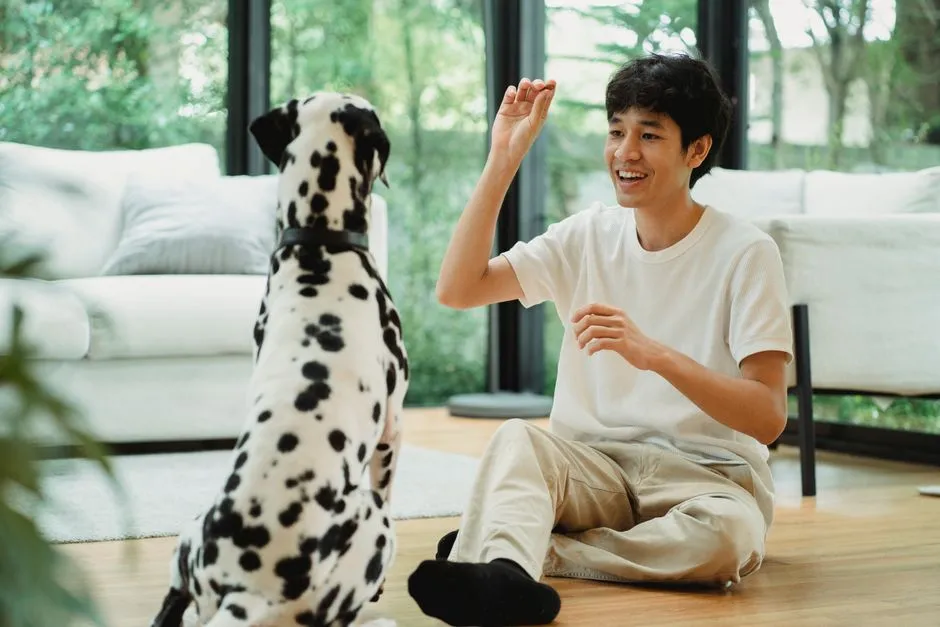
Within a few minutes, staff can tell if your dog has a rough idea of common cues like sit, wait, or come, even if you never formally trained them. Often a staff member will casually ask for a sit at the front desk or before going through a door. Your dog’s response tells them how easy it will be to guide and manage them in daily routines.
A dog who quickly follows simple cues is often easier to move safely around the facility, especially past other dogs or distractions. Dogs who don’t yet respond to cues are not “bad” dogs – they just need clearer body language, more time, and perhaps a different handling style. Knowing this early helps staff stay realistic and avoid expecting behaviors your dog doesn’t yet understand.
11. Physical Condition and Mobility
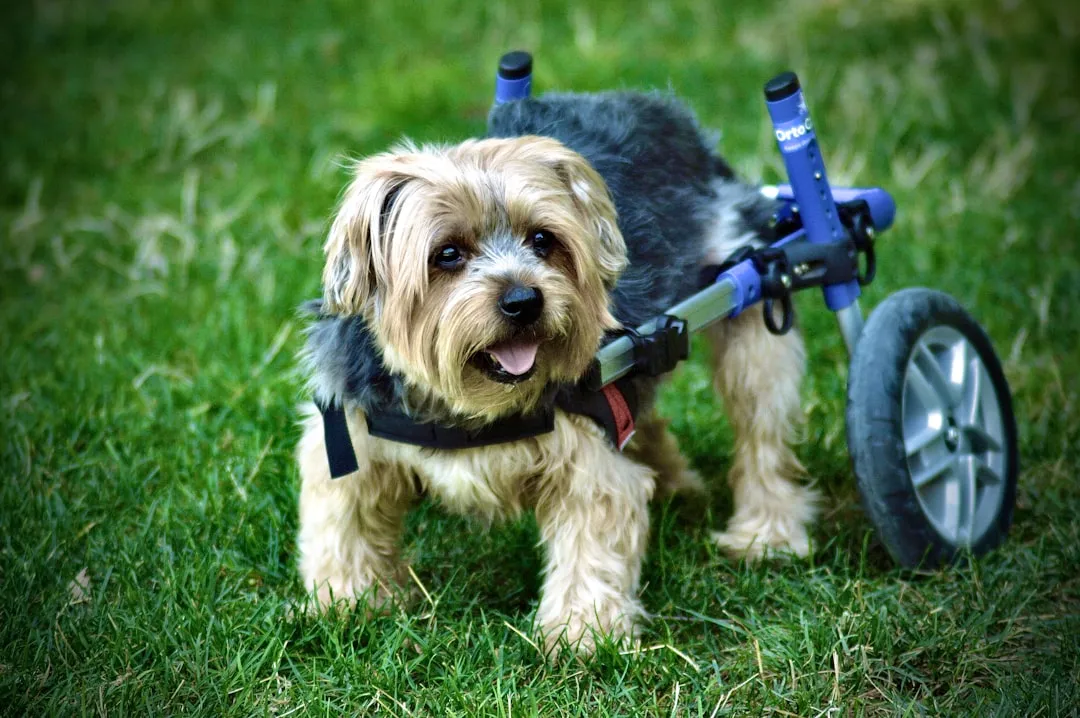
As your dog moves from the car to the lobby and then to their kennel, staff are quietly checking their body condition and how they walk. Do they move smoothly or show stiffness in the hips, knees, or back? Are they overweight, which might make stairs and playtime harder, or very slim with visible muscle tone suggesting they’re highly active?
They’re also looking for subtle limps, hesitation on slick floors, or difficulty jumping into small raised areas. Spotting mobility challenges early means they can choose the easiest routes, avoid unnecessary steps, add non-slip mats, and tailor activities so your dog gets exercise without pain or overexertion.
12. Medical Needs and Medication Tolerance
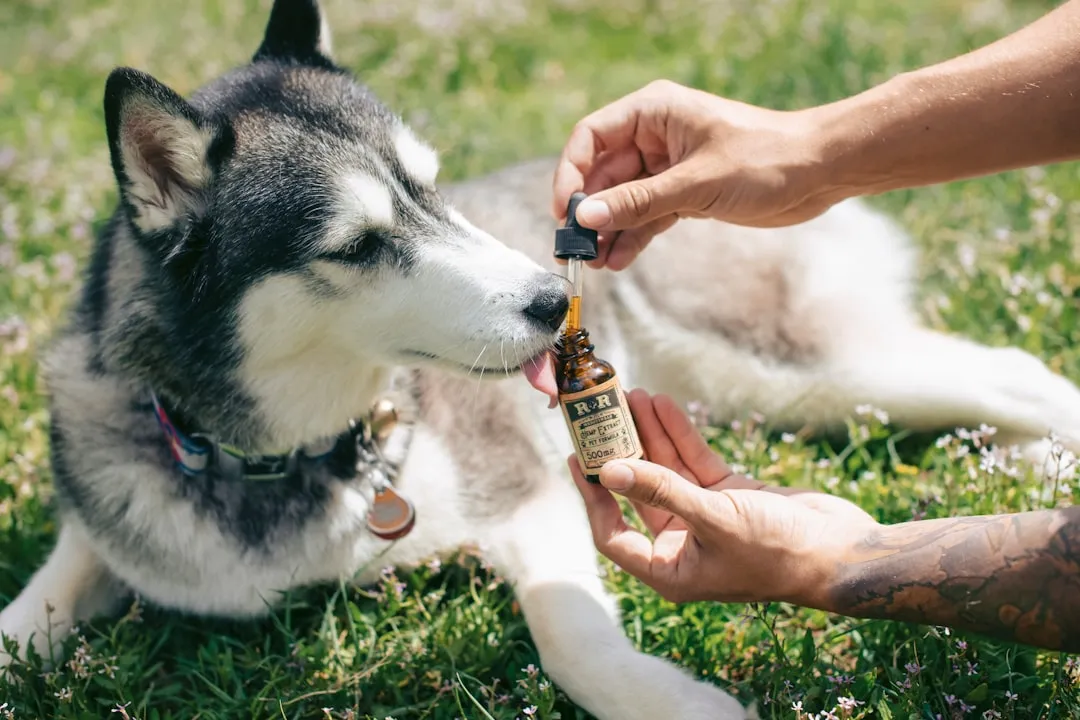
While you’re filling out forms, staff are comparing what you’ve written to what they see: skin conditions, ear issues, tear staining, allergies you’ve noted, or special diets. If your dog arrives with medication, the way you handle it in front of staff – and how your dog reacts – gives important clues. Do they accept pills tucked into food easily, or do they spit them out with impressive skill?
A dog who clearly tolerates gentle restraint and simple medical routines may be fine with regular checks, while a dog who struggles or panics at the sight of a pill or ear cleaner will need more strategic handling and perhaps more than one staff member for care. Recognizing that ahead of time is safer for both the dog and the humans involved.
13. Grooming Tolerance and Cleanliness Level

Within a few minutes, kennel workers can tell how your dog feels about basic grooming tasks. If your dog arrives slightly dusty from a hike and staff wipe their paws or adjust their coat, your dog’s reaction speaks volumes. Do they stand calmly and seem unbothered by a towel or brush, or do they pull away as though touched by a live wire?
They’re also noting coat type, shedding level, and whether your dog seems used to regular grooming. A heavy-coated dog who hates brushing will need a different plan than a short-haired, easy-going pup, especially if the stay is long. That early insight helps staff decide whether to recommend a bath, extra brushing sessions, or minimal handling beyond essentials.
14. Curiosity vs. Caution in New Environments
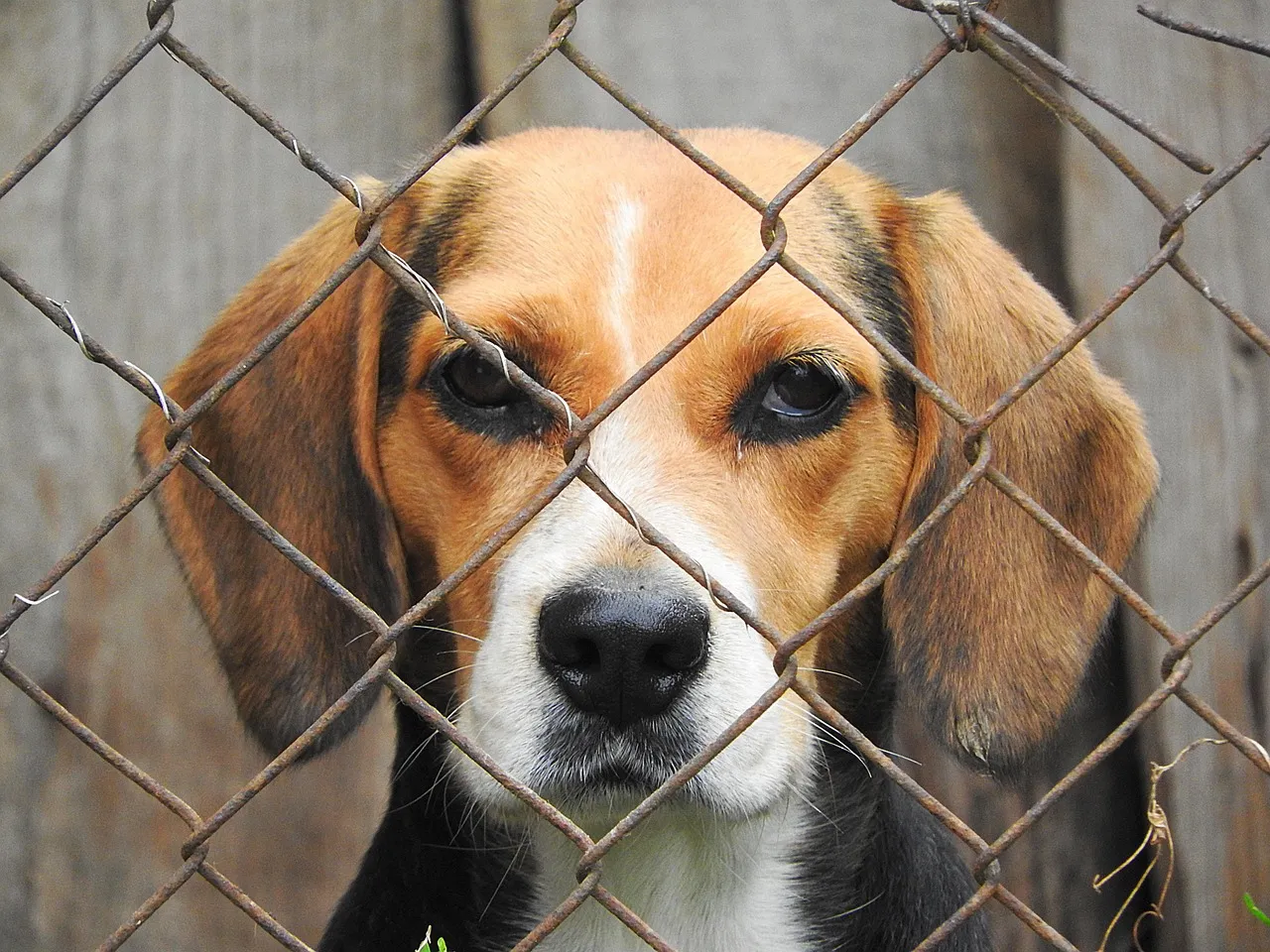
Some dogs treat a new kennel like an amusement park: nose to the ground, tail wagging, investigating every scent and corner. Others walk in like they’re entering a haunted house, suspicious of shadows and sniffing cautiously before each step. Staff pay attention not just to whether your dog is afraid or curious, but how fast that attitude shifts as they explore.
A naturally curious dog may adapt quickly, making enrichment activities easier and more rewarding. A more cautious dog is not a problem; they just need a gentler introduction and extra choice about where they go and when. Understanding this balance in the first ten minutes allows staff to build a stay that feels like an adventure rather than a threat.
15. Tendency to Guard Resources or Space
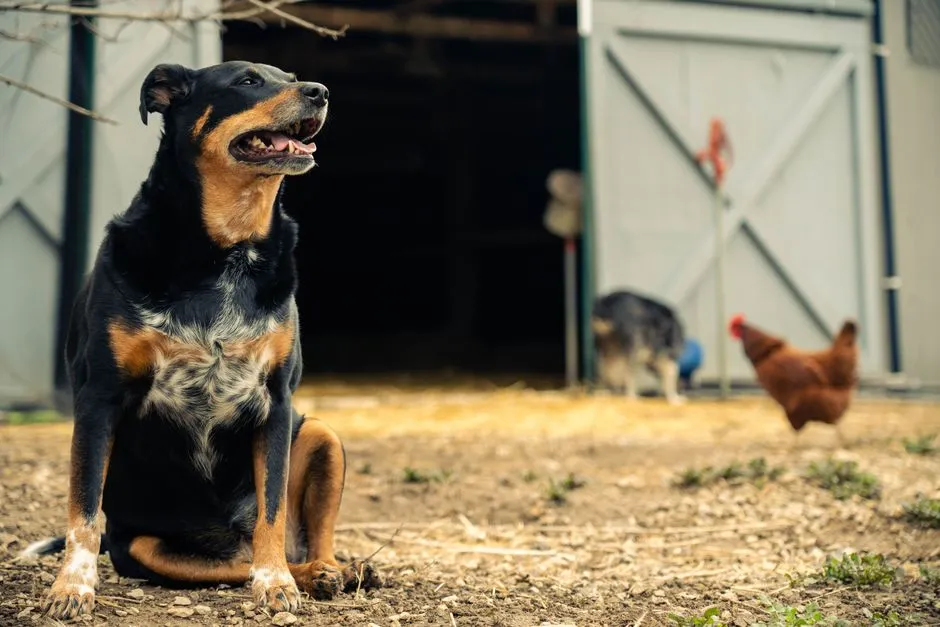
Resource guarding can show up quickly, even in subtle ways. When staff place down a toy, treat, or food bowl during check-in, they might watch for tiny signs: Does your dog freeze, hunch over the item, or look sharply at hands that come near? Or do they remain relaxed and indifferent when someone moves nearby?
They may not test this heavily right away – it’s more observation than provocation – but sometimes the clues are obvious, especially if a dog has a history of guarding. Knowing your dog could become protective over food, toys, or even their kennel space helps staff avoid triggering confrontations and instead work around those sensitivities with respectful distance and clear routines.
16. Vocalization Style and Triggers

By the time you’ve checked in, staff often know if your dog is likely to be the quiet observer or the loud commentator of the kennel. Does your dog bark at every sound, whine when you step a few feet away, or howl if another dog vocalizes? Or are they mostly silent, maybe offering a single curious woof and then settling down?
Vocal behavior matters because it can signal stress, excitement, or simple habit. Knowing what sets your dog off – people walking past, other dogs barking, sudden noises – helps staff manage their environment and predict which dogs might need extra mental stimulation, strategic placement in quieter areas, or more human interaction to feel secure.
17. Kennel Coping Style: Pacer, Watcher, or Settler
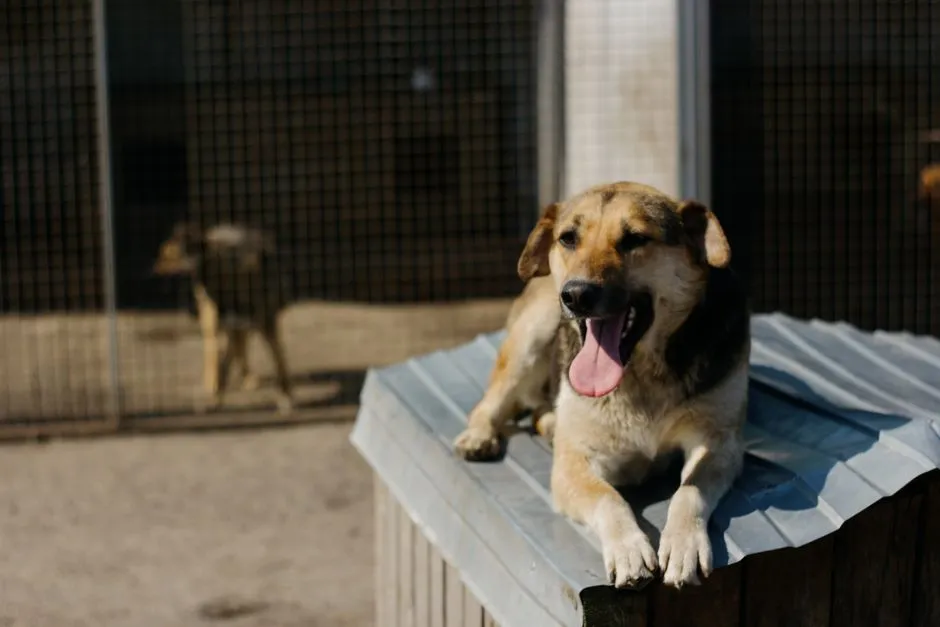
Once your dog is shown to their run or suite, there’s usually a brief moment where staff step back and just watch. Some dogs immediately lie down, sniff their bedding, and start to relax. Others go into “pacer” mode, walking the perimeter again and again, or stand at the front of the kennel watching everything like they’re on security duty.
Those first minutes inside the kennel space help staff predict how your dog will handle downtime. A natural “settler” might do well with long, quiet rest periods, while a “pacer” may need more frequent breaks, interactive toys, or extra reassurance. Neither is “wrong”; it just means different support strategies to keep them mentally and emotionally comfortable.
18. How Well the Owner’s Story Matches the Dog’s Behavior

Maybe the most interesting thing kennel staff learn in those first ten minutes is how closely your description of your dog lines up with reality in a new environment. Owners might swear their dog is fearless, but the dog freezes at every new sound. Others apologize that their dog is wild, and the dog turns out to be shy and sensitive instead. The contrast between what’s described and what’s observed is incredibly useful.
It’s not about judging anyone; it’s about adjusting expectations. When staff see gaps between the story and the dog’s actual behavior, they adjust their plan to fit the dog in front of them, not the idealized version on the intake form. That flexibility is what separates a basic kennel from a truly thoughtful one: they treat those first ten minutes as the beginning of a conversation with your dog, not just paperwork time.
Conclusion: Ten Minutes That Can Make or Break a Stay
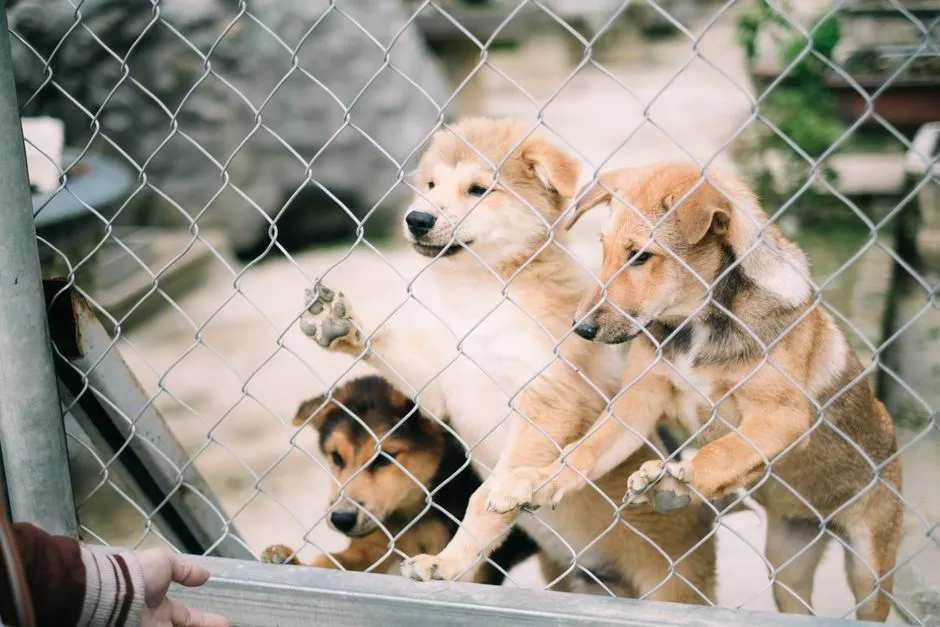
In those first ten minutes after you arrive, a good boarding kennel is not just checking your dog in – they’re decoding them. They’re deciding how to protect your dog’s boundaries, how to stretch their comfort zone without snapping it, and how to keep them safe in an environment that is, for most pets, a little overwhelming. It might look casual from the outside, but every glance, flinch, tail wag, and treat taken (or refused) is a data point shaping your dog’s experience.
My own opinion, after seeing how quickly seasoned kennel staff can read a dog, is that those first ten minutes matter more than any shiny marketing brochure or cute lobby decor. If the staff are paying close, respectful attention, your dog has a much better chance of feeling seen, not just stored. Next time you drop your dog off, you might find yourself wondering: in those first ten minutes, what did they just learn about my dog that even I’ve been missing?
