
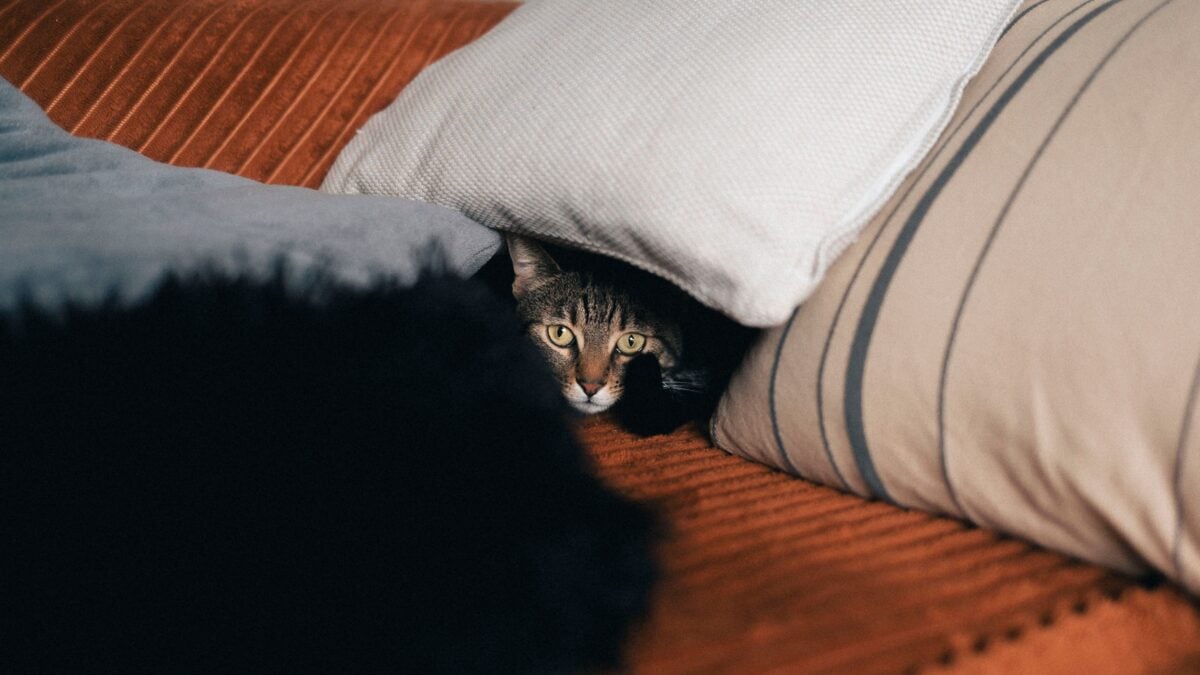
When a once-curious cat suddenly chooses one room and rarely leaves it, it can feel like a silent alarm bell. You might tell yourself they’re just “settling down with age,” but a change this specific is often your cat’s way of whispering that something is off, long before it turns into a crisis. The tricky part is that senior cats are masters of subtlety; by the time they show obvious distress, they may have been struggling for quite a while.
I’ve seen this play out in real life with older cats who simply “moved into” the bedroom or closet, and their humans only realized months later that it was about more than personality. This article walks through the quiet, easily missed signs that can hide behind that retreat to a single room. None of it is meant to scare you, but to give you that early, gentle nudge: if you notice several of these at once, it’s time to look closer and loop in a vet sooner rather than later.
1. The Subtle Shift From Exploring to Avoiding
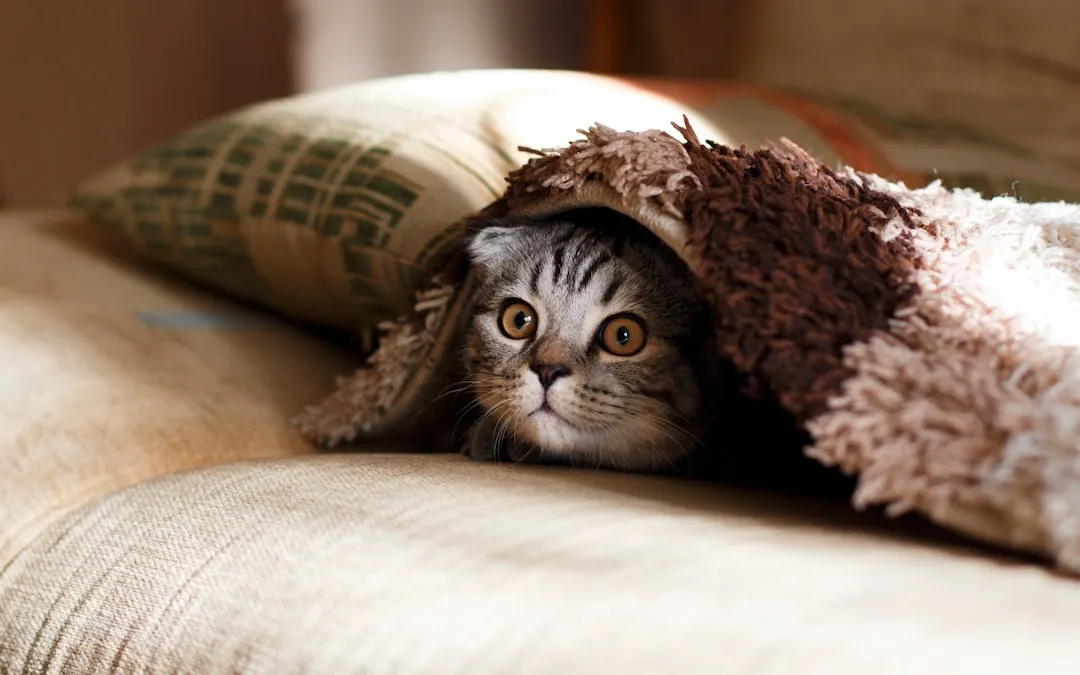
Remember when your cat used to patrol the house like a tiny security guard, checking every window, every chair, every sunspot? When a senior cat stops doing those small daily “rounds” and instead sticks to one safe spot, that shift is often more than just becoming laid-back. It can signal that moving around is either uncomfortable, scary, or simply too exhausting, even if they’re not limping or crying out.
This withdrawal can happen slowly, so you might not notice until one day you realize you haven’t seen them on the couch, windowsill, or kitchen table in weeks. Pay attention to the pattern, not just the day-to-day: if exploration used to be normal and now avoidance is the default, your cat might be telling you they don’t feel well enough to roam freely anymore.
2. Hiding in Plain Sight: Choosing Corners and Low Traffic Spots
Many older cats start choosing low-traffic spaces like under a bed, behind a chair, or in a quiet guest room that no one really uses. It may look like they simply enjoy privacy, and to some degree that can be true, but persistent hiding is often associated with pain, nausea, anxiety, or feeling vulnerable. In the wild, a sick animal hides to avoid drawing attention, and our pets still carry that instinct.
If your cat starts spending most of their time in that one room and especially tucked into tight corners or behind items, take it as a gentle warning light. An occasional retreat is fine; a permanent move-in is not. When the “cozy hideout” turns into their main address, it’s worth asking why your cat suddenly feels the need to disappear from daily life.
3. Mobility Changes: Jumping Less, Using Only “Their” Route
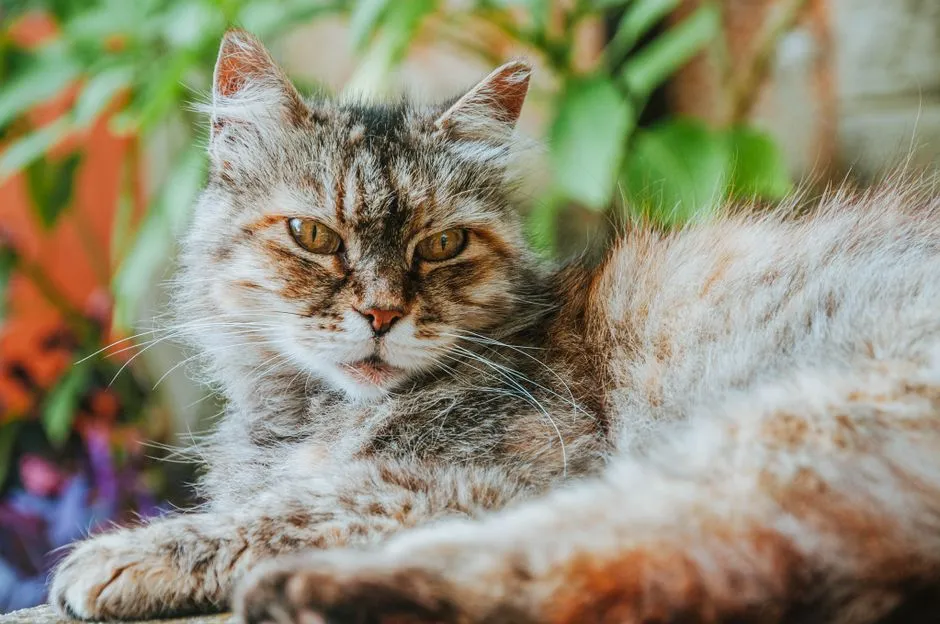
One of the biggest reasons senior cats limit themselves to one room is simple: getting around hurts. Arthritis and joint stiffness are incredibly common in older cats, even though many owners never see an obvious limp. Instead, you’ll notice more subtle things: your cat no longer jumps to their favorite high shelf, avoids stairs, or chooses the room with the fewest obstacles and the easiest access.
If their “chosen room” happens to be close to food, water, and a litter box, that might be less about preference and more about survival strategy. They may be carefully rationing movement, minimizing jumps, and sticking to one level of the home because every extra step or climb takes effort. Watch how they move – hesitation before jumping, taking longer to get up, or choosing the floor over higher spots are quiet, important clues.
4. Litter Box Reluctance or Accidents Near Their Safe Room
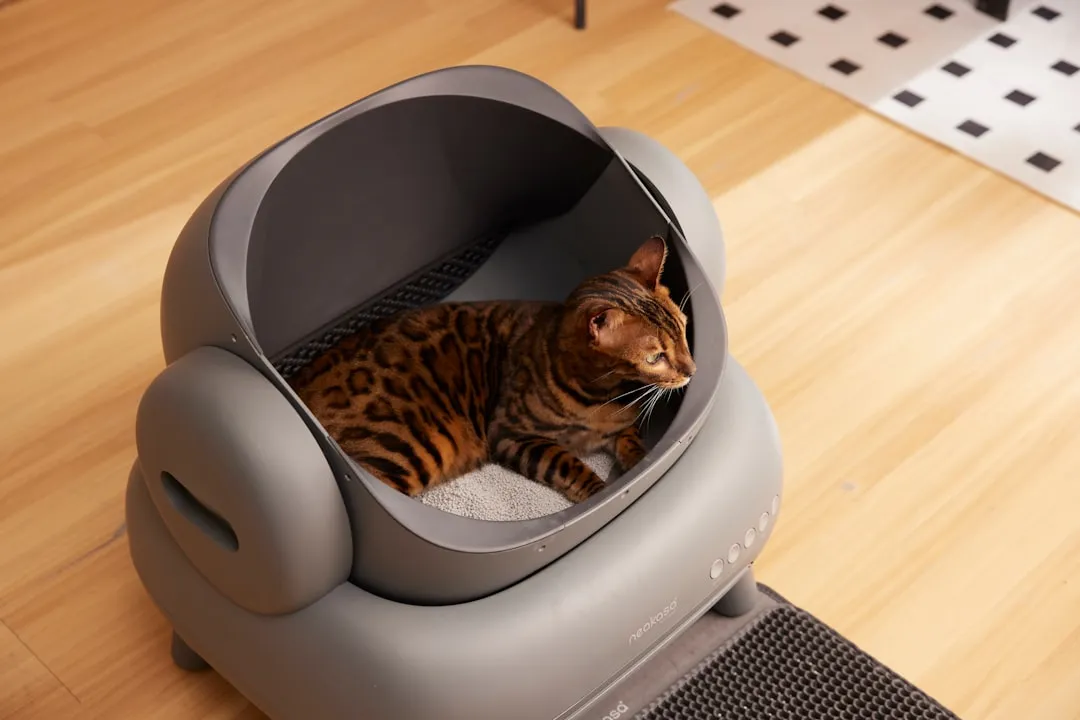
A senior cat who suddenly camps out in one room and starts having accidents nearby is not being spiteful; they may be struggling to reach the litter box in time or finding the trip too uncomfortable. Sometimes the litter box is down a flight of stairs, across slippery floors, or in a loud laundry room that now feels overwhelming or scary. So they pick the room where they feel safest and try to improvise, often right outside the box or close to their preferred spot.
Even if they still use the box, watch for hesitation at the door, straining, crying, or choosing to pee in hidden corners of that one room. These changes can signal arthritis, kidney disease, urinary issues, or constipation, all of which are common in older cats. Moving a box into or near their chosen room and then calling your vet for advice is often one of the kindest things you can do.
5. Changes in Appetite When They Stay in One Room
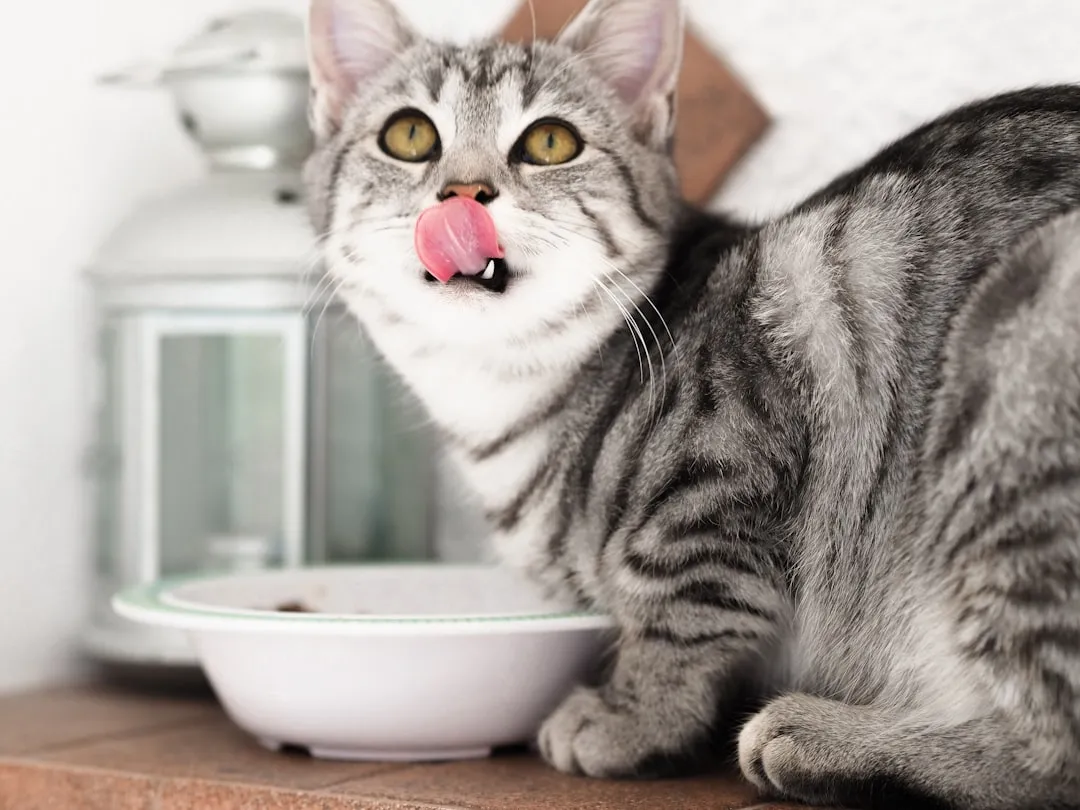
When a senior cat holes up in a single room, mealtime can get weirdly quiet too. Some cats will eat less simply because they don’t feel up to walking to the kitchen or competing with other pets; others might still eat, but with less enthusiasm, or only if you bring the food to their “territory.” A noticeable drop in appetite is a classic red flag for pain, nausea, or chronic disease, and it’s easy to miss when your cat is out of sight most of the day.
On the flip side, some cats with certain conditions (like overactive thyroid) may act ravenous but still retreat to one room afterward, almost like they crash after all that effort. What matters most is change: eating much less, suddenly begging constantly, or needing you to bring the bowl to their hideout are all signals that should nudge you to ask what has shifted inside their body, not just their mood.
6. Water Bowl Behavior: Drinking More, Less, or Only When It’s Nearby
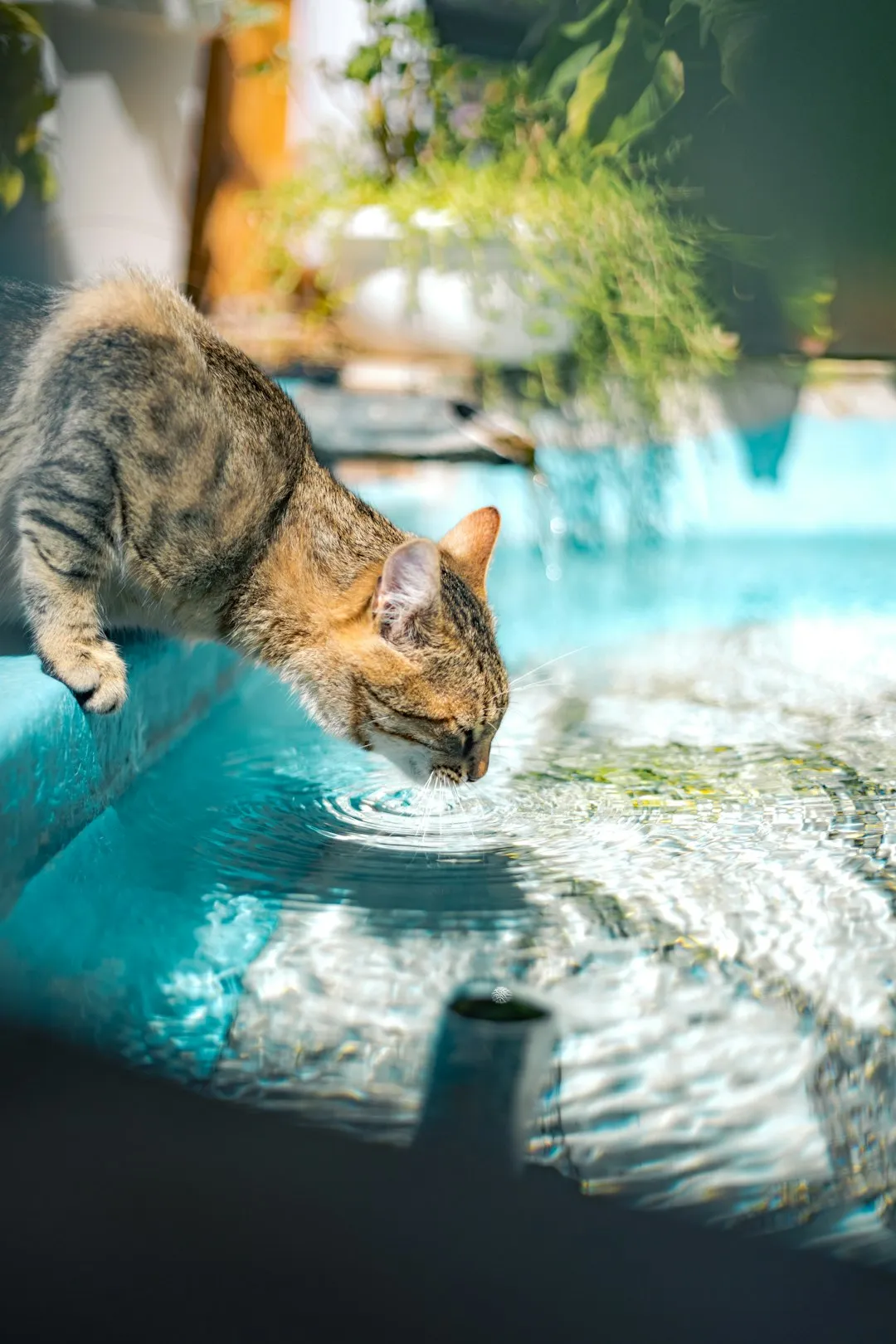
Senior cats often develop conditions that affect thirst, like kidney disease, diabetes, or thyroid issues. You might notice your cat camping out in the room that has a water bowl, or only drinking if you put fresh water right next to their chosen bed. If they used to wander around the house to sip from multiple bowls or even faucets, and now they stick to that single, easy-access station, that’s worth noting.
Watch for bowls that empty faster than before, wet litter that seems heavier, or the opposite – barely touched water when they rarely leave their room. You don’t have to track it with a spreadsheet, but tuning into those small shifts in where and how they drink can give you early clues long before your cat acts obviously ill.
7. Subtle Grooming Changes: Matted Fur and Missed Spots
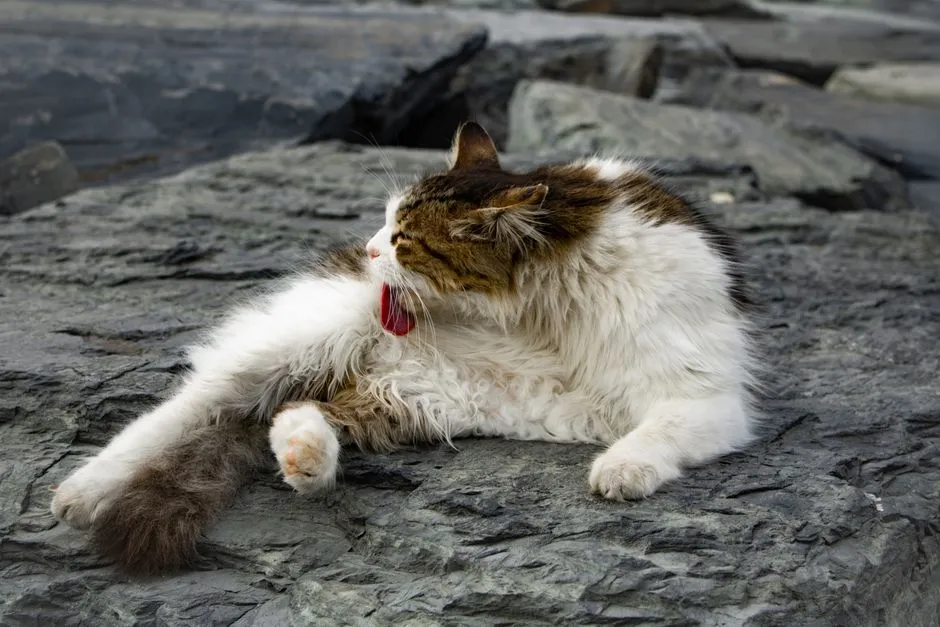
Grooming is a huge part of a cat’s identity; when that starts to slip, something is almost always going on. A senior cat that stays mostly in one room may be grooming less because twisting, bending, or lifting their back legs hurts. You might see mats forming along the spine, hips, or tail, or notice that their coat looks greasy, flaky, or unkempt compared to a few years ago.
Sometimes the change is delicate: instead of a full-body clean, they only lick the front paws and chest where it’s easy, skipping the harder-to-reach areas. That shift can be as telling as a full stop. Reduced grooming in an older cat is rarely just laziness; it often points to pain, dental problems, or low-level illness that makes self-care feel like too much work.
8. Vocalization Changes Inside Their “One Room” World
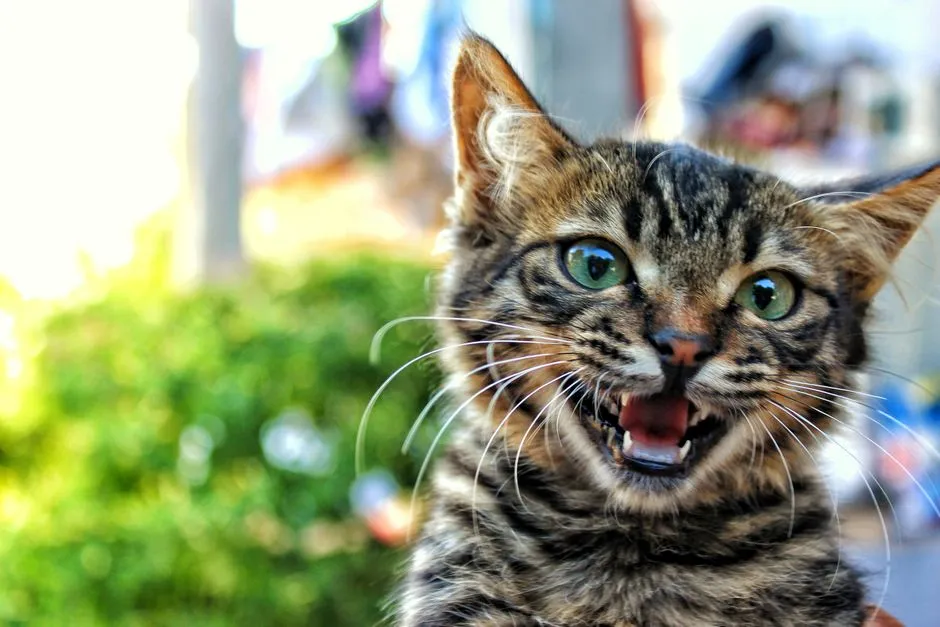
Pay close attention to how your cat sounds when they’re in that favorite room. Some senior cats become more vocal, meowing, yowling, or crying – especially at night – while others go almost silent. Both extremes can be meaningful. Increased vocalization can be linked to pain, disorientation, anxiety, or changes in hearing or vision that make the world feel less predictable.
If your cat calls out and only settles when you join them in that room, they might be seeking reassurance in a space they feel is safest. On the other hand, a chatty cat who suddenly spends quiet, withdrawn hours in a single spot may be signaling that something has changed in how they feel. It’s the difference between a cat choosing a cozy sanctuary and a cat sounding distressed from inside it.
9. Sleep Patterns: More Sleep, Shallow Sleep, or Restless Nights
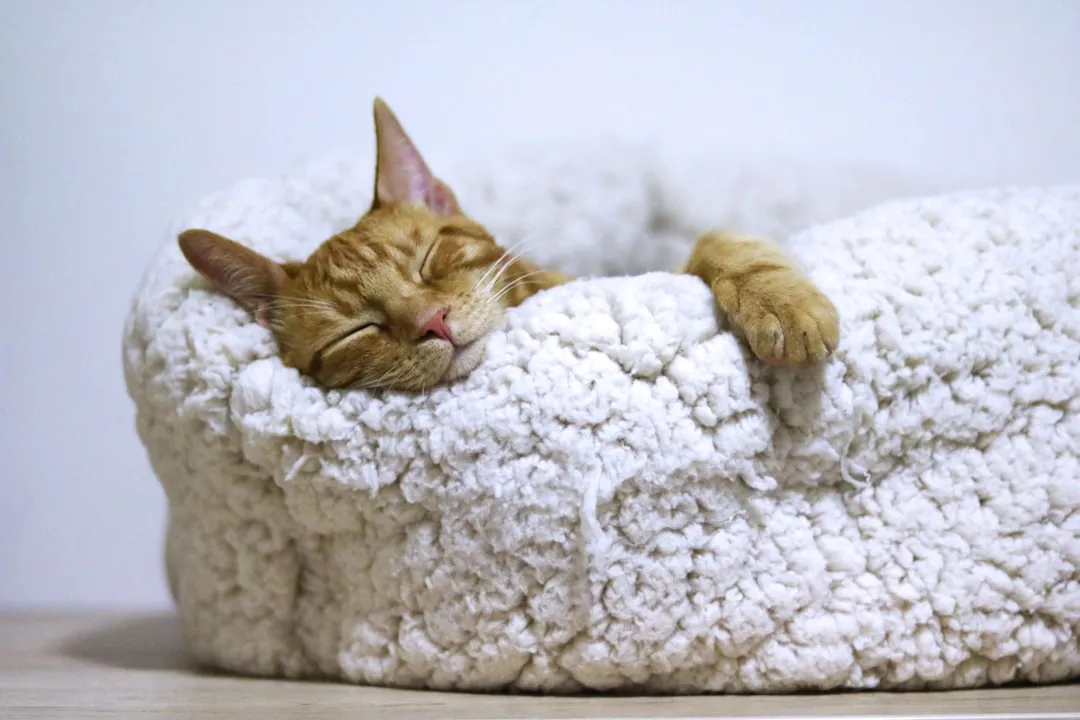
Cats sleep a lot by design, and senior cats naturally log more hours. But when your cat is sleeping almost exclusively in one room, and for much longer stretches, it can mark a change in energy or comfort. Increased sleep can be tied to pain, heart issues, low-level infection, or just the general wear and tear of age, and it often goes hand in hand with reduced exploration.
Also watch the quality of that sleep. Do they seem restless, repositioning often like they can’t get comfortable, or waking and crying out at odd hours? Nighttime pacing in a single hallway, or restless shifting in their preferred room, can hint at cognitive changes or discomfort. It is not just cute senior “sleepy vibes” when their entire sleep rhythm and location have changed dramatically.
10. Mood Swings: From Social Butterfly to “Don’t Touch Me”
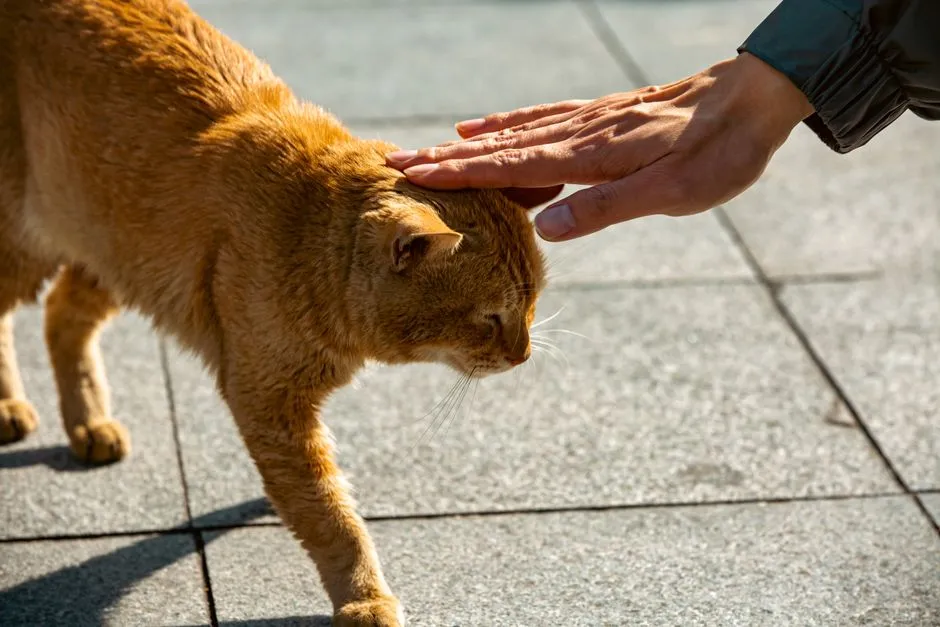
If your previously social cat now lives mostly in one room and seems less interested in interacting, that’s more than a personality quirk. Many cats in pain or discomfort become irritable, withdrawn, or touch-avoidant. They may tolerate gentle presence but shy away from petting in specific areas like the back, hips, or belly, or they may walk away when approached too quickly.
Sometimes the shift is very quiet: they still accept affection but don’t seek it out, and they no longer follow you from room to room. That slow fading of social behaviors can be just as important as a dramatic hiss or swat. When your cat chooses the same room and also emotionally “steps back,” it’s a strong sign to take their emotional change as seriously as a physical symptom.
11. Changes in Interaction With Other Pets

Senior cats that retreat to a single room are often trying to create distance from other pets. Maybe your younger cat wants to play too roughly, or the dog’s enthusiasm now feels like a threat. Your older cat may not be able to move quickly enough to dodge chases or jump to high escapes, so they choose the one space where they feel less hassled or crowded.
You might notice more growling, hissing, or avoidance behavior if other animals enter their chosen sanctuary. On the flip side, your senior might become overly clingy with one calm pet while avoiding the rest, rarely leaving that shared room. Their social choices can be a quiet commentary on how safe and strong they feel physically, and those shifts often coincide with underlying discomfort or declining stamina.
12. Vision and Hearing Changes That Make One Room Feel Safer
As cats age, their senses can dull just like ours do. Dimming vision or reduced hearing can make a busy household feel overwhelming, especially with unpredictable noises, kids, or lots of movement. One familiar room with consistent lighting, known furniture, and fewer surprises can feel far safer to a cat whose mental map of the world is getting fuzzier.
You might notice your cat startle more easily, hesitate at doorways, bump into furniture, or rely on scent and memory to find their bed and bowls. They may avoid darker hallways or rooms with lots of glare or shadows. When their world shrinks to the room they know best, it’s less about drama and more about survival; they’re quietly adjusting to a body that doesn’t process the environment the way it used to.
13. Cognitive Changes: Confusion, Staring, or Getting “Stuck”
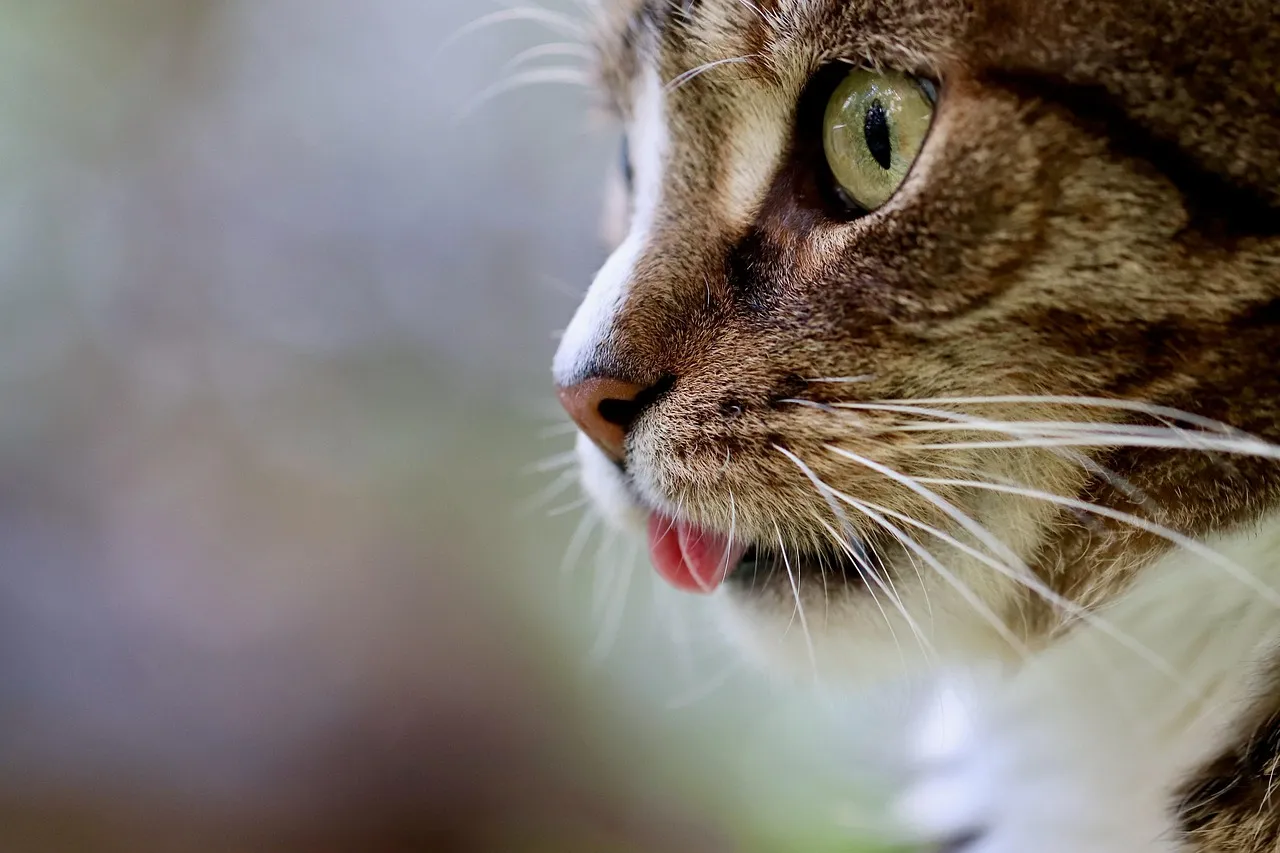
Feline cognitive changes, often compared loosely to dementia in humans, can show up as a cat forgetting familiar routes, staring at walls, or seeming confused about simple things like how to leave or enter a room. A cat with early cognitive decline might choose one room because navigating the rest of the house suddenly feels overwhelming or confusing.
Signs can be subtle: your cat may walk into a corner and pause, seem unsure about where the door is, or meow for help even though they technically know the house layout. They may sleep in odd spots within that one room or pace restlessly at night. When you see confusion combined with a strong preference for a single safe space, it is a sign their brain, not just their mood, could be changing.
14. Subtle Weight Loss or Gain You Notice Only in Their “Home Base”
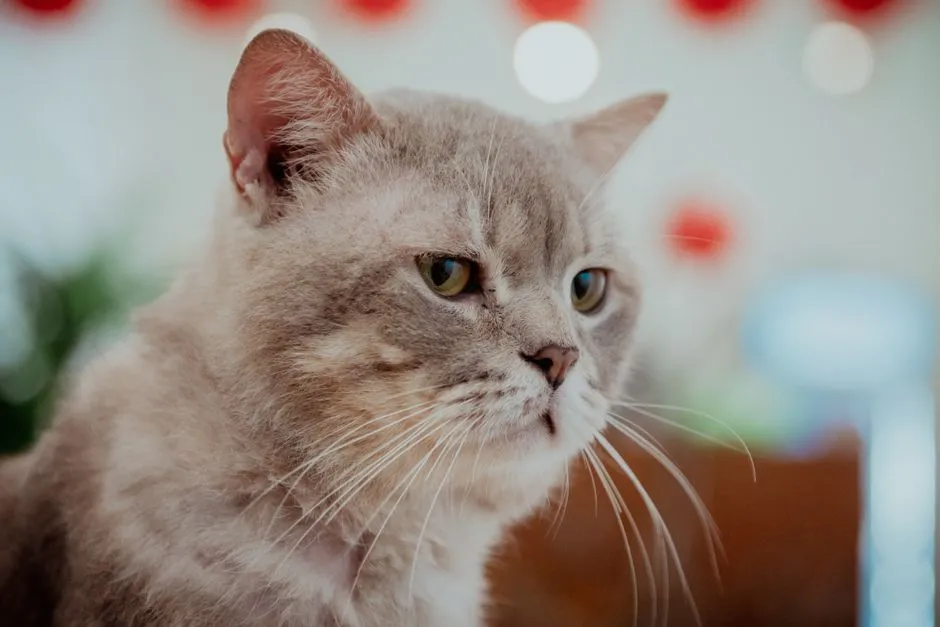
A cat that stays in one room is easier to overlook physically; you see them less in different positions and lights, so slow weight changes can sneak up on you. Many senior cats lose muscle over the spine and hips, even if their belly still looks round. You might first notice it when you pet them in their favorite spot and suddenly feel sharper bones or looser skin.
On the other side, some cats gain weight because they move less and graze on food you’ve placed conveniently in their chosen room. Whether it is weight loss, gain, or muscle wasting, these changes are often tied to underlying conditions like kidney disease, thyroid imbalance, arthritis, or heart issues. Gently running your hands along their body while they rest in their safe space can give you early insight long before your eyes pick up the difference.
15. Subdued Play and Curiosity: Toys Ignored, Windows Avoided
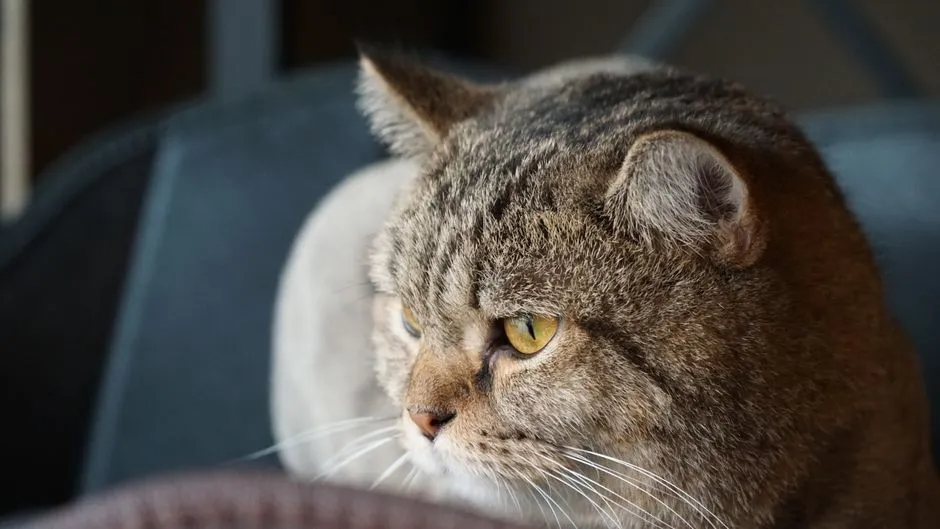
If toys used to be scattered across your living room and now sit untouched while your cat quietly curls up in one room, that drop in playfulness is important. Senior cats often play less, but a complete loss of interest in batting toys, chasing strings, or even watching birds outside the window may point to discomfort, low energy, or depression-like states.
Even gentle, low-energy activities like following a feather briefly or watching birds through a window often continue well into old age for healthy cats. When curiosity fades and your cat is no longer drawn to the window, the hallway, or a new shopping bag on the floor, their retreat to one room becomes less about “maturing” and more about something inside them dimming that you should not ignore.
16. Changes in Scent, Breath, or Litter Box Odor Around Their Space
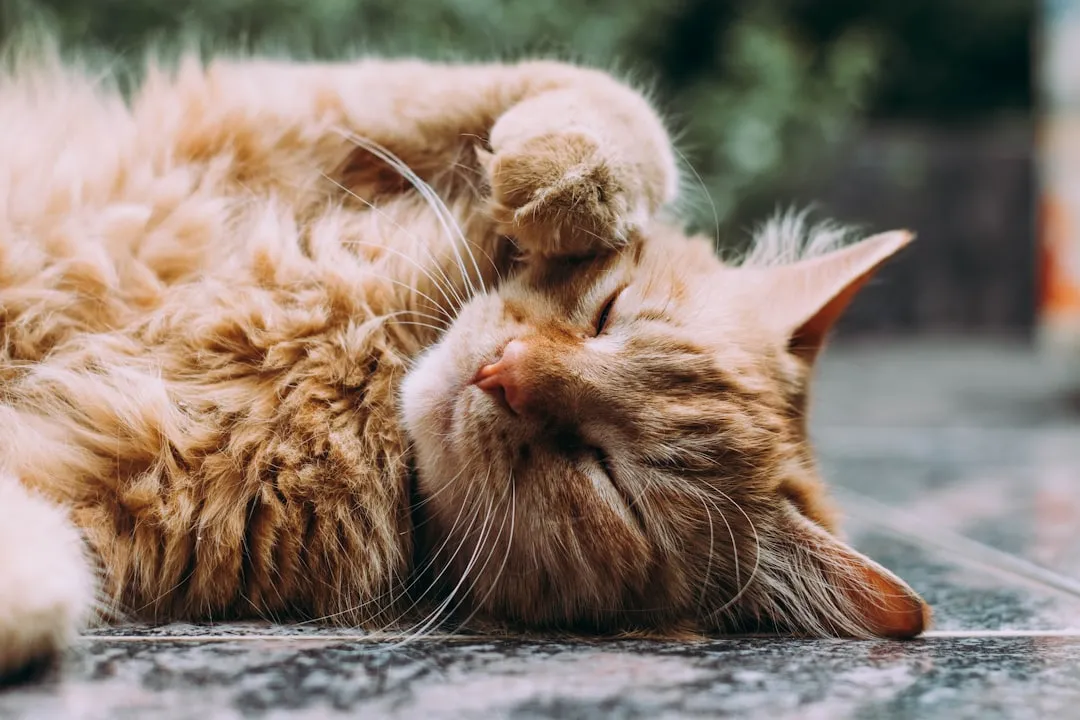
Spending more time in one room tends to concentrate smells, and those smells can tell you a lot. Stronger urine odor, sour or sweet smells, or a lingering litter box scent that wasn’t there before can hint at kidney issues, infections, or metabolic problems. Dental disease can also make your cat’s breath noticeably unpleasant, especially when you’re sharing a small, closed-off room with them.
These changes are easy to brush off as “old cat smell,” but they often have a medical cause. If the room your cat has claimed suddenly smells different, or you catch yourself cracking the window more often, pause and connect that with their behavior. Your nose may notice a problem before your eyes do, especially when your cat is quietly keeping their struggles to themselves.
17. Clinginess With You Inside the Room, Avoidance Outside It
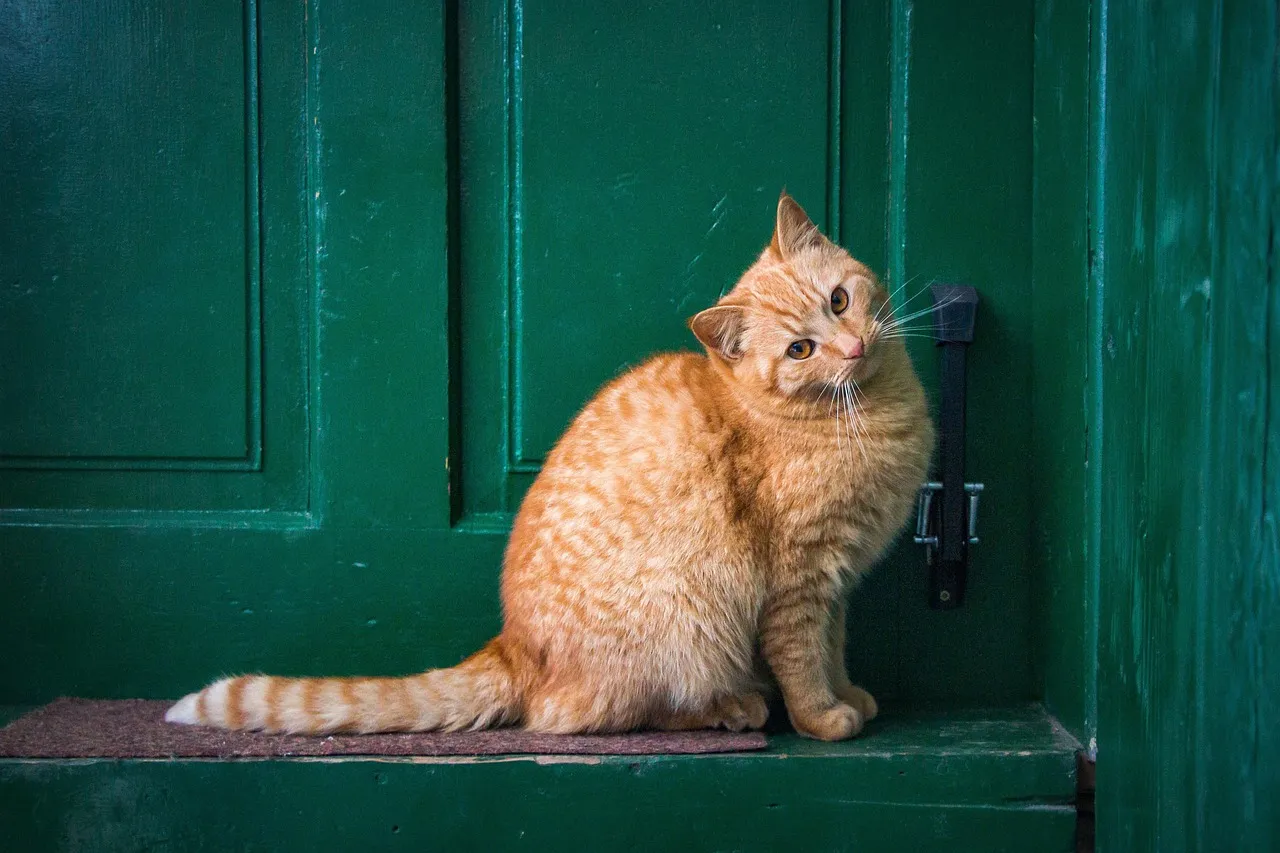
One particularly heartbreaking pattern: your cat may be incredibly affectionate and needy when you join them in their chosen room, but reluctant to follow you anywhere else. They might head-butt, knead, and settle on your lap in that safe space, then stop at the doorway when you leave, almost like there’s an invisible fence. That divide between “I want you” and “I can’t leave here” is a quiet but powerful sign something is off.
This can be driven by physical limits, fear, confusion, or a mix of all three. Your presence is comforting, but the rest of the house feels like too big a challenge now. It can be tempting to feel flattered by the extra affection, but it’s more compassionate to see it as what it usually is: a plea for comfort from a cat who no longer feels steady in the wider world.
18. Gut Feeling: You Just Know Something Is Different
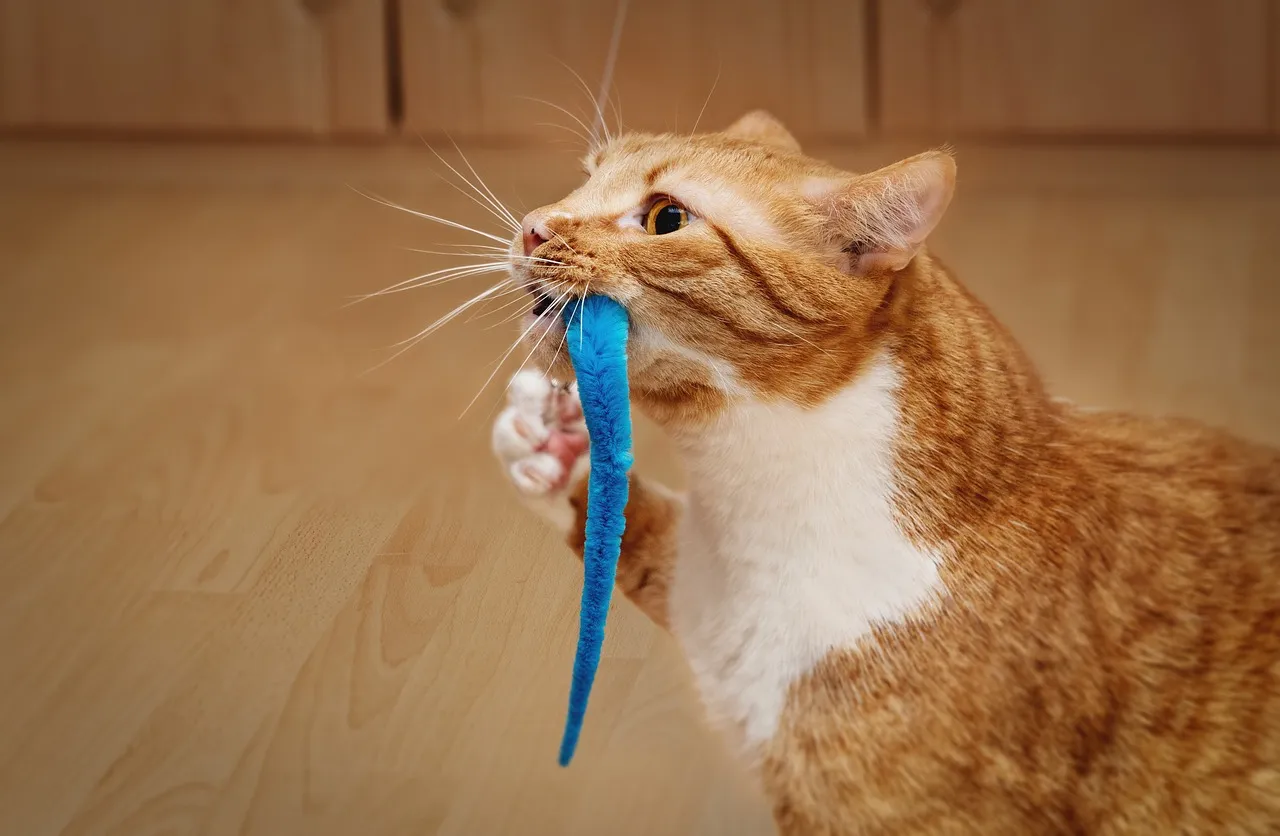
There’s one sign that rarely gets enough credit: your own instinct. Many cat owners say that before a diagnosis, they just knew something was off, even if they couldn’t point to one dramatic symptom. A senior cat suddenly living most of their life in one room, combined with even a few of the subtle changes above, often leaves you with that nagging worry in the back of your mind.
In my experience, that quiet inner alarm is usually worth listening to. You know your cat’s “normal” better than anyone. If your gut keeps whispering that their retreat to a single room is not just a quirky new habit, trust that feeling enough to get a thorough vet check, ask questions, and push for answers. It’s far better to be told it’s nothing serious than to wait until subtle becomes urgent.
Conclusion: A Smaller World Is a Big Red Flag
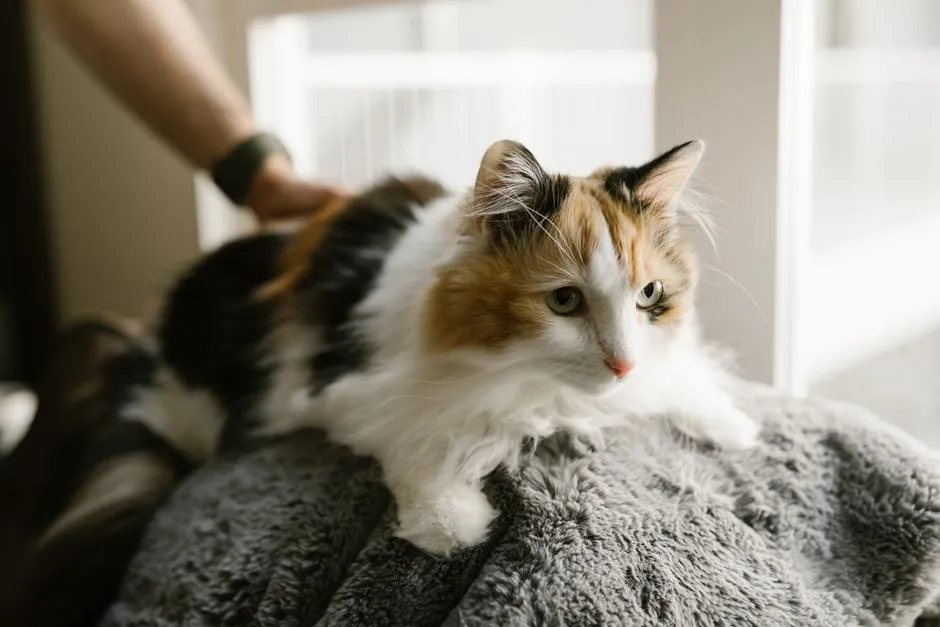
When an older cat’s world shrinks down to one room, it’s rarely just a cozy lifestyle choice; it’s often a gentle SOS. I think we sometimes romanticize senior cats as simply “wise homebodies,” when in reality many are quietly battling pain, confusion, or chronic illness that they’re too stoic to show outright. That retreat, paired with even a handful of the quiet signs above, is your early chance to step in, adjust their environment, and work with a vet to make their final years softer instead of silently harder.
My own bias is clear: I believe we should treat a senior cat’s shrinking territory as seriously as we would a sudden limp or loud cry. It is a behavior change, and behavior is one of the most honest health reports an animal can give. If your cat has chosen one room as their whole world, the kindest response is curiosity, not dismissal – because if you lean in and listen now, you might spare them a lot of suffering later. Does that quiet little room look different to you now?
