
There’s something almost sacred about watching a truly comfortable old horse. Not the glossy show-ring version of comfort, but the quiet, deeply earned kind that comes after years of work, miles of trails, and a lifetime of partnership. When a senior horse is still genuinely at ease in its body and mind, the signs are subtle. You won’t always see them in big flashy movements, but in tiny everyday moments that are easy to miss if you’re not paying attention.
I’ve lost count of how many times I’ve heard people say that age alone equals suffering, as if every grey hair means a horse is automatically miserable. That isn’t always true. Comfort in old age can look different, but it’s absolutely possible. Let’s walk through the small, almost whispered ways an elderly horse quietly tells you it’s still okay, still content, still itself.
1. The Soft, Slow-Blowing Nostrils When You Approach
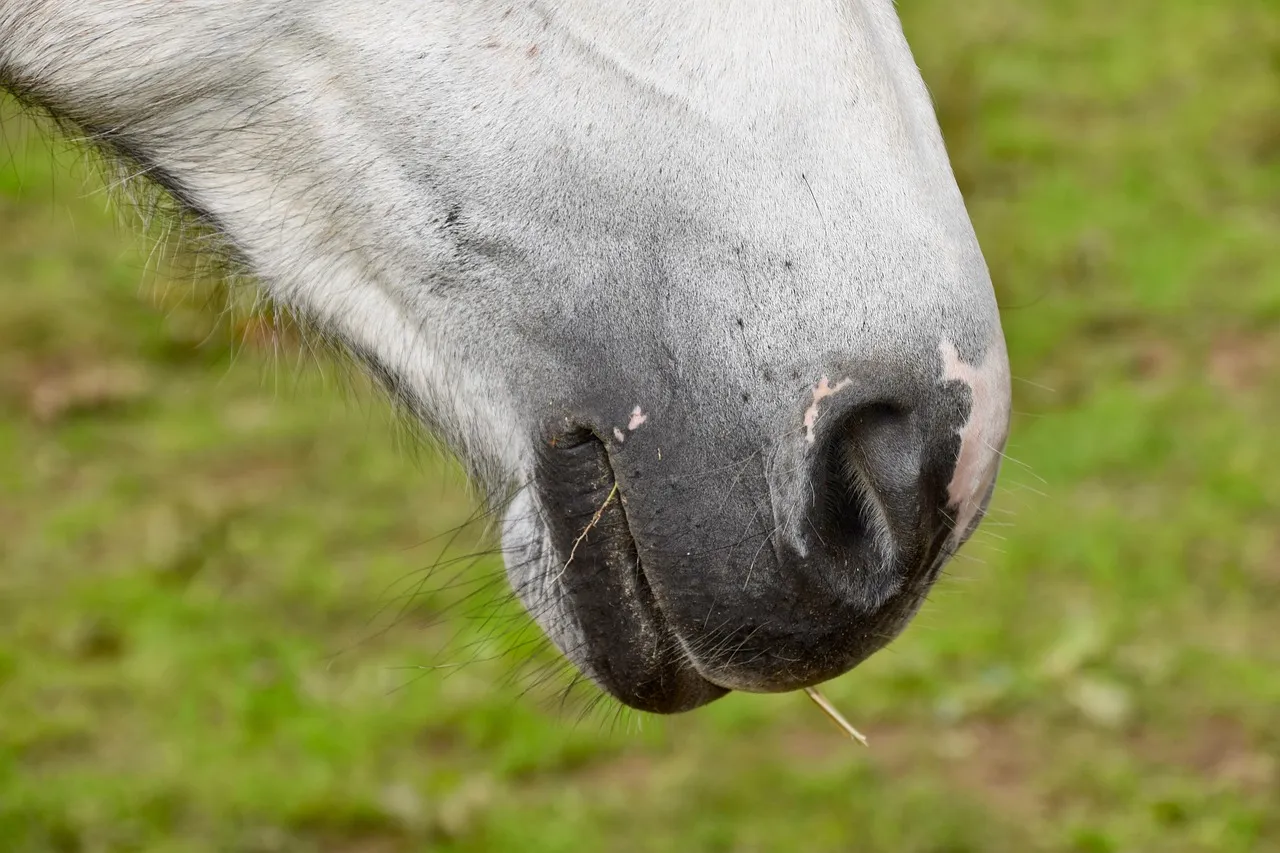
One of the sweetest signs of a comfortable old horse is the way it exhales when it sees you coming. Not a snort, not a tense blow, but that gentle, long breath through slightly flared nostrils, followed by relaxed, half-closed eyes. It’s the equine equivalent of an old friend sinking back into the couch and saying they’re glad you’re here.
A horse that feels safe and physically at ease doesn’t brace or hold its breath every time a human walks up. Instead, it lets the air go, letting tension go with it. If your senior horse consistently greets you with that soft, low-energy exhale rather than tight, high-headed vigilance, that’s a quiet but powerful signal that it’s still feeling comfortable in its world.
2. A Steady, Even Appetite Without Fuss
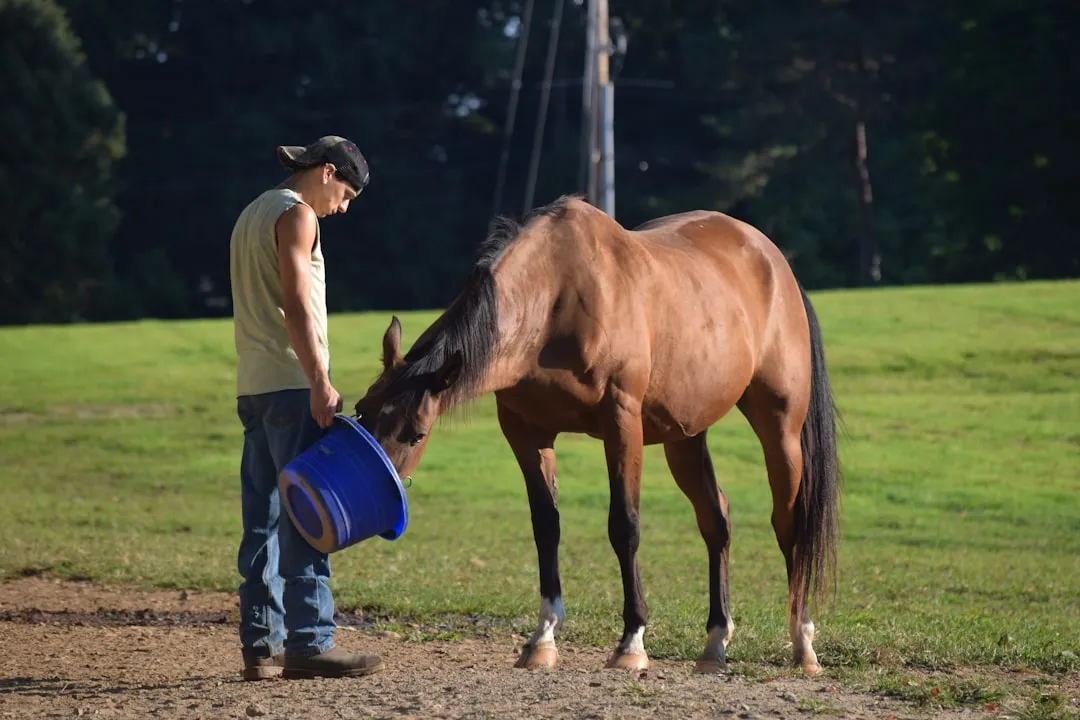
Old horses that are still genuinely comfortable tend to show it through how they eat. They may need soaked feed or special hay, but the key is that they walk up to the bucket or hay pile with quiet intention, take their time, and keep eating steadily. They don’t walk away after two bites, wander aimlessly, or stand over the feed looking lost.
When a senior horse finishes most of its meals, shows mild enthusiasm for food without frantic desperation, and maintains a relatively stable weight for its age, that’s a strong sign its comfort level is still acceptable. Appetite alone isn’t the whole story, but a peaceful, predictable interest in food often reflects a body that, while older and maybe slower, isn’t constantly screaming in pain.
3. Choosing to Lie Down – And Getting Back Up Again
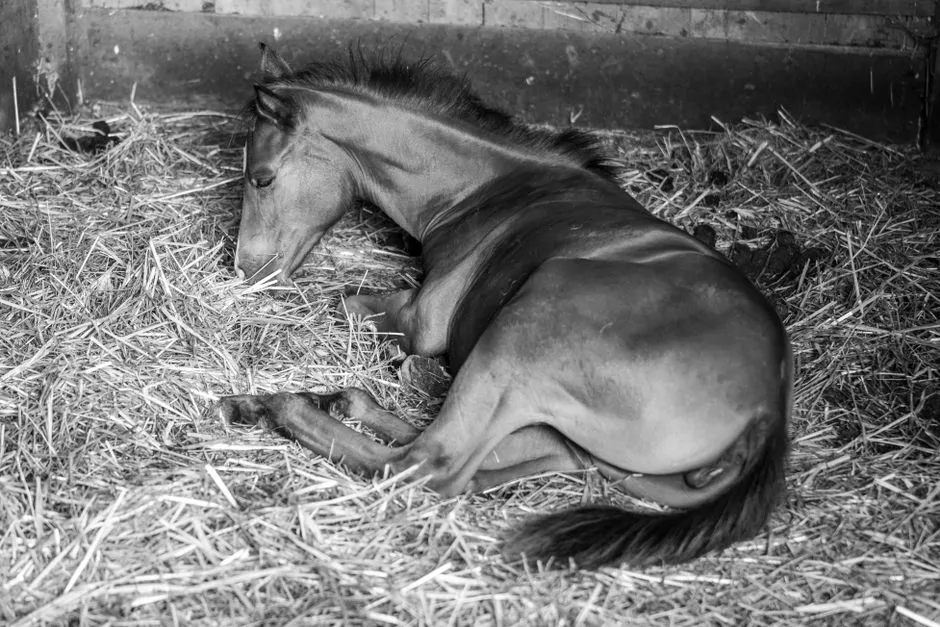
Many owners panic the first time they see their old horse lying flat out, but the truth is that horses need recumbent sleep to feel truly rested. A senior that still lies down regularly, stretches out, and looks like it is actually sleeping instead of just dozing on its feet is telling you something important: it feels safe enough and physically able enough to risk getting up again.
The second half of this picture is how they rise. It might be slower, maybe with a grunt or two, but they should still be able to organize their legs, push up without obvious panic, and stand without wobbling or freezing. That ability to lie down willingly and stand back up in a controlled, confident way is one of the clearest everyday clues that an old body, while aged, is still basically comfortable.
4. A Relaxed, Swinging Walk on Familiar Ground
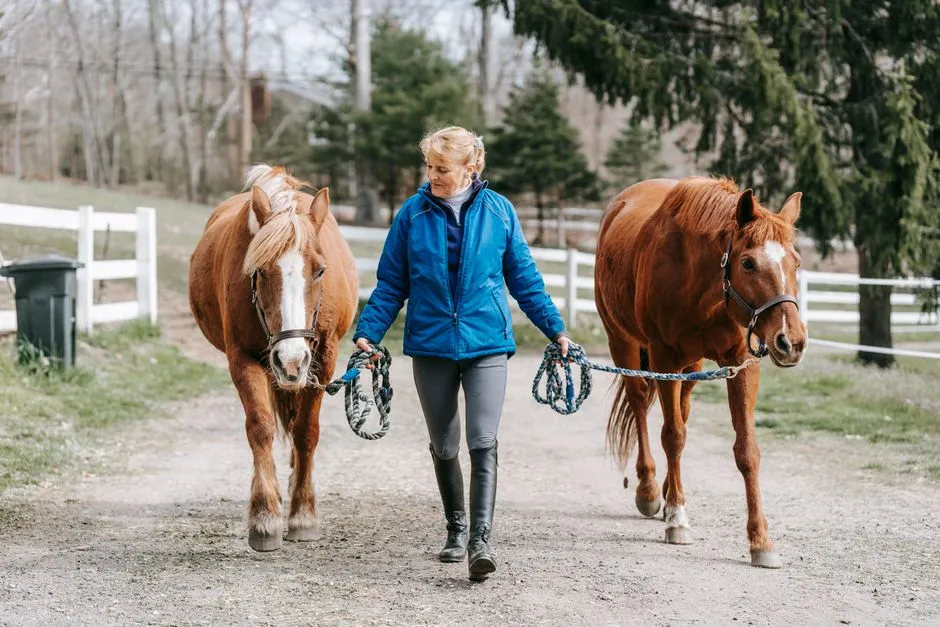
Watch your old horse walking from the pasture to the barn on a normal day. Does the back swing just a little? Are the hind legs stepping under in a reasonably straight line? Is the head and neck moving rhythmically instead of held stiff like a board? That easy, swinging walk is gold. It doesn’t have to be fast or fancy – it just needs to be loose and regular.
When joints are screaming or the back is locked with pain, horses usually show a short, choppy, guarded stride or an obvious limp. A comfortable old horse might take shorter steps than in youth and might warm up slowly, but once it’s moving, the overall picture is one of flow rather than bracing. That everyday walk from hay to water tells you far more about comfort than any dramatic trot in an arena.
5. Ears That Wander, Not Ears Glued Back or Frozen
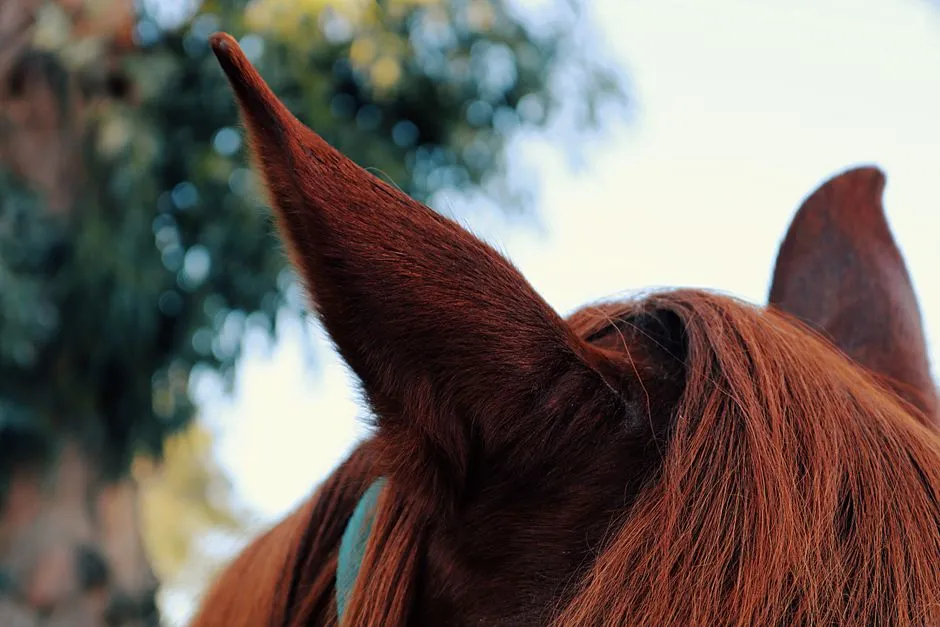
Ears are like live mood trackers. A relaxed senior horse often has ears that quietly wander – one ear checking you, one ear on the environment, then flicking softly toward a bird, a buddy, or the rustle of hay. They’re not locked in one direction for long, and they’re not chronically pinned back in irritation or locked forward in constant alarm.
When discomfort dominates, you tend to see ears that either freeze rigidly, stay half-pinned, or constantly snap back at touch, grooming, or movement nearby. An older horse that spends most of its day with ears in a neutral or mildly curious position, shifting easily with interest rather than tension, is showing you that its baseline state is still one of relative comfort and emotional stability.
6. Standing Square More Often Than Not
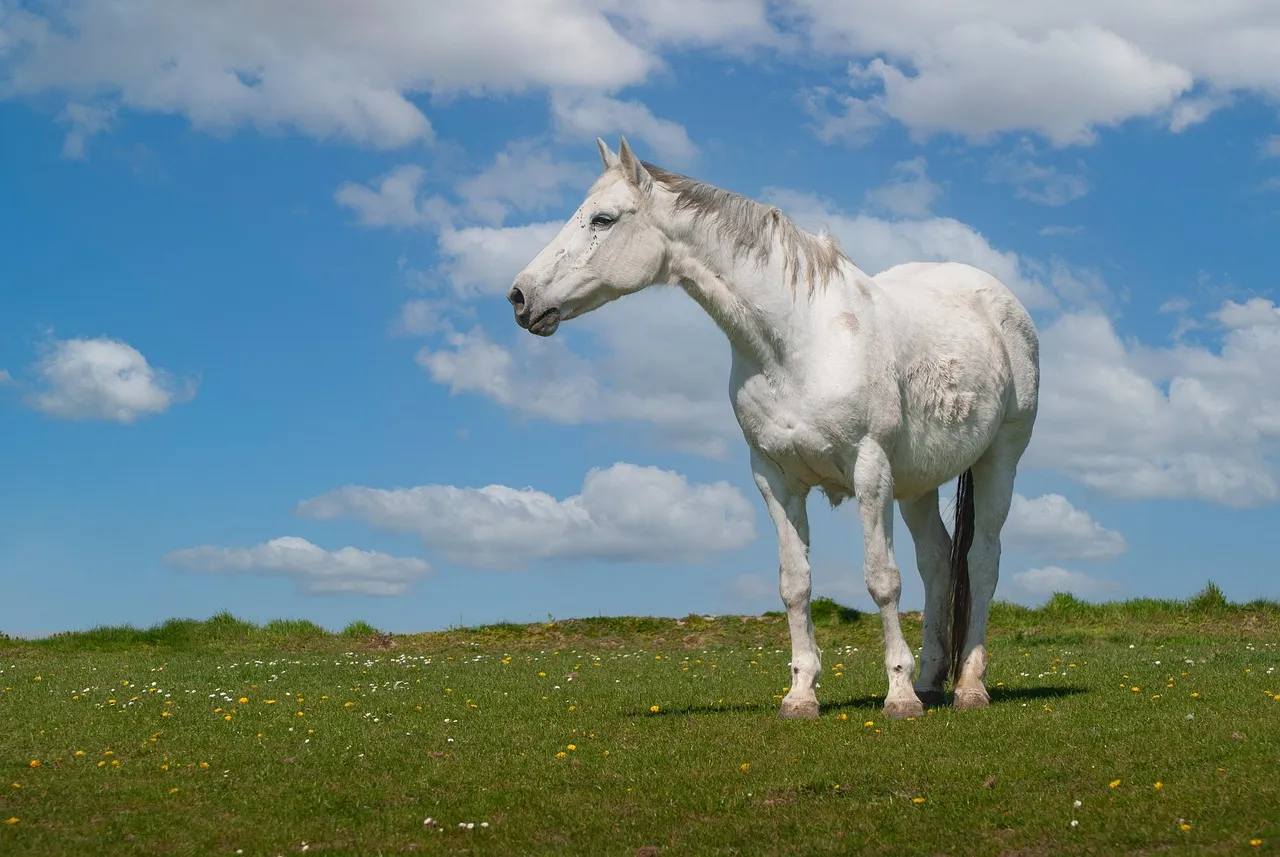
Pay attention to how your old horse stands when it’s just “being a horse.” Does it usually park one leg far out in front or behind for long periods, or constantly rest the same limb? Or does it mostly stand pretty square, shifting its weight around now and then like any creature settling into a comfortable stance? Standing reasonably even on all four legs is a classic sign that things, overall, don’t hurt too much.
Sure, senior bodies make adjustments. You may see a hind leg rested here and there, or a front hoof shifted slightly. That can be perfectly normal. But a horse that can and does choose a mostly balanced, square stance through much of the day is usually not battling severe pain every time it bears weight. Think of it like an older person who still stands with both feet grounded instead of leaning heavily on a cane all the time.
7. A Calm, Social Interest in Herdmates
Comfortable older horses still care about their social world. They might not play as wildly as the youngsters, but they walk over to say hello, share a hay pile without meltdown, groom a buddy, or choose to stand in quiet company. That desire to be part of the herd, without excessive aggression or avoidance, signals that their mental state is still steady and their body can tolerate normal social jostling.
When pain or distress dominates, horses often either withdraw to stand alone on the fringes or become unexpectedly irritable, always threatening or chasing others away. A senior who quietly drifts between herd members, shares space without constant conflict, and seems to enjoy that easy company is telling you that life, from their perspective, is still worth engaging with – and that is deeply tied to comfort.
8. Grooming Responses That Stay Relaxed, Not Defensive
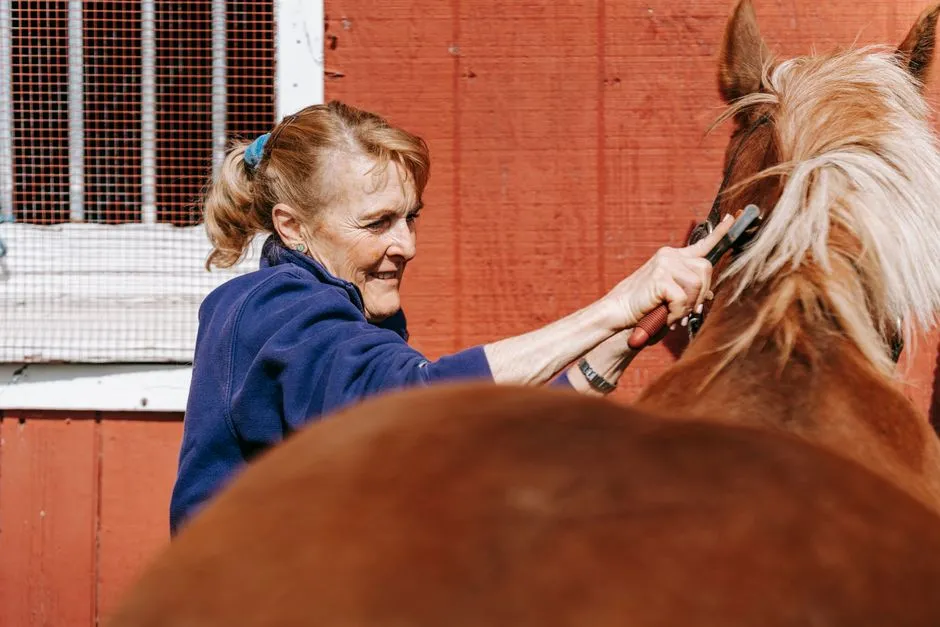
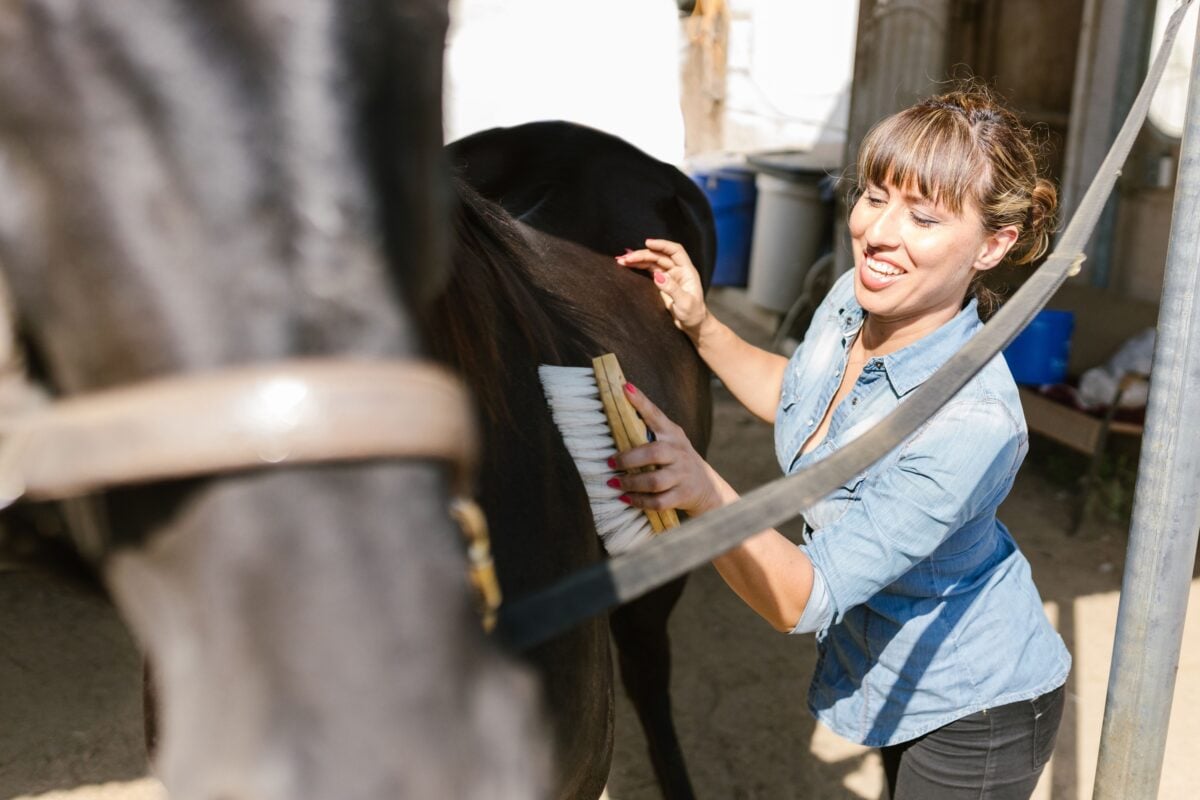
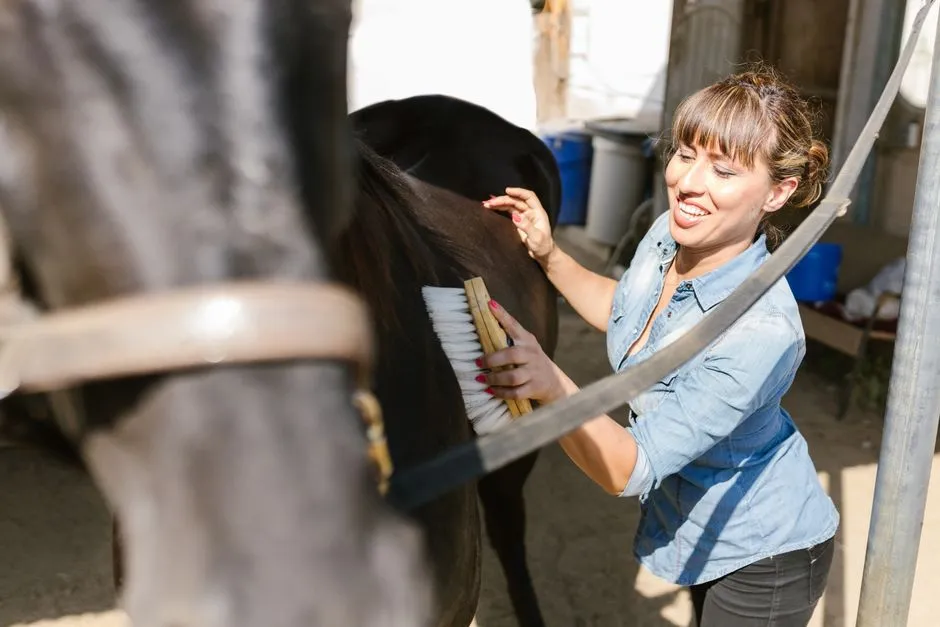
Grooming time is one of the best windows into an old horse’s comfort. If, as you curry or brush, you see lips wiggling, neck stretching, and eyes softening, that’s a strong sign those touches feel good rather than threatening. A comfortable senior often has clear “scratch me here” spots where they lean into your hand instead of flinching away.
In contrast, a horse that braces, flinches, pins ears, or swishes its tail angrily with every stroke is waving a flag that something doesn’t feel right. Of course, some horses are just sensitive by nature, but if your oldster meets grooming with mostly relaxed acceptance and even enjoyment over time, that’s usually because the underlying muscles and joints are not screaming every time you contact them.
9. Chewing, Licking, and Quiet Yawning After Work
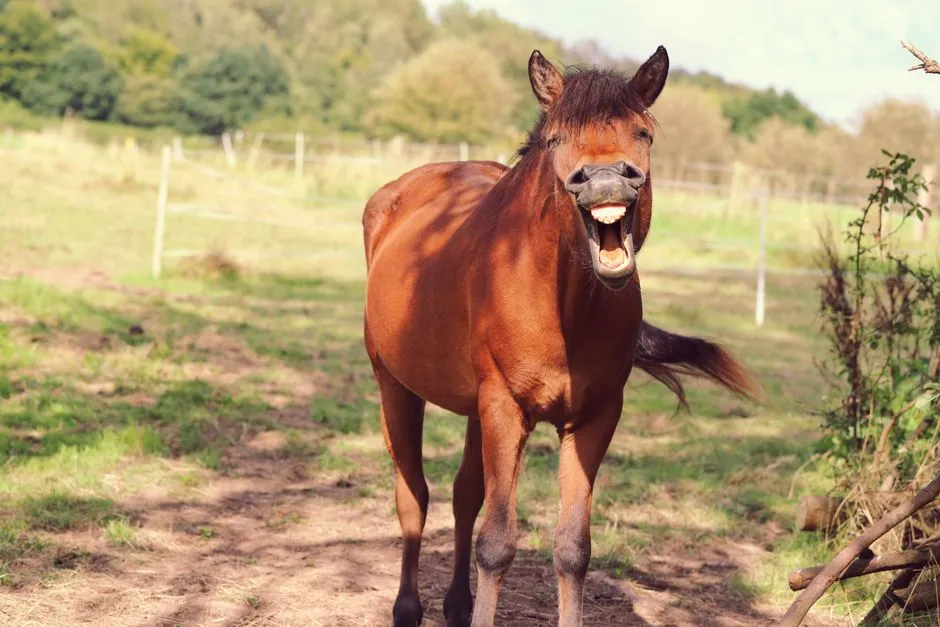
When you lightly exercise or hand-walk a senior horse and afterward you see some chewing, licking, or a few soft yawns, it often reflects a switch from mild alertness back into relaxation. This is especially reassuring if what you asked for was appropriate for their age – short, gentle, and well within their capacity.
These behaviors on their own are not a magic guarantee of comfort, but in context they matter. A horse that can go for a little walk, do a few simple stretches or in-hand exercises, and then settle into that “processing and releasing” mode without stiffening, panicking, or shutting down is usually telling you that the level of work felt safe, manageable, and not overwhelmingly painful.
10. A Coat That Looks Lived-In, Not Neglected
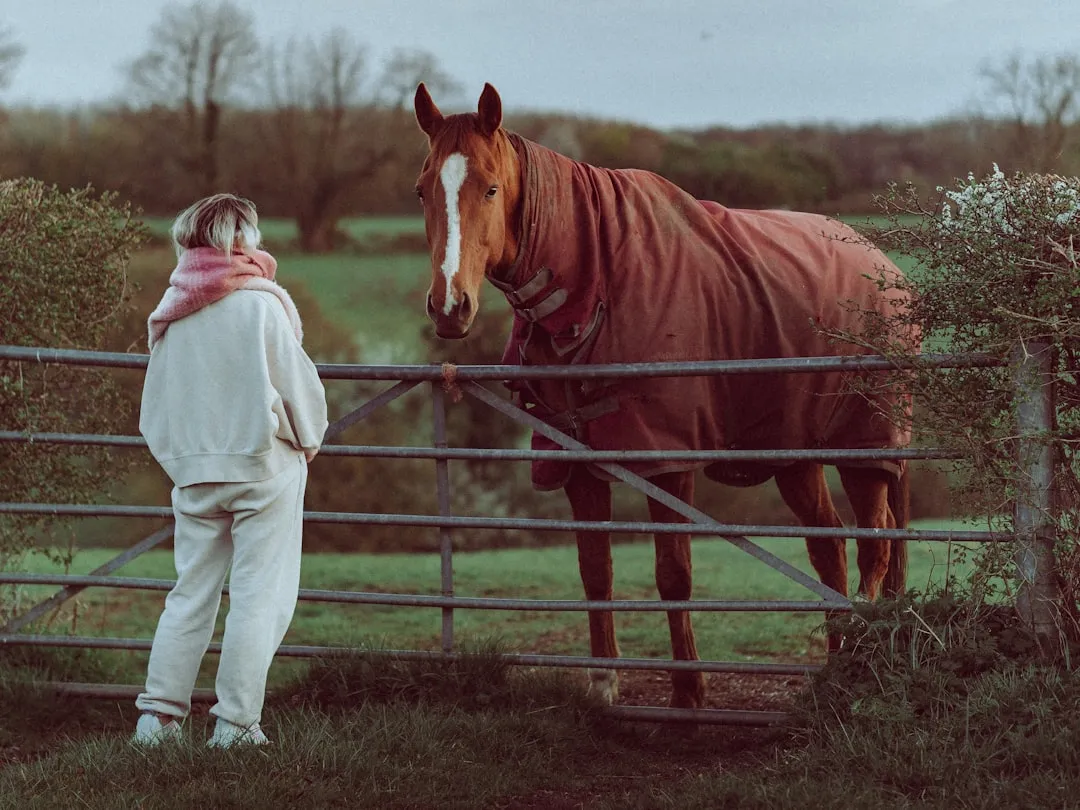
An elderly horse’s coat might not have the blinding show-ring shine of youth, but a comfortable senior often has a coat that looks generally well-kept. You’ll see fewer huge mats of dried mud, less constant dandruff, and more evidence that the horse still rolls, shakes, and self-grooms. They may even keep that soft, pleasant smell that comes from regular oil production and circulation.
When a horse feels too sore or exhausted to groom itself or roll, you often see a neglected look – greasy patches, crusts that never seem disturbed, and an overall dull, uncared-for vibe, even if you groom daily. If your old horse, with a bit of normal seasonal fluctuation, still manages to maintain a coat that responds to brushing, sheds out with help, and does not scream “I’ve given up,” that’s one more sign comfort is still within reach.
11. Curious Sniffing and Checking Things Out
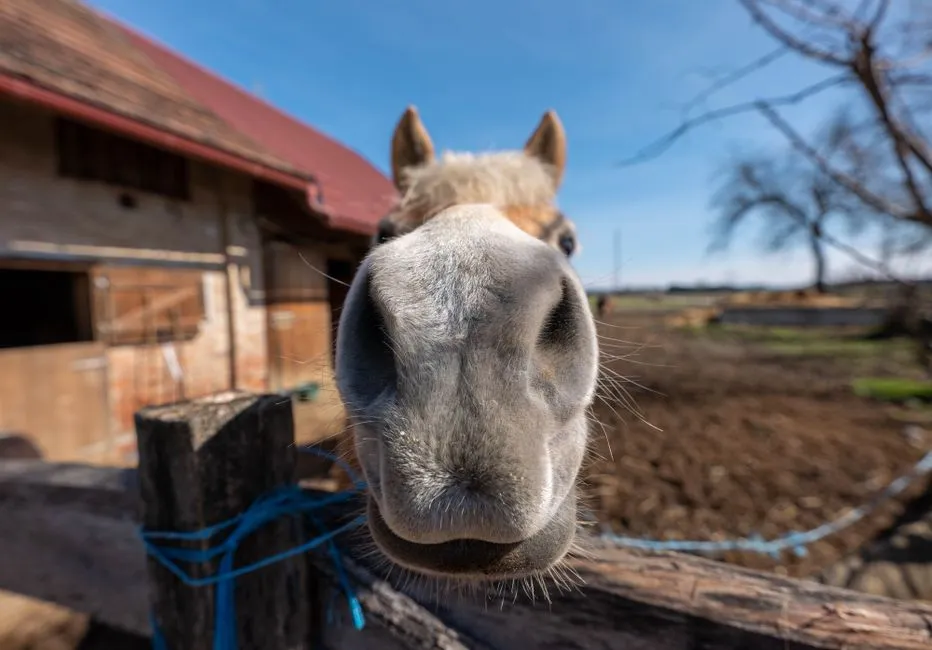
Curiosity is an underrated welfare marker. A comfortable old horse will still investigate new smells, slowly approach a bucket placed in an odd spot, or sniff your jacket pockets for treats. They might be slower and more cautious than a yearling, but the impulse to explore is still alive. That mental spark often fades when pain or constant discomfort takes over.
If your senior willingly steps up to sniff a new saddle pad, gently nudges a ball in the arena, or watches barn activity with quiet interest rather than flat, distant eyes, that behavior is saying their brain isn’t trapped entirely in managing pain. Curiosity takes spare capacity, and spare capacity usually means their baseline comfort is at least good enough for them to look beyond survival.
12. Consistent, Predictable Behavior Instead of Sudden Drastic Changes
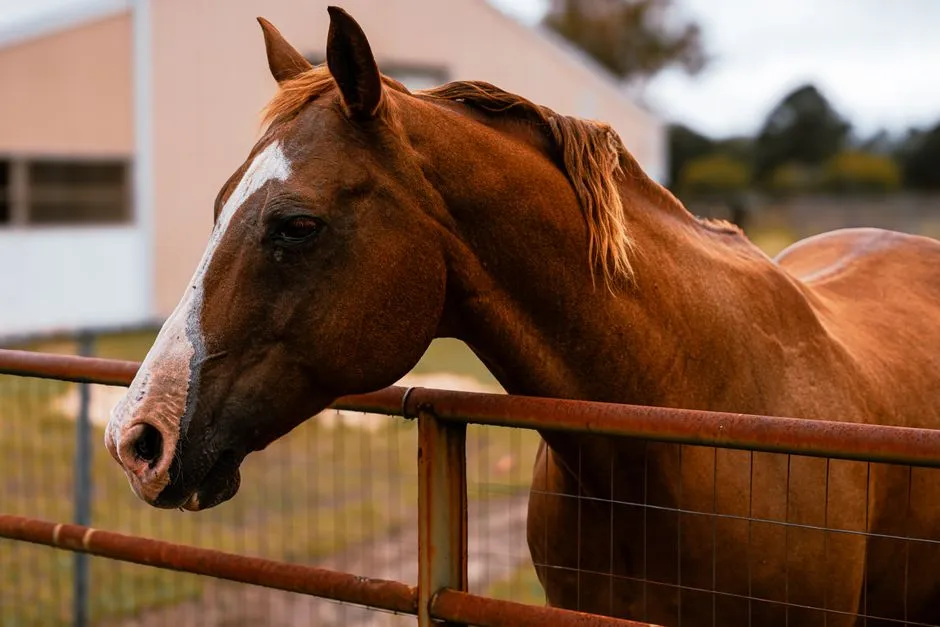
One of the clearest, if less glamorous, signs of a comfortable older horse is boring reliability. Their daily patterns – how they stand, where they nap, how they act at feeding time, how they respond to haltering – stay mostly the same from week to week. You don’t suddenly find them pacing the fence at midnight or refusing to be caught for no apparent reason.
Comfort tends to breed consistency. When something in the body starts really hurting, horses often express it through abrupt behavior shifts: new anxiety, new aggression, new withdrawal. If your old horse has been pretty steady in temperament for a long time, with only the occasional off day and no dramatic, unexplained swings, that quiet predictability is often rooted in a body that, while not perfect, is not in constant crisis.
13. Eyes That Stay Bright, Not Empty
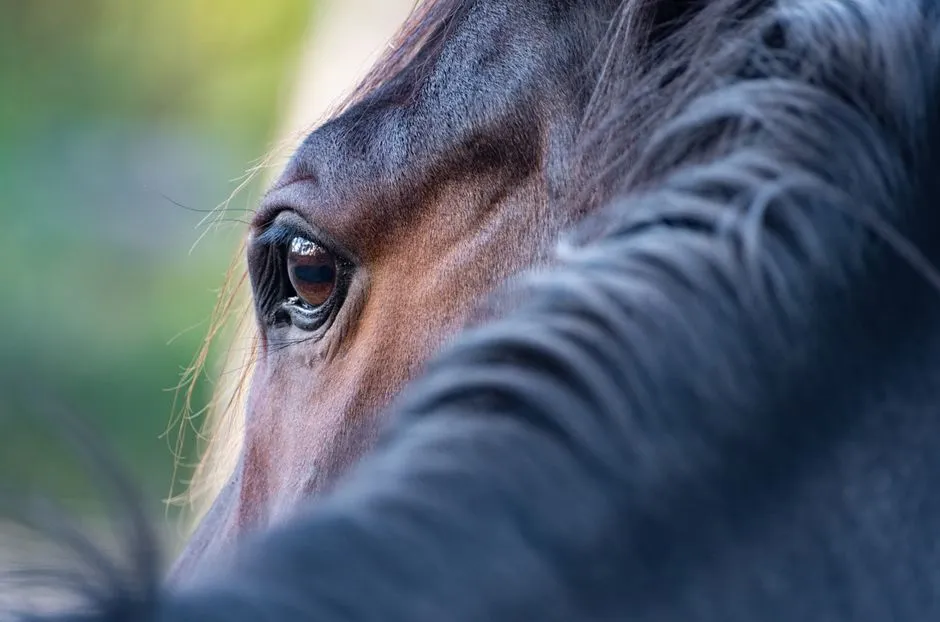
It sounds poetic, but it is very real: the eyes tell you a lot. A comfortable senior horse often has eyes that stay bright and engaged. You’ll see them follow movement, blink normally, and soften when you scratch a favorite spot. There’s still a spark there, even if the face is grey and the eyelids a little droopy.
When an old horse is deeply uncomfortable, the eyes often go distant or hard. You may see a dull, vacant stare, constant squinting, or a tight, worried look that never quite fades. If, instead, your horse looks at you with recognition, tracks what’s happening around the farm, and lets the eye soften when relaxed, that emotional presence is a powerful indicator that it still feels reasonably okay in its own skin.
14. Willingness to Move When Asked Kindly
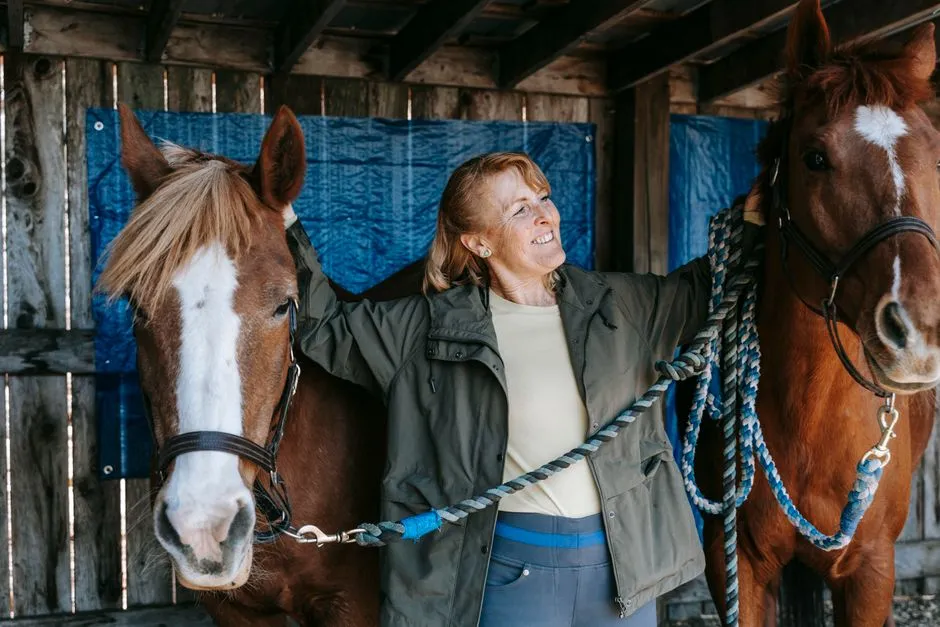
A truly comfortable senior horse might move slower, take more warmup, or need modified work, but it will still basically say “yes” when you ask it to walk on, turn, or step over. It may hesitate if footing is bad or if it’s a rough day, but the default attitude is cooperation rather than flat refusal or panic. That simple willingness suggests that moving does not feel like pure punishment.
When movement is unbearable, you’ll often see balking, repeated planting of feet, spinning, or attempts to avoid being caught altogether. If instead your old horse comes to the halter, walks beside you, and, with reasonable encouragement, participates in gentle exercise, that is its body telling you that motion is still possible and that the experience isn’t dominated by pain.
15. Resting Posture That Looks Peaceful, Not Guarded
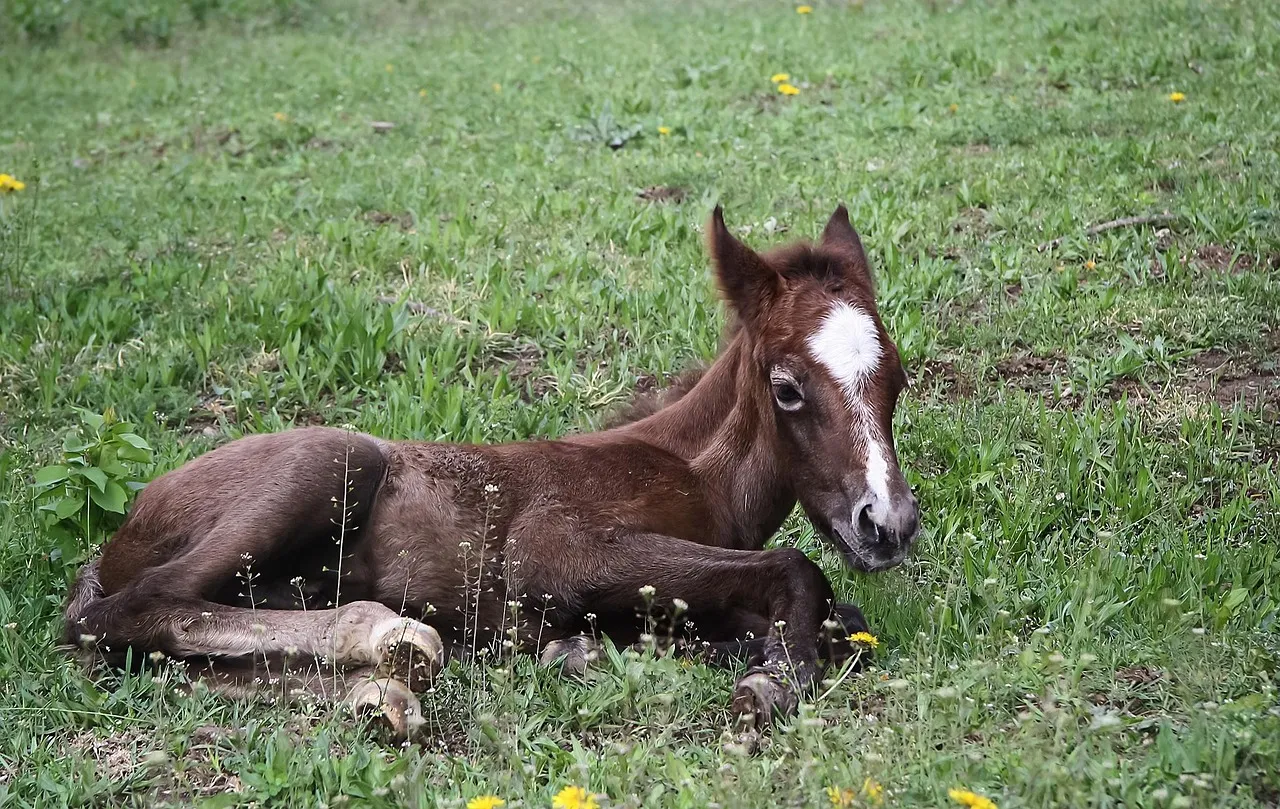
Take a moment to really look at your horse when it’s simply standing and resting. A comfortable senior often lets the lower lip sag a bit, softens the muscles around the muzzle, and lowers the neck into a natural, easy position. One hind leg might be cocked, the tail hangs quietly, and the whole frame reads as loose rather than braced.
In contrast, a horse that is constantly guarding against discomfort often holds itself in a tight, guarded posture – neck raised, abdomen tucked, tail clamped or constantly swishing, muscles along the back rigid like a plank. When your old horse spends much of its quiet time in that “I could nap if I wanted to” posture, you are seeing a body that, overall, still feels safe enough to let go.
16. Normal, Comfortable Elimination Habits
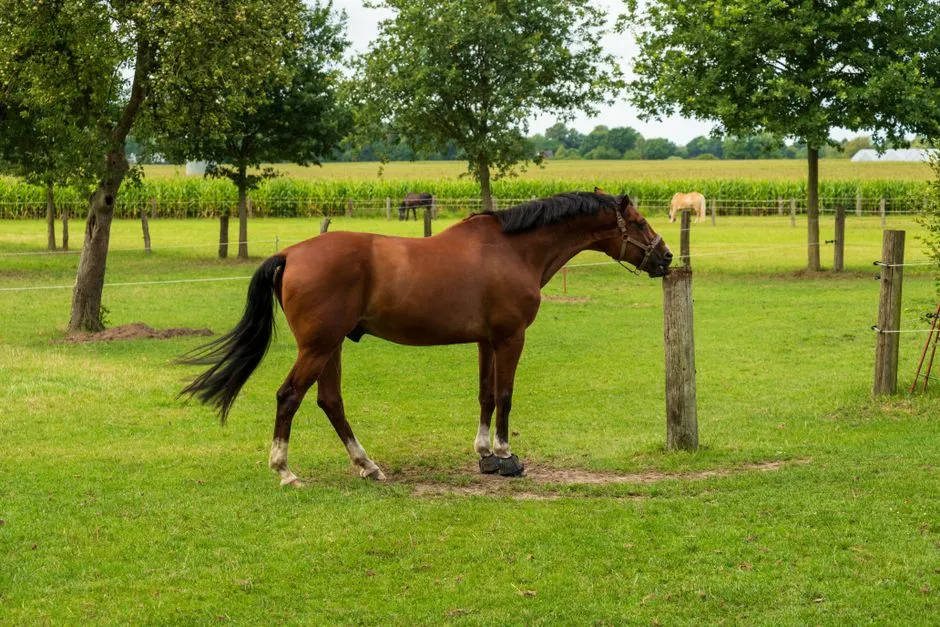
This one is not glamorous, but it is brutally honest: a comfortable old horse usually urinates and passes manure with little obvious drama. They walk to a spot, adopt a familiar stance, and just get on with it. You don’t see them straining repeatedly, pacing anxiously before every attempt, or lifting the tail a hundred times with nothing happening.
Horses dealing with significant gut or urinary discomfort may show frequent posturing, sweating, pawing, or reluctance to move during elimination. If your senior’s bathroom habits are boringly predictable, with manure that is reasonably formed and a posture that doesn’t look tortured every single time, that “nothing to see here” pattern is a surprisingly reassuring sign of ongoing comfort.
17. Seeking You Out for Contact, Not Just for Food
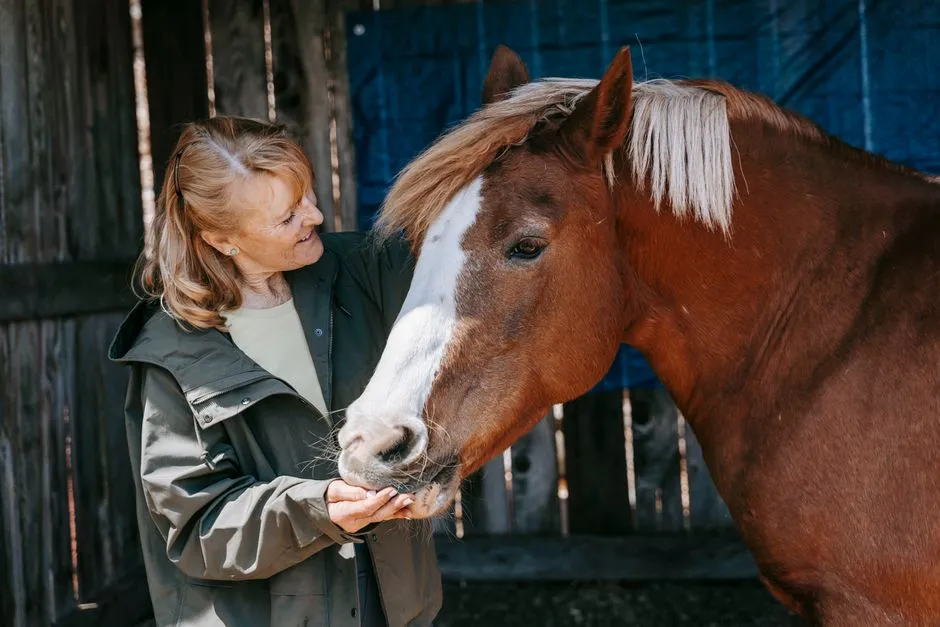
Finally – and this is the one that hits me in the chest every time – a comfortable old horse will often still choose you. Not just your feed bucket, not just the open gate, but you. It may walk over and rest its head near your shoulder, stand quietly while you lean on its neck, or sigh when you scratch its favorite spot. That voluntary, unforced closeness is rarely present when a horse is drowning in pain; they’re too busy coping to seek out extra connection.
When your senior horse wanders away from hay just to stand with you, or waits by the fence when it hears your truck long before dinner time, it is telling you that being alive in that body, in that moment, still feels okay enough to make space for relationship. For me, that choice is one of the most powerful everyday indicators that, despite age and wear, the horse’s inner experience is still fundamentally comfortable.
Conclusion: Listening to the Whisper, Not Just the Shout
We live in a world that loves dramatic before-and-after stories, but old horses rarely speak that loudly. Their truth shows up in the quiet in-between moments: the easy breath when you arrive, the casual walk across the paddock, the decision to stand near a friend instead of alone. None of these little signs means you can ignore vet care or pretend aging is effortless, but together they build a picture of a senior who is not just surviving, but still genuinely okay.
For me, the hardest and most important part of loving an old horse is learning to listen with brutal honesty and deep compassion at the same time. Comfort in old age does not look like youth, and it never will – but it does have a feeling, a rhythm, a softness you can learn to recognize. The real question is this: when you watch your own old horse in those small, ordinary moments, what story is it quietly telling you about how it feels to be alive right now?
