
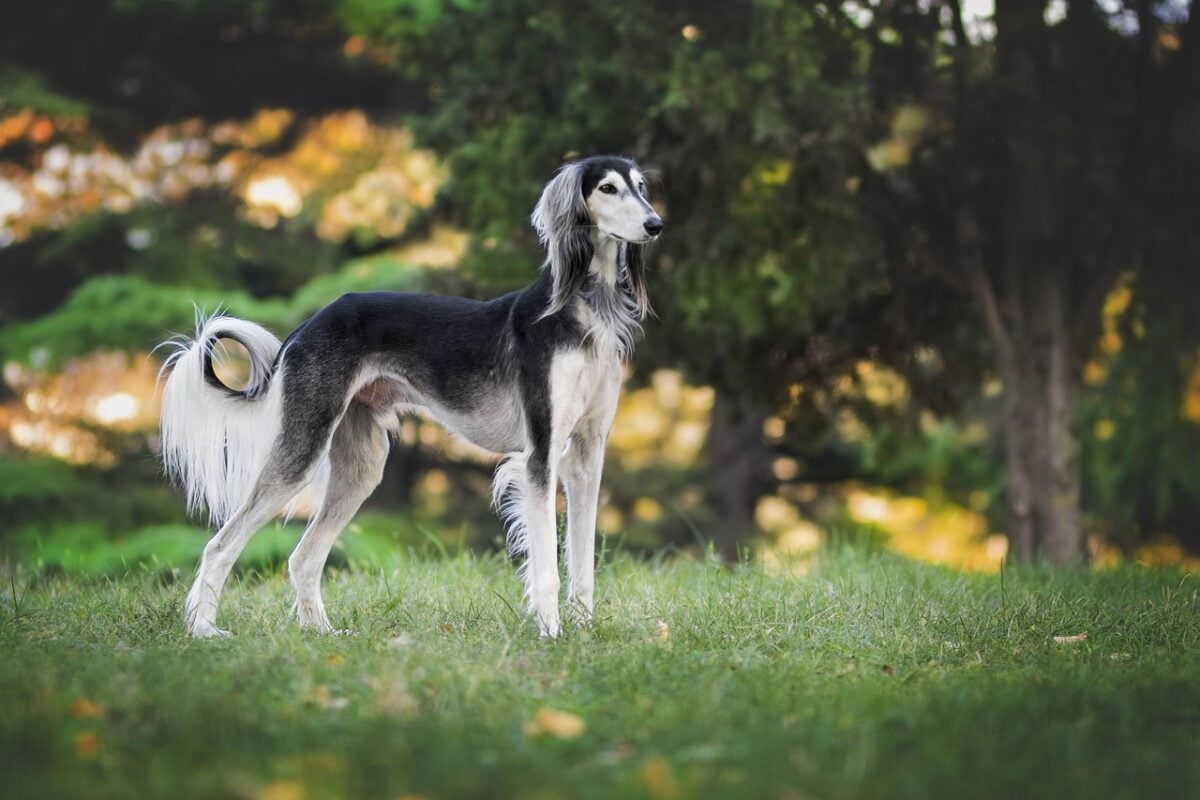
Walk into any county shelter on a Saturday morning and you’ll notice something strange. Same faces, different states. It’s not random chance filling those kennels.
Certain breeds show up so often that shelter workers could practically fill out the intake forms in their sleep, while other breeds almost never appear at all – not because they’re flawless, but because of what happens long before a dog ever reaches a shelter door. That gap is bigger, and stranger, than most people realize.
#1 – Pit Bull Terrier: The Breed Shelters Can’t Stop Seeing
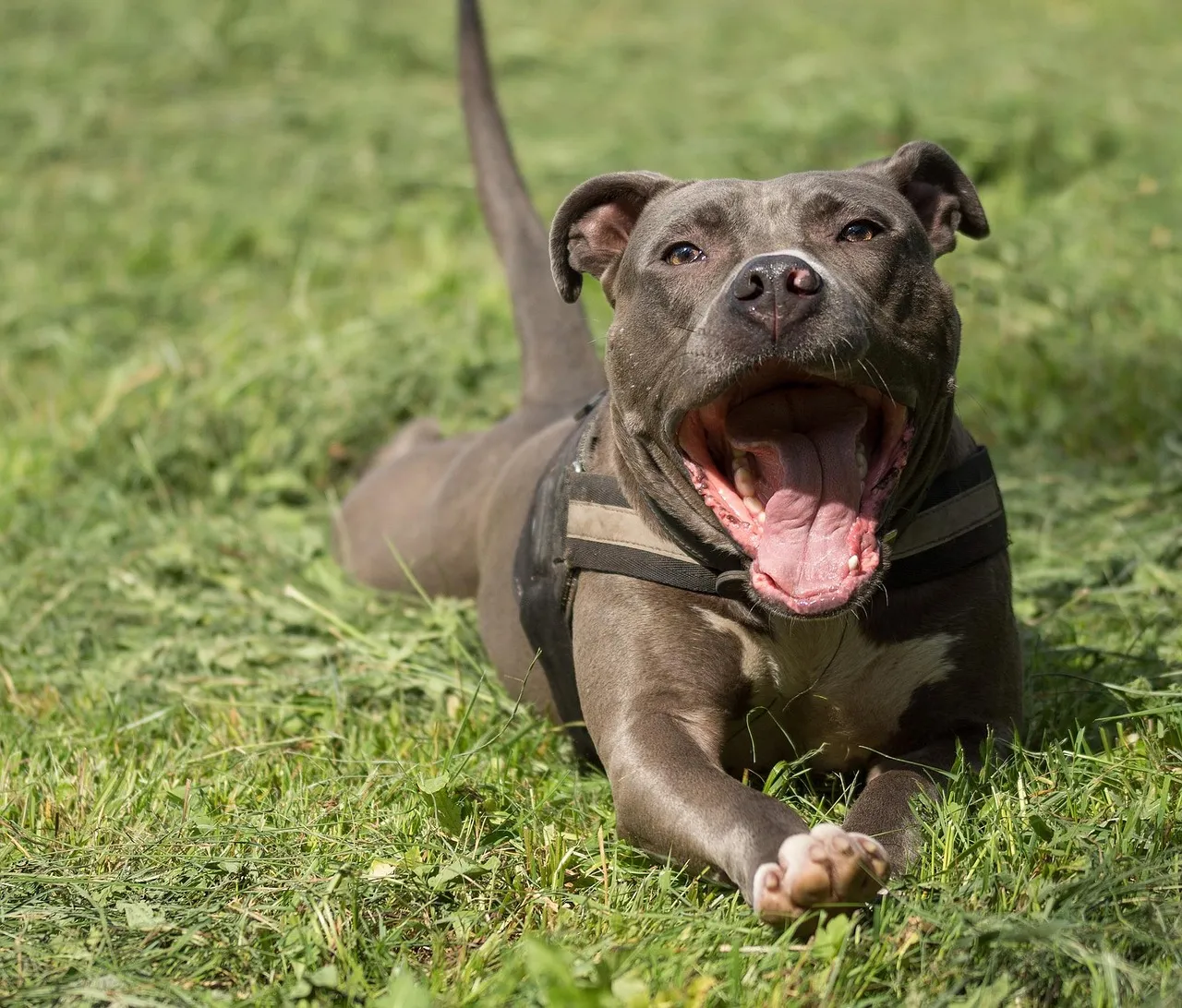
Walk down any shelter row in America and odds are you’ll pass a Pit Bull-type dog before you finish the first row. They make up close to a quarter of shelter listings in many major cities, more than any other single type by a wide margin. It’s not because they’re inherently unwanted – it’s breed-specific rental bans, insurance policies, and city ordinances that push owners out before the dog even gets a real chance.
Here’s the part that surprises people: once behavior evaluators actually spend time with these dogs, most test out as steady, food-motivated, people-pleasing pets. The stigma outpaces the reality by a mile. Backyard breeding for looks keeps the supply endless, while housing that will actually accept them never catches up.
There are no bad dogs, there are only bad owners.
Barbara Woodhouse
#2 – German Shepherd: Loyalty That Outgrows the Living Room
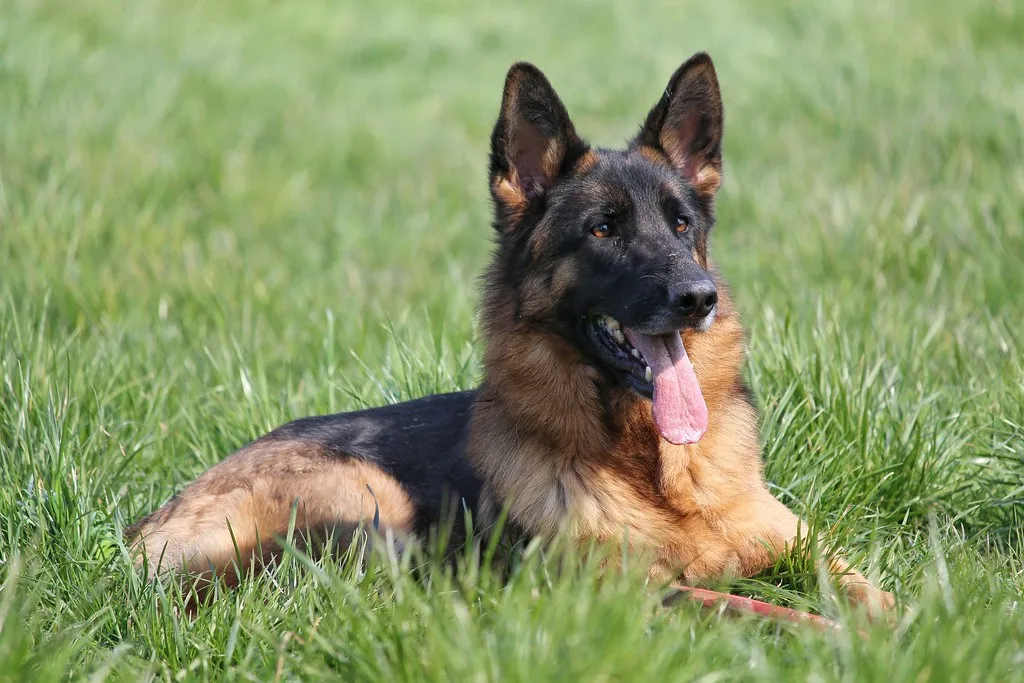
German Shepherds fill close to 11% of shelter kennels in many cities, and almost all of them arrive as adults, not puppies. Families fall for the intelligence and protectiveness, then discover the job-level drive that comes attached to it.
Most surrenders aren’t about aggression at all – they’re about barking, digging, and a dog who needs a task more than a couch to guard. Working-line rescues try to catch these dogs first, but general shelters still see a steady, predictable stream of them anyway.
#3 – Labrador Retriever: The “Easy Dog” Myth

Labs are supposed to be the safe choice, the classic family-starter breed. Yet they still account for roughly 8% of shelter intakes nationwide, arriving young and full of energy nobody quite planned for.
The uncomfortable truth is that even purebred Labs, some with papers and pedigrees, land in shelters when life gets busy. It’s rarely the dog’s fault – it’s the mismatch between the puppy fantasy and the 70-pound reality that shows up a year later.
#4 – Chihuahua: Small Dog, Big Misunderstanding

Chihuahuas make up 5-6% of shelter populations, often after being treated more like an accessory than an actual dog with needs. When the novelty fades and the barking or house-training struggles begin, they’re frequently the first to go.
Overbreeding compounds the problem in warmer states, flooding intake centers with dogs who mostly just need patience. Most of these little dogs carry fear-based behaviors, not meanness – and fear, unlike meanness, is fixable.
#5 – Siberian Husky: Built for Snow, Surrendered in the Sun

In warm-climate shelters, Huskies show up constantly – around 6.5% of listings – because their double coat and Houdini-level escape skills weren’t part of the sales pitch. Owners fall for the blue eyes and wolf-like face, then discover a dog bred to run for miles every single day.
Many are full, registered purebreds surrendered the moment their vocal, high-prey-drive nature collides with a quiet cul-de-sac. It’s less a behavior problem than a bred-in-purpose problem nobody prepared for.
Fast Facts
- Pit Bull-type dogs: close to 25% of shelter listings in many major cities
- German Shepherds: roughly 11% of kennel space in those same cities
- Labrador Retrievers: about 8% of shelter intakes nationwide
- Siberian Huskies: around 6.5% of listings in warm-climate shelters
- Chihuahuas: 5-6% of overall shelter populations
#6 – Boxer: All Muscle, No Off Switch (Until There Is)
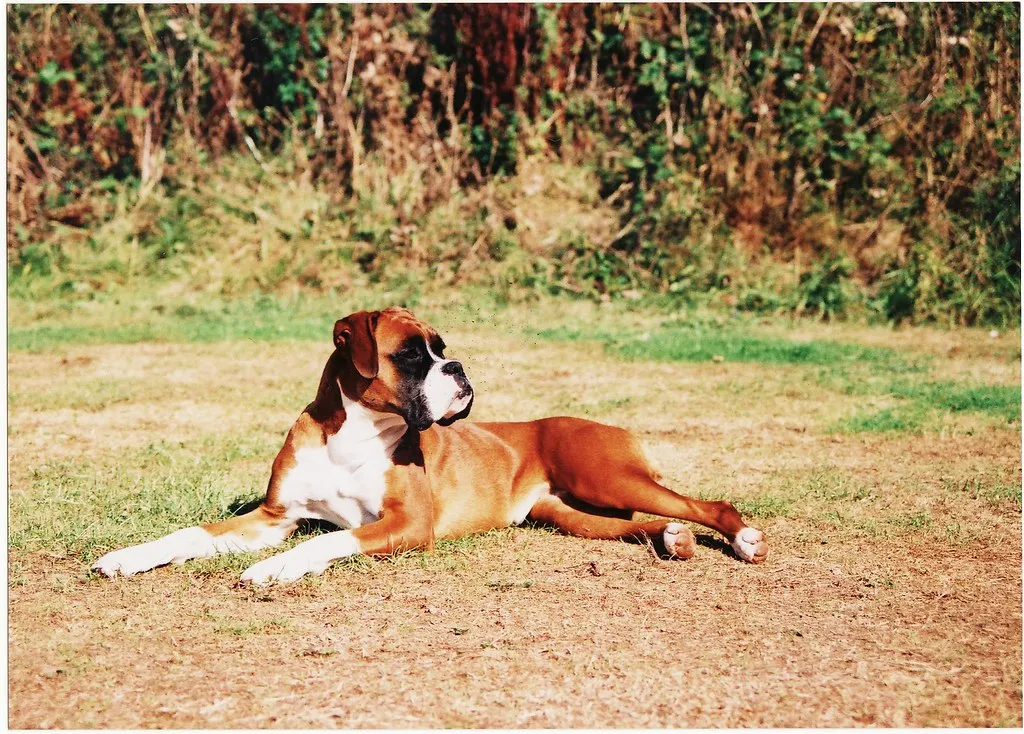
Boxers arrive in shelters mid-bounce, literally. Their explosive puppy energy stretches far longer into adulthood than owners expect, and a 65-pound dog crashing into furniture wears out its welcome fast.
What gets lost is how quickly that same energy turns into devotion once a Boxer gets structure and a job to do. Health issues tied to the breed’s shorter lifespan add another layer that pushes some owners toward surrender instead of vet bills.
#7 – Dachshund: Small Body, Big Vet Bills

Dachshunds land in shelters for reasons that have little to do with personality – stubbornness during training, and the ever-present risk of back injuries that can turn into thousands of dollars in surprise vet care.
Many arrive as seniors already managing that condition, yet they remain some of the most quietly adoptable dogs around once a family understands that ramps beat stairs.
#8 – Australian Shepherd: Genius With Nowhere to Put It
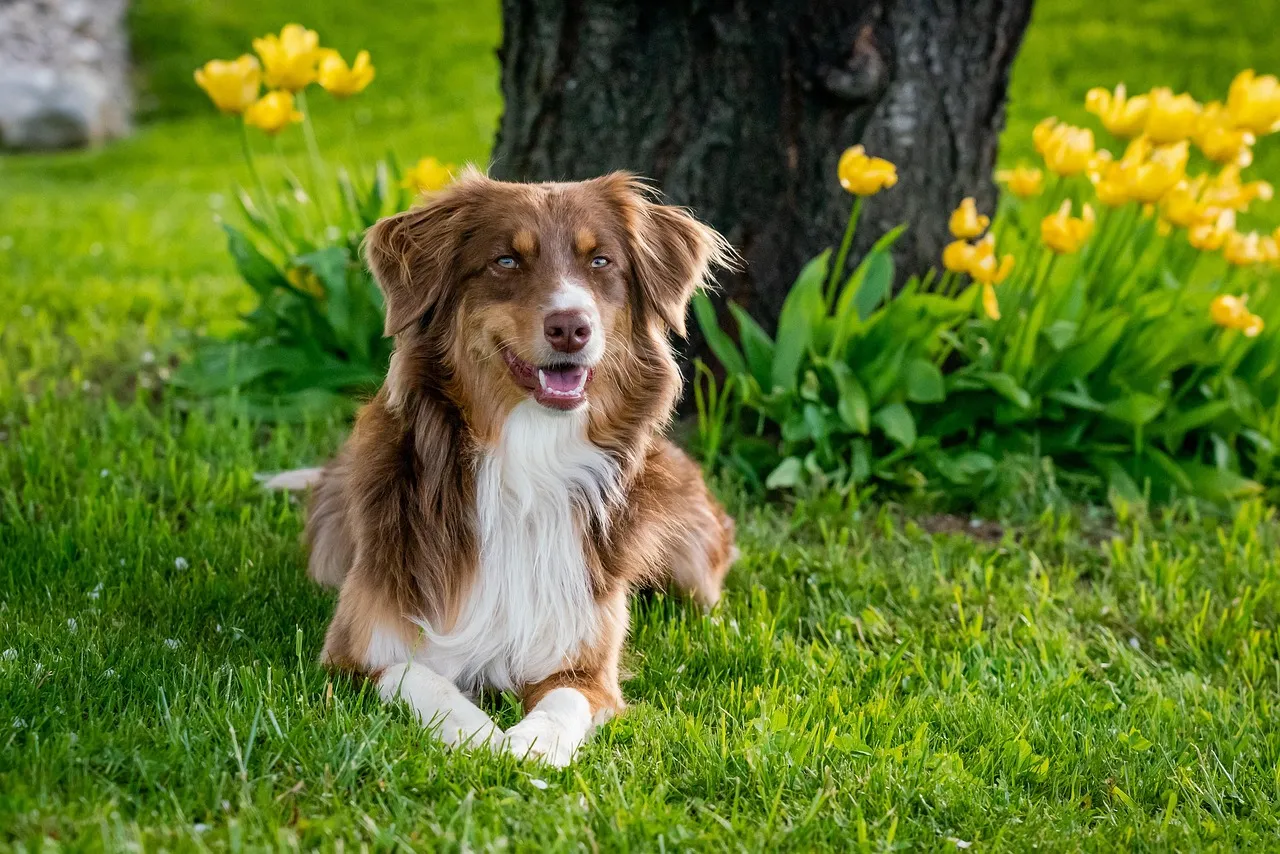
Aussies are whip-smart, and that’s exactly the problem. Without a job, that intelligence turns into herding the kids, herding the cat, or destroying a couch out of sheer boredom.
Most that land in shelters come from real working lines, not show stock – dogs bred for movement and purpose, dropped into households that expected a pretty dog who naps all day.
#9 – American Staffordshire Terrier: Guilty by Association
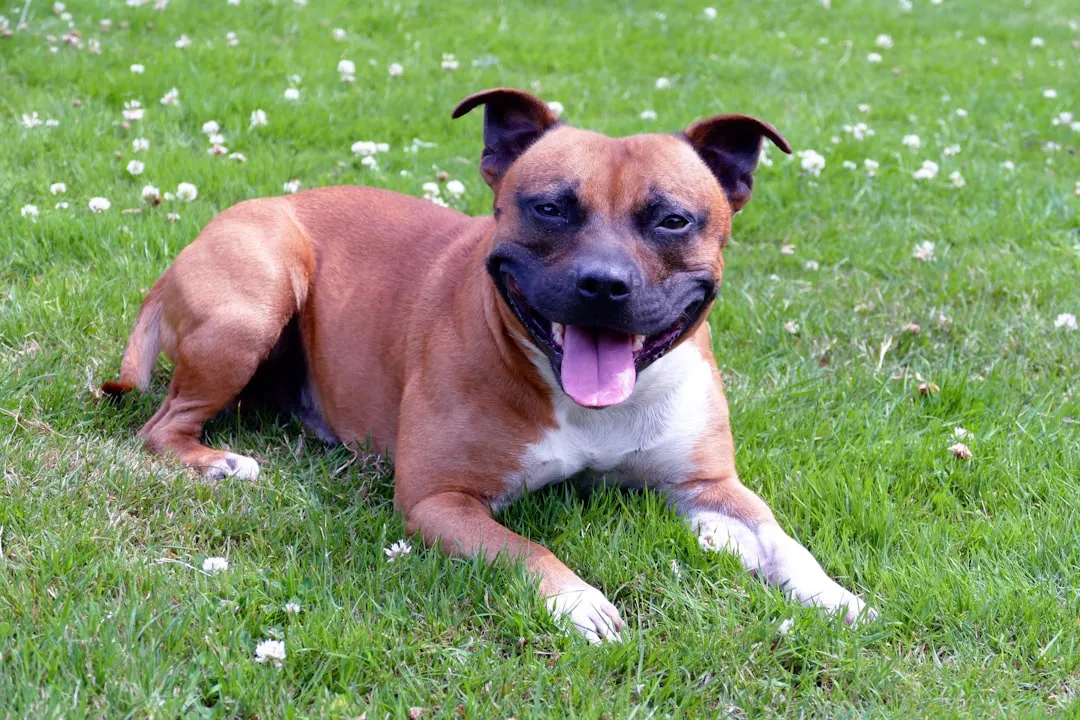
Staffies carry almost the exact same stigma as Pit Bulls – the same housing bans, the same insurance headaches – even though the two aren’t identical. Owners surrender not because the dog misbehaved, but because a landlord found out the breed name.
DNA testing on shelter Staffies frequently turns up mixed heritage rather than the “pure fighting line” reputation people assume, which makes the housing discrimination sting even more.
#10 – Rottweiler: Big Dog, Bigger Assumptions

Rottweilers hit shelters largely because of size, strength, and the insurance surcharges that come attached to both. Many rental agreements simply won’t allow them, no matter how the individual dog actually behaves.
A large share are family pets surrendered after a move or a lease renewal – not because anything went wrong at home, but because a policy changed and the dog couldn’t come along.
#11 – Beagle: The Nose That Won’t Quit

Beagles are scent hounds first, pets second, and that nose gets them into trouble constantly – howling, digging under fences, wandering off mid-sniff. Apartment living and a Beagle’s instincts rarely mix well.
Health-wise, most are in great shape when they arrive. They just need a yard, a fence they can’t out-nose, and an owner who doesn’t mind a vocal dog.
#12 – Great Pyrenees: Built to Guard, Not to Cuddle on Command
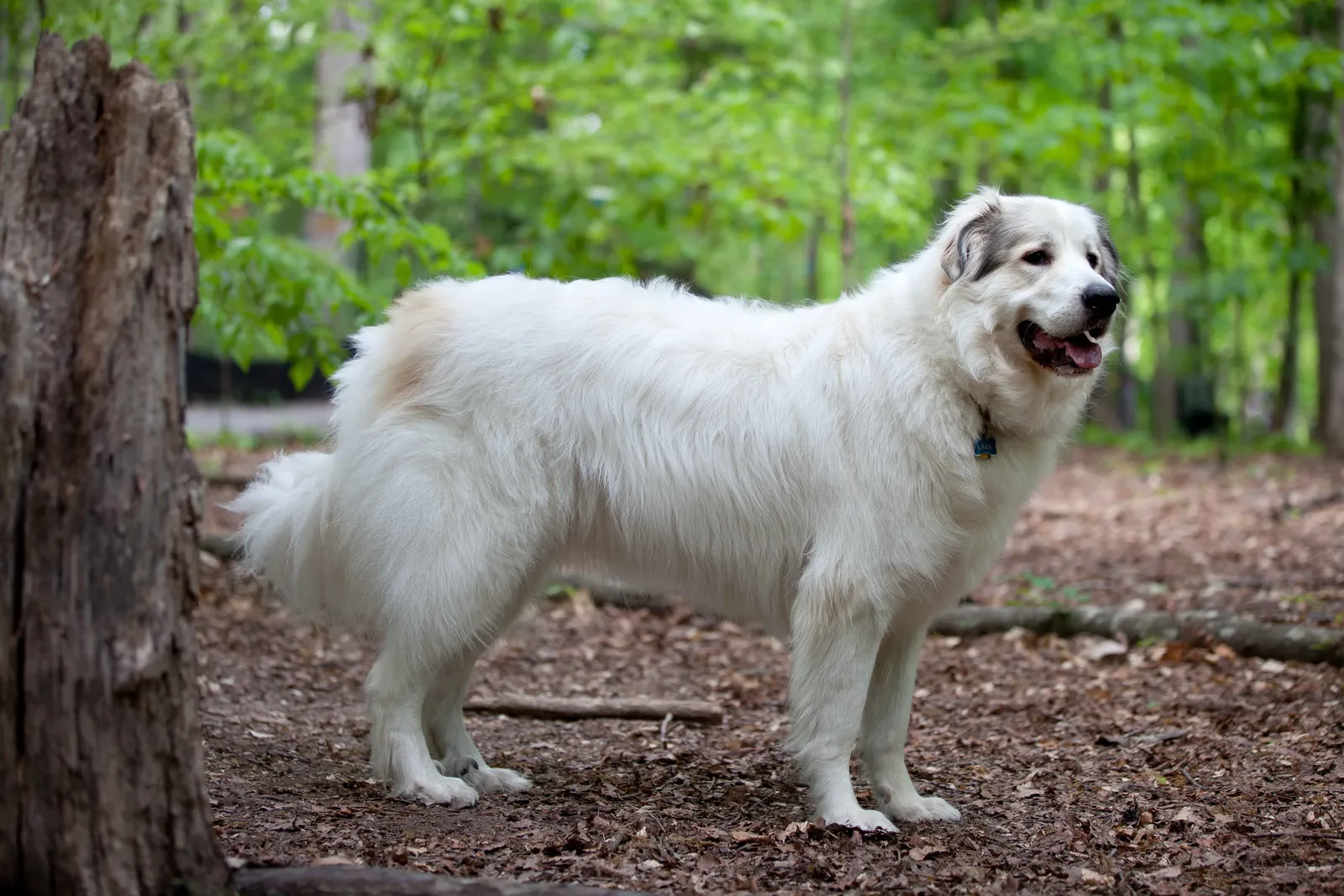
These massive livestock guardians end up in suburban shelters when families adopt for the fluffy looks and discover a dog bred to bark through the night, watching for threats that don’t exist in a backyard.
Most are purebred working dogs, genetically wired for independence rather than obedience-school perfection – a mismatch that has nothing to do with the dog being “bad.”
#13 – Doberman Pinscher: Sleek, Loyal, and Misjudged

Dobermans face the same insurance and housing walls as other guardian breeds, regardless of temperament. Many end up surrendered simply because a new apartment complex added the breed to a restricted list.
The dogs that do arrive are often young adults, past the easy puppy stage, now needing the grooming and daily exercise a first-time owner didn’t research beforehand.
#14 – Australian Cattle Dog: Nipping Instinct Meets Family Life
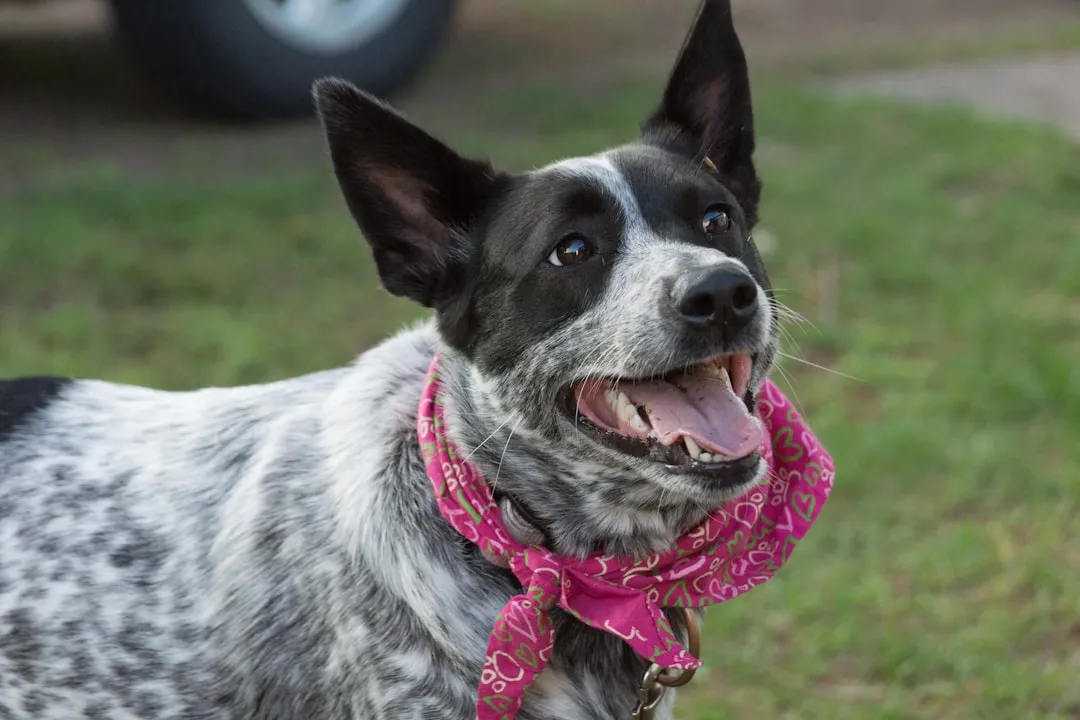
Heelers are bred to move livestock by nipping at heels, and that instinct doesn’t always know the difference between a cow and a running toddler. That’s usually the exact moment the surrender call gets made.
Once placed with active owners who give them a real outlet, most become impressively trainable – proof that the “problem” was often just the wrong household, not the wrong dog.
#15 – English Bulldog: Adorable, Expensive, and Fragile
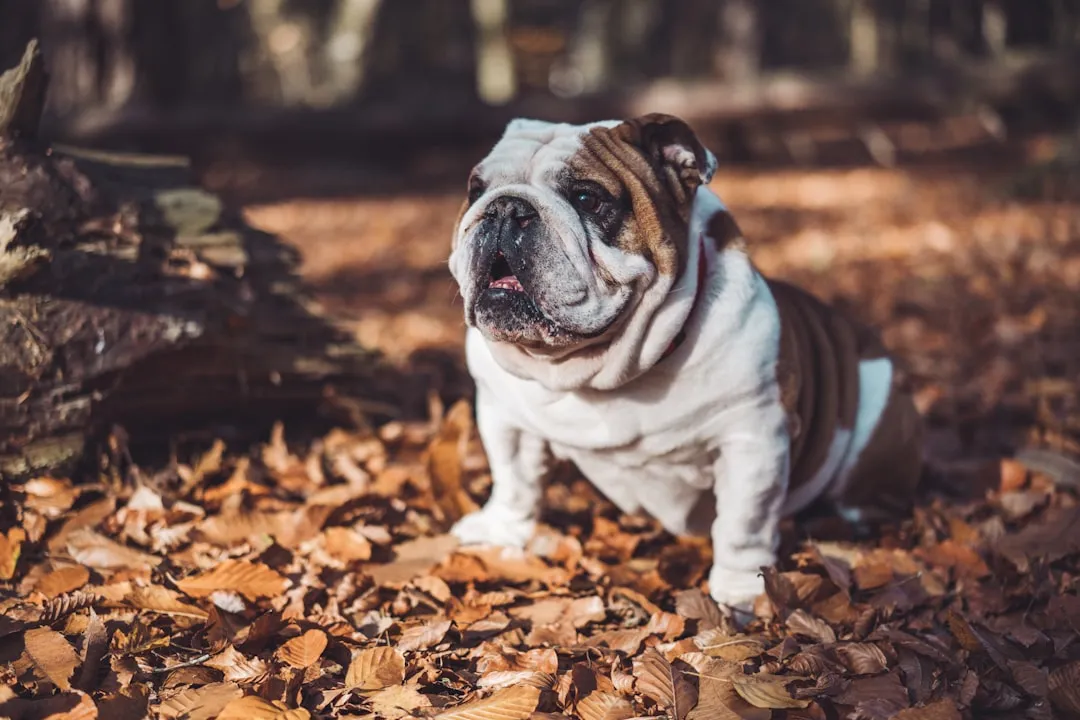
Bulldogs are bred with features that look irresistible in photos and cause real breathing and joint problems in real life. When the vet bills start piling up, some owners feel they have no other choice.
Even purebred Bulldogs with documented lineage aren’t immune – the health costs of the breed outlast many owners’ financial planning, regardless of how much love is in the house.
#16 – Poodle (Standard and Mixes): Hiding in Plain Sight
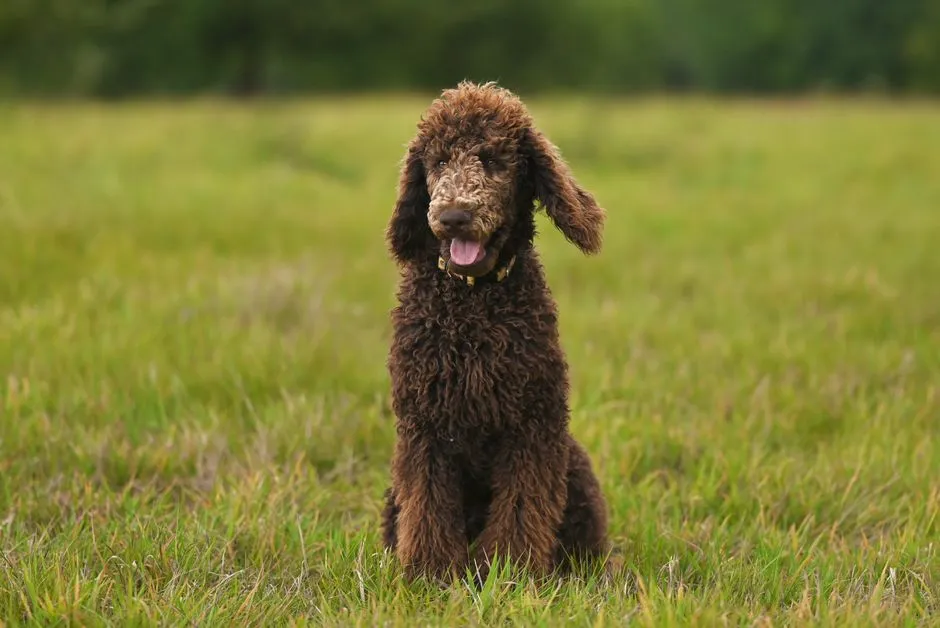
Grooming costs sneak up on Poodle owners fast, and the breed’s high energy surprises people who assumed “fancy” meant “low-maintenance.” Standards especially need far more exercise than their reputation suggests.
A lot of dogs labeled “Poodle mix” in shelters are guess-mixes with only partial Poodle heritage – meaning the actual purebred count is smaller, even as the confusion inflates the numbers.
#17 – Golden Retriever: America’s Favorite, Still Surrendered

Even the golden standard of family dogs isn’t shelter-proof. Shedding, joint issues, and higher-than-expected exercise needs push a steady trickle of Goldens into intake every single year.
Breed-specific rescues intercept plenty of them before they hit general shelters, which is exactly why the number feels smaller than the breed’s popularity would suggest – but it never quite hits zero.
#18 – Mixed Bully-Type Dogs: The Catch-All Category
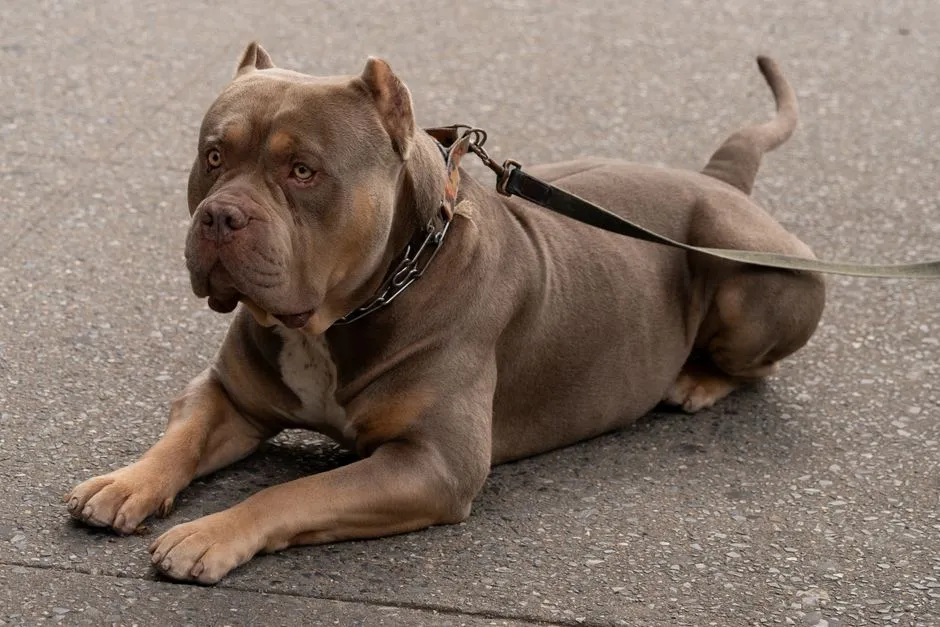
Beyond purebred Pit Bulls and Staffies, a huge wave of bully-type mixes fills whatever shelter space is left. Appearance alone – a blocky head, a certain jaw shape – triggers the same housing bans and stigma as a purebred.
Behavior has almost nothing to do with it. Labeling does. A dog that looks a certain way gets treated a certain way long before anyone actually evaluates who it is.
Now flip the picture completely. These are the breeds you’ll almost never spot on a shelter’s adoptable list – not because they’re flawless, but because an entire support system exists to catch them before they ever land there.
#19 – French Bulldog: Too Valuable to Sit in a Kennel

Frenchies almost never reach general shelters, and the reason is blunt: they’re expensive. High purchase prices mean owners think twice before giving up, and breed-specific rescues move fast when they do.
Even dogs with serious health issues – breathing problems, spinal conditions – tend to find private rehoming before ever reaching a county facility. Demand for the breed is simply too high for supply to sit unclaimed.
At a Glance
- High purchase prices that make owners exhaust every option before surrendering
- Breed-specific rescue clubs that intervene before a shelter ever gets a call
- Small overall population sizes that limit how many dogs need rehoming
- Waiting lists of vetted adopters ready before a dog even becomes available
#20 – Cavalier King Charles Spaniel: Rescued Before They’re Surrendered
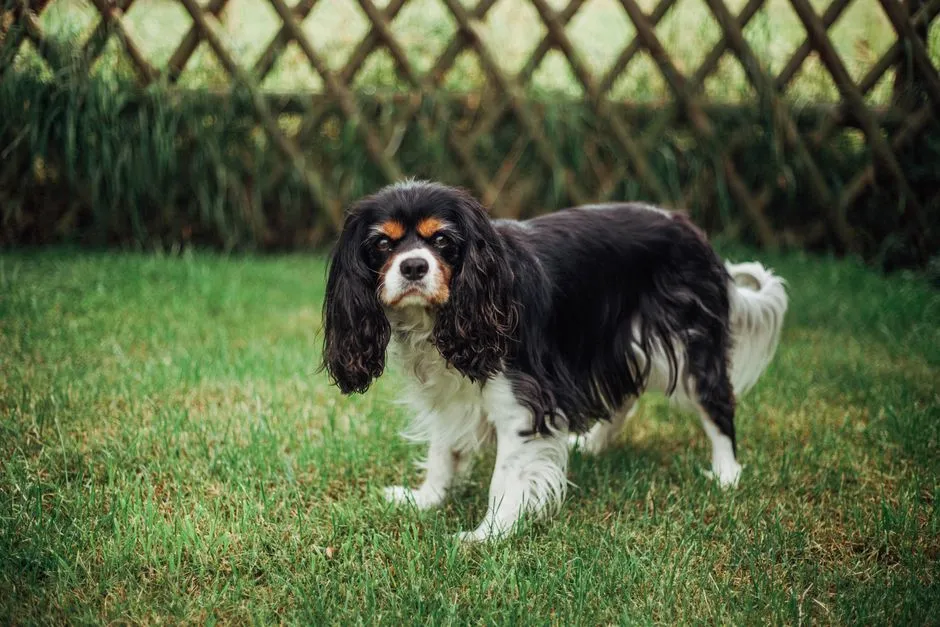
Cavalier breed clubs operate like a safety net, actively pulling dogs the moment an owner mentions rehoming. That network keeps general shelter numbers astonishingly low for such a popular breed.
Most “surrenders” never touch public intake at all – they move directly from one Cavalier-loving household to another through club connections built for exactly this purpose.
#21 – Havanese: Small, Beloved, and Rarely Abandoned

This fluffy companion breed sees remarkably low shelter rates, largely because owners who choose a Havanese tend to be deeply invested from day one, both financially and emotionally.
When rehoming is needed, breed rescue networks handle almost every case privately, meaning these dogs rarely, if ever, experience the stress of a public shelter kennel.
#22 – Maltese: Groomed for Priority Treatment

Maltese owners often turn to breed-specific rescues the moment a life change happens, skipping public shelters entirely. Grooming needs and small size make people feel protective enough to seek specialized help first.
Those dedicated rescues actually maintain waiting lists of approved adopters, meaning a Maltese in need of a new home usually has options lined up before a shelter ever enters the picture.
#23 – Yorkshire Terrier: Loyalty That Follows the Breed, Not the Owner
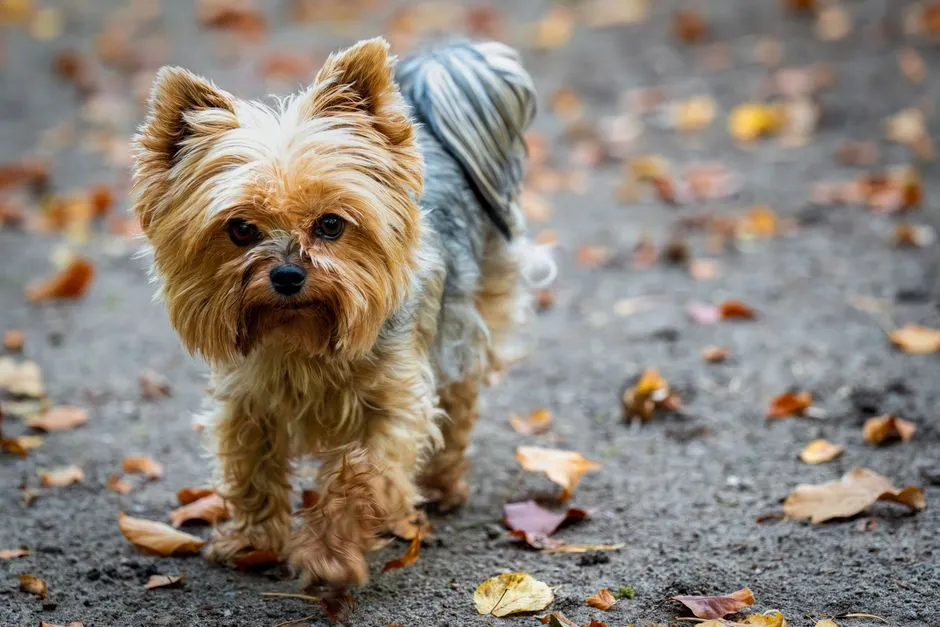
Yorkies benefit from a tight-knit community of breed clubs that treat rehoming like a family matter. Most transitions happen quietly, owner to owner, long before a shelter gets involved.
What looks like a “surrender” from the outside is often just a private handoff facilitated by people who’ve loved the breed for decades and refuse to let one fall through the cracks.
#24 – Pomeranian: Too In-Demand to Sit Unclaimed

Pomeranians are consistently one of the most requested toy breeds, and that demand alone keeps most out of general shelters. Rescue groups move quickly, sometimes rehoming dogs within days.
Even senior Poms, typically the hardest dogs to place, tend to find homes through dedicated networks – proof that demand outpaces the difficult cases most other breeds struggle with.
#25 – Shih Tzu: Small Dog, Big Safety Net

Shih Tzus rarely reach public shelters because grooming requirements naturally funnel owners toward breed-specific help the moment things get overwhelming.
Rescue groups keep active databases of available dogs, matching them with experienced adopters before a shelter listing ever becomes necessary.
#26 – Boston Terrier: Health Issues, Private Solutions

Boston Terriers face real health challenges, but instead of ending up in public shelters, most get rerouted through breed-specific rescues built to handle exactly those medical needs.
Owners facing mounting vet bills tend to reach out to these networks first, keeping the breed’s shelter numbers surprisingly small despite its popularity.
#27 – Corgi: Popularity as Protection

Corgis are a genuine cultural phenomenon at this point, and that fame translates directly into protection. Dedicated rescues maintain actual waiting lists of people hoping to adopt one.
A Corgi in need of a new home almost never sits unclaimed for long – the fan base alone acts as an informal safety net that most breeds simply don’t have.
#28 – Akita: A Breed That Takes Care of Its Own
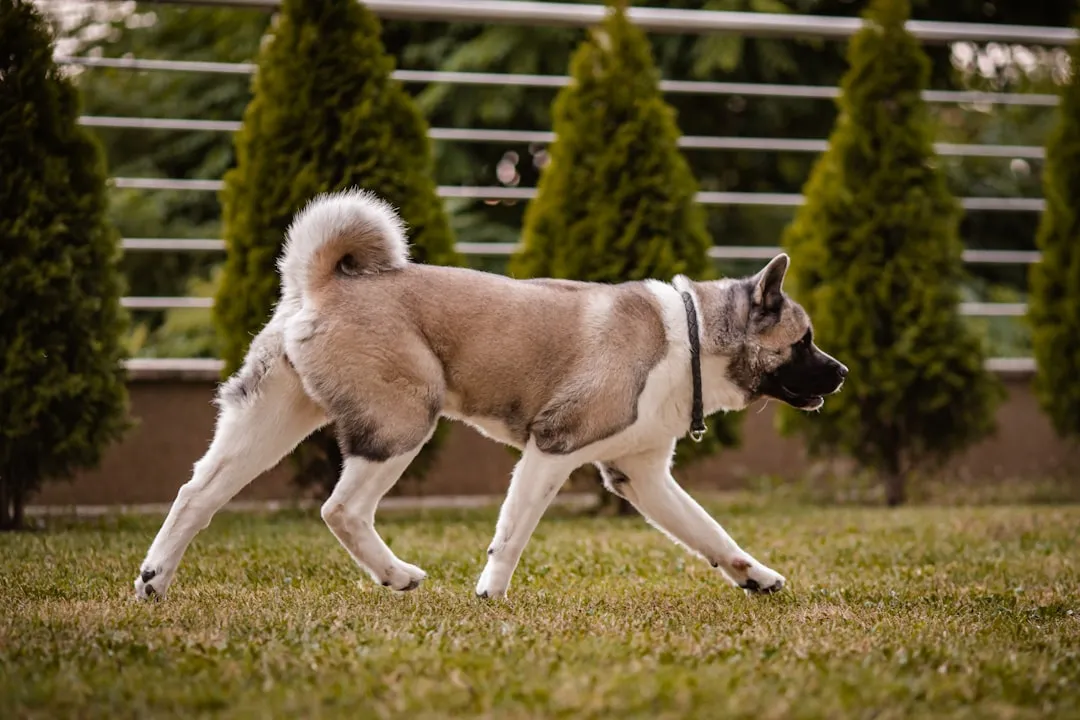
Akitas come with a strong, loyal community that prioritizes matching dogs with experienced owners rather than letting them land in general shelters. Breed clubs actively vet potential homes.
This isn’t casual – it’s a deliberate effort to keep a powerful, independent breed out of situations where an inexperienced owner might struggle and give up.
#29 – Shar Pei: Health Complexity, Handled Privately

Shar Peis deal with real skin and eye health issues, but dedicated rescues specialize in exactly those complications, absorbing most cases before they reach public intake.
The breed’s small, devoted community means most dogs stay within a tight circle of experienced owners who understand what the breed actually needs.
#30 – Saluki: Rarity as Its Own Protection
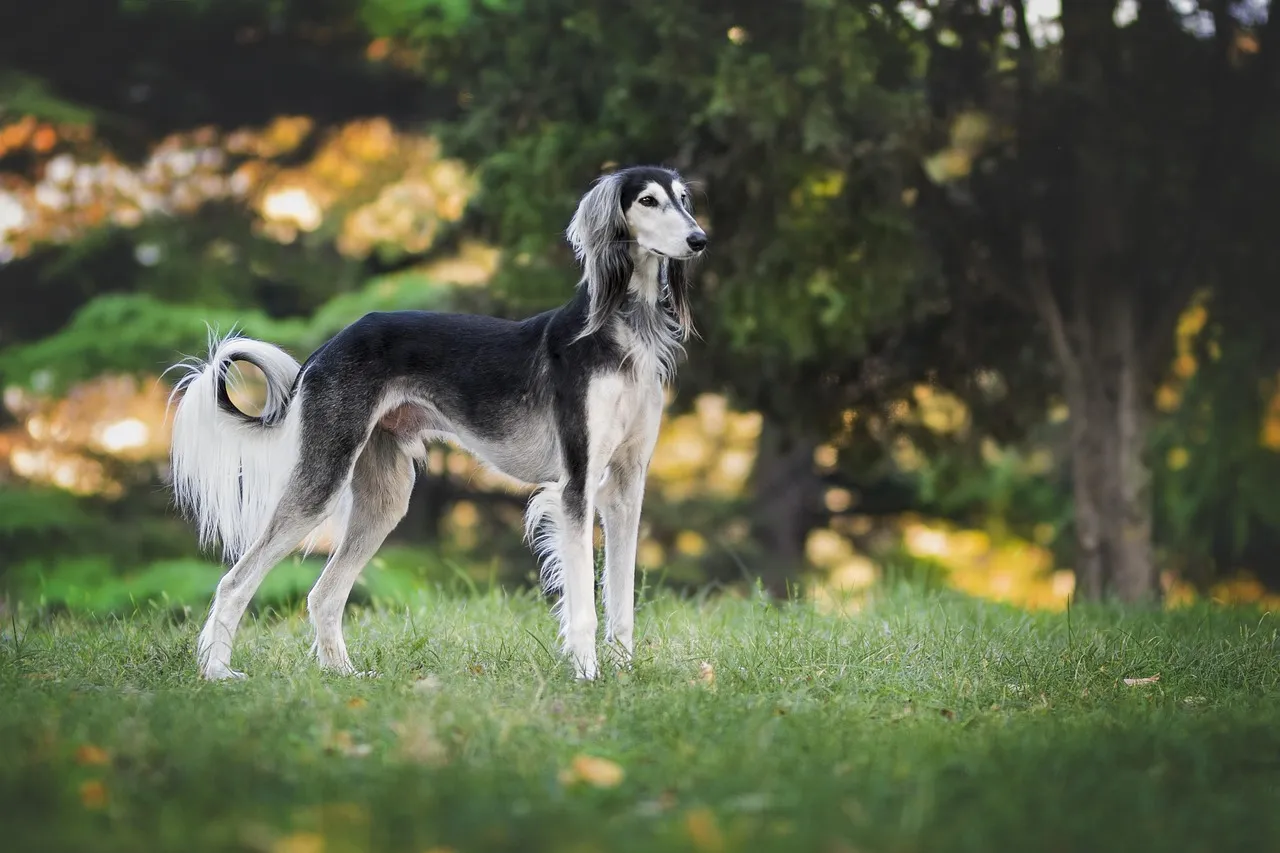
Salukis are one of the oldest dog breeds in existence, and their small population size alone keeps them out of general shelters. There simply aren’t many to begin with.
Sighthound-specific rescues handle what few cases do arise, meaning most Americans will go their entire lives without ever seeing one available at a public shelter.
Why It Stands Out
- Centuries-old breeding programs that keep total population numbers small by design
- Sighthound and rare-breed rescues that track nearly every dog in the country
- Owners who research heavily before buying, filtering out impulse decisions
- Breed clubs that treat rehoming as a community responsibility, not a last resort
#31 – Afghan Hound: Elegance With a Safety Net

Afghan Hounds benefit from passionate breed-specific groups that manage almost all rehoming needs before a dog ever gets near a county shelter.
Even show-quality dogs, the ones with real financial investment behind them, typically find private placements first – the breed community simply won’t let a good dog slip through public intake.
#32 – Borzoi: Sighthound Solidarity

Like other sighthounds, Borzoi exist in small numbers and benefit from active rescue networks built specifically around their needs.
Owners considering rehoming almost always contact a breed club first, treating public shelters as an absolute last resort rather than a default option.
#33 – Norwegian Elkhound: A Breed Circle That Doesn’t Let Go
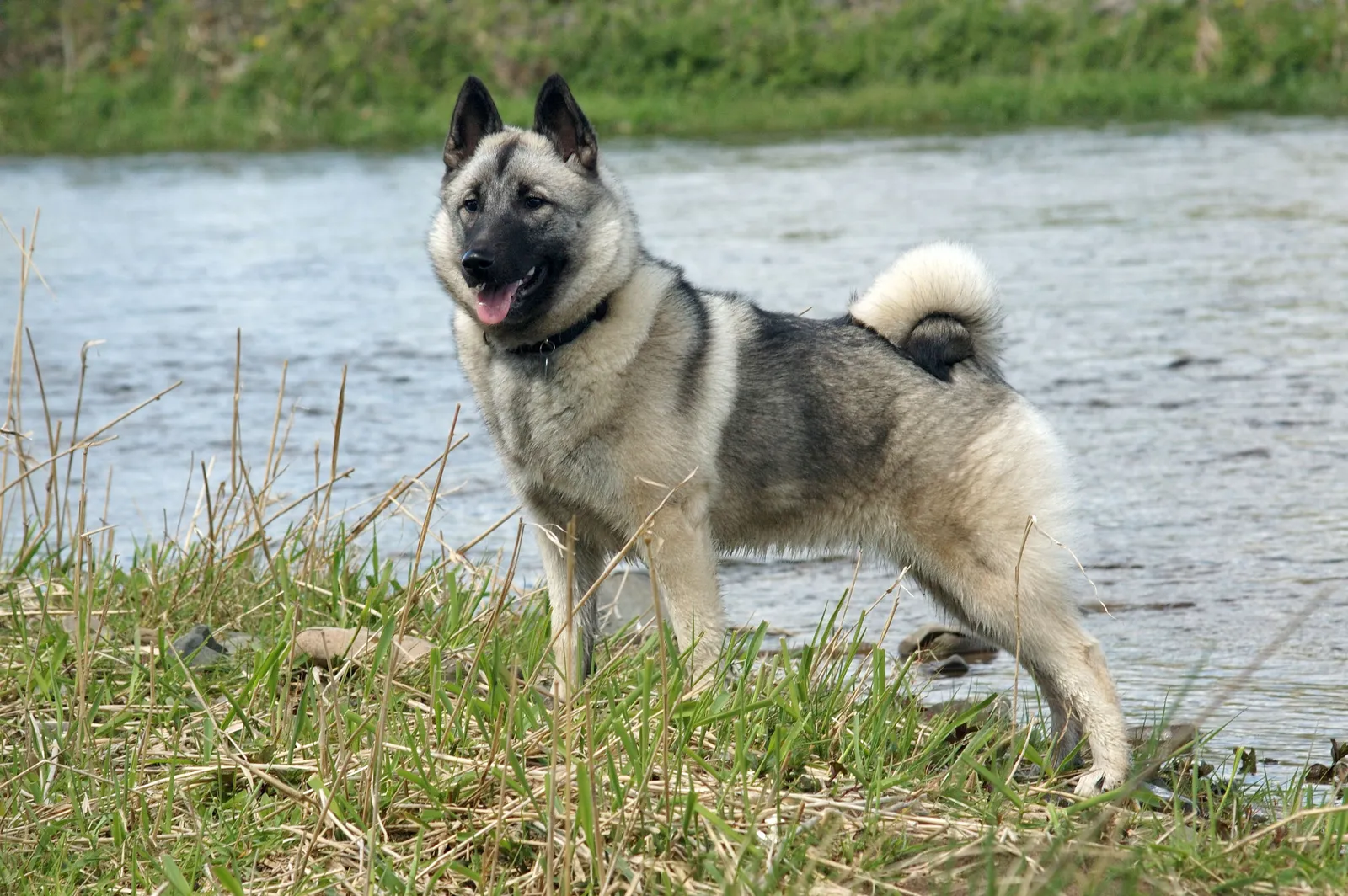
Elkhounds are rare enough, and their community tight-knit enough, that most dogs never leave the breed’s inner circle when a rehome is needed.
Dedicated volunteers track available dogs and match them privately, which is exactly why general shelters see so few, if any, Elkhounds pass through.
#34 – Basenji: A Breed for Committed Owners Only
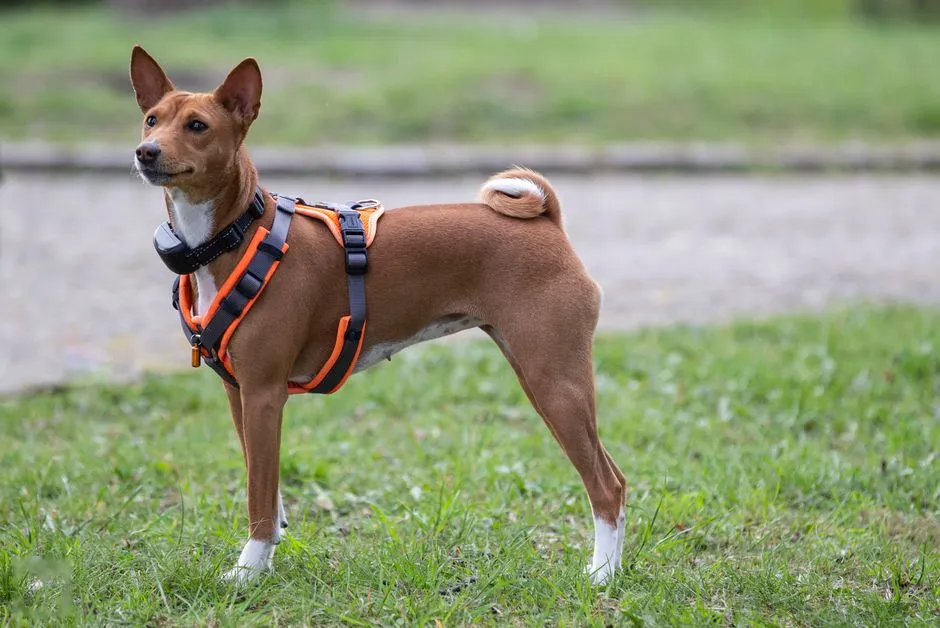
Basenjis are unusual enough – independent, nearly barkless, strong-willed – that the people drawn to them tend to be deeply committed from the start.
Breed clubs handle most placements directly, filtering for experienced homes that already understand what makes this ancient breed different from a typical companion dog.
#35 – Xoloitzcuintli: Preserved, Not Abandoned

The Xolo’s extreme rarity means active breed preservation efforts track nearly every dog in existence, leaving almost no path for one to end up in a general shelter.
Specialty rescues handle the rare case that does arise, treating each dog as part of a larger effort to keep the ancient breed’s numbers stable.
#36 – Chinese Crested: Small Numbers, Strong Devotion
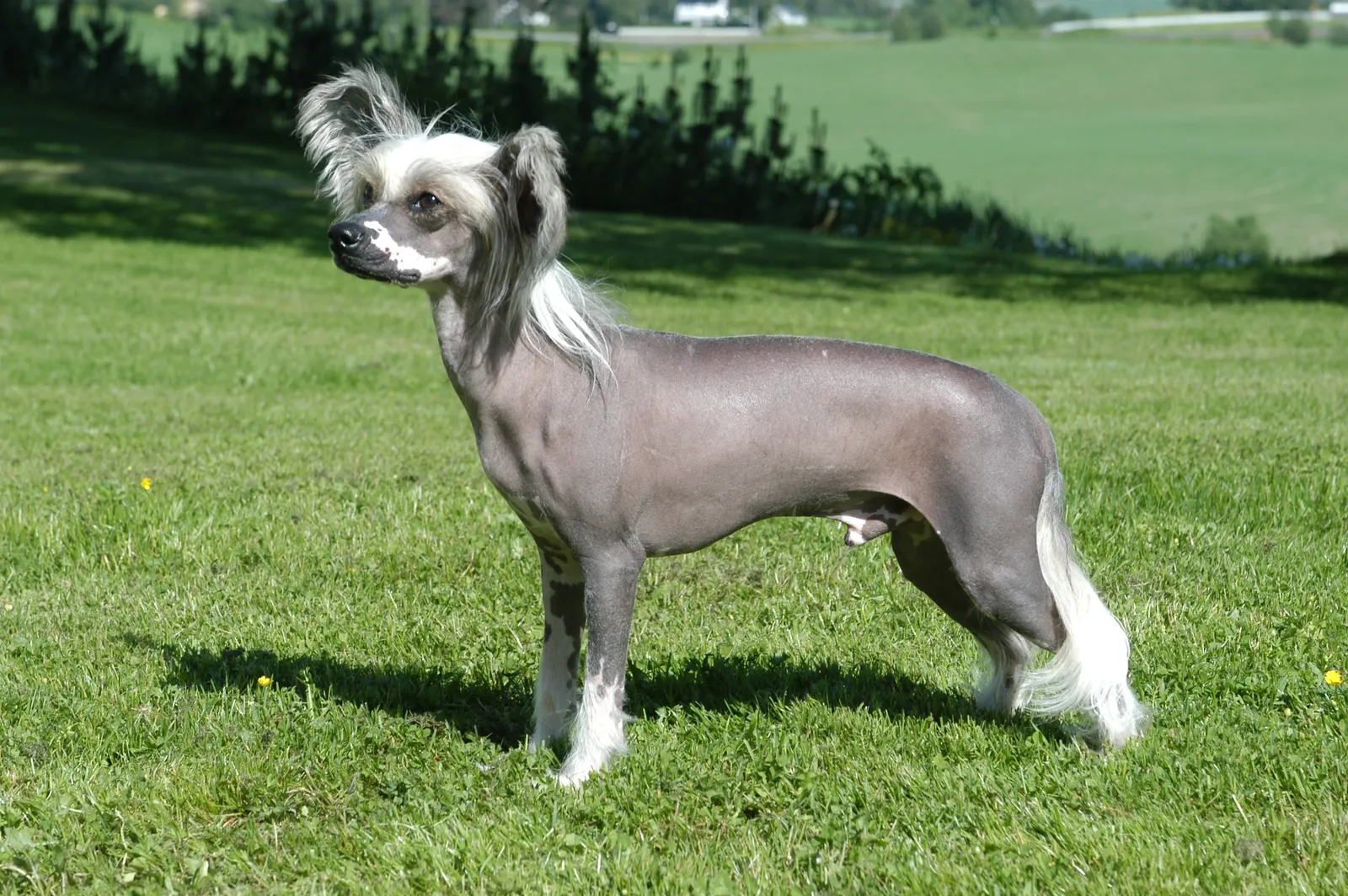
Chinese Cresteds stay out of public shelters largely because of low overall population and a passionate group of breed enthusiasts who track available dogs closely.
Waiting lists through specialty rescues are common, meaning most people who want this unusual little dog have to wait their turn rather than find one sitting in a shelter kennel.
Quick Compare
- Shelters see constantly: Pit Bulls, German Shepherds, Huskies, Chihuahuas – often due to housing bans, size, or overwhelmed first-time owners
- Shelters rarely see: Cavaliers, Corgis, Salukis, Xolos – often due to breed clubs, high demand, or naturally small populations
- The common thread: it’s rarely about temperament, and almost always about the support system standing behind the breed
The split isn’t really about which dogs are “good” or “bad” – it’s about which ones have money, networks, and demand built around them, and which ones don’t. Pit Bulls aren’t flooding shelters because they’re dangerous; they’re flooding shelters because nobody built them the kind of safety net breed clubs built for Cavaliers and Corgis. That’s the uncomfortable, honest math sitting underneath every one of these numbers.
If you take one thing from this, let it be this: stop judging shelter dogs by which breeds show up most, and start asking why some breeds never have to show up at all. Support spay/neuter programs, push back on breed-specific housing bans, and if you’re ready to adopt, consider walking past the popular “easy” breed and giving a real look to the dog that’s been sitting quietly in the back of the kennel the longest – usually for reasons that have nothing to do with who they actually are.
