
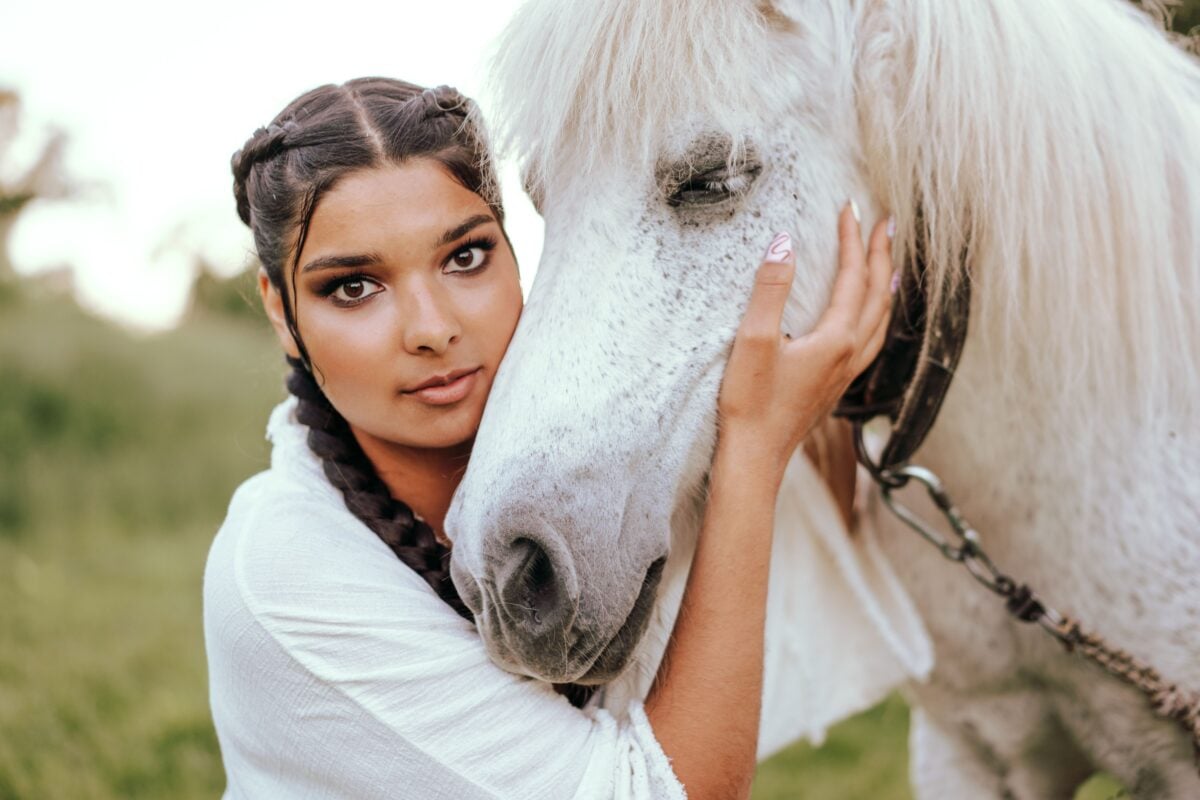
If you think your horse loves you the way a dog does – all sloppy kisses and cartoon-level cuddles – you’ve been misreading the signs for years. Horses don’t work that way. They’re prey animals built for suspicion, and most of them will only ever tolerate you, not truly trust you.
But the small percentage of horses that do cross that line start acting strange, in the best way possible. Subtle, almost invisible signals begin showing up that most casual owners never notice, let alone understand. If your horse is doing even a handful of these 19 things, you’re not just “the person who feeds it.” You’ve been let into a very small club.
#1 – They Walk Straight Up…and Then Do Nothing
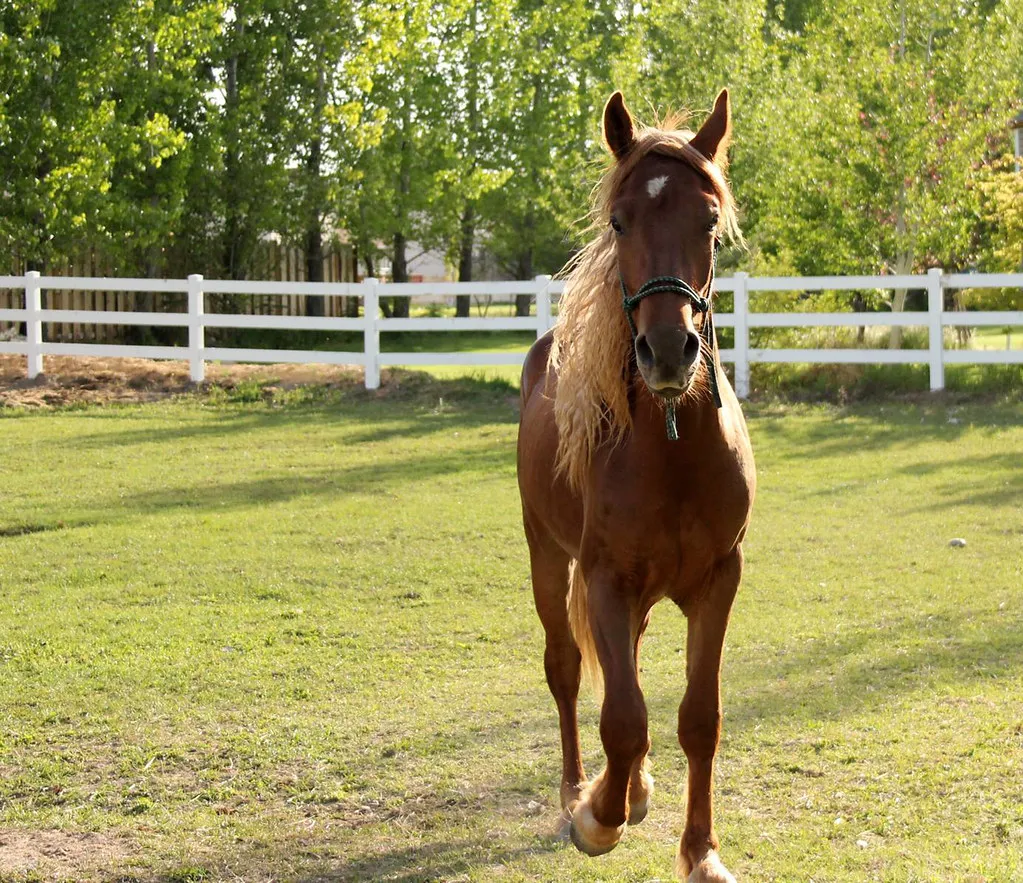
When a horse truly accepts you, it doesn’t just let you catch it – it chooses you. A bonded horse will often lift its head, lock eyes, and walk straight toward you in the pasture without being called, then simply…stand. No halter. No bribe. Just quiet presence.
This “do nothing” time is huge. Prey animals don’t waste stillness around someone they don’t trust. If your horse drops its guard, relaxes the lower lip, maybe even cocks a hind leg and just breathes with you, that’s not boredom – that’s safety. A horse that volunteers calm proximity is treating you like part of its herd, not a predator.
Some owners misread this as their horse being “lazy” or uninterested. In reality, this neutral, relaxed approach is one of the clearest signs of deep acceptance.
#2 – They Deliberately Park Their Head in Your Space
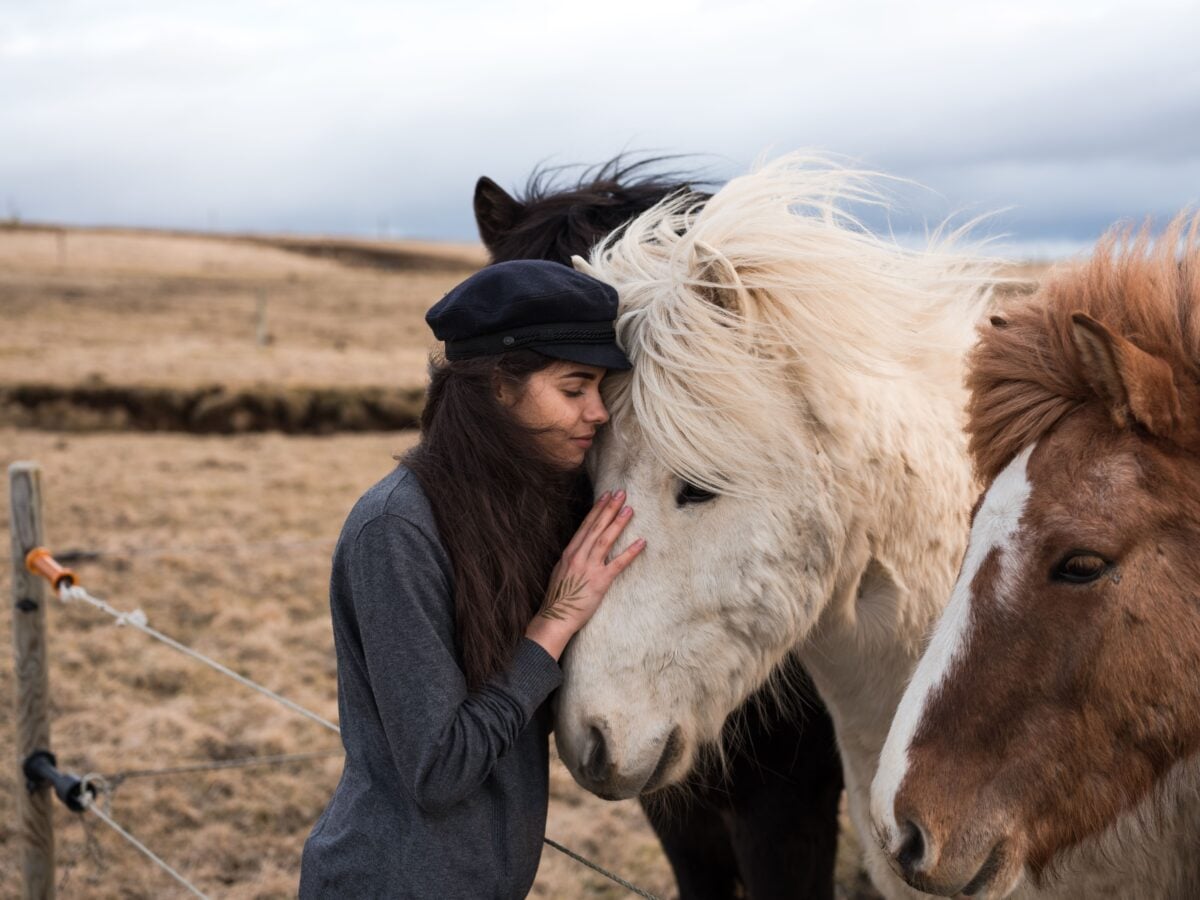
A horse that hasn’t fully accepted you will keep its head just out of reach, ready to pull away in an instant. A horse that has decided you’re safe starts deliberately parking its head in your bubble – over your shoulder, against your chest, or hovering right by your face.
This isn’t random. For horses, the head is vulnerable. Choosing to rest their nose near your torso or neck means they’re exposing soft, critical areas while trusting you not to hurt them. Many will even angle an ear toward your mouth, as if they’re trying to listen.
It’s quiet, it’s intimate, and it’s not “pushy” if the body is soft, eyes half-lidded, and breathing slow. Trainers secretly use this as a litmus test: if a horse willingly “plugs in” its head to you and softens, the relationship is on a different level.
Worth Knowing
- A horse’s poll and nose are among the most sensitive, vulnerable areas on its body.
- Horses have nearly panoramic vision, but they can’t fully see what’s directly in front of or behind them.
- Ears rotate almost independently and can swivel close to 180 degrees to track sound.
- A relaxed, droopy lower lip is one of the most reliable signs of a truly calm horse.
#3 – They Mirror Your Movements Like Velcro
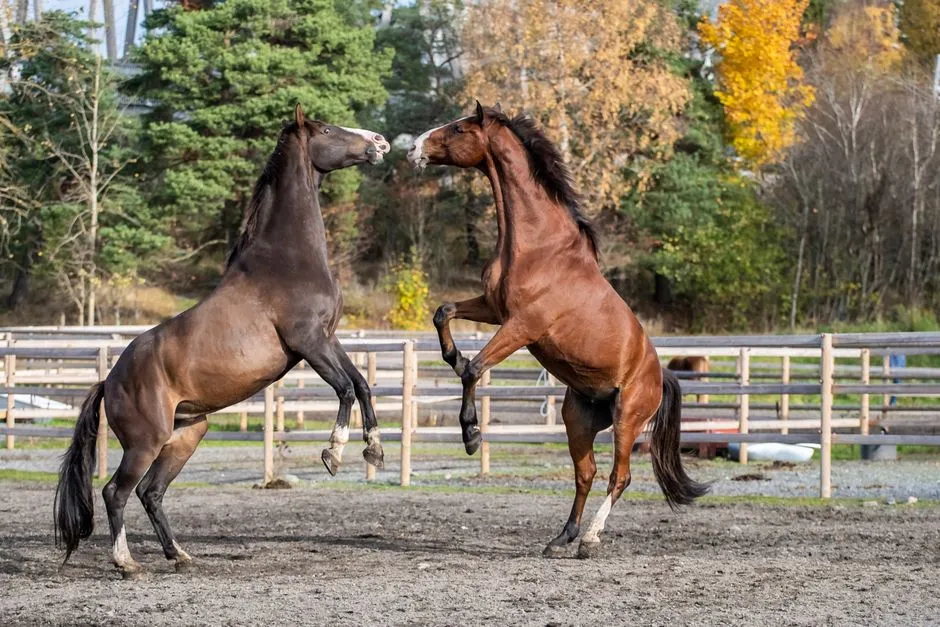
Most people assume “joining up” is a one-time round-pen trick. In real bonded relationships, subtle mirroring happens all the time, without big theatrics. You take a step; your horse takes a step. You pause; your horse pauses.
This isn’t obedience – it’s attachment. Horses are herd animals wired to sync with the leader they trust most. A horse that has fully accepted you will start treating your movement as the default program: grazing near your chair, shadowing you along the fence line, even following if you casually change direction without calling or tugging a lead.
Some professionals argue that if your horse won’t follow you at liberty in a familiar place, you don’t truly have its mind. It’s harsh, but there’s a grain of truth: mental “Velcro” is a powerful sign of real acceptance.
#4 – They Show You Their Back…and Then Their Belly
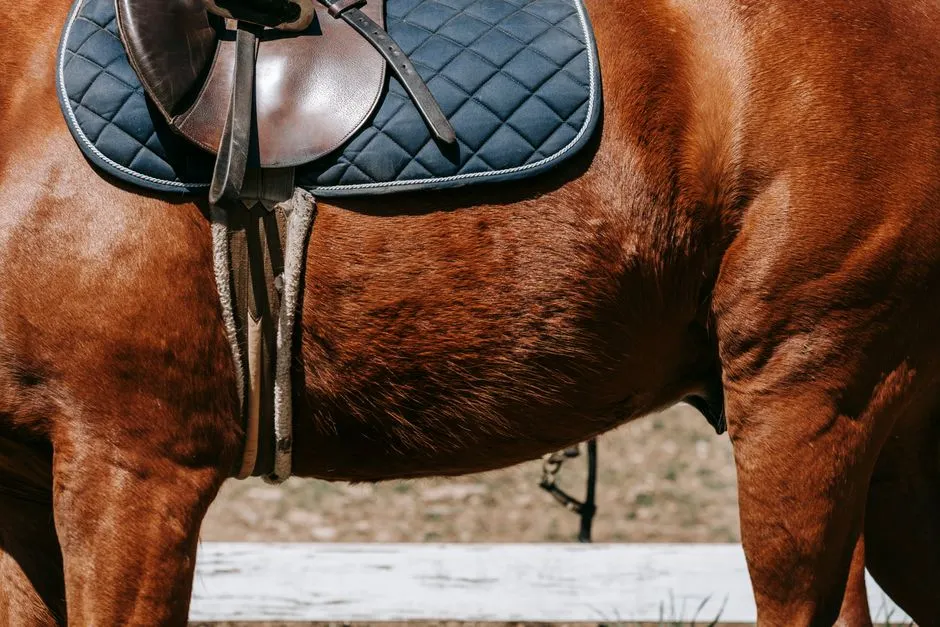
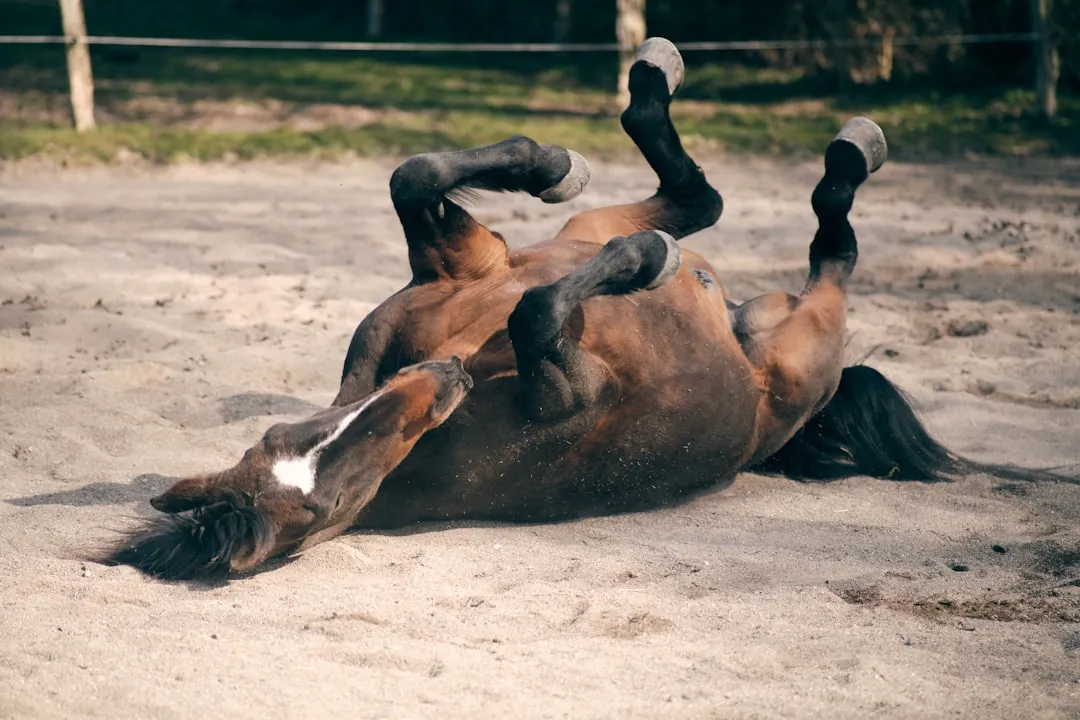
In the wild, the last thing a prey animal does near a potential threat is expose vital areas. When your horse starts turning its rump toward you to graze or sleep, or even rolls on the ground within arm’s reach, that’s not rudeness – that’s extreme trust.
Yes, there’s a line: a horse swinging a tense hind end at you is a dominance or fear issue. But a relaxed back turned your way during rest is the horse version of “I can sleep while you’re on watch.”
Even more advanced is a horse that flops down, sighs, and rolls with you standing nearby. That belly exposure is huge – they’re literally putting themselves in their most defenseless position and assuming you will still keep them safe. Many casual owners never see this because the horse doesn’t feel safe enough yet.
#5 – They Test Boundaries Softly Instead of Exploding
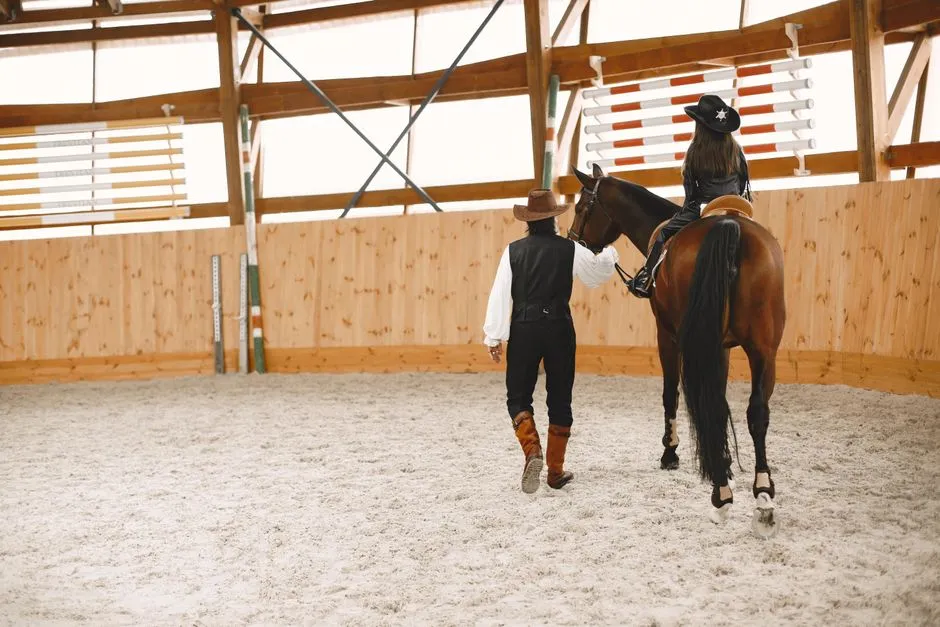
This one triggers arguments. Some people think a “perfectly behaved” horse is the goal. But behaviorists will tell you a horse that never questions anything may be shut down, not trusting. The horses that have fully accepted you will sometimes test small boundaries – but in a soft, thinking way.
- Nudging your pocket for a treat, then backing off the second you say no.
- Crowding a little closer, then yielding when you shift your shoulder.
The key is the response: they try, they listen, they adjust. They’re confident enough in the relationship to ask questions without fear of punishment. A horse that can negotiate kindly with you trusts you’ll be fair.
#6 – They Call to You (But Not Constantly)
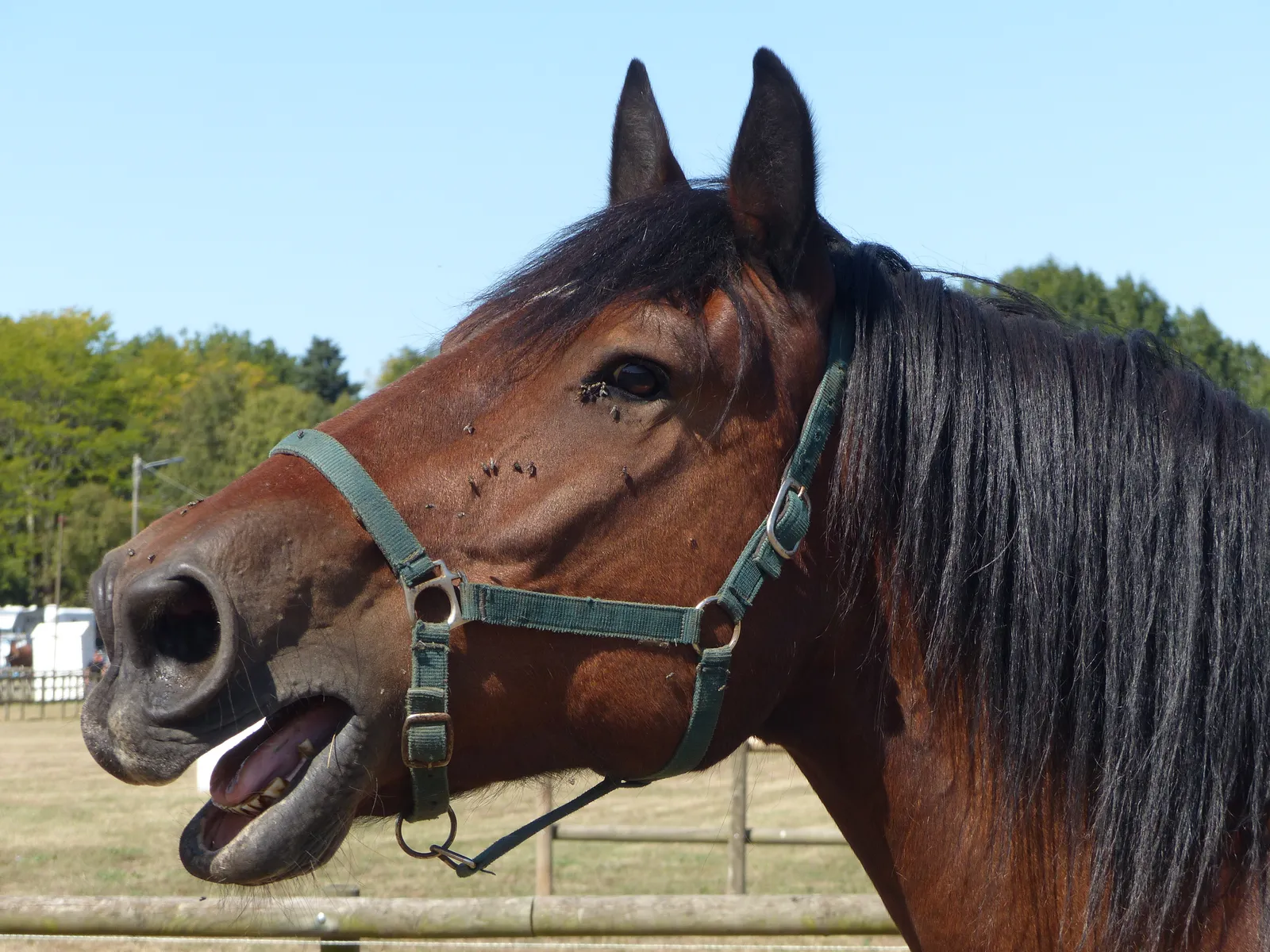
Neighing isn’t just noise; it’s social communication. A horse that has fully accepted you may give a low whicker or soft nicker when it sees you pull in the driveway, hears your voice in the barn, or spots you across the paddock.
The difference is that it’s not frantic. Clingy, high-pitched screaming often signals anxiety or separation distress, not healthy bonding. But that quiet “under-the-breath” greeting nicker when you appear is like a close friend saying, “Oh good, you’re here.”
Some horses will even stop mid-bite of hay to vocalize once, ears flicked forward, eyes soft, then go right back to eating because they’re secure in your presence. People who dismiss this as “he just wants food” are missing the nuance.
At a Glance
- Nickers: low, soft sounds usually reserved for trusted humans, foals, or close herdmates.
- Neighs: loud, long-distance calls often tied to searching or separation stress.
- Squeals: typically a warning or dominance signal, not affection.
- Snorts: can mean alertness, tension, or excitement, depending on the moment.
#7 – They Relax More When You Touch Them
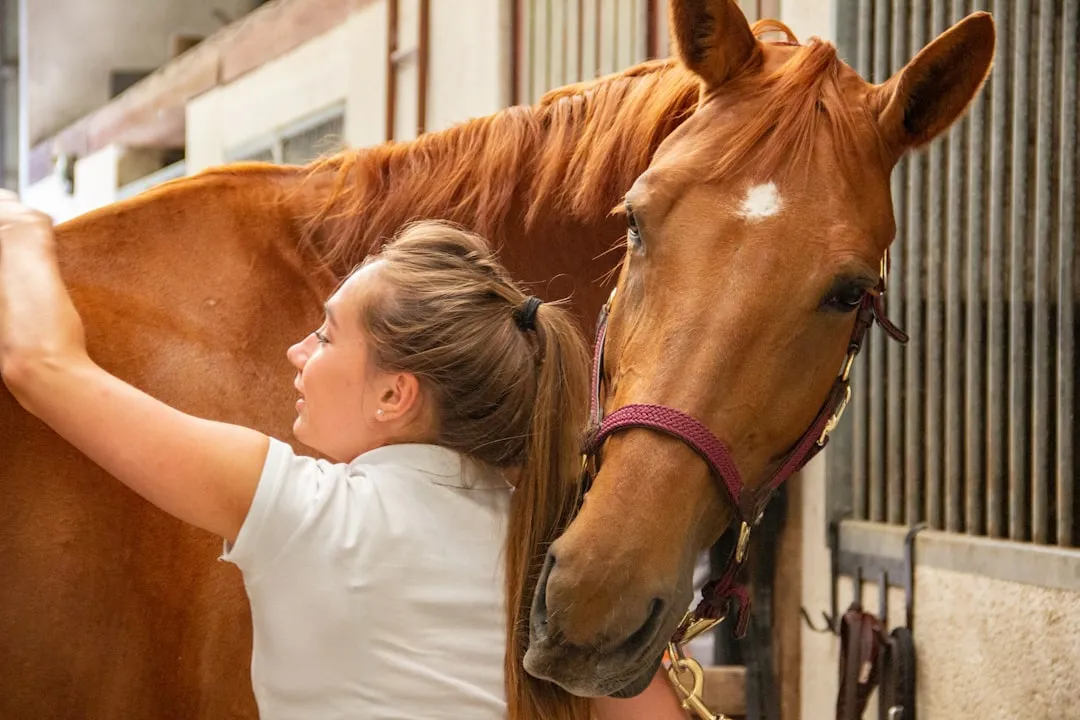
A horse merely tolerating you will stiffen when you handle “suspicious” spots – ears, flanks, sheath or udder, under the tail. A horse that has fully accepted you does the opposite: tension drains away when your hands land, especially in those vulnerable zones.
- Blinking slows.
- Neck lowers a few inches.
- Breathing deepens or you hear a quiet sigh.
That’s the nervous system flipping from alert to rest-and-digest because you’re there. Over time, some will even “present” sensitive areas to you – turning a hip for scratching, dropping their head for an ear rub, shifting their weight so you can pick up a hoof easily. That’s not just training – that’s choosing comfort in your care.
#8 – They Forgive Your Mistakes Shockingly Fast
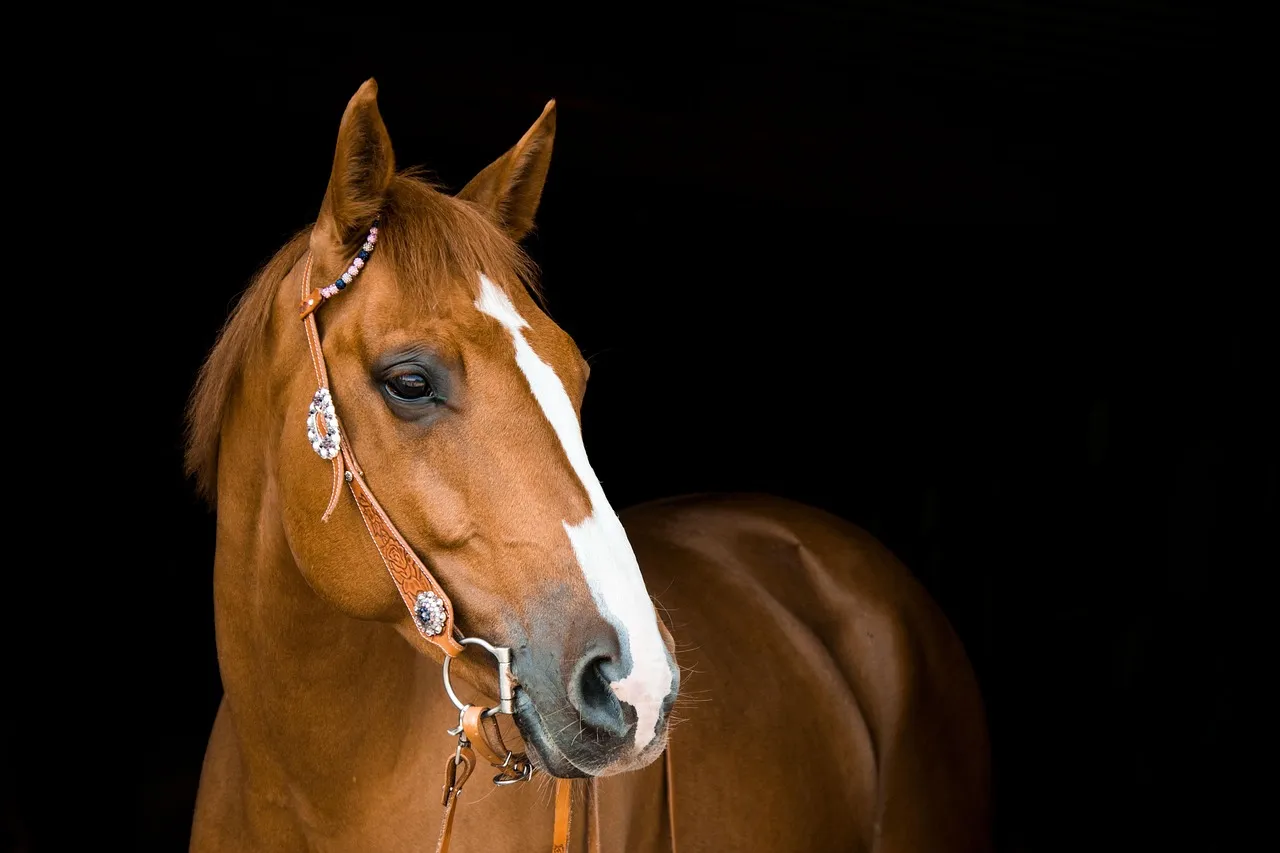
If your horse never trips, never gets bumped by your elbow, never experiences a clumsy mount, you’re probably not riding enough. It happens. The difference with a truly accepting horse is in the reaction: they might flinch, maybe hop, but they quickly check back in with you instead of holding a grudge.
A deeply bonded horse will start to “override” momentary fear with its history of safety around you. Instead of escalating, they look for you – ears flicking back to your voice, body settling as soon as you breathe.
Horses that haven’t fully accepted their human will stay suspicious for much longer after one bad experience. The ones that trust you may still spook, but they return to baseline in seconds. That rapid reset is one of the clearest marks of real acceptance.
#9 – They Bring You Their Worries Instead of Fleeing
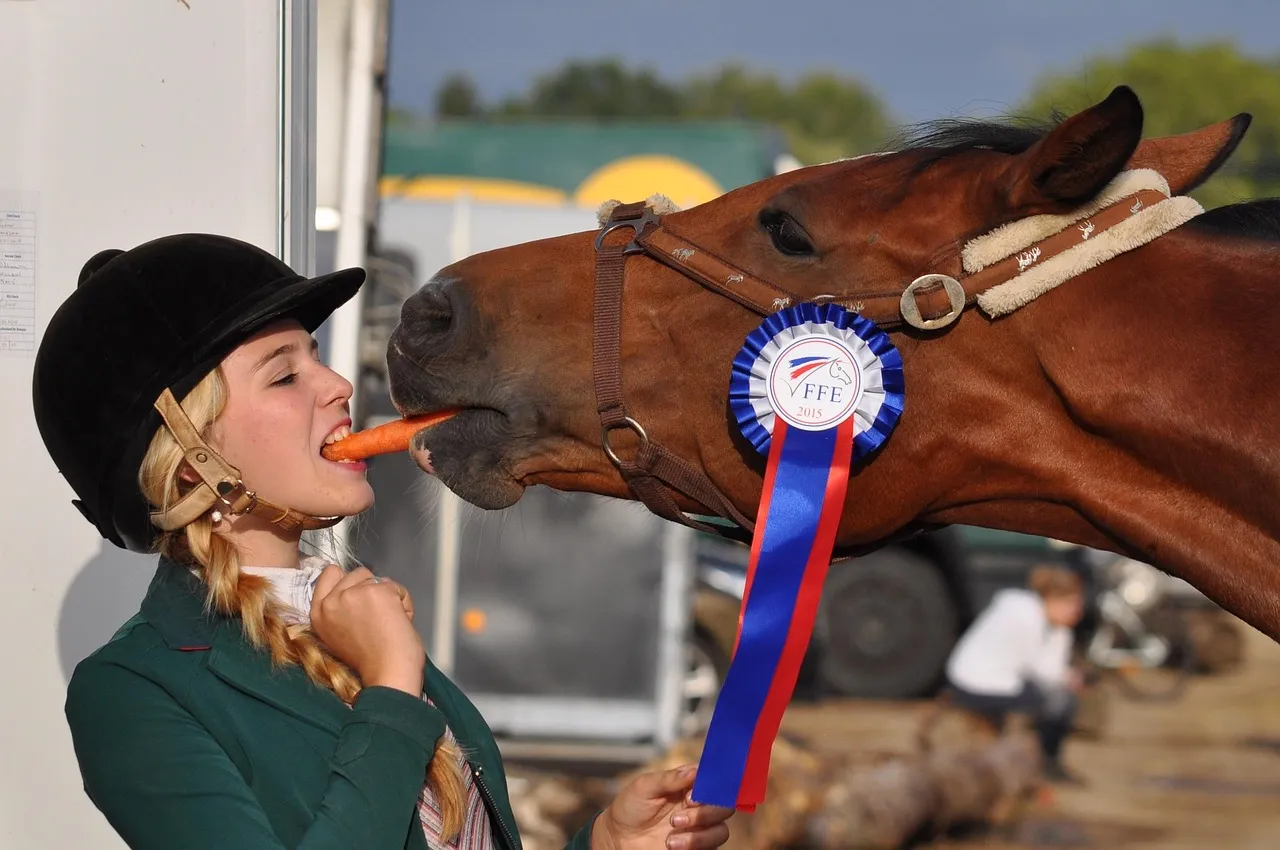
Here’s where the herd mentality shows up. In a bonded herd, nervous horses gravitate toward the member they see as most secure. When your horse hears a strange noise or spots something “scary” and, instead of spinning away, they step closer to you or look to you for input, that’s huge.
- Freeze, then shift their body so you’re between them and the threat.
- Stretch their neck, snort, but keep one ear locked back on you.
This is the horse version of “What do you think about this?” They’re outsourcing part of their threat assessment to you. Many riders mistake this for “him being spooky.” In reality, if he’s checking with you instead of checking out, the relationship is working.
#10 – They Lower Their Guard in Busy, Chaotic Places
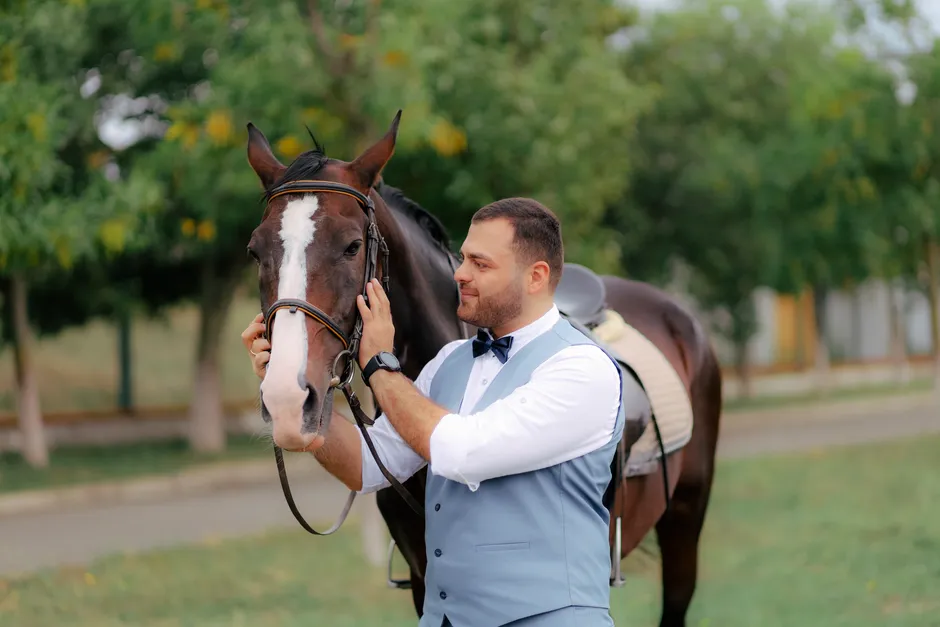
Almost any broke horse can act calm in the same arena it’s seen a thousand times. The real test of acceptance is what happens when everything changes – new showgrounds, windy trail, loud clinic, kids running, banners flapping.
A horse that’s fully accepted you may still get wide-eyed, but you’ll notice this pattern: as the environment ramps up, they get more focused on you, not less. Your rein, your seat, even your smell become their floating “home base” in the chaos.
Under saddle, they might snort, then tune in more strongly to your leg. On the ground, they’ll graze near your chair at a show instead of trying to drag you back to the trailer. Some competitors secretly value this more than ribbons: the horse that says, “If you’re here, I can handle this.”
Quick Compare
- Unbonded horse in chaos: bolts or spins away, ignores rider cues, seeks distance from the handler.
- Bonded horse in chaos: startles briefly, then reorients toward you, checks in with an ear or eye, and settles faster.
#11 – They Play Around You Without Bowling You Over
Play is risky in prey species; it burns energy and dulls vigilance. Horses save real play – bucking, zoomies, tossing objects – for moments they feel secure. When you become part of that safe backdrop, they’ll start cutting loose near you in a very specific way.
- Your horse trotting or bucking in turnout but carefully curving around where you stand.
- Tossing a cone or ball and then looking at you as if to say, “Did you see that?”
The magic detail: they never plow through your space. Even amped up, they’re aware of your bubble and respect it. That’s their brain filing you under “important herd member I don’t want to hurt.”
#12 – They Stay With You When the Gate Is Open
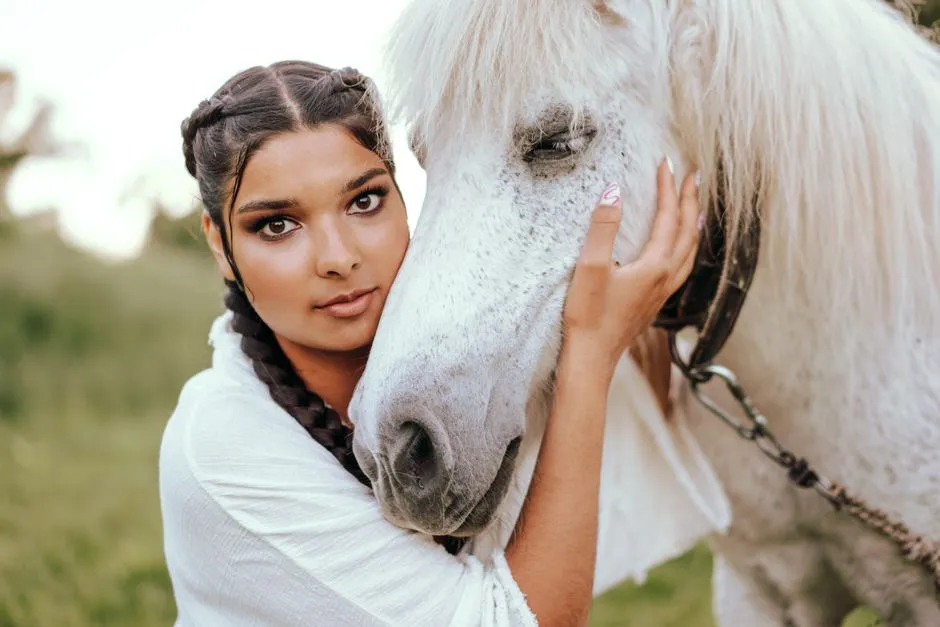
This one makes non-horse people think you’re lying. You crack the stall door, drop the lead in the arena, or open the paddock gate…and the horse could leave, but doesn’t. Maybe it glances toward the exit, then casually drifts back to you instead.
Freedom reveals feelings. A horse that chooses to linger with you when a more obvious comfort – herdmates, grass, the barn – is available is showing where its psychological “home” is.
It doesn’t have to be dramatic. Sometimes it’s as simple as them following you for another circle after the halter is off, or standing at your shoulder even when the pasture herd calls. Critics will say, “That’s just good training.” Yes, and the emotional layer is that the training has become their safe default, not a chore.
#13 – They Let You Into the Herd’s Inner Circle
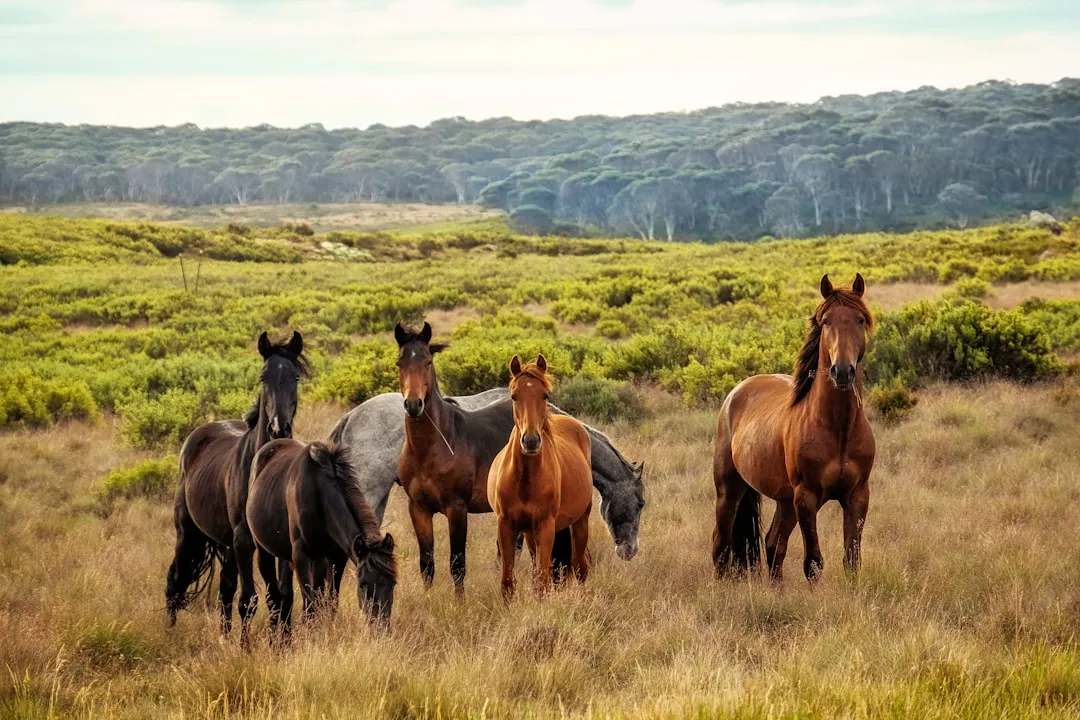
Most people miss this completely. Watch your horse in a group: who do they stand closest to? Who do they share hay with? Who do they nap side-by-side with, nose-to-tail? Horses don’t let just anyone into that tight radius.
- Bringing herd mates over to where you’re standing.
- Grazing with its body angled to include you in the “cluster.”
- Wedging itself between pushier horses and you.
If you’re seeing this, you’re being placed in the social map. You’re not just “that human who feeds me” – you’re part of the alliance structure. Some horses will even “referee” herd drama to keep you out of the line of fire, subtly shifting between you and a bully.
#14 – They Guard You When You’re Vulnerable Too
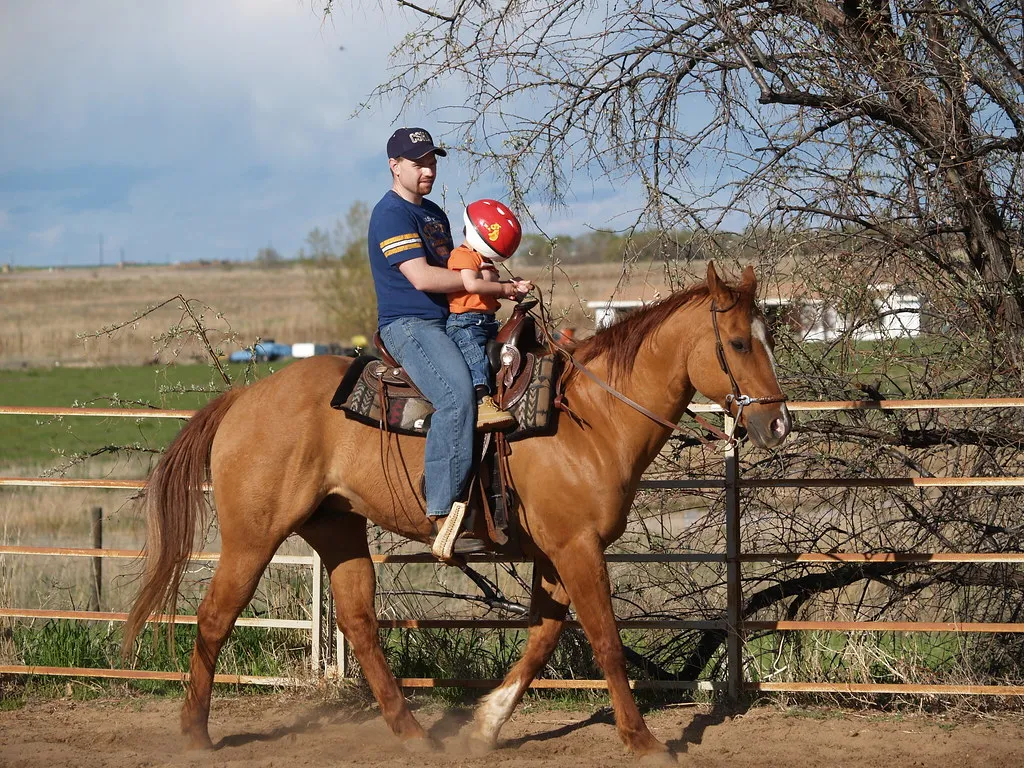
We talk a lot about horses needing us to protect them. But with a truly accepting horse, that protection sometimes flows both ways. Stories from long-time owners sound wild, but the patterns are consistent: when their human is physically off, the horse changes its behavior.
- A usually forward horse walking more slowly when you’re limping or sore.
- A sensitive horse carefully balancing under a nervous beginner.
- A snorty, reactive horse standing like a rock while you cry into its mane.
They modulate their energy to match your fragility. Not every horse does this, and it isn’t always pretty, but when it happens repeatedly, it’s not coincidence. For that horse, you’re not just a leader – you’re a herd member worth protecting back.
#15 – They Offer Quiet “Check-Ins” Mid-Ride
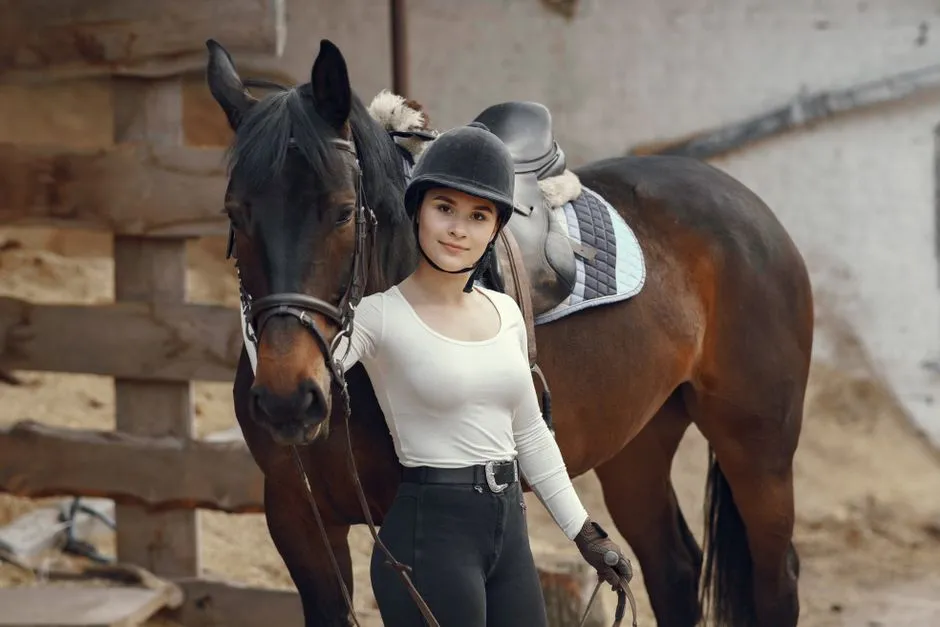
Most riders obsess over transitions and circles, but the really telling moments are the tiny check-ins during a ride. A horse that’s accepted you doesn’t mentally leave the conversation; it periodically “knocks on the door” to see how you’re doing.
- A quick ear flick back when you shift in the saddle.
- A brief softening of the neck and breath when you stroke the withers.
- That tiny head turn when you speak, even under pressure.
These aren’t disobedience; they’re relationship pings. “We still good? You still with me?” Horses that don’t care about the rider simply tune out and go numb or explosive. Horses that feel connected keep a thread of awareness between your body and theirs the entire ride.
#16 – They Show You Their “Ugly” Emotions Safely
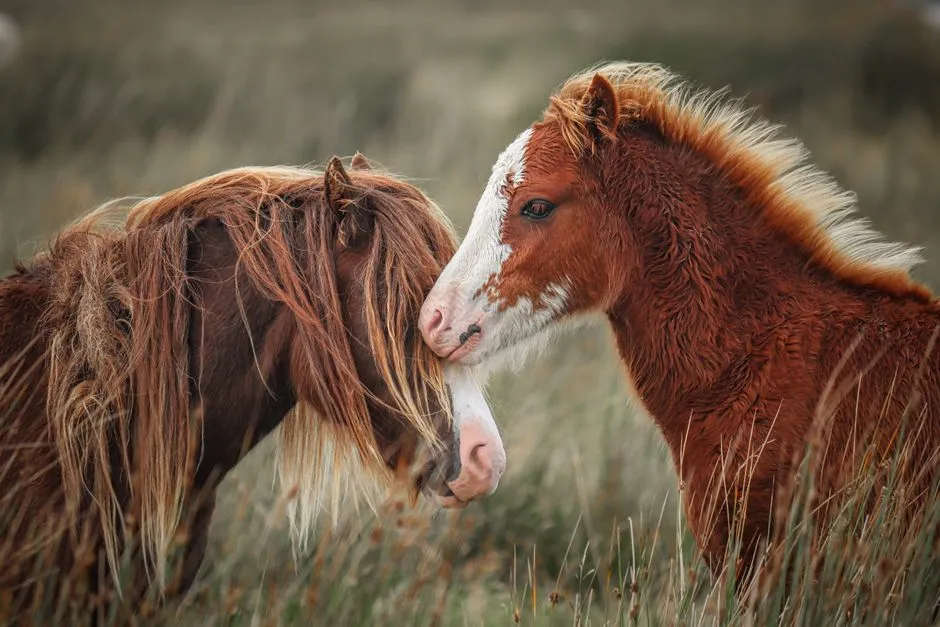
Everyone loves the soft eyes and cuddles. The real test of acceptance is what happens when the emotions aren’t pretty – when your horse is frustrated, scared, or downright angry. A bonded horse will still show you all of this, but in a way that’s surprisingly controlled.
- Pinning ears, swishing tail, then looking at you as if asking for help.
- Dancing in place, but staying oriented toward you, not away.
- Offering smaller, more manageable versions of big feelings.
That means they trust you not to punish their honesty. Horses that fear their human will either shut down and go robot, or explode without warning. Horses that have accepted you as a fair partner let you into their messy side without annihilating the relationship.
#17 – They Sleep Deeper When You’re Around
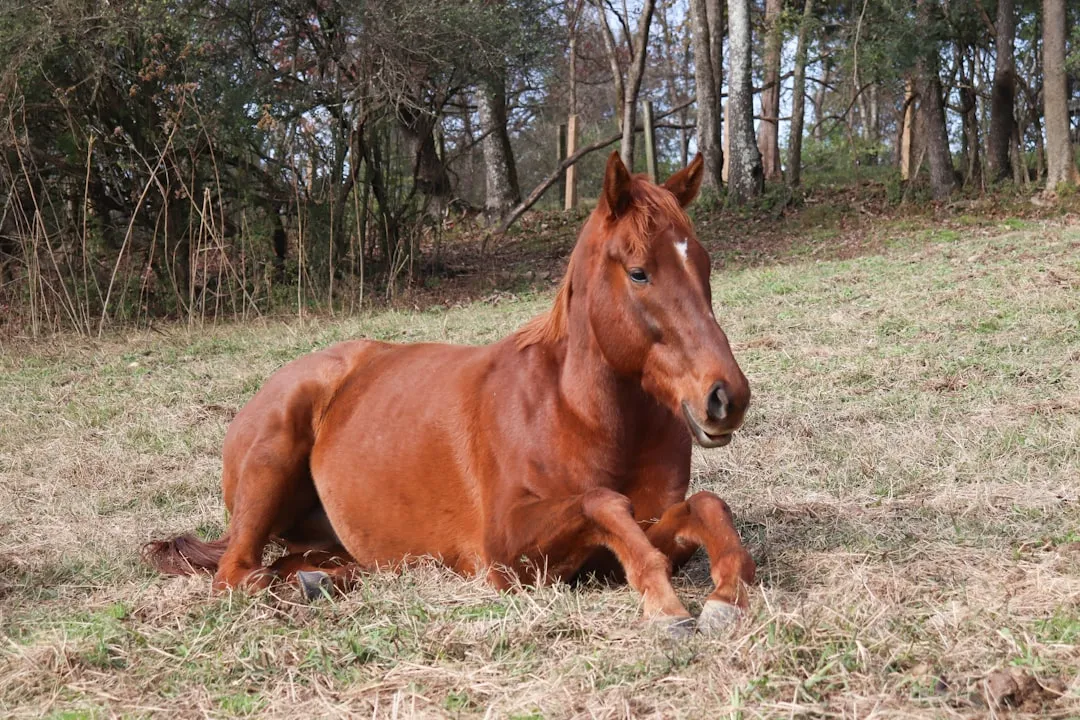
Light dozing is easy; any halfway relaxed horse will cock a hind leg and nap. What you’re looking for is true deep rest – lying flat out, eyes closed, breathing heavy, sometimes even twitching in dream sleep – while you’re nearby. Horses need the herd to feel safe enough for this.
If your horse consistently chooses to lie down when you’re in the barn, arena, or pasture, that’s a breathtaking compliment. You’ve become part of the “security team” that makes full-body rest possible.
Horses are prey animals. Every decision they make is filtered through the question of whether they are safe.
Temple Grandin
Some will even yawn repeatedly while you groom, or drop into a nap right after you finish a session. Critics call this “just being tired.” But the timing and body language matter – deep relaxation in your presence, especially in vulnerable positions, is trust made visible.
#18 – They Develop Their Own Rituals With You
Every truly bonded pair ends up with weird little rituals outsiders don’t understand. Your horse might always touch the same spot on your jacket, insist on one particular scratch before leaving the stall, or gently grab the lead rope in its teeth as you walk.
These are not random quirks. They’re co-created patterns – tiny shared habits that exist only in your relationship. The horse anticipates them, looks for them, and sometimes even “reminds” you if you forget.
Some hard-nosed trainers dismiss this as “spoiling” or “nonsense.” But meaningful bonds in any species are built on repeated, personal rituals. When your horse invents them with you, it has accepted you as more than a handler – you’re a specific, irreplaceable individual in its life.
Fast Facts
- Horses have excellent long-term memory and can recognize specific people even after long separations.
- Research suggests horses can distinguish between different human facial expressions and voices.
- Consistent, calm handling – not just feeding – tends to produce the strongest human-horse bonds.
#19 – They Look for You When They Could Look for Anyone
Here’s the ultimate litmus test, and yes, it stings for people who fail it. Horses can interact with dozens of humans over their lifetime: grooms, vets, farriers, barn kids, riders. A horse that has truly, fully accepted one person doesn’t treat them like just another body with a lead rope.
- Multiple people enter the barn at once – whose footsteps does your horse track?
- Someone else catches and leads them – do they still glance back when they hear your voice?
- You’ve been gone a few days – do they search faces when you finally reappear?
Real acceptance shows up in preference. It doesn’t mean they’re rude with others; it means there’s a visible, consistent “Oh, it’s you” response reserved just for one person. That’s not romantic fantasy – it’s observable behavior, and when you’ve got it, you know.
The Bottom Line
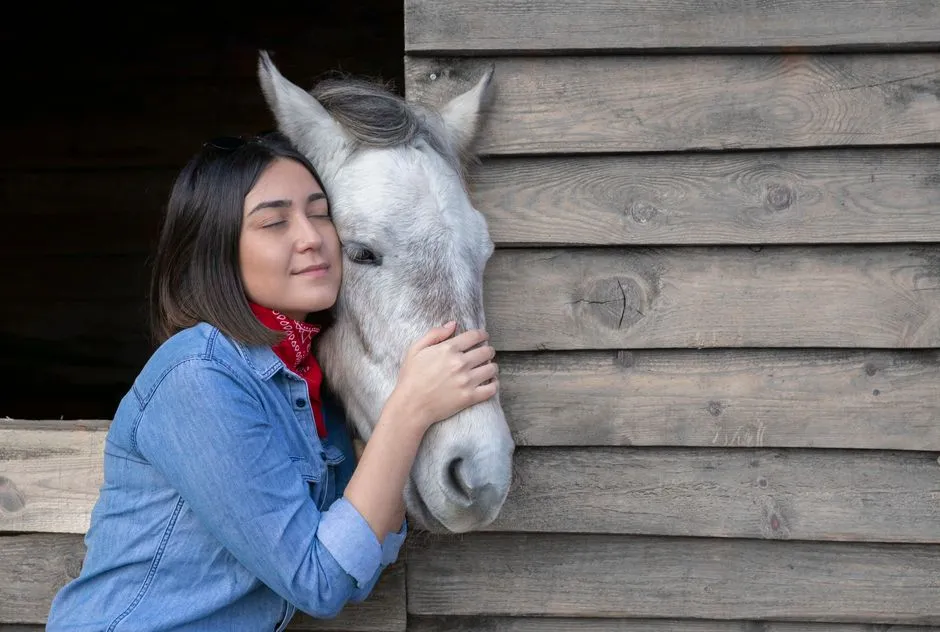
Most people judge a horse’s affection by childish standards: hugs, kisses, cartoon-style loyalty. The truth is colder and more beautiful. A horse that has fully accepted you doesn’t need to perform love; it rearranges its survival instincts around you.
It rests deeper. It questions softer. It moves its 1,000-plus pounds of flight-animal brain closer instead of away. That’s not magic – it’s the long, earned result of fairness, consistency, and listening to signals most riders blow past.
Some will argue horses “just like whoever feeds them.” Anyone who’s had a true one-person horse knows that’s nonsense. Food buys compliance. Real acceptance buys preference, vulnerability, and a level of trust you can feel in your bones.
Did we miss a behavior your horse does only for you, and no one else? Put it in the comments – this is one list that should keep evolving.
