
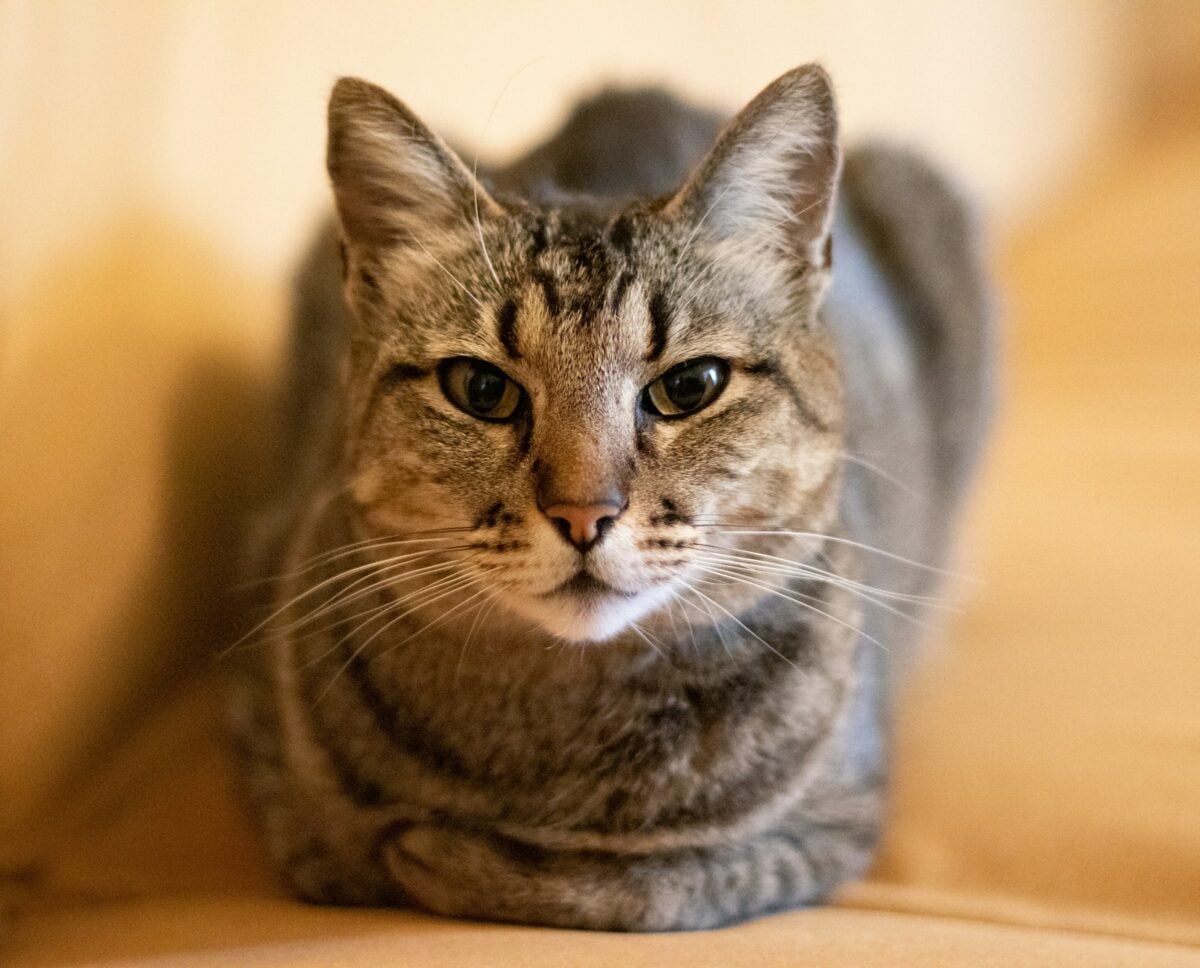
Sharing your life with a fifteen–year–old cat is a strange mix of deep comfort and quiet anxiety. They still curl in the same sunny corner, still blink at you with that slow, knowing stare – but you can’t shake the feeling that every little change suddenly matters more than it used to.
Vets see this all the time: guardians who think a new quirk is “just old age,” when in reality it can be an early warning sign of something treatable. The truth is, fifteen is senior even by cat standards, and there are specific changes vets refuse to shrug off. Once I had an older cat who went from “slowing down a bit” to serious kidney disease faster than I was ready for – and that experience colors how I view every senior cat now.
#1 Subtle Weight Loss That “Seems Normal for Her Age”
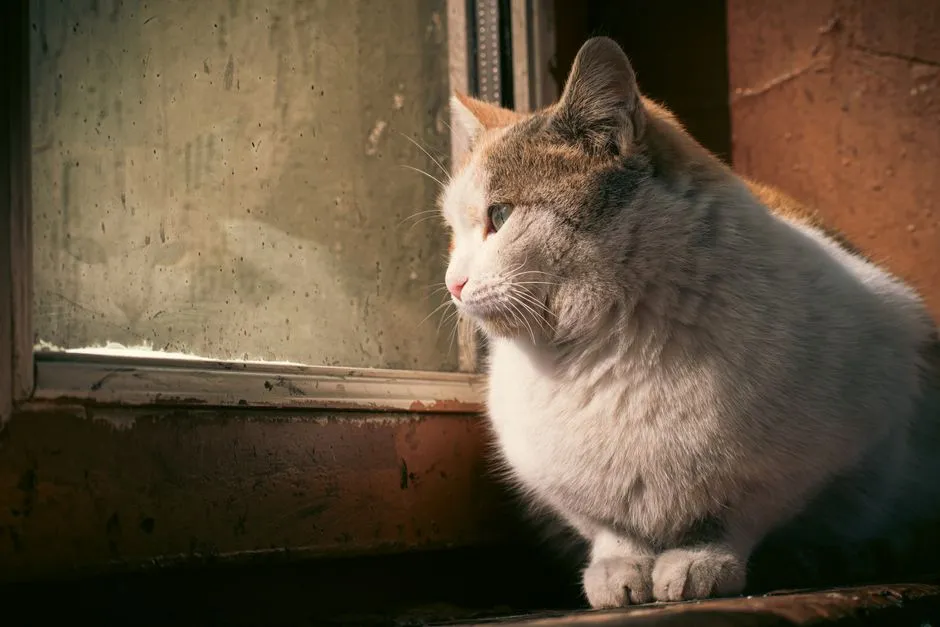
One of the biggest red flags vets see in fifteen–plus cats is quiet, gradual weight loss that families chalk up to “she’s just getting older.” Even losing what looks like a small amount over a few months can hint at problems like hyperthyroidism, kidney disease, diabetes, or even some cancers. Because cats are compact, it doesn’t take much loss before it becomes clinically important.
If you can suddenly feel more spine, hip bones, or shoulder blades, or your once–solid cat looks a bit “bony,” that’s a sign to act, not wait. At this age, vets usually recommend regular weigh–ins, and honestly, a cheap kitchen scale at home can be a life saver. My own rule of thumb: if my senior cat’s silhouette or the way she feels in my arms changes, I’m calling the vet, even if she’s acting totally fine.
#2 Drinking More Water or Flooding the Litter Box
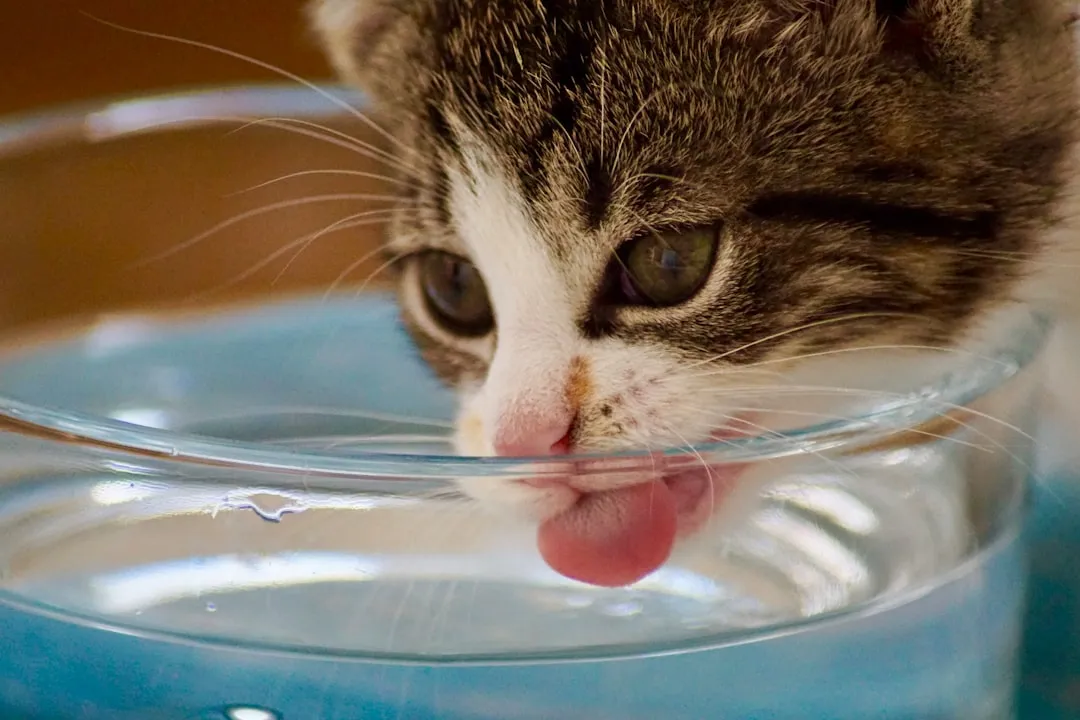
Senior cats that suddenly act like they’re glued to the water bowl are waving a giant red flag, even if they still seem playful and bright. Increased drinking and peeing can be a hallmark of kidney disease, diabetes, or overactive thyroid – all incredibly common in older cats and all conditions where earlier treatment usually means a better, more comfortable life.
What vets notice but owners sometimes miss is the pattern: heavier clumps in the litter box, having to scoop more often, or even finding damp spots outside the box. If your fifteen–year–old cat used to drink like a dainty tea guest and now behaves like a marathon runner at the water cooler, it is not just “old lady thirst.” It’s absolutely a reason to get bloodwork and a urine test on the calendar instead of waiting for a crisis.
#3 Sudden Bursts of Meowing, Especially at Night
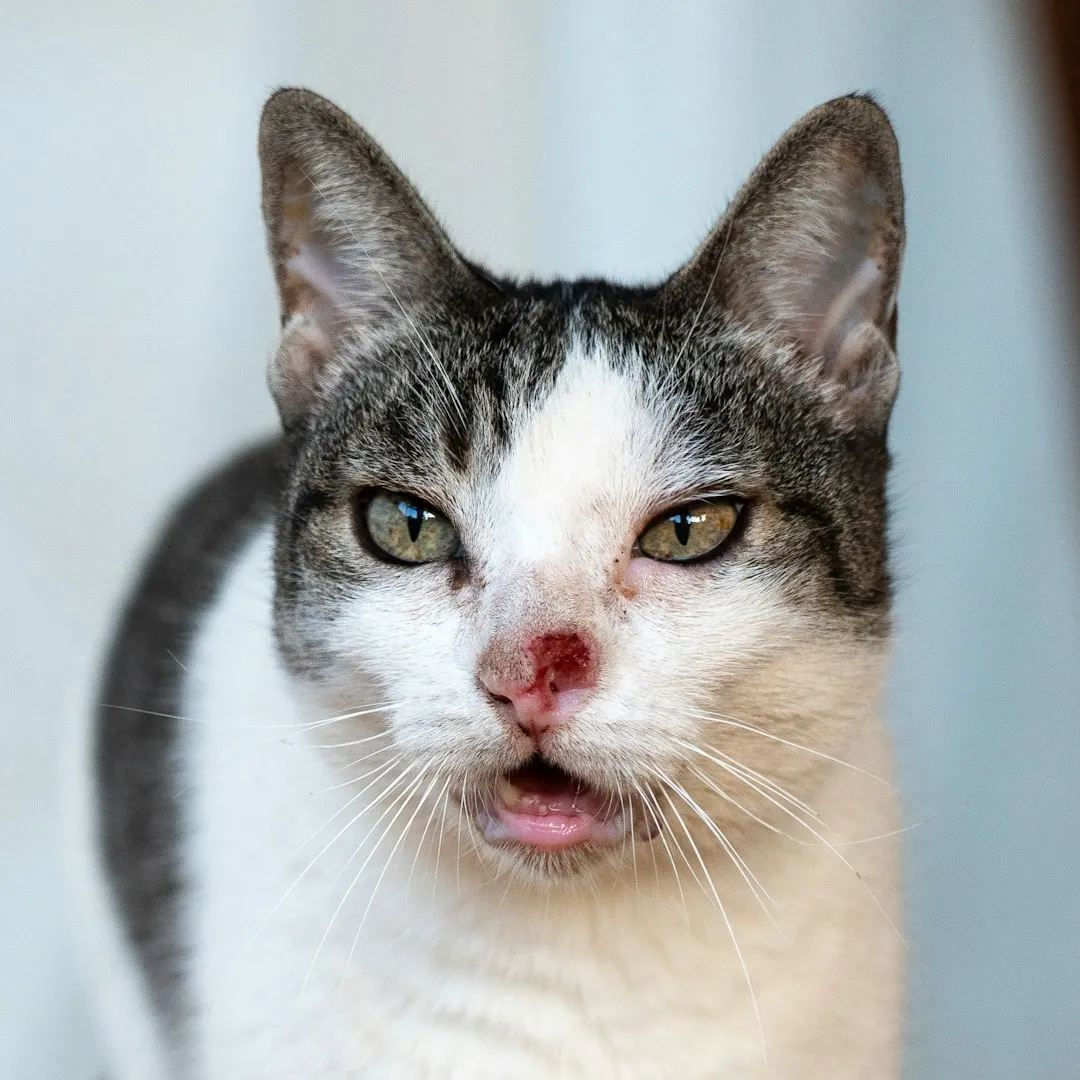
That oddly intense, slightly eerie senior–cat yowl in the hallway at 3 a.m. is more than just annoying; vets pay serious attention to it. Increased vocalization can be linked to cognitive changes, anxiety, high blood pressure, pain, or hyperthyroidism. The heartbreaking part is that many people think their cat is just “getting weird with age,” when in reality the cat may be confused, uncomfortable, or scared.
If your usually quiet cat starts pacing and crying at night or seems to “call out” more during the day, especially without a clear trigger, it’s time to tell your vet exactly when and how it happens. Sometimes simple adjustments – treating underlying disease, adding pain control, or using calming strategies – can reduce that distressing behavior. Ignoring it because “she’s old” is one of those mistakes people only realize in hindsight.
#4 Changes in Litter Box Habits or Sudden Accidents
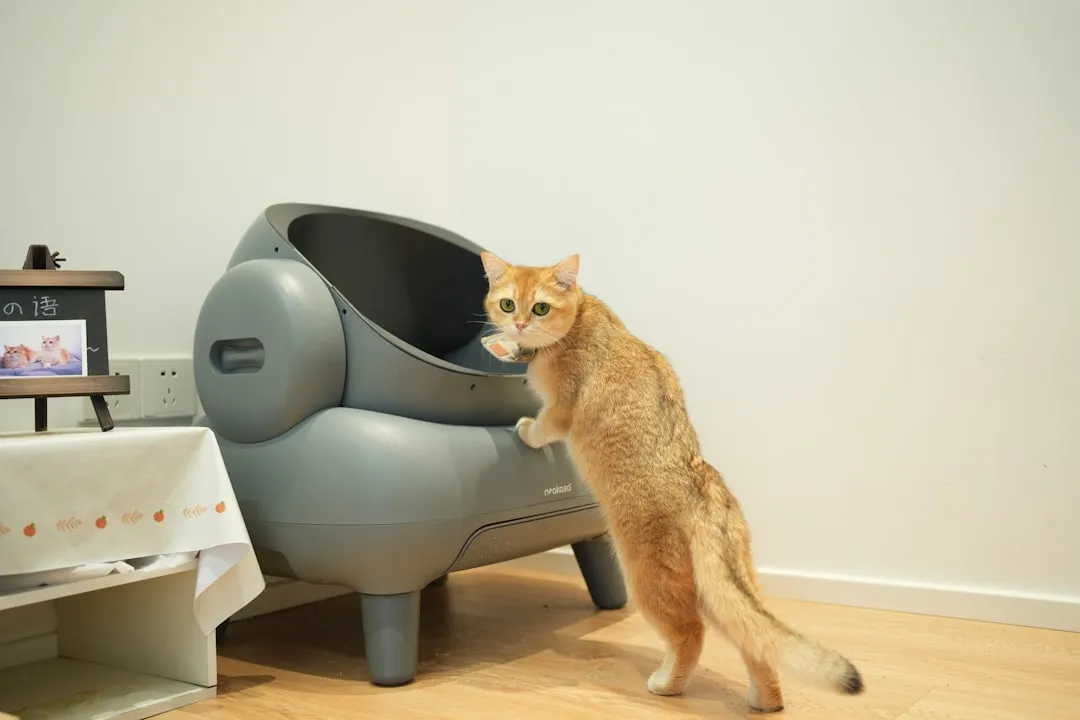
Vets do not accept “she’s old, she’s just peeing outside the box now” as an answer. A fifteen–year–old cat who suddenly starts missing the box, going right next to it, or pooping in random corners is almost always telling you something is wrong. That “something” might be arthritis, urinary infection, kidney problems, constipation, or even cognitive decline affecting how they navigate the home.
Think about it from their point of view: if your hips hurt, you might avoid hopping into a high–sided box too. Or if your brain is a little foggy, you might not remember where the bathroom is. Vets will often look at litter box changes as a top–tier clue, not an inconvenience. If you notice new accidents, act early – sometimes simply changing the box style, adding an extra box, and treating pain or medical issues can make a night–and–day difference.
#5 Stiffness, Hesitation to Jump, or “Slowing Down”
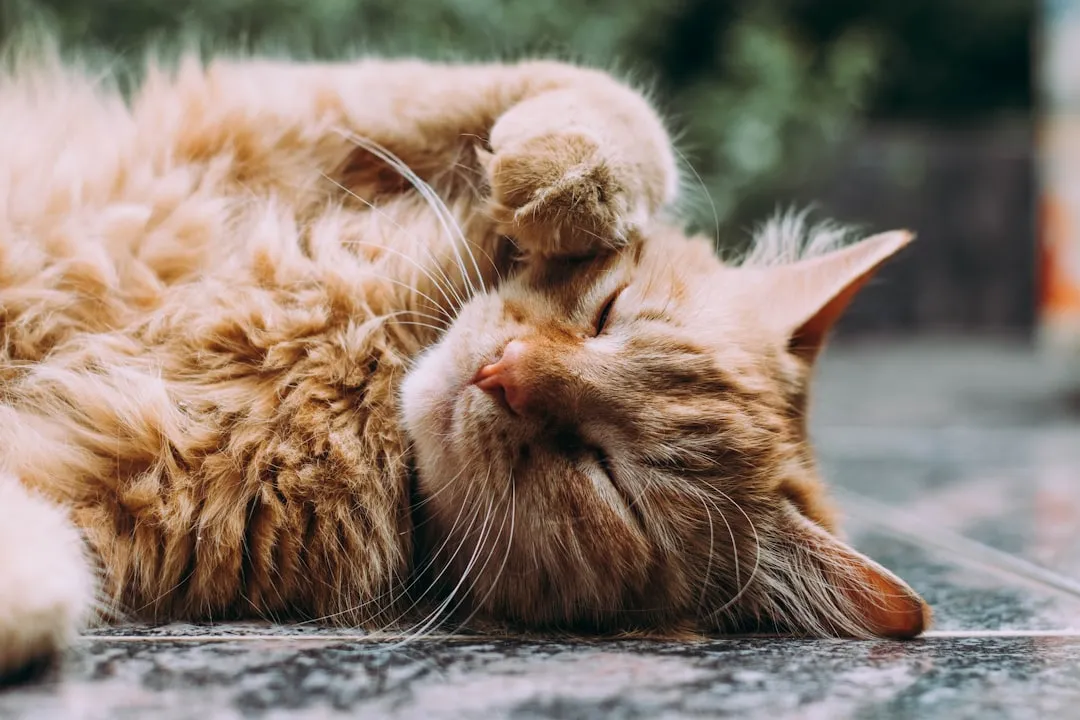
Many people assume cats age in secret, staying agile forever until they suddenly don’t – but that’s not how it really goes. When a fifteen–year–old cat starts thinking hard before jumping to the sofa, using the low route instead of the high route, or avoiding favorite perches, vets immediately think arthritis. Joint degeneration is extremely common in older cats and often goes untreated simply because people mistake it for normal aging.
You might also see subtle signs like sleeping in easier–access spots, grooming less around the lower back or hips, or getting cranky when picked up. None of that is “just old cat stuff” in a vet’s eyes; it’s pain, and pain is treatable. Modern veterinary medicine has far more tools now than even a decade ago – from safe medications to joint supplements and environmental tweaks – and your cat deserves that relief.
#6 New Lumps, Bumps, or Skin Changes
Any new lump or bump on a fifteen–year–old cat’s body is something vets take seriously, even if it looks small or doesn’t seem to bother the cat. While many masses are benign, older cats are at higher risk for certain cancers and skin conditions, and you simply cannot tell what a lump is by looking at it. A quick needle sample at the clinic often provides more answers than weeks of anxious guessing at home.
Changes in the skin and coat also matter: sores that don’t heal, areas they obsessively lick, or crusty patches are all worth a professional look. I’m a big believer in “petting with purpose” – running your hands along the body regularly so you catch any new texture, warmth, or swelling early. Vets rarely regret biopsying or sampling something; they do regret the times they see a mass months later that could have been addressed earlier.
#7 Declining Appetite or Becoming Picky Overnight
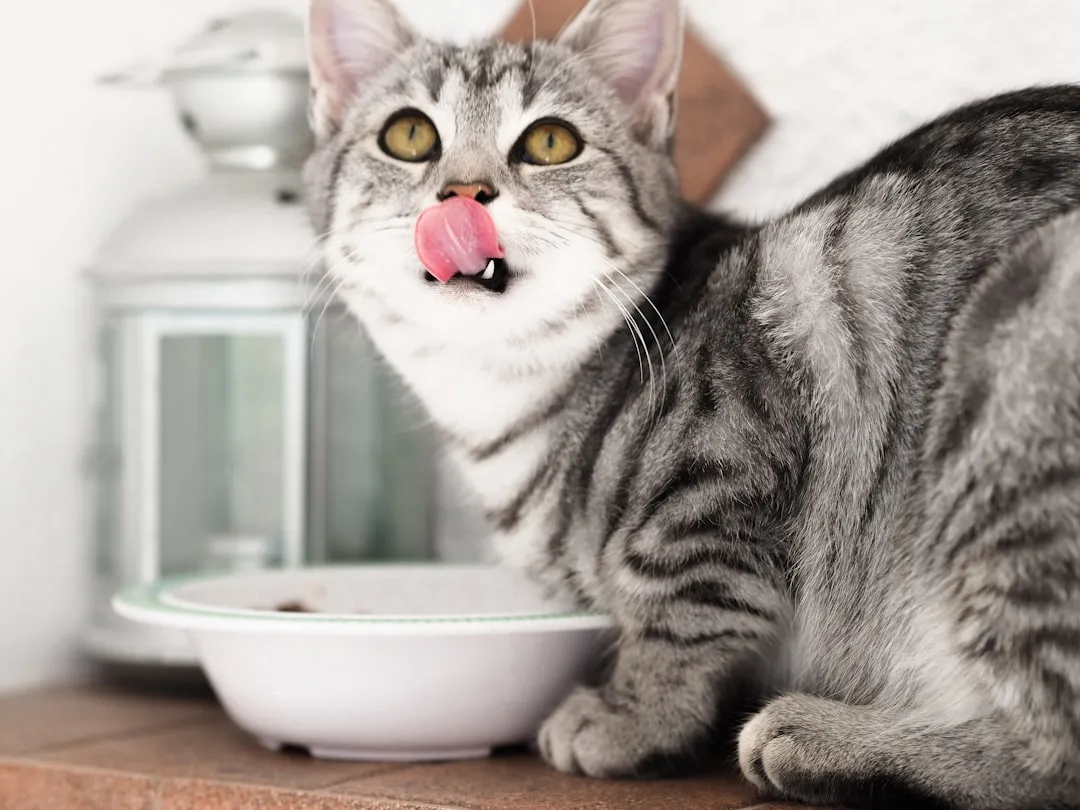
Senior cats are allowed to be particular, but a fifteen–year–old who suddenly turns her nose up at meals, eats far slower, or walks away after a few bites is throwing up a warning flare. Appetite changes in older cats can point to dental disease, nausea, kidney or liver issues, pain, or even some cancers. Vets generally don’t accept “she’s just being fussy” as a complete explanation for a cat this age.
It’s especially concerning if the change is new or paired with weight loss, drooling, bad breath, or chewing on just one side of the mouth. Even if your cat still eats treats but skips regular food, that matters. Getting ahead of chronic nausea or dental pain can completely change a senior cat’s quality of life, and often, once the underlying issue is treated, that so–called “picky eater” suddenly remembers she loves food again.
#8 Vomiting That Becomes “Normal” Instead of Rare
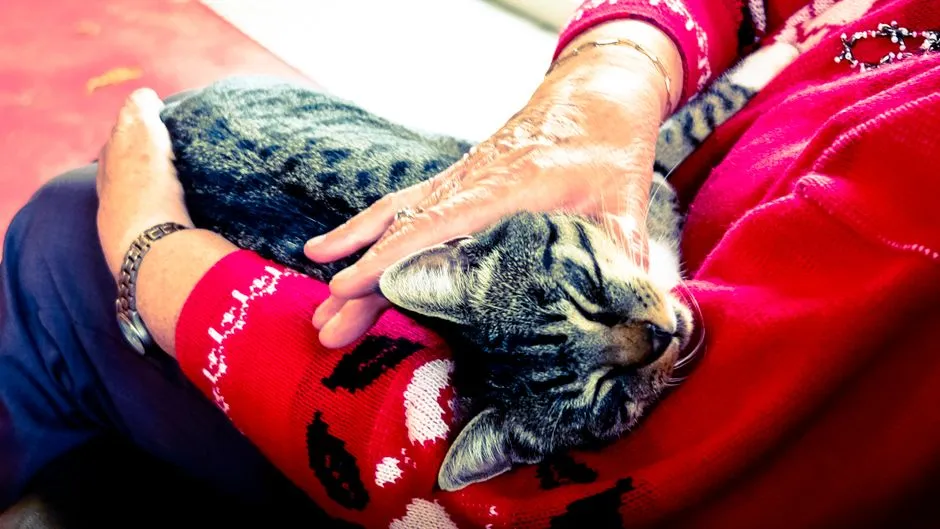
For some reason, many cat people accept routine vomiting as part of the deal, especially with long–haired cats. Vets strongly disagree, particularly when it comes to older cats. Occasional hairballs happen, but frequent vomiting – even once a week – can reflect underlying gastrointestinal disease, kidney issues, endocrine disorders, or food sensitivities that are more serious in a fifteen–year–old.
If you catch yourself saying “Oh, she’s always been a puker,” pause and really think about how often it happens and whether it has changed. Senior cats have less physiological wiggle room than they did at five years old; repeated vomiting can lead to dehydration and weight loss faster than you expect. Keeping a simple log on your phone of vomiting episodes can give your vet valuable insight instead of relying on fuzzy memory.
#9 Bad Breath, Dropping Food, or Pawing at the Mouth
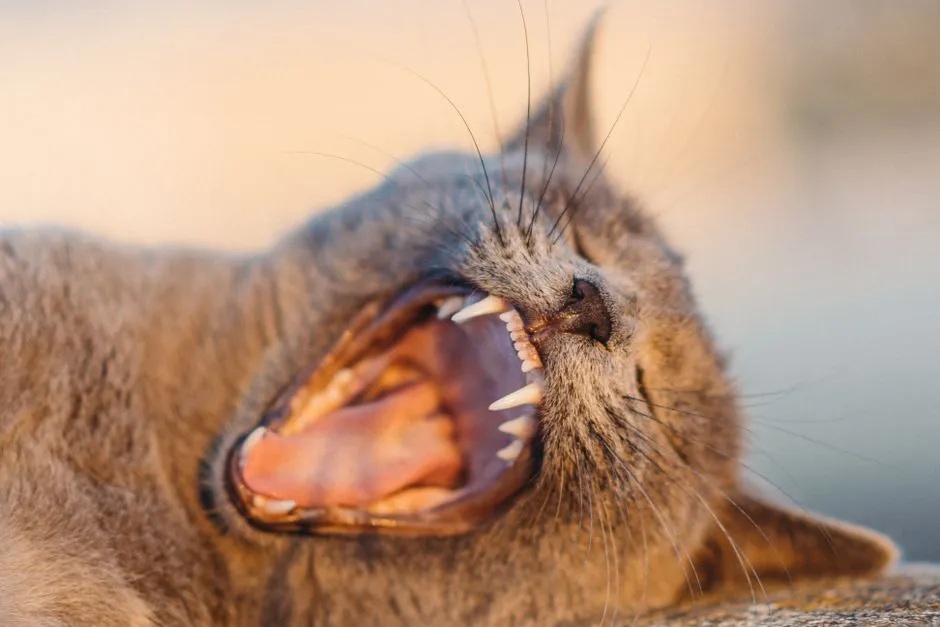
Dental disease is practically a guarantee in older cats, and at fifteen, the stakes are higher. Strongly smelly breath, difficulty chewing, dropping kibble, or pawing at the mouth are not quirks – they are pain signals. Vets know that chronic dental infections can affect the whole body, including the heart and kidneys, and they do not dismiss oral changes as cosmetic.
Many people feel nervous about dental procedures in older cats, and that’s understandable, but most vets weigh the risks versus the ongoing burden of constant infection. A thorough exam, bloodwork, and tailored anesthesia plan can make dental work far safer than living with rotting teeth. I’ve seen older cats act five years younger after proper dental treatment, suddenly grooming again, eating better, and interacting more with their families.
#10 Cloudy Eyes, Bumping Into Things, or Startling Easily
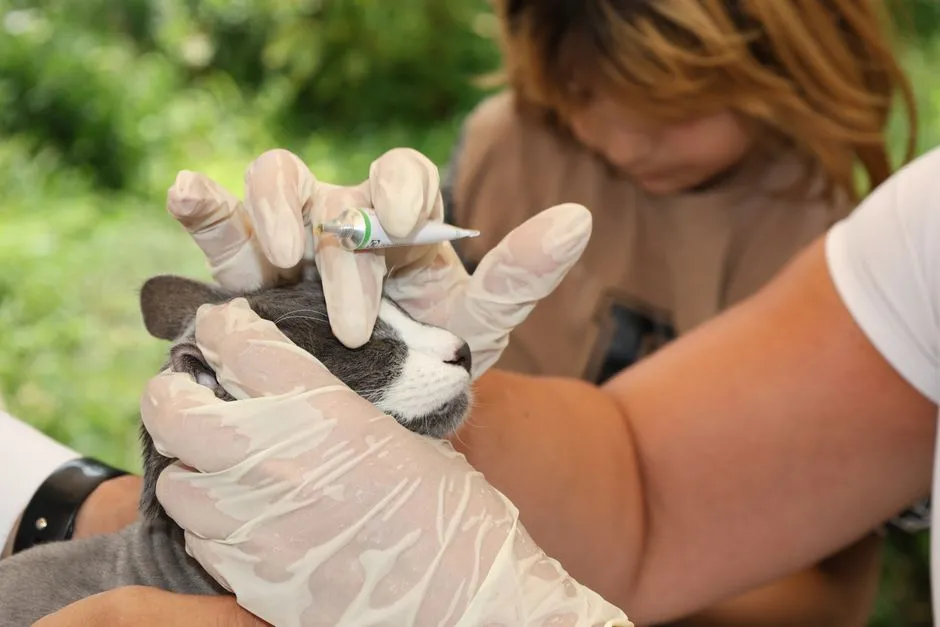
When a fifteen–year–old cat starts missing jumps, bumping into chair legs, or suddenly startling when you approach from one side, vets immediately consider vision and hearing changes. Slight cloudiness in the eyes, dilated pupils that stay big even in bright light, or trouble tracking toys can hint at eye disease or high blood pressure that needs attention before permanent damage occurs.
Hearing loss can also sneak up slowly: the cat no longer comes running at the sound of a can opening, sleeps through loud noises, or startles when you touch them because they didn’t hear you coming. Vets don’t shrug this off because sensory loss changes how safe and confident a cat feels in their own home. Simple adaptations like using more touch and visual cues, avoiding sudden approaches, and adjusting household noise can make life much easier for them.
#11 Confusion, Getting “Lost,” or Staring Into Space
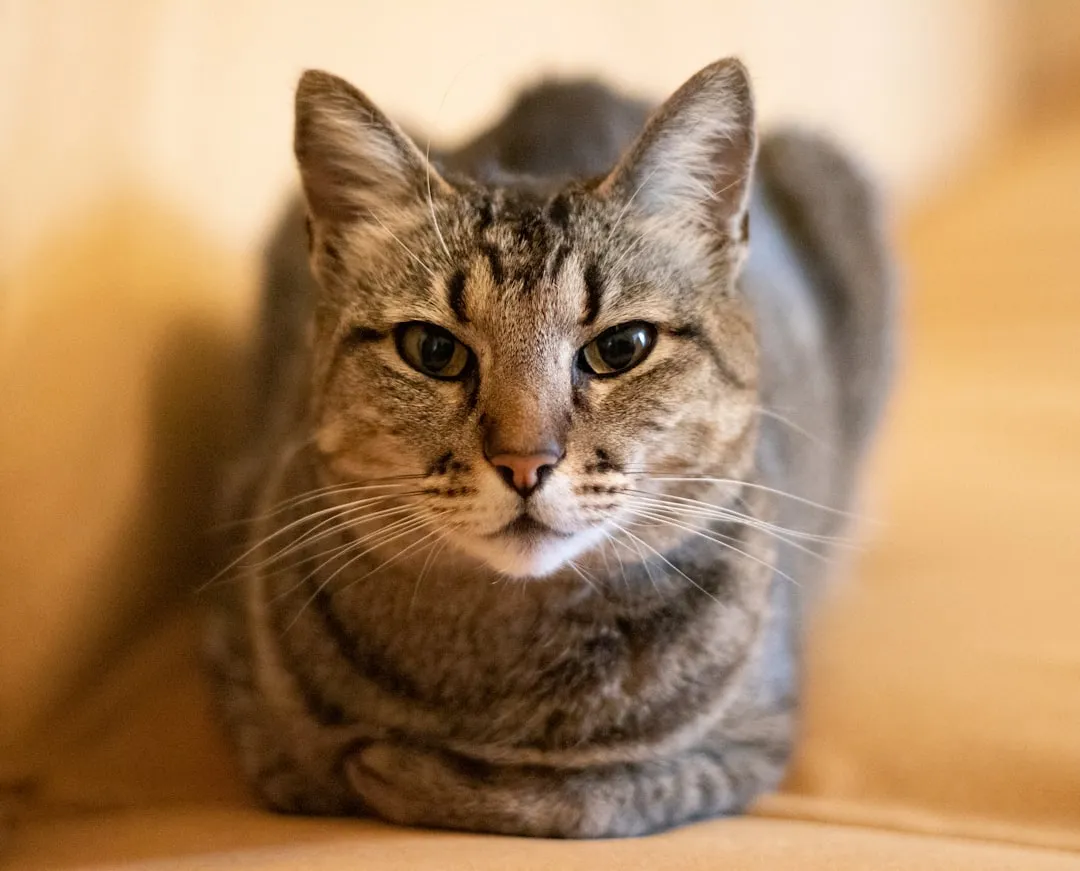
Feline cognitive dysfunction – often called cat dementia – is something vets talk about much more openly now than they did years ago. A fifteen–year–old cat who wanders into a room and seems to forget why she is there, gets stuck in corners, stares at walls, or seems unsure of familiar routines is not just being quirky. Those behaviors can reflect actual changes in the aging brain.
Vets listen closely when guardians describe odd, new patterns: vocalizing at doors, forgetting where the litter box is, or sleeping in strange places. While we can’t turn back the clock, there are diet changes, environmental adjustments, and medications that may help. Just as important, understanding that your cat is confused, not stubborn, shifts how you respond, hopefully with more patience and structure instead of frustration.
#12 Grooming Less, Matted Fur, or a Greasy Coat
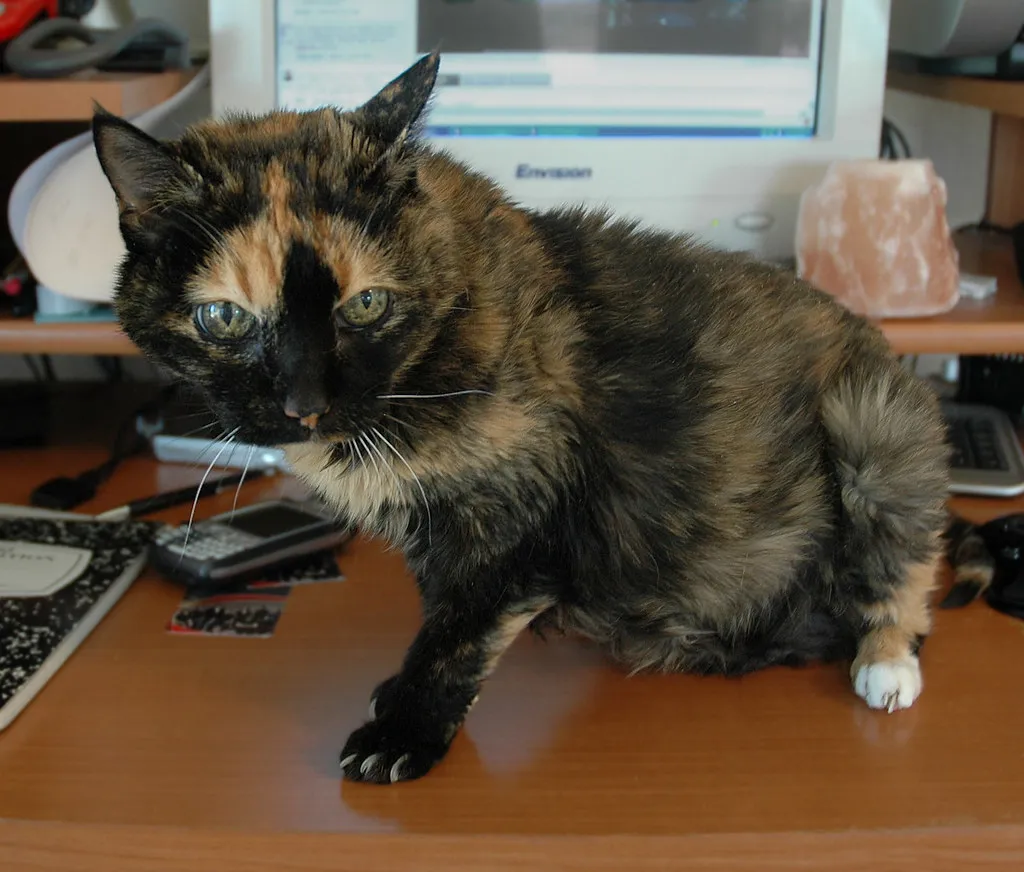
Cats are famously fastidious, so a fifteen–year–old who suddenly seems unkempt is sending a loud message. A dull, greasy coat, mats along the back or sides, or a messy rear end often means the cat is either uncomfortable, too stiff to reach certain areas, or not feeling well in a more systemic way. Vets take coat changes seriously because they reflect both physical ability and overall health.
This is where your role shifts from simple companion to grooming assistant. Gentle brushing sessions, trimming mats, and keeping nails in check are not just cosmetic; they are a form of nursing care for an older body that can’t quite keep up. When vets see an older cat with neglected fur, they don’t judge the owner – they see an opportunity to talk about pain management, mobility, and supportive home care.
#13 Hiding More or Withdrawing From Family Life
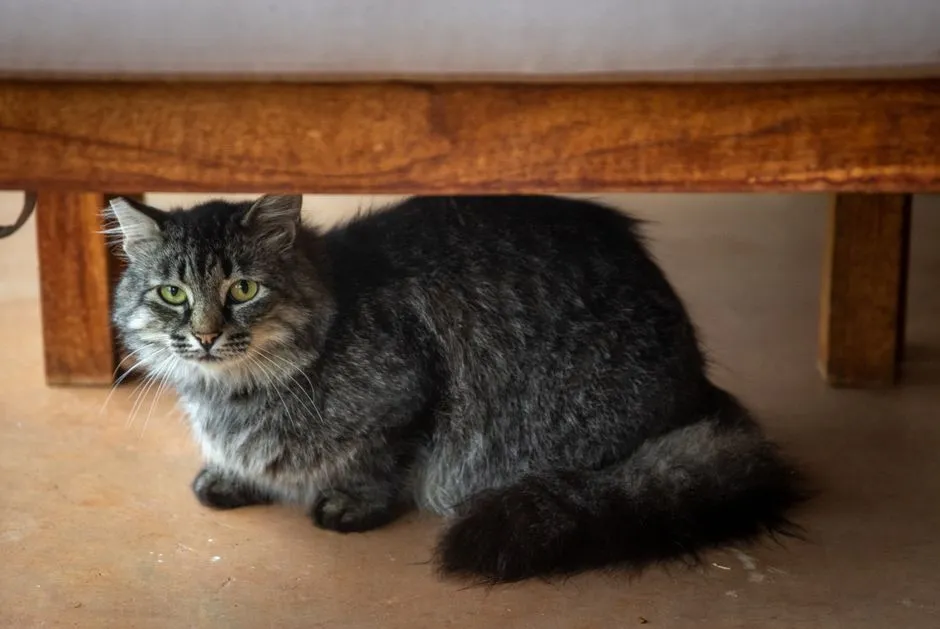
Even originally shy cats usually have a routine: a favorite spot, a predictable way of checking in with their people. When a fifteen–year–old cat starts hiding more, retreating under beds, avoiding touch, or skipping usual cuddle times, vets worry about pain, illness, or anxiety. Cats are masters at masking discomfort, and withdrawal is one of their clearest distress signals.
It can be tempting to think your senior cat is “just over it” socially, but personality does not usually flip that abruptly in healthy animals. Vets will ask detailed questions about when the hiding started, whether anything changed at home, and what else might be different in the cat’s day–to–day life. Acting on this early can mean catching something treatable instead of discovering it only when the cat can no longer hide their suffering.
#14 Sleeping Patterns That Shift Dramatically
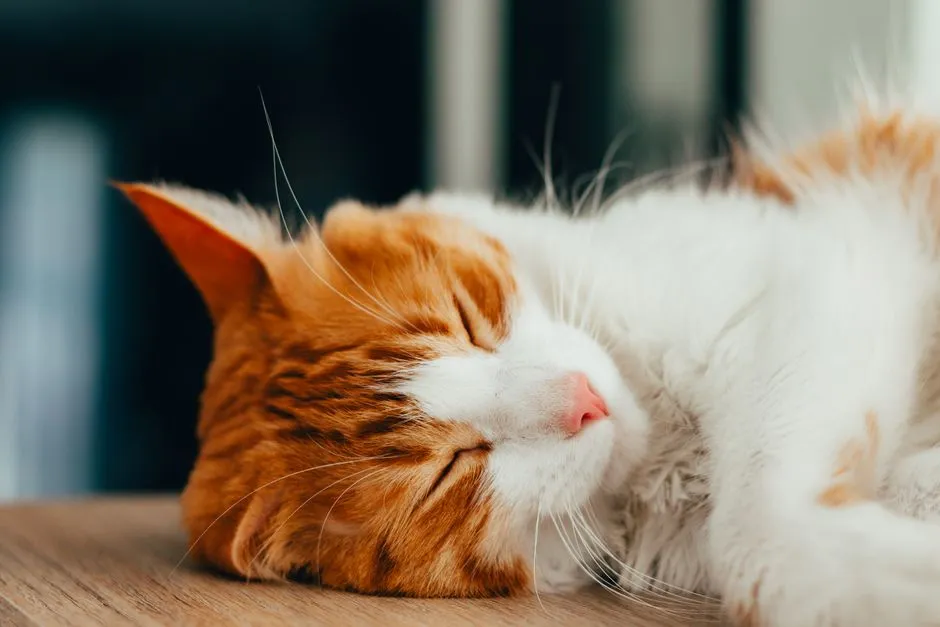
Cats sleep a lot at every age, so it’s easy to miss when that sleep changes in a meaningful way. In very old cats, vets pay attention when sleep becomes unusually restless, when they roam at night instead of settling, or when they seem almost impossible to wake during the day. These pattern shifts can reflect pain, cognitive changes, blood sugar issues, or other health concerns that deserve a closer look.
What matters is the before–and–after story: the cat who used to share your bed now pacing the hallway, or the lively window–watcher now zonked out and unresponsive most of the time. Keeping mental notes – or better, a quick sleep diary for a week – can help your vet see the bigger picture instead of relying on a vague sense that “something’s off.” When in doubt, assume the change is worth checking.
#15 Breathing Changes, Coughing, or Subtle Panting
Any change in breathing in a fifteen–year–old cat is something vets do not dismiss, ever. Faster breathing at rest, open–mouth breathing, quiet wheezes, or a new cough can hint at heart disease, lung disease, fluid in the chest, or asthmatic conditions that get riskier with age. Cats are especially good at hiding breathing trouble until it is quite advanced, so early clues matter.
If you notice your cat breathing with her sides moving more than usual, taking more breaths per minute when resting, or struggling after mild exertion, this is not a “wait and see” situation. Many vets recommend measuring resting respiratory rate at home for cardiac cats because catching increases early can prevent emergency visits. I know it sounds dramatic, but with senior cats and breathing, being a bit dramatic is often safer than being casual.
#16 Sudden Changes in Personality or Temperament
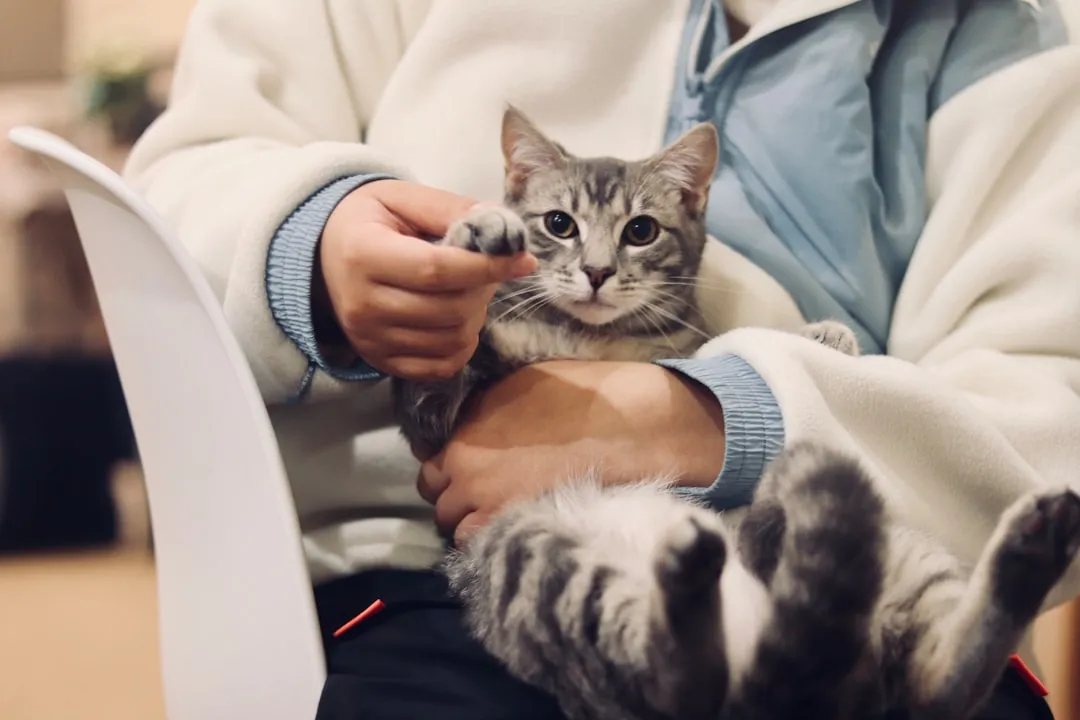
A sweet cat who becomes irritable and swats at gentle touch, or a formerly aloof cat who turns suddenly clingy and needy – either way, that shift is something vets watch closely. Personality does evolve over a lifetime, but sharp changes in a fifteen–year–old often track back to pain, neurological issues, endocrine disease, or chronic discomfort that the cat cannot express any other way.
Sometimes families do not even realize the change is new until they compare old videos or photos and see how differently their cat used to move or interact. If you find yourself saying “she’s just grumpy in her old age,” it is worth pausing and wondering what might be driving that grumpiness. Vets tend to treat sudden mood changes in seniors as clinical clues rather than quirks, and that attitude often leads to answers.
#17 Struggling With Jumps, Stairs, or Slippery Floors
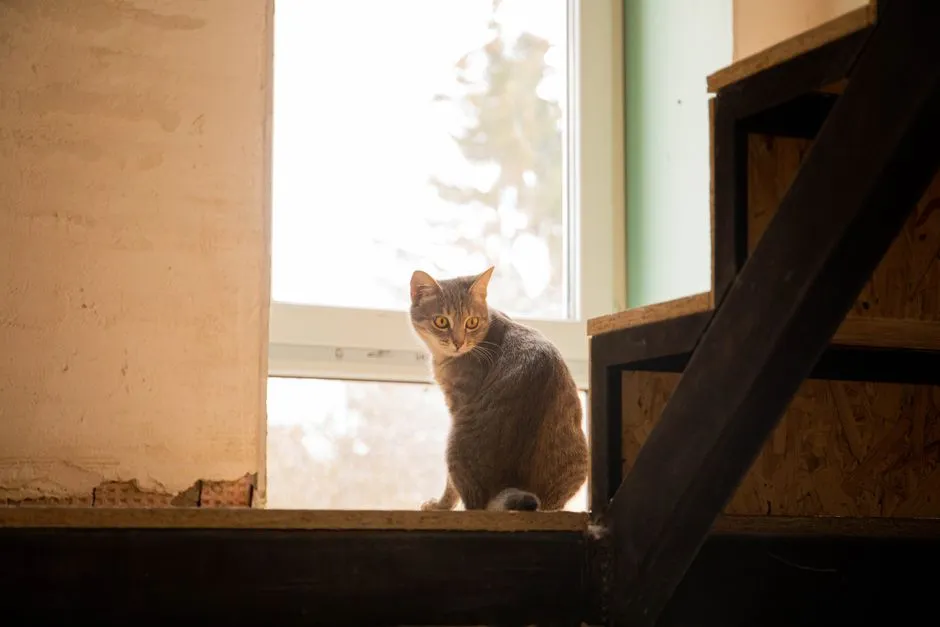
Mobility changes are one of the clearest early signs of trouble in older cats and one of the easiest to misinterpret. When a fifteen–year–old cat hesitates at the bottom of the stairs, fails a jump she used to nail, or skids uncomfortably on hard floors, vets assume pain, weakness, or neurological issues until proven otherwise. They don’t just write it off as “she’s not as athletic anymore.”
This is where environmental adjustments really matter. Adding ramps, steps, non–slip mats, and lower perches is not spoiling your cat; it is disability–friendly design for an aging body. When vets see a senior cat whose home has been gently modified to support them, they know that guardian has understood something crucial: old age is not a diagnosis, and comfort is something you can actively build.
#18 Any “Gut Feeling” That Something Is Off
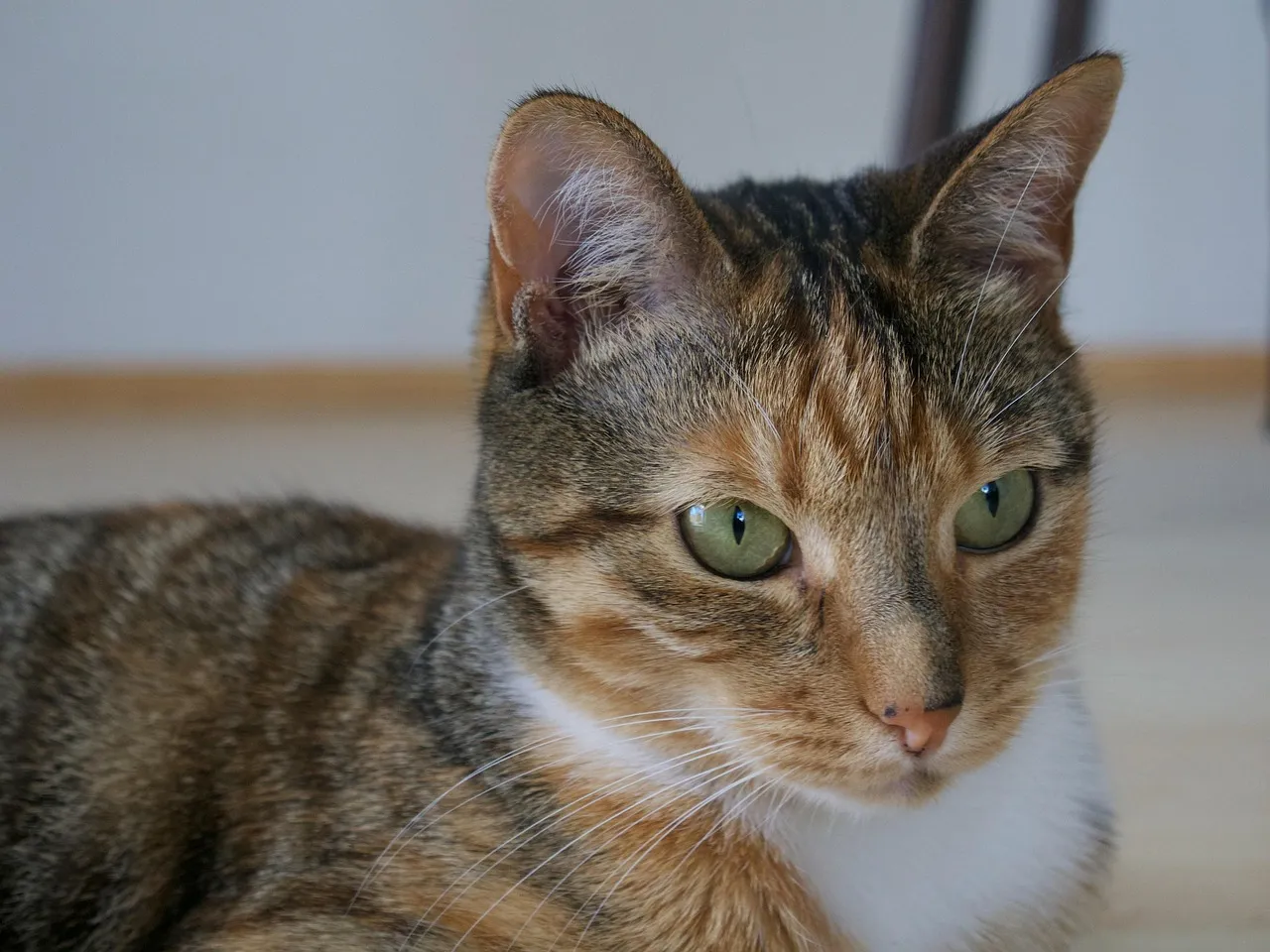
This is the one change science can’t measure, but experienced vets respect it: your sense that something about your fifteen–year–old cat is different. Maybe you can’t quite describe it – the way they breathe, how they settle on your lap, the look in their eyes – but it nags at you. Guardian intuition, especially when you have lived with a cat for over a decade, is worth a lot more than people give it credit for.
When you say to a vet, “I just know she’s not herself,” the good ones listen closely and start asking deeper questions. You’re the historian, the person who sees all the tiny day–to–day shifts they never will. In my opinion, waiting for something obviously dramatic before calling the vet is a disservice to a cat who relies on you to speak up when they can’t. If your gut keeps nudging you, let that be enough to make an appointment.
Conclusion: Old Age Is Not a Reason to Look Away
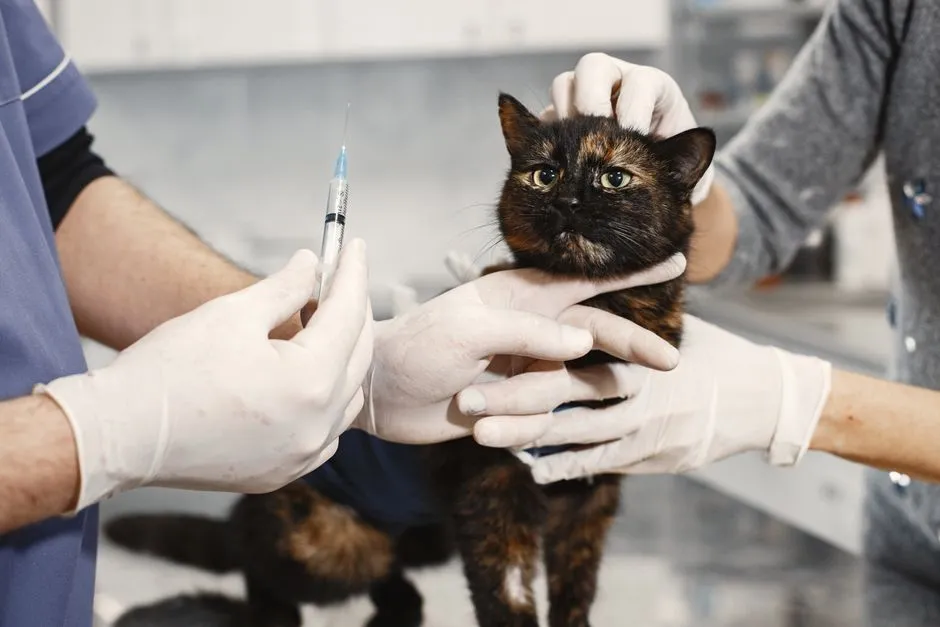
By fifteen, your cat has already beaten the odds; in many ways, every day with them is a bonus chapter. But those bonus chapters should not be filled with quiet, unaddressed suffering just because everyone assumes “that’s what old looks like.” The changes vets never dismiss – weight shifts, thirst, vocalization, mobility, behavior, and more – are not a list meant to scare you, but a map showing where you can still make a difference.
Here’s my unapologetically strong opinion: if a change would have worried you when your cat was five, it deserves attention when they are fifteen, not less. The goal is not to keep them alive at any cost; it is to keep them comfortable, seen, and respected right to the end. Your job is to notice, to ask questions, and to insist that “just old age” is never the end of the conversation. When you look at your senior cat tonight, which change will you decide not to shrug off anymore?
