
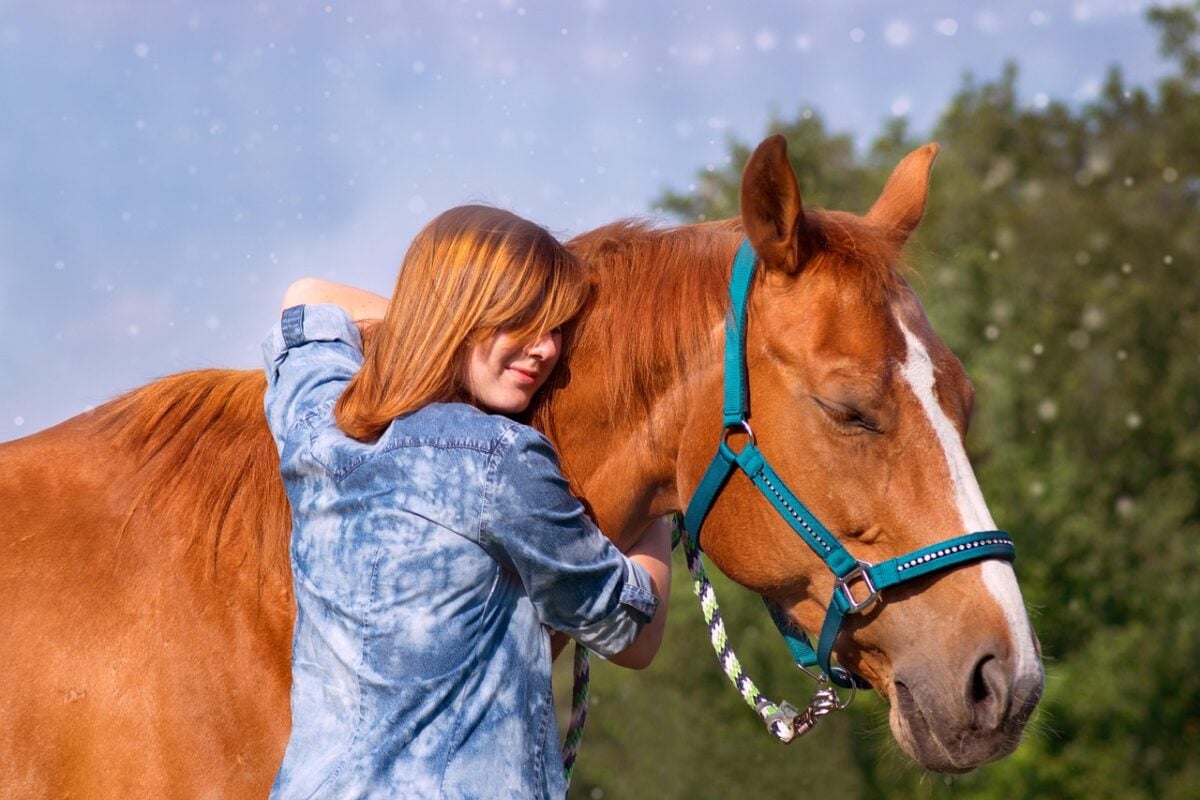
Most people think they’ve earned a horse’s trust the day it lets them swing a leg over its back or pose for a photo. That’s not trust – that’s tolerance. The real thing is quieter, stranger, and honestly, most owners walk right past it every single day without ever noticing.
The tells hide in things you’d swear don’t mean anything: an ear flick, a synced breath, a horse that wanders off from its own dinner just to stand near you for no reason at all. Trainers and behavior nerds who’ve spent years reading horses say these 19 quiet signals are the real proof an animal has decided you’re safe – not just tolerated, but trusted completely. Once you know what to look for, you’ll never watch your horse the same way again.
#1 – It Walks Away From Food Just to Stand by You
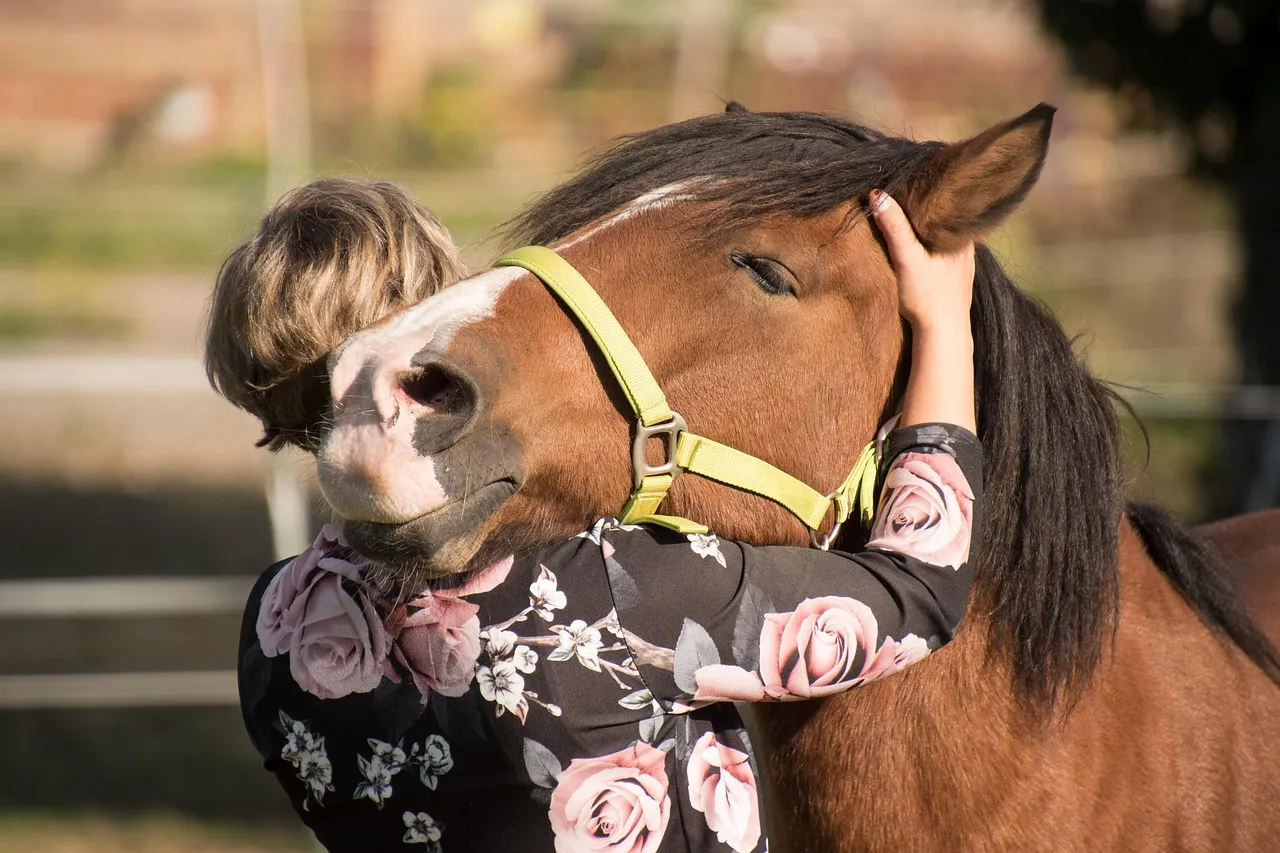
When a horse chooses you over food, that’s not cute – it’s huge. Horses are wired to prioritize grazing and safety, so watching one drift away from hay or a full feed bucket just to stand near you is a massive trust signal. It means you’re not a threat, not a chore, but a source of comfort worth more than dinner.
Watch for the horse that takes a few bites, then wanders back to park quietly at your shoulder without being called. Some handlers brush this off as “clingy,” but many behaviorists read it as a sign the horse feels emotionally safe enough to choose social connection over instinct. If you notice soft eyes, relaxed lips, and a loose sway in its body while this happens in a busy barn or open turnout, that’s an even bigger tell.
#2 – Its Eyes Go Soft the Second You Approach
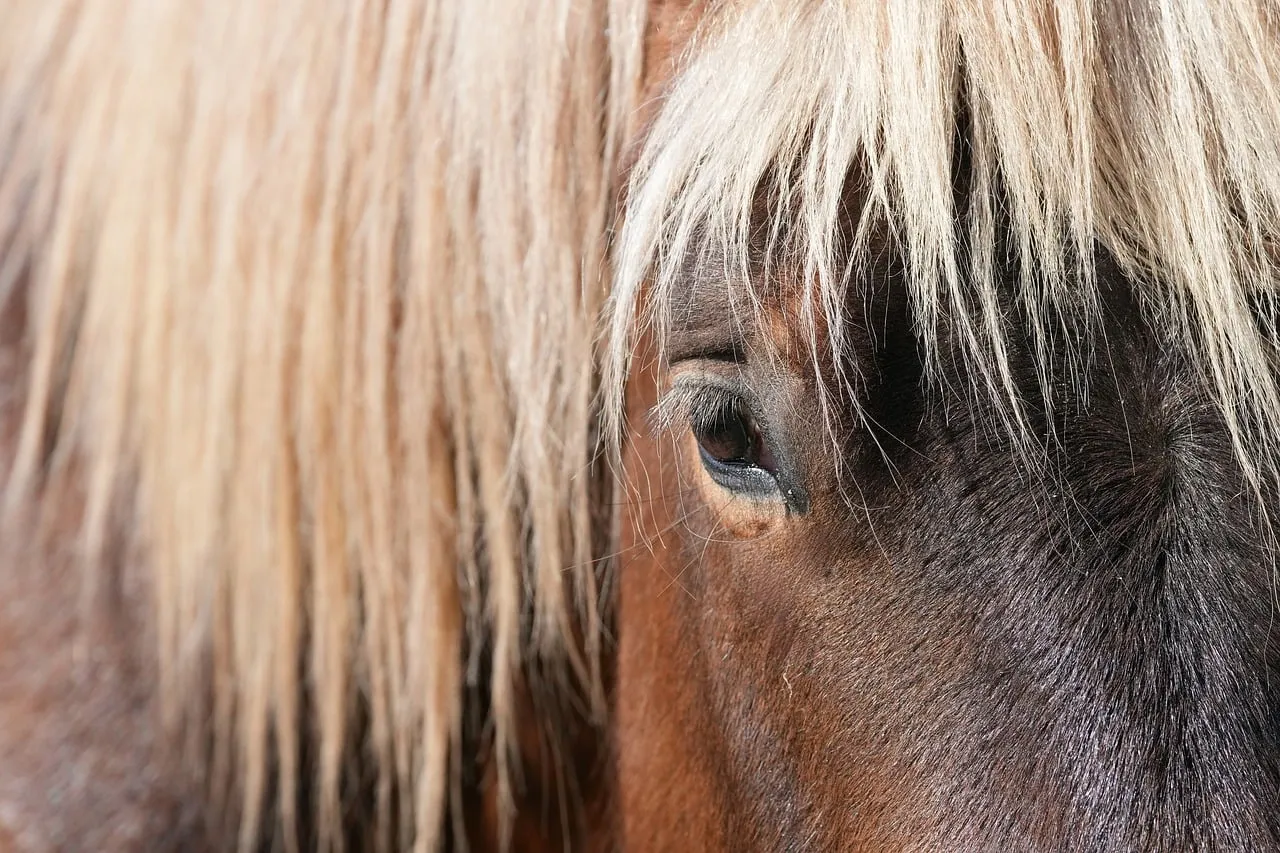
You can fake training cues; you can’t fake eye softness. Watch your horse’s eyes as you walk up. Do the lids lower slightly? Does the hard, alert look melt into what some riders call a “sleepy eye”?
That shift from wide and watchful to soft and half-lidded is your early-warning sign of deep trust. It’s the opposite of the frozen, glassy stare of a worried horse. A truly relaxed one may even blink slower, almost like it’s exhaling through its eyes – and over time, that “oh, it’s you” look starts arriving sooner, sometimes the second you appear at the gate.
Fast Facts
- Horses have one of the widest fields of vision of any land animal, seeing close to 350 degrees around their body.
- Because they can already see almost everything, a soft, lowered gaze aimed right at you is a choice to focus, not a survival necessity.
- A relaxed eyelid, loose lower lip, and a dropped ear base together are widely considered classic markers of a calm, trusting horse.
#3 – It Mirrors Your Movements Without Being Asked
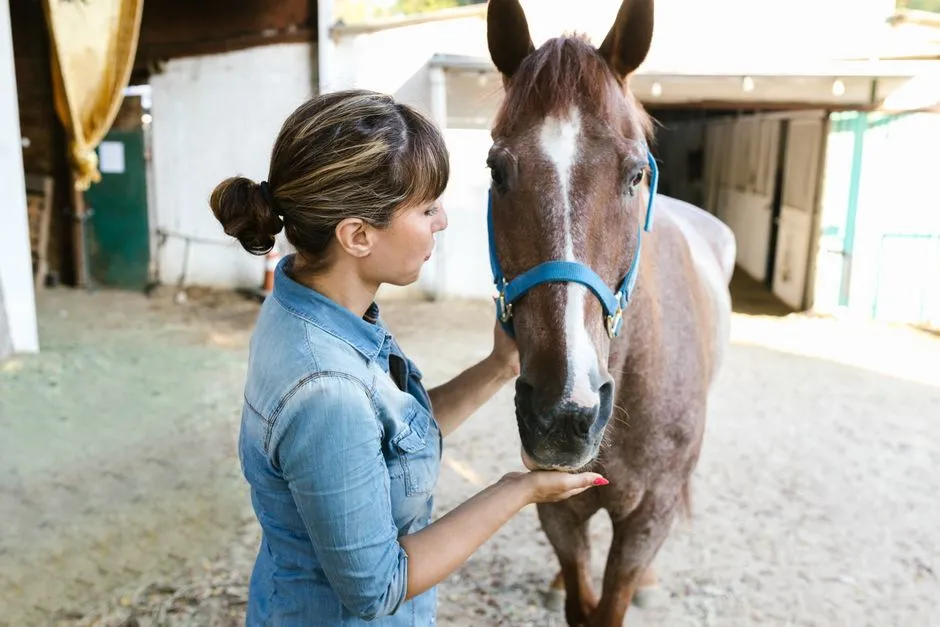
Most people obsess over whether their horse “joins up” in the round pen. The quieter truth is that real trust shows up in everyday spaces, when your horse spontaneously mirrors your body language with no rope pressure and no clucking. You step forward; it drifts forward. You pause; it pauses.
This isn’t about dominance – it’s emotional alignment. Horses mirror those they feel safe following, the same way they mirror trusted herd mates. If you walk the fence line and your horse casually matches your pace and turns, with its head lowering and ears tipping softly toward you, that’s connection, not coincidence.
#4 – It Exposes Its Most Vulnerable Spots Around You
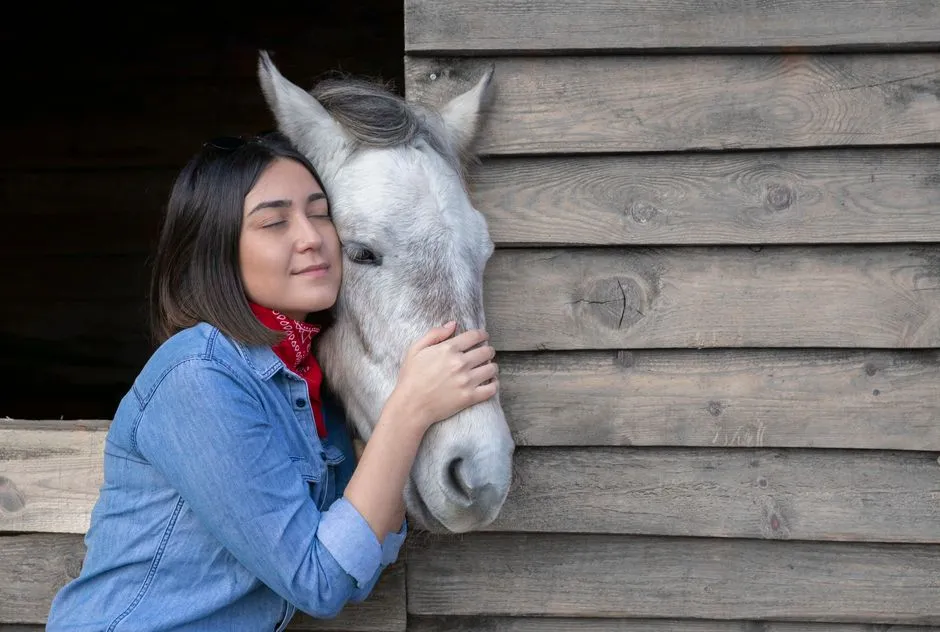
Horses don’t hand out vulnerability for free. When a horse presents you with its side, its belly, or lightly leans a hip toward you, it’s quietly saying, “I don’t think you’ll hurt me.” A deeply trusting horse will let you fuss with its girth area, flank, and hind legs without bracing every muscle or snapping its head around to check on you.
Watch what happens when you lift the tail, pick up a hind foot, or run your hands along the belly. Is the horse coiled and ready to move, or does it breathe and stay soft? Some professionals will argue this is just “good training,” but well-trained doesn’t always equal relaxed – the absence of tension is your real tell.
Kindness is the beginning and the end of taming a horse.
Xenophon
#5 – It Seeks You Out When Something Worries It
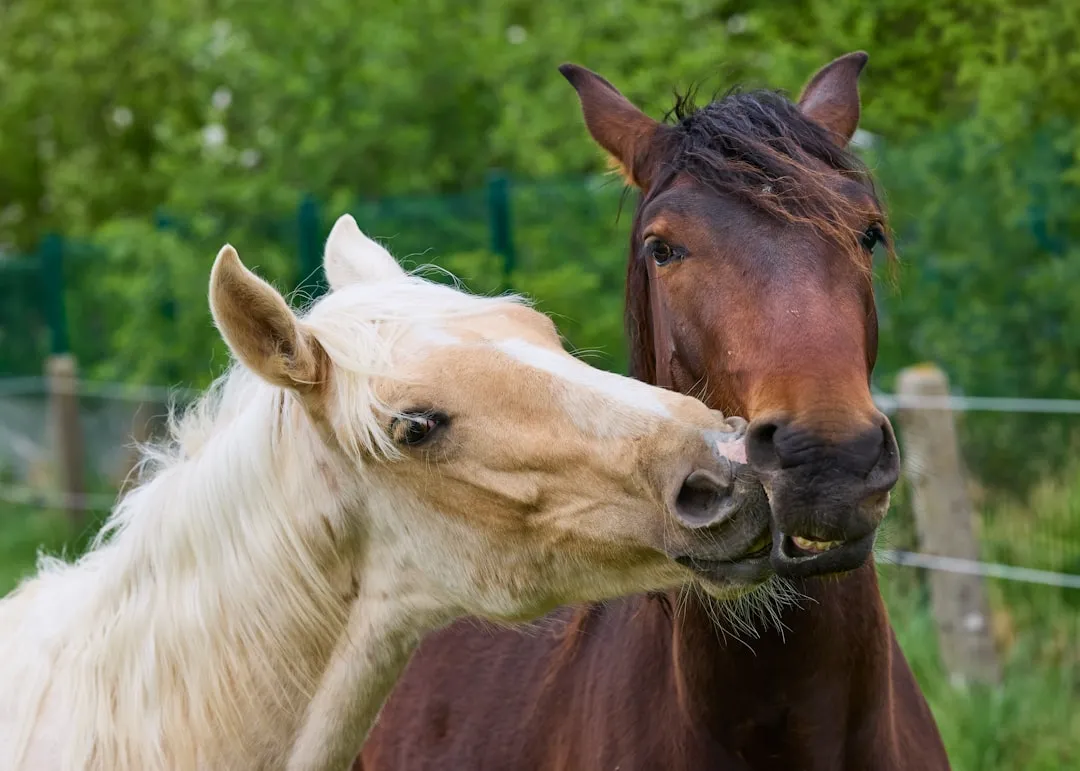
This is one of the most underrated trust tests. Many riders obsess over whether their horse bolts or spooks; few notice where it tries to go when it’s unsure. A horse that has decided you’re its safe place will angle its body toward you, step behind you, or tuck in close when something feels off – a flapping tarp, new machinery, a loud noise.
You may feel it “hide” behind your shoulder or place you between it and the scary object. Some people wrongly label this “disrespectful,” but it’s actually a compliment: you’ve become the buffer between danger and the herd. Of course, you still have to manage the moment safely – but that instinctive lean toward you when things get tense? That’s trust talking.
#6 – It Shows You Its Back… and Then Relaxes
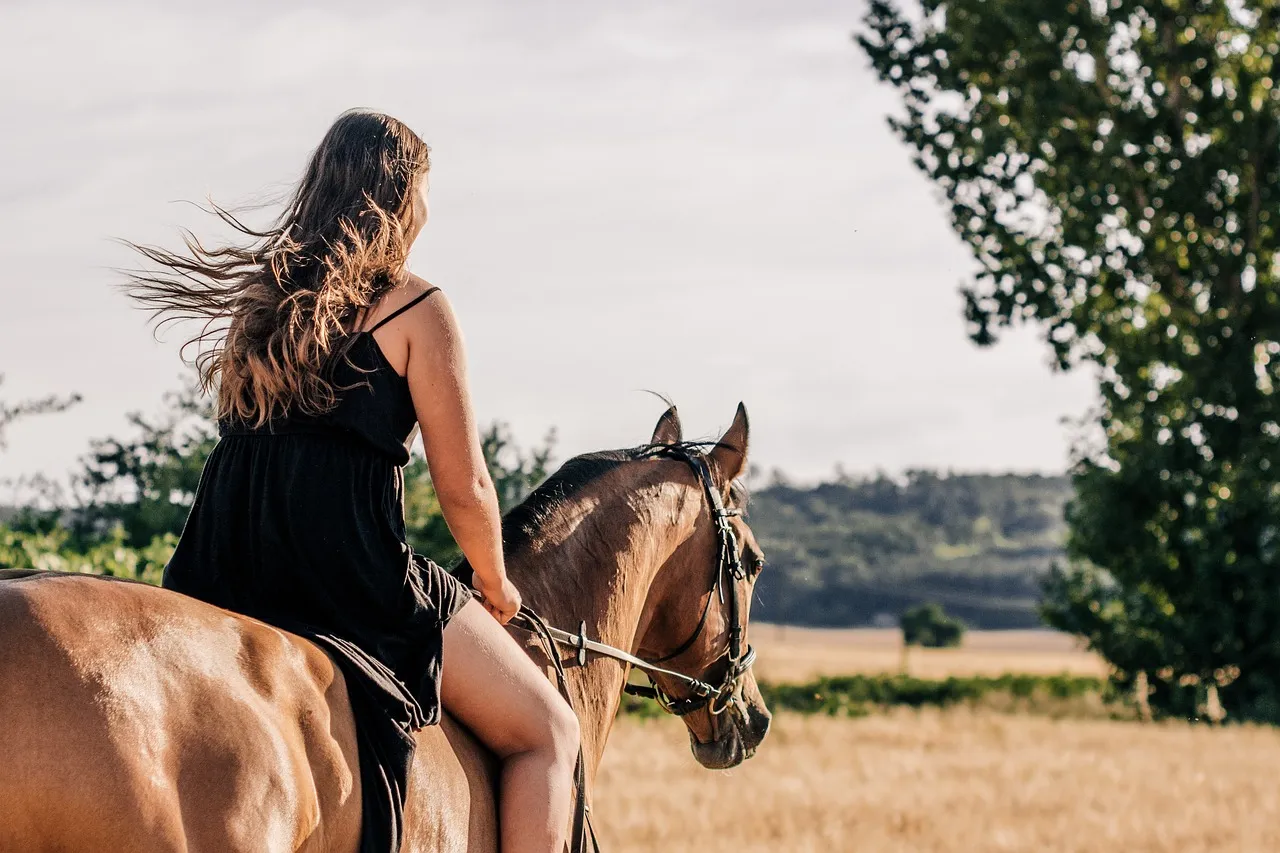
Turning your back to a predator is suicide in the wild. So when a horse moseys over, swings its hindquarters near you, then drops a leg and cocks a hip, that is not casual body language. It’s a quiet declaration: “I’m off guard around you.”
You’ll often see this in stalls, run-ins, or small paddocks where the horse has other places it could go instead. Some riders misread it as rudeness, but context matters – is the tail clamped or swishing hard, or hanging easy while the horse breathes deep? A trusting horse will rest a back leg and lower its head while standing close, and yes, you still need boundaries so you don’t get bumped, but the choice to relax its “defense system” around you is enormous.
#7 – It Yawns, Licks, and Chews Right After You Touch It
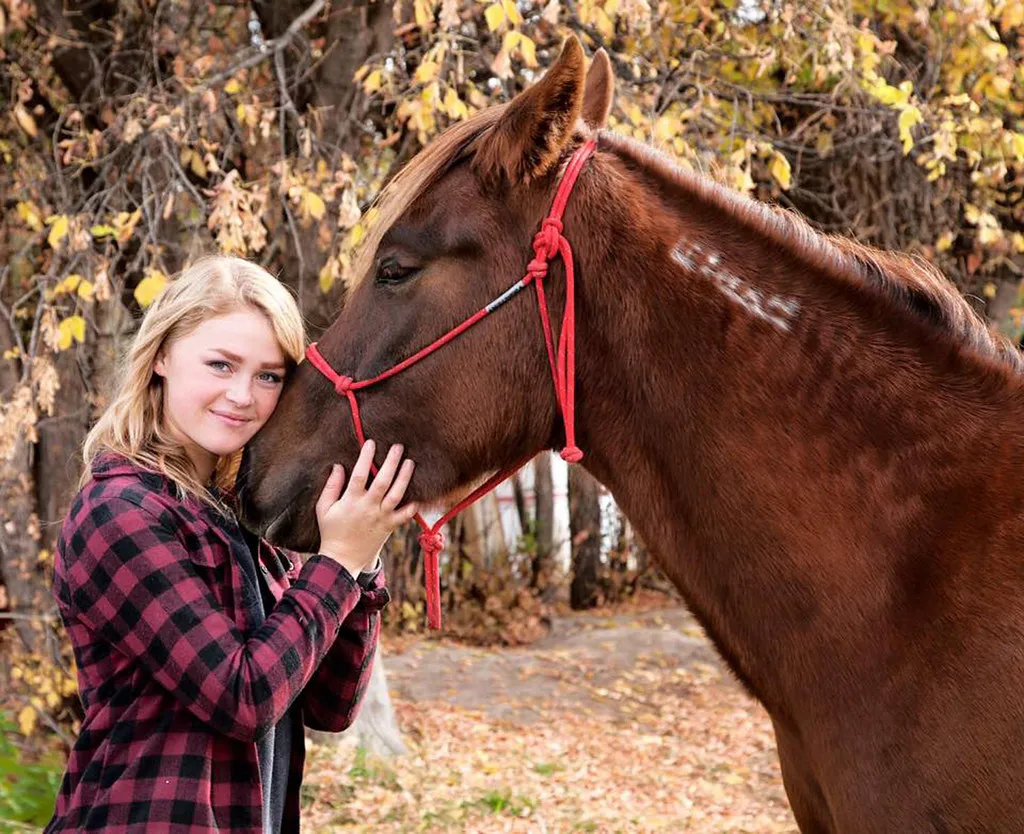
Everyone loves posting videos of horses licking and chewing like it’s some mystical sign. The part most people skip is the timing. When these behaviors show up right after you scratch, groom, or simply stand with a horse, it often signals a nervous system release – your presence is helping that horse let go of tension.
Not every lick and chew means deep emotional trust, but noticing them consistently around your touch is different from a stranger walking up and getting no reaction at all. When your presence predictably melts a horse into a big yawn or slow lip-wiggle, you’re not just tolerated – you’re helping it settle.
#8 – It Lets You Into Its Bubble Without Shutting Down
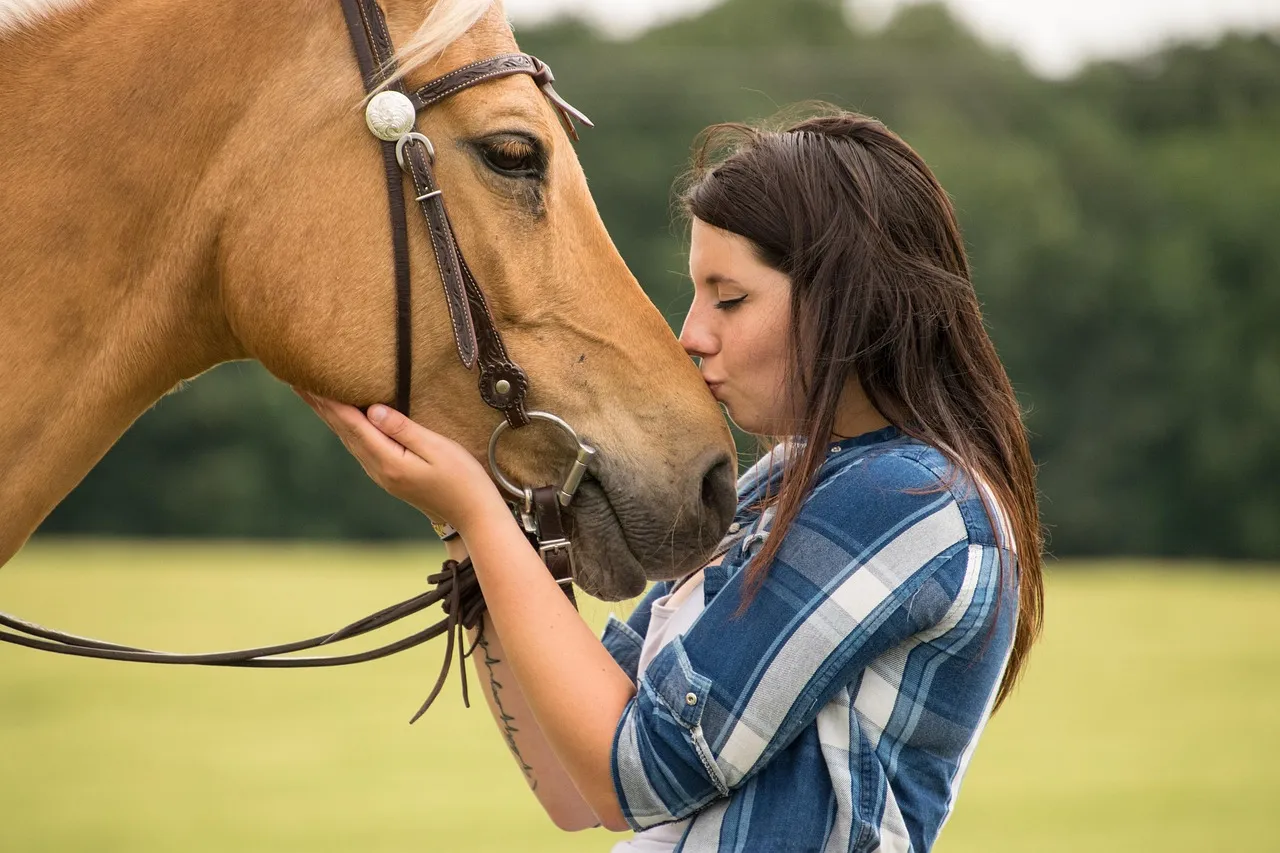
Every horse has an invisible personal space bubble. Nervous horses keep that bubble big; shut-down horses let you in but go mentally blank. A horse that truly trusts you shrinks that bubble willingly and stays mentally present the whole time you’re close.
It doesn’t freeze, pin its ears, or check out – instead it tracks you with soft eyes and mobile ears as you move around its body, standing at its shoulder or ducking under its neck. Many people mistake quiet, frozen horses for “bombproof,” but a horse that stays soft, responsive, and still lets you in close, again and again? That’s trust, not shutdown.
#9 – It Breathes With You
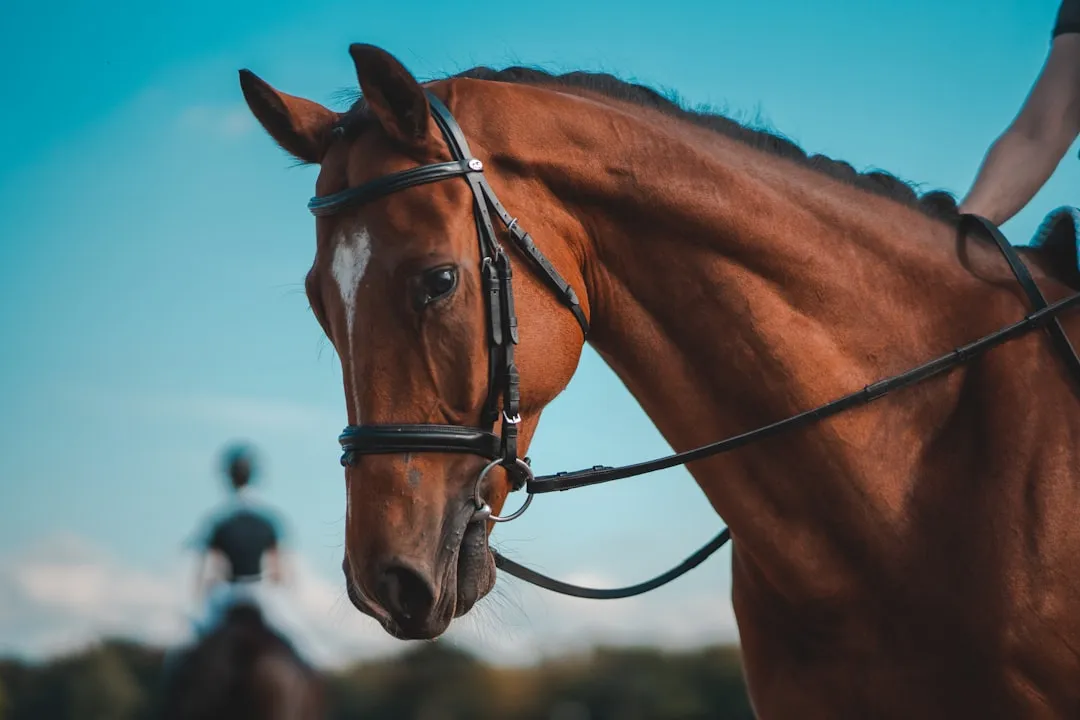
This one sounds strange until you’ve felt it. Spend a few minutes standing by your horse and deliberately slow your breathing. Many owners are shocked to notice the horse’s ribcage and nostrils matching their rhythm – exhaling when they exhale, pausing when they pause.
That syncing up is a classic mammal bonding behavior; horses pick up on tiny shifts in our energy. A horse that doesn’t trust you stays on its own fast, shallow rhythm, while one that sees you as a safe anchor will unconsciously let your calmer breathing pull it down into relaxation. It’s a small thing, but it’s one of the purest signs your presence has become a comfort zone.
Worth Knowing
- A resting adult horse typically breathes around 8 to 16 times per minute.
- That rate climbs quickly with stress, heat, or exercise, so a slow, even breath near you is a real physical cue, not just a nice feeling.
- Horses are unusually sensitive to human breathing and heart rate shifts, which is a big reason calm handlers tend to raise calmer horses.
#10 – It Dozes Off With You Still in Reach
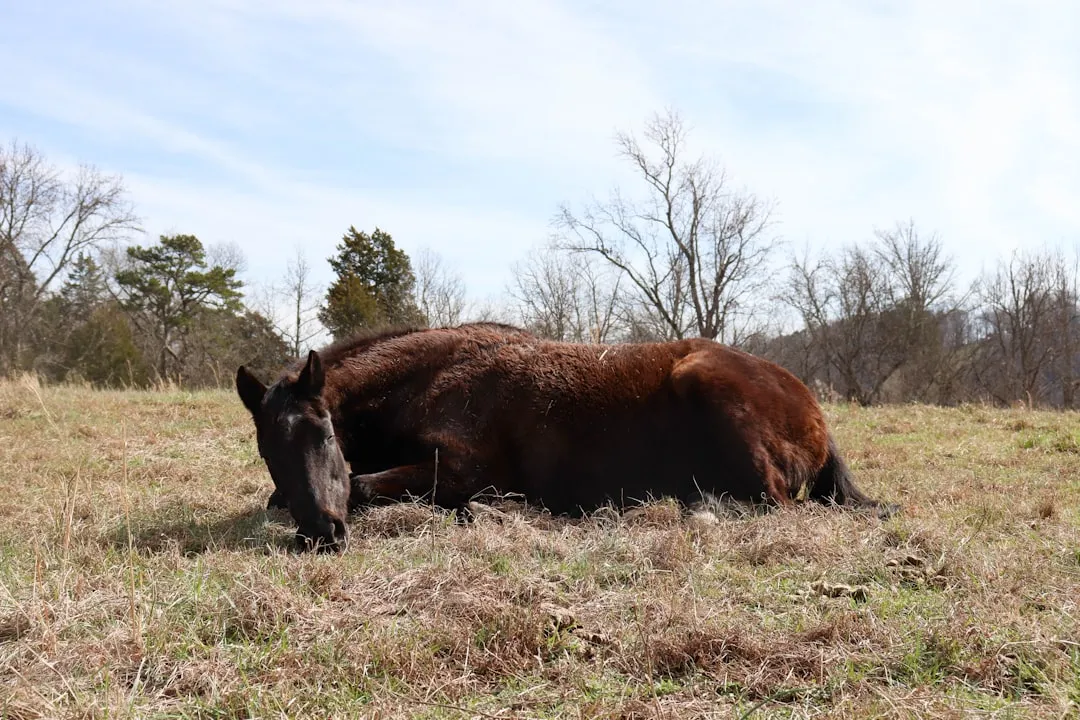
Sleep is survival math for prey animals, and deep rest usually only happens when a horse feels someone else is on guard duty. So when yours stands near you, lowers its head, cocks a leg, and drifts into a real doze, it’s basically handing you the security job.
Even stronger is when it lies down nearby and stays down while you move around. Not every horse will fully lie down near a human, but the ones that will, and stay relaxed instead of popping up the second you shift, are announcing something serious: they believe you won’t hurt them, startle them, or let anything bad through while they’re vulnerable.
#11 – It Forgives Your Mistakes Faster Than Before
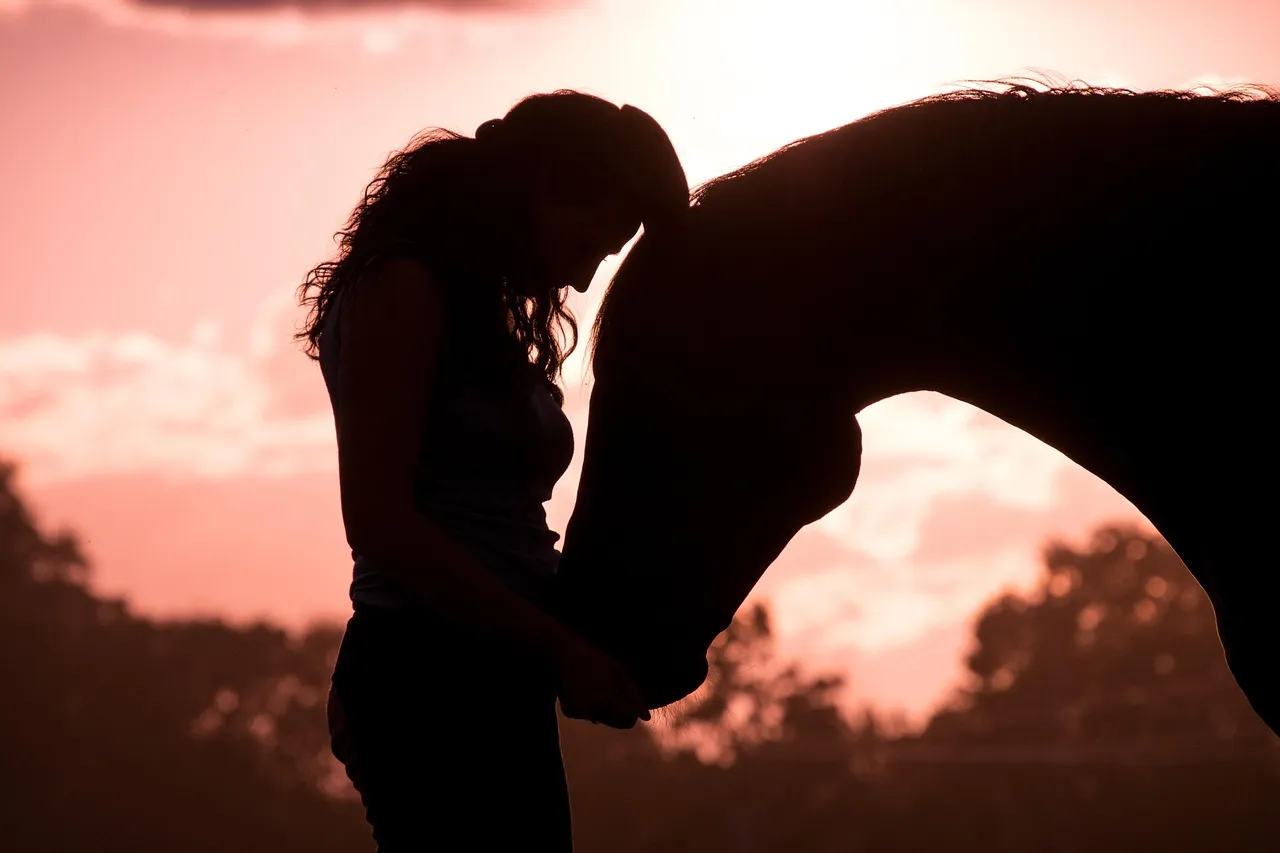
No one rides or handles perfectly. We bump a mouth, mis-time a cue, or trip into a horse’s space. The difference with a truly trusting horse is how it recovers – instead of holding a grudge and staying stiff or reactive, it lets the tension go and returns to baseline quickly.
You’ll notice a brief flinch followed by a fast softening, and a willingness to try again without escalating. Some people blame “hot” breeds for overreacting, but often they’re just working with horses that haven’t decided any human is fully safe yet. When your horse starts responding to your inevitable errors with an easy “okay, weird, but I still trust you,” that’s a different relationship entirely.
#12 – It Nickers Softly When It Hears You, Not Just the Grain Cart
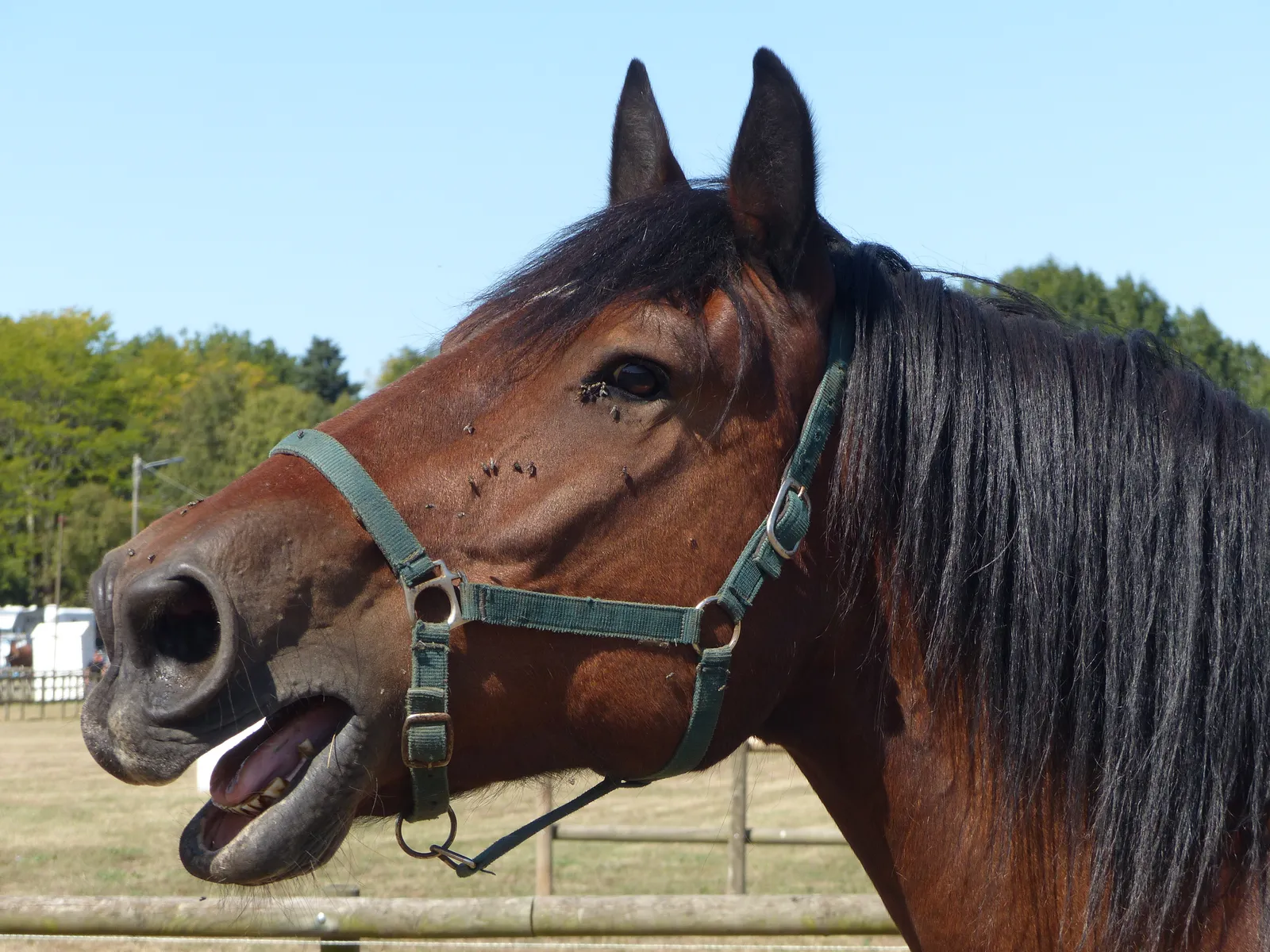
Every barn has the horse that whinnies at the sound of feed – that’s not personal, that’s hunger. The quieter, more intimate sign is the soft, low nicker you get when your horse hears your footsteps or voice, even when food isn’t anywhere in the picture.
This isn’t a frantic scream; it’s more like a warm “oh hey, you’re here.” Notice it when you call from outside the barn or your car pulls in and the horse can’t even see a bucket. Some of it is conditioning, sure, but when that soft vocalization shows up in low-food contexts paired with relaxed eyes and a swinging walk toward you, it’s emotional recognition, not a treat request.
#13 – It Lets You Take the Lead Without a Fight
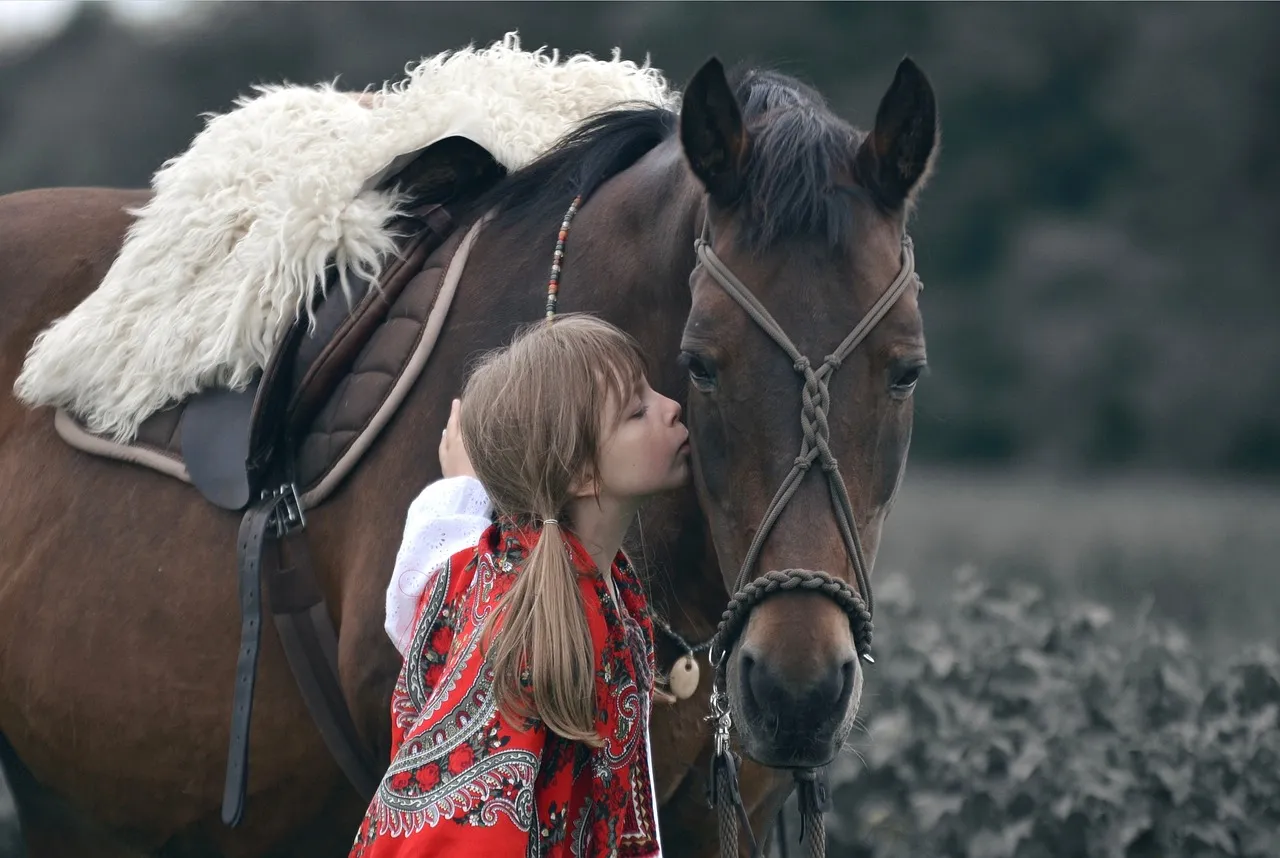
Dominance gets thrown around a lot, usually by people constantly battling their horse. A horse that truly trusts you doesn’t need to be “put in its place” all the time – instead, it accepts your decisions with minimal drama, especially somewhere new: a new trail, a strange arena, an odd obstacle.
It might hesitate, look, or snort, but it doesn’t explode. The lead rope stays light, not a tug-of-war, and it follows your feet into new spaces because it gives you the benefit of the doubt faster than it would with someone it doesn’t trust. That quiet “okay, if you say it’s fine” attitude is what many pros quietly rely on but rarely talk about.
#14 – It Offers Little Grooming Gestures Back
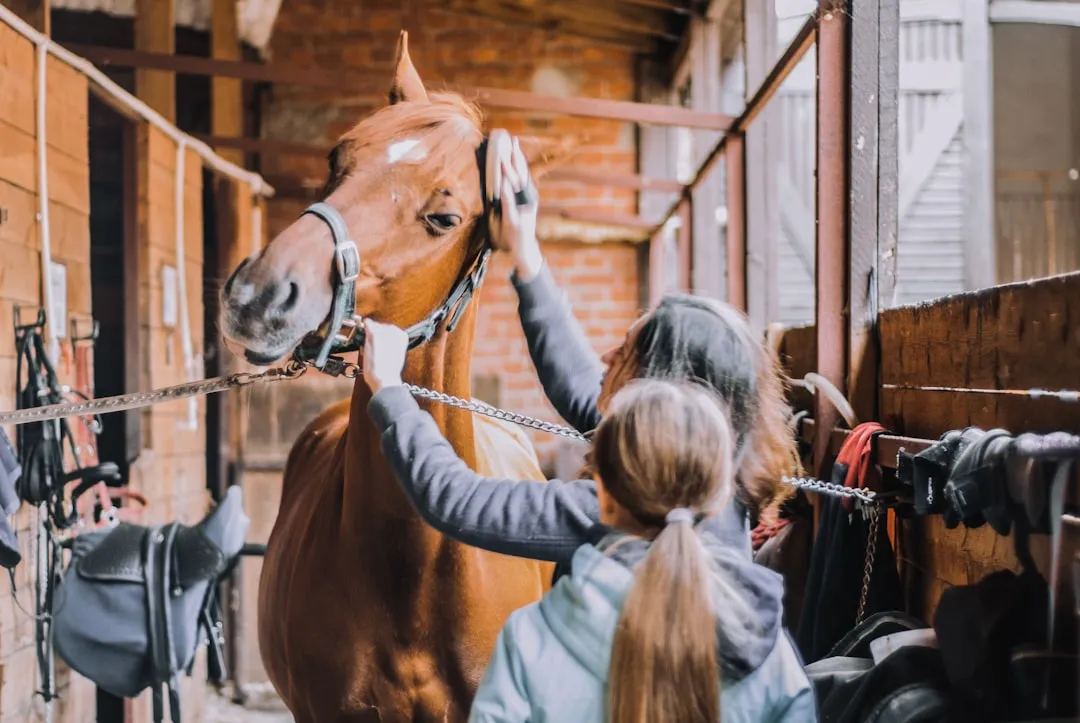
Mutual grooming is a huge social behavior for horses. While we definitely don’t want teeth on us, a horse that gently nudges, snuffles, or lips at your sleeve or shoulder while you scratch a good spot is often trying to reciprocate. It’s clumsy, but it’s exactly what they do with herd mates they’re bonded to.
There’s a real difference between aggressive, pushy mouthing and soft, exploratory nuzzling paired with a relaxed body. You can set clear boundaries – no teeth, no shoving – without shutting down the underlying social offer. When your horse consistently tries to “groom you back” at the withers or neck, it’s telling you that you’re part of its inner circle.
#15 – It Lowers Its Head When You Reach for the Halter
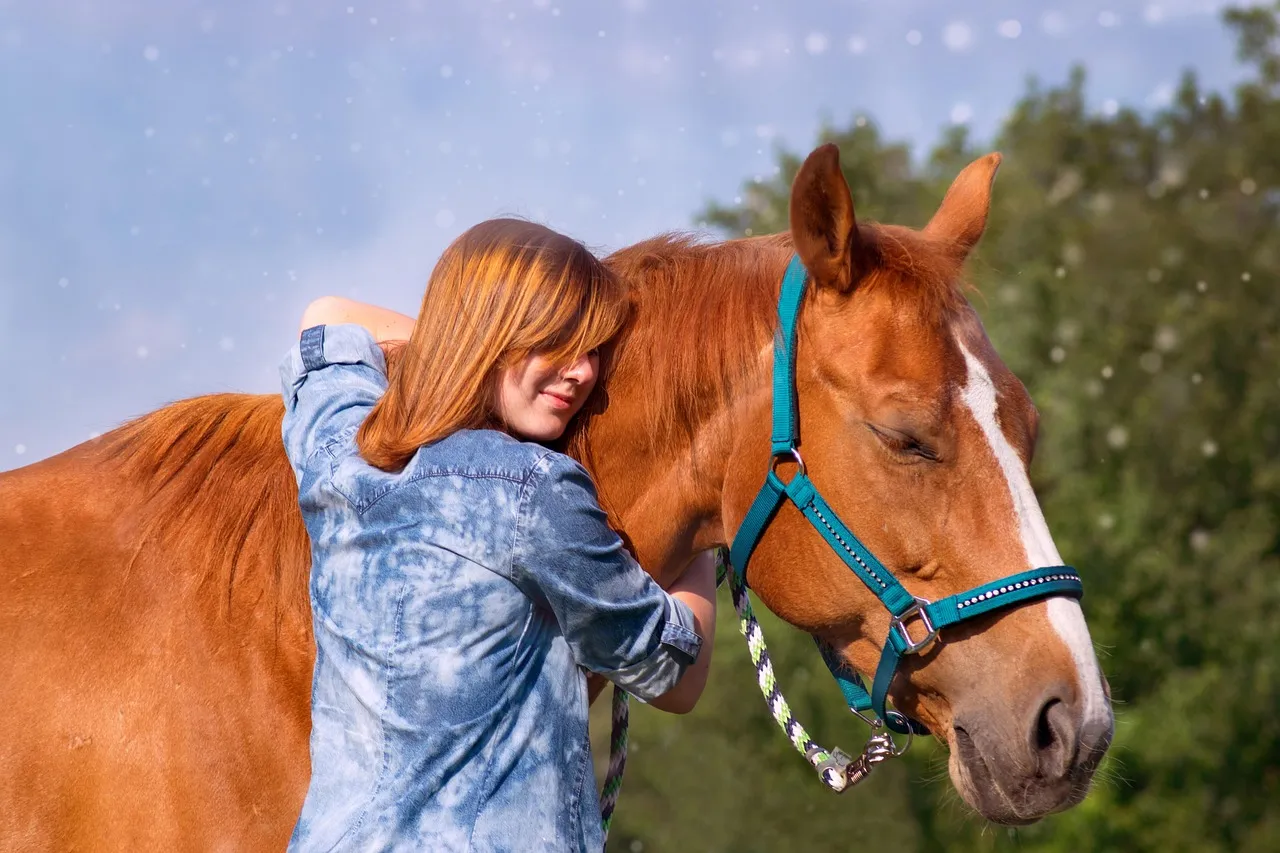
Plenty of horses tolerate haltering because they’ve been taught to stand still. A horse that has really decided you’re safe will often meet you halfway – lowering its head into the halter, turning slightly to help, or stepping up to you at the gate instead of making you chase it.
Look for ears that flick toward you and relax, and a poll that softens as the head drops instead of yanking away. If your horse used to dodge or brace at halter time and now calmly offers its face, that shift is a trust story in motion – a moment of voluntary participation in the very thing that leads to work.
#16 – It Stays Calm When You Change the Routine
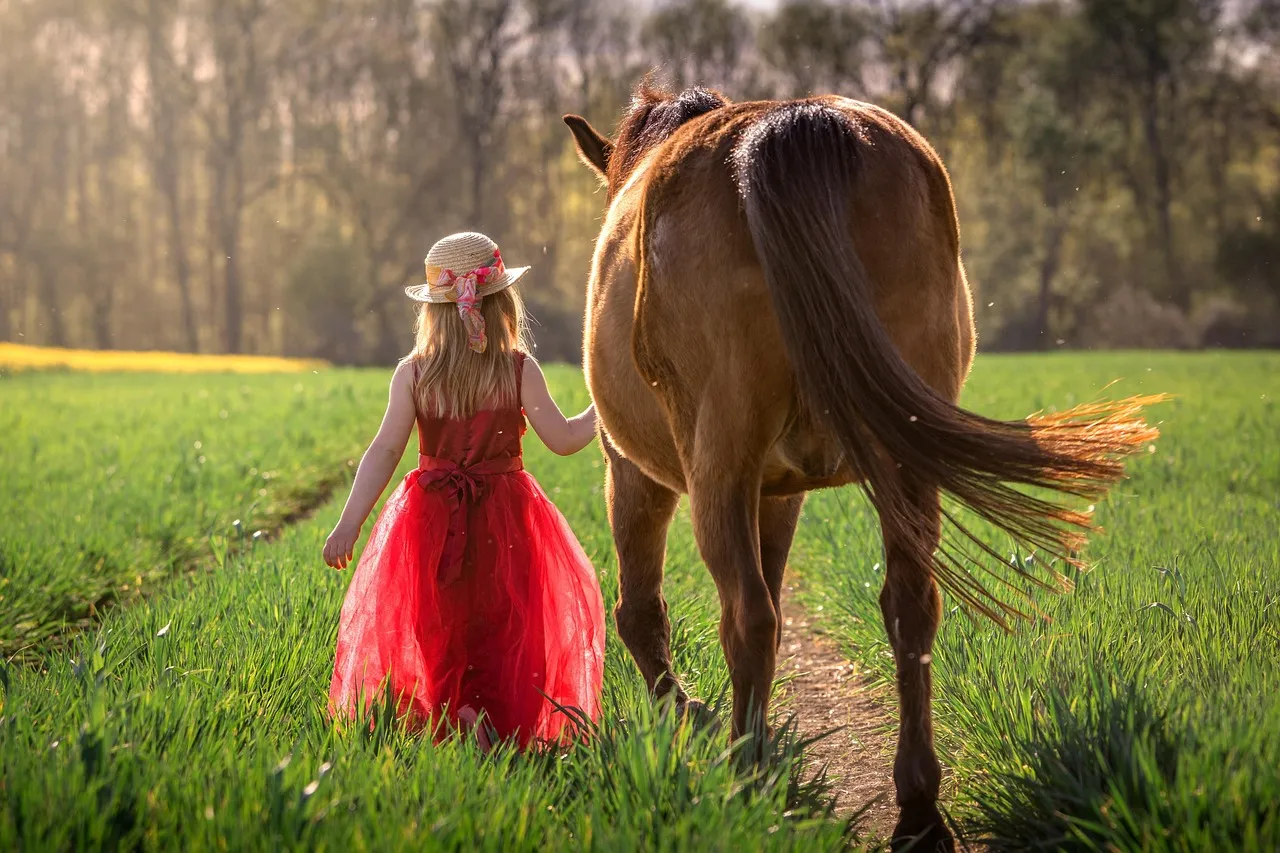
Many horses only feel safe inside rigid patterns: same time, same route, same person. Break that, and they unravel. A horse that truly trusts you will look to you, not the routine, for stability when you tack up at a different time or skip riding for a hand-walk instead.
You might see a bit of curiosity, maybe some snorting, but not a full meltdown, because its confidence is increasingly attached to you rather than the script. When the plan changes and your horse quietly checks in with you instead of panicking, you’ve crossed into a deeper level of partnership.
Quick Compare
- Tolerance: stands still because it’s been trained to, body stiff, eyes watchful, leaves the second it’s free.
- Trust: stands still because it wants to, body loose, eyes soft, chooses to stay close when it’s free.
- Tolerance: follows a cue on the lead rope with hesitation and a heavy step.
- Trust: follows your lead into new, uncertain situations with a light rope and a curious, forward attitude.
#17 – It Lets You Handle the No-Go Spots Without a War
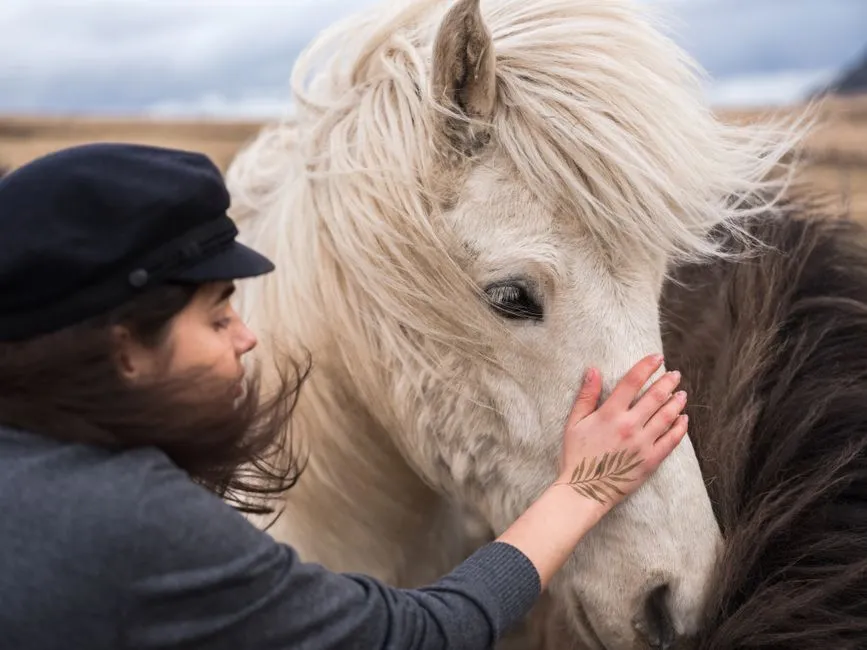
Every horse has a history spot – ears, poll, sheath, cinch area, under the tail. For some, those are pure danger zones. When a horse starts letting you work on those without the usual blow-up, that’s not just training compliance; that’s personal trust layered onto desensitization.
Watch for a smaller first reaction that fades sooner, and breathing instead of held breath. It’s usually a slow, boring repetition of “I hear your worry, but I won’t hurt you.” When the horse finally lets you clean that eye or touch that old scar without going nuclear, it’s voting that your hands are safe even in its most defended places.
#18 – It Chooses to Stay Near You in a Big Space
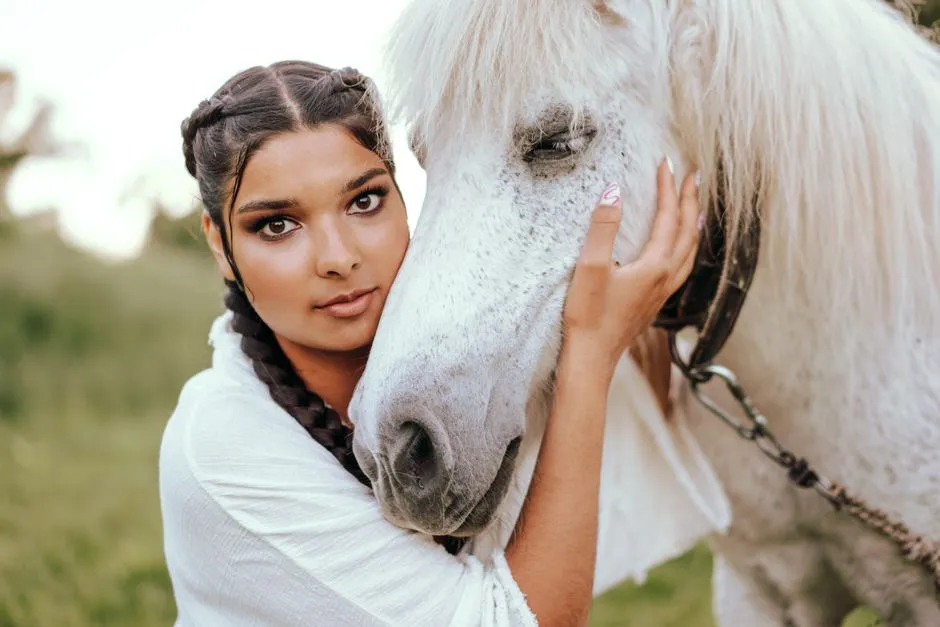
Turn your horse out in a decent-sized arena, pasture, or field. Now just exist – don’t call, don’t cluck, don’t rattle treats. Many horses will wander off to graze or explore, but the ones that have truly claimed you as their person will drift back and hover, often within a few feet, even though nothing is forcing them to.
Critics love to say, “It’s just because you feed them.” Maybe – but if food were the only factor, every human would get the same response, and they don’t. When your horse repeatedly and voluntarily parks its body near yours during free time, with no cue and no bribe, that’s attachment, plain and simple.
#19 – It Looks to You First When It’s Unsure
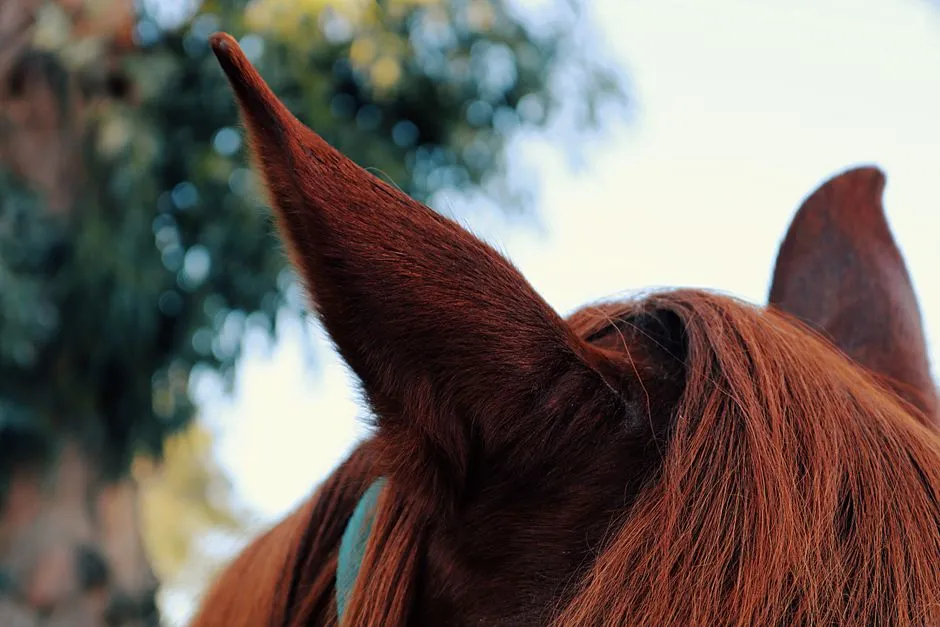
This is the ultimate quiet tell. Something changes – a new horse in the field, a strange object by the trail, a sudden sound. Watch your horse’s head. Does it stare, lock on, then flick an ear or turn one eye back toward you, as if checking your reaction?
That tiny “what do you think?” moment is profound – it means you’ve become part of its threat-assessment system. This isn’t about never spooking; it’s about who the horse consults after the first spike of instinct. When you’re the first thing it references before bolting or spinning, that’s trust operating at the decision-making level.
The Bottom Line
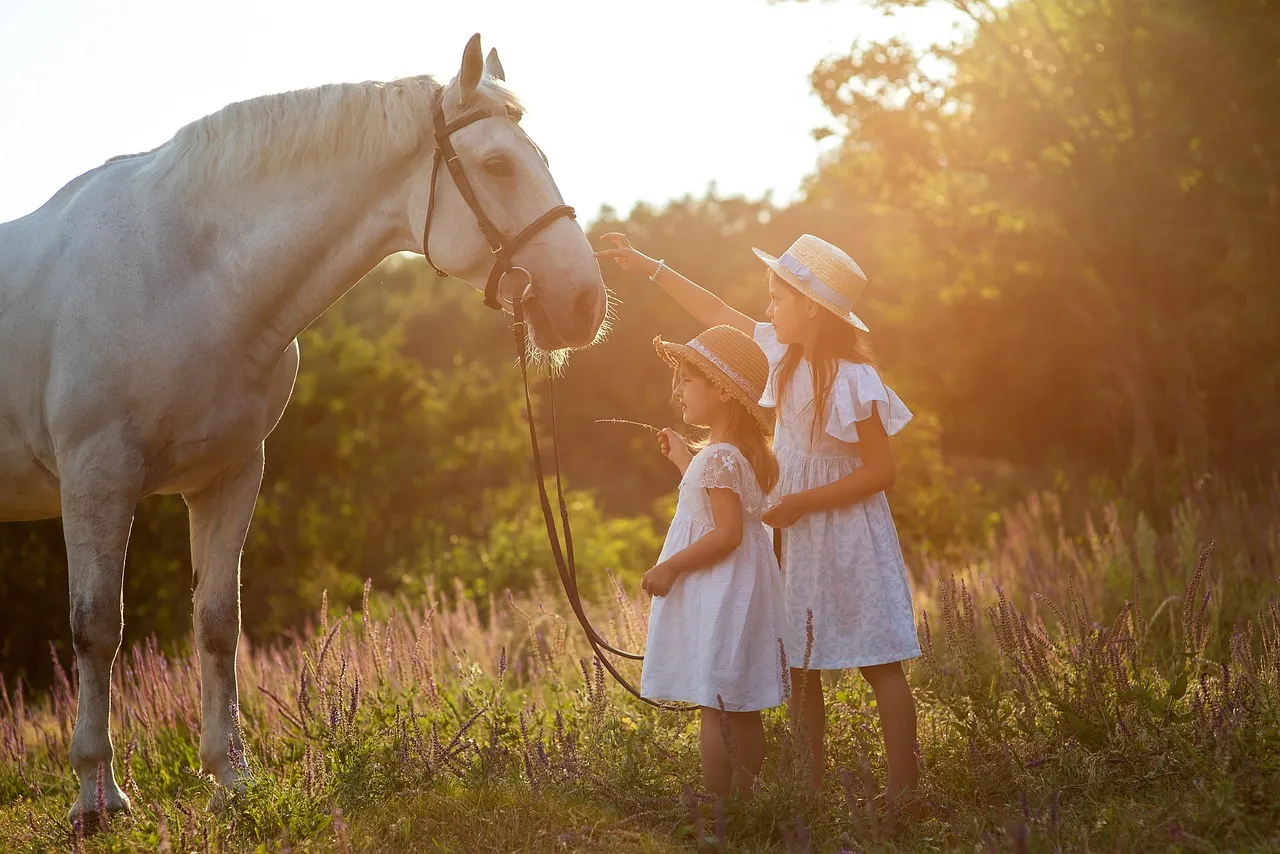
Most riders chase big, flashy signs of connection – liberty tricks, viral bonding reels, dramatic round-pen moments. But the horses that have truly decided you’re “the one” reveal it in quiet, almost embarrassingly ordinary details: who they walk toward, who they rest near, who they breathe with, and who they check in with when the world gets weird.
At a Glance
- Soft, half-lidded eyes and a lowered head the moment you approach.
- Breathing that slows and syncs with yours instead of staying quick and shallow.
- Choosing to stand near you in open space with no food or cue involved.
- Turning to you first – not the exit – when something startles it.
None of this is magic. It’s the slow, earned result of consistency, timing, and never betraying a horse when it’s scared or vulnerable. People will keep insisting “it’s just training,” but anyone who’s felt a horse sigh, soften, and choose them in a big empty space knows better – that’s not compliance, that’s a decision.
Which of these signs have you seen in your own horse – and which one do you secretly disagree with? Tell us in the comments.
