
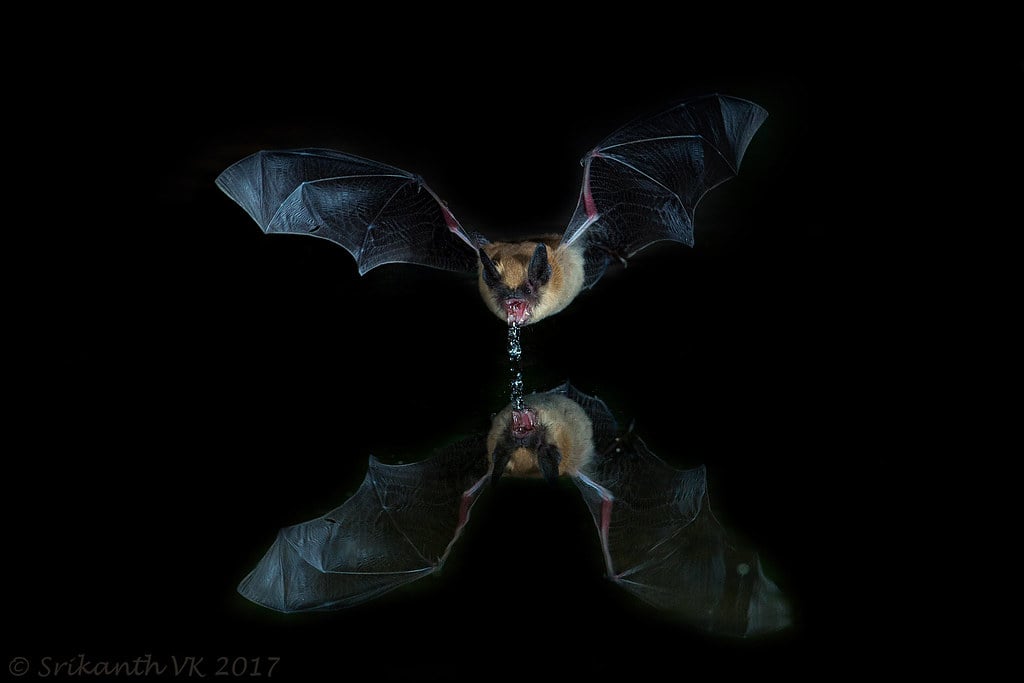
#1 The study that changed the conversation
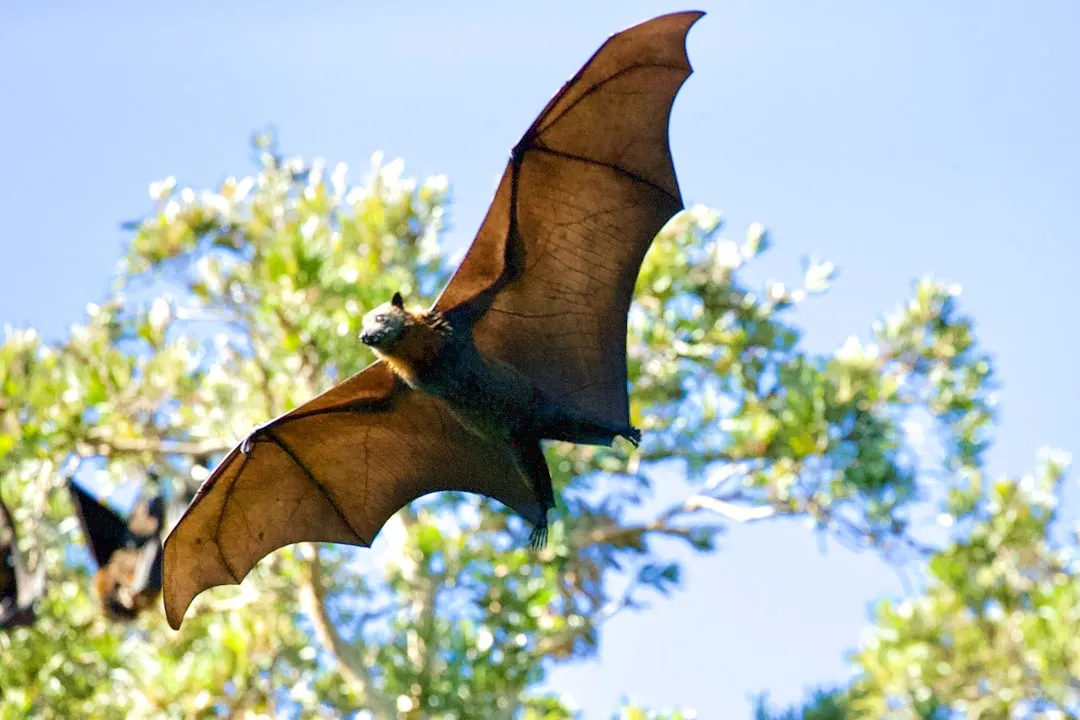
In late 2024, a team led by researcher Aya Goldshtein, working within Iain Couzin’s group at the Max Planck Institute of Animal Behavior alongside colleagues from Tel Aviv University and the Hebrew University of Jerusalem, published findings in the journal Science that reframed how scientists think about bat navigation. The research showed that echolocating bats possess an acoustic cognitive map of their home range, enabling them to navigate over kilometer-scale distances using echolocation alone. That is a striking claim, since echolocation has always been considered a short-range tool, useful for spotting a moth a few meters away, not for finding your way home from three kilometers off.
What makes the study compelling is the scale of the effort behind it. Over several nights, the researchers tracked 76 bats near their roosts and relocated them to various points within a three-kilometer radius, but still within their home range. That is not a small sample size for a field study involving wild, free-flying animals, and it gave the team enough data to see patterns rather than isolated flukes.
#2 A six gram animal with a surprisingly big sense of place
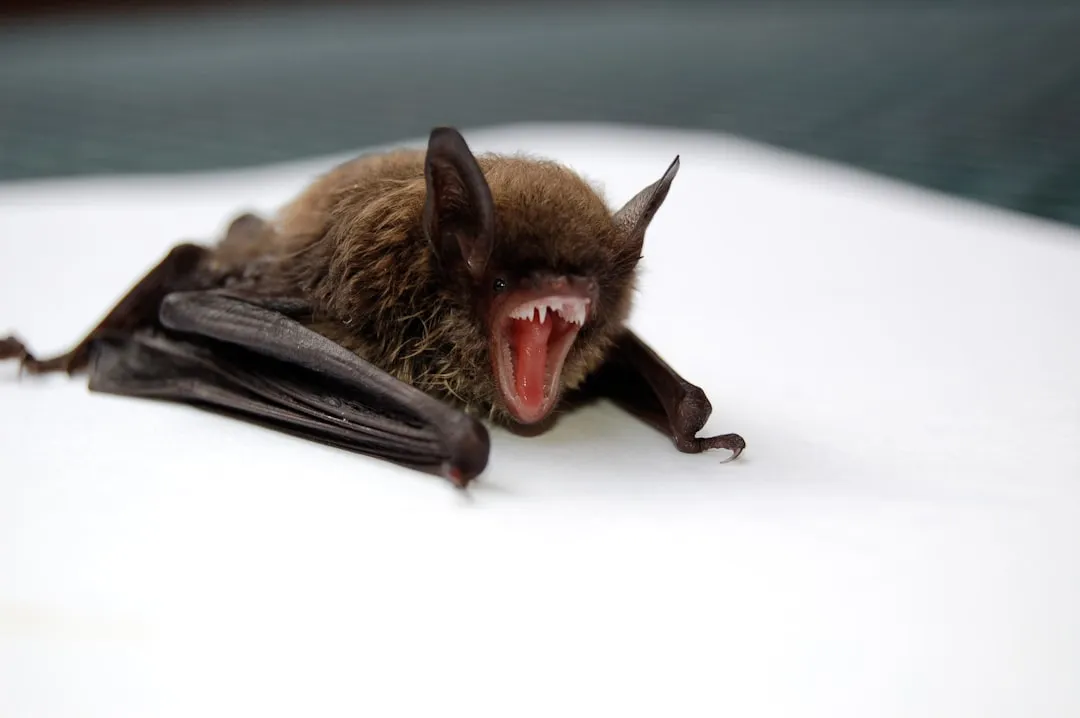
The species at the center of this research is Kuhl’s pipistrelle, a bat so small it barely registers on a kitchen scale. The team conducted experiments with Kuhl’s pipistrelle, a bat species weighing only 6 grams, in Israel’s Hula Valley. Despite its size, this bat apparently carries enough spatial information in its brain to recognize an unfamiliar patch of landscape and figure out which direction leads home.
To pull this off, researchers relied on a clever piece of technology. Each bat was tagged with an innovative lightweight reverse GPS tracking system called ATLAS, which provided high-resolution, real-time tracking. That tracking system let scientists watch, almost in real time, what a displaced bat actually does the moment it realizes it is somewhere unexpected, rather than guessing based on where it eventually turns up.
#3 What happens when a bat gets picked up and moved
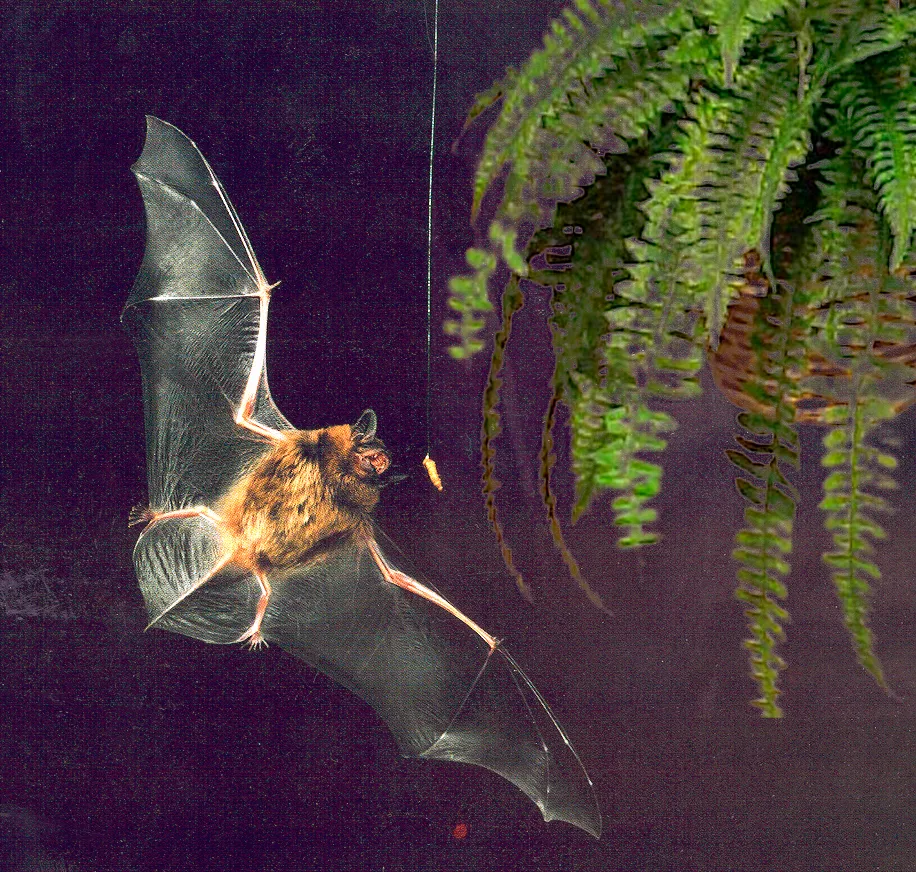
Imagine being blindfolded, driven several miles from home, and dropped off in the dark with nothing but a flashlight beam to guide you. That is roughly the challenge these bats faced. Would you be able to instantly recognize your location and find your way home from any random point within a three-kilometer radius, in complete darkness, with only a flashlight to guide you?
The bats managed something close to that feat, and they did it using a tool most people assume is only good for short distances. Echolocating bats face a similar challenge, with a local and directed beam of sound, their echolocation, to guide their way. Researchers found the animals did not simply wander until something looked familiar. Instead, they appeared to recognize specific acoustic features of the landscape almost immediately after being released, then set a course toward home rather than exploring at random.
#4 Sound as landmarks, not just as a radar ping
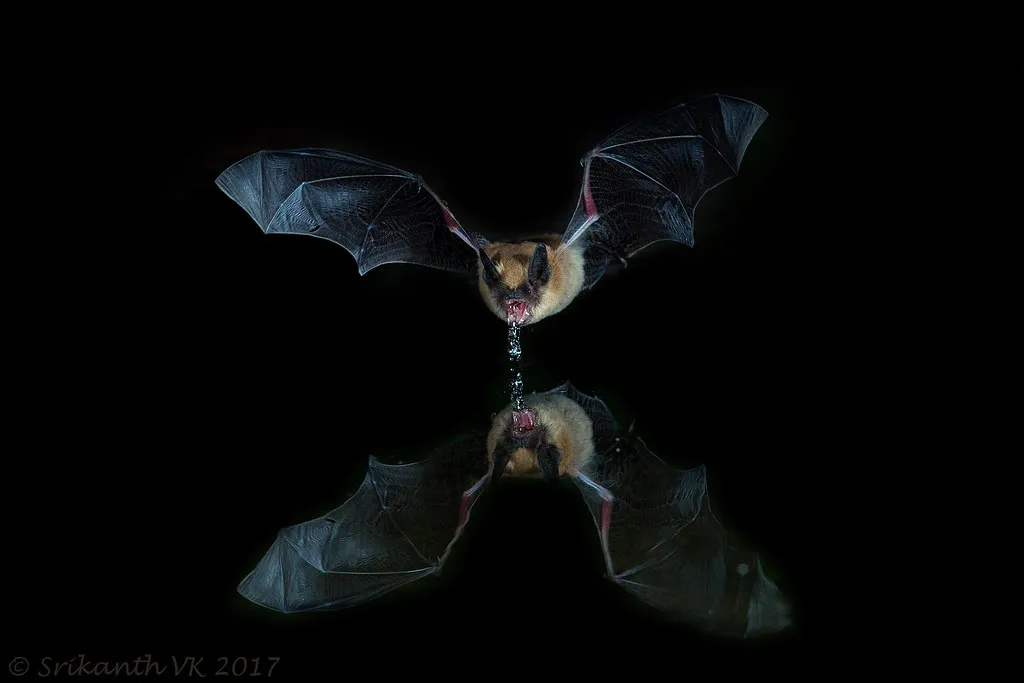
The real twist in this research is the idea that echoes are not just used moment to moment to avoid a tree branch. They seem to function as reference points, similar to how a hiker might use a distinctive rock formation or a bend in a river to orient themselves. After being displaced, these small bats first identify their new location and then fly home, using environmental features with distinctive acoustic cues as landmarks.
This reframes echolocation as something closer to a scanning tool for building a mental picture of terrain, rather than a purely reactive system. This behavior suggests they possess an acoustic mental map of their home range. A ridge, a cluster of trees, or the edge of a valley wall each throw back a distinct acoustic signature, and bats appear to file those signatures away the same way a person might remember a particular street corner.
#5 Vision still matters, but it is not the whole story
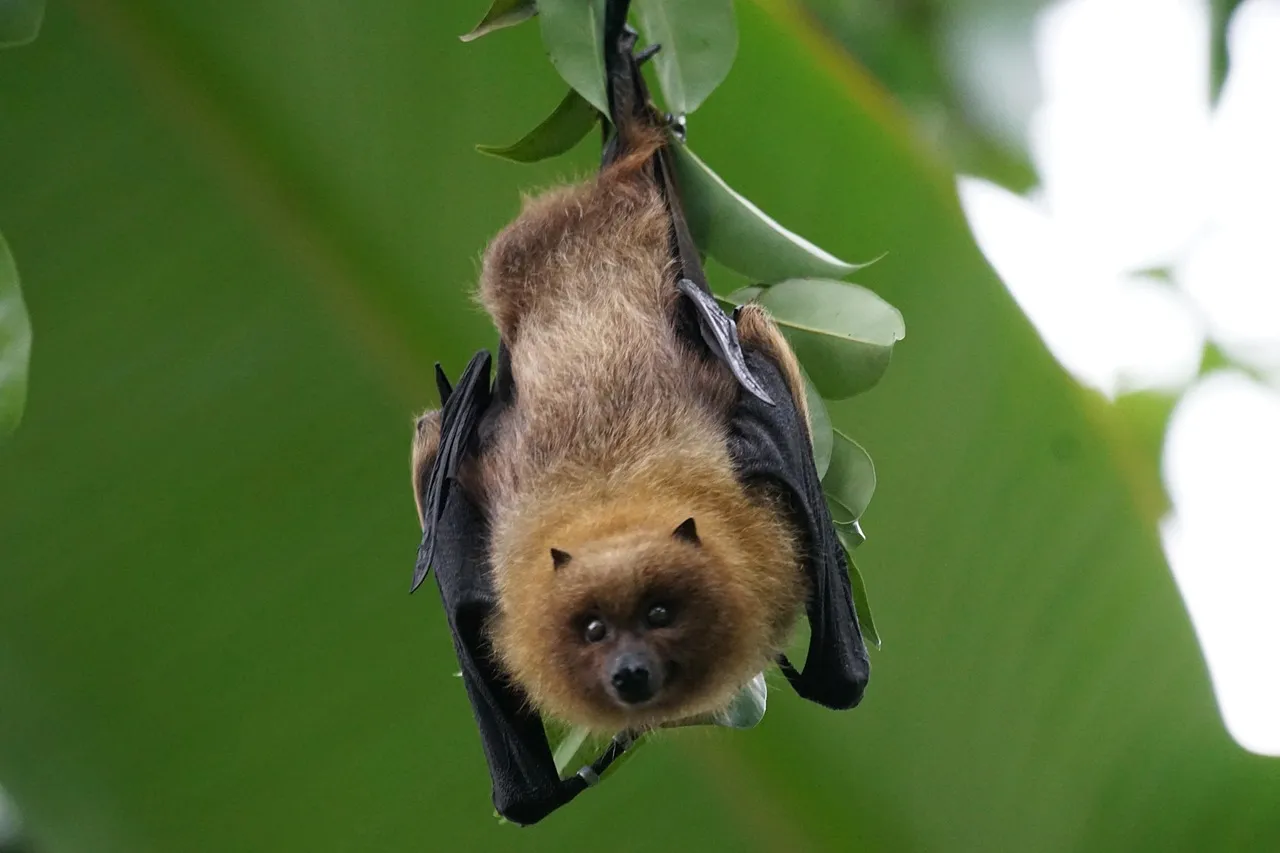
None of this means bats ignore their eyes. Many species, including Kuhl’s pipistrelle, have functional vision and use it whenever the situation allows. They combine this with vision when available.
What is notable is that vision appears to be a bonus rather than a requirement. The study concludes that Kuhl’s pipistrelles can navigate over several kilometers using echolocation alone, and when vision is available, they enhance their navigation performance by combining both senses. That layered approach, sound as the baseline and sight as an enhancement, mirrors how humans might use both a mental sense of direction and a glance at visible landmarks when finding their way through unfamiliar terrain.
#6 A deeper history of bat brains built for space
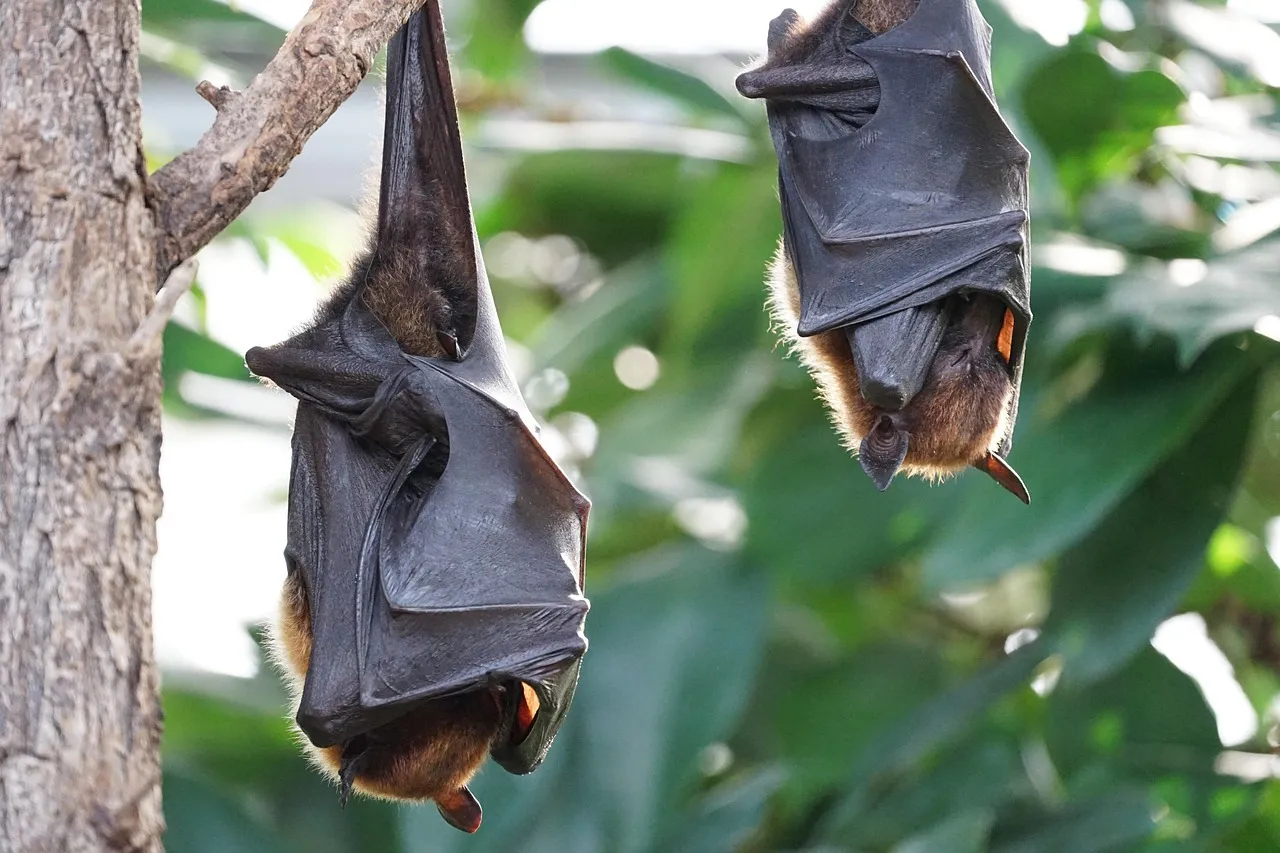
This 2024 study did not emerge from nowhere. It builds on years of neuroscience work, much of it from Nachum Ulanovsky’s lab at the Weizmann Institute and Yossi Yovel’s lab at Tel Aviv University, examining exactly how bat brains encode space. Researchers conducting neural recordings in bats found head-direction cells tuned to azimuth, pitch, or roll, organized along a functional-anatomical gradient in the presubiculum, transitioning from 2D to 3D representations.
That is a fairly technical way of saying bats have brain cells that track not just which way they are facing on a flat plane, but their full orientation in three dimensional space, something that matters a great deal for an animal that flies rather than walks. Earlier work from these same research circles had already demonstrated large scale spatial memory in bats using GPS tracking rather than acoustic analysis, laying the groundwork for the newer study to isolate echolocation specifically as a navigational tool rather than just one input among several.
#7 Why this reshapes how scientists think about animal cognition
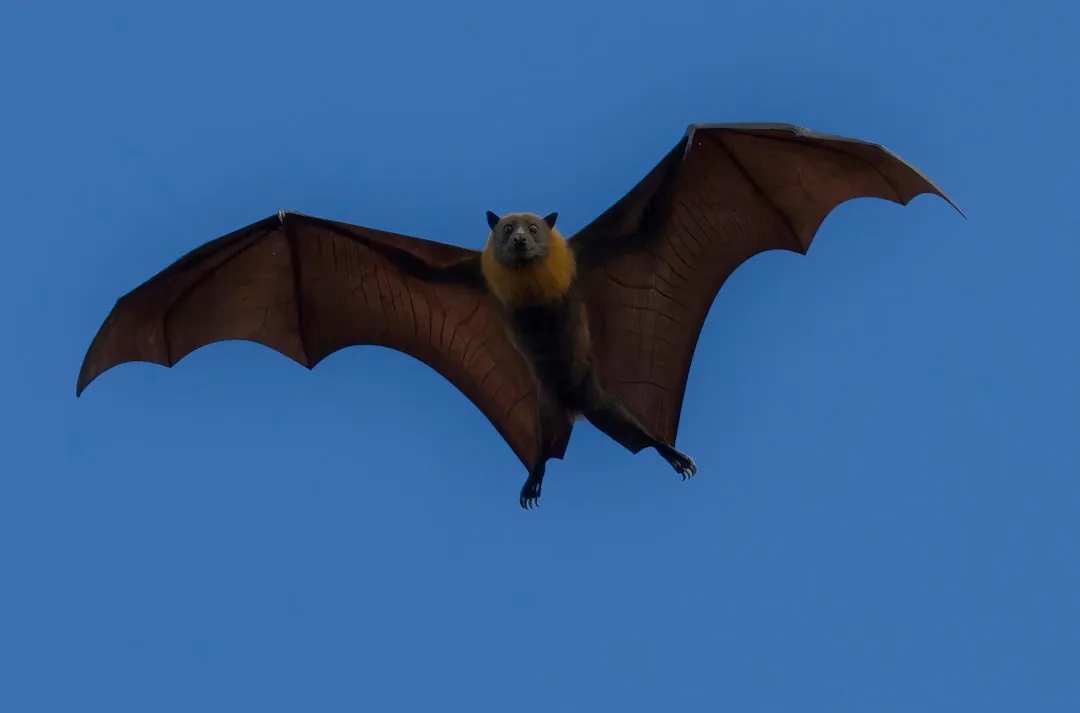
The bigger scientific takeaway is not really about bats alone. It is about what counts as a cognitive map and which senses can build one. The findings suggest echolocation may not only allow for local navigation, but might also translate into an acoustic cognitive map of the environment that the animals can use to navigate over long distances.
That statement quietly upends a long standing assumption in sensory biology, the idea that map-based navigation was mostly the domain of vision, smell, or magnetic sensing in animals like birds and sea turtles. By translocating wild Kuhl’s pipistrelle bats and tracking their homing abilities while manipulating their visual, magnetic, and olfactory sensing, researchers showed that bats can identify their location after translocation and conduct several-kilometer map-based navigation using solely echolocation. Ruling out those other senses one by one is what makes the conclusion hold up rather than just sound impressive.
Final thoughts
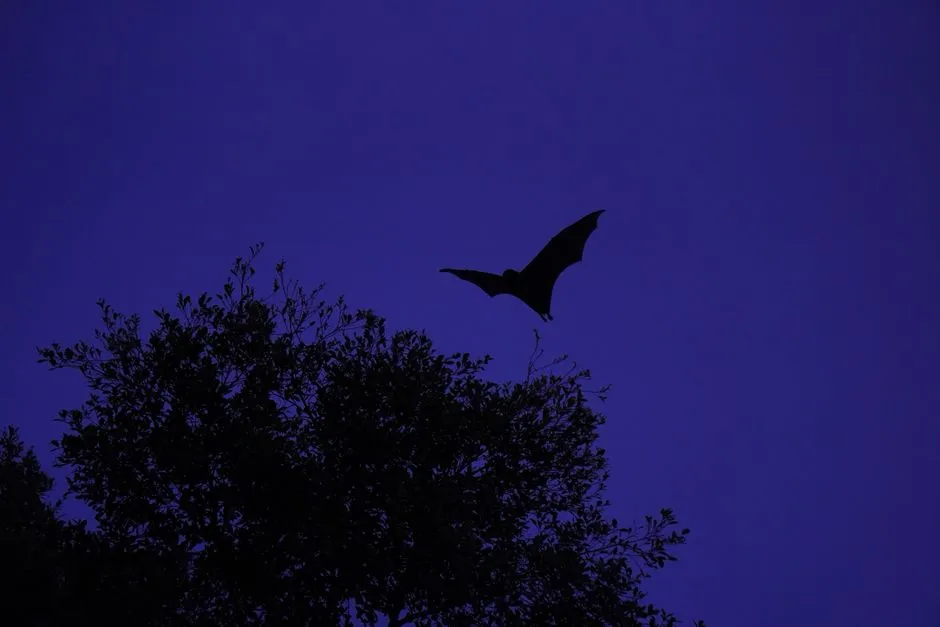

- Animal Science Says Bats Build Detailed Acoustic Maps Instead of Simply Flying by Instinct - August 21, 2026
- What It Means When Bluebirds Suddenly Stop Visiting a Nest Box - August 21, 2026
- Animal Science Says Orcas Pass Hunting Traditions Down Through Families Like Cultural Knowledge - August 21, 2026