

Most cat owners are convinced they’d instantly know if their senior cat was in pain. Veterinary nurses see the opposite play out every single shift. The mellow fourteen-year-old everyone describes as “just sleeping more now” is often the same cat quietly living with arthritis, nausea, or confusion that nobody at home ever clocked.
Feline aging isn’t a gentle slide into more naps and fewer zoomies. It’s a slow pile-up of invisible changes, because cats are biologically wired to hide exactly the things that would worry you most. The nurses who hold your cat during exams, clean their cages, and watch them in the quiet moments between appointments see the truth long before most owners do – and what they wish you understood might change how you look at your own old cat tonight.
#1 – Fourteen Is Not “Old Enough To Give Up”
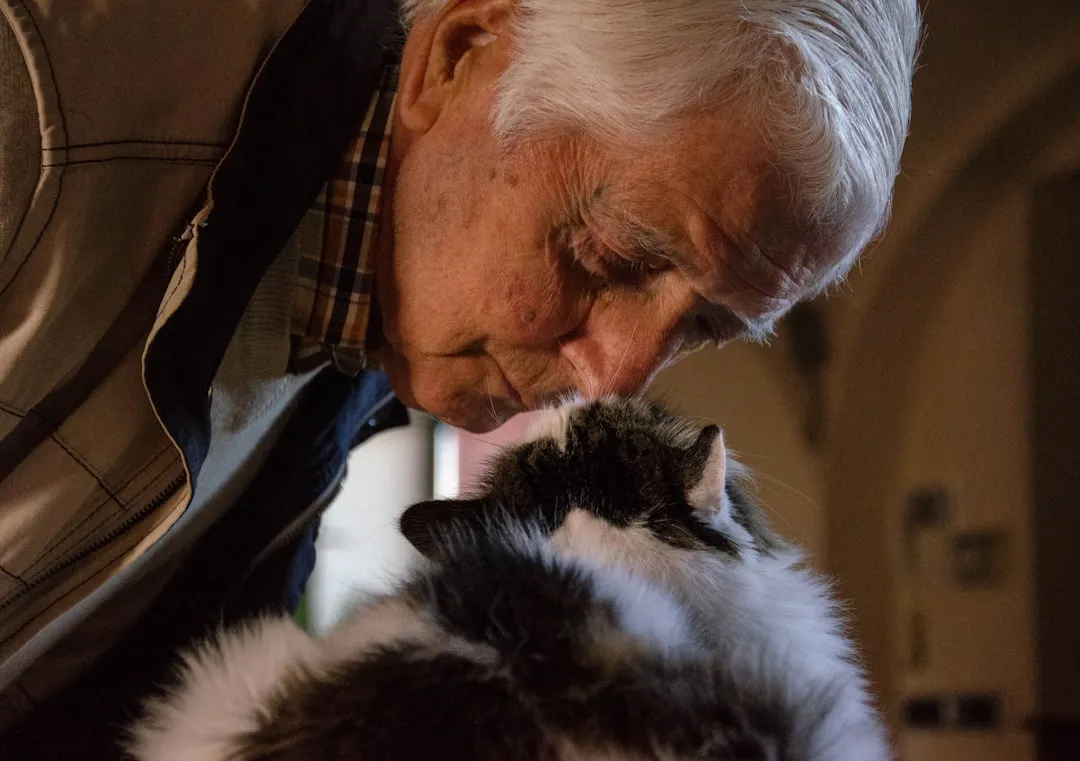
Veterinary nurses cringe every time they hear, “Well, she’s fourteen… what do you expect?” Age is not a diagnosis. A huge amount of what people write off as “just old” is actually treatable disease, not a clock quietly running out.
Arthritis, high blood pressure, early kidney trouble, even dental pain can often be managed so an elderly cat feels noticeably better within weeks. Nurses watch cranky, withdrawn cats turn back into purring couch buddies simply because someone finally treated the aches their owner had assumed were normal. A fourteen-year-old indoor cat can, with basic senior care, live happily into her late teens – but only if someone keeps looking for what’s fixable instead of shrugging it off.
#2 – “Slowing Down” Is Very Often Code For Pain
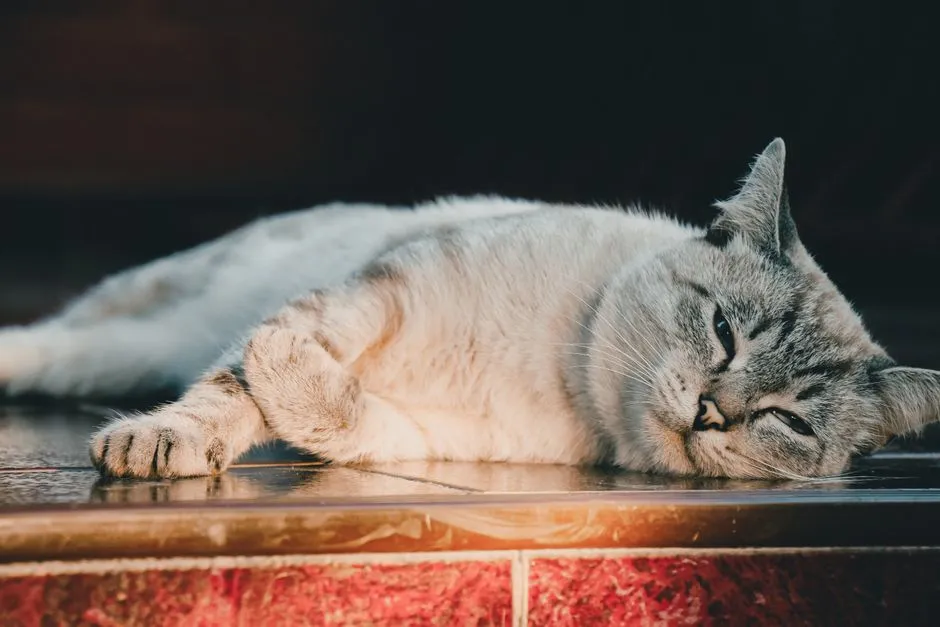
Most owners assume a cat who jumps less or avoids the stairs is simply mellowing out with age. Nurses watch those same cats wince when they’re lifted, hesitate before landing from a small height, or flinch the moment their hips are touched.
In cats over fourteen, arthritis is closer to the norm than the exception – they just don’t limp like dogs do. Instead they quietly adjust: skipping the windowsill, using the litter box less precisely, grooming less, sleeping flatter. Simple fixes like joint supplements, pain medication, ramps, and softer bedding can turn an “old, grumpy” cat back into a comfortable one almost overnight. Some techs will tell you flatly that ignoring obvious stiffness because “she’s old anyway” borders on neglect.
Fast Facts
- Around 90% of cats over 12 show X-ray evidence of joint arthritis
- Fewer than 20% of arthritic cats are ever formally diagnosed, because they hide it so well
- Cats rarely limp the way dogs do – they simply jump less, groom less, and sleep more
- Common early clues include hesitating before a jump, avoiding stairs, or skipping a favorite windowsill
#3 – Dental Disease Hurts More Than You Think
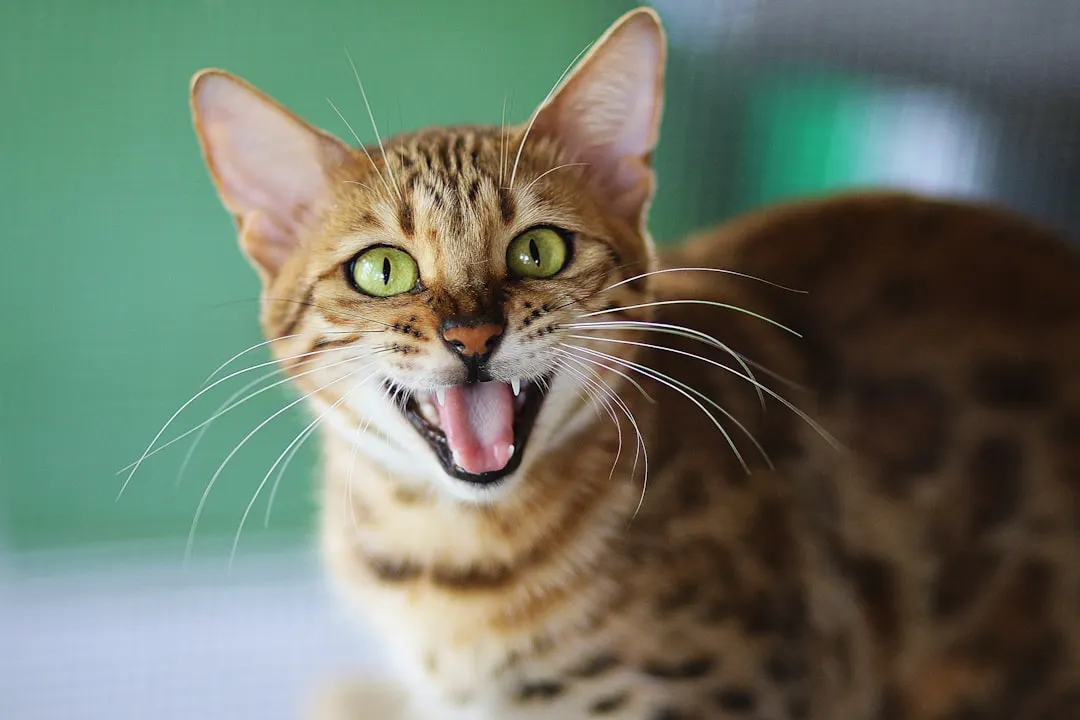
That “old cat smell” coming from the mouth isn’t cute, and it definitely isn’t harmless. Nurses spend an uncomfortable amount of time wiping bloody drool off carriers after senior cats hiss or cry the second their mouth is examined.
By fourteen, many cats are living with deep dental disease that makes every single bite hurt. They keep eating – because survival demands it – but they chew on one side, drop kibble, or wander away mid-meal. Owners often refuse dental cleanings in geriatric cats, terrified anesthesia is too risky. Nurses see the other side: cats who, after a properly planned dental under modern anesthesia, eat better, groom again, and act visibly brighter within days. In many clinics, a senior dental is the single most dramatic quality-of-life upgrade they ever witness.
#4 – Weight Loss Is Not “A Good Thing” In Seniors
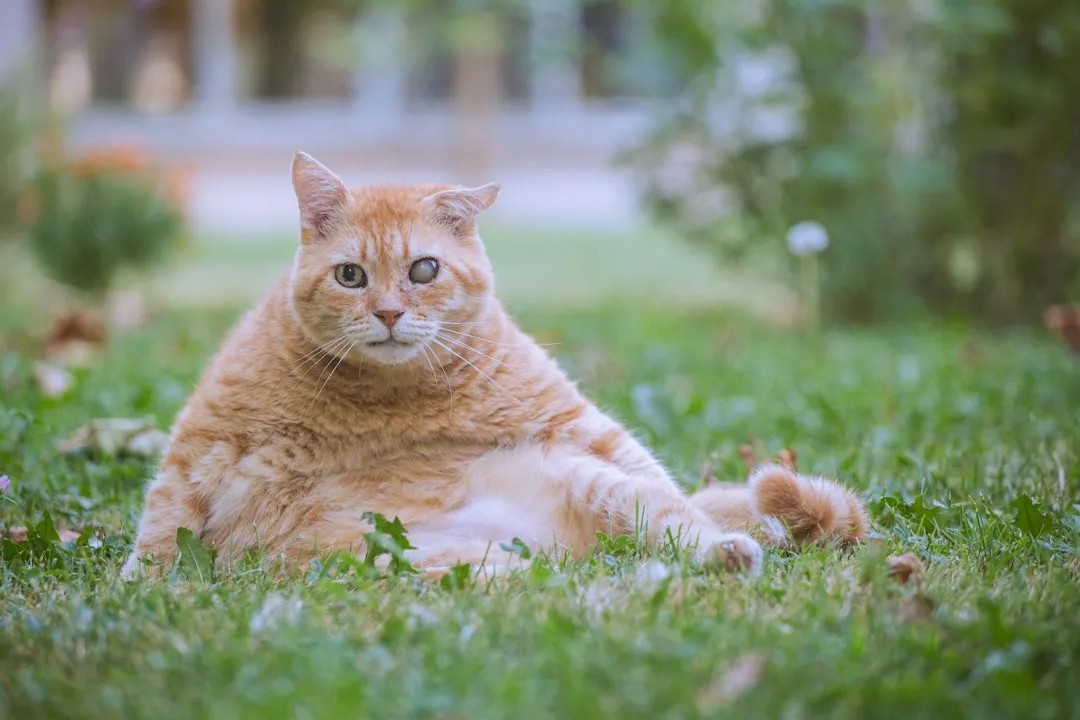
Some owners proudly announce, “He’s finally slimming down!” the moment an older cat starts losing weight. To the nursing staff, that sentence is a blaring alarm bell, not a compliment.
In cats over fourteen, dropping weight without a diet change screams underlying disease – kidney failure, thyroid disease, diabetes, cancer, or gut issues. Because cats are fluff-covered masters of disguise, owners often don’t realize how bony the spine and hips have become until a nurse presses a hand along it. Nurses quietly wish more owners weighed their cats at home every month and booked bloodwork after the first unexplained drop, not after the cat looks like a skeleton wrapped in fur.
#5 – “He Drinks A Lot Of Water Now” Is A Symptom, Not A Quirk
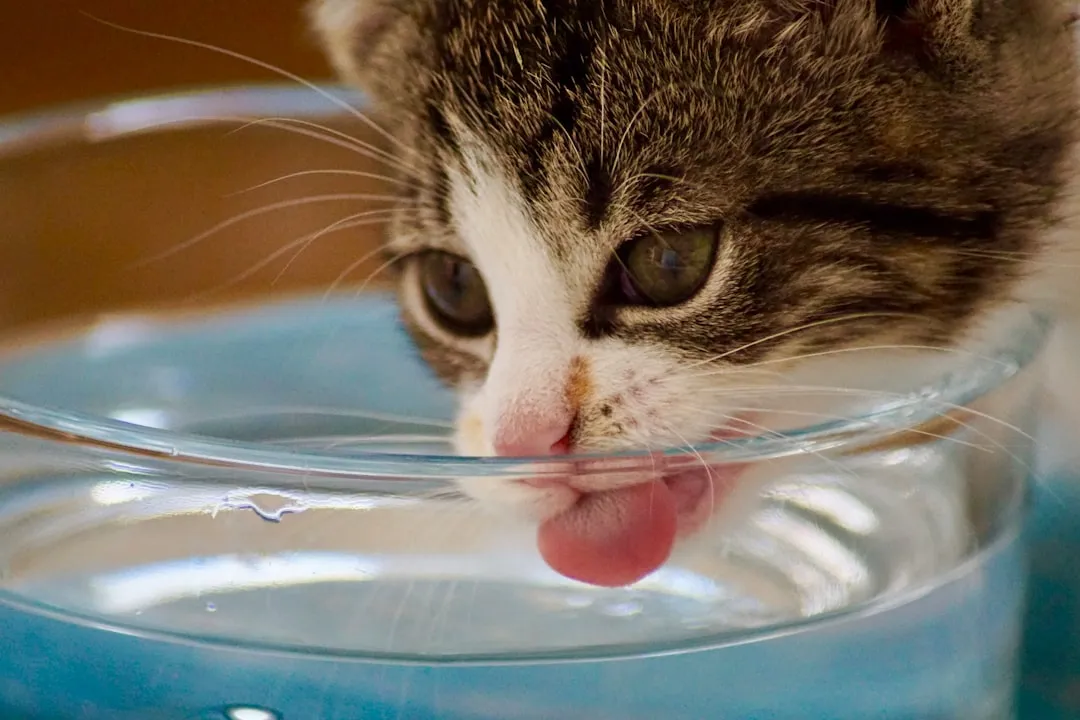
In a young cat, extra water intake might seem worth celebrating. In a fourteen-year-old, nurses file it under “probable disease until proven otherwise.”
Increased thirst and bigger urine clumps are classic early signs of kidney disease, hyperthyroidism, and diabetes – all common in older cats. Owners often notice it for months before mentioning it, assuming it’s just a harmless senior habit. By the time a cat is practically living at the water bowl, the problem is rarely new. Catching it early with simple blood and urine tests usually means gentler treatment and more good years, which is exactly why dismissing those giant litter clumps is one of the biggest missed opportunities nurses see week after week.
#6 – Vomiting Is Not “Just What Cats Do”
Ask long-time owners and plenty will shrug: “He’s always been pukey.” Nurses, who clean those exam room floors daily, see the real pattern – frequent vomiting in an older cat is almost never normal.
An occasional hairball is one thing. Regular clear foam, food, or bile can point to kidney disease, hyperthyroidism, IBD, pancreatitis, or even cancer. Because cats hide nausea by simply eating less and retreating to bed, many owners never realize how miserable their cat actually feels. Nurses compare it to ignoring a check-engine light that’s always on – the car still drives, until suddenly it doesn’t. Treating chronic nausea can soften a senior cat’s entire personality.
#7 – Senior Cats Need More Vet Visits, Not Fewer
Many owners believe older cats should “avoid stress” and therefore see the vet less often. Nurses grit their teeth at this one every time.
The over-fourteen crowd is exactly who needs at least twice-yearly checkups and bloodwork, because a lot can shift in six months in an aging body – subtle kidney changes, thyroid creep, rising blood pressure, all easily missed if you only show up once something is obviously wrong. Nurses would far rather draw a small routine sample from a cat feeling okay than fight to place a catheter in a dehydrated, crashing senior at midnight. If you genuinely hate stressing your cat, early and quiet medicine is the way to avoid the emergency chaos later.
Quick Compare
- Annual checkup only: subtle kidney, thyroid, or blood pressure changes can go unnoticed for months
- Twice-yearly senior visits: catches shifts early, often before symptoms even start
- Reactive care: treating a crisis in an already dehydrated, distressed cat
- Proactive care: a calm, in-and-out appointment while the cat still feels fine
#8 – Litter Box “Accidents” Are Often A Cry For Help
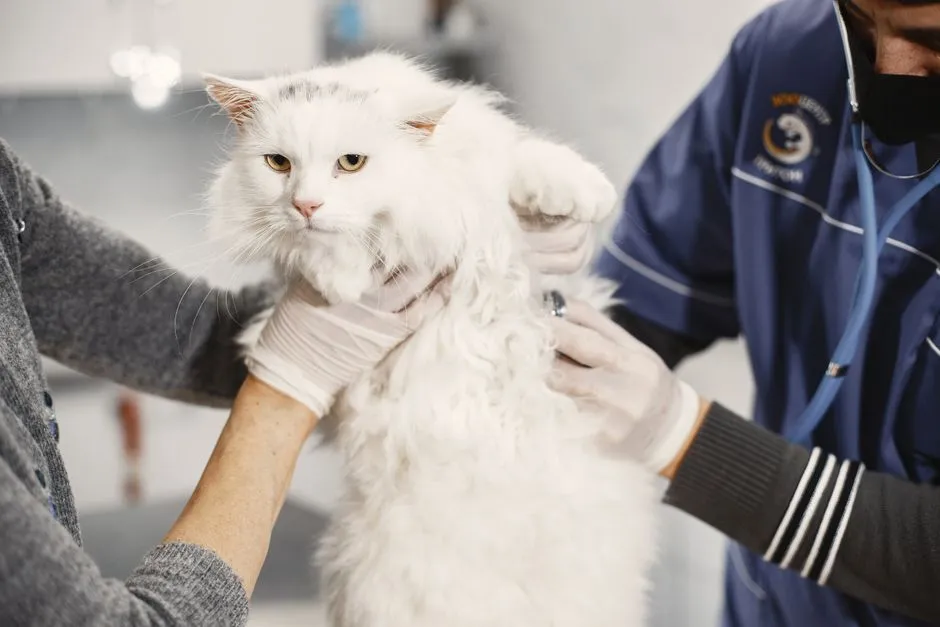
Owners often chalk new pee spots on the rug up to spite or senility. Nurses, who analyze urine and see inflamed bladders on ultrasound, know it’s usually something else entirely: pain, discomfort, or mobility issues.
An arthritic fourteen-year-old might struggle to climb into a tall-sided box or reach a litter tray tucked in the basement. A cat with kidney disease or diabetes may simply need to go more often than their body allows them time for. Veterinary nurses wish owners would never punish a senior cat for “bad” litter habits, and instead try:
- Low-sided, larger boxes placed in multiple quiet locations
- Softer litter that’s gentle on sore, arthritic paws
- A prompt vet check, every single time
“He suddenly started peeing outside the box” is rarely a behavior problem in this age group. It’s almost always medical.
#9 – Grooming Changes Are A Massive Clue
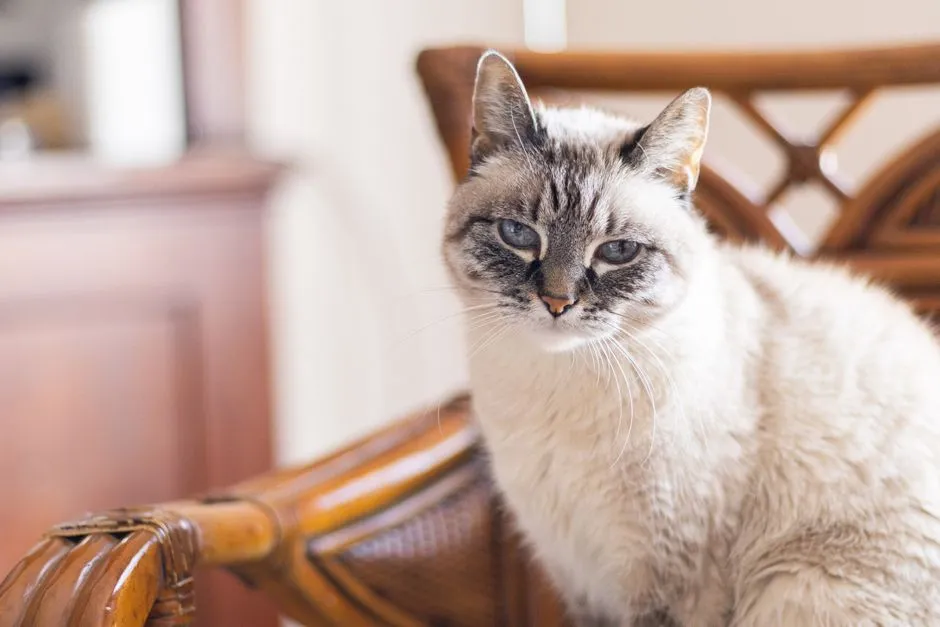
People tend to either ignore coat changes or completely misread them. The scruffy, greasy cat who “doesn’t bother grooming much anymore” is very often uncomfortable or stiff, not simply lazy.
Arthritic cats can’t twist far enough to reach their own backs anymore. Hyperthyroid cats may overgroom their bellies and legs into thinning patches, while kidney cats develop dull, unkempt fur because they feel slightly lousy most of the time. Nurses see real emotional shifts when someone finally starts gentle daily brushing – old cats who lean into it like a spa treatment and start purring for the first time during a hospital stay. That rough coat isn’t cosmetic. It’s one of the earliest, clearest signs a cat’s comfort has slipped.
#10 – Behavioral “Grumpiness” Is Often Physical Suffering
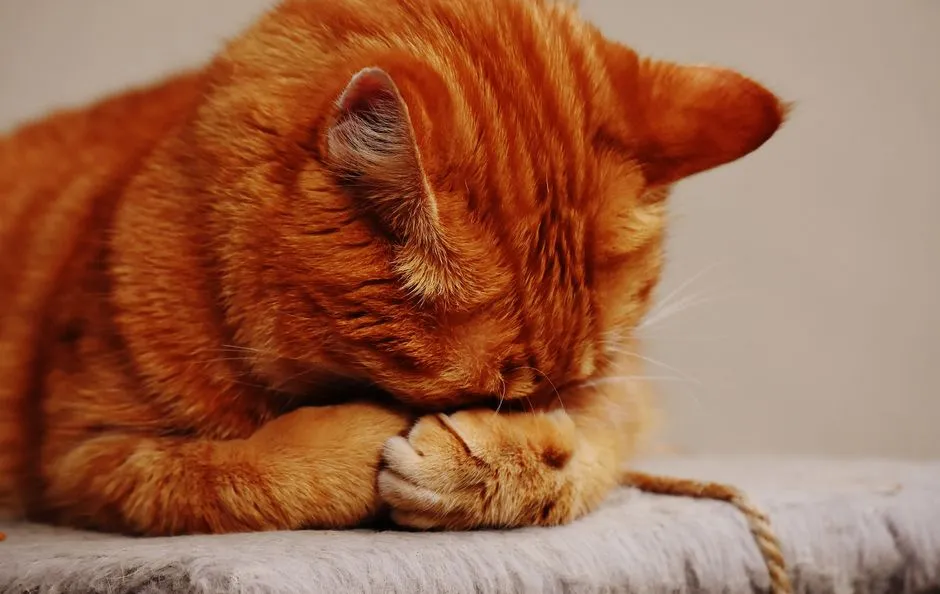
“He’s gotten really cranky in his old age” is a sentence nurses hear multiple times a day. Then they gently press along that cat’s spine or hips, and he hisses, growls, or tries to bite.
Irritability, hiding, swatting, and avoiding touch are classic signs of pain or nausea in cats over fourteen. They don’t have many ways to say “I hurt,” so they simply opt out of interaction, or lash out when it’s forced on them. Once pain control, nausea medication, or anxiety support is in place, some of those “grumpy” cats soften dramatically within days. The “he hates everyone now” story is, more often than not, a medical story wearing a personality costume.
#11 – Senior Cats Feel The Cold Much More Than You Think

Most owners assume that if a house feels fine to them, it feels fine to their cat. Nursing staff see frail seniors with thin bodies and poor muscle mass shivering during exams or curling into tight, tense balls inside chilly cages.
Thin fourteen-plus cats lose body heat quickly, especially overnight or on hard floors. Constantly seeking warm spots, sleeping glued to a radiator, or avoiding tile floors aren’t quirky habits – they’re quiet signals the cat is cold. Nurses wish more owners would offer soft, padded beds in draft-free spots and safe, pet-rated heating pads or microwavable warmers. Warmth isn’t just comfort here; cold muscles hurt more, especially arthritic joints, so a warmer room can genuinely reduce pain.
#12 – Environment Changes Matter Way More In Old Age
Veterinary nurses regularly see senior cats fall apart behaviorally after seemingly small home changes – new furniture, a moved litter box, a new baby, another pet added to the house.
Geriatric cats have far less resilience to stress than they used to. What a young adult cat shrugs off can send an older cat into hiding, off their food, or peeing in odd places, partly because dulled eyesight, hearing, and cognition make the world feel less predictable already. When an owner says, “He’s just not himself since we remodeled,” nurses quietly think: of course he’s not. Keeping food, water, and litter in consistent spots, offering safe retreats, and introducing changes slowly can prevent a lot of fallout that later gets mislabeled as a “behavior problem.”
Worth Knowing
- New furniture, a moved litter box, or an added pet can trigger sudden hiding or house-soiling
- Declining eyesight and hearing make once-familiar homes feel less predictable
- Keeping food, water, and litter boxes in the same spots reduces disorientation
- Slow, gradual introductions to any change give an aging cat time to adjust
#13 – Their Appetite “Picky-ness” Is Often Nausea, Not Personality
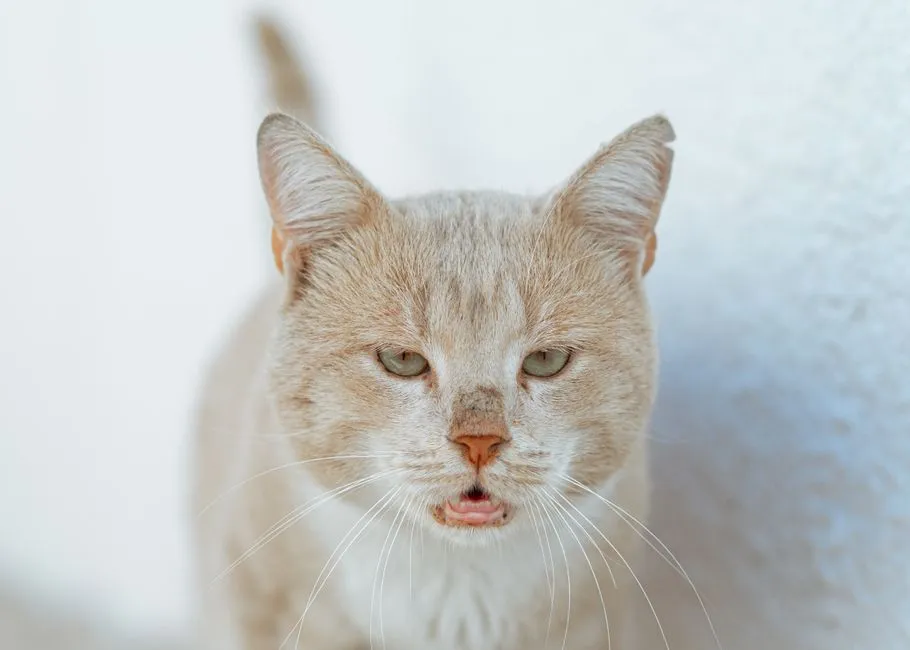
“He’s always been fussy” can hide a surprising amount of gastrointestinal discomfort in seniors. Nurses notice the pattern: the cat who licks gravy but leaves the chunks, sniffs food and walks away, or eats a few bites before hiding under the bed.
In older cats, subtle appetite changes often signal chronic nausea, mouth pain, or organ disease long before anyone would call the cat “sick.” Warming food, offering softer textures, or raising bowls for arthritic necks all help, but they’re not the root fix. Nurses wish more people would treat “picky eating” in a fourteen-year-old as a legitimate medical concern rather than a personality quirk, because treating the underlying discomfort can completely rewrite that “he’s just fussy” story.
#14 – Jumps, Stairs, And Heights Can Suddenly Become Dangerous
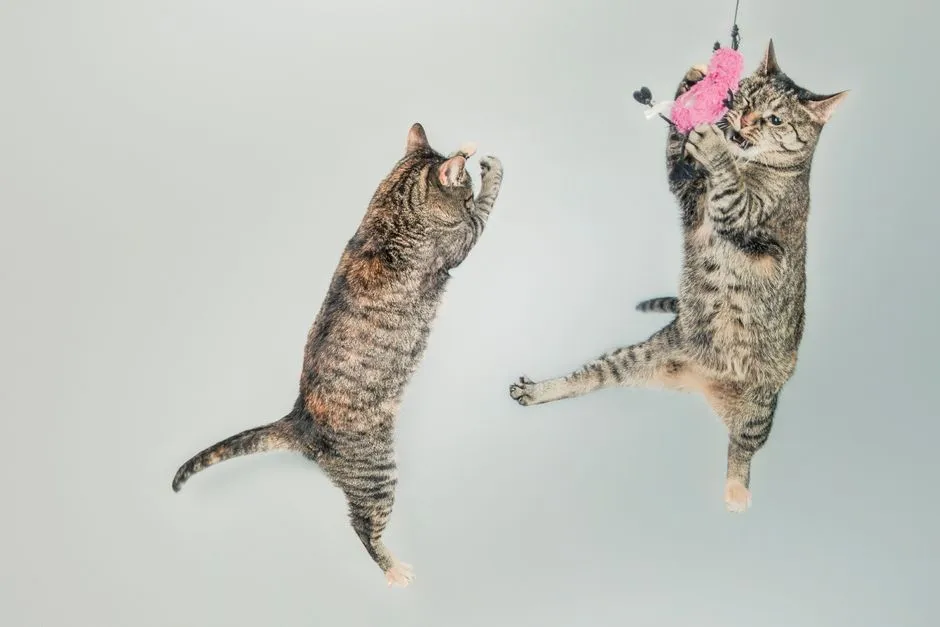
Photos of seniors perched proudly on high shelves look adorable, right up until the moment they misjudge a jump. Nurses see the aftermath in the exam room: sprains, fractures, even dental trauma from face-plants off countertops.
Aging cats lose muscle, flexibility, and depth perception all at once, and arthritis makes both takeoff and landing genuinely risky. That cat who used to launch onto the fridge without a thought may one day pause, scramble, or slip. Nurses quietly encourage age-proofing the home with steps or ramps to favorite beds, couches, and windowsills, and blocking off the most dangerous heights entirely. This isn’t about bubble-wrapping your cat – it’s about accepting that physics has changed for their body, even if their confidence hasn’t caught up yet.
#15 – Senility (Cognitive Dysfunction) Is Real – And It’s Not Just “Being Weird”
Pacing at night, staring blankly at walls, getting stuck in corners, yowling for no obvious reason – owners often joke about their “old man losing his marbles.” Nurses take it far more seriously.
Feline cognitive dysfunction is real brain aging, similar to dementia, and it can be genuinely frightening for the cat living through it. They may forget the route to the litter box, feel disoriented in the dark, or seem clingy one moment and confused the next. Nurses wish owners would stop laughing off nighttime yowling and start recording it for the vet instead, because routines, nightlights, puzzle feeders, certain diets, and sometimes medication can all help. Comforting a confused cat isn’t just kindness – it’s treatment, and dismissing their anxiety as “just old and weird” is one of the crueler unintentional mistakes nurses see.
At A Glance: Signs Of Cognitive Decline
- Yowling at night for no obvious reason
- Staring blankly at walls or getting stuck in corners
- Confusion about the litter box location
- Sudden clinginess or moments of disorientation
#16 – “Indoor Only” Does Not Mean Safely Bored For Life
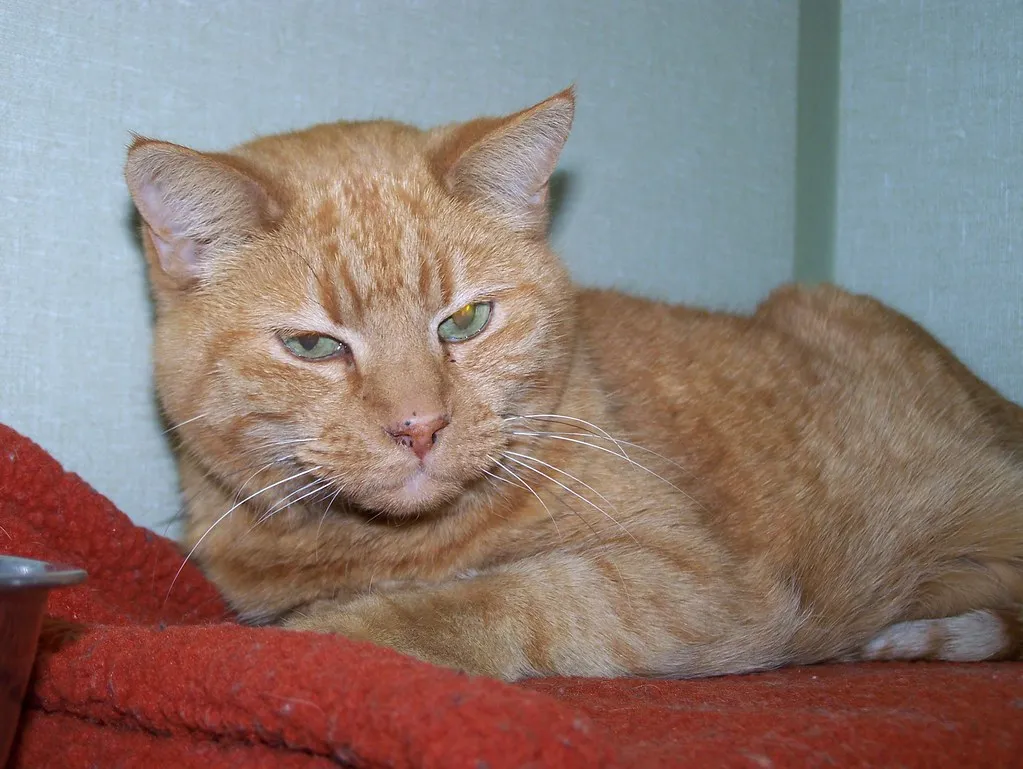
Many people assume an indoor senior cat is automatically safe and content. Nurses watch those same cats sit frozen and overwhelmed in hospital cages, because their entire home world had shrunk down to one couch and one food bowl.
Old cats still need mental stimulation, gentle play, and a sense of choice. Without it, they stiffen faster, lose muscle, and can slide into something that looks a lot like depression. Slow wand-toy sessions, food puzzles adjusted for seniors, safe bird-watching perches, and rotating textures and resting spots all help keep an aging mind engaged. A fourteen-year-old doesn’t need kitten chaos, but the myth that seniors “just sleep all day and that’s fine” quietly hides a lot of under-stimulation.
#17 – Emergency Trips Are Often The End Result Of Long-Ignored Little Things
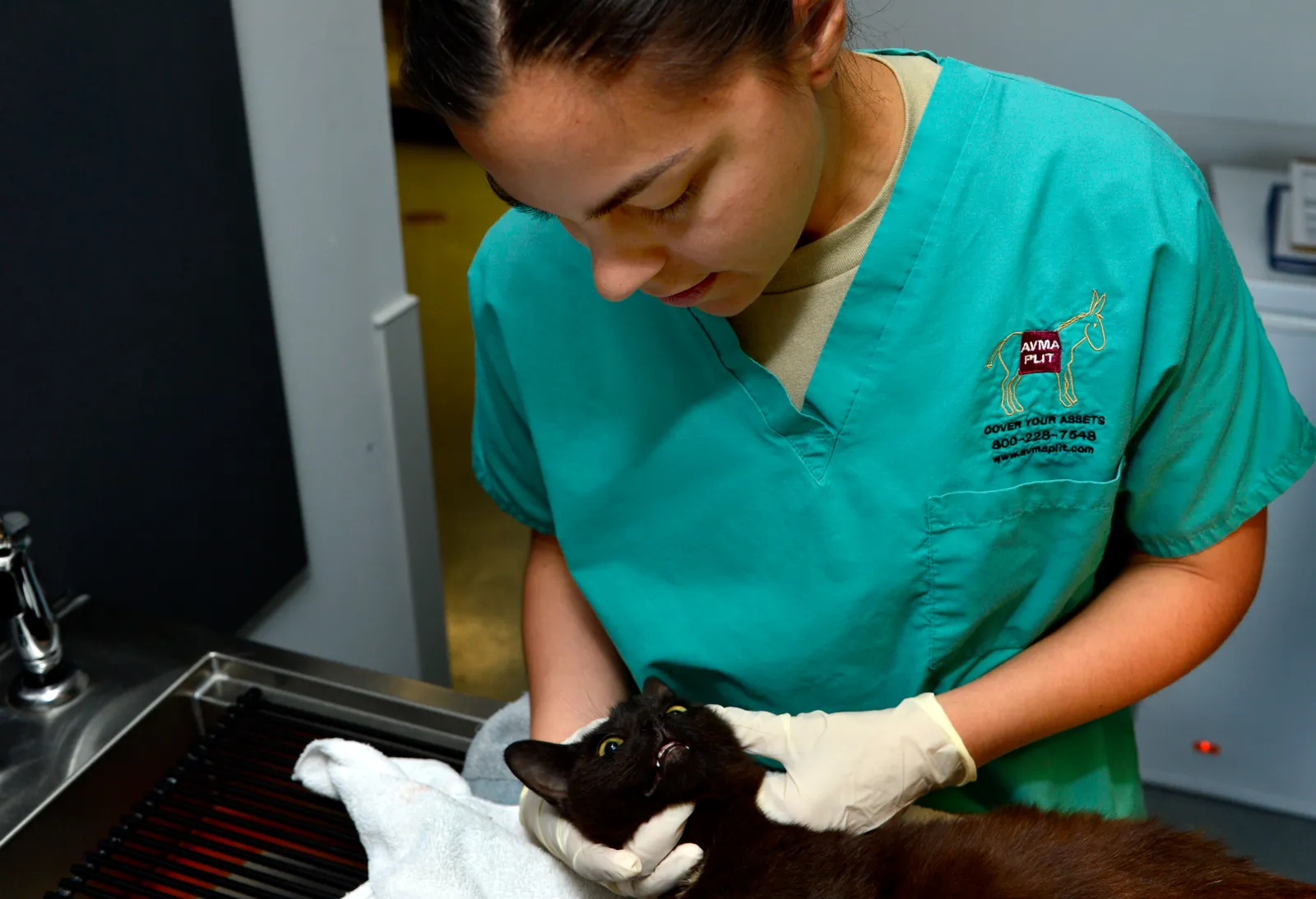
From a nurse’s perspective, the “sudden crash” is almost never actually sudden. What owners experience as an overnight downturn in a senior cat usually has weeks or months of quiet warnings behind it.
A little weight loss, a bit more drinking, slightly more pee, a skipped meal here and there – stacked together, these signals point to a body sliding steadily toward crisis. Nurses aren’t blaming owners; they know how easy it is to miss slow change when you see your cat every single day. But they also know the late-night oxygen cages, IV lines, and frantic phone calls could often have been avoided if those small changes had triggered a calm daytime visit weeks earlier instead.
#18 – You’re Allowed To Ask About Comfort, Not Just Cure
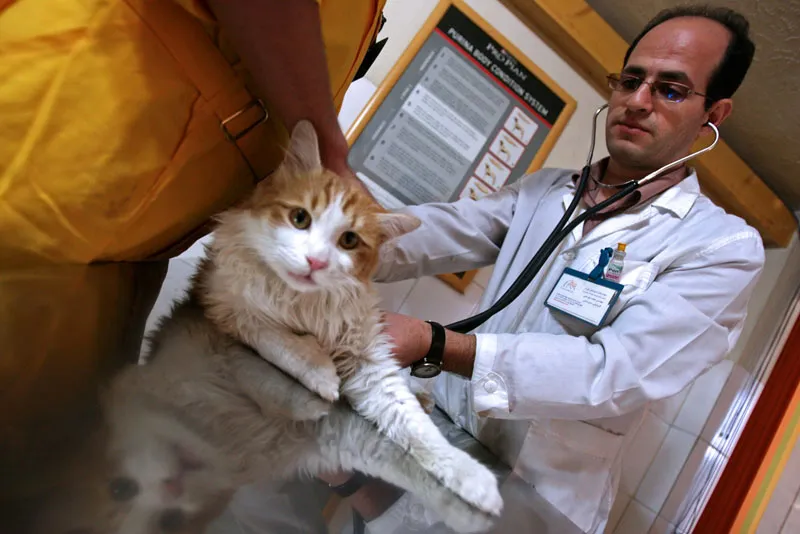
In exam rooms, nurses often watch owners hesitate before asking the real question hanging in the air: “Is she still happy?” It’s a question people are strangely afraid to say out loud.
Geriatric medicine isn’t only about adding time – it’s about improving the time that’s left. Pain control, anti-nausea medication, appetite stimulants, anxiety support, and small environmental tweaks are all comfort tools nurses wish more people requested openly and earlier. Some owners worry that asking about quality of life means they’re “giving up.” Nurses feel the exact opposite: waiting until a cat is miserable to bring up comfort is what truly fails them, and prioritizing ease and peaceful days over squeezing out every last possible month is completely valid.
#19 – Planning For A Good Goodbye Is A Gift, Not A Betrayal
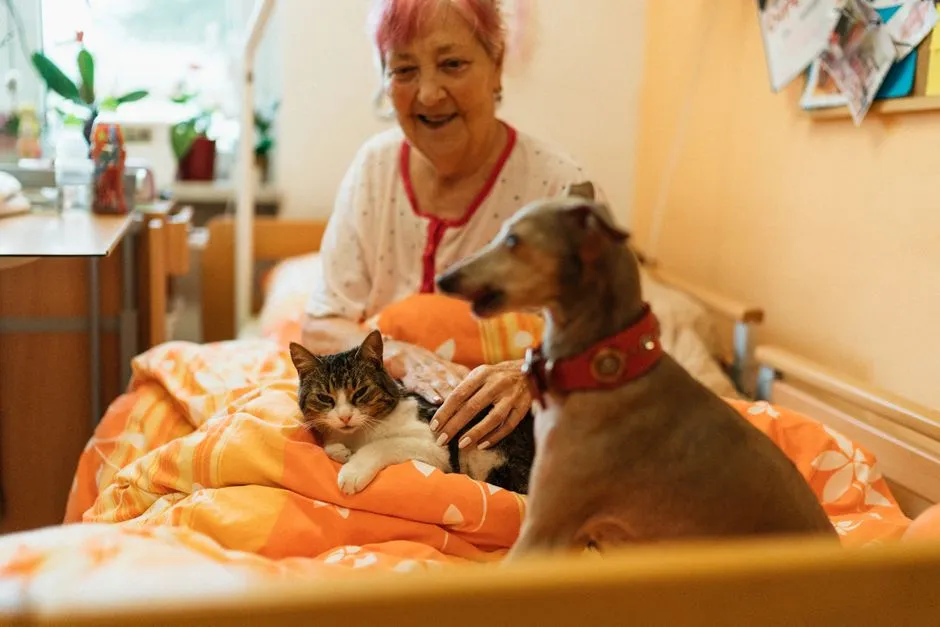
This is the part nurses whisper about in the treatment area after the hardest appointments. The worst days at a clinic are the ones where a cat is clearly suffering and the family is still clinging to “one more week” because they aren’t emotionally ready to let go.
The best days, quietly, are the ones where a family comes in early and simply says, “We don’t want him to hurt,” choosing to let their old friend go while good moments still remain. Veterinary nurses wish more owners knew that you are not “killing them too soon” if suffering is just around the corner, that a peaceful goodbye at home or in a quiet room is often the kindest final act, and that it’s healthy to talk about this plan long before you actually need it. They will always remember the cats whose owners chose a gentle ending over dragging out pain – more than anything else, that’s what they wish every guardian of a cat over fourteen truly understood.
The nurses who see this every day aren’t trying to scare you – they’re trying to hand you a shortcut they wish someone had handed them. From “slowing down” that’s actually untreated pain to “picky eating” that’s really hidden nausea, the story of a fourteen-plus cat is almost never just “getting old.” It’s a thousand small, fixable discomforts that either get caught early or quietly snowball into a crisis.
Here’s the opinion most clinics won’t say out loud: writing off symptoms because “she’s old anyway” isn’t harmless resignation, it’s a choice, and it often costs you good days you could still have had together. The flip side is genuinely hopeful – senior cats respond beautifully to thoughtful care, comfort-focused medicine, and a little more urgency from the humans who love them. So which of these nineteen hit closest to home, and what are you actually going to do differently for your old cat this week?
