

Most people hear “goat” and picture a mischievous escape artist chewing on a fence, or a stubborn farm animal that does whatever it wants and ignores everyone else. But quietly, over the last several years, animal cognition research has been rewriting that story in a way that’s honestly pretty surprising. When scientists have put goats in carefully designed tests, they keep bumping into the same unexpected truth: these animals pay attention to us far more, and understand us far better, than their gruff reputation would ever suggest.
If you have ever had a goat fix you with that intense, sideways stare, you might have assumed it was just being weird. It turns out that stare can be part of a subtle, social, problem‑solving toolkit. Goats watch us, follow our gestures, and even change their behavior depending on how responsive we are. That does not mean they are furry mind readers or secret geniuses, but it does mean they belong in the same conversation as dogs, horses, and pigs when we talk about animals that can read human cues. And once you see goats this way, it becomes hard to look at them as “just livestock” again.
From “Stubborn Farm Animal” To Social Mind Reader
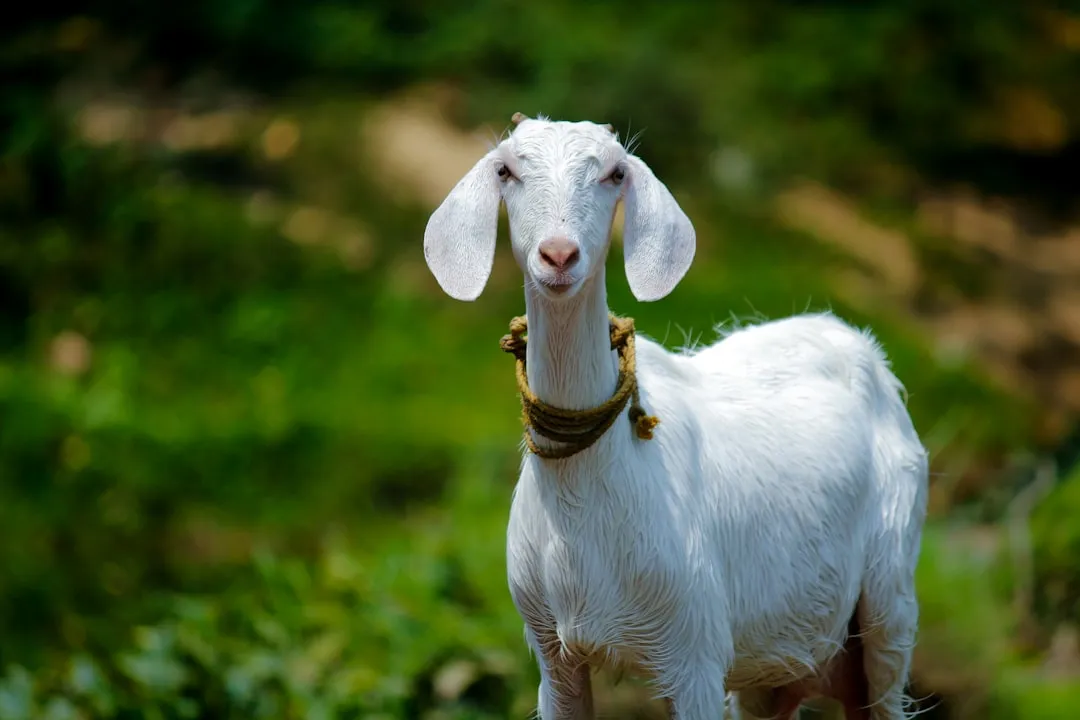
The classic goat stereotype is simple: headstrong, difficult, and not especially bright. That image grew out of centuries of practical farming, where a goat that keeps testing the fence line or refuses to move on cue is branded as trouble. It is easy to slide from “independent” to “stupid” when you are frustrated and trying to move a herd in the rain. But science has started to peel back the layers and ask a more careful question: what is actually going on inside a goat’s head when it interacts with a human?
When researchers bring goats into controlled experiments and remove the chaos of the barnyard, a totally different picture emerges. Given clear choices and consistent human signals, goats are not randomly stubborn at all; they remember locations, learn tricks, and respond to our bodies in subtle ways. In some tests, they rival dogs in tasks like finding hidden food using human pointing or gaze. That does not erase all the stubbornness farmers talk about, but it does show that “stubborn” is only part of the story, and sometimes it is our communication, not their cognition, that is falling short.
What The Clever Experiments Actually Show

So how do we know goats can read human gestures and not just stumble onto the right answer by accident? In several studies, goats were placed in pens with two identical buckets or containers, one with food and one empty. A human experimenter knew where the treat was but the goat did not. The person then used different cues – like pointing, looking, or a combination of head and eye movement – to indicate the baited container while staying neutral in every other way.
Over repeated trials, goats consistently used those human gestures to pick the correct container more often than you would expect from random guessing. When the gesture was removed or misleading, their success dropped, which suggests they were not just following smell or a favorite side. That pattern is exactly what researchers look for when they test social understanding in dogs and horses. The takeaway is pretty simple but powerful: goats watch our bodies, notice where we are directing our attention, and turn that into a practical decision about where to go.
Goats Do Something Extra: They Ask Us For Help
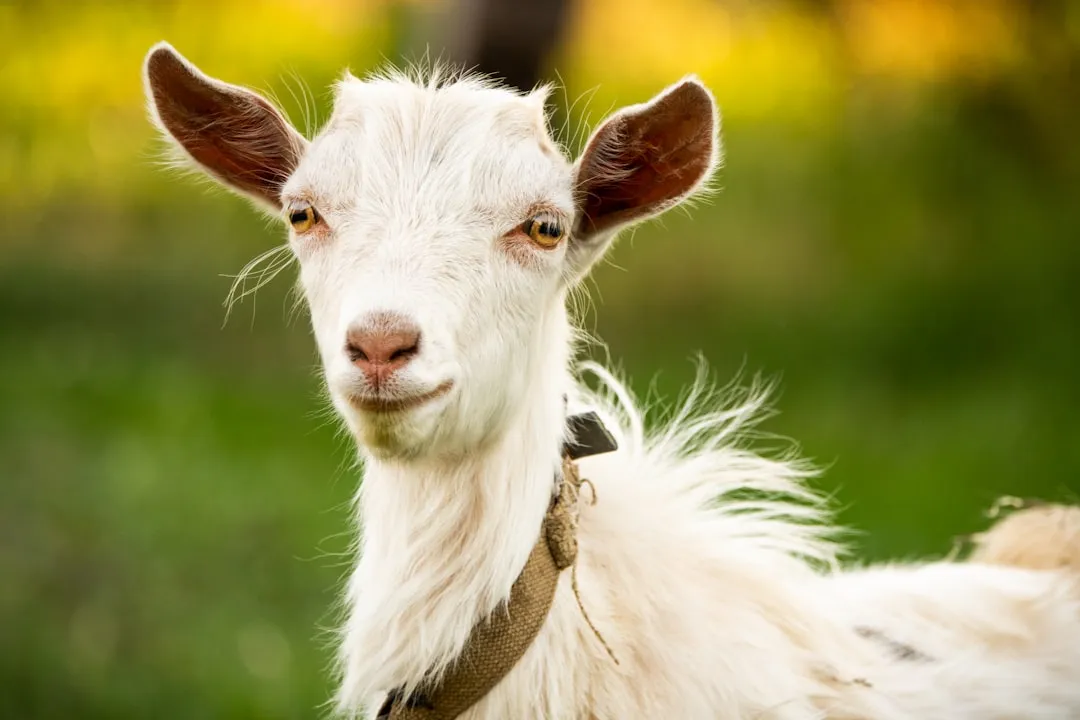
One of the most striking findings is that goats do not just read signals when we offer them; they also actively seek our help when they are puzzled. In some experiments, food was placed in a transparent container that goats could see but not easily open. At first they tried to solve the problem by themselves, nudging and pawing at the barrier. When that failed, something social kicked in: they started looking repeatedly toward the nearby human’s face, switching their gaze between the person and the unreachable food.
This kind of “social referencing” behavior is a big deal. It means the goats were not simply giving up; they were, in a sense, asking questions with their eyes, almost like a dog that looks at you when its ball is stuck under the couch. The goats also adjusted how long and how often they looked depending on whether the human seemed attentive or turned away. To me, that screams of a basic understanding that humans can be useful partners, not just background furniture or moving obstacles in their environment.
Why Gesture Reading Is A Big Cognitive Deal
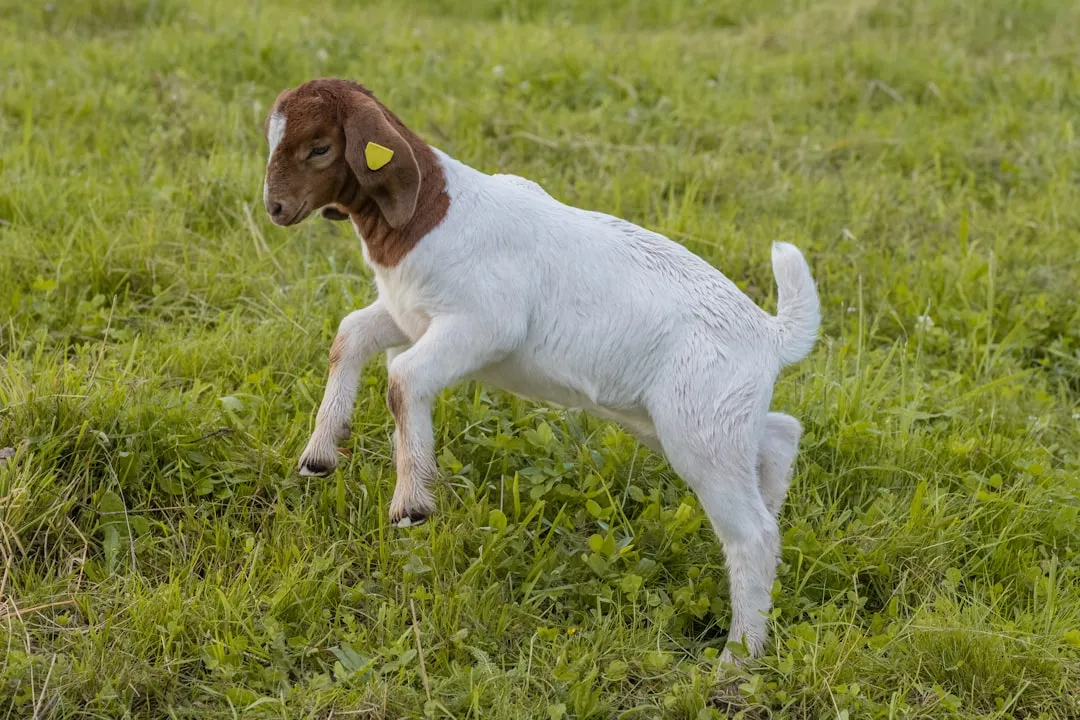
On the surface, following a pointing finger might not sound that impressive – toddlers do it, after all. But from an animal cognition point of view, it is surprisingly demanding. The animal has to understand that your arm and hand are not the goal themselves; they are symbols pointing toward something else that cannot be sensed directly yet. It is a small step toward shared attention, a building block of more complex communication.
Plenty of animals, including highly intelligent species, struggle with this. Many apes, for example, find human pointing confusing unless they are extremely familiar with people. The fact that goats, which we often dismiss as simple farm animals, can do it reliably says a lot about how evolution and domestication have shaped their minds. It suggests that living alongside humans, even mostly as livestock, can push a species to tune into our subtle hints because doing so pays off in access to food, safety, or comfort.
Domestication Shaped Their Minds More Than We Thought
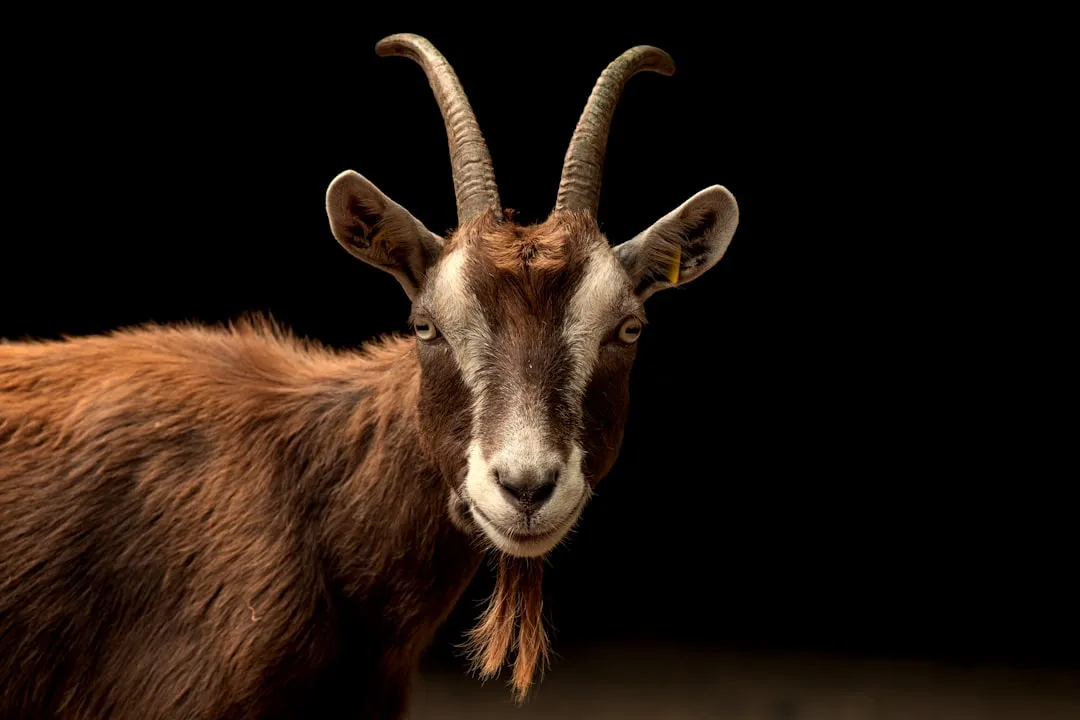
Dogs get most of the glory when we talk about animals that understand humans, and for good reason: they were deliberately bred over thousands of years to cooperate with us. Goats, by contrast, were mainly selected to be hardy, reproduce well, and provide milk, meat, or fiber. They were not bred for obedience or cuteness in the same focused way. That is exactly why the findings on goat cognition are so intriguing; they suggest that simply being domesticated, even as “utility animals,” is enough to nudge a species toward reading human behavior.
When you keep generations of animals around people, feed them, move them, and handle them daily, you create a powerful social environment. In that world, watching humans closely becomes a survival strategy: the animals that can anticipate our actions and respond to our signals are more likely to thrive. Goats seem to have ridden that wave quietly in the background, developing a surprisingly sophisticated social toolkit without us ever deliberately aiming for it. In a way, their minds evolved in the slipstream of our routines.
Emotion In Those Famous Goat Eyes
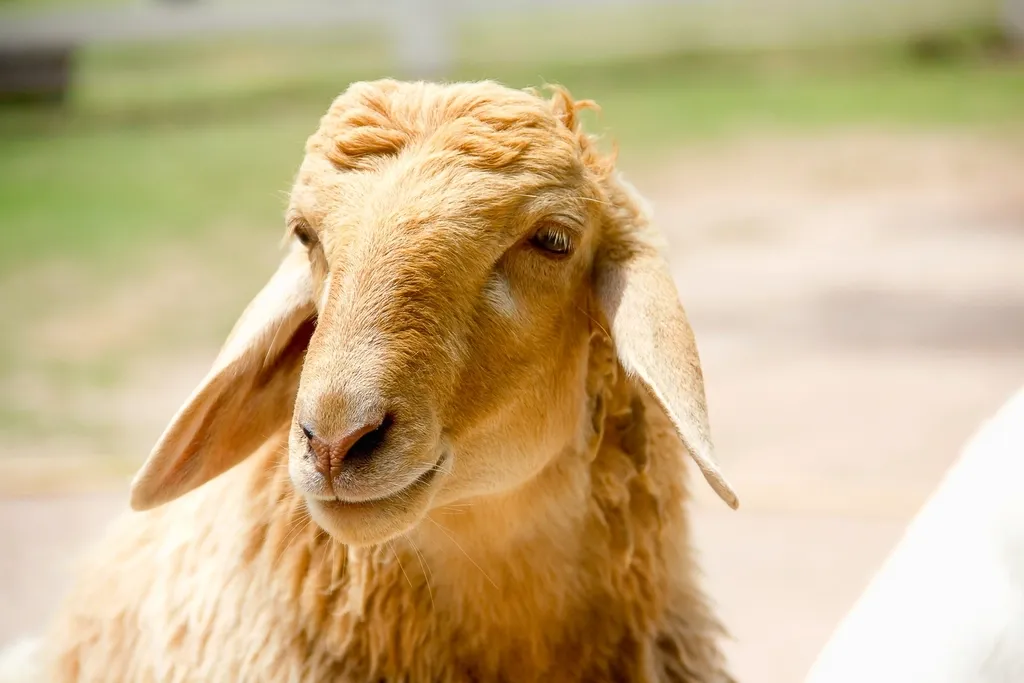
If you have ever locked eyes with a goat, you know it feels different from looking at a cow or a chicken. Those horizontal pupils give their gaze an intense, almost alien quality, and it is tempting to write it off as creepy or blank. But when researchers looked more closely, they found that goats can distinguish between different human facial expressions and may react differently depending on whether our faces look relaxed or more threatening. That is not mind reading, but it is a subtle emotional sensitivity.
On top of that, goats themselves show changes in behavior and sometimes even in their vocal sounds depending on situations that are clearly positive or negative for them. They interact more with people who have treated them kindly in the past, and they can remember individual humans over time. All of this suggests that their emotional world is richer than we used to assume, and their ability to read us is not limited to simple “hand means food” rules. There is a kind of rough emotional literacy going on, even if it is not as polished as what you might see in a dog.
Living With Goats: What This Means For Everyday Care
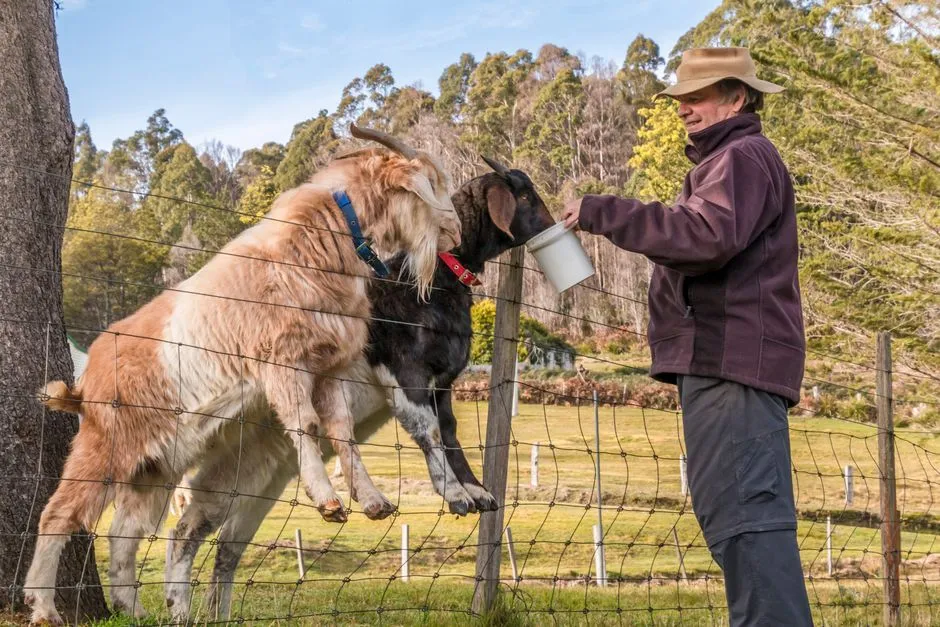
So what do we do with the knowledge that goats are paying this much attention to us? For one thing, it should change how we handle and train them. If goats can understand consistent gestures, follow where we look, and gauge our responsiveness, then it makes sense to lean into that instead of fighting against it. Clear hand signals, predictable routines, and calm body language are not just nice ideas; they are tools that tap into how goats naturally process information.
It also raises the bar for welfare. An animal that can look to you for help, recognize your face, and react to your emotional states is not just a walking milk machine or weed‑eating robot. It is a social partner, even if the partnership is a bit rough around the edges. That means minimizing harsh handling, giving goats chances to interact, and designing environments where their curiosity and social skills have room to breathe. In my view, once you acknowledge their cognitive abilities, it becomes harder to justify treating them as if they are oblivious.
What Goats Teach Us About Intelligence Itself
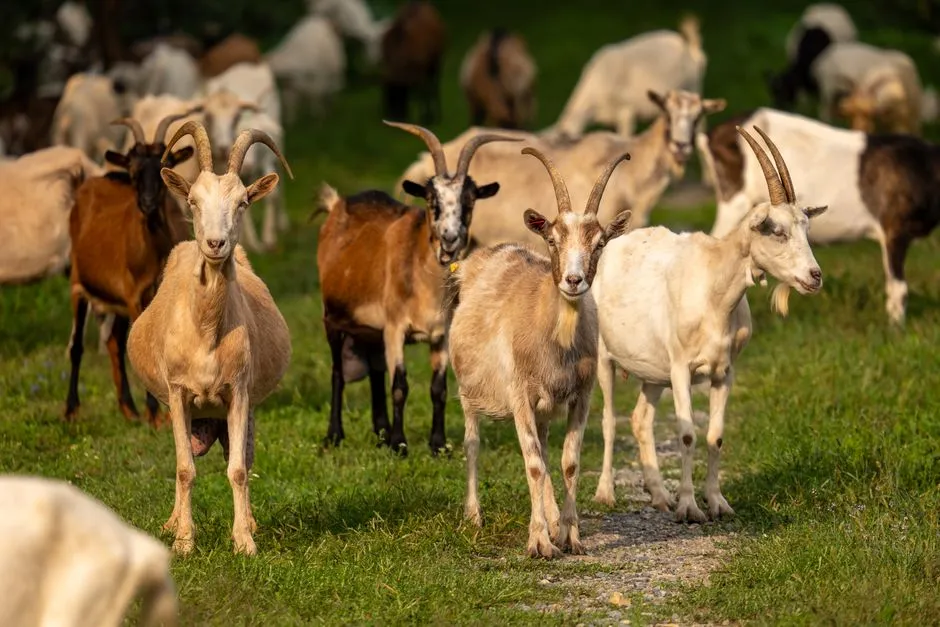
To me, one of the most fascinating parts of this story is what goats quietly teach us about intelligence more broadly. We tend to reserve words like “smart” and “clever” for animals that do flashy tricks or solve complex puzzles in labs. Goats, by contrast, show their intelligence in small, everyday social moves: checking our faces when they are stuck, following a pointed hand, remembering who helped them before. It is humble, practical cognition that flies under the radar because it does not look like a circus performance.
This challenges our habit of ranking species in a neat ladder from “dumb” to “genius.” Instead, it nudges us toward a richer, more honest view where different animals are adapted to different cognitive niches. Goats are not failed dogs or budget sheep; they are specialists in navigating rugged landscapes, complex social groups, and now, as it turns out, the strange, gesturing primates who share their world. Maybe the real lesson is that intelligence often hides in plain sight, behind a pair of sideways pupils and a reputation for being stubborn. How many other animals are we still underestimating in exactly the same way?

- Animal Cognition Says Goats Read Human Gestures Better Than Their Stubborn Reputation Suggests - August 24, 2026
- 10 Amazing Facts About Bees You Didn’t Know - August 24, 2026
- 17 Wild Animals You Can Still Spot in the U.S. Today - August 24, 2026