
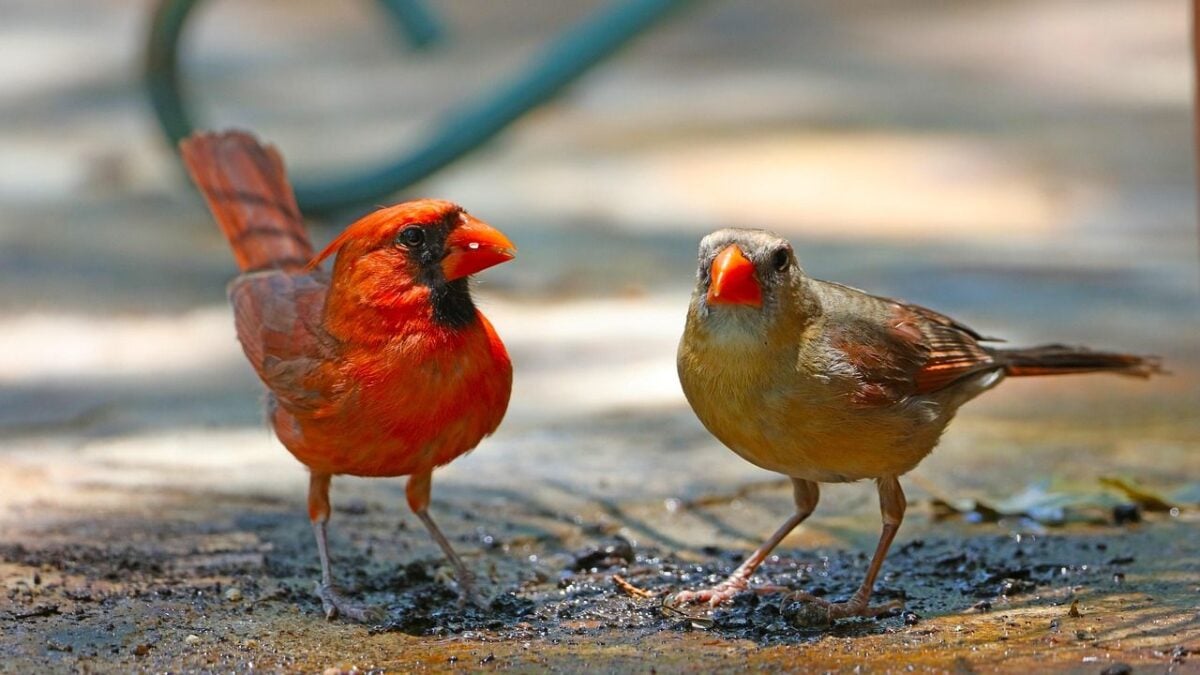
Lifelong Companions in the Snow

Northern cardinals form strong pair bonds that often last through multiple seasons. These connections mean the birds stay close even when food grows scarce and temperatures drop. The arrangement provides steady company during months when other species scatter or migrate south.
Observers have long remarked on how the male and female move through the same patches of woods or backyard feeders together. This closeness helps them locate reliable spots for seeds and berries. It also reduces the energy spent searching alone in cold conditions.
Shared Resources During Scarcity

Winter brings limited options for foraging, so pairs divide tasks in subtle ways. One bird might watch for threats while the other feeds. They frequently call back and forth to maintain contact across short distances.
Such cooperation lets them cover ground more efficiently than solitary birds. Seeds cached or discovered by one partner benefit both. This teamwork supports survival without the need for large flocks in every case.
Protection from the Elements

Staying paired offers practical advantages against wind and snow. Birds can roost near each other in dense evergreens or thickets. The shared space helps conserve body heat during long nights.
Pairs also communicate warnings about predators more readily than isolated individuals. A quick call from one alerts the other to danger. This vigilance proves especially useful when leaves have fallen and cover thins out.
Echoes of Ancient Observations

Indigenous peoples across North America watched bird behavior closely for generations. Trackers and hunters noted consistent patterns in how certain species moved through the landscape. Cardinals stood apart because of their year round presence and tendency to appear as matched pairs.
These early accounts highlighted the birds as symbols of steady partnership. The observations aligned with practical knowledge about wildlife habits that aided daily life. Such insights passed through oral traditions long before written records.
Non Migratory Life and Its Advantages
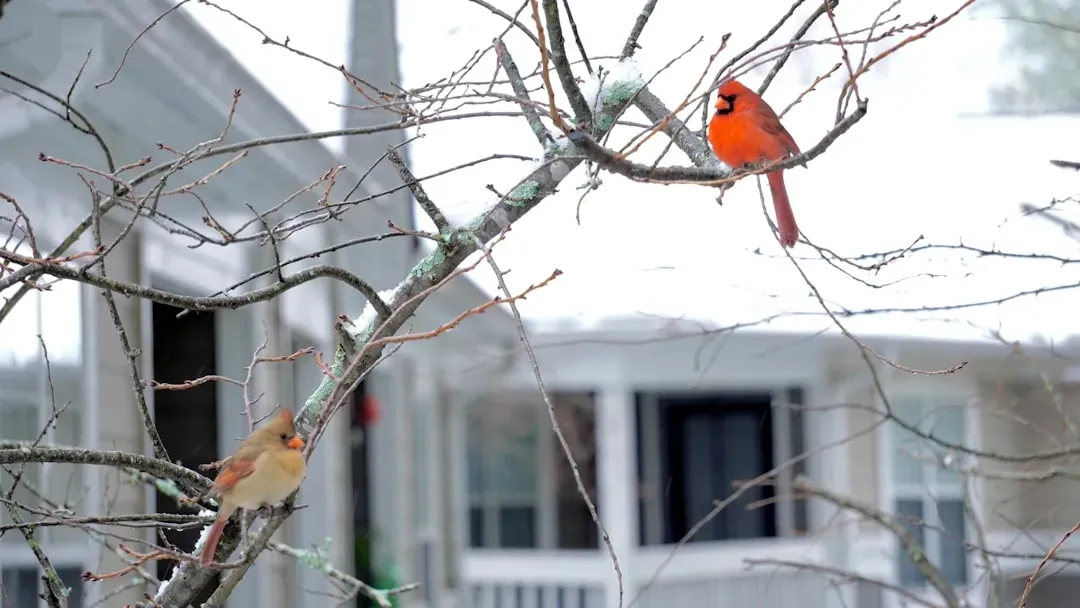
Cardinals remain in the same regions throughout the year instead of traveling long distances. This choice keeps established pairs in familiar territory even during winter. They avoid the risks of migration while relying on local food sources.
The strategy works because their diet includes hardy seeds and fruits that persist under snow. Staying put also preserves the bond formed earlier in the year. Returning to the same area each spring becomes simpler as a result.
Preparing for the Breeding Season Ahead

Winter pair time lays groundwork for nesting later on. The birds reinforce their connection through shared routines and occasional feeding gestures. This foundation supports quicker territory defense once days lengthen.
Early coordination helps them select nest sites and gather materials efficiently. Pairs that remain intact often start breeding activities sooner than new matches. The continuity carries benefits into the warmer months.
Lessons from the Cardinal Pair
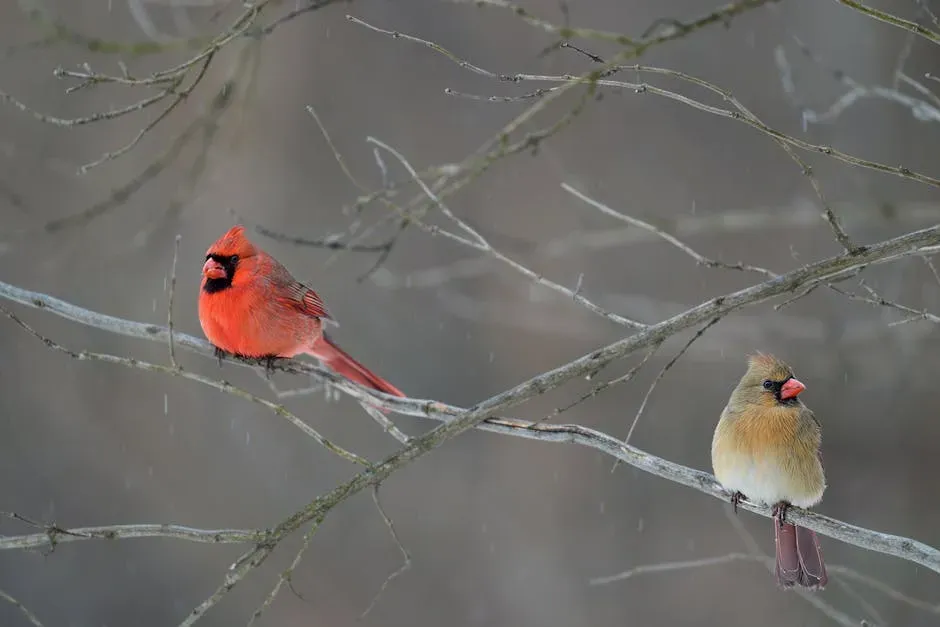
Watching these birds reminds us that steady partnerships can offer real edges in tough conditions. Their approach blends cooperation with individual strengths in ways that feel quietly effective. Nature shows many such examples when we pay attention.
The pattern invites reflection on how small consistencies add up over time. Cardinals continue to thrive in backyards and forests alike because of these habits. Their presence each winter carries a simple message about endurance through connection.

- Animal Cognition Says Goats Read Human Gestures Better Than Their Stubborn Reputation Suggests - August 24, 2026
- 10 Amazing Facts About Bees You Didn’t Know - August 24, 2026
- 17 Wild Animals You Can Still Spot in the U.S. Today - August 24, 2026