


In the dense rainforests of Southeast Asia, scientists have recently discovered a remarkable new bat species that has evolved extraordinary predator-avoidance mechanisms. This newly identified chiropteran, scientifically named Myotis astutus (commonly known as the Elusive Forest Bat), has astonished researchers with its sophisticated array of defensive adaptations. Far beyond the typical bat’s ability to navigate darkness through echolocation, this species employs multiple deceptive tactics that allow it to thrive in predator-rich environments where other bats struggle to survive. The discovery is reshaping our understanding of evolutionary adaptations and predator-prey dynamics in tropical ecosystems.
The Remarkable Discovery

🔥 Would you like to save this?
We'll email this post to you, so you can come back to it later!
The Elusive Forest Bat was first documented in 2021 during a biodiversity survey in the remote Tenasserim Hills straddling the Thailand-Myanmar border. The expedition, led by zoologist Dr. Amara Suwannapoom from Chiang Mai University, initially mistook the specimens for the common Whiskered Bat (Myotis mystacinus). However, genetic analysis revealed a distinct species that had evolved in isolation for approximately 3.7 million years. The discovery was officially announced in the Journal of Mammalogy in early 2023, after extensive field studies confirmed the species’ unique behavioral and morphological characteristics. This finding underscores how much remains unknown about Earth’s biodiversity, particularly in remote tropical regions.
Physical Characteristics
🔥 Would you like to save this?
We'll email this post to you, so you can come back to it later!
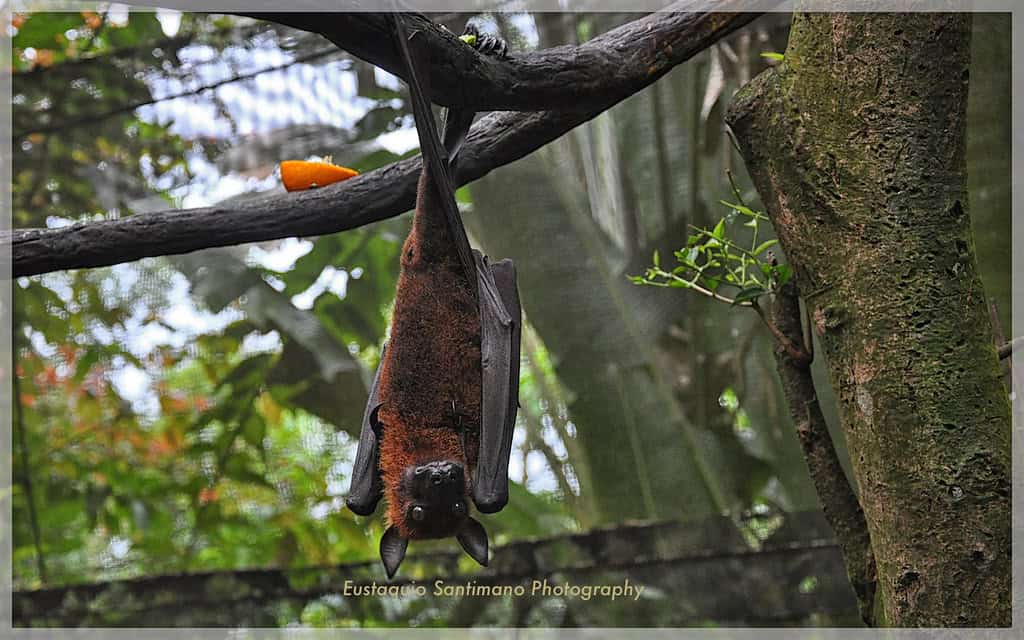
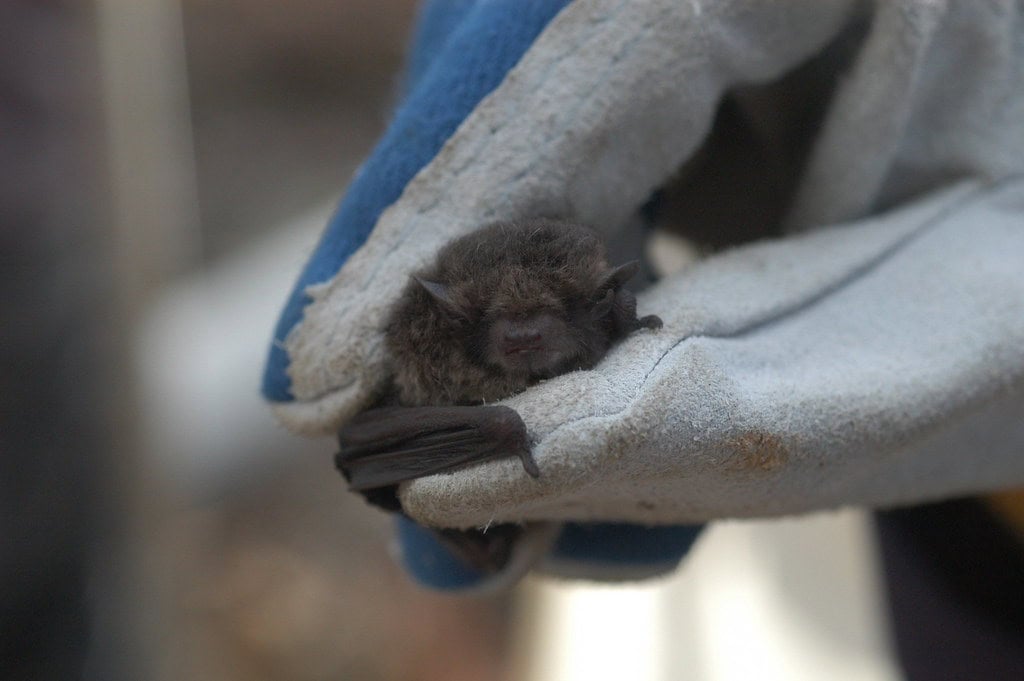
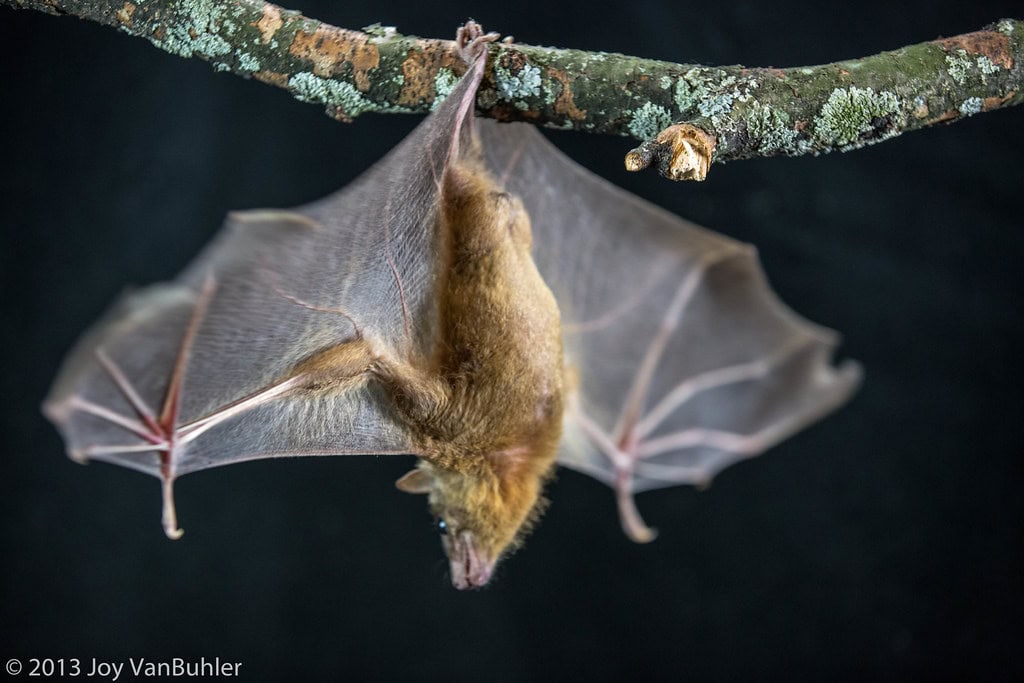
The Elusive Forest Bat is relatively small, with an average body length of 4.7 centimeters and a wingspan of approximately 24 centimeters. What distinguishes this species physically is its remarkable coloration and morphology. The bat possesses a unique dorsal fur pattern featuring irregular light gray patches against a darker brown background. This disruptive coloration breaks up the bat’s outline when resting against tree bark, creating an effective camouflage.
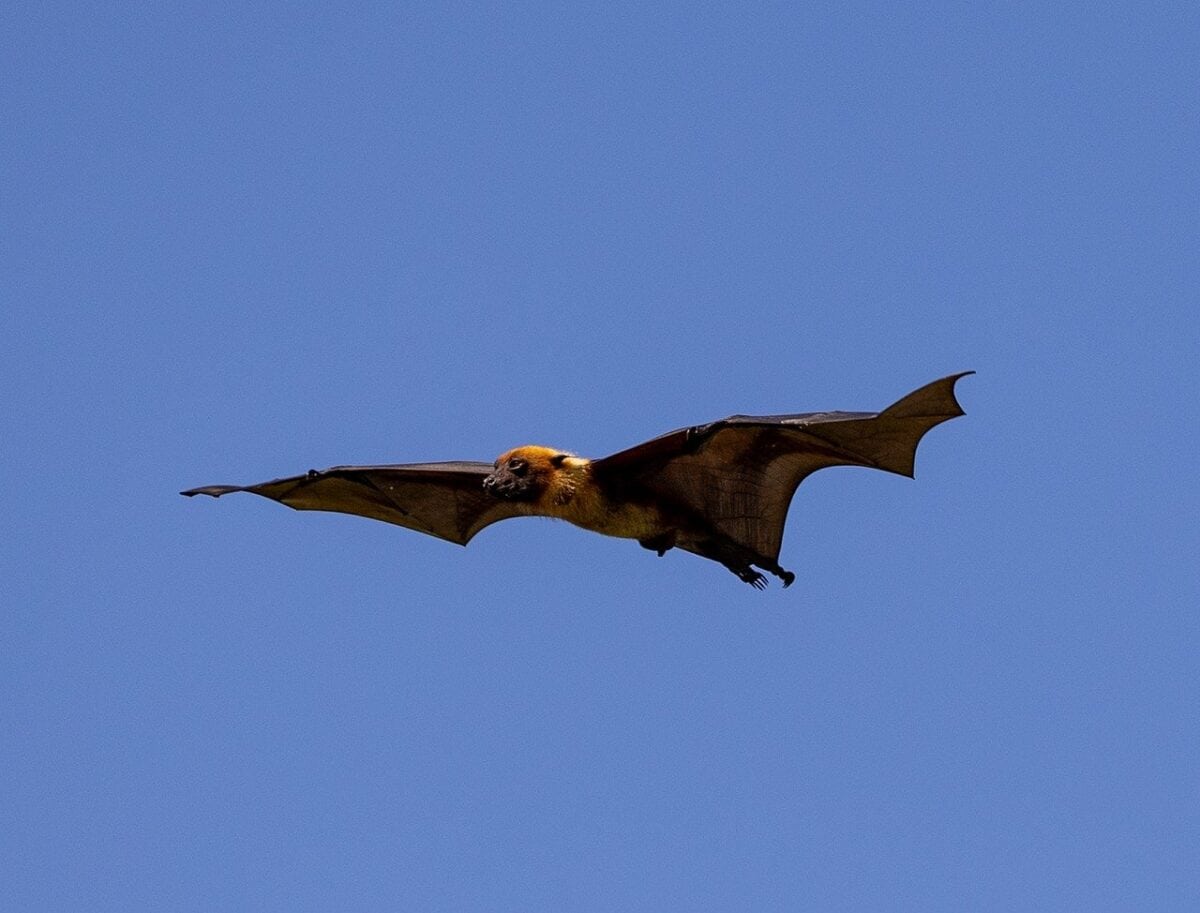
Additionally, the species has unusually long, forward-facing ear pinnae with specialized cartilage structures that can change shape to alter the bat’s acoustic signature. Perhaps most distinctive are the specialized dermal flaps along the trailing edges of its wing membranes that can modify the bat’s flight silhouette in milliseconds—a feature previously undocumented in chiropterans.
Acoustic Mimicry

🔥 Would you like to save this?
We'll email this post to you, so you can come back to it later!
Among the most fascinating adaptations of the Elusive Forest Bat is its sophisticated form of acoustic mimicry. Through specialized modifications in its laryngeal structure, this species can produce echolocation calls that closely resemble those of local insects, specifically certain cicada species. This acoustic disguise appears to confuse predatory birds and other bats that hunt by sound. Field recordings analyzed by bioacoustics specialists revealed that when sensing danger, the bats seamlessly transition from their standard navigation calls to these mimicked insect frequencies. Laboratory experiments demonstrated that owls and hawk species native to the region showed significantly reduced predatory responses to these mimicked calls compared to typical bat echolocation. This represents one of the most sophisticated forms of acoustic deception documented in mammals.
The False Echo Strategy

🔥 Would you like to save this?
We'll email this post to you, so you can come back to it later!
Perhaps the most extraordinary defense mechanism employed by the Elusive Forest Bat is what researchers have termed the “false echo strategy.” The species has evolved specialized tissue structures in its nasal cavity that allow it to produce secondary echolocation signals with a slight delay after the primary call. This creates the illusion of multiple bats flying in different positions—essentially acoustic decoys.
High-speed infrared recordings show that predators often strike at these phantom echoes while the bat executes evasive maneuvers in another direction. Dr. Elena Markov, a bioacoustics expert from the Max Planck Institute who analyzed this behavior, described it as “the biological equivalent of electronic countermeasures used in military aircraft.” The complexity of this adaptation suggests strong evolutionary pressure from predation over millions of years.
Thermal Signature Reduction
🔥 Would you like to save this?
We'll email this post to you, so you can come back to it later!
Another innovative defense mechanism of the Elusive Forest Bat involves manipulating its thermal signature to avoid detection by heat-sensitive predators like certain snakes. Thermal imaging studies have revealed that these bats can rapidly alter blood flow to their wing membranes, reducing surface temperature by up to 4°C in seconds. This adaptation effectively renders them less visible to infrared-sensing predators such as pit vipers, which are abundant in their habitat.
Additionally, the bats preferentially roost against branches with similar thermal properties to their bodies, further reducing their detectability. This thermal regulation ability also appears to serve a secondary function in helping the bats manage energy expenditure during periods of food scarcity, demonstrating how adaptations can serve multiple evolutionary advantages.
Collective Defense Behaviors

🔥 Would you like to save this?
We'll email this post to you, so you can come back to it later!
Unlike many bat species that rely primarily on safety in numbers, the Elusive Forest Bat has developed sophisticated collective defense behaviors that go beyond simple swarming. When a predator is detected, colony members execute coordinated flight patterns that researchers have likened to murmuration behaviors in birds. These synchronized movements create complex, three-dimensional patterns that confuse visual predators.
What makes this behavior particularly remarkable is that it appears to be guided by both acoustic and visual cues, with leader bats initiating pattern changes that propagate through the group with millisecond precision. Research using high-speed cameras has shown that these patterns are not random but contain specific sequences that maximize the confusion effect on predators. The bats can maintain these formations even in dense forest environments where navigation is already challenging.
Chemical Deterrents
🔥 Would you like to save this?
We'll email this post to you, so you can come back to it later!
The Elusive Forest Bat has evolved specialized glands near the base of its ears that secrete a potent chemical compound when the animal is threatened. Analysis of this secretion has identified several volatile compounds similar to those found in certain toxic forest fruits. Researchers hypothesize that this chemical mimicry creates an association with unpalatable food sources for predators.
Behavioral tests with potential predators showed strong aversive responses to both the secretion itself and to models treated with the compound. Particularly interesting is the fact that the chemical composition varies slightly between bat colonies in different geographic areas, each mimicking locally available toxic plants. This suggests a remarkable degree of local adaptation and possibly cultural learning within bat populations about regional predator deterrents.
Habitat and Distribution
🔥 Would you like to save this?
We'll email this post to you, so you can come back to it later!
The Elusive Forest Bat appears to be endemic to the mid-elevation evergreen forests of the Tenasserim mountain range, with populations confirmed across an approximately 200-kilometer stretch spanning the Thailand-Myanmar border region. The species shows a strong preference for primary forest with emergent trees exceeding 40 meters in height. Survey data indicates the highest population densities occur between 800-1,200 meters above sea level.
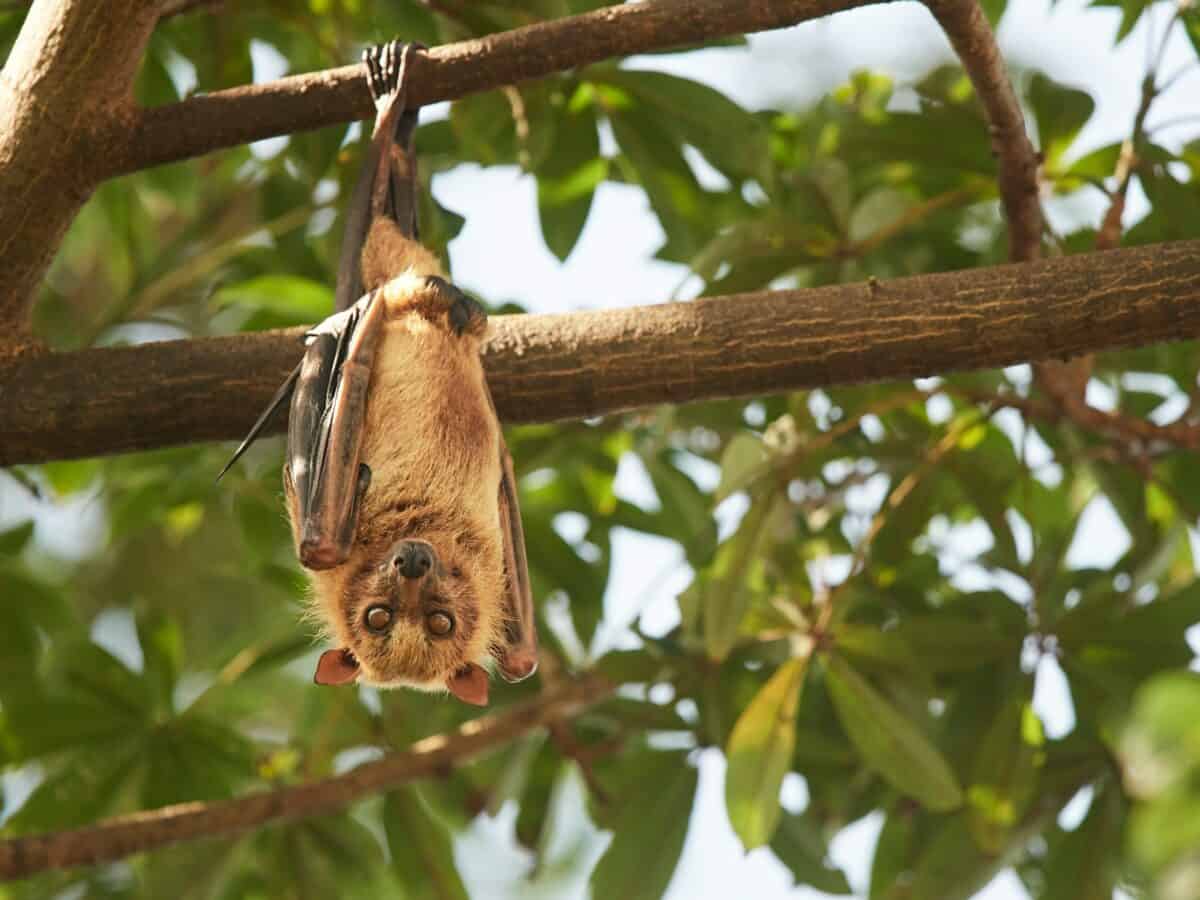
Unlike many bat species that roost in large colonies, the Elusive Forest Bat forms smaller groups of 8-15 individuals, typically hidden within tree hollows or beneath loose bark. This distributed population strategy may itself be an anti-predator adaptation, as it prevents catastrophic population loss from single predation events. Conservation biologists are concerned that the species’ specialized habitat requirements and apparently limited range make it potentially vulnerable to deforestation pressures in the region.
Diet and Foraging Behavior

🔥 Would you like to save this?
We'll email this post to you, so you can come back to it later!
Dietary analysis reveals that the Elusive Forest Bat is primarily insectivorous, with a specialized preference for small moths, beetles, and flying termites. What makes its foraging behavior unusual is its strategic timing and location. Unlike many bat species that feed during peak insect activity periods, this species has adapted to hunt during brief windows when predator activity is lowest, particularly during light rain when owl hunting efficiency is reduced.
The bats employ a “leap-frogging” foraging pattern where individuals take turns feeding while others maintain vigilance. This cooperative strategy allows them to minimize exposure while maximizing food intake. Additionally, fecal analysis has revealed selective consumption of insects containing certain alkaloid compounds that may contribute to the bat’s chemical defenses—suggesting their diet serves both nutritional and defensive purposes.
Reproductive Adaptations

🔥 Would you like to save this?
We'll email this post to you, so you can come back to it later!
The reproductive cycle of the Elusive Forest Bat contains several adaptations that appear designed to minimize vulnerability during breeding. Females give birth synchronously within a 48-hour window during the early monsoon season, creating a predator satiation effect that improves offspring survival rates. Additionally, mothers have developed a unique “mobile nursery” system where pups are regularly relocated between multiple roosts rather than remaining in a single maternity colony as seen in most bat species.
Each female can carry not only her own pup but, when necessary, the offspring of other colony members. This behavior distributes predation risk and prevents catastrophic colony loss. Genetic sampling indicates high relatedness within these nursery groups, suggesting kin selection may play a role in the evolution of this cooperative breeding strategy.
Evolutionary Significance

🔥 Would you like to save this?
We'll email this post to you, so you can come back to it later!
The Elusive Forest Bat represents a remarkable case study in evolutionary biology, demonstrating how intense predation pressure can drive the development of multiple defense strategies within a single species. Phylogenetic analysis positions this bat as a relatively ancient lineage that diverged from other Myotis species approximately 3.7 million years ago, coinciding with a period of significant ecological change in Southeast Asia.
The species appears to have undergone rapid adaptive radiation specifically focused on predator avoidance, suggesting it occupied a particularly challenging ecological niche. Comparative genomic studies have identified several genes under positive selection that relate to sensory processing, neural coordination, and chemical production—all systems involved in its defensive adaptations. Evolutionary biologists suggest this species may provide valuable insights into how multiple complex traits can co-evolve in response to specific environmental pressures.
Conservation Status and Threats

🔥 Would you like to save this?
We'll email this post to you, so you can come back to it later!
Despite having only recently been discovered, the Elusive Forest Bat faces significant conservation challenges. Its restricted range and specialized habitat requirements make it particularly vulnerable to habitat loss from logging and agricultural expansion in the Tenasserim region. Preliminary population estimates suggest fewer than 10,000 individuals exist across its range, potentially qualifying it for threatened status under IUCN criteria. Additionally, climate change models predict significant habitat shifts in Southeast Asian forests that could impact the specific microhabitats these bats require.
A further concern is that the bat’s sophisticated defenses evolved against natural predators but may provide little protection against anthropogenic threats such as pesticide accumulation, light pollution affecting foraging patterns, and habitat fragmentation. Conservation biologists are currently working with local authorities to establish monitoring programs and explore potential protected areas for this evolutionary unique species.
Future Research Directions and Conclusions
🔥 Would you like to save this?
We'll email this post to you, so you can come back to it later!
The discovery of the Elusive Forest Bat opens numerous avenues for future research across multiple scientific disciplines. Bioacoustics specialists are studying its echolocation modifications for potential applications in sonar and noise-cancellation technology. Neurobiologists are investigating how its brain coordinates the complex defensive behaviors, particularly the rapid decision-making involved in its evasive flight patterns.
Conservationists are working to define the full extent of its range and population status before finalizing protection recommendations. The species represents a perfect example of why biodiversity exploration remains crucial, even in the 21st century, as each new discovery can transform our understanding of evolutionary processes and biological capabilities. As research continues, the Elusive Forest Bat stands as a testament to the remarkable adaptability of life and the countless innovations still waiting to be discovered in Earth’s remaining wild places.

From exploring the marine wonders in the Azores and witnessing the vast savannas of Kenya, to delving deep into the rich biodiversity of South Africa and traversing iconic landscapes in Australia and the US like Yellowstone, Chris's experiences are vast.
With a penchant for diving alongside sharks, the ocean holds a special place in his heart.
Through his academic insights, he champions wildlife conservation, striving with 'Animals Around The Globe' to cultivate a profound connection between humans and animals, enhancing our mutual appreciation.
Connect with him at Feedback@animalsaroundtheglobe.com.
- 15 Wild Animals You Might Spot in U.S. National Parks - November 5, 2026
- Top 10 Animals and Wildlife in Hawaii - November 4, 2026
- Top 10 Animal Encounters in Europe - November 3, 2026