
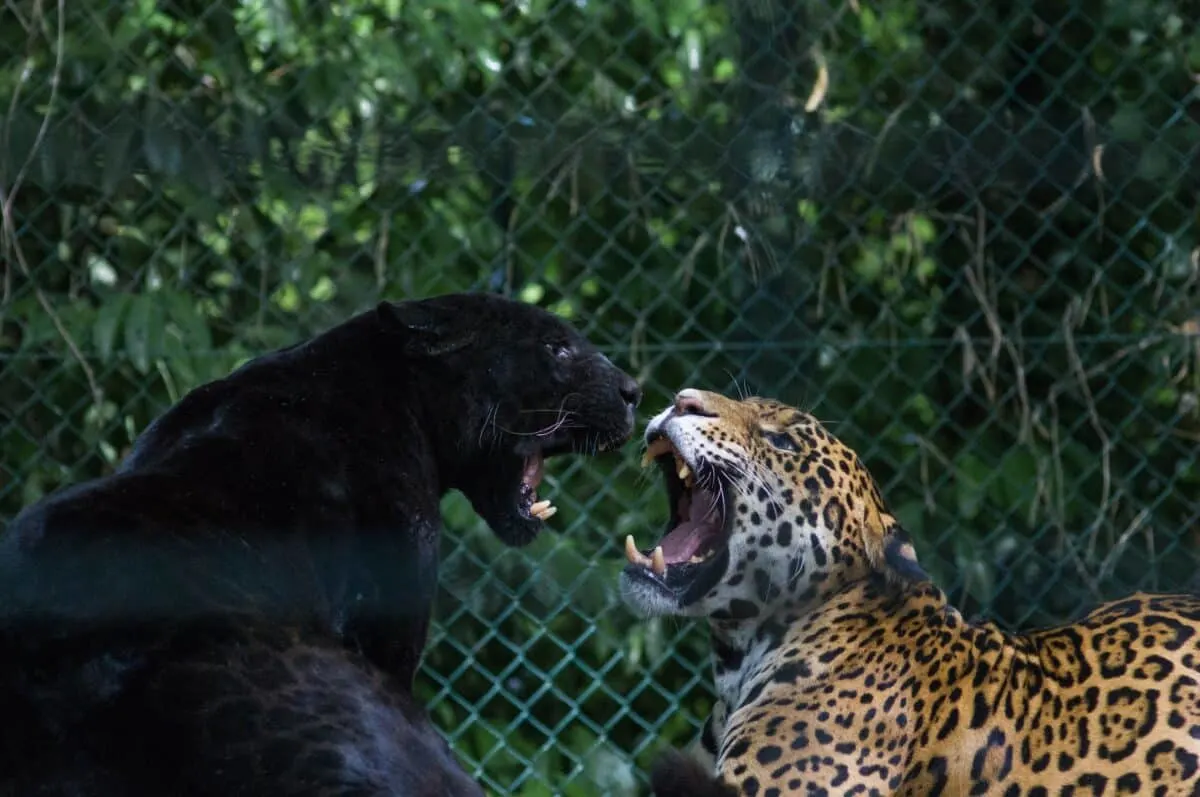
In the dense rainforests of South America, one of nature’s most elusive predators has managed an extraordinary feat—surviving in secret. A remarkable hidden population of jaguars was recently discovered, having thrived for generations virtually undetected by humans. This astonishing revelation has captivated wildlife biologists, conservationists, and nature enthusiasts alike. How could these magnificent big cats, the third-largest felines in the world, remain concealed in our increasingly explored world? Their story combines evolutionary adaptation, geographic isolation, and remarkable behavioral strategies that allowed them to become virtually invisible in plain sight. Let’s explore the fascinating journey of these phantom cats and the scientific detective work that finally revealed their existence.
The Surprising Discovery
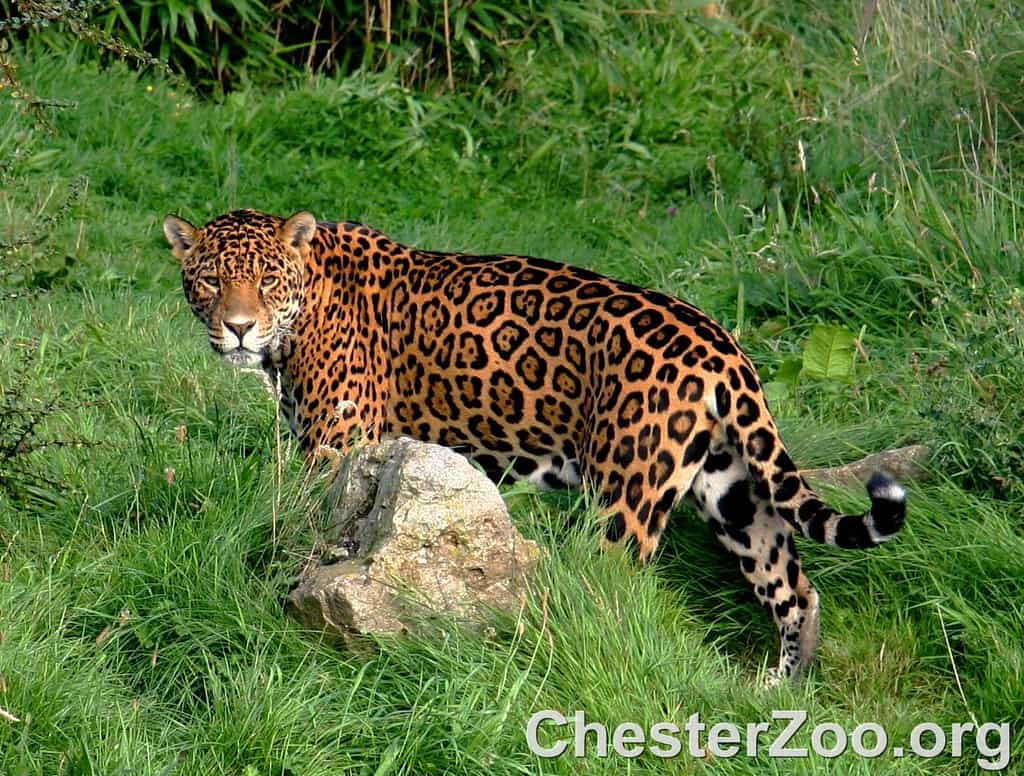
The scientific community was stunned when, in 2019, researchers conducting a routine biodiversity survey in a remote region of the Amazon rainforest stumbled upon evidence of a previously undocumented jaguar population. Camera traps initially captured images of three individual jaguars in an area where the species was believed to be locally extinct for decades. Subsequent DNA analysis from scat samples revealed something even more remarkable—this was not just a small group of transient cats but a genetically distinct population that had been isolated from other jaguar groups for at least 100 years. The discovery challenged existing knowledge about jaguar distribution and highlighted significant gaps in wildlife monitoring efforts across South America’s vast wilderness areas.
Geographic Isolation: Nature’s Perfect Hiding Place

This jaguar population’s ability to remain hidden is largely attributed to their extraordinary geographic isolation. They were discovered in a remote valley surrounded by steep mountain ridges in the border region between Colombia and Venezuela. This natural fortress, spanning approximately 2,800 square kilometers, features dense cloud forest vegetation, seasonal flooding that limits human access, and terrain so challenging that no permanent human settlements exist within its boundaries.
The area’s isolation was further reinforced during decades of regional conflict, which inadvertently created a no-go zone that deterred scientific expeditions, logging operations, and other human activities that might have revealed the cats’ presence. Essentially, these jaguars found themselves in a natural sanctuary that few humans had reason or ability to enter.
Evolutionary Adaptations for Secrecy

What makes this discovery particularly fascinating are the unique evolutionary adaptations this isolated population has developed. Compared to other jaguar populations, these hidden cats display several distinct characteristics. They are approximately 10-15% smaller in body size, likely an adaptation to the limited prey base in their isolated habitat. Their coat pattern shows a higher density of smaller rosettes, providing superior camouflage in the specific vegetation of their territory.
Most remarkably, genetic analysis indicates they’ve developed significantly enhanced olfactory capabilities—a trait that allows them to detect human presence from much greater distances than other jaguar populations. These adaptations collectively transformed them into masters of concealment, perfectly suited to avoid the one predator that threatens their existence: humans.
Behavioral Strategies That Ensured Invisibility

Beyond physical adaptations, this jaguar population exhibits behavioral patterns that drastically reduced their detectability. Unlike other jaguar populations that maintain relatively consistent activity patterns, these hidden jaguars demonstrate extreme temporal plasticity—changing their active hours unpredictably, making their movements nearly impossible to anticipate. They’ve also developed a remarkable avoidance response to human scent, maintaining a minimum buffer zone of approximately 3 kilometers from any detected human presence.
Perhaps most interestingly, they’ve adopted near-silent communication methods, with researchers noting a significant reduction in roaring and other vocalizations typically used by jaguars. Instead, they rely primarily on scent marking and low-frequency sounds that don’t travel far in the forest. These behavioral adaptations effectively rendered them ghosts in the forest, present but undetectable to all but the most dedicated observers.
Technological Breakthroughs That Revealed Their Existence

The discovery of this hidden jaguar population wouldn’t have been possible without recent technological advancements. The breakthrough came through a combination of ultra-sensitive camera traps capable of detecting minimal movement in extremely low-light conditions, environmental DNA (eDNA) sampling techniques that can identify species from microscopic biological material in soil and water, and satellite imagery analysis that identified subtle changes in vegetation patterns associated with large predator movements.
Additionally, acoustic monitoring devices placed throughout the forest captured the jaguars’ rare vocalizations, which were initially misidentified as other wildlife sounds until advanced audio analysis techniques revealed their true source. This technological detective work pieced together evidence of a population that had perfected the art of avoiding human detection, highlighting how modern conservation tools can unlock secrets that traditional field methods might miss.
Diet Adaptation and Prey Relationships

A fascinating aspect of this hidden jaguar population’s survival strategy involves their unique dietary adaptations. Traditional jaguar populations typically favor medium to large prey such as capybaras, caimans, and peccaries. However, this isolated group has developed specialized hunting techniques focused on smaller, more abundant prey species. Scat analysis reveals that approximately 60% of their diet consists of arboreal mammals like monkeys and sloths—a much higher percentage than observed in other jaguar populations.
This dietary shift reduced their need for extensive hunting territories and minimized the creation of large prey kill sites that might attract attention. Researchers also documented unique hunting behaviors, including cooperative hunting techniques previously unobserved in jaguars, which allowed them to efficiently capture prey while minimizing energy expenditure. These dietary adaptations played a crucial role in allowing a viable predator population to sustain itself in a limited geographic area without detection.
Social Structure Differences

The social organization of this hidden jaguar population represents another significant departure from what’s known about typical jaguar behavior. While jaguars are generally considered solitary animals that only come together for breeding, this isolated population exhibits a more complex social structure. Research has documented extended family groups maintaining loosely connected territories, with adult females occasionally sharing hunting duties and even participating in cooperative cub rearing.
This social flexibility appears to be an adaptation to their isolated environment, where maximizing survival rates of offspring and efficiently utilizing limited resources became evolutionary priorities. The development of these atypical social behaviors likely contributed to their successful persistence in isolation, allowing knowledge of their unique habitat to be passed between generations and creating a resilient population structure that could withstand environmental challenges without external genetic input.
Genetic Distinctiveness and Adaptations

Genetic analysis of this jaguar population has revealed fascinating insights into their evolutionary history. DNA sequencing indicates they diverged from other jaguar populations approximately 8,000-10,000 years ago, coinciding with major geographical changes that occurred during the end of the last ice age. Their long isolation has resulted in a genetically distinct lineage with approximately 7% genetic divergence from other jaguar populations—significant enough that some researchers have proposed classifying them as a separate subspecies.
Beyond their physical adaptations, genetic analysis has identified specific mutations related to enhanced night vision, improved metabolic efficiency, and heightened sensory perception. Perhaps most remarkably, they show genetic markers associated with reduced aggression toward conspecifics (members of the same species), which aligns with their more social behavioral patterns. This genetic distinctiveness makes their conservation particularly important, as they represent a unique evolutionary branch of the jaguar family tree that has developed specialized adaptations for survival in their particular environmental niche.
Human Conflicts and Conservation Challenges

The discovery of this jaguar population has created complex conservation challenges. While their isolation has protected them historically, changing political situations have opened their habitat to potential development. Mining interests have already filed exploration permits for portions of their territory, and illegal logging operations are encroaching from multiple directions. Conservation organizations are racing to establish protected status for the area, but face jurisdictional complications due to the population’s cross-border habitat.
Additionally, there are ethical questions about how to manage this population moving forward. Some biologists argue for minimal intervention to preserve the unique adaptations they’ve developed in isolation, while others advocate for connecting them with broader jaguar populations to increase genetic diversity. Local indigenous communities, who had traditional knowledge suggesting the presence of “spirit jaguars” in the region (though they had no recent direct contact), are now important stakeholders in conservation planning. The situation highlights the delicate balance between scientific research, conservation priorities, development pressures, and indigenous rights that characterizes many modern wildlife preservation efforts.
Scientific Implications and Research Opportunities

The discovery of this hidden jaguar population has opened exciting new research avenues across multiple scientific disciplines. Evolutionary biologists are studying the population to better understand how rapid adaptation occurs in isolated groups, while behavioral ecologists are documenting their unique social structures to reassess what we know about feline social flexibility. Conservation geneticists are particularly interested in how the population has maintained genetic health despite millennia of inbreeding, which challenges conventional understanding about minimum viable population sizes.
The population also offers invaluable insights for conservation planning, demonstrating how unintentional refuge areas can preserve species even without formal protection. Researchers are developing new non-invasive monitoring techniques specifically designed for ultra-elusive wildlife populations, with potential applications for studying other cryptic species worldwide. Perhaps most significantly, this discovery has humbled the scientific community, serving as a powerful reminder that even large, iconic species can remain undiscovered in our modern world—raising questions about what other biological mysteries might still await discovery.
Similar Cases of Hidden Wildlife Populations
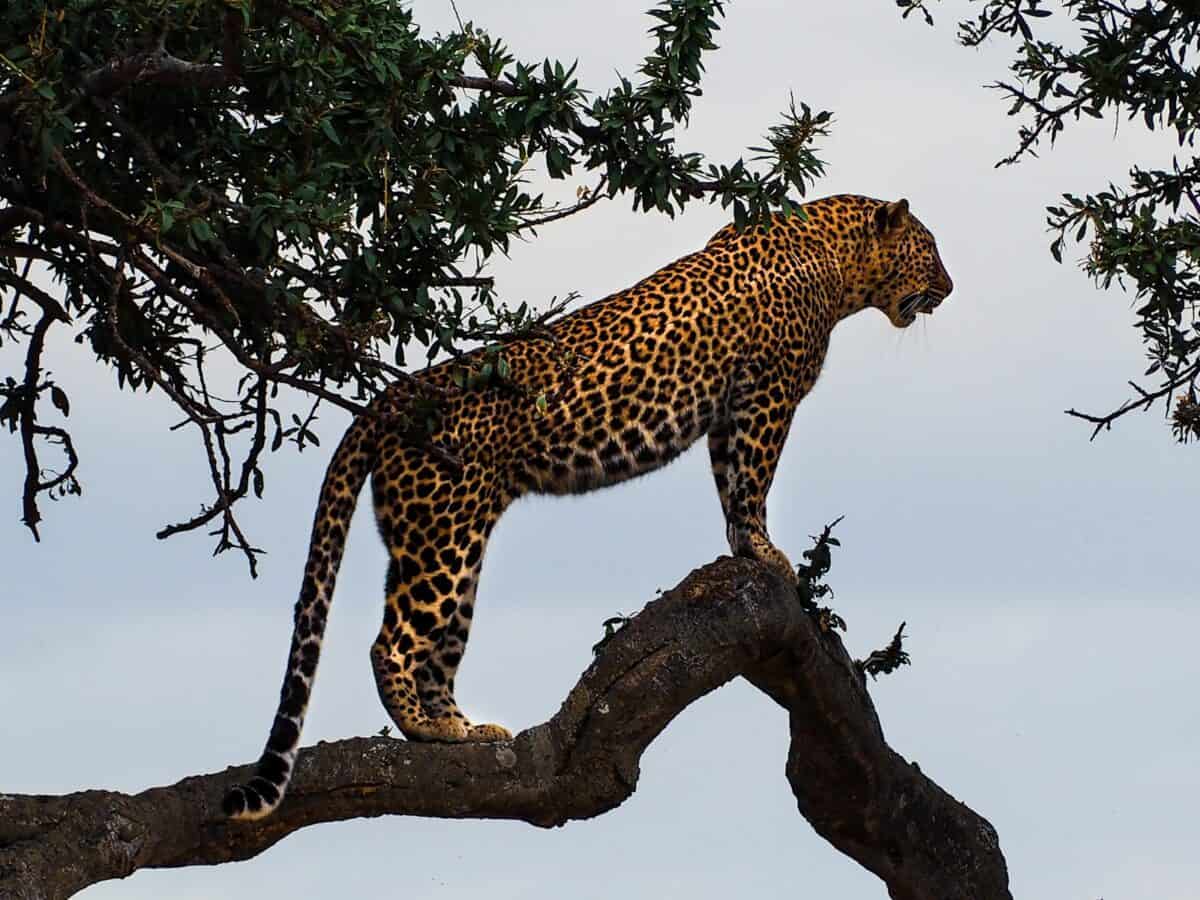
This jaguar population is not the only example of wildlife hiding successfully from human detection. In 2013, scientists discovered a previously unknown population of orangutans in remote forests of Sumatra, with genetic and behavioral adaptations distinct from known populations. The Annamite striped rabbit was only scientifically documented in 1999 despite being a reasonably large mammal inhabiting regions of Vietnam and Laos.
More dramatically, the Omura’s whale, which can reach lengths of 38 feet, was only recognized as a distinct species in 2003 and wasn’t photographed alive in the wild until 2015. These cases demonstrate a pattern where animal populations can exist “under the radar” through a combination of remote habitat, behavioral adaptations to avoid humans, and simply being in areas where scientific attention has been limited. The jaguar discovery fits within this emerging understanding that our knowledge of Earth’s biodiversity remains incomplete, even for large vertebrate species, and highlights the importance of systematic surveys in unexplored regions.
Future Prospects for the Hidden Jaguars
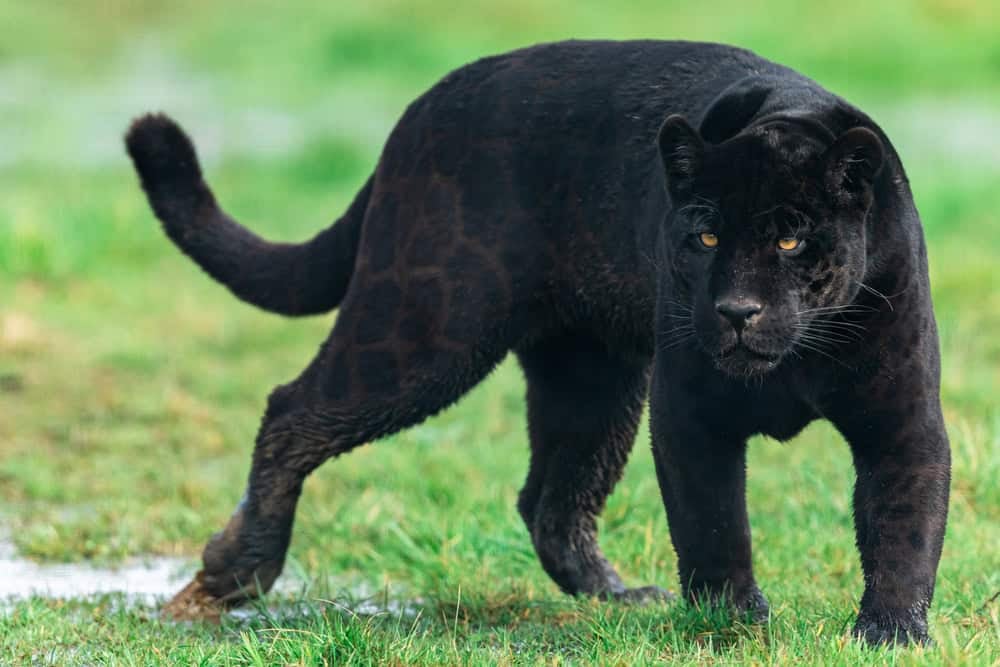
The future of this remarkable jaguar population balances precariously between hope and concern. On the positive side, international attention following their discovery has spurred conservation action, with several organizations pledging resources for protection efforts and both Colombian and Venezuelan authorities expressing support for creating a transboundary protected area. Preliminary population estimates suggest approximately 30-35 adult jaguars exist within the isolated region—a small but potentially viable population if their habitat remains intact. However, significant threats loom.
Climate change models predict their cloud forest habitat will experience substantial alterations in the coming decades. Their genetic isolation, while having driven fascinating adaptations, may limit their ability to adapt to rapid environmental changes. Additionally, now that their existence is known, increased human interest—both well-intentioned from researchers and potentially harmful from wildlife traffickers—could disrupt the very behaviors that allowed them to remain hidden. Conservation strategies must carefully balance research needs, protection efforts, and the preservation of the very isolation that has protected these cats for centuries.
Conclusion: Nature’s Remarkable Resilience

The story of this hidden jaguar population represents one of the most compelling wildlife discoveries of recent decades, reminding us that our planet still harbors remarkable secrets. Their ability to persist undetected speaks to the extraordinary adaptability of wildlife when faced with changing environments and human pressures. It demonstrates that nature often finds ways to survive in the margins, developing specialized adaptations that allow life to continue even in isolation and challenging circumstances.
For conservationists, this discovery offers both inspiration and urgency—proof that protection efforts can still save species we thought were lost, but also a reminder that unique evolutionary lineages remain vulnerable in our rapidly changing world. Perhaps most importantly, these phantom jaguars challenge our human-centric perspective, humbling us with the realization that even in the age of satellite imagery and global exploration, a population of apex predators could live alongside us, watching from the shadows, their existence a secret kept by the forest until science finally developed the tools to uncover their remarkable story.

- The Perfect Pet for Each Zodiac Sign - July 7, 2026
- The Wild Animal That Embodies Your Zodiac Sign’s Spirit - July 6, 2026
- 7 Steps to Planting Admirably Beautiful Bluebonnets - July 6, 2026