
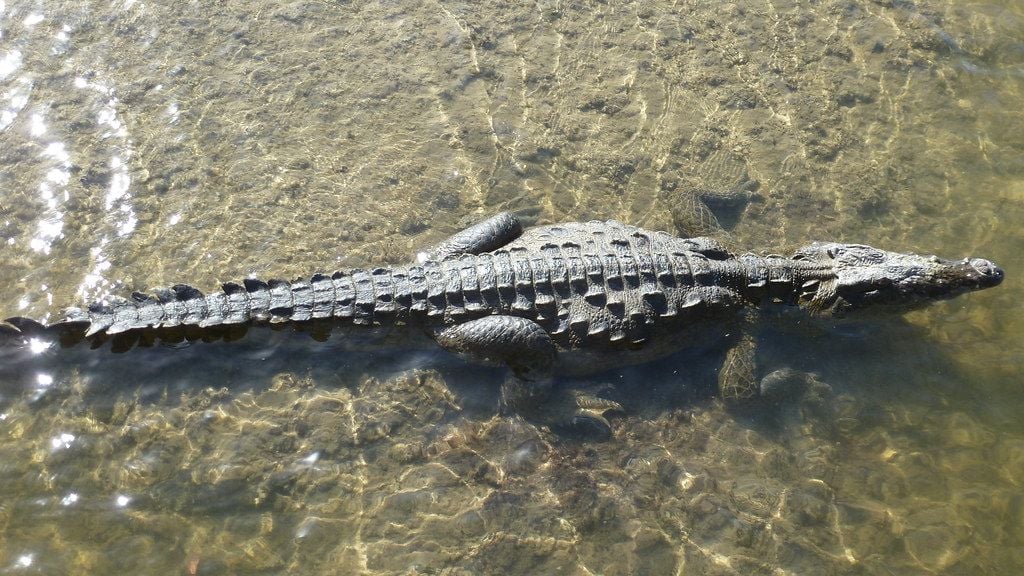
Let’s be real here, if you’re planning a trip to the South, especially Florida, you need to know which harbor the most alligators. These ancient reptiles have been thriving in America’s waterways for millions of years, long before humans showed up with their fishing rods and kayaks. So let’s dive in and explore the in America, where these prehistoric creatures rule the waters.
Lake Jesup: Florida’s Most Densely Packed Gator Haven
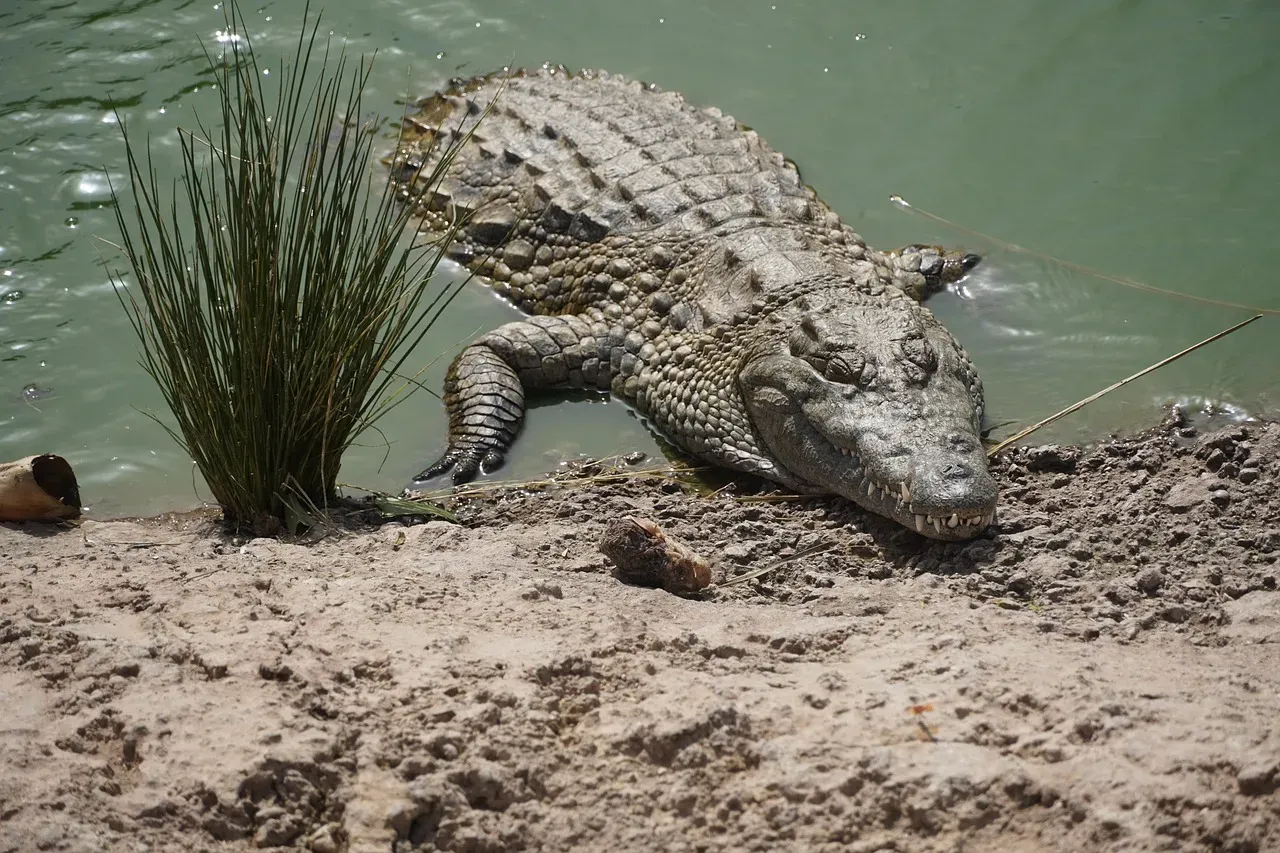
Lake Jesup is the most alligator-infested lake in the United States, home to more alligators per square mile of shoreline than any other lake in Florida. Located in the heart of Seminole County, roughly 12 miles from Orlando Sanford International Airport, wildlife officials estimate around 14,500 alligators call this place home. That number is staggering when you consider the lake’s relatively modest size.
Lake Jesup covers about 16,000 acres, making it much smaller than neighboring Lake Okeechobee. With around 13,000 alligators, that’s more than 400 gators per square mile of shoreline. Think about that for a second. You could throw a rock across the water and probably hit an alligator without even trying.
Here’s the thing though – this concentration didn’t happen by accident. Back in the 1960s and 70s when alligators were on the endangered species list, wildlife officials relocated alligators from development areas to Lake Jesup, and it became a protected dumping ground for unwanted reptiles as Central Florida expanded. Nowadays, Lake Jesup continues to be the main shelter for the descendants of almost every single alligator in Florida that stood in the way of development.
Many people are surprised to discover that the lake’s water depth is six feet or less. The shallow water and extensive floodplain wetlands create perfect conditions for alligator nesting and feeding. At last count, there were 194 alligators longer than nine feet in Lake Jesup. Some locals joke that you can’t skip a rock across the water without hitting a gator in the head.
Lake Okeechobee: The Gator Capital By Sheer Numbers
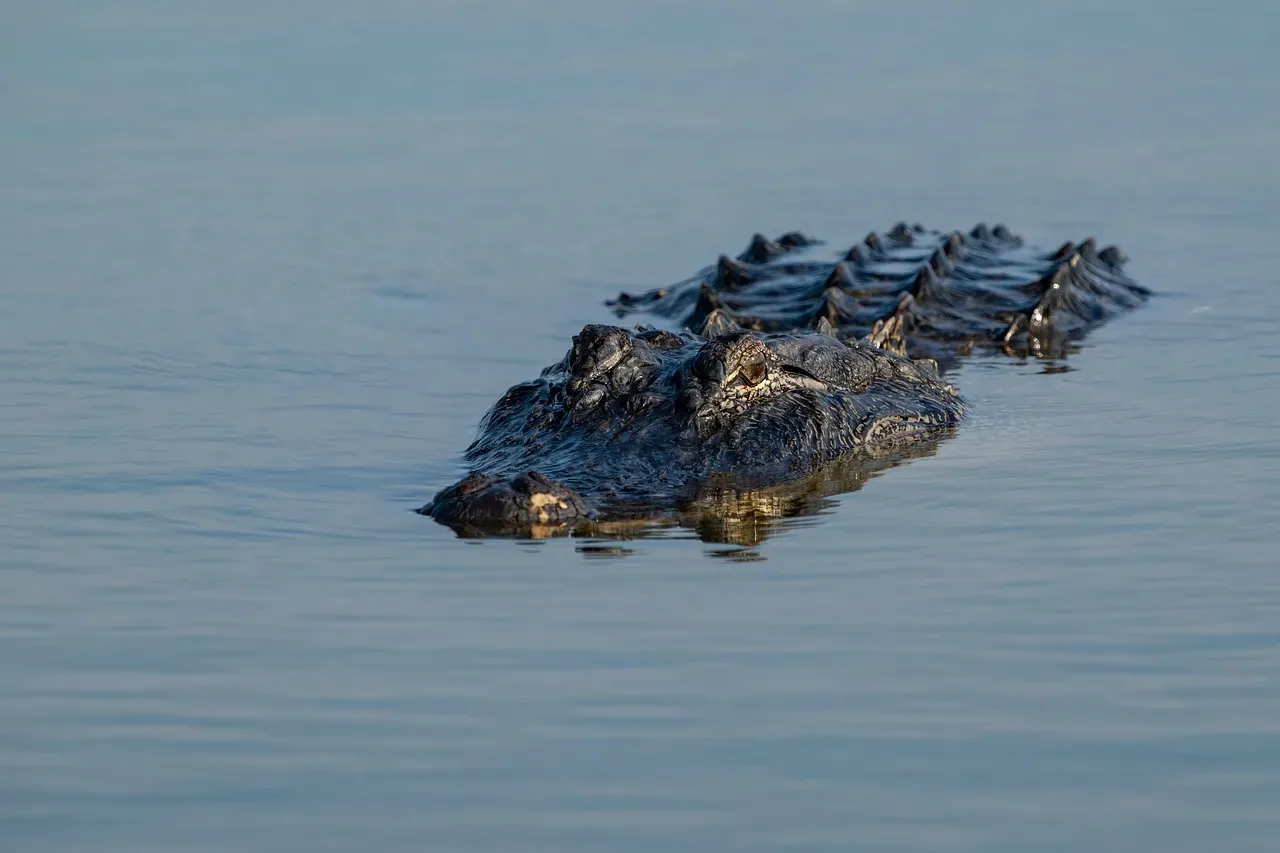
According to the Florida Fish and Wildlife Conservation Commission, there are approximately 30,000 alligators in Lake Okeechobee, with 9,308 counted alligators. Lake Okeechobee is 730 square kilometers, making it one of the largest in the United States and the largest freshwater lake in Florida. Often called Florida’s “inland sea,” this massive body of water is the undisputed heavyweight champion when it comes to total alligator population.
The 750-square-mile lake is an angler’s paradise, especially for visitors who want to catch the lake’s legendary largemouth bass. Officials counted 24,678 gators in the large South Florida lake during their census. The numbers fluctuate depending on the methodology used, since the lake is so vast that researchers have to break it up into different regions when performing counts.
Lake Okeechobee is home to almost 2,000 bull gators at last count, which are alligators that measure over nine feet long. The lake is only nine feet deep, and gators love shallow waters. This combination of massive surface area, shallow depth, and abundant food sources creates an ideal habitat for one of the densest alligator populations anywhere on the planet.
The lake creates ideal habitat for gators with ample food and nesting sites, and as apex predators at the top of the food chain, the large reptiles help control the population of various bird species and contain the levels of aquatic life. They’re not just residents here – they’re essential ecosystem engineers. Many people think Lake Okeechobee is an excellent lake to swim in, but nothing could be further from the truth, and wildlife officials advise against it due to the risks of alligator attacks.
Lake Kissimmee: A Marshy Alligator Paradise
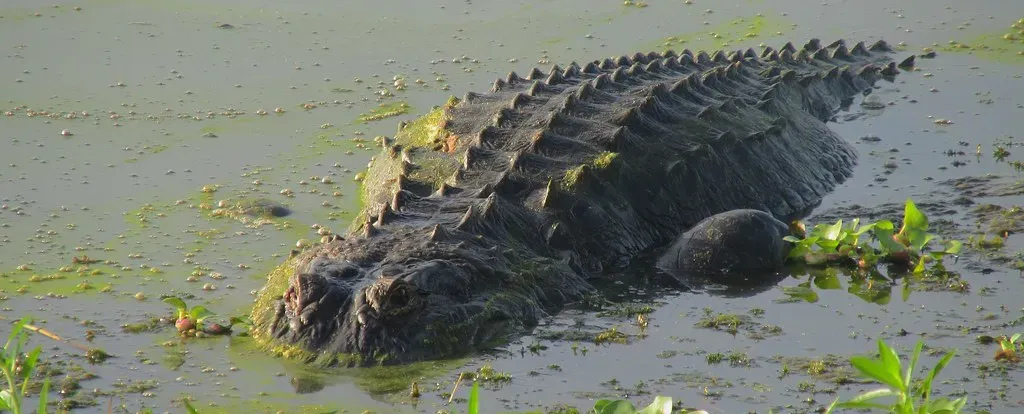
Lake Kissimmee, along the Osceola-Polk county line, had 15,404 gators counted, making it the Central Florida lake with the most alligators. Lake Kissimmee occupies 31,000 acres in two counties. Don’t confuse this with the near Disney World in Kissimmee – this lake is actually about an hour south of that tourist hub, and it’s decidedly wilder.
It is a very marshy lake where numerous alligators have been counted, but there are likely hundreds or even thousands more alligators that haven’t been counted. The marshy terrain and abundant vegetation make it nearly impossible to get an accurate count. Alligators blend seamlessly into this environment, lurking among the reeds and along the muddy banks.
Alligators in Lake Kissimmee are active year-round, although the best times to see them are during the mating season and again in the winter months when the lake dries up some. The lake also made headlines recently. In May 2025, 61-year-old Cynthia Diekema of Davenport died when a large 11-foot, four-inch alligator overturned her canoe near Tiger Creek.
According to the FWC, the alligator thrashed beneath their canoe in shallow water, throwing both occupants overboard, and Diekema was bitten and pulled under despite her husband’s attempts to save her. This tragic incident serves as a somber reminder that these waters demand respect. The shallow marshy areas where fish congregate also attract hungry gators looking for their next meal.
Orange Lake: Small But Densely Populated
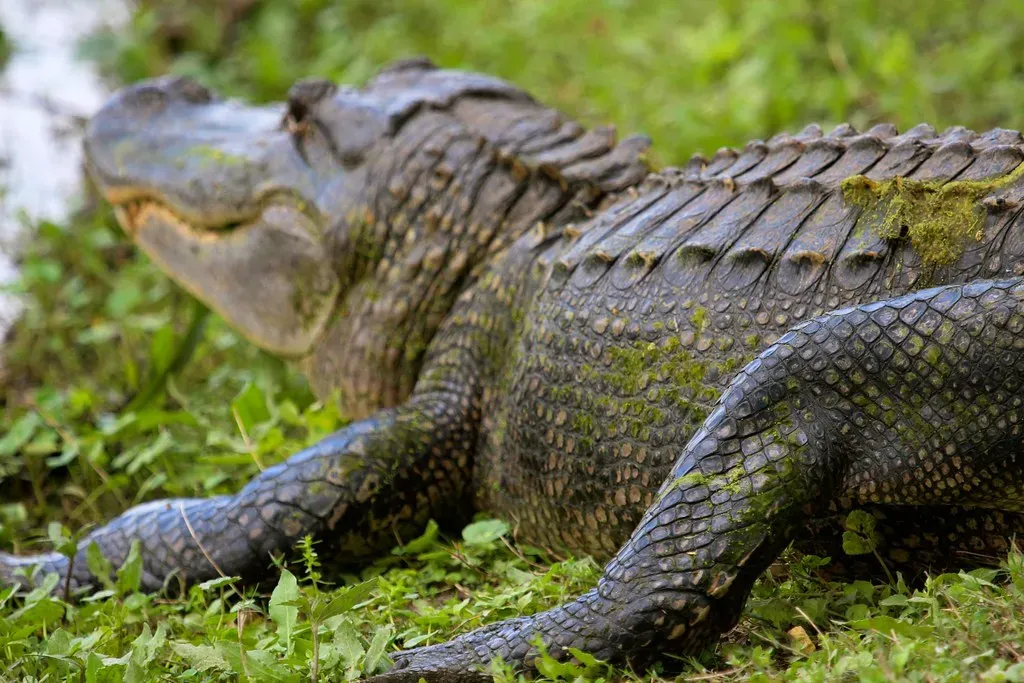
Orange Lake ranks second in the state for its booming alligator population, and covering about 19 rectangular miles, the lake is small compared to some other alligator habitats in the state, yet is inhabited by nearly 3,000 alligators. The population of alligators in Orange Lake is estimated to be 2,732, particularly during warmer months when they are more active. Located in North Central Florida near Gainesville, this lake punches way above its weight class.
About 115 of these are “bull gators,” a term that describes the most dominant alligators in a given location who typically exceed nine feet in length. The record for the heaviest alligator in Florida is a 1,043-pound male from Orange Lake, measuring 13 feet 10 and a half inches long. That’s essentially a dinosaur.
Orange Lake is popular for fishing, boating, and birdwatching. The lake is part of a larger floodplain and has a variety of habitats, including marshes and swamps. These diverse habitats provide excellent cover for alligators of all sizes. The combination of shallow areas for basking and deeper pockets for hunting makes it an alligator paradise.
Honestly, I think the smaller size of Orange Lake actually makes it more nerve-wracking for visitors. In a massive lake like Okeechobee, you can at least convince yourself that the gators are spread out. In Orange Lake, you know they’re everywhere, watching from the reeds, waiting beneath lily pads. The density here is what should make anyone pause before jumping in for a swim.
Lake George: Where Fresh Meets Salt Water
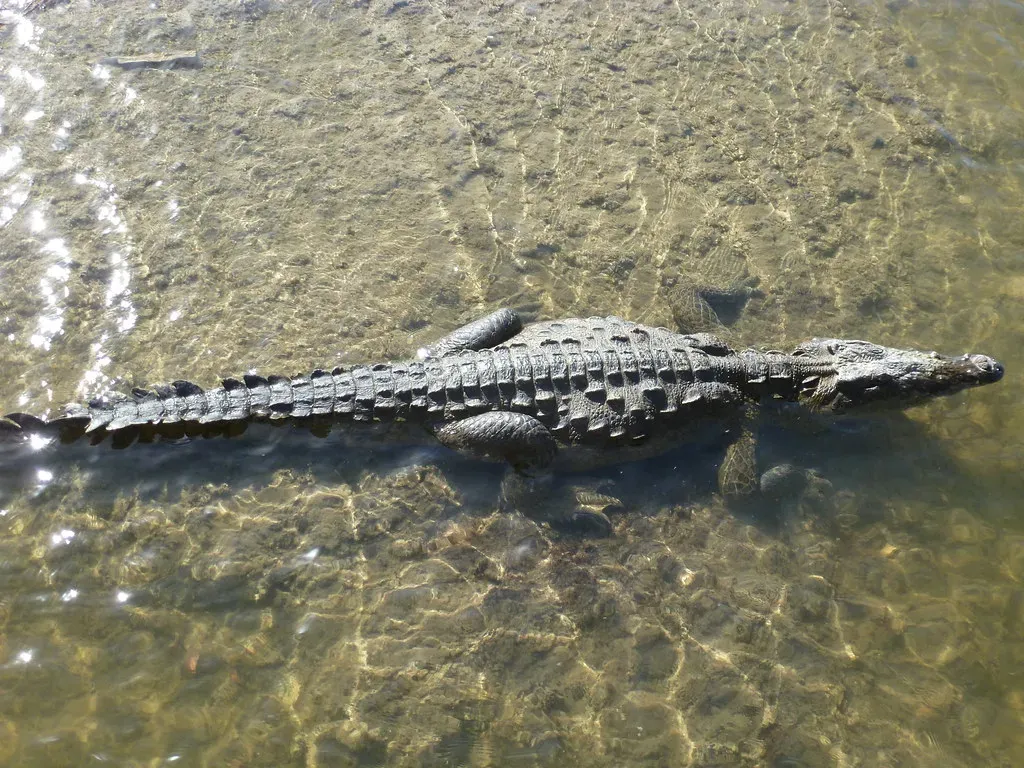
Lake George is Florida’s second largest lake, at approximately six miles across and 11 miles around, after Lake Okeechobee, and is one of the top five alligator-filled in the state. The lake is home to a large number of alligators, with estimates around 2,660 alligators. What makes Lake George particularly interesting is its unique ecosystem.
The lake is fed from the St. Johns River, the longest river in Florida, and a unique feature of Lake George is its salt content from springs along the St. Johns River, whose mix of fresh and saltwater provides sustainable habitat for marine life like Atlantic stingrays, mullet, striped bass, and blue crabs. The most obvious feature is the lack of vegetation beyond reeds and eelgrass near the shoreline; there is no foliage at all along the lake’s consistent depths of 10 to 12 feet.
Most adventurers visit Lake George to fish as it is one of the state’s most popular bass fishing areas. On the water, anglers can spot tortoises, white-tailed deer, ospreys, Florida black bears, bobcats, and alligators. The wildlife diversity here is stunning, but the alligators remain the apex predators.
Alligators thrive in this lake and along the banks of the river, and during the cooler winter months, you may see alligators basking in the sun along the shoreline. The brackish water conditions don’t bother the gators one bit. They’re incredibly adaptable and have been observed in various salinity levels throughout coastal Florida. If anything, the unique conditions of Lake George give them an even wider food selection.
Lake Istokpoga: The Under-the-Radar Gator Hotspot
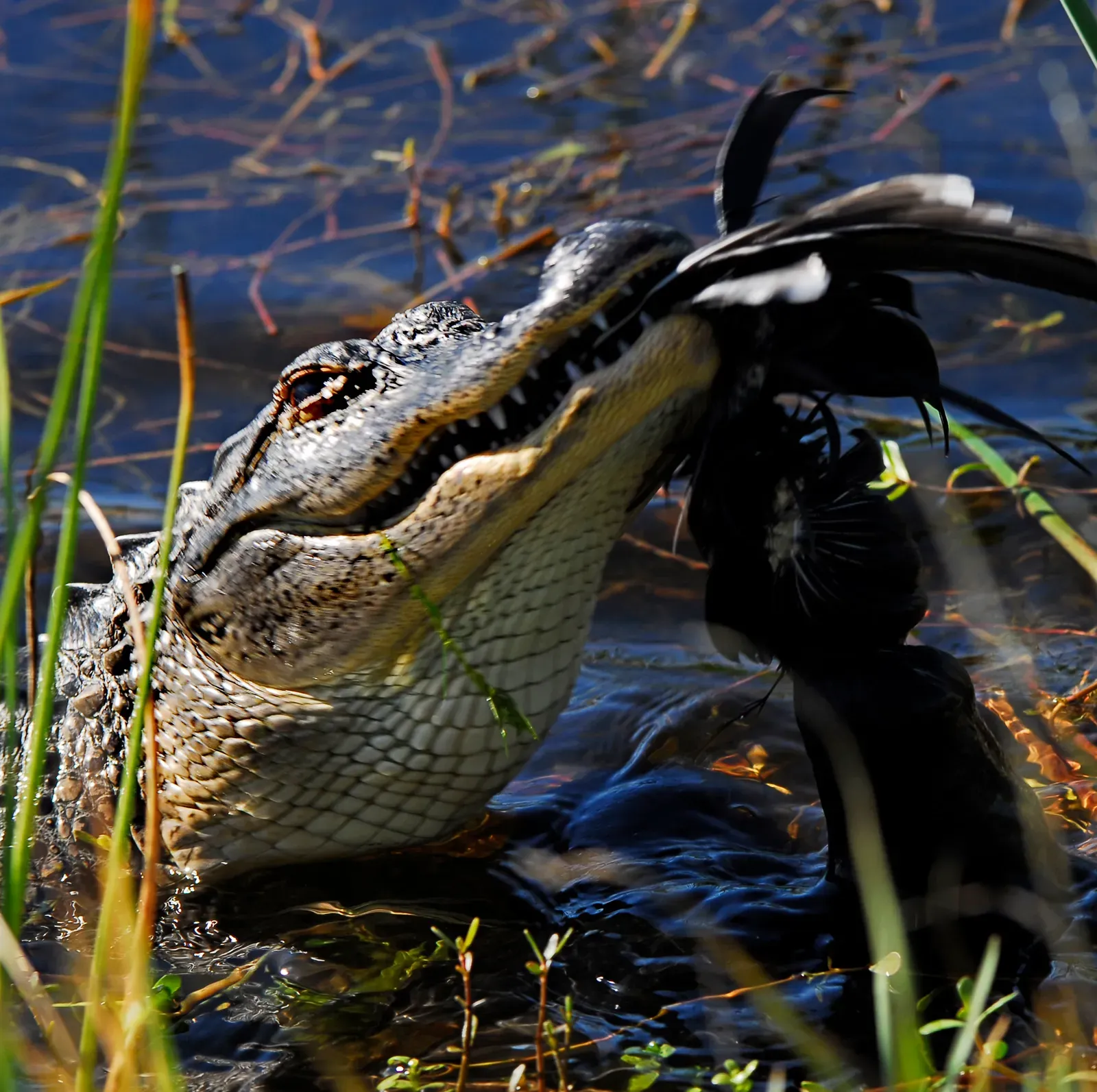
Lake Istokpoga has a notable alligator population with estimates suggesting 1,321 alligators, and this large freshwater lake located in Highlands County is known for its abundant fishing opportunities, particularly for bass, with surrounding wetlands and marshes providing diverse ecosystems for various wildlife. Lake Istokpoga is home to over 1,000 alligators, but another 10,000 alligators of various life stages are estimated to live in and around the lake.
This makes sense, considering its location almost adjacent to Lake Okeechobee, the largest lake in Florida. Lake Istokpoga sits in the shadow of its much larger neighbor, but it’s no less dangerous. The lake serves as a kind of overflow habitat, with younger alligators from Okeechobee often migrating here to establish their own territories.
The wetlands surrounding Lake Istokpoga create perfect nesting conditions. Female alligators build mound nests from vegetation along the shoreline, and the warm, humid climate ensures high hatch rates. During nesting season, mother alligators become extremely territorial and protective, making shoreline encounters particularly risky.
What’s fascinating about Lake Istokpoga is how it flies under the radar compared to its more famous counterparts. While tourists flock to Lake Okeechobee or take airboat tours of Lake Jesup, Istokpoga quietly hosts thousands of alligators in relative peace. Local fishermen know better than to underestimate this lake. They’ve seen the massive gators that lurk in the deeper channels, and they give them a wide berth.
Conclusion
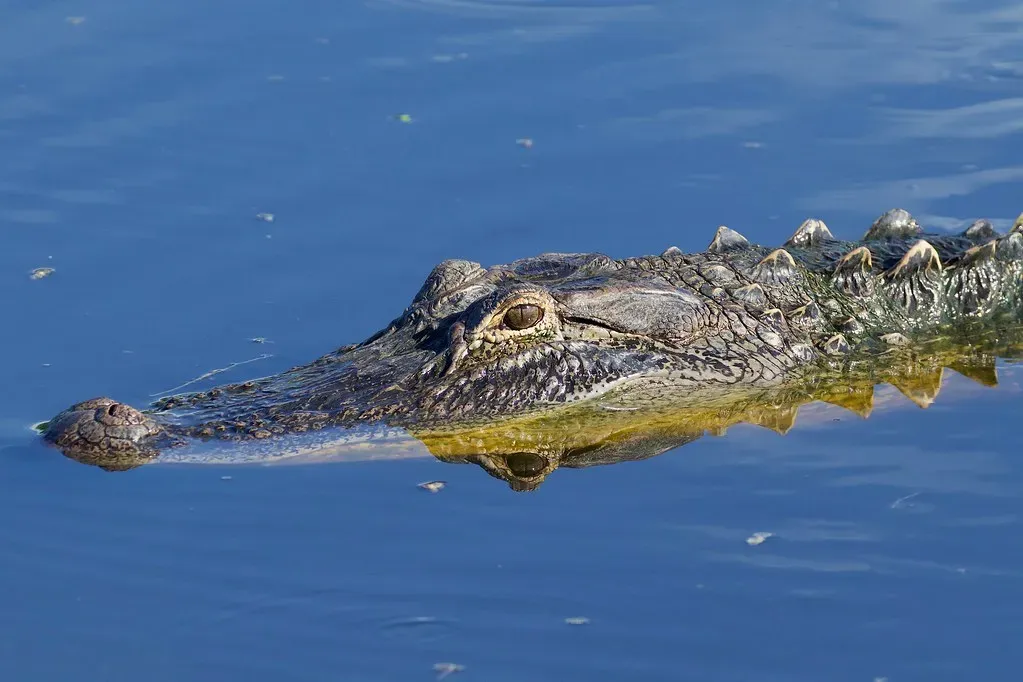
The states with the most alligators are Louisiana and Florida, each with about one million wild alligators. FWC estimates there are about 1.3 million alligators throughout Florida. These numbers aren’t shrinking either – alligator populations have rebounded dramatically since they were placed on the endangered species list decades ago. Now they’re thriving, and humans are increasingly living, working, and playing in their territory.
Since 1948, there have been 489 unprovoked bites reported in the state, with 31 resulting in death, according to May 2025 data from FWC. Researchers found that in 96% of recorded incidents, some form of human inattention or risk-taking preceded the attack, showing how alligator bites are not random; they’re preventable. The good news? Most encounters are avoidable if you follow basic safety guidelines and maintain awareness of your surroundings.
These represent some of the most pristine ecosystems in America, teeming with wildlife and natural beauty. The alligators aren’t villains – they’re simply doing what they’ve done for millions of years: surviving, hunting, and raising their young. We’re the ones entering their domain, and we need to do so with respect and caution. Whether you’re fishing, kayaking, or just enjoying the scenery from shore, always assume alligators are present in any freshwater body in the South.
What’s your take on these alligator-infested waters? Would you risk a swim, or are you content admiring them from a safe distance? Tell us in the comments.
