
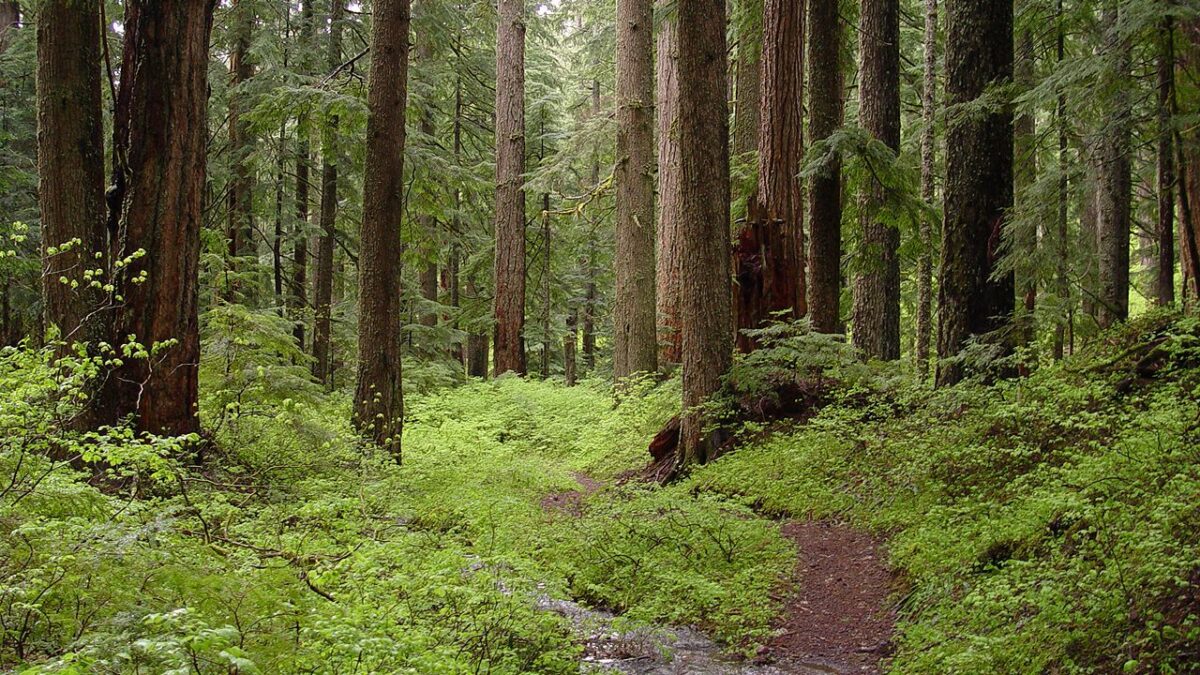
There is something almost supernatural about standing inside an ancient forest. The silence goes deep. The trees are so old they seem to breathe at a different frequency than everything around them. Towering overhead, some of these giants have been growing since before Columbus ever crossed the Atlantic, and beneath your feet, hidden networks of life pulse through the soil in ways science is only beginning to understand.
America’s old-growth forests are not just beautiful. They are, honestly, among the most complex and mysterious ecosystems on the planet. What lives inside them, above and below the ground, may surprise you more than you’d expect. Let’s dive in.
America’s Ancient Giants: Where They Stand and What They Hold
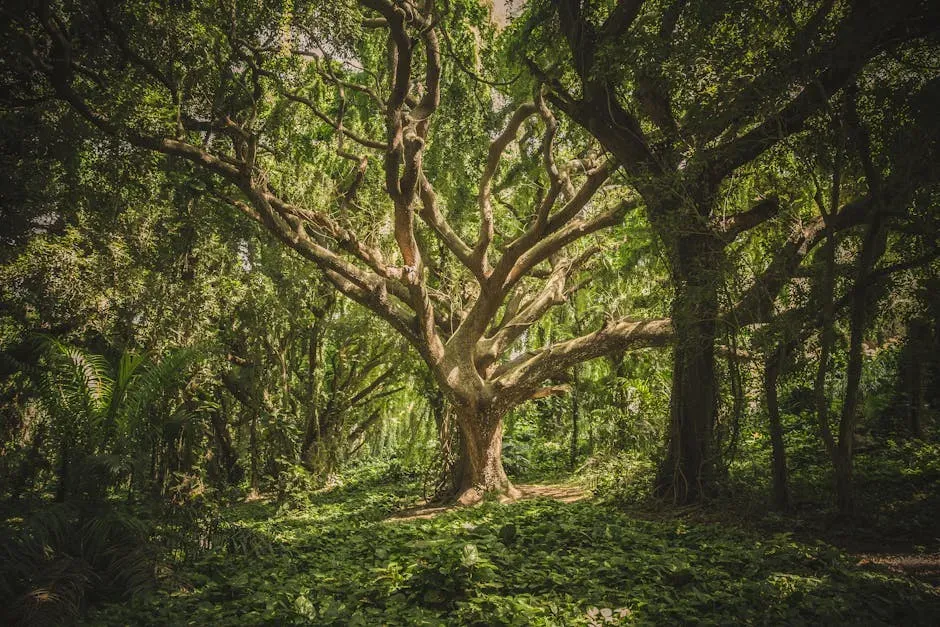
Old growth is found in nearly every state in the nation, ranging in size from several acres to well over 20 square miles. That fact alone should make you stop and think. We tend to picture ancient forests as remote and unreachable, but many of them exist closer to civilization than most people realize.
Tongass National Forest is home to some of the oldest trees on earth, many of them dating back more than 800 years. Spruce, cedar, and western hemlock trees stretch more than 200 feet into the sky and reach nearly 12 feet in diameter at chest level. That is wider than a full-grown elephant. Let that image sink in for a moment.
The Adirondack wilderness in New York is home to about 300,000 acres of ancient trees scattered about the vast wilderness. Some of the largest hardwoods in the world can be found dotting remote ridgelines and lining secluded rivers deep within the park, where logging wasn’t able to disrupt centuries of steady growth.
The most ancient eastern forest is also found in North Carolina: a stand of 1,700-year-old bald cypresses at the Nature Conservancy’s Black River Preserve. Nearly two thousand years old. Those trees were already ancient when medieval Europe was still building its first cathedrals.
A Living Catalog of Hidden Life
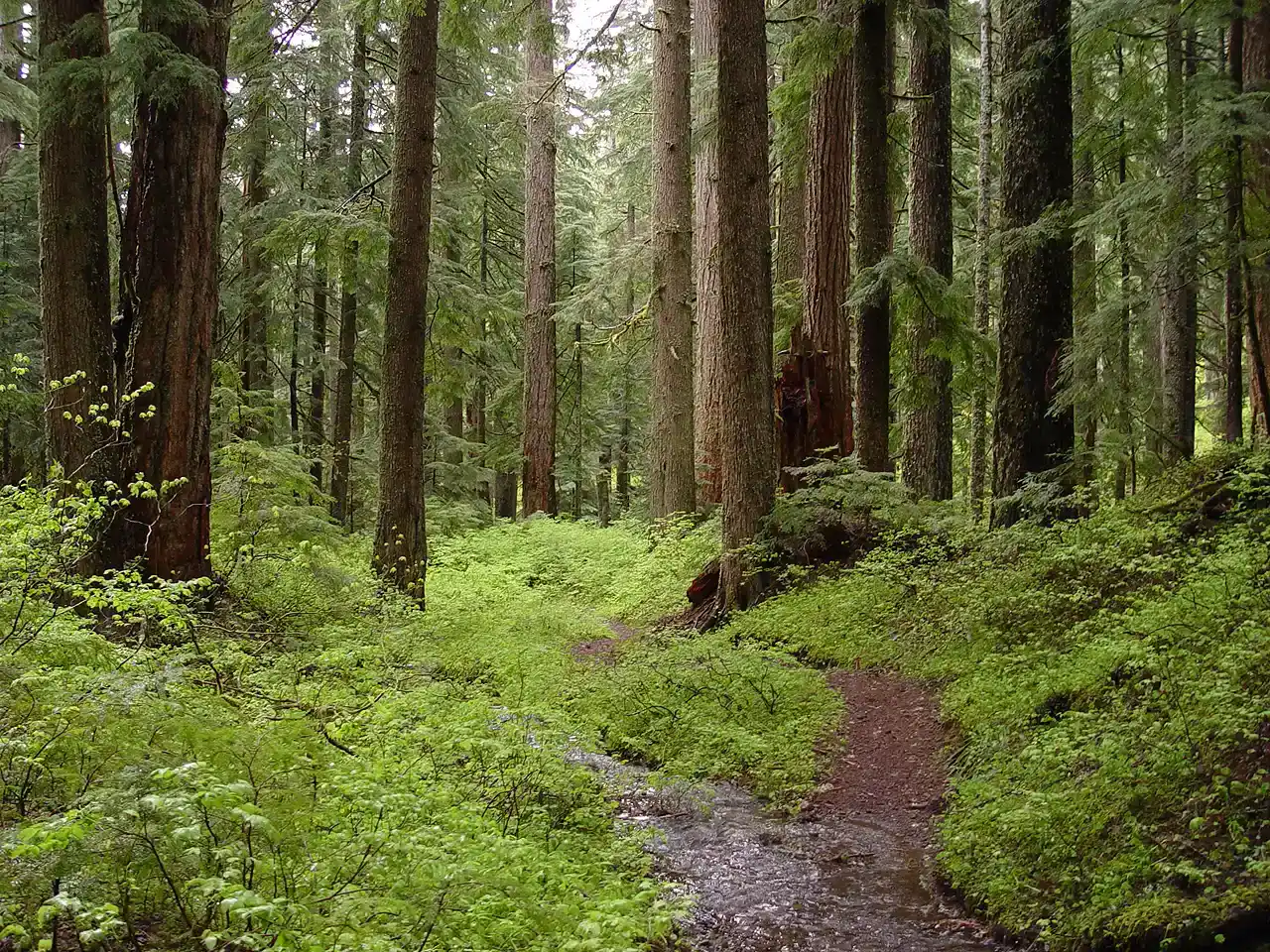
Here’s the thing about old-growth forests that never quite gets enough attention. They are not just home to species we already know. They actively hide species we have never even named.
Old-growth tends to be challenging to access, like on ancient mountains. Therefore, scientists can’t properly study the plant and animal life within. There may be undiscovered species lurking in old-growth that we just don’t know about. It sounds almost like science fiction, but it is completely real.
Old-growth forests often contain rich communities of plants and animals within the habitat due to the long period of forest stability. These varied and sometimes rare species may depend on the unique environmental conditions created by these forests. Old-growth forests serve as a reservoir for species which cannot thrive or easily regenerate in younger forests.
Plant species that are native to old-growth forests may someday prove to be invaluable towards curing various human ailments, as has been realized in numerous plants in tropical rainforests. Think of that the next time someone dismisses conservation as an abstract cause.
The Underground World Beneath the Trees
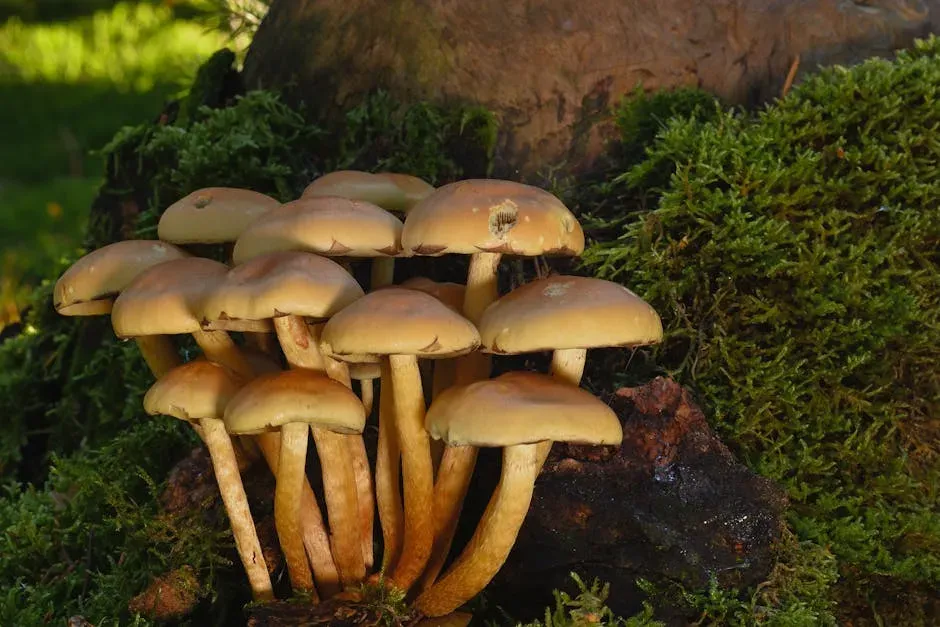
Most people look up when they enter an ancient forest. I think the smarter move is to look down. The soil beneath these trees is arguably more alive, and more mysterious, than anything visible above ground.
New research from the University of Melbourne shows that ancient giant trees act as underground biodiversity hubs, supporting vast communities of fungi that help forests cycle nutrients, store carbon, and withstand environmental stress. The findings suggest that losing a single millennial tree could mean losing an entire hidden ecosystem that took thousands of years to assemble.
The researchers also found that many of these organisms may be unknown to science. The soil contained hundreds of fungal species that are likely new, hidden in a place most people never think to look – the dirt around the roots of an ancient tree. That is not a metaphor. That is literally what scientists discovered.
It is estimated that only 155,000 of the roughly 2 to 3 million fungal species on the planet have been formally described. A review published in Current Biology shows that as much as roughly four out of five ectomycorrhizal species are so-called dark taxa – meaning they exist only as strings of DNA sequences with no name attached to them yet. The scale of what we don’t know is genuinely humbling.
Mature forests provide these mushrooms with ideal conditions to establish extensive networks, which then promote plant growth and safeguard other sensitive species that thrive in undisturbed habitats. Think of it like a city’s entire infrastructure hidden underground, invisible but essential.
Rare Wildlife That Calls These Forests Home
The creatures sheltering inside America’s ancient forests are sometimes so specialized that they can survive nowhere else on earth. Remove the forest, and you do not just lose trees. You lose entire species.
Older forests provide shade that keeps streams cool and oxygenated for Pacific salmon and trout. Hundreds of rare wildlife species, including the marbled murrelet, Pacific fisher, and the northern spotted owl need old forests to survive.
The Alexander Archipelago wolf, a subspecies of wolf that resides in the Tongass National Forest of southeast Alaska, depends on our largest national forest for a steady food supply and a safe place to den. It is a wolf that only exists because the forest does. That is a remarkable relationship.
Known as one of the rarest animals living in the national park system, the Kaibab squirrel can only be found on the Kaibab Plateau in Kaibab National Forest and the North Rim of the Grand Canyon. One plateau. One squirrel. That kind of geographic isolation shapes species in ways that remain fascinating to scientists.
As many as six woodpecker species can co-occur along with other cavity-dependent species in old-growth forests of the Pacific Northwest of the United States. Species that depend entirely on the presence of dead standing trees, snags, and layers of decaying wood that only old forests produce over centuries.
A Race Against Time: Threats and the Urgency of Discovery
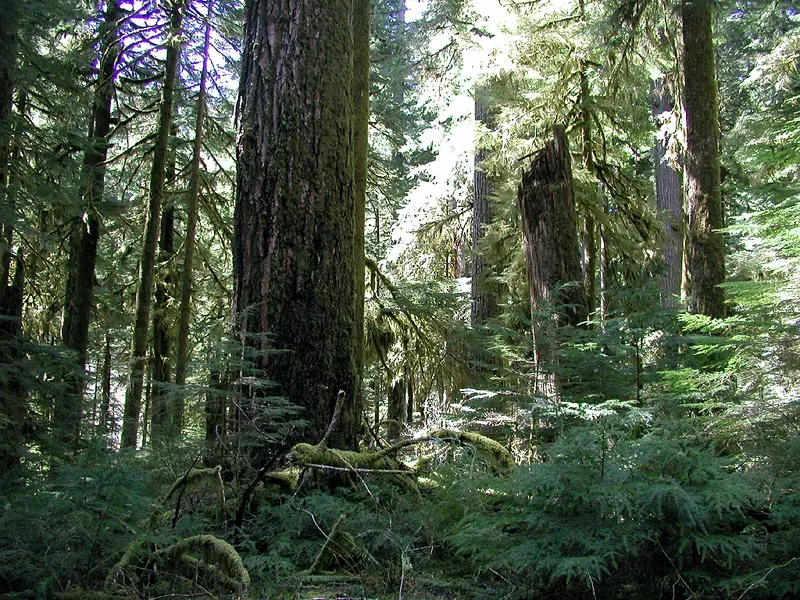
I know it sounds crazy, but there is a very real possibility that scientists will discover new species in these forests at the same time those forests are being destroyed. That is not an exaggeration. That is the uncomfortable reality of 2026.
Road-building, industrial logging, and mining threaten remaining mature and old-growth trees and forests, increasing the risk of climate change and destroying essential habitat for countless species. From Vermont’s Green Mountain National Forest to the Monongahela National Forest in West Virginia to the Kootenai National Forest in Montana, more than 50 million acres of mature and old-growth forests on federal lands in the United States remain unprotected from logging.
The search for life on Earth is speeding up, not slowing down. Scientists are now identifying more than 16,000 new species each year, revealing far more biodiversity than expected across animals, plants, fungi, and beyond. Many species remain undiscovered, especially insects and microbes.
As revealed in Kew’s State of the World’s Plants and Fungi report, as many as roughly three out of four undescribed plants are already threatened with extinction. We are losing species before we even know they exist. That is the kind of fact that should genuinely keep people up at night.
These old forests are rare, and unfortunately becoming rarer every day due to natural disturbances like fire, human disturbance where old growth isn’t protected, and the warming and drying climate. The window for discovery, and for protection, is narrowing every single season.
Conclusion: The Last Great Libraries of Life
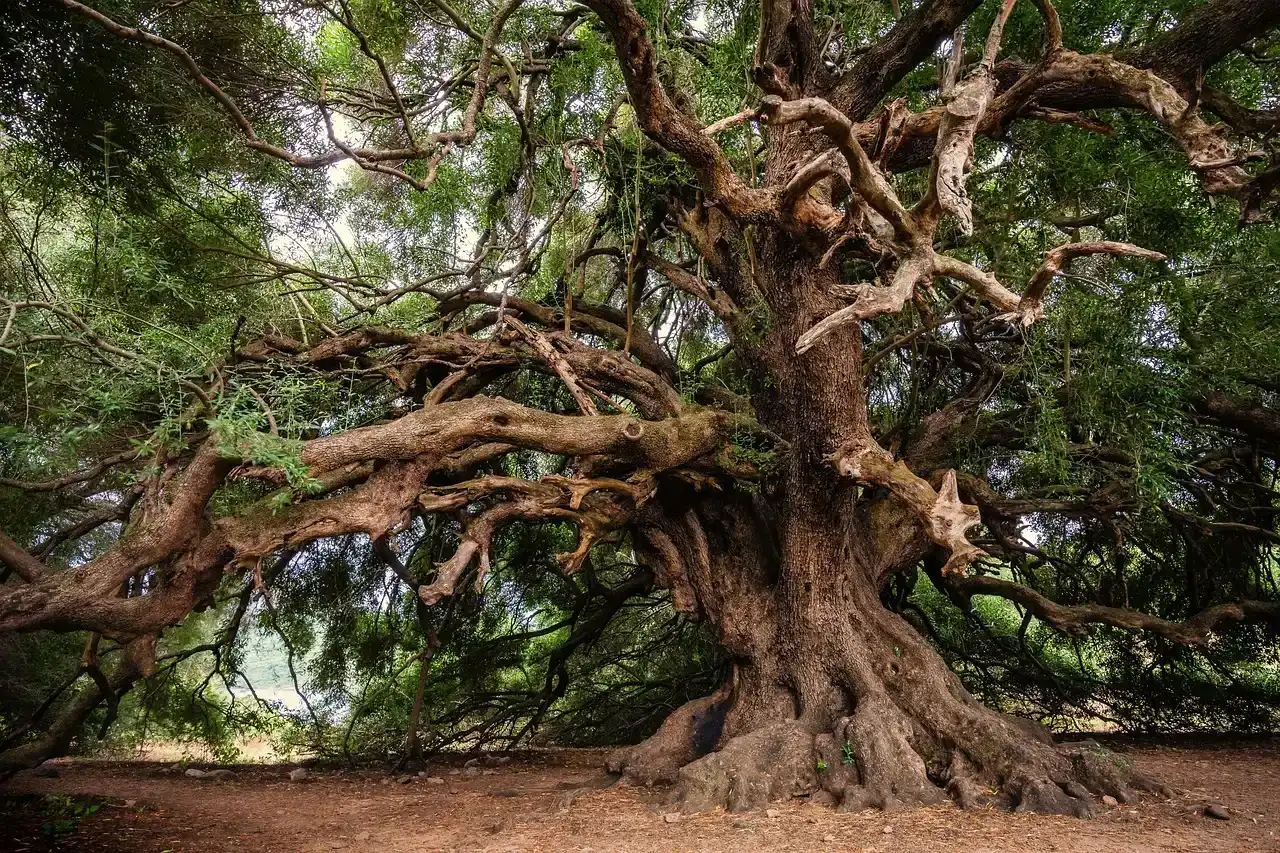
Ancient forests are not relics. They are not just scenery for hiking Instagram photos. They are living, breathing archives of biological intelligence that has been quietly evolving for hundreds, sometimes thousands of years. Every hollow trunk, every inch of root-laced soil, and every canopy shadow holds secrets that scientists are only now beginning to decode.
Much more than curiosities, ancient forests are nurseries of biodiversity. Abounding with live and dead trees, decaying logs, and thick layers of moss and leaves, they provide flourishing wildlife habitat. Birds thrive in their high canopies and trunk crevices, while fish benefit from the nutrients their woody debris provides to sheltered streams.
The most extraordinary part? We are still very much at the beginning. Today, scientists are identifying more than 16,000 new species each year, the highest rate ever recorded. The researchers say this trend is not slowing and suggest that groups such as plants, fungi, arachnids, fishes, and amphibians are far more diverse than previously believed.
America’s ancient forests are the closest thing we have to a biological treasure vault. The question is whether we will have the wisdom to protect what is inside them before we even know what we are protecting. What do you think it would take for us to finally treat these forests with the urgency they deserve? Share your thoughts in the comments.

- 16 Quiet Comforts Vets Say Matter Most to Your Cat in the Very Last Weeks of Its Life - August 1, 2026
- 16 Garden Choices Experienced Growers Wish They Had Made a Full Decade Earlier Than They Did - August 1, 2026
- 14 Things Veteran Gardeners Wish Someone Had Told Them Before Their Very First Full Planting Season - August 1, 2026