

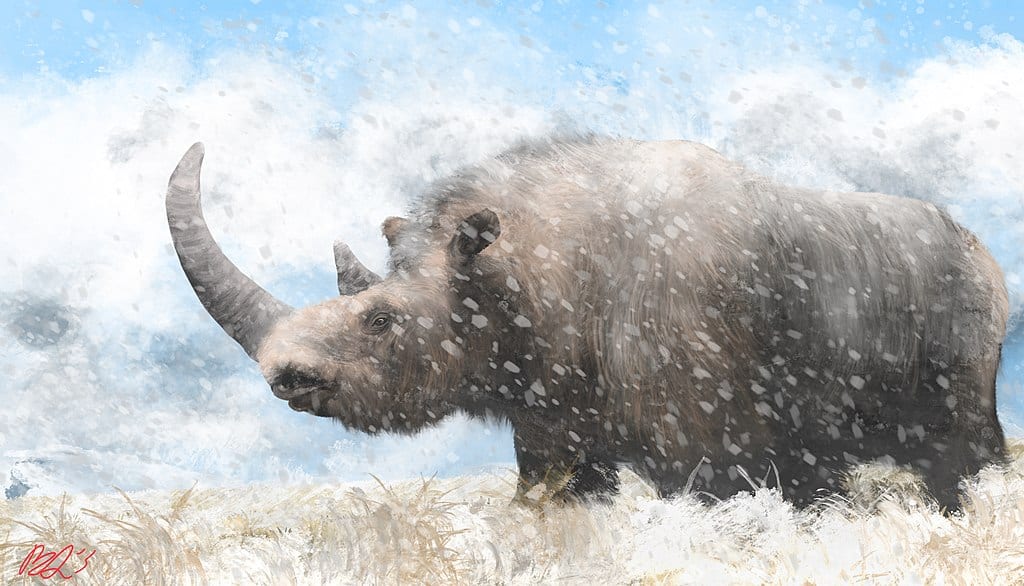
In the frozen wilderness of Alaska, a remarkable paleontological discovery has captured the attention of scientists worldwide. Preserved in the ancient ice of the Last Frontier, researchers have unearthed the oldest known specimen of a woolly rhinoceros, offering unprecedented insights into these magnificent Ice Age mammals. This extraordinary find represents a significant milestone in our understanding of prehistoric megafauna that once roamed the northern landscapes during the Pleistocene epoch. The exceptionally preserved remains have allowed scientists to study these ancient creatures in remarkable detail, revealing new information about their adaptation to extreme cold, their relationship to other rhino species, and the environmental conditions that shaped their evolution.
A Groundbreaking Discovery in the

The discovery occurred in the remote regions of Alaska’s permafrost, where the consistently freezing temperatures create ideal conditions for preserving organic material across millennia. During a research expedition focused on climate change impacts in the Arctic, scientists noticed unusual dark material protruding from an eroding ice wall.
What initially appeared to be ordinary sediment turned out to be the remarkably well-preserved remains of a woolly rhinoceros, estimated to be approximately 40,000 years old. This makes it the oldest substantially complete woolly rhino specimen ever discovered in North America, predating previous findings by several thousand years. The excavation required painstaking efforts to ensure the integrity of both the specimen and the surrounding ice layers, which themselves contain valuable climatological data.
The Woolly Rhino’s Journey Through Time

Woolly rhinoceroses (Coelodonta antiquitatis) were magnificent creatures that evolved during the Pleistocene epoch, adapting to the harsh conditions of the Ice Age. They first appeared approximately 350,000 years ago and survived until roughly 10,000 years ago, when many megafauna species faced extinction at the end of the last glacial period. These massive herbivores were contemporaries of woolly mammoths, giant sloths, and early humans, forming part of the diverse ecosystem known as the mammoth steppe.
The Alaskan specimen represents an important chapter in the evolutionary story of these animals, potentially shedding light on their migration patterns across the Bering Land Bridge that once connected Asia and North America. Genetic analysis of this individual may help scientists understand how woolly rhinos evolved and adapted as they spread across the northern hemisphere.
Physical Characteristics of the Preserved Specimen
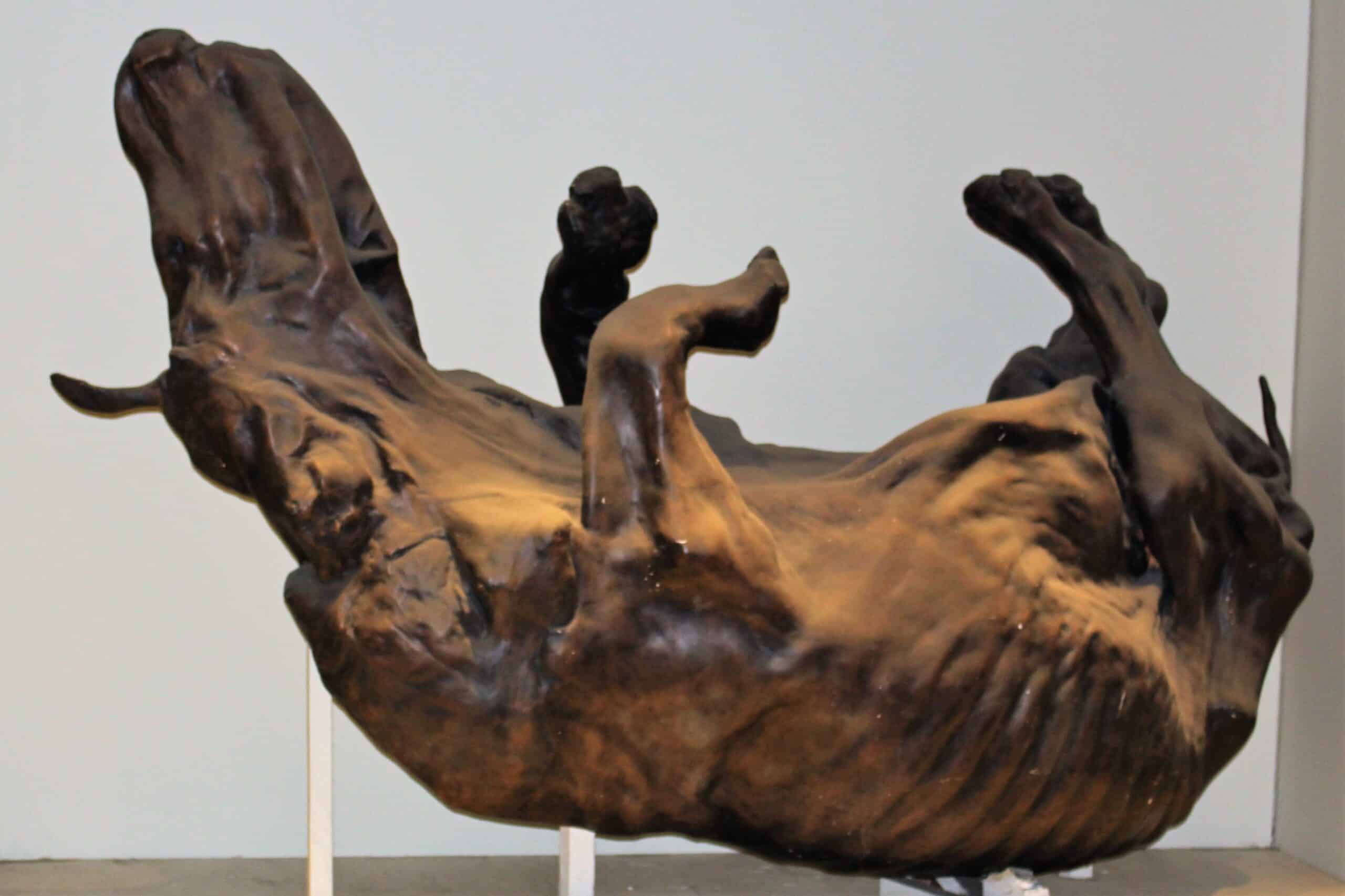
The Alaskan woolly rhino discovery is exceptional due to its remarkable state of preservation. Ice has maintained not only the skeletal structure but also significant amounts of soft tissue, including skin, muscle, and even internal organs. The specimen measures approximately 3.7 meters (12.1 feet) in length and would have stood about 2 meters (6.5 feet) tall at the shoulder. Its most distinctive feature, the dual horns, remain partially intact, with the front horn measuring an impressive 1.2 meters (3.9 feet) in length.
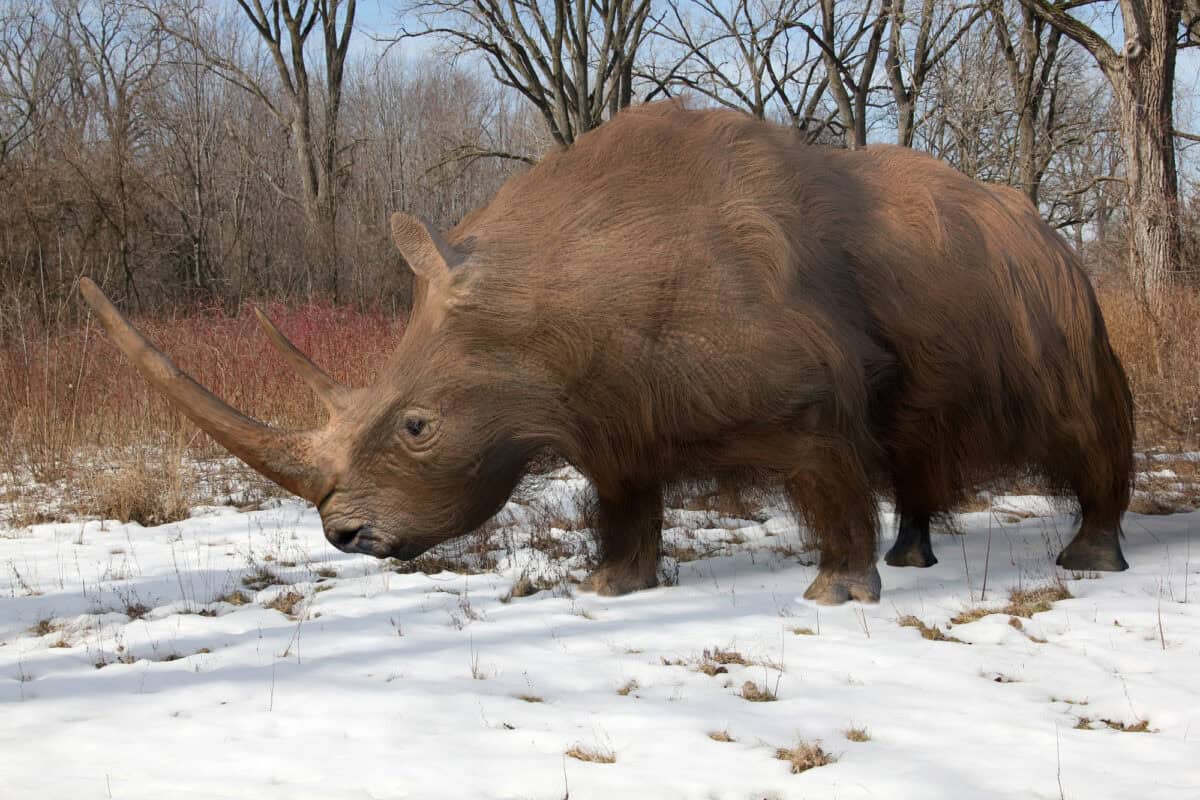
The rhino’s characteristic thick, reddish-brown fur is preserved in patches, confirming previous theories about its coloration based on cave paintings. Scientists have also observed the dense undercoat that provided crucial insulation against the Arctic cold, a key adaptation that allowed these massive mammals to thrive in frigid environments. Microscopic analysis of the fur structure has revealed additional details about its insulating properties not previously documented in other specimens.
Dating Methods and Age Determination

Establishing the precise age of the Alaskan woolly rhino required multiple dating methods to ensure accuracy. Radiocarbon dating of bone collagen and surrounding plant material provided the primary age estimate of approximately 40,000 years, placing the specimen in the middle of the Last Glacial Period. This timeframe corresponds to a relatively warmer interval known as the Denekamp interstadial.
Additional dating techniques, including optically stimulated luminescence (OSL) dating of surrounding sediments and uranium-thorium dating of mineral deposits found with the remains, corroborated the radiocarbon results. The team also analyzed ice core layers surrounding the specimen, which contain atmospheric data trapped in bubbles, offering insights into the exact climate conditions when the animal died. These multiple lines of evidence not only confirm the specimen’s age but also provide crucial context about the environmental conditions during this specific period of the Pleistocene.
Dietary Analysis and Ecological Insights

One of the most valuable aspects of this discovery is the preservation of stomach contents and dental calculus (hardened dental plaque), which offer direct evidence of the animal’s diet. Analysis revealed a diverse plant composition dominated by grasses, sedges, and flowering herbs typical of the mammoth steppe ecosystem. Notably, scientists identified several plant species within the stomach contents that today grow only in significantly warmer environments, suggesting that Alaska’s climate during this period supported more diverse vegetation than previously thought.
Isotopic analysis of the rhino’s teeth and bones also revealed seasonal dietary shifts, indicating the animal’s ability to adapt its feeding habits throughout the year. This dietary flexibility may have been a crucial survival strategy during the volatile climate conditions of the Pleistocene. The findings challenge some existing theories about the ecological niches these megaherbivores occupied and how they coexisted with other large grazers like mammoths and bison.
Ancient DNA and Genetic Analysis

The exceptional preservation of the Alaskan woolly rhino has provided scientists with high-quality genetic material, opening new avenues for understanding these extinct creatures. Preliminary DNA analysis confirms that this individual belongs to the Coelodonta antiquitatis species but shows some genetic distinctions from the Siberian populations previously studied. These differences suggest that North American woolly rhinos may have been genetically isolated from their Eurasian counterparts for longer than previously believed.
The research team has successfully sequenced approximately 78% of the rhino’s genome, representing the most complete genetic profile of a woolly rhinoceros to date. This genetic treasure trove allows scientists to investigate the rhino’s evolutionary adaptations to extreme cold, its relationship to modern rhino species, and potential factors that contributed to its eventual extinction. The genetic data also provides insights into the population dynamics of these animals, including evidence of several population bottlenecks that coincided with major climate fluctuations during the Pleistocene.
Evidence of Ancient Diseases and Parasites

The remarkably preserved tissues of the Alaskan woolly rhino have allowed scientists to identify ancient pathogens and parasites that affected these Ice Age mammals. Microscopic examination revealed the presence of several endoparasites, including intestinal worms similar to those found in modern rhinoceroses. Additionally, researchers identified bacterial and fungal signatures that provide the first direct evidence of specific diseases that affected these animals. Of particular interest was the discovery of tuberculosis-like lesions in the lung tissue, suggesting that respiratory infections may have been common challenges for Ice Age megafauna.
These findings offer a rare glimpse into the disease ecology of the Pleistocene and how it might have influenced animal populations. Some researchers speculate that as climate changed toward the end of the Ice Age, disease pressure may have increased, potentially contributing to the eventual extinction of species like the woolly rhinoceros. This aspect of paleontological research, often impossible with less well-preserved specimens, adds an important dimension to our understanding of prehistoric ecosystems.
Climate Insights from the Discovery Context

The ice layers encasing the woolly rhino provide valuable climate data from the time of the animal’s death. Analysis of oxygen isotopes in the ice suggests that temperatures during this period fluctuated significantly, with the animal living through both relatively warmer and colder phases. Pollen samples from the same ice layers indicate a diverse ecosystem with greater variety than the typical tundra vegetation found in the region today. The discovery location also revealed evidence of permafrost thaw and refreeze cycles, suggesting that even during the Ice Age, Alaska experienced periodic warming events. These climate insights are particularly valuable as they come from a time period with relatively few well-dated climate proxies from this region. Scientists note that understanding these past climate fluctuations and how they affected megafauna like the woolly rhino may offer insights into how modern ecosystems might respond to current climate change. The data suggests that woolly rhinos successfully adapted to significant climate variability during their existence, though the rapid warming at the end of the Pleistocene ultimately proved too extreme for their survival.
Comparison with Other Woolly Rhino Finds

The Alaskan woolly rhino joins a small but significant collection of preserved specimens found across the Northern Hemisphere. Prior to this discovery, the most notable woolly rhino finds included the Churapcha rhino from Siberia (approximately 20,000 years old), the Starunia specimens from Ukraine (approximately 23,000-35,000 years old), and fragmented remains from various European and Asian sites. What distinguishes the Alaskan specimen is not only its age but also its geographic location and exceptional preservation state.
Most previously discovered woolly rhino remains from North America consisted of isolated bones or teeth, making this nearly complete specimen unprecedented for the continent. Compared to the Siberian and European finds, the Alaskan rhino shows subtle morphological differences, including slightly longer limbs and variations in horn curvature, suggesting regional adaptations to specific environments. These differences highlight the species’ evolutionary plasticity and ability to adapt to various conditions across its vast range from Western Europe to North America.
Technological Approaches to Studying the Specimen

Researchers have employed cutting-edge technologies to study the Alaskan woolly rhino without compromising its preservation. High-resolution CT scanning has created detailed three-dimensional models of the animal’s internal structures, revealing previously unknown anatomical details of its respiratory and digestive systems. Advanced proteomics techniques have identified preserved proteins that provide insights into cellular functions not accessible through DNA analysis alone. Scanning electron microscopy of hair, skin, and tissue samples has revealed ultrastructural adaptations to cold environments, including specialized fat cell structures similar to those in modern Arctic mammals.
Perhaps most innovative has been the application of ancient lipid analysis, which has identified preserved fat molecules that offer clues about the animal’s diet, metabolism, and physiological adaptations to cold stress. The research team has also created a virtual reality model of the specimen, allowing scientists worldwide to examine it in detail without requiring physical access to the fragile remains. These non-destructive or minimally invasive techniques represent the cutting edge of paleontological research, maximizing the scientific value of this rare find while ensuring its preservation for future studies.
Implications for Extinction Theories
The Alaskan woolly rhino provides valuable insights into the ongoing debate about what caused the extinction of Pleistocene megafauna. The specimen’s excellent preservation allows scientists to look for direct evidence of stress factors that might have affected these animals before their disappearance. Analysis of growth rings in the rhino’s teeth indicates several periods of nutritional stress, particularly in the years before its death, suggesting changing vegetation patterns may have impacted its health. However, there’s no evidence of human interaction with this particular individual, neither hunting marks nor proximity to human settlements, which contributes to the complex picture of extinction causes.
The specimen’s age of approximately 40,000 years places it well before the major extinction event at the end of the Pleistocene, indicating this individual died during the species’ thriving period rather than during its decline. Some researchers suggest that the genomic data from this specimen, when compared with younger individuals, might reveal whether genetic diversity was already decreasing long before the actual extinction, potentially due to climate-related population isolation. These findings add nuance to the debate between climate change and human hunting as extinction drivers, suggesting that different factors may have affected various megafauna species in different ways across their range.
Conservation and Exhibition Plans

Preserving the Alaskan woolly rhino presents significant challenges due to its fragile nature and the technical requirements for maintaining frozen specimens. Currently, the rhino is housed in a specialized cold storage facility where temperature and humidity are precisely controlled to prevent tissue degradation. Conservation specialists have developed a custom preservation protocol involving flash-freezing techniques originally designed for modern medical specimens, adapted for paleontological use. Plans for public exhibition are being developed with innovative display solutions that would allow museum visitors to view the specimen while it remains in a controlled environment.
A traveling exhibition is scheduled to begin next year, featuring the actual specimen for limited viewing periods alongside interactive displays, 3D models, and virtual reality experiences that make the discovery accessible to wider audiences. The exhibition will also highlight the specimen’s significance for climate research, connecting past climate changes with current environmental challenges. Museum officials emphasize that while public education is important, the scientific value of the specimen takes precedence, with exhibition plans designed to ensure its long-term preservation while still making it accessible for research and education.
Conclusion: Rewriting the Ice Age Narrative

The discovery of the oldest known woolly rhino in Alaska’s ice represents a watershed moment in paleontological research, fundamentally expanding our understanding of Pleistocene ecosystems in North America. This extraordinarily preserved specimen has provided unprecedented insights into the biology, ecology, and evolutionary history of these iconic Ice Age mammals, challenging previous assumptions and filling critical gaps in the scientific record.
The multiple lines of evidence gleaned from this single individual—from genetic material to stomach contents, from parasites to fur structure—demonstrate the immense value of well-preserved specimens and the importance of developing advanced, non-destructive research techniques. As climate change accelerates the thawing of permafrost across the Arctic, more Ice Age specimens may emerge, making the protocols and preservation methods developed for this woolly rhino increasingly valuable for future discoveries.

From exploring the marine wonders in the Azores and witnessing the vast savannas of Kenya, to delving deep into the rich biodiversity of South Africa and traversing iconic landscapes in Australia and the US like Yellowstone, Chris's experiences are vast.
With a penchant for diving alongside sharks, the ocean holds a special place in his heart.
Through his academic insights, he champions wildlife conservation, striving with 'Animals Around The Globe' to cultivate a profound connection between humans and animals, enhancing our mutual appreciation.
Connect with him at Feedback@animalsaroundtheglobe.com.
- Why Spiders Don’t Get Stuck in Their Own Webs - July 20, 2026
- What Scientists Found in a 10,000-Year-Old Beehive - July 20, 2026
- This Spider Builds Fake Decoys of Itself - July 20, 2026