
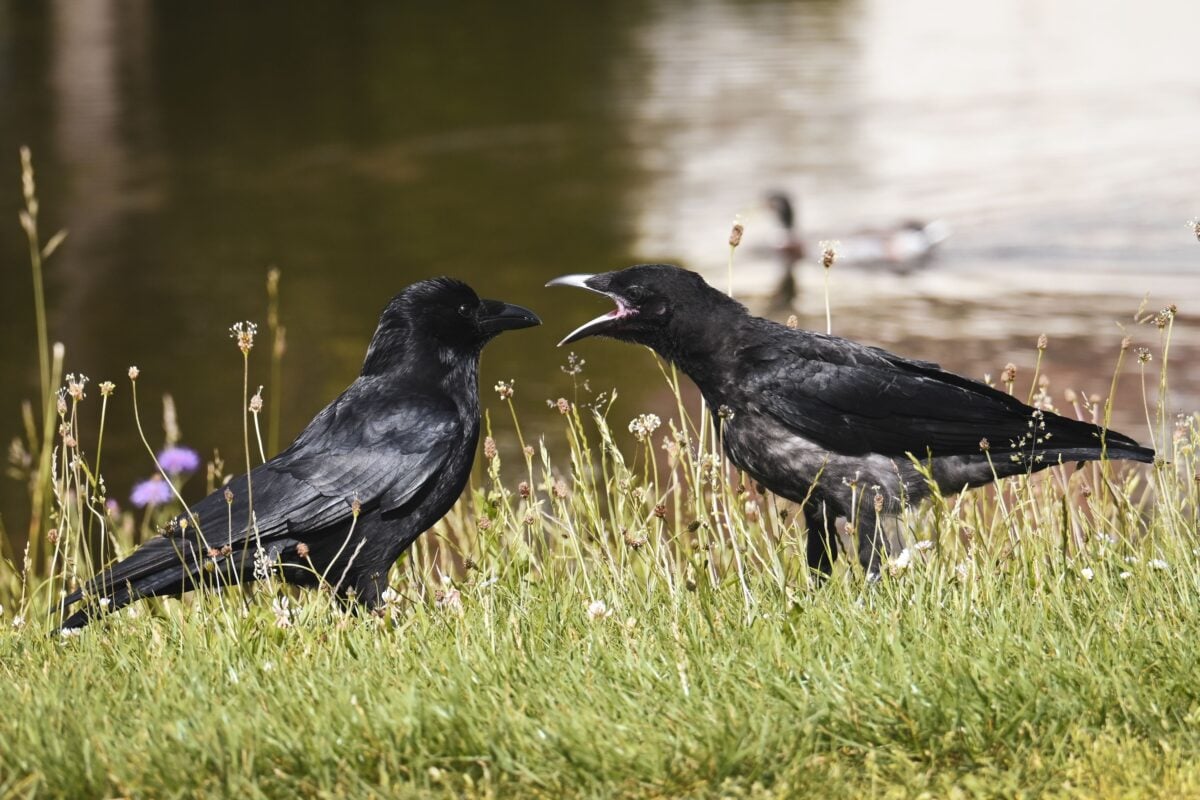
Picture a university campus, a rubber mask, and a flock of crows that seems to know exactly who is hiding behind it. In the mid 2000s, a wildlife biologist in Seattle started wondering what wild crows actually notice about the people who walk below them. The answer turned out to be uncomfortable for anyone who has ever bothered a bird.
What followed was a long running set of field experiments that changed how many people think about urban wildlife. The findings suggest crows keep track of individual humans, and that the information doesn’t always stay with the bird who collected it. Here’s what the research shows, and where its limits are.
The Mask Experiment That Started It All
🔥 Would you like to save this?
We'll email this post to you, so you can come back to it later!
The work was led by John Marzluff, a professor at the University of Washington. His team trapped and banded wild American crows on campus while wearing a particular rubber mask, which the birds had every reason to dislike. Being caught and handled is stressful for any wild animal, so the mask quickly became linked with something bad.
The design was clever because it separated a face from a person. Different researchers could wear the same mask, so the crows weren’t reacting to a walk, a voice, or a particular body. The team also used a second, neutral mask as a control, which let them check whether crows were simply upset by any masked stranger.
What the Crows Did When the Mask Came Back
🔥 Would you like to save this?
We'll email this post to you, so you can come back to it later!
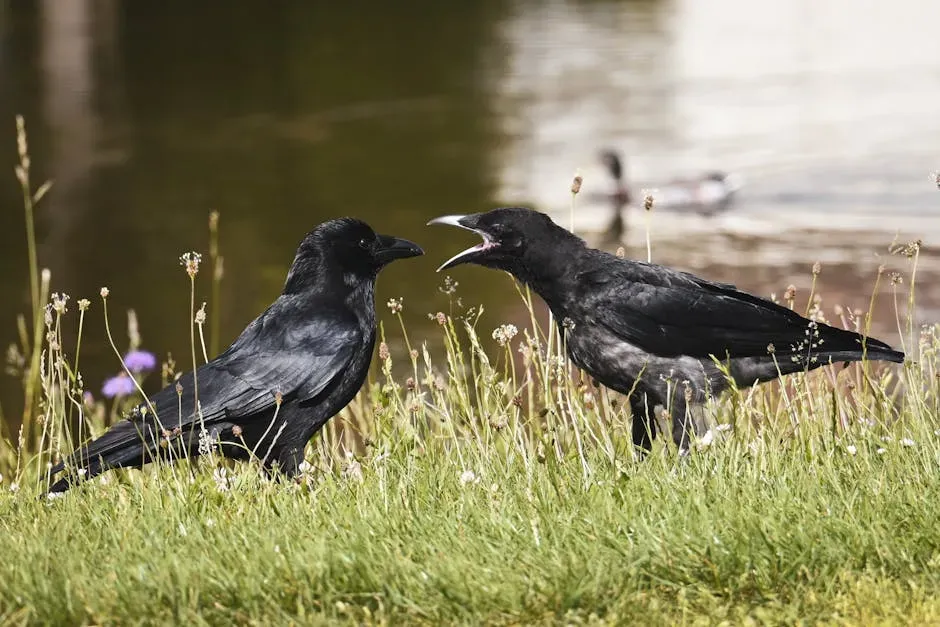
Later, people wearing the threatening mask walked through the same areas, and the crows reacted fast. They scolded with harsh calls, and they often mobbed the person, swooping and gathering around. Those wearing the neutral mask got far less attention, if any.
That contrast is the heart of the finding. The crows weren’t broadly suspicious of people. They’d singled out a specific face and attached a threat to it, in a way that held up across repeated tests.
A Grudge That Lasts for Years
🔥 Would you like to save this?
We'll email this post to you, so you can come back to it later!
The most striking part is how long it lasted. In the published follow up work, the scolding response persisted for years after the original trapping, and the researchers kept testing long after most people would assume a bird had moved on. Crows can live a long time in the wild, so a lengthy memory isn’t hard to imagine, though it’s still impressive to see it documented.
There’s a caution worth keeping in mind. These were field studies on one species in particular settings, so they show what’s possible, not a rule for every crow everywhere. Researchers also noted that the response tended to fade a bit over time even when the memory remained, which fits what you’d expect from animals that learn and recalibrate.

Halloween Dog Collar with Bow, Orange Cute Ghost Collar,
Check Price on AmazonAs an Amazon Associate, we earn from qualifying purchases.
10/9/2026 2:43 pm GMTi

Orthopedic Extra Large Dog Bed, Waterproof Washable XL Pet Bed 44"
Check Price on AmazonAs an Amazon Associate, we earn from qualifying purchases.
10/7/2026 1:32 pm GMTi

Hand Blown Glass Hummingbird Feeders for Outdoors Hanging, 24oz Wild Bird Nectar Feeder
Check Price on AmazonAs an Amazon Associate, we earn from qualifying purchases.
10/7/2026 1:23 pm GMTi

Earth Rated XL Dog & Puppy Pee Pads, Discreet Top, Max Absorbency
Check Price on AmazonAs an Amazon Associate, we earn from qualifying purchases.
10/7/2026 1:28 pm GMTi

Glass Hummingbird Feeder for Outdoors Hanging
Check Price on AmazonAs an Amazon Associate, we earn from qualifying purchases.
10/7/2026 1:21 pm GMTi
How the Grudge Spread to Crows Who Were Never Caught
🔥 Would you like to save this?
We'll email this post to you, so you can come back to it later!
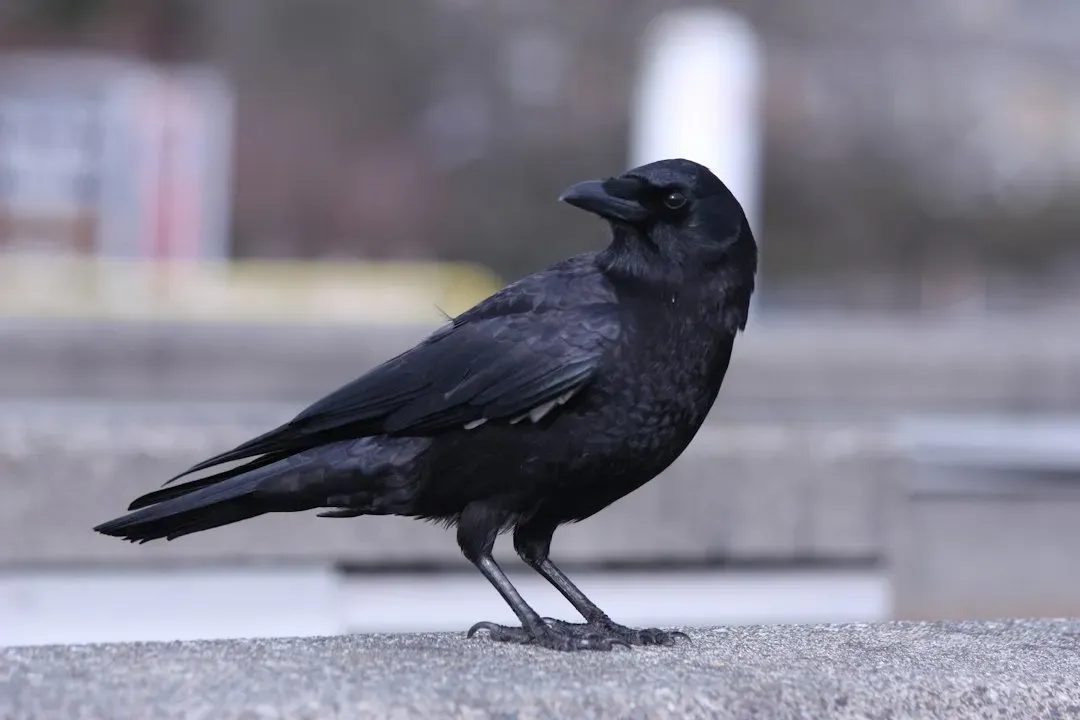
Here the story gets odd. Over time, more crows scolded the masked person than the number the team had originally trapped. Birds that had never been handled were joining in, including young crows that hadn’t even hatched when the mask was first used.
The likely explanation is social learning. A crow sees or hears neighbors, family, or flock mates raise the alarm at a particular person, and it connects that face with danger too. In plain terms, one bad experience can become community knowledge, and that’s a rare thing to see documented in wild animals.
What Is Happening in the Crow Brain
🔥 Would you like to save this?
We'll email this post to you, so you can come back to it later!
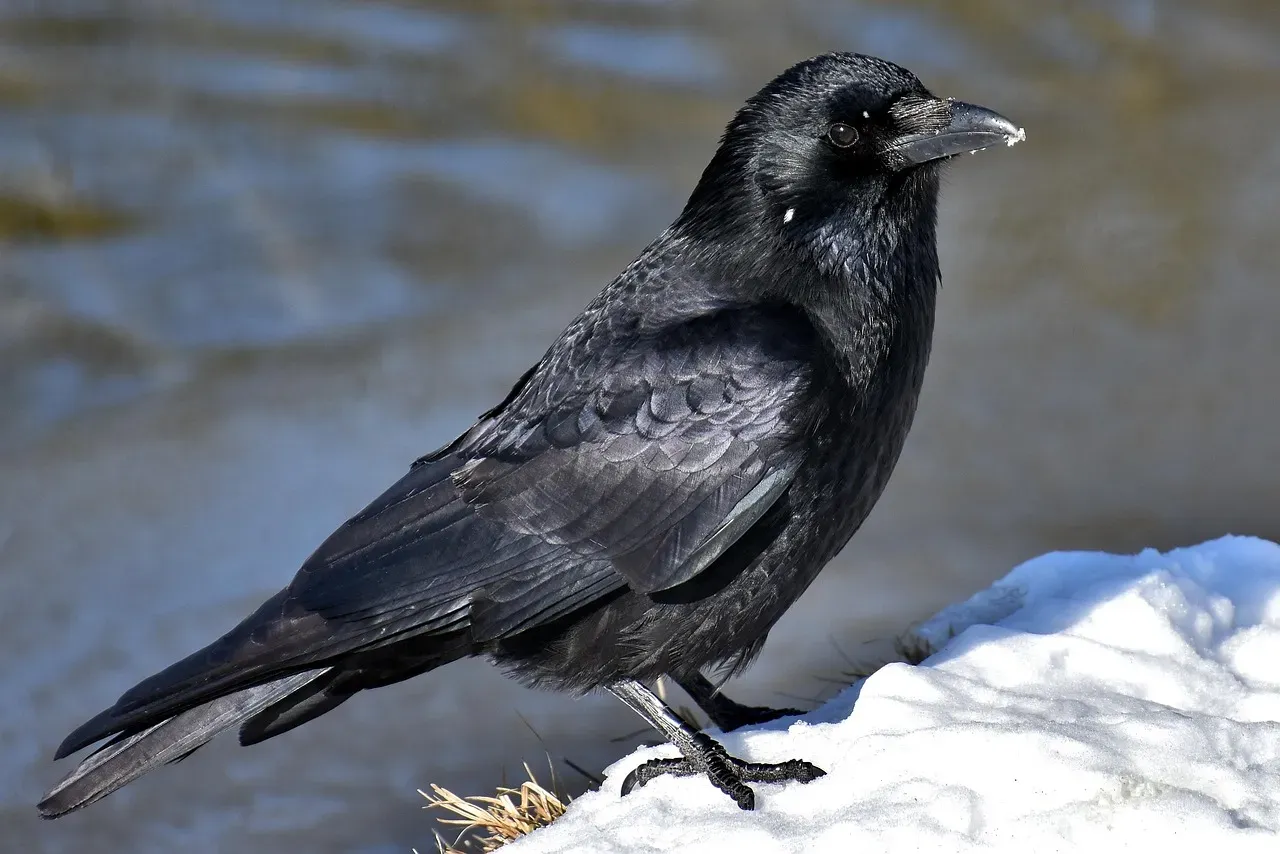
Marzluff and colleagues later teamed up with neuroscientists to look inside the birds’ heads. They used brain imaging on crows that had been exposed to the dangerous and neutral faces, and compared what lit up. The activity patterns pointed to brain regions tied to fear, learning, and memory, including the amygdala, an area that does similar work in mammals.
That matters because it suggests the behavior isn’t just a trick of the setup. Crows seem to process a threatening face with some of the same machinery people use when they learn to avoid something, even though bird and mammal brains are built quite differently. It’s a reminder that intelligence can take more than one shape.

Dog Stairs for Bed 18" H, 4-Step Dog Steps for High Bed
Check Price on AmazonAs an Amazon Associate, we earn from qualifying purchases.
10/9/2026 2:42 pm GMTi

PetSafe Oasys Pet Fountain, 1/2 Gallon (64 oz), Small Dogs & Cats
Check Price on AmazonAs an Amazon Associate, we earn from qualifying purchases.
10/8/2026 8:14 am GMTi

Glass Hummingbird Feeder for Outdoors Hanging, 16 oz Leak-Proof Nectar Feeder with Bee Guards & Ant Moat
Check Price on AmazonAs an Amazon Associate, we earn from qualifying purchases.
10/7/2026 1:22 pm GMTi

Smart Bird Feeder with Camera Solar Powered, 2K HD Live Video, 10,000+ Bird Species AI Identification
Check Price on AmazonAs an Amazon Associate, we earn from qualifying purchases.
10/7/2026 1:22 pm GMTi

Halloween Cat Costume Cloak Witch Hat Pet Accessories
Check Price on AmazonAs an Amazon Associate, we earn from qualifying purchases.
10/9/2026 2:44 pm GMTi
Why It Makes Sense for a Crow to Do This
🔥 Would you like to save this?
We'll email this post to you, so you can come back to it later!
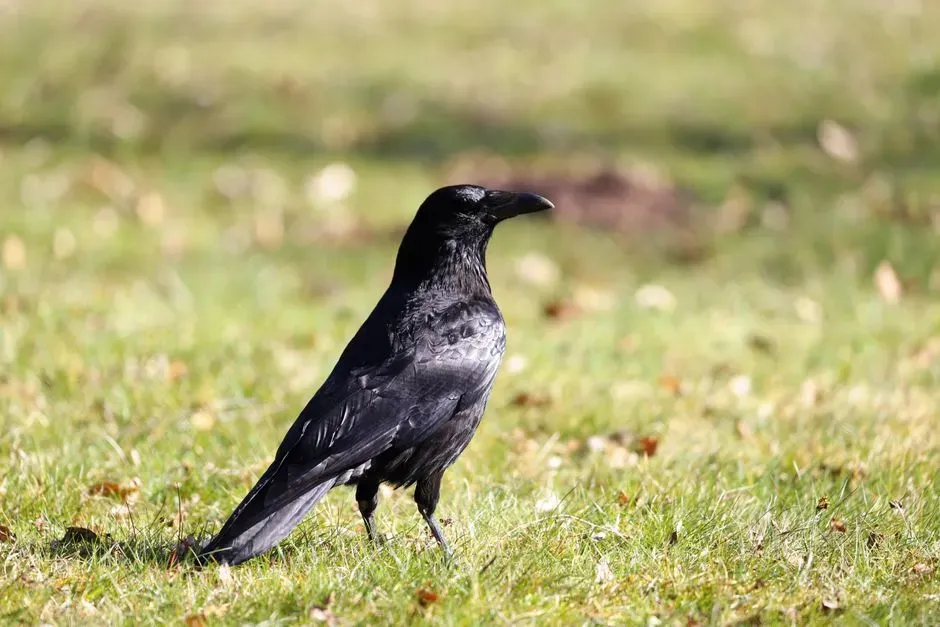
Crows live close to people, and people are unpredictable. Some feed them, some ignore them, and a few trap or chase them. Telling those individuals apart is a practical survival skill, not a party trick.
It also explains why the same species can act bold around a friendly neighbor and wary around someone else. If you’ve ever fed crows and noticed they seem to know you, the research gives that hunch some scientific footing. Researchers have also reported crows reacting positively to people who treat them well, though the strongest evidence centers on threats.

Professional 7 in 1 Dog Paw Cleaner for Dogs & Cats - Includes 1 Portable Paw Washer, 1 Bath Brush
Check Price on AmazonAs an Amazon Associate, we earn from qualifying purchases.
10/7/2026 1:26 pm GMTi

Portable Dog Water Bottle Foldable Dog Travel Water Bottle
Check Price on AmazonAs an Amazon Associate, we earn from qualifying purchases.
10/7/2026 1:29 pm GMTi

2 Pcs Halloween Pet Hat Bandana Set, Witch Pumpkin Costumes for Dogs
Check Price on AmazonAs an Amazon Associate, we earn from qualifying purchases.
10/9/2026 2:45 pm GMTi

Air Purifiers for Home Pets Large Room Up to 3000 Ft²,HEPA Air Cleaner with Washable Double-Side Filter, PM2.5 Air Quality Monitor,15dB Sleep Mode for Bedroom Odor Dust Pollen,White
Check Price on AmazonAs an Amazon Associate, we earn from qualifying purchases.
10/8/2026 8:23 am GMTi
Final Thoughts
🔥 Would you like to save this?
We'll email this post to you, so you can come back to it later!
I find this research both delightful and a little humbling. We tend to assume we’re the ones watching wildlife, yet the crows were running their own observation program the whole time, and they were keeping better records than most of us would. The practical lesson is simple: if you share a neighborhood with crows, treat them decently, because they may be talking about you.
