
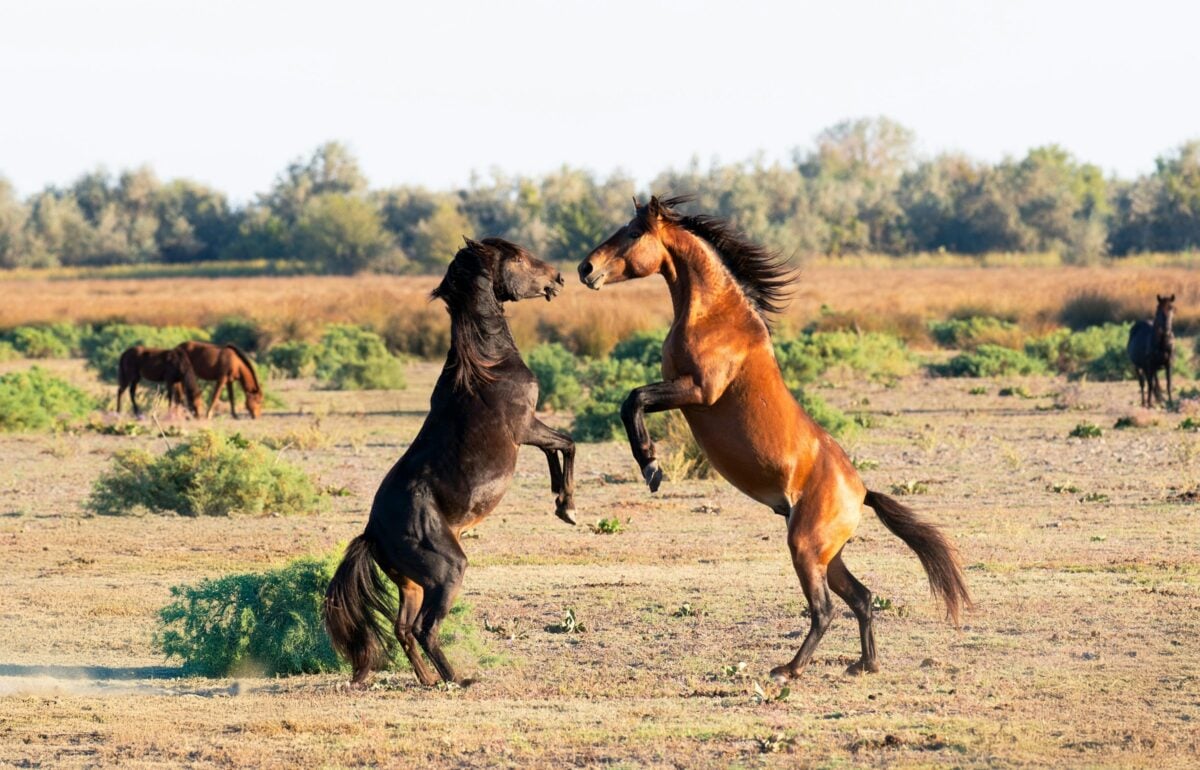
Picture a horse standing in a paddock while a stranger walks up with a blank face. Nothing about the moment looks unusual. Yet some of what the horse does next may depend on how that same person looked hours earlier.
Researchers in the UK have spent years testing whether horses pay attention to our faces, and the results are more interesting than most people expect. The findings don’t claim horses read minds. They do suggest that the quiet animal watching you over a stable door may be taking in more than you think.
What Early Experiments Showed About Horses and Faces
🔥 Would you like to save this?
We'll email this post to you, so you can come back to it later!
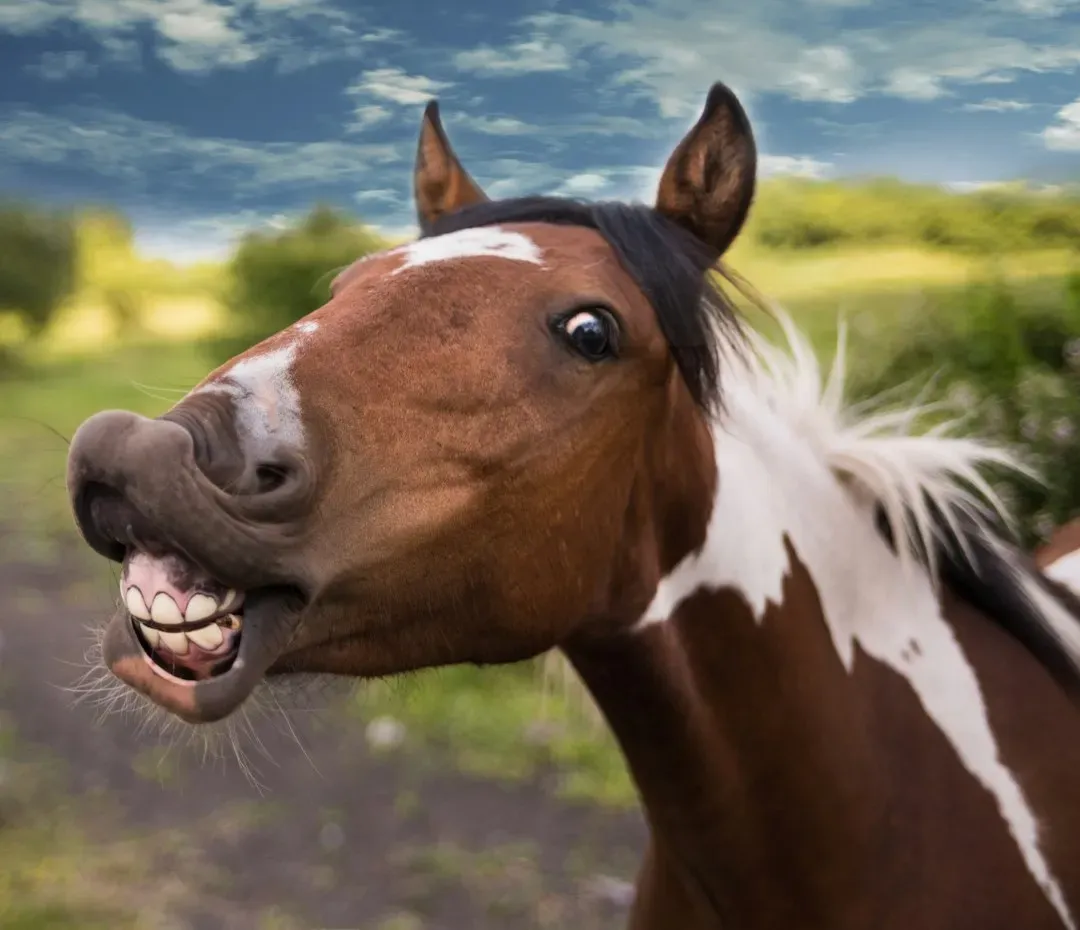
A well known 2016 study from the University of Sussex, published in Biology Letters, put the question to the test. Researchers showed horses photographs of the same man looking either happy or angry. The horses weren’t trained for the task, so their reactions were a fairly natural window into what they noticed.
Horses that saw the angry face tended to look at it more with the left eye. Their heart rates also rose more quickly than when they saw the happy face. It was an early sign that the animals weren’t just registering a human shape. They seemed to register something about the expression itself.
The Hours Later Experiment
🔥 Would you like to save this?
We'll email this post to you, so you can come back to it later!
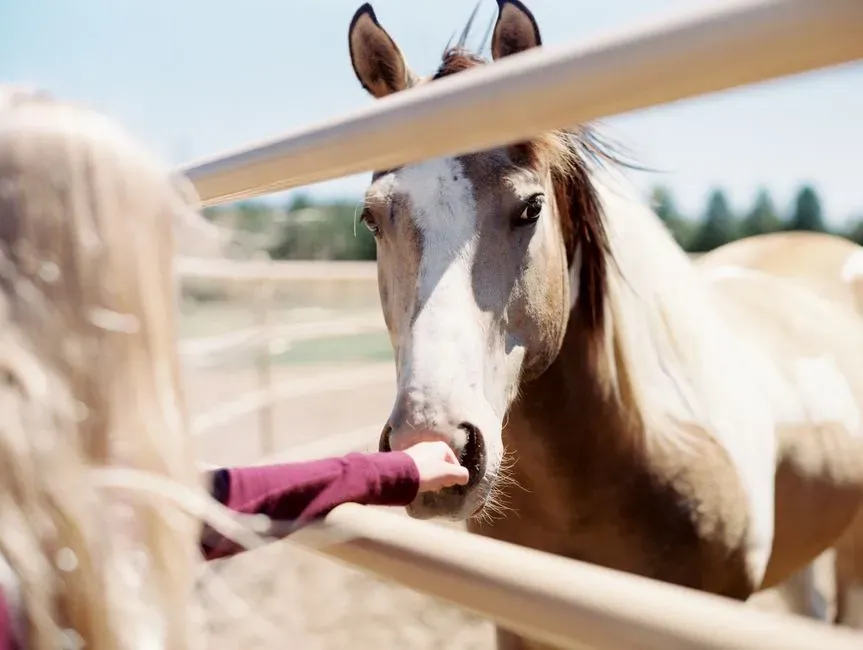
The memory finding came from a follow up study by researchers at Sussex, published in Current Biology in 2018. Horses were first shown a photo of a person with either a happy or an angry expression. A few hours later, that same person appeared in real life with a neutral face.
The horses acted differently depending on which photo they’d seen earlier. Those shown the angry version tended to treat the person with more wariness, while the happy version produced a calmer response. The neutral face on the day was identical, so the difference seems to have come from what the horse remembered about that individual.

Dog Stairs for Bed 18" H, 4-Step Dog Steps for High Bed
Check Price on AmazonAs an Amazon Associate, we earn from qualifying purchases.
10/9/2026 2:42 pm GMTi

PetSafe Oasys Pet Fountain, 1/2 Gallon (64 oz), Small Dogs & Cats
Check Price on AmazonAs an Amazon Associate, we earn from qualifying purchases.
10/8/2026 8:14 am GMTi

Halloween Cat Costume Cloak Witch Hat Pet Accessories
Check Price on AmazonAs an Amazon Associate, we earn from qualifying purchases.
10/9/2026 2:44 pm GMTi

Earth Rated XL Dog & Puppy Pee Pads, Discreet Top, Max Absorbency
Check Price on AmazonAs an Amazon Associate, we earn from qualifying purchases.
10/7/2026 1:28 pm GMTi

2 Pcs Halloween Pet Hat Bandana Set, Witch Pumpkin Costumes for Dogs
Check Price on AmazonAs an Amazon Associate, we earn from qualifying purchases.
10/9/2026 2:45 pm GMTi
Why the Left Eye Keeps Coming Up
🔥 Would you like to save this?
We'll email this post to you, so you can come back to it later!
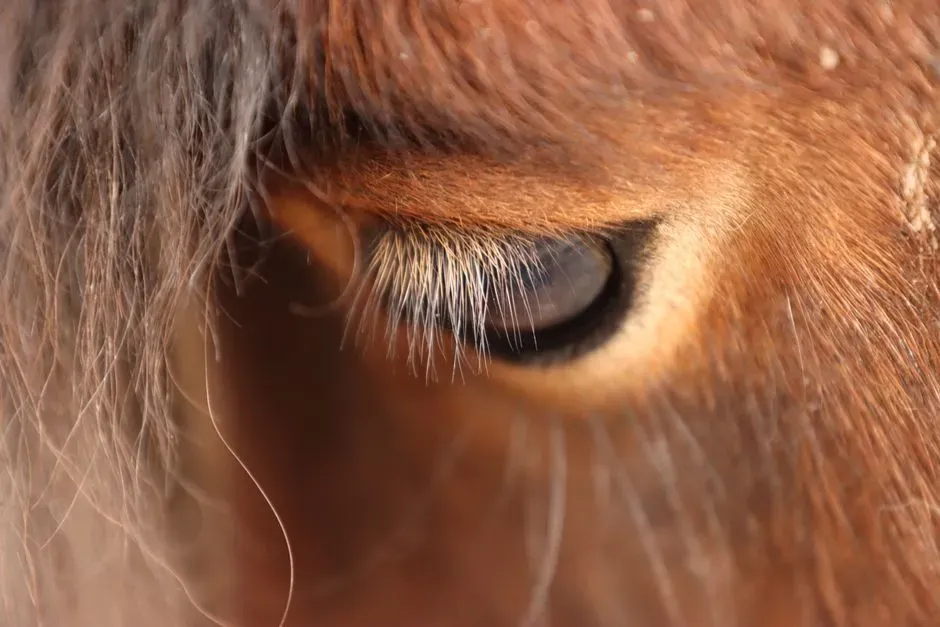
One of the more curious details is the left eye bias. In many animals, the right hemisphere of the brain is thought to play a bigger role in processing threatening or negative information, and the left eye feeds mainly into that side. When horses looked at angry people, they often favored the left eye, which fits that pattern.
It’s a small behavioral clue, but it’s useful because it’s hard to fake and easy to measure. Combined with the heart rate changes, it gave researchers more than one kind of evidence pointing the same way. That matters when the subject can’t explain what it’s thinking.
What This Does and Doesn’t Prove
🔥 Would you like to save this?
We'll email this post to you, so you can come back to it later!
It’s worth being careful here. The studies used modest numbers of horses, and photographs aren’t the same as the messy, moving faces of real life. Scientists also can’t say that horses understand anger the way we do, only that they respond differently to it and keep a trace of the association.
Horses are prey animals with a long history alongside people, so tuning in to human signals makes practical sense. Whether that sensitivity comes from domestication, individual experience, or both is still an open question. Even so, the pattern is consistent enough to take seriously.

Glass Hummingbird Feeder for Outdoors Hanging
Check Price on AmazonAs an Amazon Associate, we earn from qualifying purchases.
10/7/2026 1:21 pm GMTi

Hand Blown Glass Hummingbird Feeders for Outdoors Hanging, 24oz Wild Bird Nectar Feeder
Check Price on AmazonAs an Amazon Associate, we earn from qualifying purchases.
10/7/2026 1:23 pm GMTi

Professional 7 in 1 Dog Paw Cleaner for Dogs & Cats - Includes 1 Portable Paw Washer, 1 Bath Brush
Check Price on AmazonAs an Amazon Associate, we earn from qualifying purchases.
10/7/2026 1:26 pm GMTi

Orthopedic Extra Large Dog Bed, Waterproof Washable XL Pet Bed 44"
Check Price on AmazonAs an Amazon Associate, we earn from qualifying purchases.
10/7/2026 1:32 pm GMTi

Glass Hummingbird Feeder for Outdoors Hanging, 16 oz Leak-Proof Nectar Feeder with Bee Guards & Ant Moat
Check Price on AmazonAs an Amazon Associate, we earn from qualifying purchases.
10/7/2026 1:22 pm GMTi
My Take: Treat Your Mood as Part of the Conversation
🔥 Would you like to save this?
We'll email this post to you, so you can come back to it later!
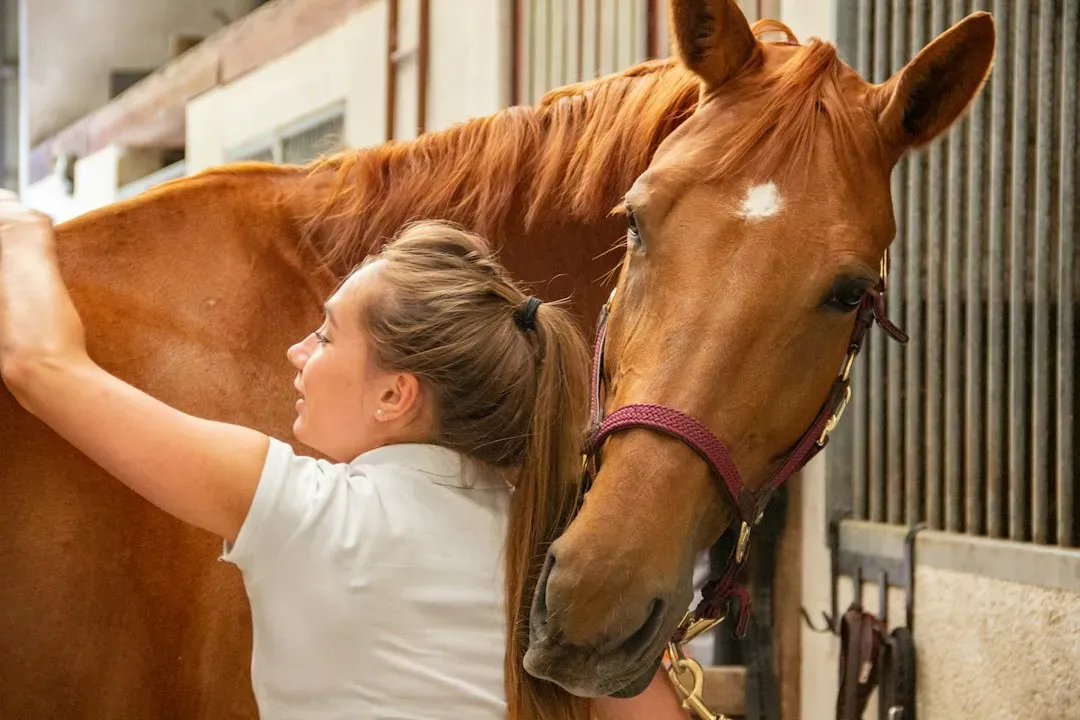
I think the sensible lesson is a simple one. If horses can hold onto how a person looked and felt hours earlier, then a bad day spent snapping around a stable probably isn’t invisible to them. Handlers, riders and even casual visitors might want to think of their expressions as information the animal is actually using.

Portable Dog Water Bottle Foldable Dog Travel Water Bottle
Check Price on AmazonAs an Amazon Associate, we earn from qualifying purchases.
10/7/2026 1:29 pm GMTi

Smart Bird Feeder with Camera Solar Powered, 2K HD Live Video, 10,000+ Bird Species AI Identification
Check Price on AmazonAs an Amazon Associate, we earn from qualifying purchases.
10/7/2026 1:22 pm GMTi

Air Purifiers for Home Pets Large Room Up to 3000 Ft²,HEPA Air Cleaner with Washable Double-Side Filter, PM2.5 Air Quality Monitor,15dB Sleep Mode for Bedroom Odor Dust Pollen,White
Check Price on AmazonAs an Amazon Associate, we earn from qualifying purchases.
10/8/2026 8:23 am GMTi

Halloween Dog Collar with Bow, Orange Cute Ghost Collar,
Check Price on AmazonAs an Amazon Associate, we earn from qualifying purchases.
10/9/2026 2:43 pm GMTi
That doesn’t mean you need to perform fake cheerfulness, which animals may see through anyway. It means calm, consistent behavior likely helps build the trust that good horsemanship depends on. The research is still young, yet it gives us one more reason to treat horses as attentive partners rather than furniture with hooves.
