
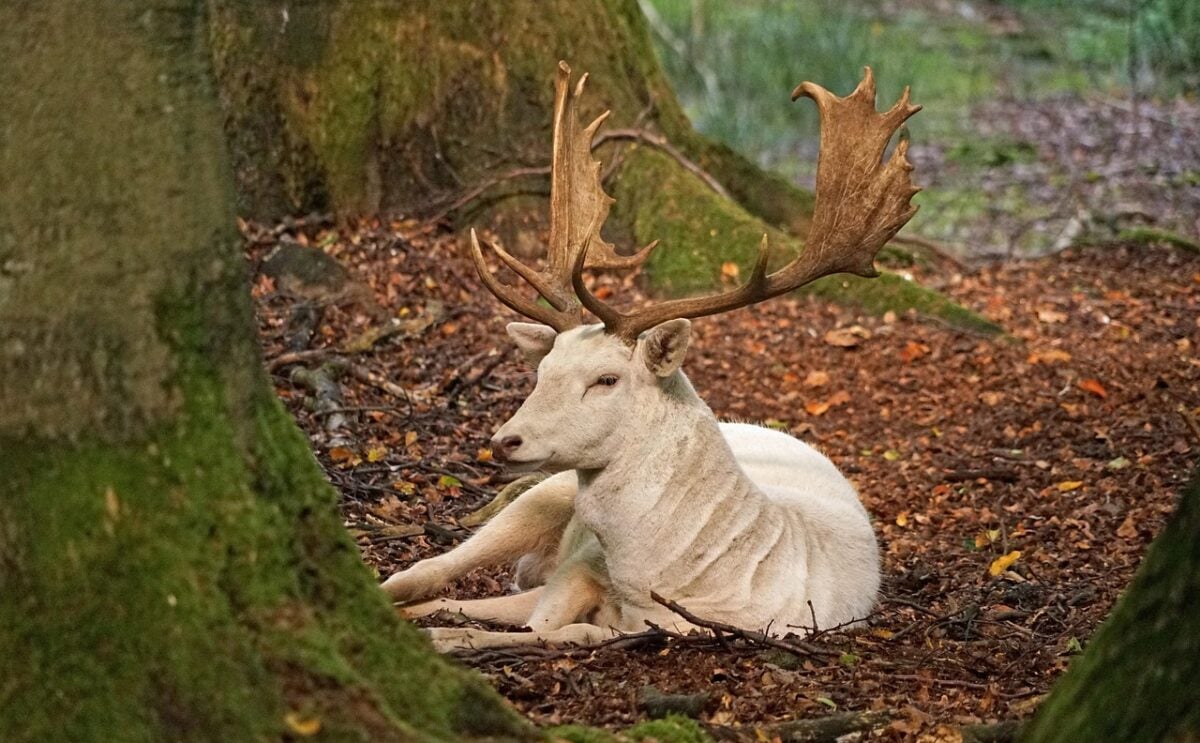
Imagine you’re walking through a dense forest, the air thick with the scent of pine and earth, when suddenly, a white deer steps onto your path. Its alabaster coat gleams against the green backdrop, and for a moment, time seems to stand still. Such an encounter is rare and steeped in symbolism across various cultures. Let’s explore what this ethereal creature signifies in six distinct mythological traditions.
Celtic Mythology: Messengers from the Otherworld
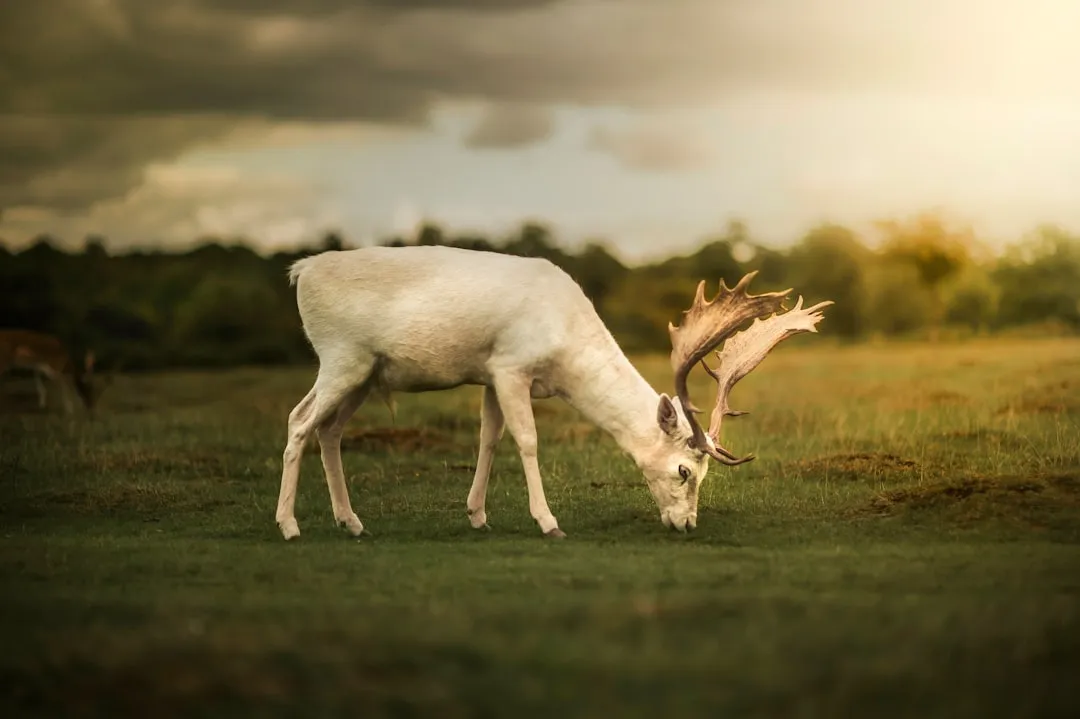
In Celtic lore, the appearance of a white deer is no ordinary event. These creatures are often seen as messengers from the Otherworld, a realm of spirits and deities. Their sudden presence is believed to signal a forthcoming change or a call to embark on a spiritual journey. The white deer serves as a guide, leading individuals toward deeper understanding and transformation.
The Celts held the natural world in high regard, viewing animals as sacred beings with connections to the divine. Encountering a white deer was considered a profound experience, urging one to pay attention to the unseen forces at play and to be open to new paths and possibilities.
Native American Traditions: Symbols of Purity and Spirituality
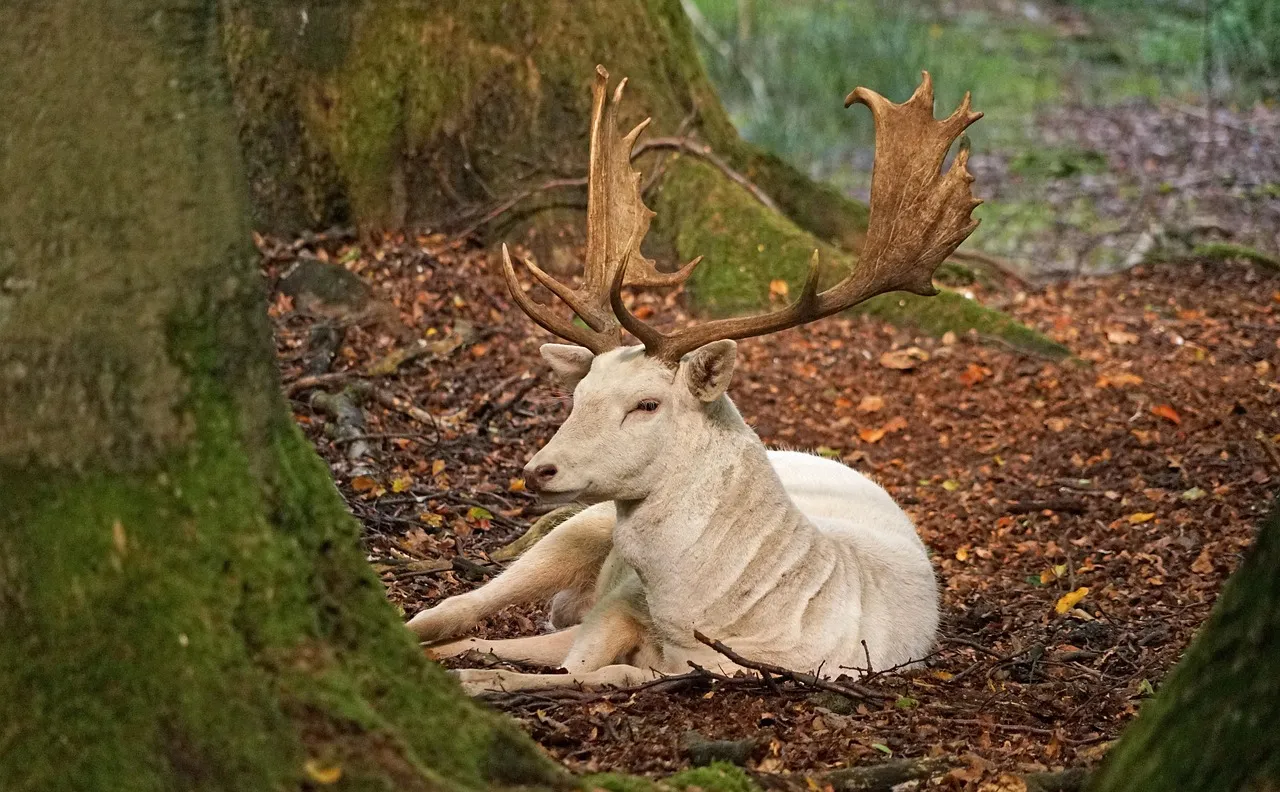
Among various Native American tribes, the white deer holds significant spiritual meaning. It is often regarded as a symbol of purity, renewal, and a direct connection to the Great Spirit. Seeing a white deer is interpreted as a message to maintain a pure heart and to stay true to one’s spiritual path.
For some tribes, the white deer is also a harbinger of change, signaling that it’s time to let go of old ways and embrace new beginnings. This rare sighting encourages introspection and alignment with one’s higher purpose.
Christian Symbolism: Representations of Christ and Divine Grace
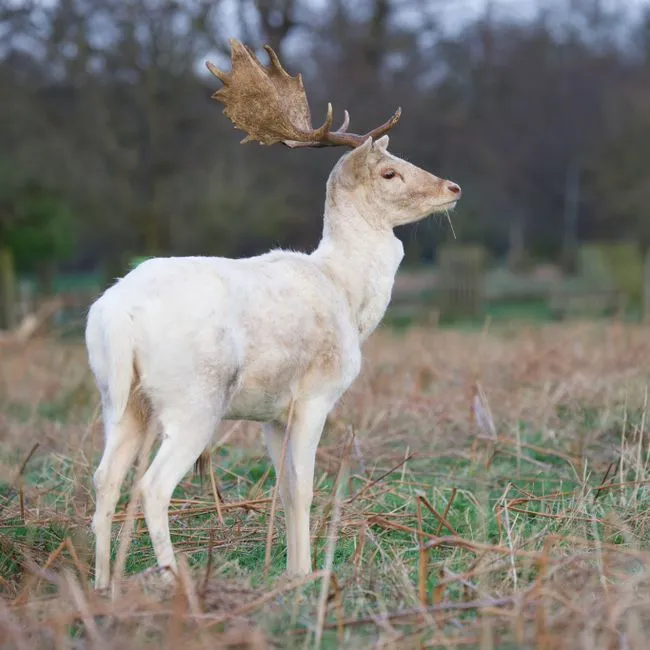
In Christian tradition, the white deer, or white stag, is frequently associated with Christ and divine grace. Legends tell of saints who encountered a white stag bearing a cross between its antlers, leading to their conversion and a life devoted to faith. This imagery underscores themes of salvation, purity, and the pursuit of spiritual truth.
The white stag’s elusive nature mirrors the Christian journey toward understanding and embracing divine grace. Its appearance is a reminder of the constant pursuit of righteousness and the transformative power of faith.
Hungarian Mythology: Ancestral Guides and Nation Founders
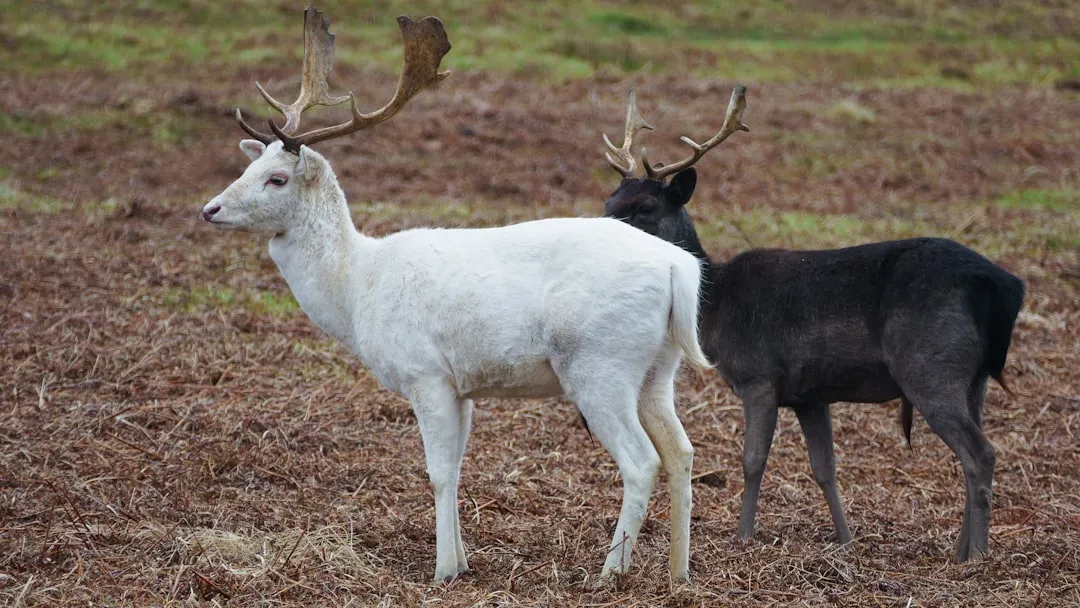
Hungarian legends speak of a miraculous white stag that led the brothers Hunor and Magor on a journey that resulted in the founding of the Hungarian nation. This tale positions the white stag as a divine guide, steering individuals toward their destiny and the fulfillment of a greater purpose.
The story emphasizes themes of exploration, unity, and the role of divine intervention in shaping the course of history. The white stag’s guidance is seen as a blessing, leading to prosperity and the establishment of a lasting legacy.
Chinese Mythology: Harbingers of Peace and Prosperity
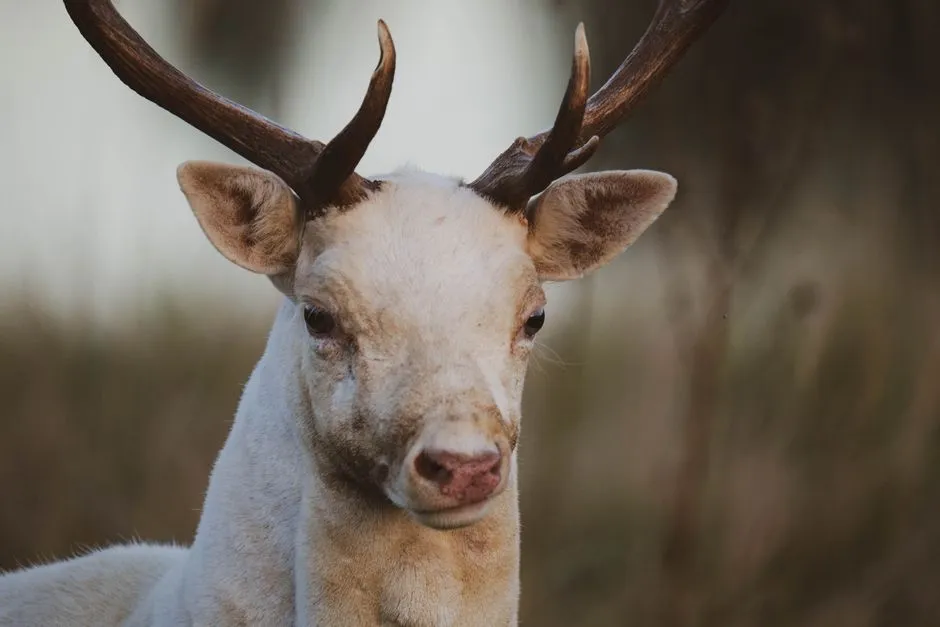
In Chinese culture, the white deer is a symbol of longevity, good fortune, and a harmonious society. Its appearance is considered an auspicious sign, indicating that peace and prosperity are on the horizon. The white deer is often associated with the divine and is believed to bring blessings to those who encounter it.
This symbolism reflects the deep connection between humans and nature in Chinese philosophy, where animals are seen as carriers of cosmic messages and indicators of the balance between earthly and celestial realms.
Japanese Folklore: Messengers of the Gods

In Japanese Shinto belief, white deer are considered sacred messengers of the gods, particularly associated with the deity Takemikazuchi. According to legend, this god arrived in the ancient capital of Nara riding a white deer, leading to the reverence of these animals in the region.
The presence of a white deer is seen as a direct communication from the divine, urging individuals to pay heed to spiritual matters and to act in accordance with the will of the gods. It serves as a reminder of the sacredness present in the natural world and the importance of maintaining harmony with it.
Conclusion: A Universal Symbol of Transformation and Guidance
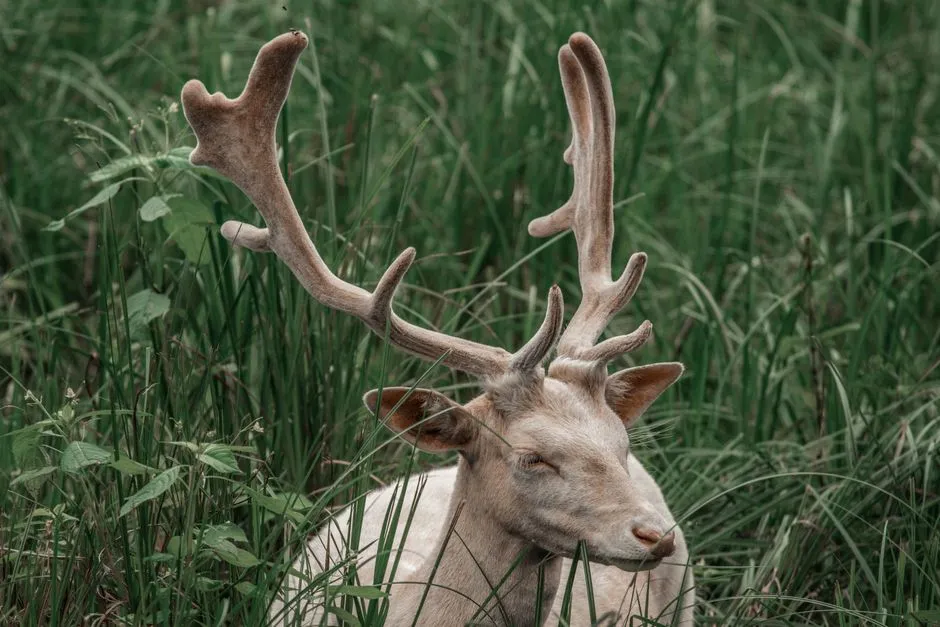
Across these diverse cultures, the white deer emerges as a powerful symbol of transformation, guidance, and a bridge between the mundane and the divine. Its rare and striking appearance captures the human imagination, prompting reflection and a sense of wonder. Whether viewed as a messenger from the Otherworld, a harbinger of change, or a guide toward spiritual enlightenment, the white deer invites us to pause and consider the deeper meanings woven into the fabric of our lives. So, if a white deer ever crosses your path, what message might it be bringing to you?
