
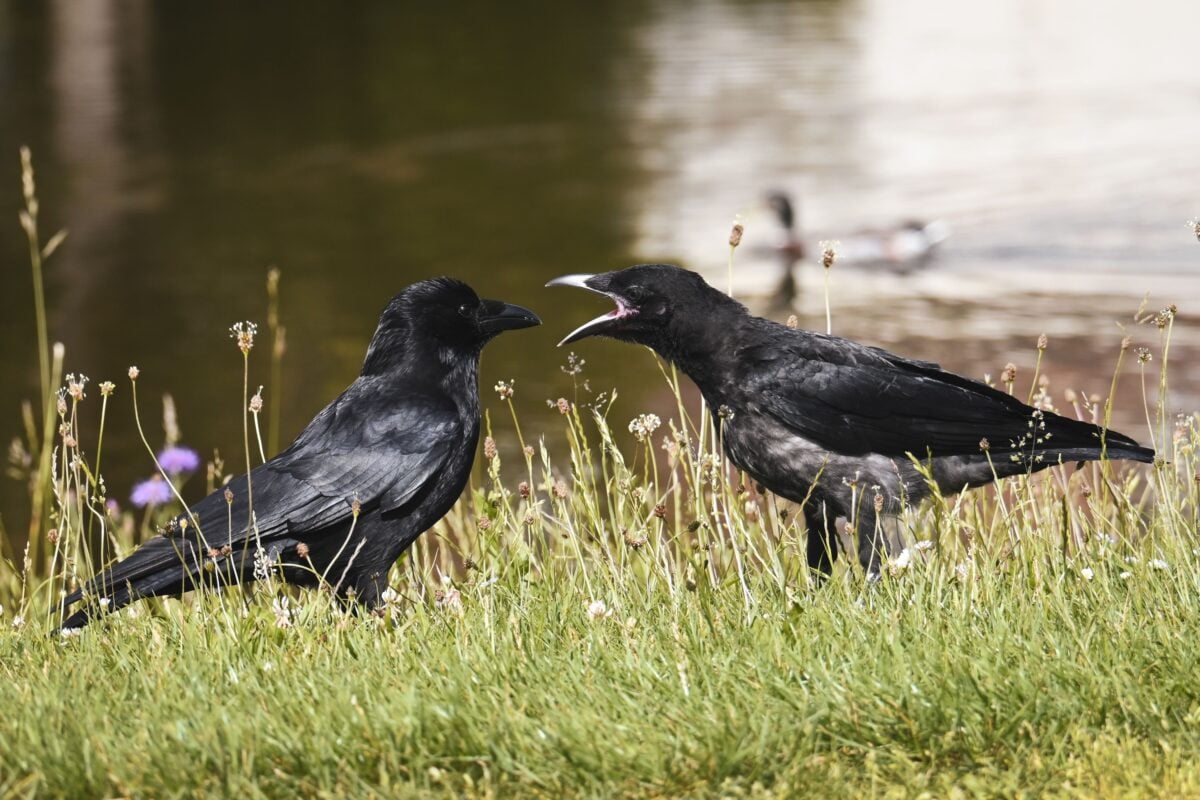
On a few forested islands in the South Pacific, a black bird about the size of a large pigeon spends part of its day shaping twigs and leaves into working instruments. It isn’t a trick learned for a zoo audience. Wild New Caledonian crows do it as a normal part of finding food.
Researchers have studied these birds for decades, and they keep turning up behavior that surprises people. The crows make hooks, and in lab settings they can work through problems with several linked stages. What that really tells us is a more interesting question.
A Bird From a Small Island With a Big Reputation
🔥 Would you like to save this?
We'll email this post to you, so you can come back to it later!
New Caledonian crows live on New Caledonia, a French territory east of Australia. Scientists have long been drawn to them because they use tools in the wild far more routinely than almost any other non-human animal. Most birds never touch a tool at all.
The crows use sticks and shaped leaf pieces to pull insect larvae out of holes in wood. That food is rich and hard to reach otherwise. It’s a good reason for a bird to invest in a bit of craftsmanship.
How Hooked Tools Are Made
🔥 Would you like to save this?
We'll email this post to you, so you can come back to it later!
The best known example is the hooked twig tool. A crow picks a suitable branch, then trims and shapes it so a small hook sits at the end, which helps snag grubs. Researchers have documented this in wild populations, and it counts among the most refined examples of animal toolmaking on record.
The crows also make tools from the barbed edges of pandanus leaves, cutting them into stepped, tapered strips. Different areas show different tool styles, which has led researchers to discuss whether some designs spread through social learning. Scientists still debate how much comes from inheritance, individual experimentation, and copying others.

Air Purifiers for Home Pets Large Room Up to 3000 Ft²,HEPA Air Cleaner with Washable Double-Side Filter, PM2.5 Air Quality Monitor,15dB Sleep Mode for Bedroom Odor Dust Pollen,White
Check Price on AmazonAs an Amazon Associate, we earn from qualifying purchases.
10/8/2026 8:23 am GMTi

Halloween Dog Collar with Bow, Orange Cute Ghost Collar,
Check Price on AmazonAs an Amazon Associate, we earn from qualifying purchases.
10/9/2026 2:43 pm GMTi

Hand Blown Glass Hummingbird Feeders for Outdoors Hanging, 24oz Wild Bird Nectar Feeder
Check Price on AmazonAs an Amazon Associate, we earn from qualifying purchases.
10/7/2026 1:23 pm GMTi

2 Pcs Halloween Pet Hat Bandana Set, Witch Pumpkin Costumes for Dogs
Check Price on AmazonAs an Amazon Associate, we earn from qualifying purchases.
10/9/2026 2:45 pm GMTi

Professional 7 in 1 Dog Paw Cleaner for Dogs & Cats - Includes 1 Portable Paw Washer, 1 Bath Brush
Check Price on AmazonAs an Amazon Associate, we earn from qualifying purchases.
10/7/2026 1:26 pm GMTi
What Hooks Tell Us About Planning
🔥 Would you like to save this?
We'll email this post to you, so you can come back to it later!
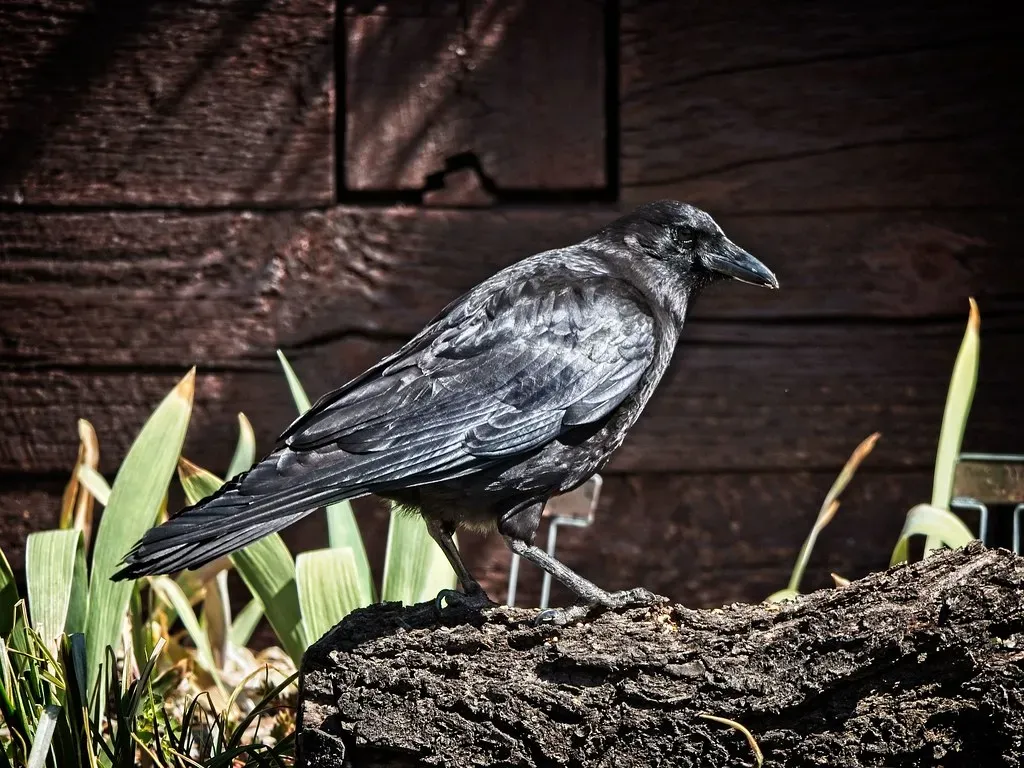
Making a hook isn’t a single motion. The bird has to pick the right raw material, remove side shoots, and shape the tip, all before it ever reaches the food. That sequence suggests the bird works toward a goal that’s not yet in front of it.
Still, caution is useful here. A complex result doesn’t automatically prove human-style foresight, and researchers weigh simpler explanations too. What’s safe to say is that the behavior is flexible and skilled.
Puzzles That Take Several Steps
🔥 Would you like to save this?
We'll email this post to you, so you can come back to it later!
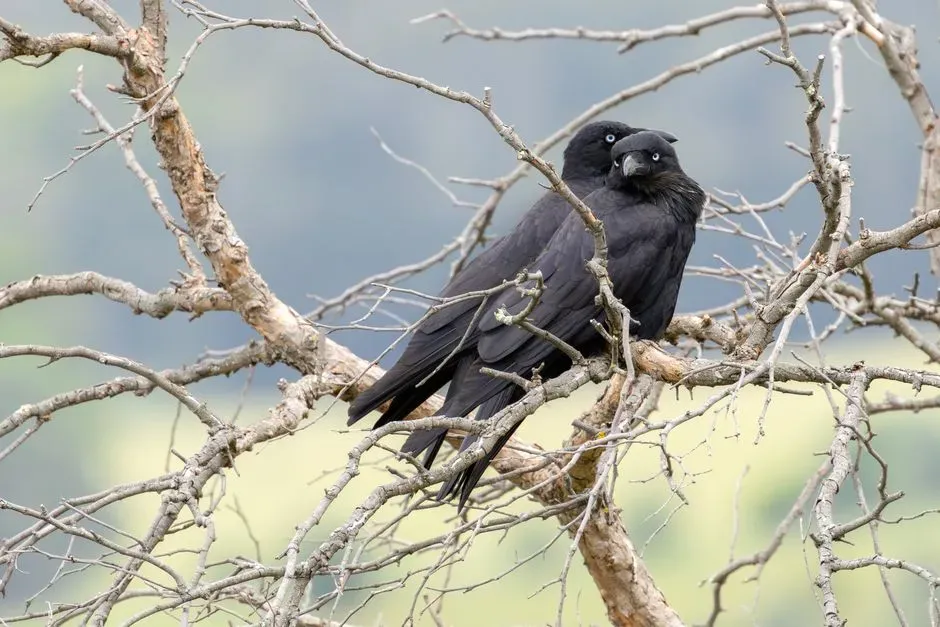
In laboratory experiments, New Caledonian crows have solved problems that require a chain of actions. In well-known studies, a bird may need to use one tool to get another tool, which then unlocks the food. Success in these tasks means the bird has to deal with a sequence, not just one obvious step.
Some crows have also handled metatool style problems, where a tool is used on another tool. That is rare in the animal world. Results vary between individuals, though, and not every bird solves every task, so it’s wise not to treat the crows as little furry geniuses with wings.

Dog Stairs for Bed 18" H, 4-Step Dog Steps for High Bed
Check Price on AmazonAs an Amazon Associate, we earn from qualifying purchases.
10/9/2026 2:42 pm GMTi

Smart Bird Feeder with Camera Solar Powered, 2K HD Live Video, 10,000+ Bird Species AI Identification
Check Price on AmazonAs an Amazon Associate, we earn from qualifying purchases.
10/7/2026 1:22 pm GMTi

Glass Hummingbird Feeder for Outdoors Hanging
Check Price on AmazonAs an Amazon Associate, we earn from qualifying purchases.
10/7/2026 1:21 pm GMTi

Earth Rated XL Dog & Puppy Pee Pads, Discreet Top, Max Absorbency
Check Price on AmazonAs an Amazon Associate, we earn from qualifying purchases.
10/7/2026 1:28 pm GMTi

Portable Dog Water Bottle Foldable Dog Travel Water Bottle
Check Price on AmazonAs an Amazon Associate, we earn from qualifying purchases.
10/7/2026 1:29 pm GMTi
Why Scientists Compare Crows With Primates
🔥 Would you like to save this?
We'll email this post to you, so you can come back to it later!
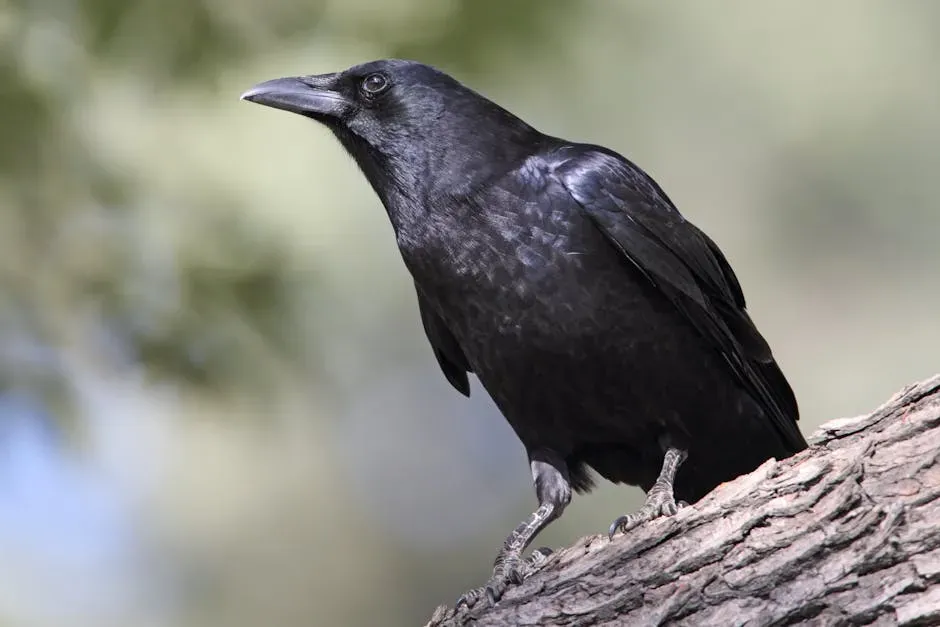
Crows and apes are only distant relatives, and their brains are built very differently. Birds lack the layered cortex that mammals have, yet some corvids still do well on problem solving tests. This makes them a valuable case for studying how intelligence can evolve more than once.
Researchers often describe it as convergent evolution, where unrelated animals reach similar abilities through different routes. Comparisons with primates are useful, though not exact. A crow’s mind isn’t a small ape mind, and the evidence mostly shows that clever solutions can appear in unexpected places.

Orthopedic Extra Large Dog Bed, Waterproof Washable XL Pet Bed 44"
Check Price on AmazonAs an Amazon Associate, we earn from qualifying purchases.
10/7/2026 1:32 pm GMTi

PetSafe Oasys Pet Fountain, 1/2 Gallon (64 oz), Small Dogs & Cats
Check Price on AmazonAs an Amazon Associate, we earn from qualifying purchases.
10/8/2026 8:14 am GMTi

Halloween Cat Costume Cloak Witch Hat Pet Accessories
Check Price on AmazonAs an Amazon Associate, we earn from qualifying purchases.
10/9/2026 2:44 pm GMTi

Glass Hummingbird Feeder for Outdoors Hanging, 16 oz Leak-Proof Nectar Feeder with Bee Guards & Ant Moat
Check Price on AmazonAs an Amazon Associate, we earn from qualifying purchases.
10/7/2026 1:22 pm GMTi
Final Thoughts
🔥 Would you like to save this?
We'll email this post to you, so you can come back to it later!
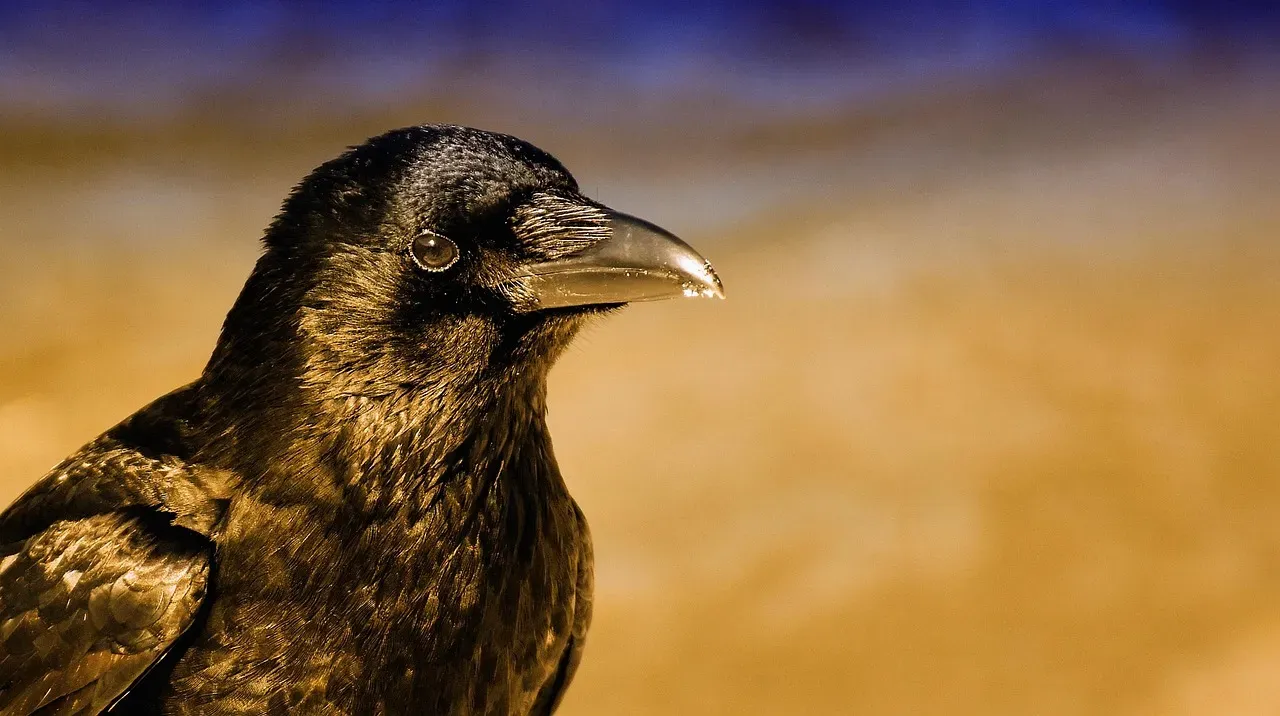
My view is that the crows deserve admiration, but not exaggeration. They don’t need to be called feathered humans to be remarkable, because shaping a hook from a twig and solving a multistep puzzle are impressive on their own terms. Overselling them actually makes the science sound less honest.
I also think they should change how we rank animal minds. We tend to put mammals first and birds somewhere behind, and these crows quietly argue against that habit. The next time a bird hops across your path, it’s worth remembering how much thinking might be going on behind that small dark eye.

- Animal Behavior Says New Caledonian Crows Make Hooked Tools and Can Solve Puzzles That Take Several Steps - November 7, 2026
- Astronomy Says Olympus Mons on Mars Is About Two and a Half Times Taller Than Mount Everest - November 7, 2026
- Cosmology Says About 95% of the Universe Is Made of Dark Matter and Dark Energy – Neither of Which Has Ever Been Directly Detected - November 7, 2026