
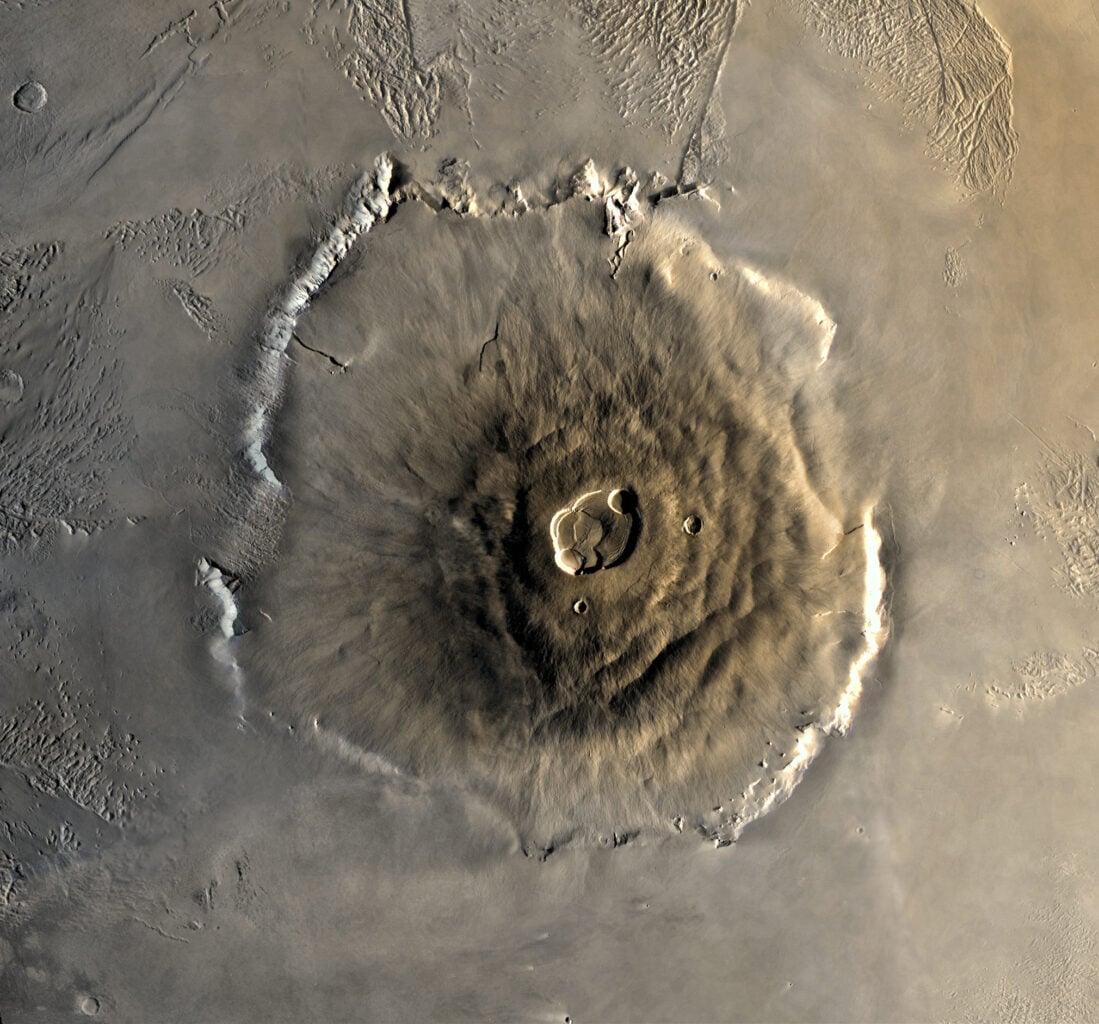
Picture standing on a plain so wide that the ground curves away beneath you, and you still can’t see the top of the mountain you’re climbing. That’s roughly the problem with Olympus Mons, the giant volcano on Mars. It’s so large that its scale is hard to take in, even when you have the numbers in front of you.
The comparison to Mount Everest gets repeated a lot, and for good reason. Yet the figures behind it hold a few surprises, and a couple of caveats too. Here’s what astronomers and planetary scientists actually know about the red planet’s tallest peak.
What the Height Comparison Really Means
🔥 Would you like to save this?
We'll email this post to you, so you can come back to it later!
Olympus Mons rises about 21 to 22 kilometers above the Martian datum, the reference level used for Mars, since the planet has no sea level. Everest stands about 8.8 kilometers above sea level on Earth. Divide one by the other and you land at roughly two and a half times taller.
That ratio is the headline, though it comes with a catch. Everest’s height is measured from sea level, not from its base, so the two numbers aren’t perfectly like for like. Measured from base to summit, Earth’s tallest mountain from the seafloor, Mauna Kea, is taller than Everest, but Olympus Mons still dwarfs it.
A Volcano Built Like a Shield
🔥 Would you like to save this?
We'll email this post to you, so you can come back to it later!
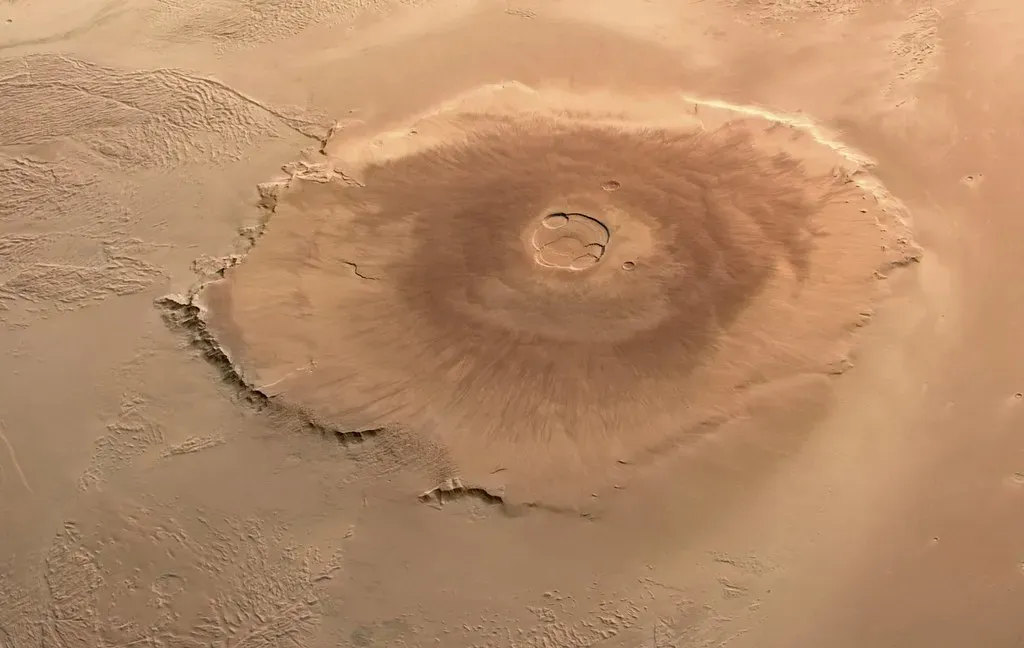
Olympus Mons is a shield volcano, the same broad, gently sloping type as Hawaii’s Mauna Loa. These form when very fluid lava flows pour out again and again over long stretches of time, layering outward rather than piling steeply upward. The result looks less like a classic cone and more like a vast, shallow dome.
That shape matters for how it would feel to visit. The average slope is gentle, only a few degrees, so a hiker wouldn’t face a sheer wall. You’d simply walk uphill for a very long time.

Dog Stairs for Bed 18" H, 4-Step Dog Steps for High Bed
Check Price on AmazonAs an Amazon Associate, we earn from qualifying purchases.
10/9/2026 2:42 pm GMTi

Smart Bird Feeder with Camera Solar Powered, 2K HD Live Video, 10,000+ Bird Species AI Identification
Check Price on AmazonAs an Amazon Associate, we earn from qualifying purchases.
10/7/2026 1:22 pm GMTi

PetSafe Oasys Pet Fountain, 1/2 Gallon (64 oz), Small Dogs & Cats
Check Price on AmazonAs an Amazon Associate, we earn from qualifying purchases.
10/8/2026 8:14 am GMTi

Halloween Dog Collar with Bow, Orange Cute Ghost Collar,
Check Price on AmazonAs an Amazon Associate, we earn from qualifying purchases.
10/9/2026 2:43 pm GMTi

Professional 7 in 1 Dog Paw Cleaner for Dogs & Cats - Includes 1 Portable Paw Washer, 1 Bath Brush
Check Price on AmazonAs an Amazon Associate, we earn from qualifying purchases.
10/7/2026 1:26 pm GMTi
Wider Than You Might Imagine
🔥 Would you like to save this?
We'll email this post to you, so you can come back to it later!
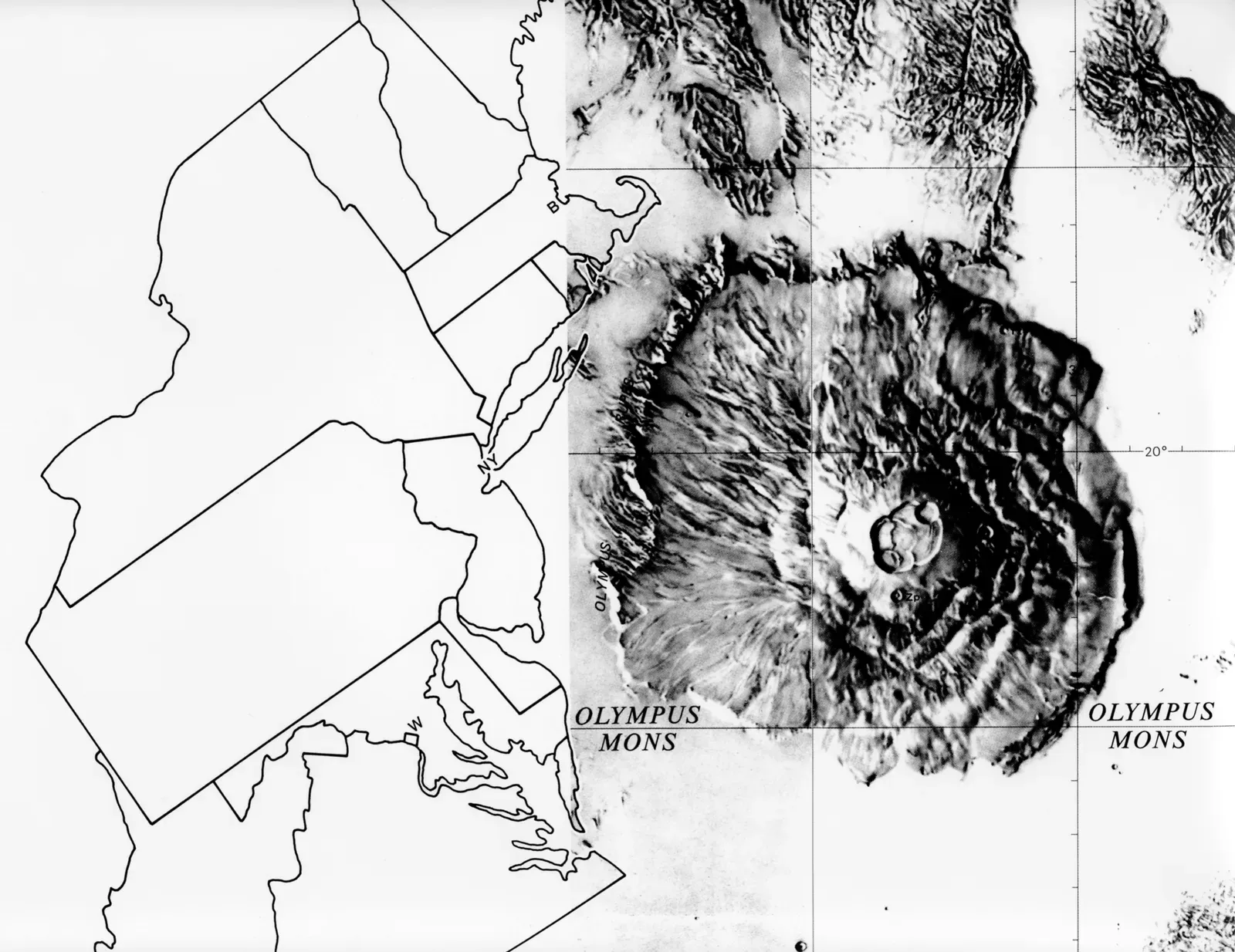
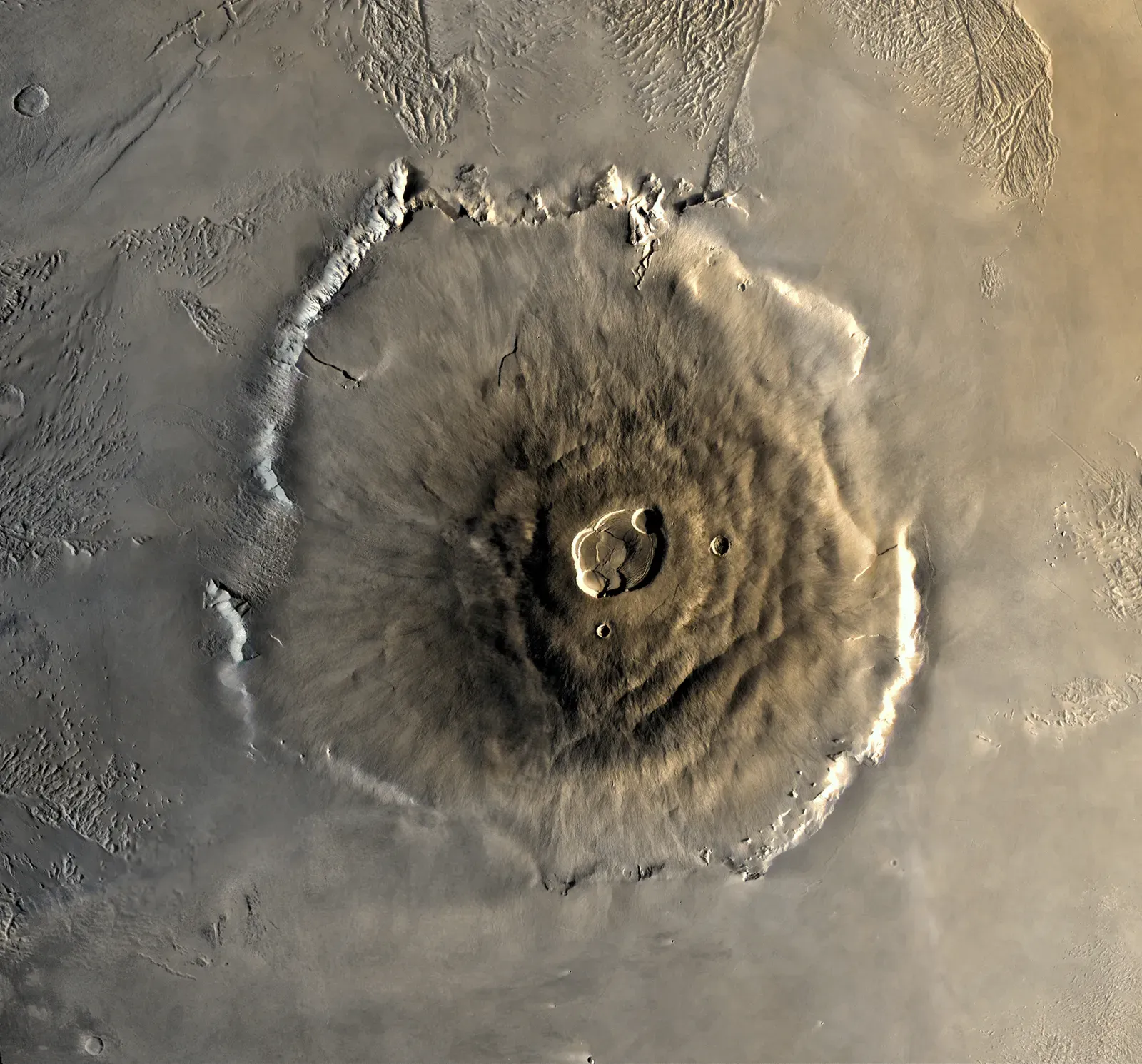
Height is only part of the story. The volcano’s base spans roughly 600 kilometers across, comparable to the size of a large country or the state of Arizona. Its footprint is so enormous that it’s often described as being about the size of France in coverage.
Around its edge, a cliff known as the escarpment drops several kilometers in places. Because the mountain is so wide, a person standing on its flank would not see the whole thing at once, since the planet’s curvature hides the summit and the base from each other.
Why Mars Can Grow Such Giants
🔥 Would you like to save this?
We'll email this post to you, so you can come back to it later!
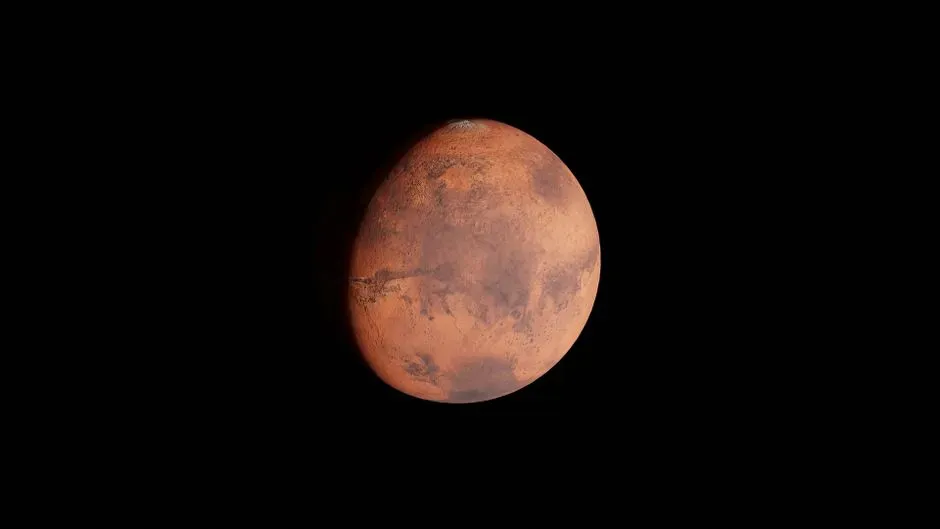
Scientists point to a few reasons Mars supports volcanoes this large. Earth’s crust is split into moving tectonic plates, so a volcanic hotspot tends to drift away from its magma source and build a chain of islands. Mars lacks that kind of plate motion, so lava can keep building in the same place for an extremely long time.
Lower gravity also helps. Mars has roughly a third of Earth’s surface gravity, so the crust can support a much taller structure before it sags under its own weight. Together, those conditions let Olympus Mons grow far beyond anything on our planet.

Air Purifiers for Home Pets Large Room Up to 3000 Ft²,HEPA Air Cleaner with Washable Double-Side Filter, PM2.5 Air Quality Monitor,15dB Sleep Mode for Bedroom Odor Dust Pollen,White
Check Price on AmazonAs an Amazon Associate, we earn from qualifying purchases.
10/8/2026 8:23 am GMTi

Portable Dog Water Bottle Foldable Dog Travel Water Bottle
Check Price on AmazonAs an Amazon Associate, we earn from qualifying purchases.
10/7/2026 1:29 pm GMTi

Glass Hummingbird Feeder for Outdoors Hanging
Check Price on AmazonAs an Amazon Associate, we earn from qualifying purchases.
10/7/2026 1:21 pm GMTi

Glass Hummingbird Feeder for Outdoors Hanging, 16 oz Leak-Proof Nectar Feeder with Bee Guards & Ant Moat
Check Price on AmazonAs an Amazon Associate, we earn from qualifying purchases.
10/7/2026 1:22 pm GMTi

2 Pcs Halloween Pet Hat Bandana Set, Witch Pumpkin Costumes for Dogs
Check Price on AmazonAs an Amazon Associate, we earn from qualifying purchases.
10/9/2026 2:45 pm GMTi
Is It Still Active?
🔥 Would you like to save this?
We'll email this post to you, so you can come back to it later!
Olympus Mons is generally considered dormant or extinct, not erupting today. Studies of its lava flows suggest that some surface areas are geologically young by planetary standards, with ages estimated in the range of millions of years. That hints that activity may have continued relatively recently in Martian history.
Still, whether it could ever wake up again is uncertain. Scientists don’t have a firm answer, and the evidence we have comes mostly from orbital imaging and crater counting rather than direct measurement on the ground.

Orthopedic Extra Large Dog Bed, Waterproof Washable XL Pet Bed 44"
Check Price on AmazonAs an Amazon Associate, we earn from qualifying purchases.
10/7/2026 1:32 pm GMTi

Earth Rated XL Dog & Puppy Pee Pads, Discreet Top, Max Absorbency
Check Price on AmazonAs an Amazon Associate, we earn from qualifying purchases.
10/7/2026 1:28 pm GMTi

Halloween Cat Costume Cloak Witch Hat Pet Accessories
Check Price on AmazonAs an Amazon Associate, we earn from qualifying purchases.
10/9/2026 2:44 pm GMTi

Hand Blown Glass Hummingbird Feeders for Outdoors Hanging, 24oz Wild Bird Nectar Feeder
Check Price on AmazonAs an Amazon Associate, we earn from qualifying purchases.
10/7/2026 1:23 pm GMTi
Final Thoughts
🔥 Would you like to save this?
We'll email this post to you, so you can come back to it later!
I find the Everest comparison a bit unfair to Everest, honestly. It’s a stunning mountain, but it plays on a different field. Olympus Mons reminds us that a planet’s rules, its gravity, its crust and its lack of moving plates, decide what kind of landscapes are even possible.
My view is that the number is a good hook, but the real lesson is the why. A mountain two and a half times Everest isn’t just trivia, it’s evidence of how differently a world can build itself when it’s left alone for billions of years.

- Astronomy Says Olympus Mons on Mars Is About Two and a Half Times Taller Than Mount Everest - November 7, 2026
- Cosmology Says About 95% of the Universe Is Made of Dark Matter and Dark Energy – Neither of Which Has Ever Been Directly Detected - November 7, 2026
- The Ocean Animal That Matches Your Zodiac Sign’s Personality - November 7, 2026