

Most people picture ancient Egypt when they think of cats and humans first teaming up. The sleek felines lounging in temples and painted on walls feel like the start of the story. Yet evidence points to a much earlier beginning, one that stretches back nearly ten thousand years and involves quiet, practical partnerships rather than grand religious reverence.
Archaeologists and researchers who study animal behavior have pieced together clues from bones, genetics, and the way cats still act today. These findings suggest the relationship started as a mutual convenience among early farmers, long before pharaohs or pyramids entered the picture. The details paint a picture of gradual trust built on shared spaces and shared pests.
The Surprising Cyprus Burial
🔥 Would you like to save this?
We'll email this post to you, so you can come back to it later!
One of the strongest early clues comes from a Neolithic site on the island of Cyprus. There, excavators uncovered a human skeleton buried alongside a cat that dates to roughly 9500 years ago. The cat was placed deliberately near the person, with no signs of butchering or casual disposal, which hints at some level of care or attachment.
This find stands out because Cyprus had no native wildcats at the time. People must have brought the animal across the sea, probably from the nearby mainland. Such transport implies the cat held value beyond a simple meal or pest. Animal behavior experts note that this kind of intentional burial often signals a bond that goes past pure utility.
Further digs at the same settlement revealed other cat remains mixed with human activity areas. These bones show the animals lived in close proximity to grain stores and homes. The pattern fits a scenario where cats wandered in for rodents and stayed because the arrangement worked for both sides.
Researchers emphasize that this predates Egyptian civilization by several millennia. It shifts the timeline and forces a rethink of how domestication unfolded for this particular species. The Cyprus evidence remains one of the clearest markers of that early coexistence.
Agriculture’s Unlikely Sidekick
🔥 Would you like to save this?
We'll email this post to you, so you can come back to it later!
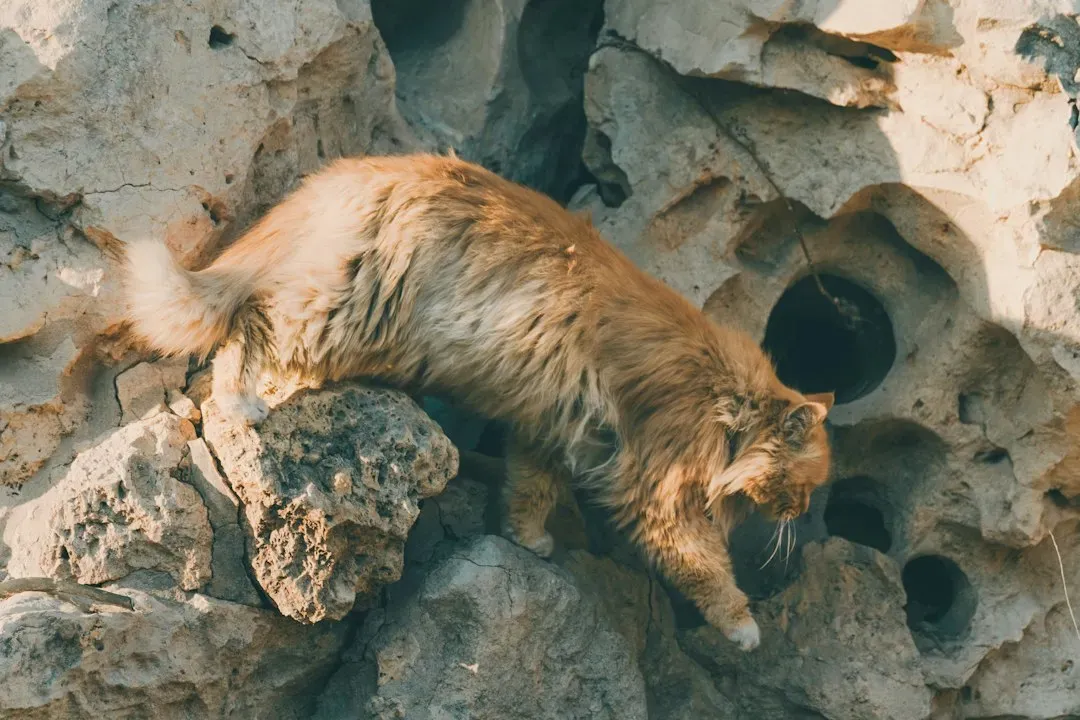
When humans shifted to farming around the same period, they created perfect conditions for wildcats to move closer. Stored grains attracted mice and rats in large numbers. Cats, being natural hunters, found an easy buffet right at the edge of settlements.
Over generations, the boldest or least fearful cats kept returning. Those that tolerated human presence gained steady meals without much competition from other predators. This self-selection process required no deliberate breeding at first, just repeated exposure and tolerance on both ends.
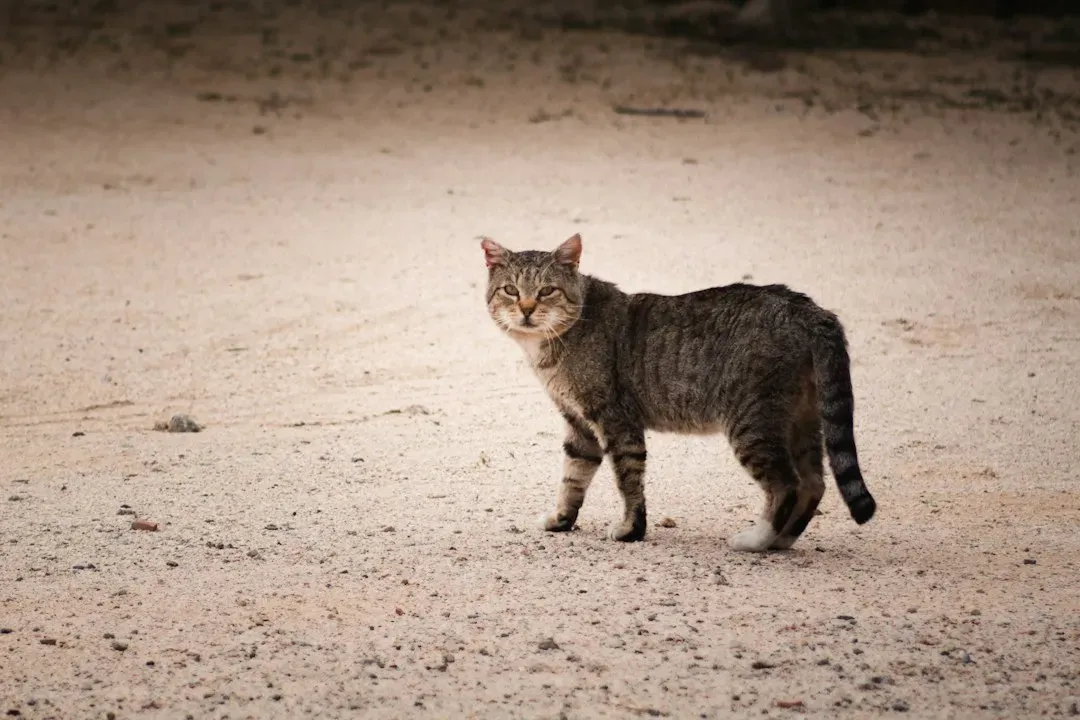
Behavioral studies of modern cats show similar patterns in feral populations near farms or villages. Kittens raised near people during a sensitive early window grow more comfortable with human activity. The same dynamic likely played out in those ancient fields and storage pits.
The result was a slow shift from wild hunter to tolerated neighbor. Farmers gained rodent control while cats gained reliable food sources. Neither side needed to change much about their core habits for the arrangement to succeed.
Insights from Cat Behavior Studies
🔥 Would you like to save this?
We'll email this post to you, so you can come back to it later!
Animal psychology research highlights how cats retain much of their solitary wild heritage even after thousands of years alongside people. Unlike dogs, which evolved from highly social wolves, cats come from mostly independent ancestors. This background explains why they form looser attachments and keep strong hunting instincts.
Experiments on socialization reveal a critical period between two and seven weeks of age when kittens learn to accept humans. Those handled gently during this window show less fear and more playfulness later. Ancient cats that grew up near farms would have experienced similar early exposure through daily human activity.
Observations of cat human interactions today also point to subtle communication signals that likely developed over long periods of coexistence. Slow blinks, tail positions, and vocalizations serve as low risk ways to signal comfort or request space. These behaviors appear consistent across domestic populations and suggest deep roots in shared environments.
Such studies help explain why the relationship could form without heavy human control. Cats essentially negotiated their own terms, staying close enough for benefits while preserving independence. This balance still defines many household cats today.

Orthopedic Extra Large Dog Bed, Waterproof Washable XL Pet Bed 44"
Check Price on AmazonAs an Amazon Associate, we earn from qualifying purchases.
10/7/2026 1:32 pm GMTi

Glass Hummingbird Feeder for Outdoors Hanging, 16 oz Leak-Proof Nectar Feeder with Bee Guards & Ant Moat
Check Price on AmazonAs an Amazon Associate, we earn from qualifying purchases.
10/7/2026 1:22 pm GMTi

Hand Blown Glass Hummingbird Feeders for Outdoors Hanging, 24oz Wild Bird Nectar Feeder
Check Price on AmazonAs an Amazon Associate, we earn from qualifying purchases.
10/7/2026 1:23 pm GMTi

Dog Stairs for Bed 18" H, 4-Step Dog Steps for High Bed
Check Price on AmazonAs an Amazon Associate, we earn from qualifying purchases.
10/9/2026 2:42 pm GMTi

Portable Dog Water Bottle Foldable Dog Travel Water Bottle
Check Price on AmazonAs an Amazon Associate, we earn from qualifying purchases.
10/7/2026 1:29 pm GMTi
Genetic Journeys Through Time
🔥 Would you like to save this?
We'll email this post to you, so you can come back to it later!
DNA analysis of ancient cat remains supports the idea of an early Near Eastern origin for the domestic lineage. Mitochondrial markers trace back to wildcats in the Fertile Crescent region around the time farming began. These genetic signatures spread with human migrations into Europe and beyond.
Later waves of cats from North Africa contributed additional diversity, especially after Egyptian societies developed stronger cultural ties to the animals. The mixing of populations shows the process was not a single event but a series of encounters across different places and eras.
Importantly, some early European cat bones once thought to represent domestic animals turned out to belong to local wildcats that interbred with incoming ones. This complexity underscores how fluid the boundary between wild and domestic remained for a long time.
Modern genetic work continues to refine these maps. Each new sample adds detail to how cats moved alongside people without losing their core adaptability. The data align with archaeological timelines that place the start of regular contact well before recorded history in Egypt.
Pre-Egyptian Human Feline Bonds
🔥 Would you like to save this?
We'll email this post to you, so you can come back to it later!
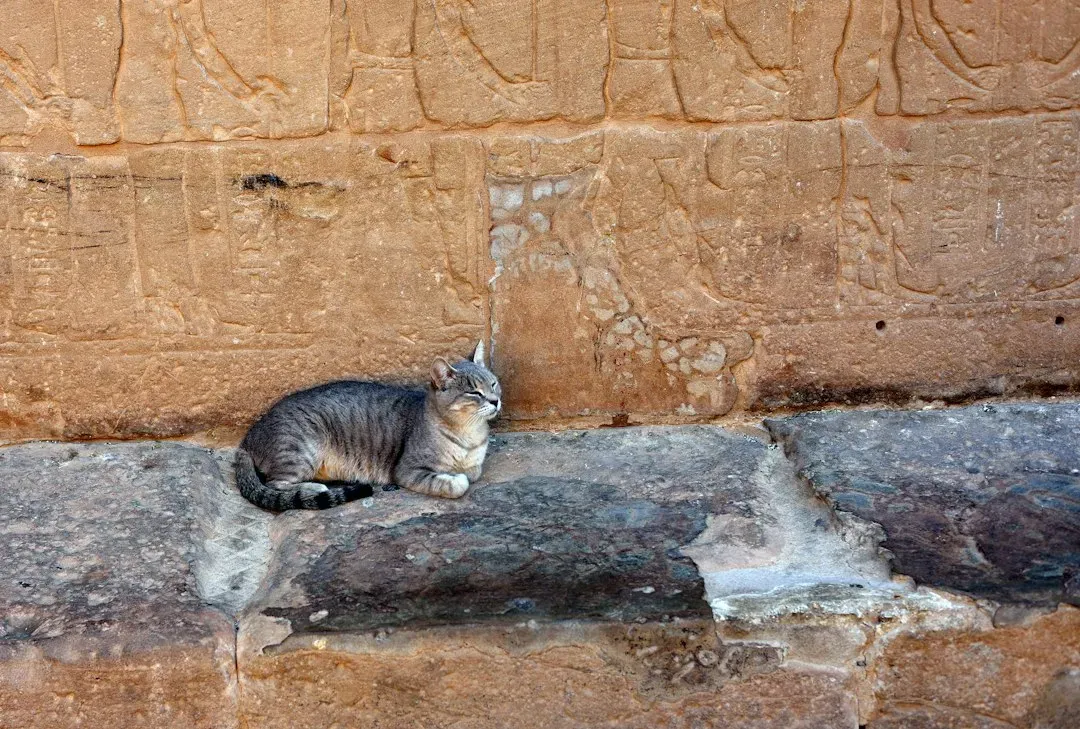
Evidence from other sites reinforces that close contact existed outside the Nile Valley. Remains in parts of Anatolia and the eastern Mediterranean show cats integrated into village life by 8000 years ago or earlier. These finds include bones in household contexts rather than isolated wild settings.
Some skeletons display healed injuries, suggesting people provided care long enough for recovery. Such attention points to practical value, perhaps as pest controllers worth keeping around. It also hints at emerging familiarity that went beyond occasional sightings.
Behavioral ecology research notes that cats in these environments would have faced fewer threats from humans who benefited from their presence. Over time, this safety allowed bolder individuals to thrive and pass on traits suited to shared spaces. The pattern repeats across multiple early farming communities.
These pre-Egyptian examples demonstrate that the relationship did not require temples or deities to take hold. Simple daily overlap around food stores proved sufficient to build lasting proximity. The psychology of both species supported that gradual acceptance.
Why Cats Chose Us First
🔥 Would you like to save this?
We'll email this post to you, so you can come back to it later!
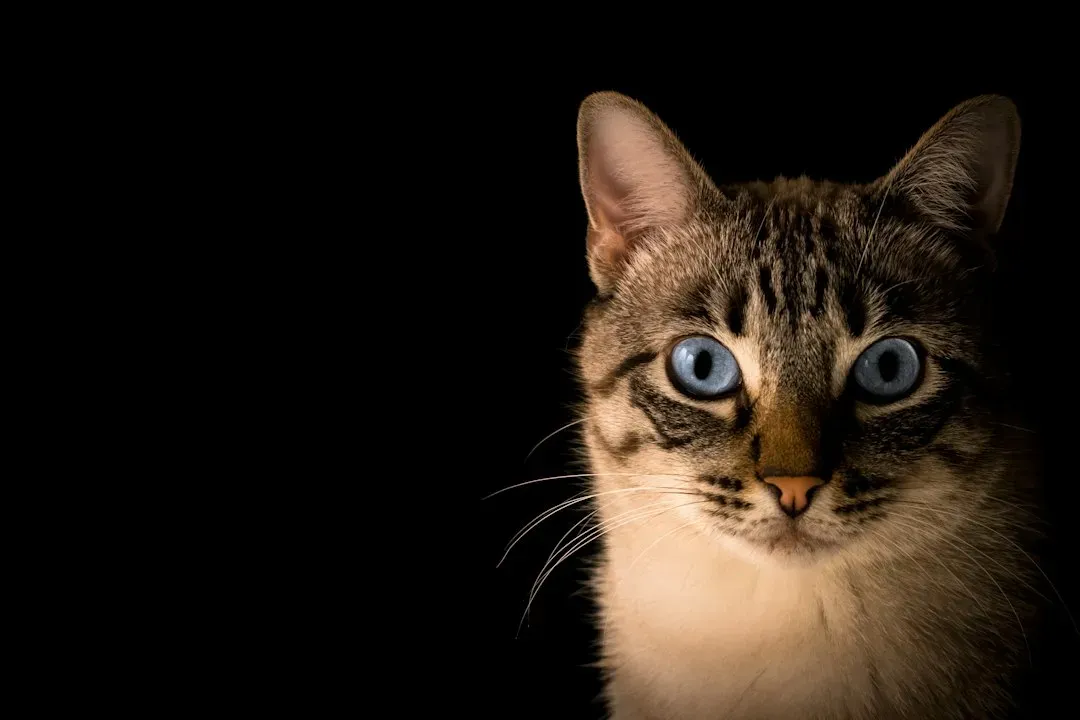
Cats stand apart from most domesticated animals because the initiative appears to have come more from their side. They entered human spaces on their own terms, drawn by prey rather than any offer of shelter or training. This commensal path meant less pressure to alter fundamental behaviors like hunting or territorial habits.
Psychological traits such as curiosity balanced with caution helped certain cats succeed in these new niches. Those quick to assess risk and quick to retreat when needed survived and reproduced near people. The result was a population pre adapted to coexistence without full dependence.
Comparative studies with other species show how rare this route is. Most domestic animals underwent stronger human selection for traits like docility or productivity. Cats kept more of their original toolkit, which explains both their enduring independence and their appeal as low maintenance companions.
The arrangement worked because it met real needs on both sides without demanding major compromises. Farmers got help with vermin while cats accessed concentrated food sources. That mutual benefit laid the foundation for everything that followed.

Professional 7 in 1 Dog Paw Cleaner for Dogs & Cats - Includes 1 Portable Paw Washer, 1 Bath Brush
Check Price on AmazonAs an Amazon Associate, we earn from qualifying purchases.
10/7/2026 1:26 pm GMTi

Halloween Dog Collar with Bow, Orange Cute Ghost Collar,
Check Price on AmazonAs an Amazon Associate, we earn from qualifying purchases.
10/9/2026 2:43 pm GMTi

Glass Hummingbird Feeder for Outdoors Hanging
Check Price on AmazonAs an Amazon Associate, we earn from qualifying purchases.
10/7/2026 1:21 pm GMTi

Halloween Cat Costume Cloak Witch Hat Pet Accessories
Check Price on AmazonAs an Amazon Associate, we earn from qualifying purchases.
10/9/2026 2:44 pm GMTi

PetSafe Oasys Pet Fountain, 1/2 Gallon (64 oz), Small Dogs & Cats
Check Price on AmazonAs an Amazon Associate, we earn from qualifying purchases.
10/8/2026 8:14 am GMTi
Lessons from Ancient Companionship

🔥 Would you like to save this?
We'll email this post to you, so you can come back to it later!
Looking back at these early interactions reveals how flexible domestication can be. Not every species follows the same path, and cats illustrate a version driven more by opportunity than by deliberate human effort. The timeline stretching to ten thousand years ago underscores just how long that experiment has run.
Behavioral continuity from ancient sites to modern homes suggests core traits have persisted. Cats still hunt when given the chance, still form selective bonds, and still set their own boundaries. These qualities trace directly to the conditions that first brought them near people.
Understanding this history also highlights why cats thrive in varied environments today. Their adaptability stems from that long period of self directed adjustment rather than intensive shaping. It offers a different model for how animals and humans can share space successfully.
The evidence invites a broader view of what counts as domestication. In the case of cats, it began as a practical neighborhood arrangement that slowly deepened into something more familiar. That origin story continues to shape the relationship in homes around the world.

Air Purifiers for Home Pets Large Room Up to 3000 Ft²,HEPA Air Cleaner with Washable Double-Side Filter, PM2.5 Air Quality Monitor,15dB Sleep Mode for Bedroom Odor Dust Pollen,White
Check Price on AmazonAs an Amazon Associate, we earn from qualifying purchases.
10/8/2026 8:23 am GMTi

2 Pcs Halloween Pet Hat Bandana Set, Witch Pumpkin Costumes for Dogs
Check Price on AmazonAs an Amazon Associate, we earn from qualifying purchases.
10/9/2026 2:45 pm GMTi

Smart Bird Feeder with Camera Solar Powered, 2K HD Live Video, 10,000+ Bird Species AI Identification
Check Price on AmazonAs an Amazon Associate, we earn from qualifying purchases.
10/7/2026 1:22 pm GMTi

Earth Rated XL Dog & Puppy Pee Pads, Discreet Top, Max Absorbency
Check Price on AmazonAs an Amazon Associate, we earn from qualifying purchases.
10/7/2026 1:28 pm GMTi
Rethinking the Bond We Take for Granted
🔥 Would you like to save this?
We'll email this post to you, so you can come back to it later!
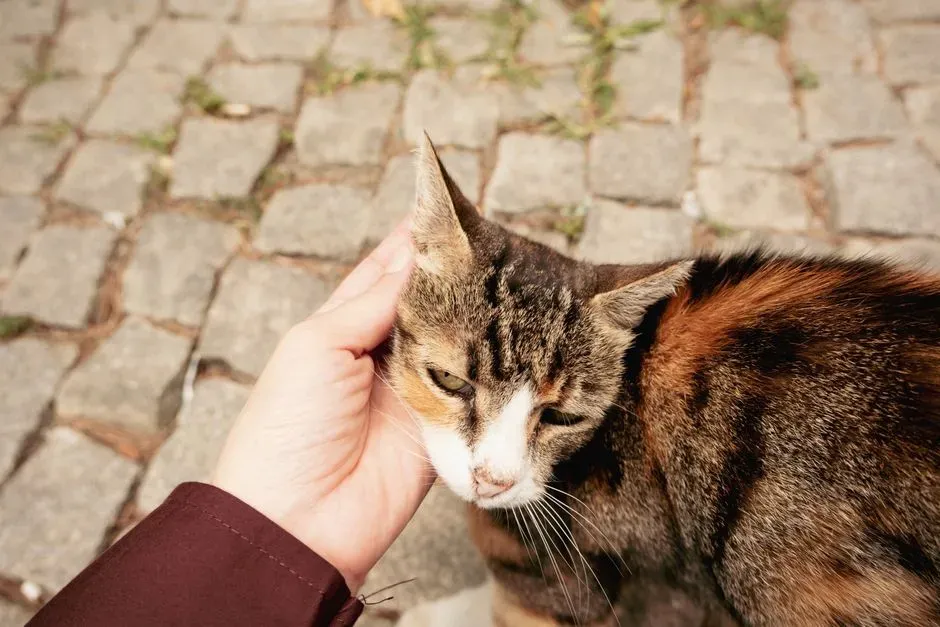
The deeper timeline changes how we see everyday cat behavior. What feels like aloofness or independence today actually reflects thousands of years of negotiated coexistence rather than recent taming. Cats did not need to become dogs to fit into human lives, and that distinction still matters.
Recognizing the ancient roots also puts current trends in perspective. Interest in cat welfare, enrichment, and understanding their natural needs echoes the same practical respect that allowed the first partnerships to form. People benefit when they work with feline instincts instead of against them.
Ultimately the story reminds us that some of the closest relationships grow from small, repeated advantages rather than dramatic events. Cats and humans found a workable overlap long before anyone recorded it, and that quiet success has lasted. It is worth noticing how little the basic terms have changed since those early grain stores.

- Animal Psychology Says Cats Began Living Alongside People Nearly 10,000 Years Ago – Thousands of Years Before Ancient Egypt - November 10, 2026
- Feline Psychology Says Many Cats Favor One Paw – and Males Tend to Lean Left While Females Lean Right - November 10, 2026
- What the Owl Means Across 8 Different Cultures - November 10, 2026