
The Evidence from Home Based Observations
🔥 Would you like to save this?
We'll email this post to you, so you can come back to it later!
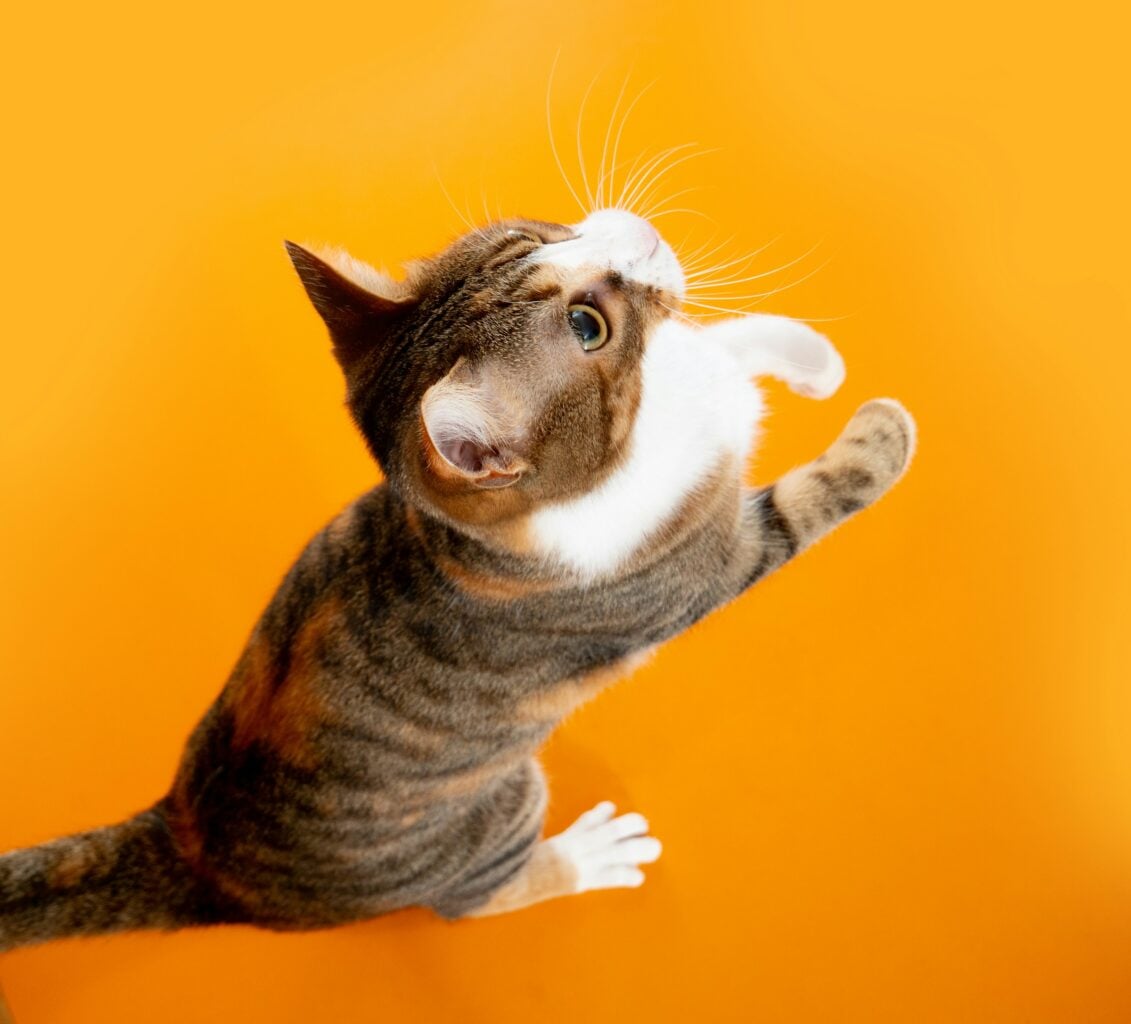
Studies conducted in cats own homes rather than sterile labs have provided clear snapshots of natural behavior. Owners tracked everyday actions such as stepping down stairs, reaching into feeders, and entering litter boxes. The majority of cats displayed a consistent paw preference across these activities, with roughly three quarters showing bias during food retrieval tasks.
Researchers noted that preferences held steady whether the action was spontaneous or slightly more structured. This consistency suggests the trait reflects genuine motor laterality rather than random chance. Age did not appear to influence the strength or direction of the preference in the groups examined.
Distinct Patterns Linked to Sex
🔥 Would you like to save this?
We'll email this post to you, so you can come back to it later!
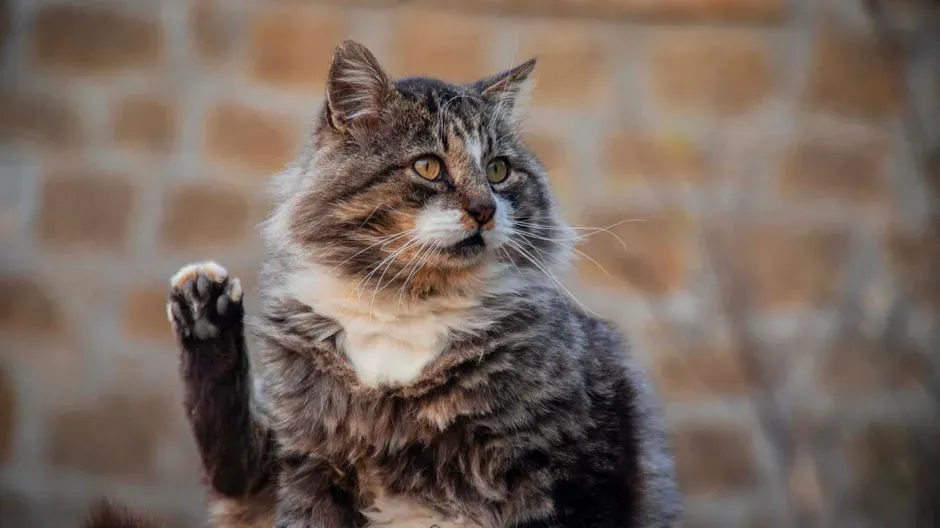
Male cats in the observed groups leaned toward left paw use in most tasks, while females showed a stronger inclination for the right paw. This split emerged reliably across different behaviors, creating two distinct populations within the same species. The pattern held even though all cats were neutered, pointing away from simple hormonal explanations tied to reproductive status.
Earlier work sometimes reported no sex difference, yet more recent home based data and meta analyses align on this directional split. Females tended to exhibit stronger right side consistency in several measures. Males displayed the opposite tilt without an overall group preference for either side across the entire sample.
Why Task Complexity Matters
🔥 Would you like to save this?
We'll email this post to you, so you can come back to it later!
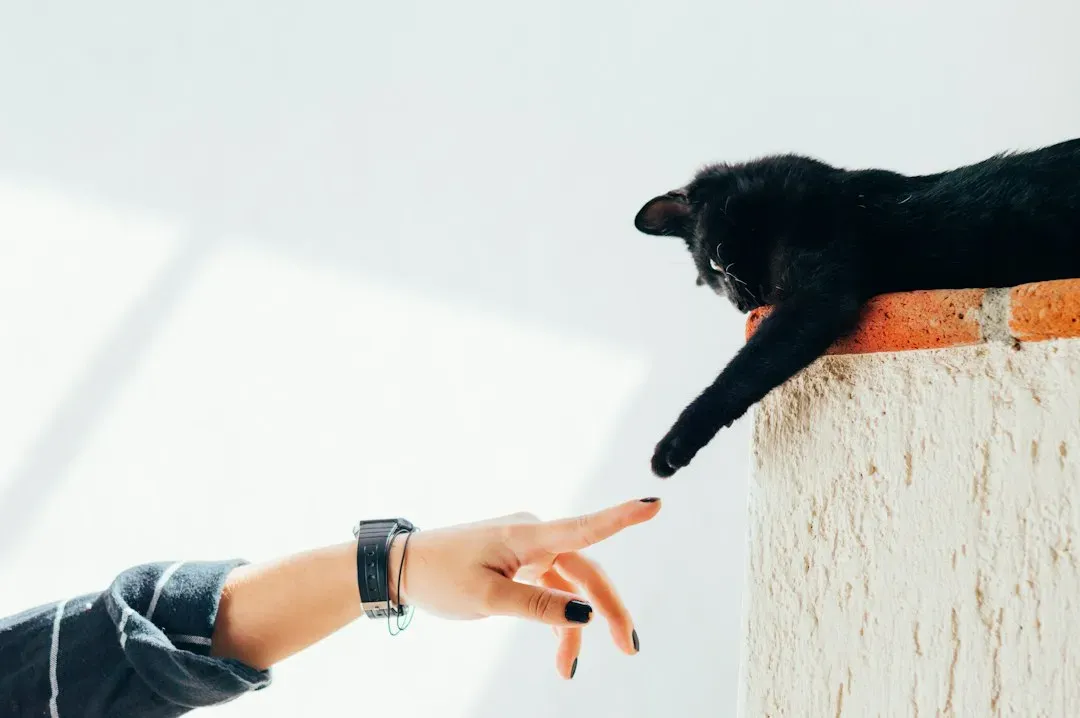
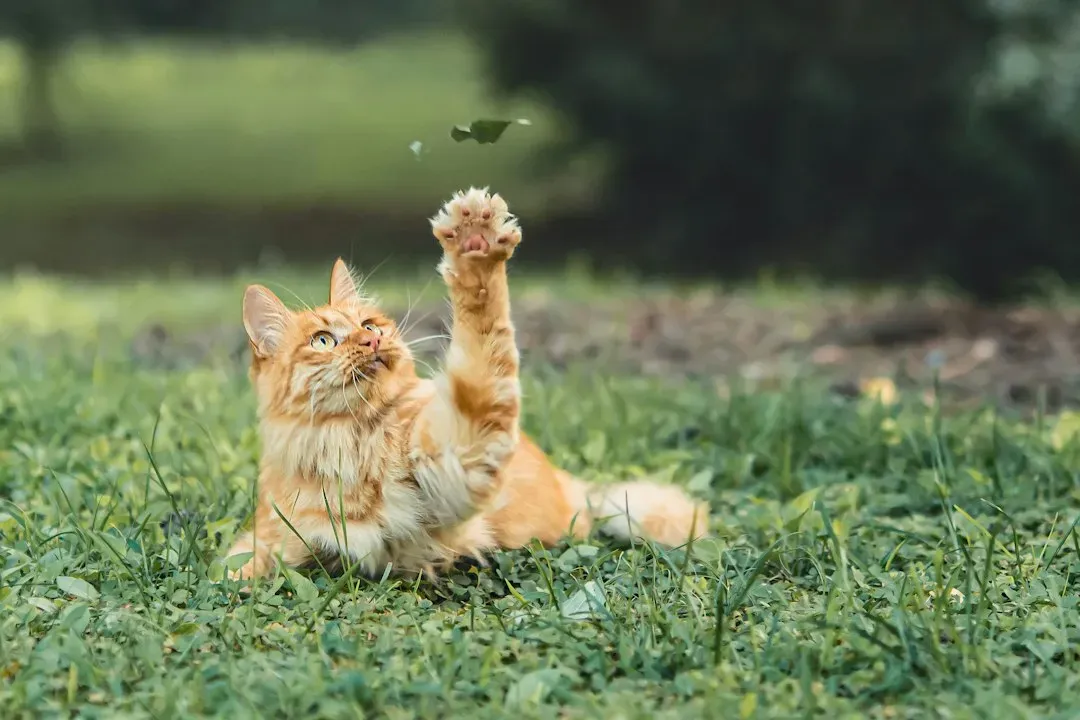
Simpler actions like batting at a moving toy often produced ambilateral responses, with cats using both paws equally. More demanding challenges, such as extracting food from a narrow container, brought out pronounced preferences in nearly every animal. This mirrors how humans show stronger handedness during fine motor skills compared with gross movements.
The increase in lateralization with difficulty highlights how brain organization supports specialized performance. Cats appear to recruit one hemisphere more effectively when precision counts. Such findings help explain why casual observation might miss the preference until a cat faces a real puzzle.

Halloween Cat Costume Cloak Witch Hat Pet Accessories
Check Price on AmazonAs an Amazon Associate, we earn from qualifying purchases.
10/9/2026 2:44 pm GMTi

Air Purifiers for Home Pets Large Room Up to 3000 Ft²,HEPA Air Cleaner with Washable Double-Side Filter, PM2.5 Air Quality Monitor,15dB Sleep Mode for Bedroom Odor Dust Pollen,White
Check Price on AmazonAs an Amazon Associate, we earn from qualifying purchases.
10/8/2026 8:23 am GMTi

Dog Stairs for Bed 18" H, 4-Step Dog Steps for High Bed
Check Price on AmazonAs an Amazon Associate, we earn from qualifying purchases.
10/9/2026 2:42 pm GMTi

Orthopedic Extra Large Dog Bed, Waterproof Washable XL Pet Bed 44"
Check Price on AmazonAs an Amazon Associate, we earn from qualifying purchases.
10/7/2026 1:32 pm GMTi

Hand Blown Glass Hummingbird Feeders for Outdoors Hanging, 24oz Wild Bird Nectar Feeder
Check Price on AmazonAs an Amazon Associate, we earn from qualifying purchases.
10/7/2026 1:23 pm GMTi
Insights into Feline Brain Structure
🔥 Would you like to save this?
We'll email this post to you, so you can come back to it later!
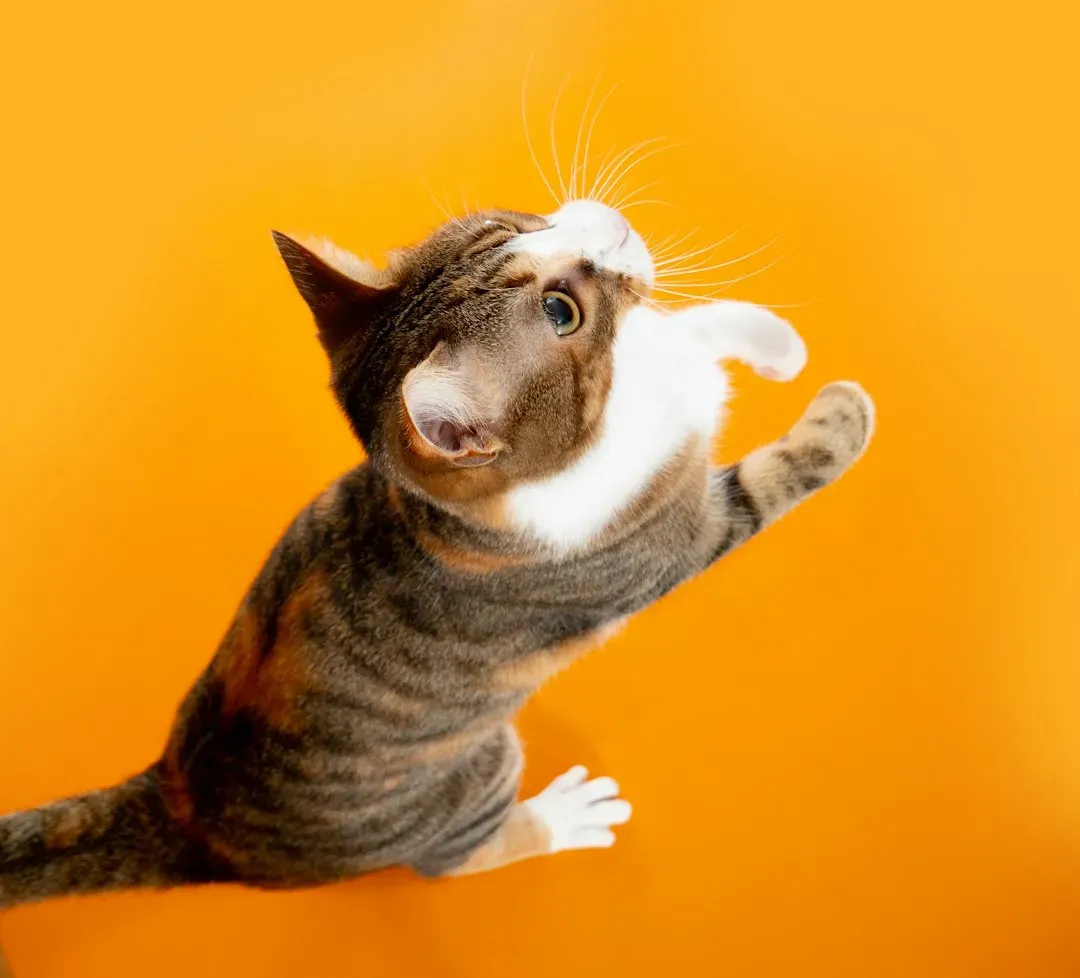
Paw preference offers clues about hemispheric specialization in cats, much as handedness does in people. Left paw bias may link to right hemisphere dominance, which some evidence associates with heightened stress responses in animals. Right paw use could correspond to left hemisphere strengths in routine processing.
These neural differences do not imply one side is better overall. Instead they suggest varied coping styles that owners might notice in daily life. Understanding the link encourages more tailored approaches to enrichment and handling.
Practical Ways to Notice Paw Preference at Home
🔥 Would you like to save this?
We'll email this post to you, so you can come back to it later!
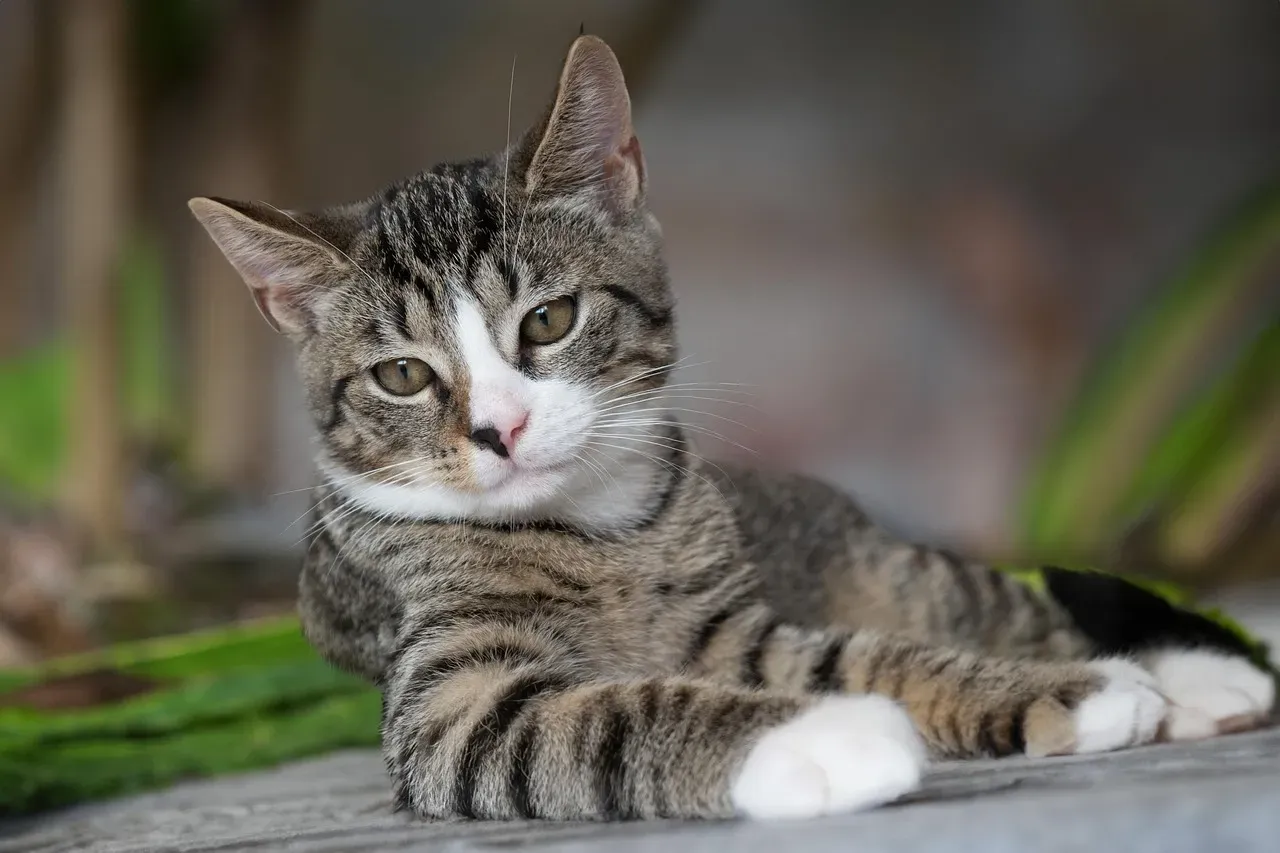
Owners can set up simple tests using food puzzles or stairs to watch which paw leads. Recording multiple trials over days helps confirm consistency rather than one off choices. Not every cat will show a strong bias, and some remain flexible across situations.
Tracking these details adds a layer of insight into individual personality without requiring special equipment. It also provides a gentle way to engage with a cat during routine interactions. Patterns may become clearer over time as the animal settles into familiar habits.

Earth Rated XL Dog & Puppy Pee Pads, Discreet Top, Max Absorbency
Check Price on AmazonAs an Amazon Associate, we earn from qualifying purchases.
10/7/2026 1:28 pm GMTi

Portable Dog Water Bottle Foldable Dog Travel Water Bottle
Check Price on AmazonAs an Amazon Associate, we earn from qualifying purchases.
10/7/2026 1:29 pm GMTi

2 Pcs Halloween Pet Hat Bandana Set, Witch Pumpkin Costumes for Dogs
Check Price on AmazonAs an Amazon Associate, we earn from qualifying purchases.
10/9/2026 2:45 pm GMTi

Halloween Dog Collar with Bow, Orange Cute Ghost Collar,
Check Price on AmazonAs an Amazon Associate, we earn from qualifying purchases.
10/9/2026 2:43 pm GMTi

Glass Hummingbird Feeder for Outdoors Hanging
Check Price on AmazonAs an Amazon Associate, we earn from qualifying purchases.
10/7/2026 1:21 pm GMTi
Broader Connections to Animal Laterality
🔥 Would you like to save this?
We'll email this post to you, so you can come back to it later!
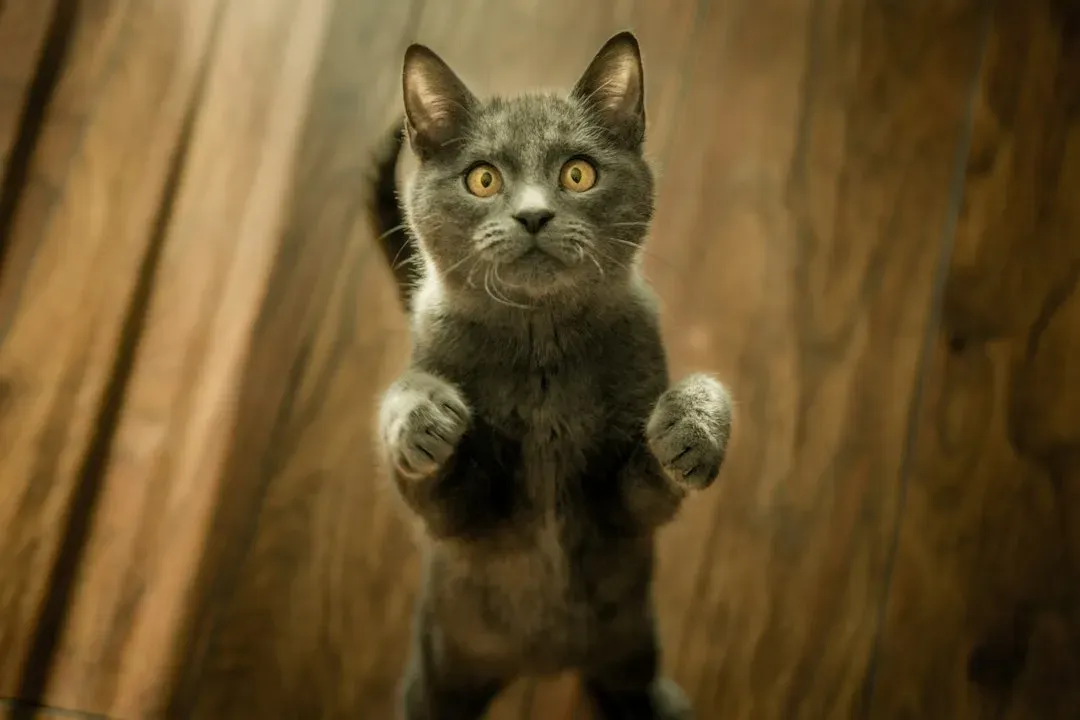
Similar sex linked paw preferences appear in other species, though the direction and strength vary. In cats the absence of a population wide right bias sets them apart from humans, where right handedness dominates. This diversity underscores how lateralization evolves differently across mammals.
Meta analyses confirm that most cats exhibit some form of paw preference, even if the favored side splits by sex. The trait likely supports efficient motor control during hunting or exploration in ancestral environments. Continued observation refines our picture of these quiet asymmetries.

Glass Hummingbird Feeder for Outdoors Hanging, 16 oz Leak-Proof Nectar Feeder with Bee Guards & Ant Moat
Check Price on AmazonAs an Amazon Associate, we earn from qualifying purchases.
10/7/2026 1:22 pm GMTi

Smart Bird Feeder with Camera Solar Powered, 2K HD Live Video, 10,000+ Bird Species AI Identification
Check Price on AmazonAs an Amazon Associate, we earn from qualifying purchases.
10/7/2026 1:22 pm GMTi

PetSafe Oasys Pet Fountain, 1/2 Gallon (64 oz), Small Dogs & Cats
Check Price on AmazonAs an Amazon Associate, we earn from qualifying purchases.
10/8/2026 8:14 am GMTi

Professional 7 in 1 Dog Paw Cleaner for Dogs & Cats - Includes 1 Portable Paw Washer, 1 Bath Brush
Check Price on AmazonAs an Amazon Associate, we earn from qualifying purchases.
10/7/2026 1:26 pm GMTi
Looking Ahead at What Paw Preference Reveals
🔥 Would you like to save this?
We'll email this post to you, so you can come back to it later!
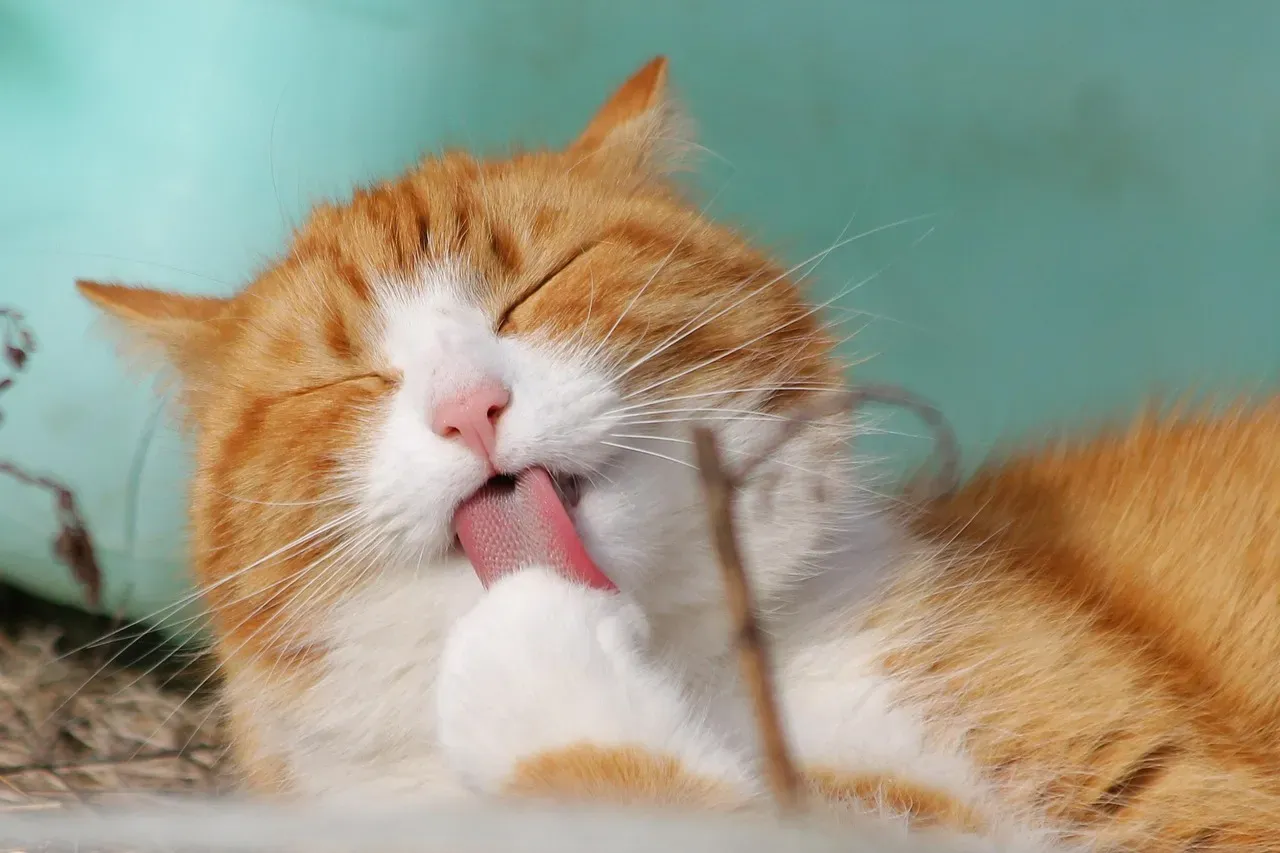
The sex based split in paw use reminds us that feline psychology carries subtle layers worth noticing in everyday life. It challenges assumptions that all cats operate identically and invites owners to appreciate individual wiring. While the reasons behind the pattern continue to invite study, the observable consistency already enriches how we interpret behavior.
Paying attention to these details can deepen the bond between people and their cats by highlighting unique traits rather than generic expectations. In the end the evidence points to a richer inner world for our companions, one paw at a time.

- Feline Psychology Says Many Cats Favor One Paw – and Males Tend to Lean Left While Females Lean Right - November 10, 2026
- What the Owl Means Across 8 Different Cultures - November 10, 2026
- What It Means When the Same Animal Keeps Appearing in Your Life According to Spiritual Symbolism - November 10, 2026