
Watch an osprey hunt once and you’ll never look at “just a bird” the same way again. One moment it’s a speck in the sky, the next it’s dropping like a thrown spear, exploding into the water and lifting out with a wriggling fish clamped in its talons. What makes it even more stunning is that the fish were often hiding under bright surface glare, wind‑ruffled waves, or murky water that seems almost impossible to see through.
Yet ospreys pull this off day after day, in lakes, estuaries, and open ocean. They do it with a mix of physics, biology, and behavior that looks almost like a superpower. Let’s unpack ten of the most fascinating ways these “fish hawks” beat glare, waves, and constantly moving water to spot their prey.
Using Elevated Vantage Points to Shrink Glare and See Patterns
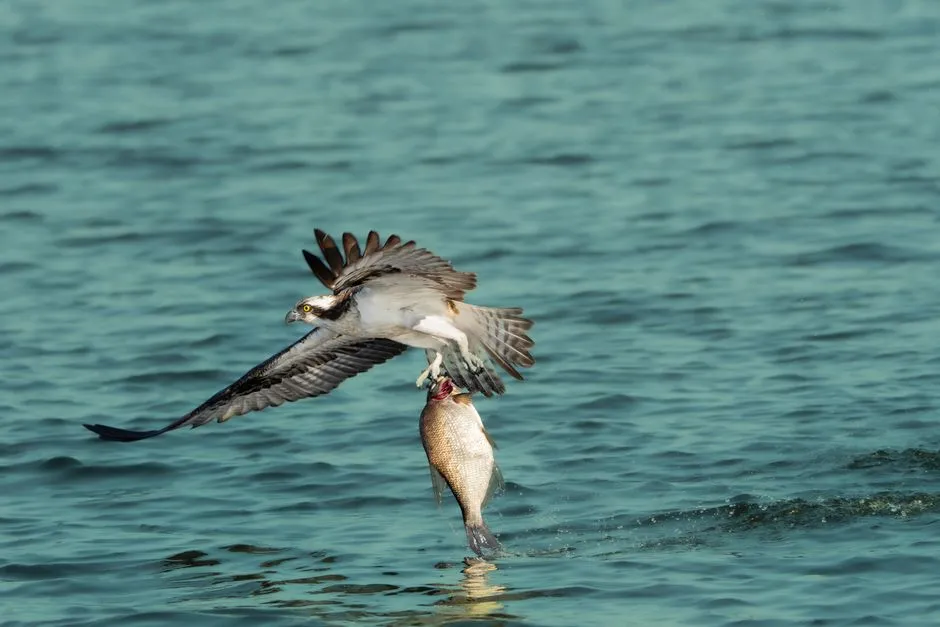
Here’s something surprising: the higher an osprey flies, the less the water’s glare gets in its way. From dozens of meters up, the blinding reflections that torment us at eye level become smaller patches, broken up across the field of view. Ospreys often circle or hover at height so they can look down at a steep angle, where the water surface acts a bit less like a mirror and more like a window.
I’ve sat on cliffs watching ospreys do slow, deliberate circles, and it really struck me that they almost never rush in from low level. By scanning from above, they can see moving “shadows” and distortions below ripples that might signal a fish. To us, it’s a silver glare; to an osprey high up, it’s a textured surface revealing subtle hints of life below.
Forward-Facing Eyes and High-Resolution Vision
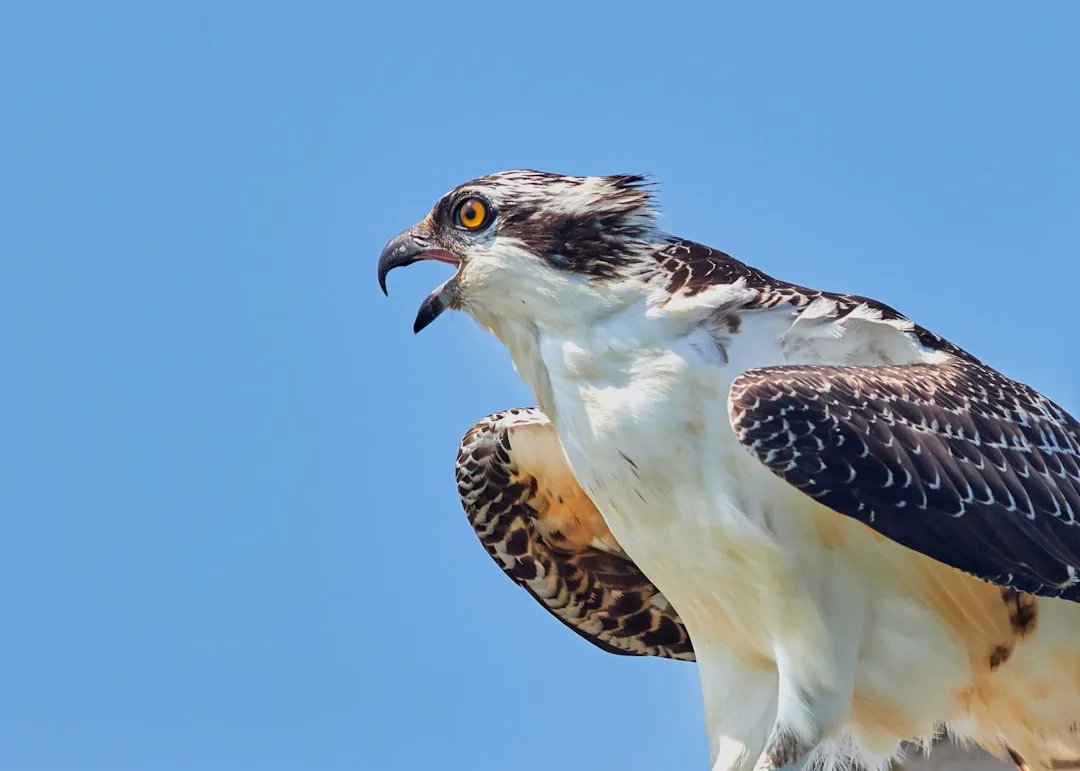
Ospreys don’t just have good eyesight, they have highly specialized vision. Their eyes are placed more toward the front of the head than many other raptors, which gives them stronger binocular vision in the zone right beneath them. That overlapping field of view helps them judge depth and location of fish with impressive precision, even when the water surface is moving.
Inside those eyes are dense clusters of photoreceptor cells that give them sharp visual acuity. Imagine having built‑in telephoto lenses that stay in perfect focus while you’re moving; that’s essentially what they’re working with. When a fish flashes just under the surface, an osprey’s brain can lock onto that movement and keep track of it, despite waves, reflections, or momentary disturbances.
Specialized Color and Contrast Sensitivity for Turbulent Water
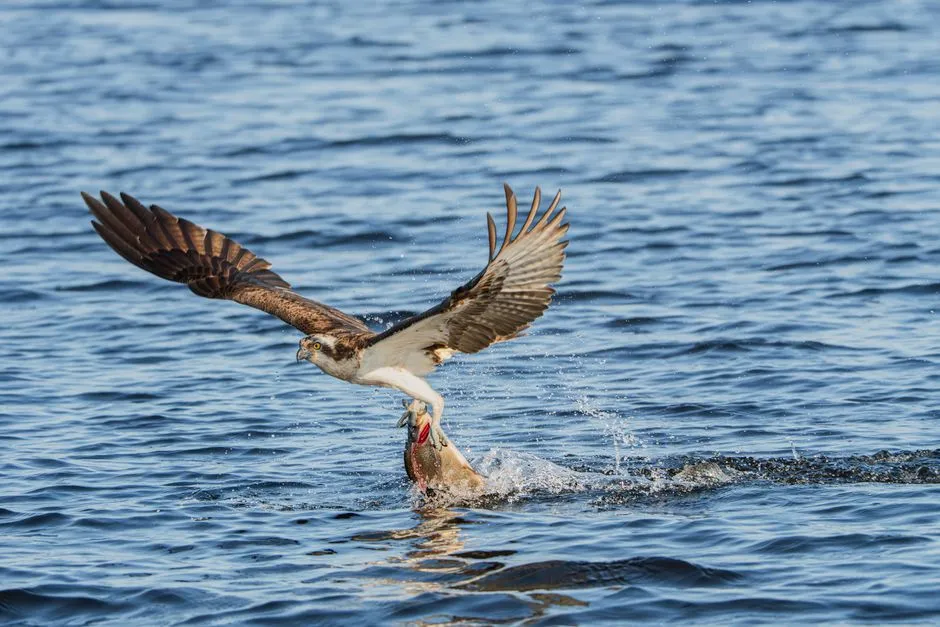
Water full of reflections and ripples can look chaotic, almost like visual static. Ospreys cope by leaning heavily on contrast detection: they’re experts at picking out subtle changes in light and dark, or small shifts in color, that reveal a fish turned slightly sideways or the pale outline of a body against a darker background. The constant flicker of wave patterns becomes a kind of code they’ve learned to read.
Many diurnal raptors are sensitive to a broad range of wavelengths, and ospreys are no exception, with visual systems tuned to daylight conditions. Instead of seeing “just glare,” they’re resolving layers of brightness and color in that glare. Where we see a single bright patch, an osprey may see faint silhouettes, disturbed patterns, or a brief flash of silvery scales that tells them exactly where to dive.
Adjusting Viewing Angle to Minimize Reflection
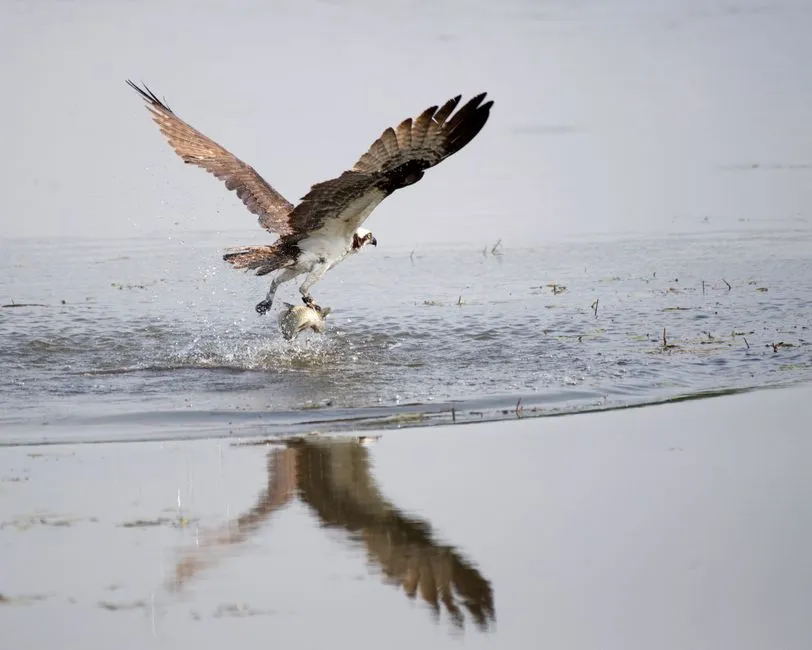
If you’ve ever tilted your head or shifted position to see past a reflection on your phone screen, you already understand one of the osprey’s key tricks. They frequently change their flight angle relative to the sun and water surface. By circling, re‑positioning, or hovering slightly off to one side, they can reach a viewing angle where reflection is reduced and more light is coming from beneath the surface rather than bouncing off it.
Watch them along a sunny shore and you’ll notice they rarely lock into a single straight‑line patrol. Instead, they arc, turn, and re‑approach the same patch of water from different angles. That constant adjustment helps them “cancel out” the worst of the mirror‑like reflection and catch glimpses into the water column, even on days when humans are squinting through sunglasses.
Height-Adjusted Hovering for Tracking Fish Under Moving Waves
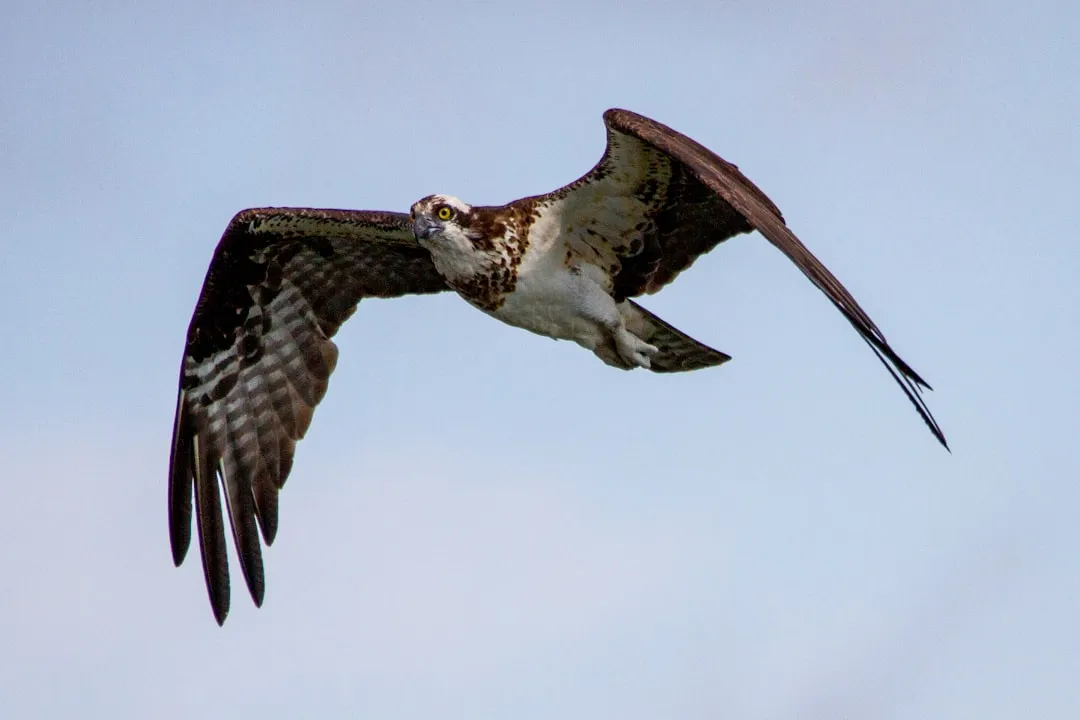
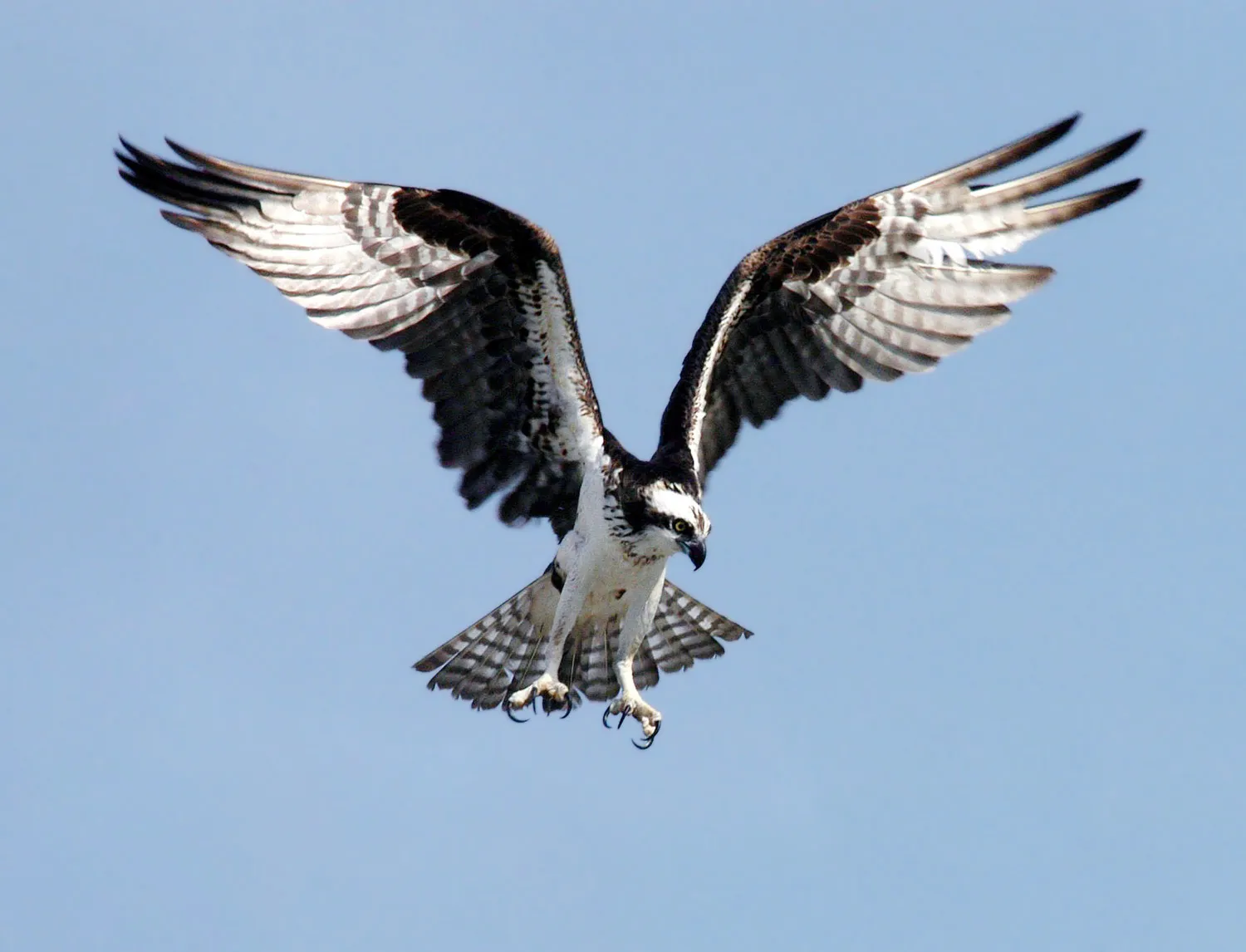
That distinctive hovering behavior – wings beating hard, head locked downward – is more than just dramatic theater. By staying almost motionless in the air, an osprey can track a single fish beneath waves that are constantly shifting. If they were flying fast in a straight line, the window of view over that one fish would vanish in a second.
Instead, they pick a spot where they’ve detected movement and hover to keep that same patch of water centered in their view. They might climb slightly higher or lower to sharpen the angle and reduce surface disturbance. From that stable “air tripod,” they can watch the fish change depth, turn, or drift, and then choose the exact moment when it’s closest to the surface and worth the energy of a dive.
Compensating for Refraction When They Commit to a Dive
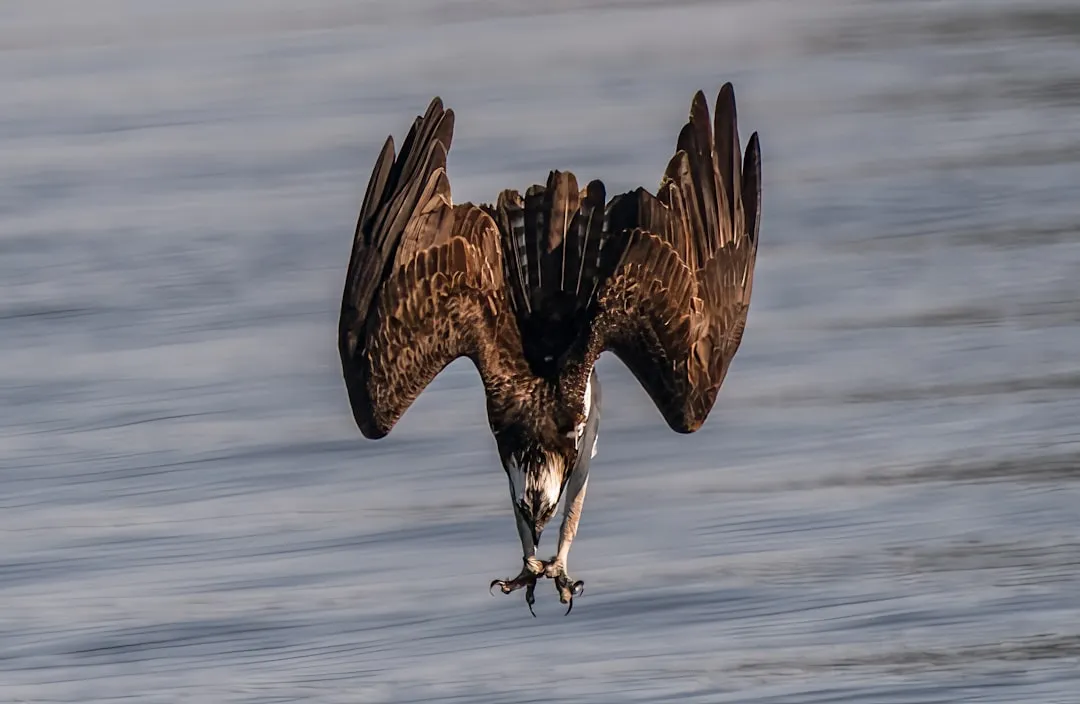
Here’s where things get really wild: light bends when it passes from air into water, which means a fish isn’t exactly where it appears to be. Humans learn to compensate for that a little bit when we try to spear something in shallow water, but ospreys are operating at far higher speed and from much farther away. They’ve evolved to account for that offset almost instinctively.
Right before they dive, you’ll often see an osprey give a tiny mid‑air correction, angling its body in a way that looks almost like a last‑second hesitation. That tweak is part of compensating for refraction and for the fish’s likely path under moving water. In effect, they’re aiming not at where the fish looks like it is, but where the physics of light and motion say the fish will actually be by the time the talons hit.
Timing Dives With Wave Troughs and Calm Patches
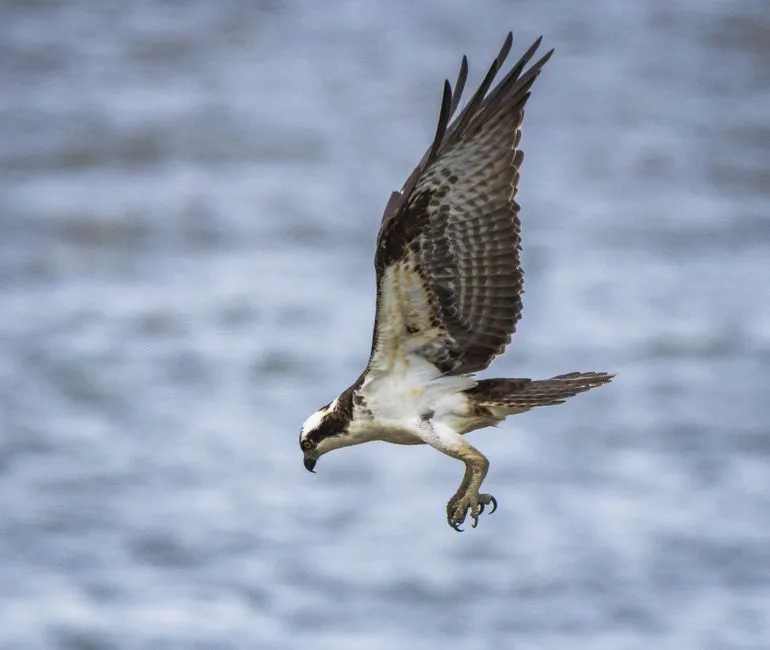
Moving water isn’t constant chaos; it has rhythms and patterns, and ospreys are very good at reading them. When waves roll through, there are brief moments – like the trough between two crests – where the surface is a little less broken and more light can pass through. Ospreys often seem to launch their dives in sync with these better windows of visibility.
Even in choppy conditions, there are micro‑pauses: a slight flattening of the surface behind a boat wake, or a tiny lull between gusts of wind. Birds that fish for a living learn to exploit those micro‑moments. It’s a bit like a photographer waiting for a cloud to move so the light is just right; the osprey delays a heartbeat, catches the brief clarity, and then commits.
Targeting Shallow Zones, Drop-offs, and Color Changes
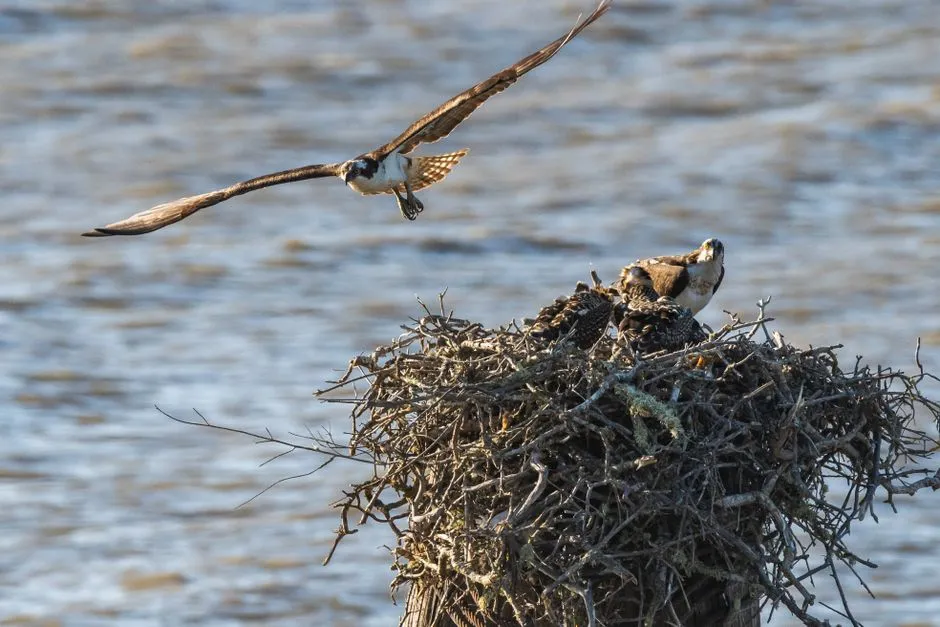
Ospreys are not randomly scanning entire lakes or bays; they focus strongly on structure. Shallow zones, sandbars, and the edges of weed beds concentrate fish, and they’re also easier to see into because there’s less water for light to travel through. When you see an osprey circling repeatedly over the same patch of shoreline, there’s usually a reason rooted in underwater geography.
They’re also tuned to color changes in the water that signal depth shifts or different bottom types, like a paler sandy patch against darker, deeper green. These transitions create predictable fish hangouts: ambush spots, feeding lanes, or resting areas. By keying into those color boundaries, an osprey can focus visual effort where the odds of spotting a fish beneath glare and motion are already stacked in its favor.
Learning Local Patterns and Peak Feeding Times
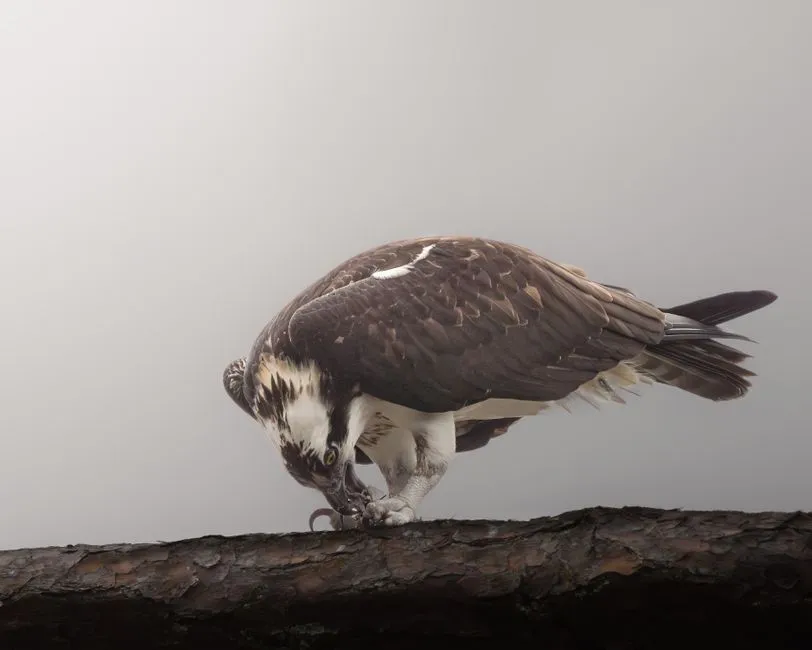
Beyond anatomy and physics, experience plays a huge role. Individual ospreys learn which coves are clearer in the afternoon, which rivers are too muddy after rain, and which sandbars attract schooling fish when the tide turns. Over time, they build a mental map of “high‑visibility, high‑payoff” spots and revisit them over and over.
They also tune into the habits of the fish themselves: early‑morning feeding near the surface, evening movements toward shallows, or seasonal runs in estuaries. Even if glare and wind are working against them, ospreys stack the odds by being in the right place at the right time, which means they need less visual perfection to succeed. In a way, they reduce the problem of seeing through glare by simply not wasting effort where success is unlikely.
Protective Nictitating Membrane and Underwater Target Lock
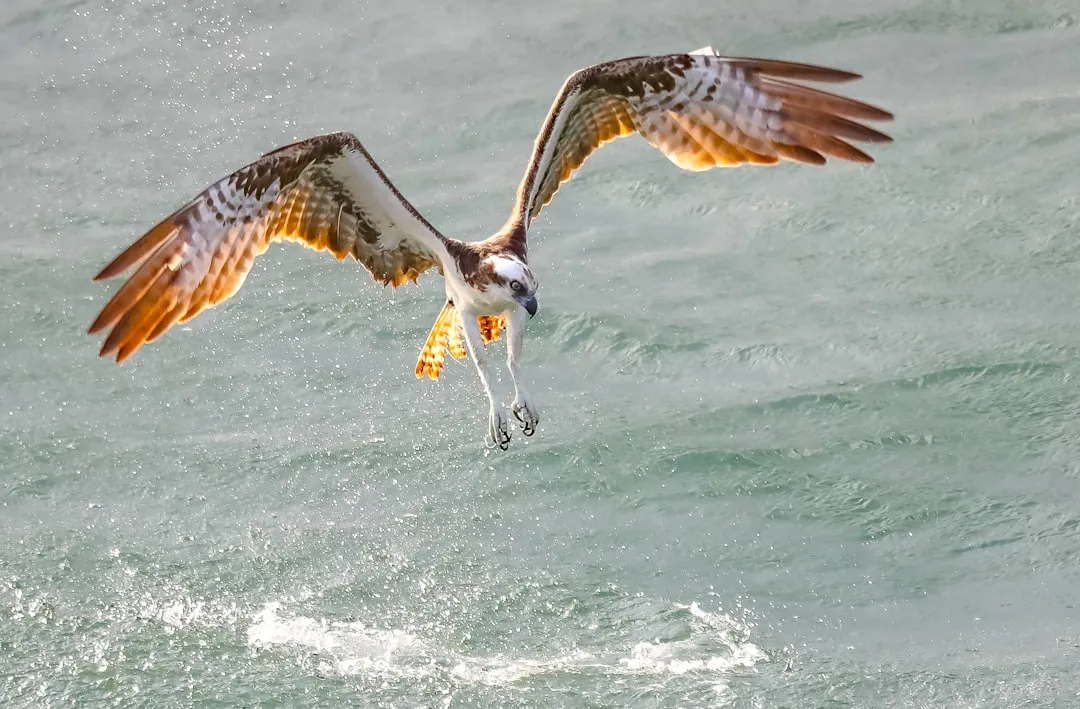
Right at the moment an osprey hits the water, it briefly loses the clear air‑to‑fish view it had during the dive. To protect its eyes from impact and water, it slides a thin, translucent “third eyelid” across the eye. That membrane sacrifices a bit of clarity but lets the bird keep seeing just enough to maintain a lock on its target through bubbles, splash, and distortion.
The real magic, though, is that by that stage the visual calculation is mostly done. The bird has already used all the tricks above – angles, refraction compensation, depth cues – to commit to a precise strike path. The membrane is like a diver’s mask in a chaotic entry: it keeps things safe and usable while the body and talons carry out a plan the eyes finished in the final seconds before impact.
Coordinated Head Stabilization and Body Movement
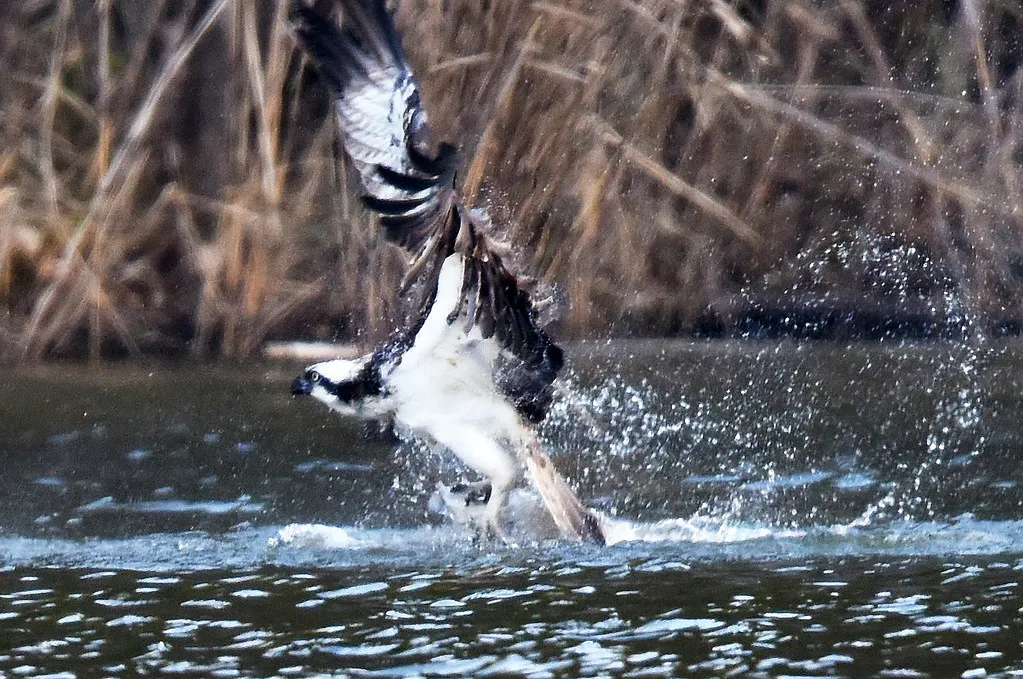
One last detail that’s easy to miss: the osprey’s head and eyes stay remarkably stable while the rest of its body is flapping, banking, and twisting. This head‑stabilization reflex means the visual system gets a steady “camera view” while the wings and tail do the hard work of flying in turbulent air over turbulent water. Reduced visual jitter makes it easier to pick out those tiny, critical movements beneath the surface.
When the dive begins, the whole body re‑orients around that locked gaze. Talons swing forward, wings adjust angle, and the entire bird becomes a guided missile pointed precisely where its eyes say the fish will be. In messy conditions with glare and rolling water, that tight coordination between eye and body is the difference between an empty splash and a successful catch.
Conclusion: Precision Hunters in a Chaotic World
The more you look at how ospreys hunt, the less it feels like simple “good eyesight” and the more it looks like a complete, finely tuned system. Height, angles, brain wiring, learned behavior, even the timing of a single wingbeat all come together to crack a problem that defeats us most days with nothing more than a pair of sunglasses and a guess. In a world of glossy screens and digital optics, there’s something humbling about a wild bird that quietly solves the physics of light and water just to eat breakfast.
Personally, every time I watch an osprey fold its wings and vanish into the spray, I’m reminded that nature is still running engineering projects far beyond what we notice in daily life. Ospreys are not perfect – they miss, they misjudge, they have off days – but their toolkit for beating glare and moving water is astonishingly effective. Next time you see one circling a lake or coastline, you’ll know you’re watching a living answer to one of vision’s toughest challenges. Did you expect the solution to be this elegant and this fierce at the same time?

- Animal Science Says Blue Jays Quietly Warn Other Birds About Dangerous Neighbors - July 26, 2026
- 10 Ways Ospreys Locate Fish Beneath Glare and Moving Water - July 26, 2026
- 7 Plants Deer Almost Always Walk Past - July 26, 2026