

When the mercury drops and snow begins to blanket the American landscape, something extraordinary happens in the natural world. The harsh beauty of winter doesn’t silence the wilderness but instead reveals the incredible resilience and power that have defined American wildlife for centuries. From the soaring heights of mountain peaks to the depths of frozen lakes, creatures across this continent embody a fierce that mirrors the indomitable spirit America was built upon.
These remarkable animals showcase strategies that would make even the most seasoned survivalist envious. They’ve mastered the art of thriving when others merely survive, displaying the kind of tenacity and adaptability that runs through America’s cultural DNA. Their stories aren’t just about biological marvels but about the raw determination that conquers even the most unforgiving seasons.
The Bald Eagle: America’s Ultimate Winter Warrior

Nothing screams American quite like watching a bald eagle soar effortlessly through a frigid snowstorm. Eagles typically need to consume approximately 0.5 to 1 pound of food daily for survival, with adults generally consuming more than juveniles and thus reducing potential energy deficiency and increasing survival during winter. These magnificent birds don’t just endure winter; they command it with the same fierce determination that built a nation.
While many creatures flee south when temperatures plummet, As larger birds, they need the abundant prey that waterside areas provide, but they do winter in some dry areas as well. As for migration, they tend to be year-round residents in many coastal areas, including some as far north as the Aleutian Islands. For those occupying northern interior landscapes, they are more likely to migrate south during the colder months. Their ability to adapt their hunting strategies during winter months showcases the opportunistic spirit that defines American resilience. Congregated wintering waterfowl are frequently exploited for carcasses to scavenge by immature eagles in harsh winter weather.
Arctic Foxes: Masters of Subzero Survival
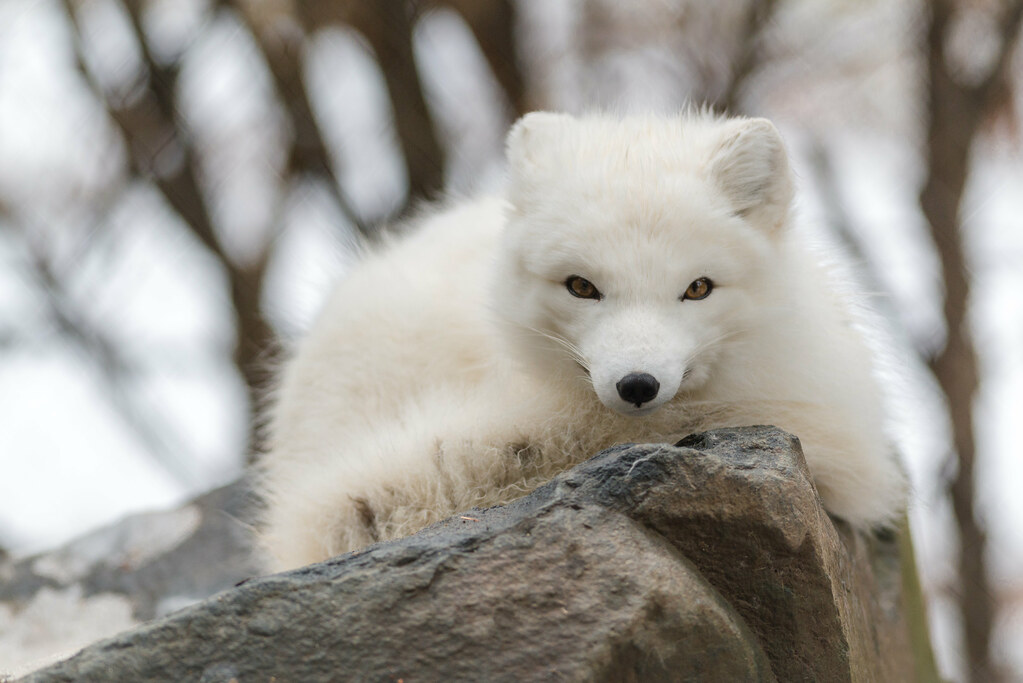
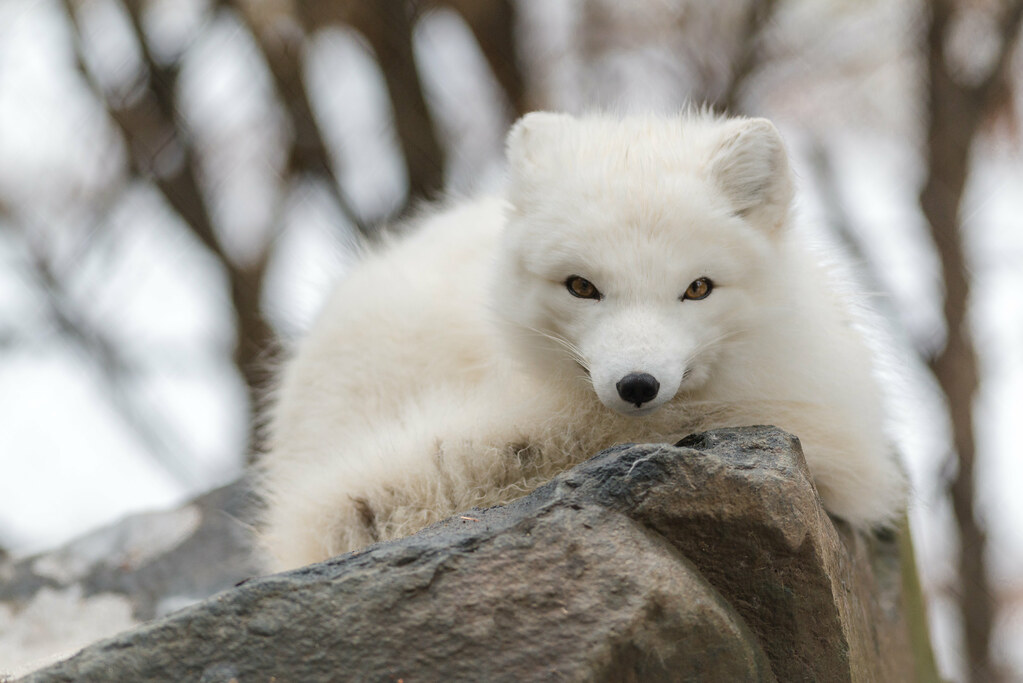
Though not exclusively American, arctic foxes roaming Alaska represent the ultimate machine. While other animals figure out how to simply survive the cold, Arctic foxes are sub-zero specialists, able to withstand temperatures as low as -50 degrees. Their compact body, stubby little legs and small ears reduce exposure and conserve heat. These remarkable creatures don’t just survive brutal conditions; they thrive in environments that would defeat most other mammals.
What truly sets them apart is their incredible transformation abilities. Arctic foxes adapt to winter by growing a thicker, white coat that better insulates them and serves as camouflage. They even turn more white in the winter months to blend into their snowy environment in the Arctic or Canadian or Eurasian tundra. They are the only canines to change coat color from summer to winter. The Arctic fox’s thick fur coat and bushy tail keep them warm, but it’s their feet that allow them to move on top of ice and snow drifts without problem.
Mountain Goats: Cliff-Dwelling Winter Specialists
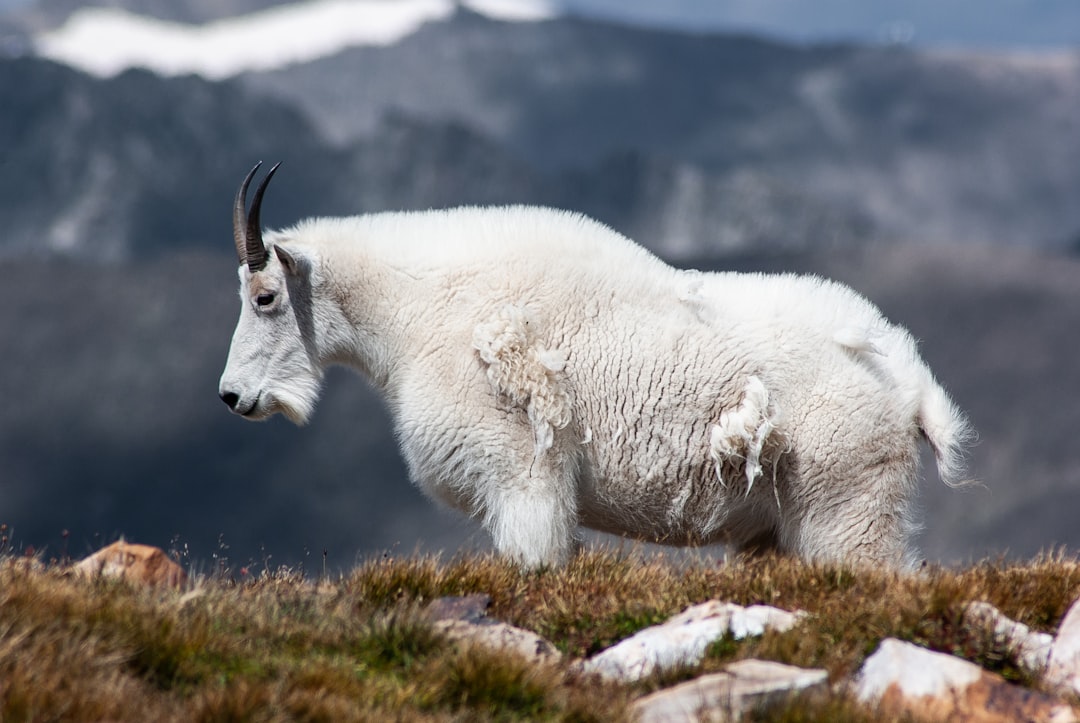
Mountain goats have very heavy wool undercoats and hollow hairs that keep air trapped close to the body, keeping the cold and wetness out. Similar to mountain goats, moose also grow a coat with hallow hairs to keep them warm. These sure-footed mountaineers exemplify the rugged individualism that defines American character. They’ve conquered some of the most treacherous winter terrain on the continent, scaling icy cliff faces that would intimidate even experienced climbers.
Their winter survival strategy reads like a masterclass in preparation and adaptation. The hollow hair structure they develop creates an incredibly effective insulation system, trapping warm air close to their bodies while repelling moisture. This isn’t just survival; it’s engineering excellence that allows them to remain active and alert even when blizzards rage across mountain peaks where temperatures can drop to life-threatening levels.
Grizzly Bears: Hibernation Powerhouses
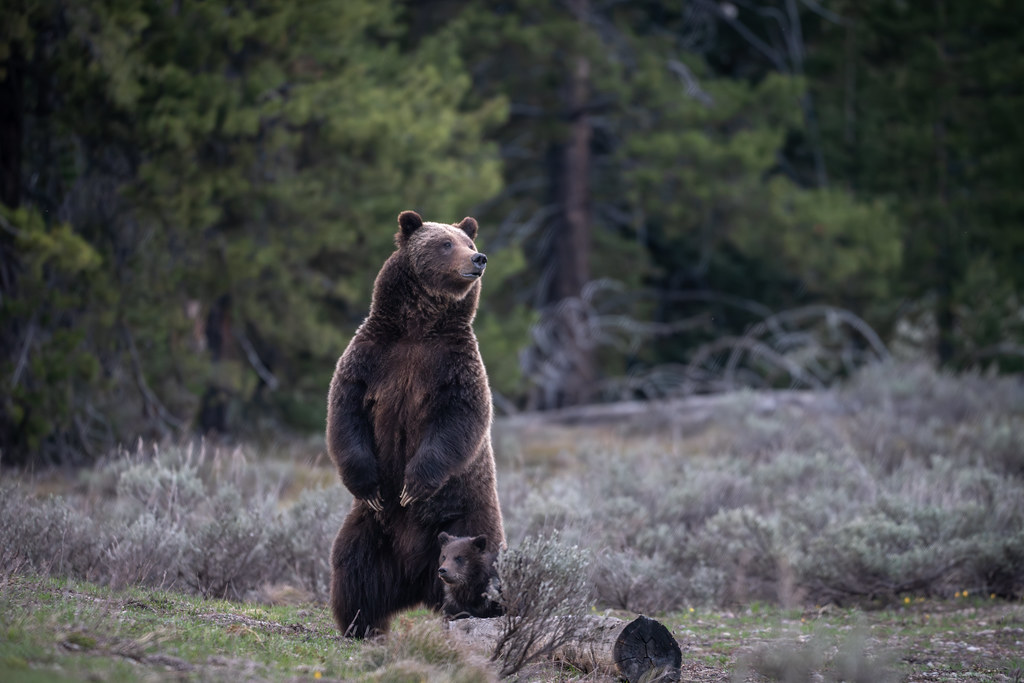
They hibernate in the winter in dens for about 5-7 months each year. The grizzly bear’s approach to winter embodies perhaps the most American trait of all: working incredibly hard to prepare for tough times ahead. During the winter, a grizzly bear’s food becomes extremely scarce. To combat that, the bear preps for winter and hibernates. They’ll spend spring and summer eating as much as they can, packing on the fat (hence the “Fat Bear Week” contest) to survive the winter.
A grizzly bear will then enter their den and lower their heart rate and body temperature, which requires less energy to be expended. The bear will basically sleep for months while the stored fat is slowly used. During hibernation, a bear doesn’t need to eat or drink and they don’t even go to the bathroom! This represents the ultimate in self-reliance and strategic planning, perfectly capturing the American pioneer spirit of preparation and endurance.
Elk: Majestic Migrators of American Ranges
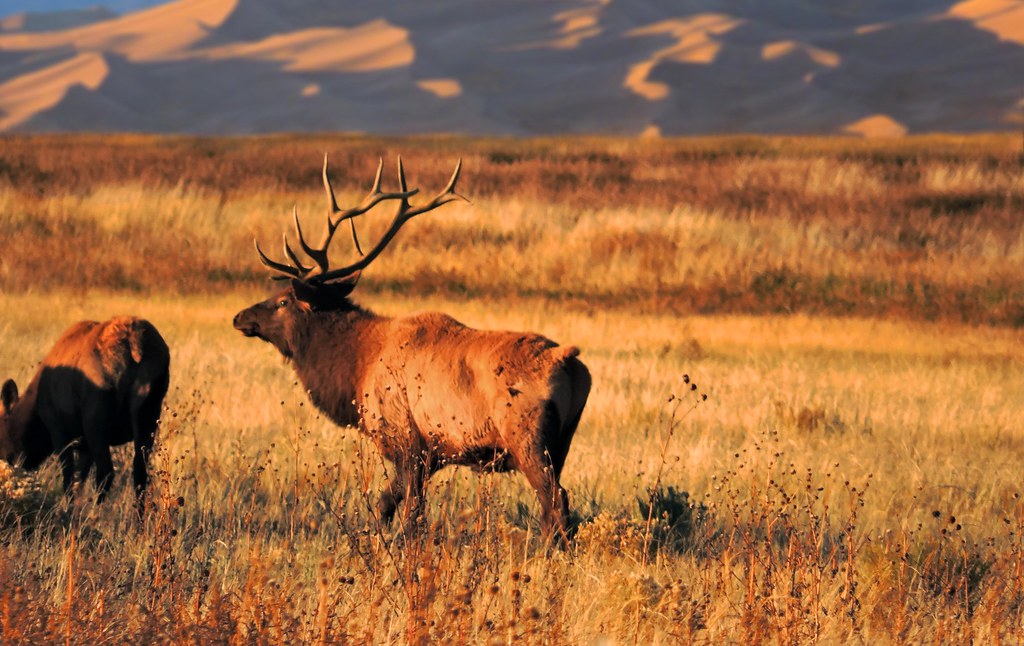
Like Snake, the Elk spirit teaches how to best apply our personal energy, pacing ourselves to fulfill goals. It also represents passion, leadership, alertness, nimbleness and endurance. Elk embody the restless American spirit, constantly moving to find better opportunities and conditions. These majestic creatures understand that sometimes the best strategy isn’t to stay and fight the elements but to move strategically to where resources are more abundant.
All three of these animals live high in the mountains during summer, but travel to the mountain base in winter for better access to food and milder weather conditions. Their winter migration patterns demonstrate incredible intelligence and community cooperation. When you feel challenged the antlers come out in full force in order to protect the rest of the herd, giving them time to flee. This is the main area where the Elk’s aggressive nature manifests.
Snowshoe Hares: Champions of Winter Camouflage
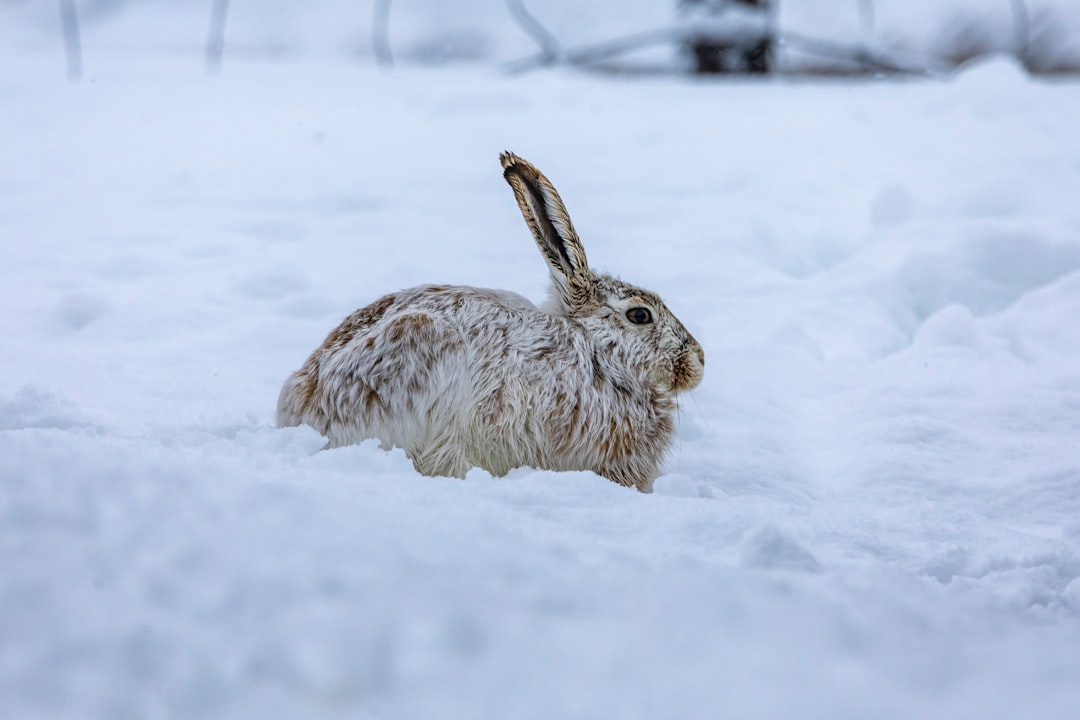
The snowshoe hare (pictured below), long-tailed weasel, and ptarmigan change color in the winter for better camouflage in a snowy environment. These remarkable creatures showcase one of nature’s most sophisticated survival strategies: complete seasonal transformation. Both snowshoe hares and ermine weasels, for example, swap out their brown fur for white coats during the winter months.
The snowshoe hare’s winter adaptation goes beyond mere color change. Their feet literally expand like natural snowshoes, allowing them to move efficiently across deep snow while predators sink and struggle. This represents the kind of innovative problem-solving that has characterized American ingenuity for generations. They don’t just adapt to winter conditions; they turn those conditions into their advantage.
Caribou: America’s Greatest Winter Nomads
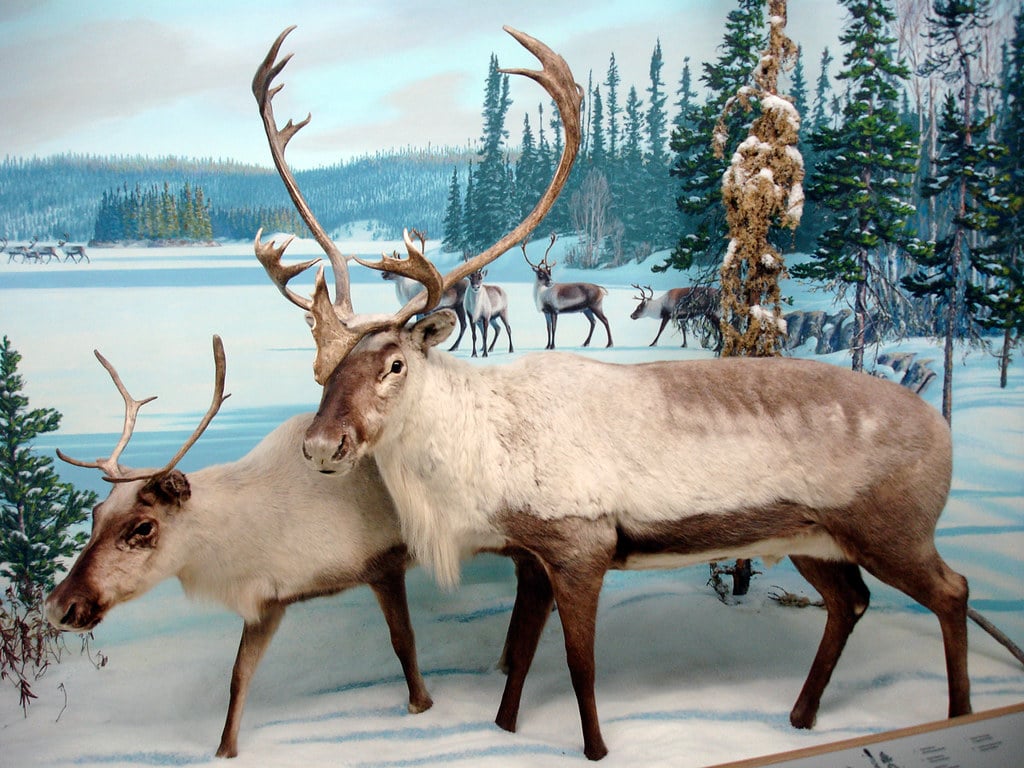
Caribou have one of the longest terrestrial migrations, traveling over 2,000 miles! These incredible animals embody the restless American spirit that built this nation through constant movement and exploration. Their epic winter journeys across Alaska and northern territories represent some of the most demanding migrations in the animal kingdom, showcasing endurance that rivals the greatest human expeditions.
Winter weather and reindeer are easily associated with each other thanks to holiday stories and songs. But these animals really are prepared to deal with cold weather! Reindeer hooves are large and sharp, which allow for body weight to be distributed evenly. Their specialized hooves act like natural snowshoes and ice picks combined, giving them incredible mobility across frozen landscapes that would stop most other animals in their tracks.
Beavers: Winter Engineering Marvels
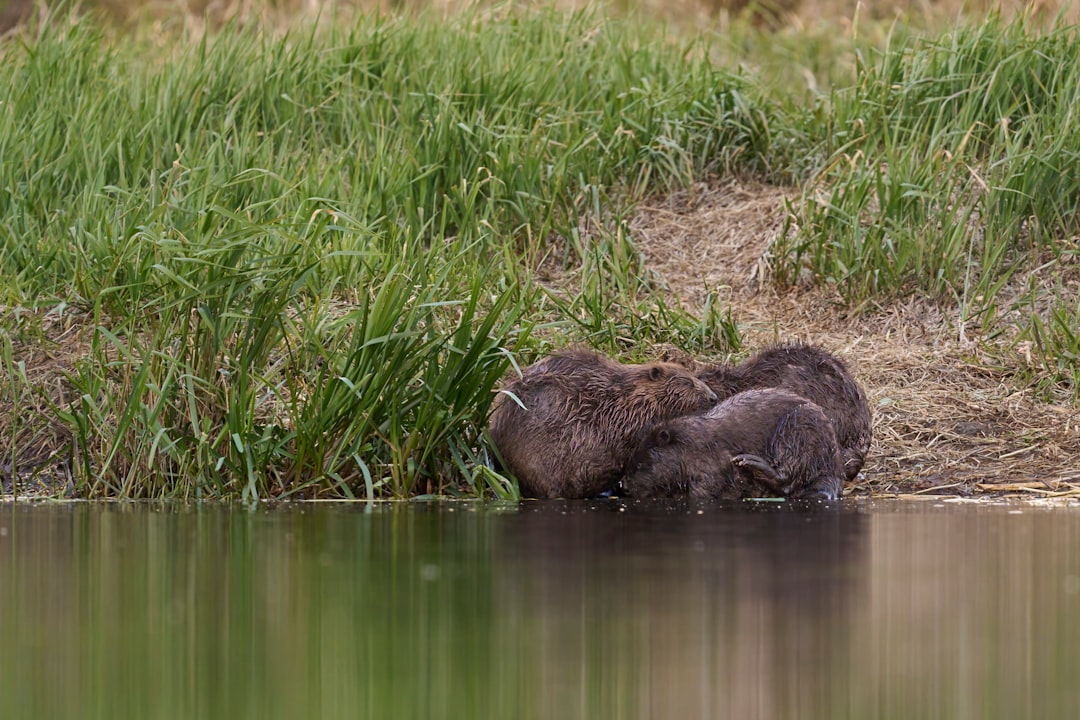
Beavers are remarkable animals that manage to thrive in winter. They build lodges and create underwater entrances to these structures. This design allows them to access food stored inside, even when the surface is frozen. Beavers represent the American work ethic in its purest form, spending months preparing elaborate winter survival systems that would impress any engineer.
Beavers primarily eat the bark and leaves of trees, which they collect and store in their lodges for the winter. By maintaining an active lifestyle and staying below the ice, beavers can survive the harshest winter conditions. Their ability to remain active throughout winter while most other mammals either migrate or hibernate demonstrates an industrious spirit that perfectly captures American determination to keep working regardless of conditions.
Red Pandas: High-Altitude Winter Specialists
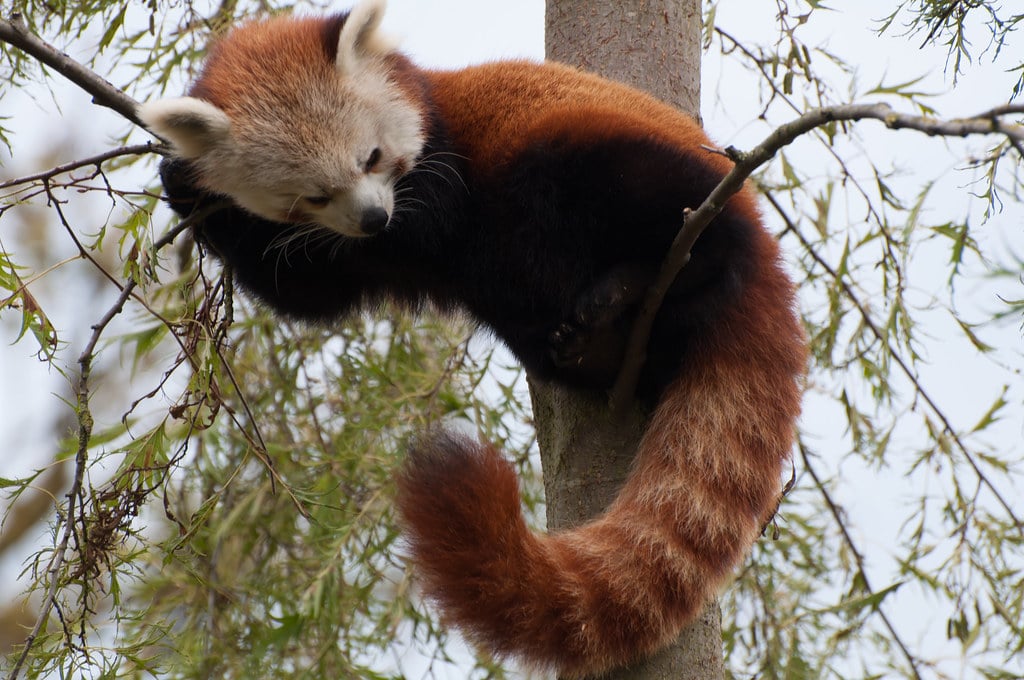
Red Pandas live in the forests of the Himalayas (where you can find Mount Everest) and high mountains of northern Burma. With a double set of dense fur, red pandas have built-in layers for warmth. While not native to America, red pandas in American zoos showcase incredible winter adaptations that mirror the layering strategies that have kept humans warm in harsh American winters for centuries.
Red pandas will sleep in a ball with their tails wrapped around for extra protection from the cold. In extreme cold, red pandas are said to be able to lower their metabolic rate to save energy. Their ability to consciously adjust their energy consumption during cold snaps represents the kind of strategic resource management that has defined successful American enterprises through economic winters and challenging times.
Snow Leopards: High-Mountain Winter Predators
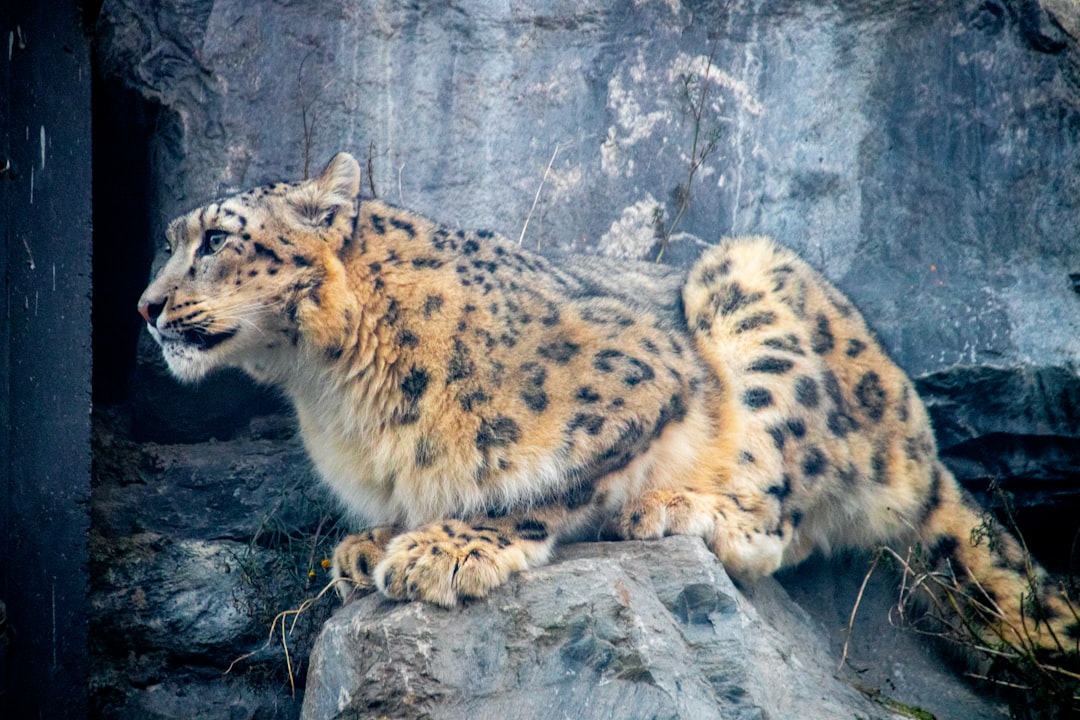
Next time you’re at the Zoo, look at the snow leopards’ big paws. These paws act as natural snowshoes in winter weather, keeping them from sinking deep into the snow. Snow leopards in American wildlife facilities represent the perfect fusion of power and adaptation, embodying the fierce independence that characterizes American winter survival strategies.
Snow leopards live in rocky and mountainous areas, requiring them to often jump and climb – a dangerous task in the wintertime with ice and snow. A snow leopard’s tail is nearly as long as its body and is used for balance, which provides a lot of help on that winter terrain. Their incredible agility on treacherous winter terrain showcases the kind of calculated risk-taking and precise execution that built American industry and exploration.
Conclusion
The animals that thrive in America’s winter landscape tell a story that goes far deeper than simple survival. They embody the relentless energy, adaptability, and fierce determination that define the American spirit itself. From the eagle’s unwavering focus to the beaver’s industrious preparation, these creatures showcase strategies that mirror the values upon which this nation was built.
Each species demonstrates a different aspect of what it means to not just survive but flourish when times get tough. They remind us that winter isn’t just an obstacle to endure but an opportunity to display our greatest strengths. Whether through migration, hibernation, adaptation, or sheer persistence, these remarkable animals continue to inspire us with their embodiment of pure American .
What aspects of these winter survivors resonate most with your own approach to life’s challenges? Tell us in the comments.
