

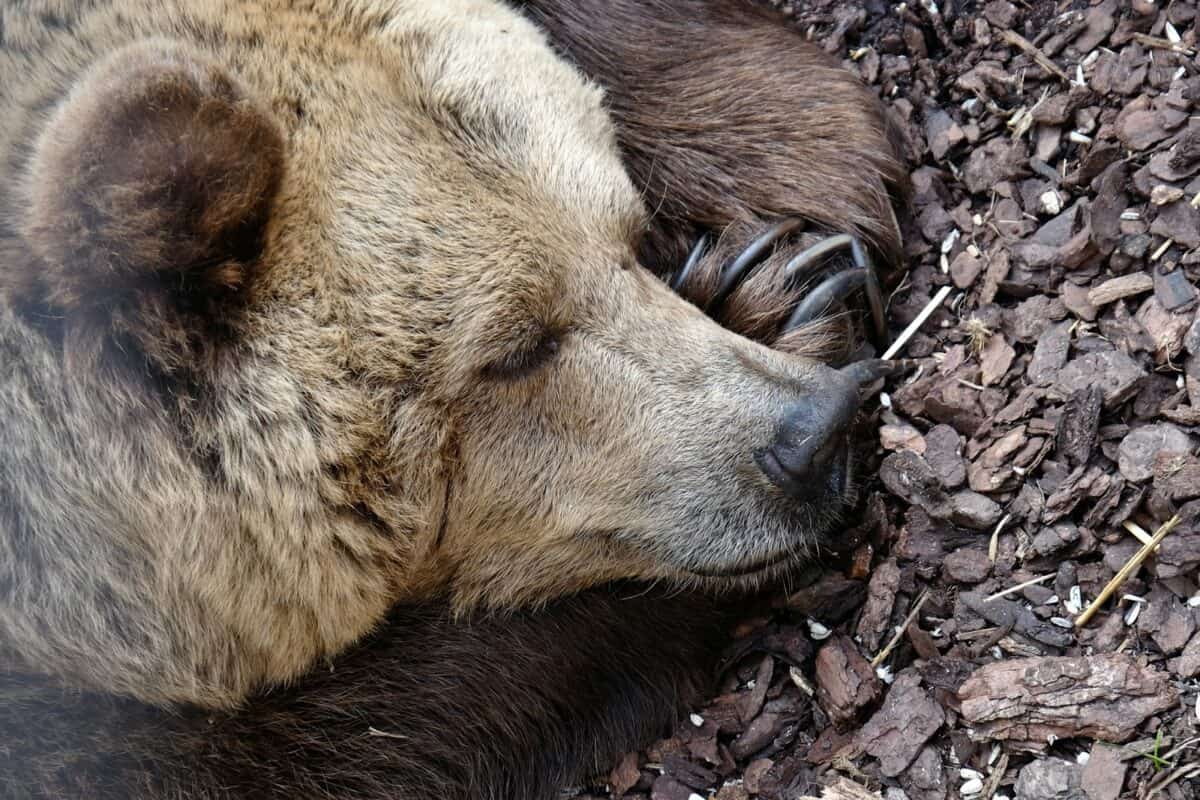
When winter’s icy grip tightens across America’s diverse landscapes, many animal species face a critical choice: migrate, adapt, or hibernate. Hibernation represents one of nature’s most fascinating survival strategies, allowing creatures to essentially press pause on their metabolic processes during the most resource-scarce months. From the smallest jumping mice to massive bears, hibernating animals have developed remarkable physiological adaptations that enable them to survive America’s most brutal winters. These evolutionary marvels have weathered historical blizzards, polar vortexes, and extended deep freezes that would be lethal to most creatures. Let’s explore the remarkable stories of America’s hibernating animals and discover how they’ve endured the continent’s harshest winters throughout history.
North American Black Bears: The Iconic Hibernators
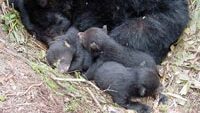
The North American black bear (Ursus americanus) represents perhaps the most iconic hibernator in the American wilderness. During particularly severe winters, these remarkable mammals can remain in their dens for up to seven months without eating, drinking, urinating, or defecating. Unlike some hibernators, bears maintain a relatively high body temperature during their winter dormancy—typically dropping from about 100°F to 88°F—allowing them to wake quickly if threatened. This state, sometimes called “torpor” rather than true hibernation, has helped black bears survive even the harshest recorded winters in American history.
During the brutal winter of 1780-1781, when American harbors froze solid and temperatures plummeted to record lows across the eastern seaboard, black bears relied on their incredible adaptations to survive. In preparation for winter dormancy, black bears can gain up to 30 pounds per week in autumn, nearly doubling their body weight. This fat reserve sustains them through the winter months, as their metabolism slows to about half its normal rate. Female bears even give birth during hibernation, with cubs nursing while their mother remains in her semi-dormant state—a remarkable reproductive strategy that has allowed the species to thrive across North America despite extreme winter conditions.
Grizzly Bears: Masters of Metabolic Efficiency
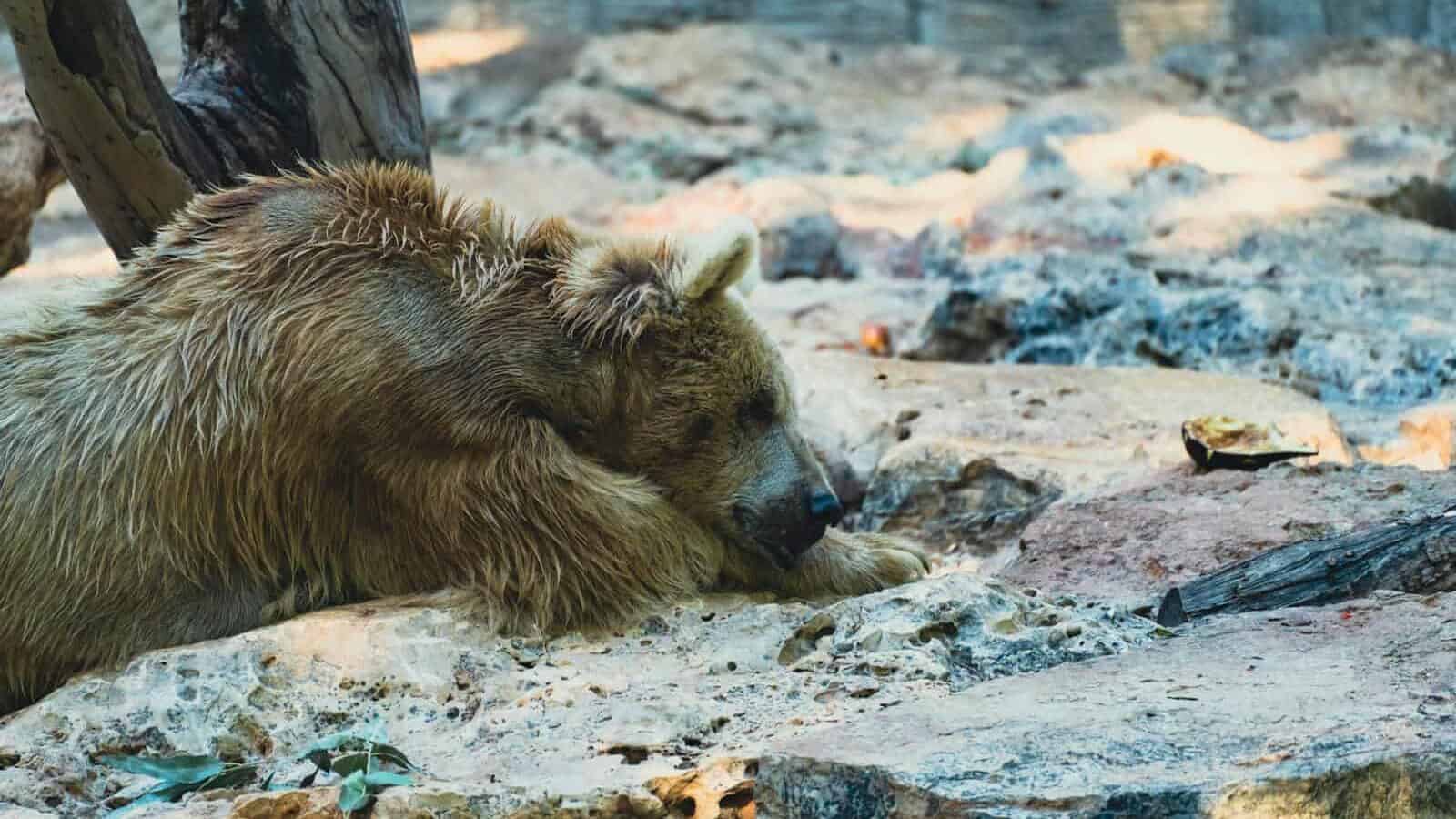
Grizzly bears (Ursus arctos horribilis) represent another remarkable hibernator that has weathered America’s harshest winters. These massive mammals, which can weigh up to 800 pounds, prepare for winter by entering a state of hyperphagia—eating up to 20,000 calories daily and gaining as much as 400 pounds before retreating to their dens. During hibernation, grizzlies reduce their heart rate from 40-70 beats per minute to just 8-12 beats per minute, and they can go for more than 100 days without eating, drinking, defecating, or urinating. This incredible metabolic efficiency helped grizzlies survive even the notorious “Year Without a Summer” in 1816, when volcanic ash from Mount Tambora’s eruption caused freezing temperatures across North America during summer months, followed by an exceptionally early and harsh winter.
What makes grizzly hibernation particularly fascinating is their ability to maintain muscle mass and bone density despite months of inactivity—a feat that has captured the attention of medical researchers studying human muscle atrophy and osteoporosis. Pregnant female grizzlies give birth during hibernation, with cubs nursing and developing while their mother remains in torpor. During the record-breaking winter of 1886-1887, known as the “Great Die Up” when temperatures reached -63°F in parts of Montana and livestock died by the thousands, denning grizzlies survived by relying on their remarkable physiological adaptations that had evolved over millennia to withstand extreme conditions.
Groundhogs: America’s Weather Prophets
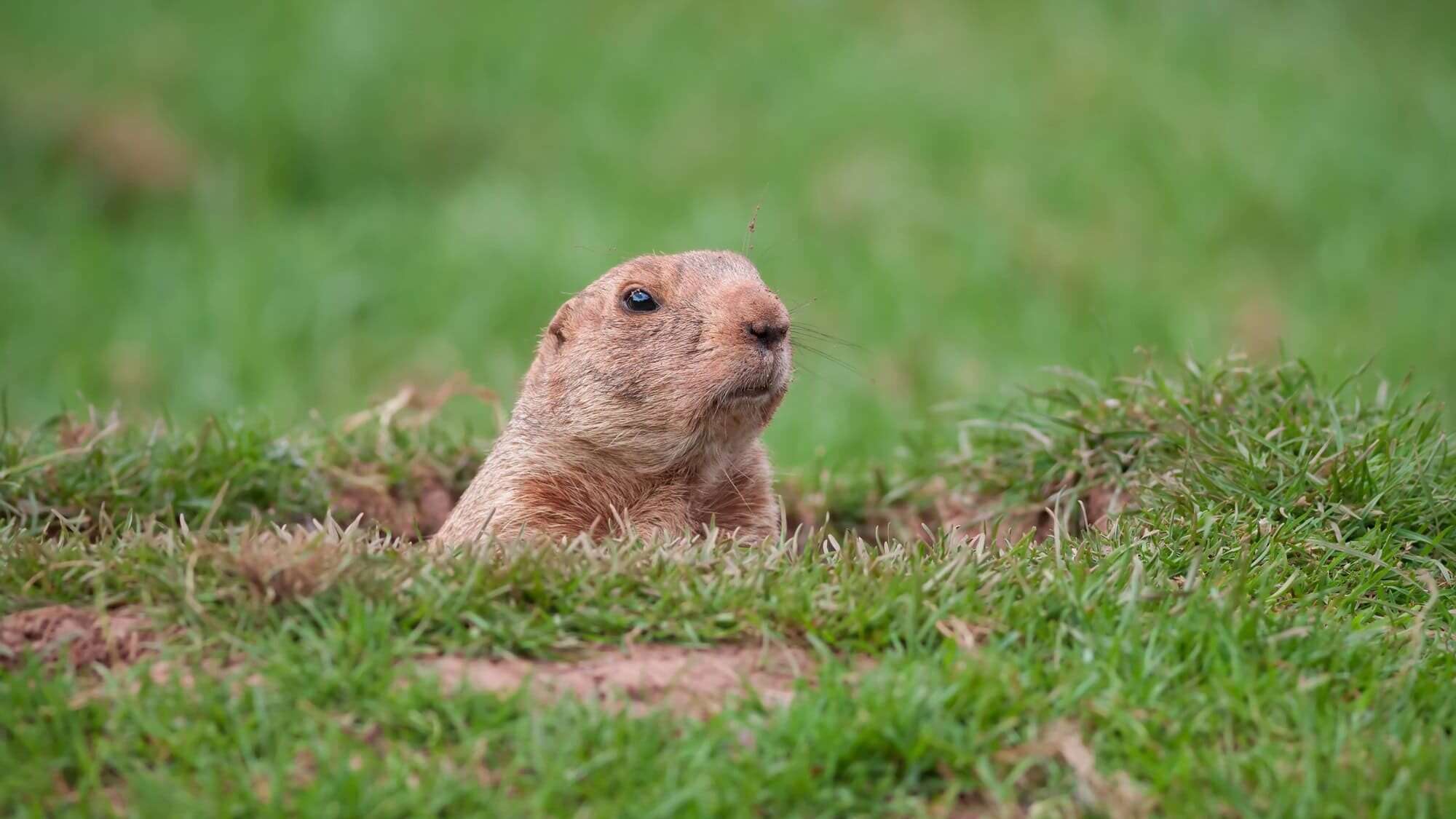
The groundhog (Marmota monax), famously associated with Groundhog Day predictions, is actually one of North America’s true hibernators. Unlike bears, groundhogs enter a much deeper state of torpor, with body temperatures dropping from about 99°F to as low as 37°F. Their heart rate slows dramatically from about 80 beats per minute to just 5 beats per minute, and they take only a few breaths per minute. This profound metabolic slowdown allows groundhogs to survive on stored body fat for up to five months, helping them weather even catastrophic winter events like the Great Blizzard of 1888, which paralyzed the northeastern United States with snowdrifts exceeding 50 feet and temperatures plummeting to -50°F in parts of New England.
Groundhogs prepare extensively for hibernation, doubling their weight by summer’s end and creating elaborate burrow systems that can extend 15-25 feet horizontally and 5 feet below ground. These burrows maintain temperatures above freezing even during America’s coldest winters, such as the record-breaking cold snap of 1899 that brought snow to every state in the union, including Florida. Groundhogs typically emerge from hibernation between early February and mid-March, with their emergence timing influenced by factors including soil temperature and photoperiod. The cultural tradition of using groundhog emergence to predict winter’s end stems from their remarkable biological timekeeping—a natural adaptation that has helped them survive America’s harshest winters for thousands of years.
Jumping Mice: America’s Deepest Hibernators
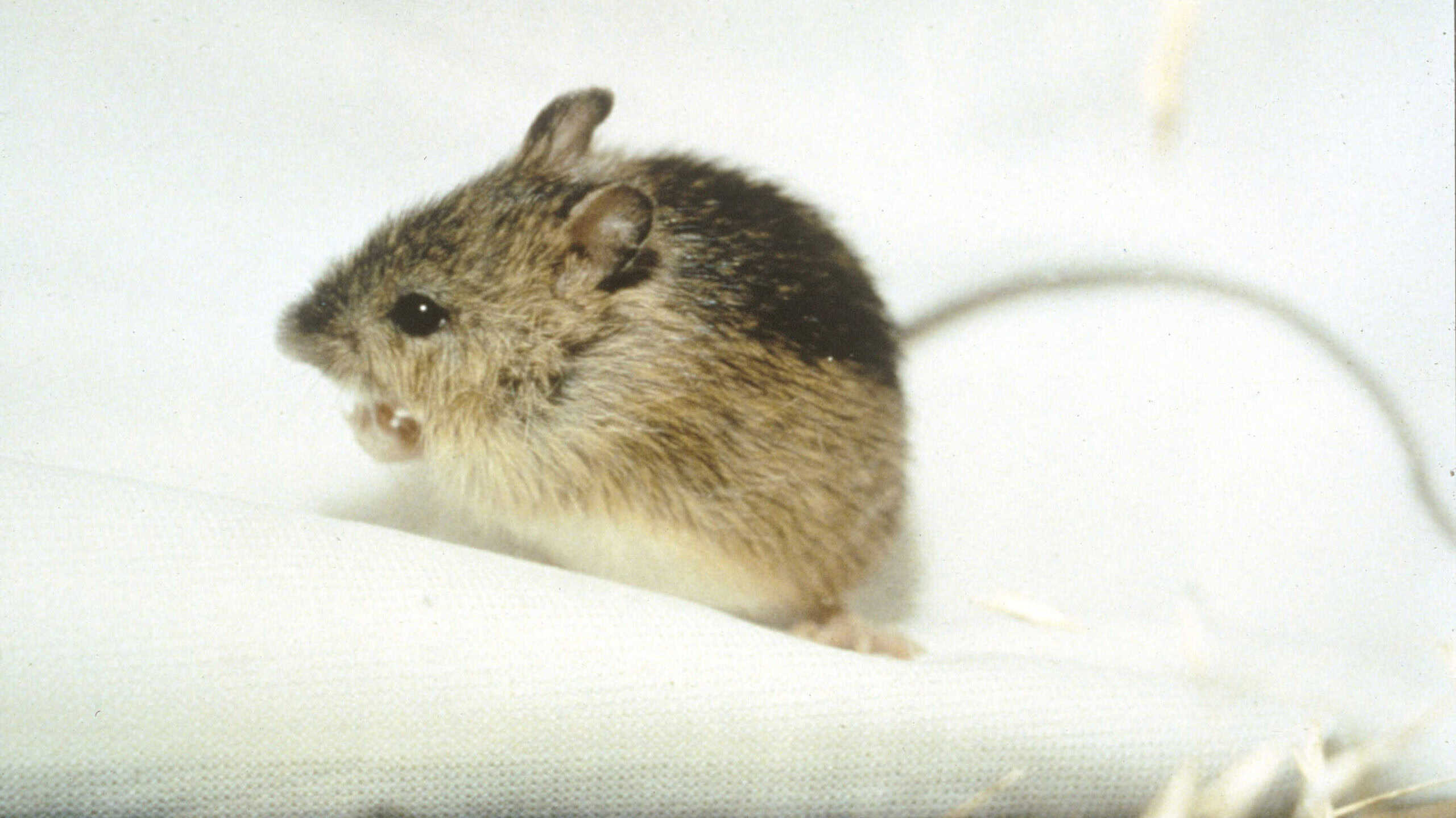
The woodland jumping mouse (Napaeozapus insignis) and meadow jumping mouse (Zapus hudsonius) represent some of North America’s most profound hibernators, spending up to 8-9 months of each year in hibernation. These diminutive mammals, weighing just 15-25 grams, experience one of the most dramatic metabolic slowdowns in the animal kingdom. Their body temperature drops to just above freezing (35-41°F), their heart rate decreases from 250 beats per minute to merely 5-10 beats per minute, and they may take only a single breath every few minutes. This extraordinary metabolic suppression allows jumping mice to survive America’s longest and coldest winters, including the brutal winter of 1935-1936, when temperatures remained below 0°F for over a month across much of the northern United States.
What makes jumping mice particularly remarkable is their preparation for hibernation. They build specialized underground hibernacula—chambers lined with grass, leaves, and other insulating materials—and store up to 50% of their body weight as fat before entering hibernation. Unlike some hibernators that may briefly awaken during warm spells, jumping mice remain in deep torpor continuously throughout winter. This adaptation has allowed them to survive catastrophic weather events like the Armistice Day Blizzard of 1940, which brought record-breaking snowfall and sub-zero temperatures across the Midwest. Their evolutionary strategy of extreme metabolic suppression represents one of nature’s most efficient solutions to surviving America’s harshest winters.
Bats: Cave-Dwelling Winter Sleepers

Several North American bat species, including the little brown bat (Myotis lucifugus) and big brown bat (Eptesicus fuscus), hibernate through winter in caves, abandoned mines, and other protected structures. During hibernation, these remarkable flying mammals can reduce their heart rate from about 400-1100 beats per minute to just 18-80 beats per minute, and their breathing slows to one breath every 60-90 minutes. Their body temperature drops from about 100°F to match their surroundings, often just a few degrees above freezing. This profound torpor allows bats to survive on stored fat reserves for up to six months, helping them endure extreme weather events like the Schoolhouse Blizzard of 1888, which caused temperatures to plummet from relatively mild to -40°F in just hours across the Great Plains.
Hibernating bats select caves and structures with specific microclimate conditions—temperatures consistently between 33-50°F and high humidity levels to prevent dehydration during their months-long torpor. These requirements made the unusually cold winter of 1977-1978 particularly challenging, when even typically reliable hibernacula experienced temperature fluctuations. Bats must carefully balance their energy reserves, as each arousal from hibernation—which can occur naturally every few weeks to allow them to eliminate waste and adjust position—uses significant energy. The recent emergence of White-nose Syndrome, a fungal disease that disrupts bat hibernation by causing more frequent arousals, has highlighted how critical uninterrupted hibernation is to bat survival through America’s harshest winters, as infected colonies have suffered mortality rates exceeding 90% in some regions.
Box Turtles: Buried Beneath the Frost
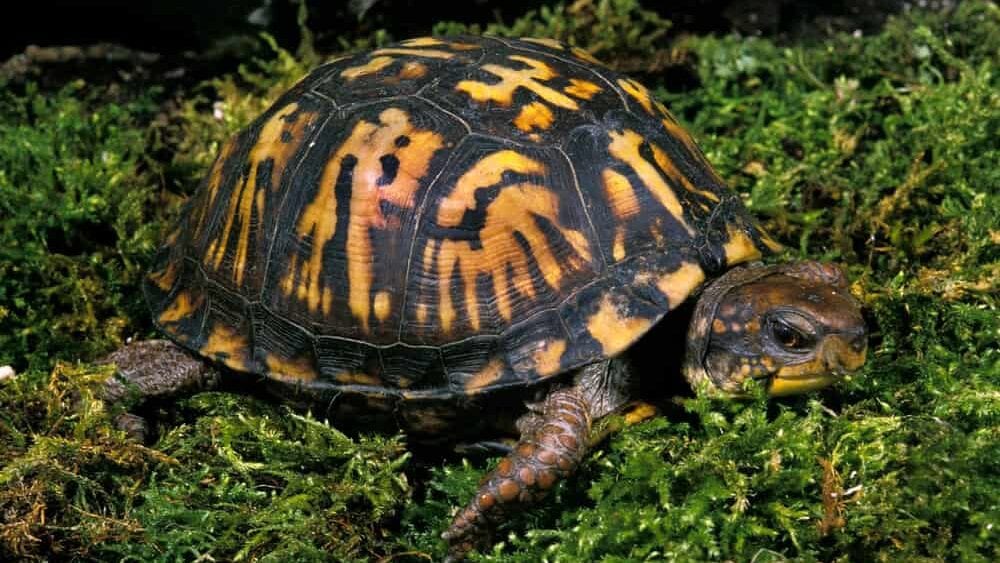
Eastern box turtles (Terrapene carolina) demonstrate remarkable cold-weather adaptations that have helped them survive America’s harshest winters for millions of years. Unlike warm-blooded hibernators, these reptiles enter a state called brumation—a reptilian form of hibernation characterized by dramatically reduced metabolism, heart rate, and respiratory function. Box turtles prepare for winter by digging into loose soil, leaf litter, or mud, typically burrowing 4-6 inches below the surface but sometimes as deep as 2 feet in northern regions. This burial depth is critical, as it must position them below the frost line but allow them to maintain a body temperature above freezing. During the infamous winter of 1917-1918, when temperatures fell to -40°F across much of the eastern United States and frost penetrated unusually deep, many box turtles died when their hibernacula failed to provide adequate insulation.
What makes box turtle brumation particularly fascinating is their ability to survive partial freezing and tolerate high levels of carbon dioxide and lactic acid buildup that would be fatal to mammals. During the record-breaking cold of the 1976-1977 winter, when many southern states experienced unprecedented freezing temperatures, box turtles in affected regions underwent supercooling—a physiological process where body fluids remain liquid below their normal freezing point. Box turtles can survive with up to 58% of their body water converted to ice, though complete freezing is fatal. Their ability to remain dormant for 3-5 months with minimal physiological activity represents a remarkable evolutionary strategy that has allowed these reptiles to survive cyclical harsh winters across eastern North America for approximately 30 million years.
Garter Snakes: Communal Winter Survivors
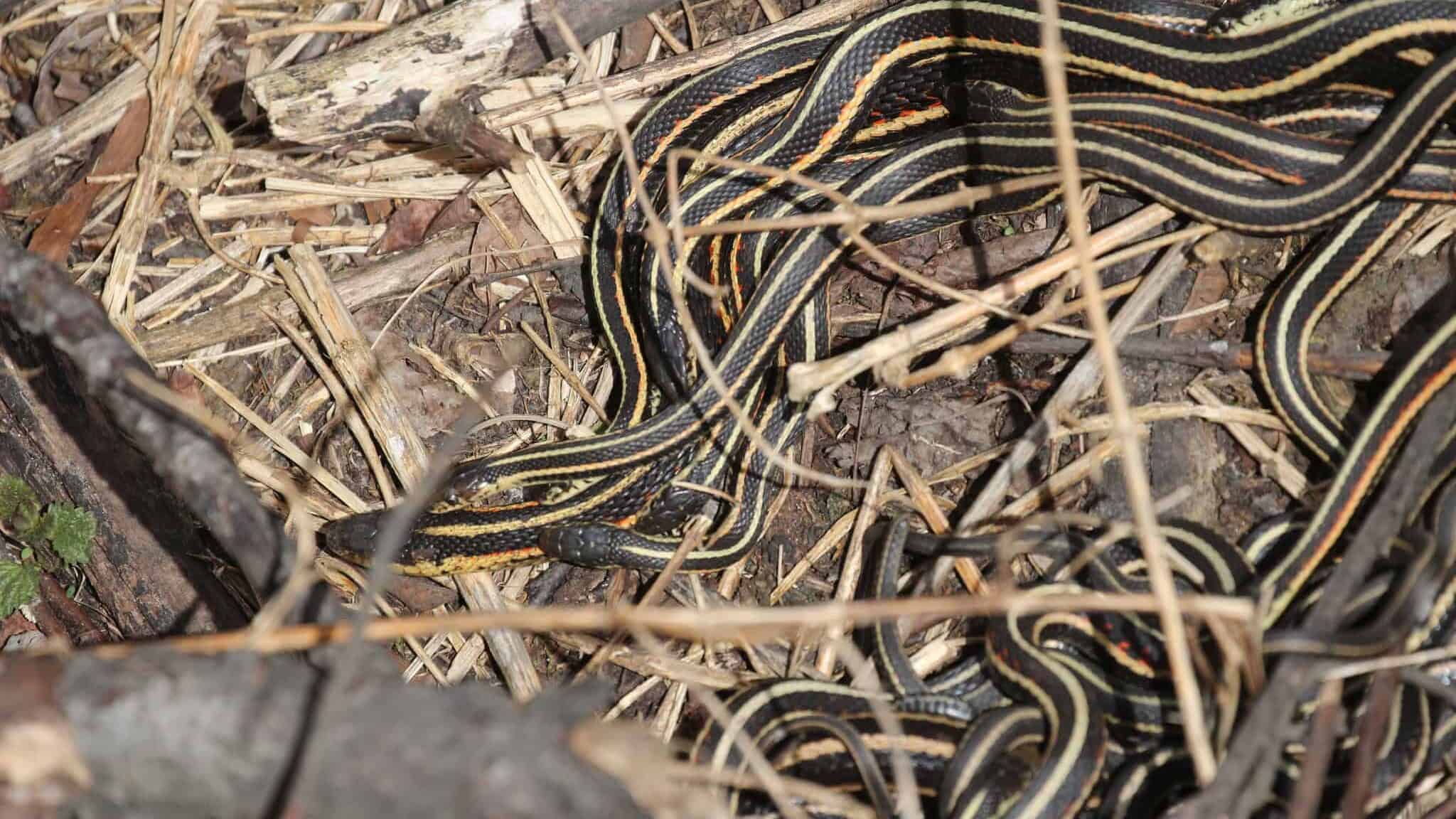
Common garter snakes (Thamnophis sirtalis) exhibit one of the most fascinating brumation behaviors of any North American reptile. Rather than hibernating individually, these snakes gather by the hundreds or even thousands in communal hibernacula—often limestone sinkholes, rock crevices, or abandoned mammal burrows that extend below the frost line. The largest documented hibernaculum, in Manitoba’s Narcisse Wildlife Management Area, hosts over 70,000 red-sided garter snakes each winter. This communal strategy helps maintain higher ambient temperatures through collective body heat and has allowed garter snakes to survive even catastrophic cold events like the Schoolchildren’s Blizzard of 1888, which caused temperatures to plummet from 54°F to -20°F in just hours across the northern Great Plains.
During brumation, garter snakes experience dramatic physiological changes, with heart rates dropping from about 40-80 beats per minute to just 5 beats per minute and respiration slowing to barely detectable levels. Their metabolism slows so dramatically that they can survive for months without food, relying on stored fat reserves. What makes garter snakes particularly remarkable is their ability to produce specialized “antifreeze” proteins that prevent ice crystal formation in their blood during extreme cold. This adaptation helped garter snake populations survive the record-breaking winter of 1936, when temperatures remained below -20°F for weeks across much of their northern range. When spring arrives, the mass emergence of thousands of garter snakes from their communal hibernacula represents one of North America’s most spectacular natural phenomena.
Wood Frogs: Nature’s Freeze-Tolerant Marvels
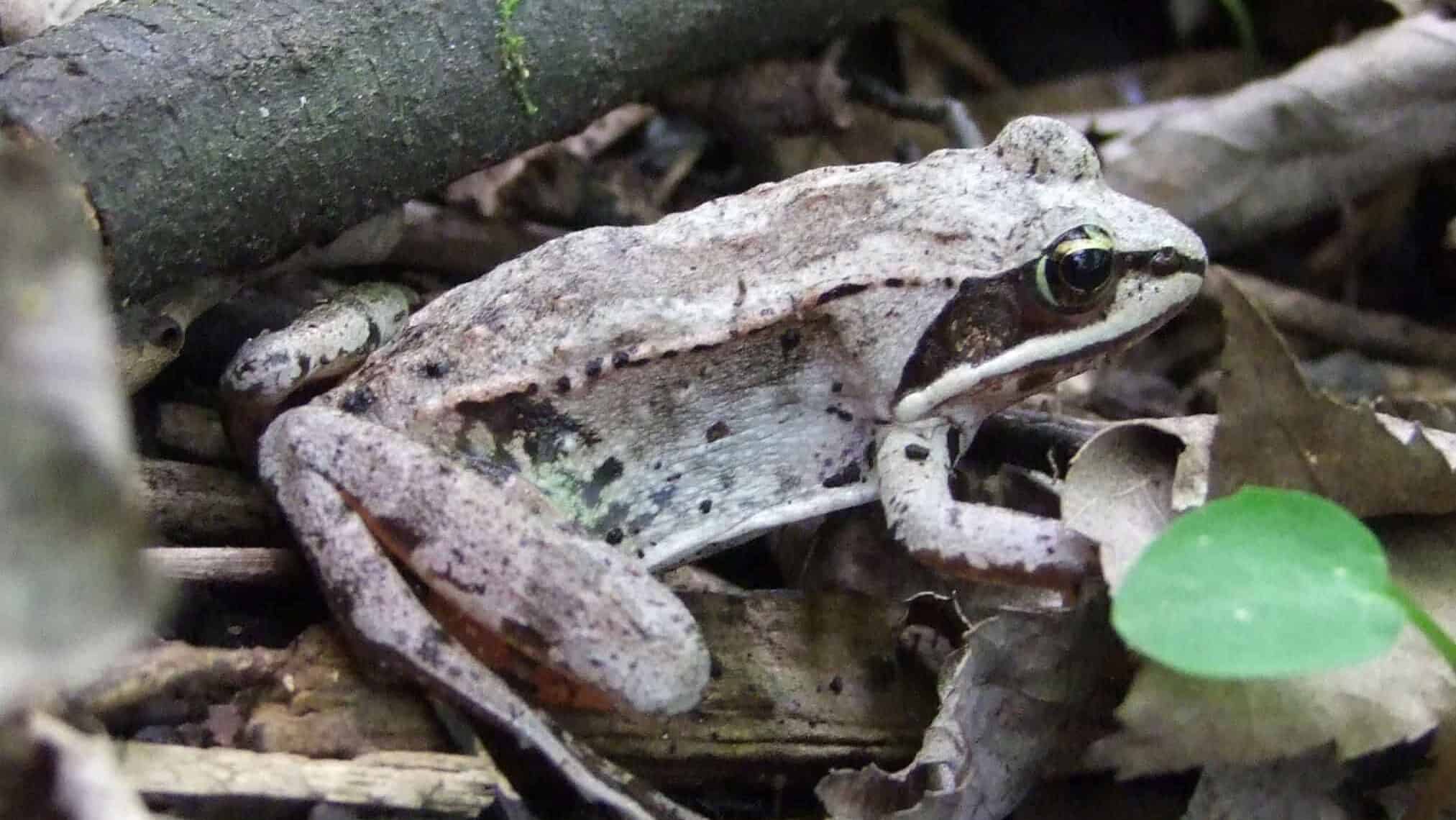
The wood frog (Lithobates sylvaticus) demonstrates perhaps the most extreme winter survival strategy of any North American vertebrate. Unlike most hibernators that avoid freezing at all costs, wood frogs actually embrace it—tolerating the conversion of up to 65% of their total body water into ice. As winter approaches, these remarkable amphibians burrow into leaf litter on the forest floor, where they will freeze solid when temperatures drop below freezing. Their hearts stop beating, their lungs cease functioning, and ice crystals form between their cells and within their body cavities. To outside observers, they appear completely lifeless—hard as rocks and showing no detectable signs of life. This extraordinary adaptation has allowed wood frogs to survive America’s most extreme winter events, including the “Great Arctic Outbreak” of February 1899, when temperatures fell to -61°F in Montana.
The secret to the wood frog’s freeze tolerance lies in their production of glucose and urea, which act as natural cryoprotectants—essentially biological antifreeze. As ice begins to form in their bodies, their livers rapidly convert stored glycogen into glucose, flooding their cells with concentrations up to 50 times normal levels. This prevents damaging intracellular ice formation while allowing ice to form safely in extracellular spaces. Wood frogs can survive multiple freeze-thaw cycles throughout winter, and when spring arrives, their hearts resume beating within hours of thawing. This remarkable adaptation has allowed wood frogs to become the only amphibian found north of the Arctic Circle in North America, surviving winter conditions that would be lethal to virtually any other amphibian species.
Woolly Bear Caterpillars: Freezing Solid for Survival
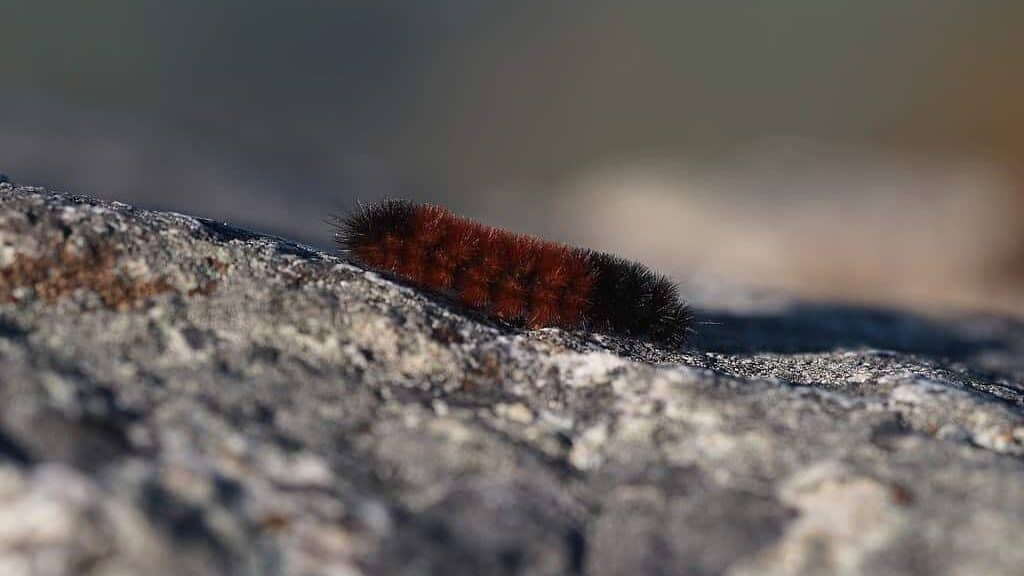
The woolly bear caterpillar—the larval stage of the Isabella tiger moth (Pyrrharctia isabella)—employs one of the most remarkable overwintering strategies in the insect world. These familiar black and orange-banded caterpillars freeze almost completely solid during winter, with only the contents of their cells remaining unfrozen due to high concentrations of glycerol, a natural antifreeze. Their hearts stop beating, their digestive systems shut down, and they can survive temperatures as low as -90°F. This extraordinary cold hardiness helped woolly bears survive even the brutal winter of 1816-1817—the infamous “Year Without a Summer”—when volcanic ash from Mount Tambora’s eruption caused freezing temperatures throughout summer months across northeastern America, followed by an exceptionally early and harsh winter.
What makes woolly bear caterpillars particularly fascinating is their multi-year life cycle in northern regions. While most caterpillars complete their life cycle within a single year, woolly bears in Alaska and northern Canada may require up to 14 years to accumulate enough nutrients to pupate, freezing solid and thawing each year. Their strategy of cryptobiosis—essentially entering a death-like state where metabolic processes become undetectable—represents one of evolution’s most effective solutions to surviving extreme cold. During the record-breaking winter of 1933-1934, when temperatures in Minnesota fell to -59°F, woolly bear caterpillars survived by producing massive quantities of cryoprotectants that prevented lethal ice crystal formation within their cells. Their distinctive black and orange banding has inspired folklore about winter severity predictions, though research shows the band proportions are actually determined by age rather than environmental factors.
Thirteen-lined Ground Squirrels: Biological Timekeepers
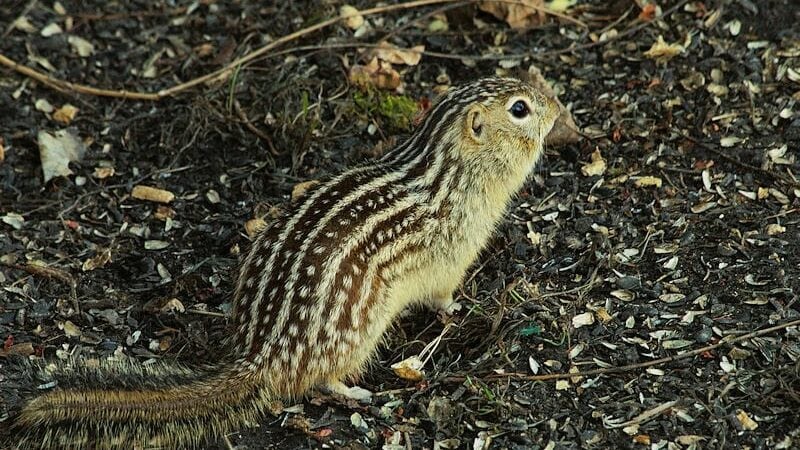
The thirteen-lined ground squirrel (Ictidomys tridecemlineatus), native to the Great Plains, demonstrates one of the most remarkable hibernation cycles among North American mammals. These small ground squirrels can reduce their body temperature from about 98°F to just 40°F, and their heart rate plummets from 200-300 beats per minute to a mere 5-10 beats per minute. Their breathing slows so dramatically—to just a few breaths per minute—that early pioneers who discovered torpid ground squirrels often believed they were dead. This profound metabolic suppression has allowed thirteen-lined ground squirrels to survive catastrophic weather events like the Children’s Blizzard of 1888, which struck the Great Plains with such sudden ferocity that many caught outdoors froze to death within hours as temperatures plummeted from above freezing to -40°F in less than a day.
What makes thirteen-lined ground squirrels particularly fascinating is their internal biological clock that regulates their hibernation cycle with remarkable precision. Even when kept in laboratory conditions with constant temperature and light, these ground squirrels maintain their approximately 8-month hibernation cycle, suggesting an internal circannual rhythm independent of environmental cues. During the record-setting winter of 1935-1936, when parts of North Dakota experienced 41 consecutive days of below

- 21 Scary Creatures You Might Run Into While Hiking In The U.S - June 3, 2026
- The Difference Between Turtles and Tortoises—Explained - June 3, 2026
- What Makes Owls the Silent Predators of the Night? - June 3, 2026