

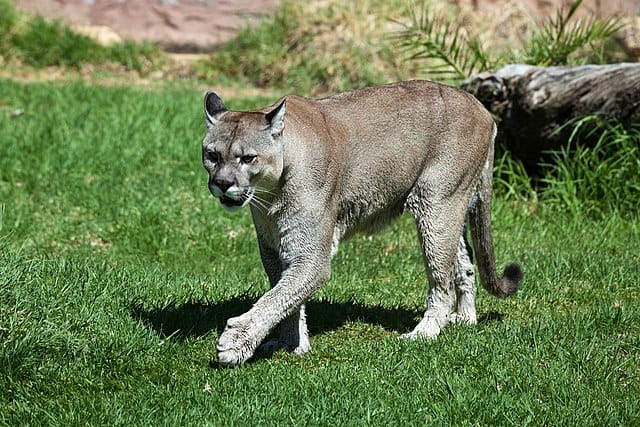
Apex predators, often referred to as top predators, are species that occupy the highest position in their food chains. Unlike other creatures that may face predation threats, these formidable animals exert control over their environments without fear from any higher natural enemies. Common examples include lions in the African savannah, killer whales in the ocean, and eagles in the sky. This unique status allows them to exert significant influence over their ecosystems.
Role in Ecosystems
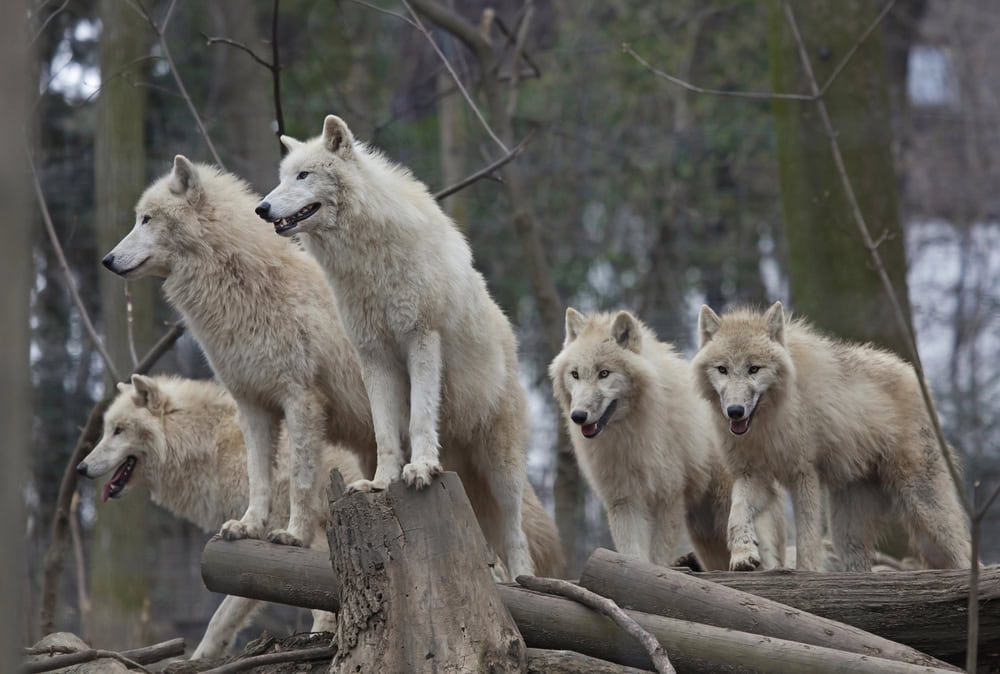
Apex predators play a pivotal role in maintaining the health and stability of ecological communities. Their presence helps regulate prey populations, which in turn can influence the distribution and health of plant life. For instance, by keeping herbivore populations like deer in check, apex predators prevent overgrazing, thus protecting vegetation and allowing biodiverse ecosystems to thrive.
This ecological balancing act extends even further. Apex predators can instigate trophic cascades, where their impact is felt across multiple layers of the ecosystem. For example, the reintroduction of wolves to Yellowstone National Park in the United States led to a reduction in elk numbers, which allowed willow and aspen populations to recover, thereby benefiting birds and beaver populations as well.
Threat to Humans?

Despite the essential role they play in ecosystems, apex predators can sometimes come into contact with human activities, leading to conflicts. In regions where land use overlaps with predator territories, instances of livestock predation and, although rare, attacks on humans can create tension. Coastal communities may view large marine predators like sharks as a threat to swimmers and fishermen.
However, it’s crucial to contextualize these threats. Incidents involving apex predators and humans are exceptionally rare. Much of the fear stems from misunderstandings and negative portrayals in media rather than statistically significant data. For instance, shark attacks receive disproportionate attention compared to their actual frequency.
Conservation and Coexistence Strategies
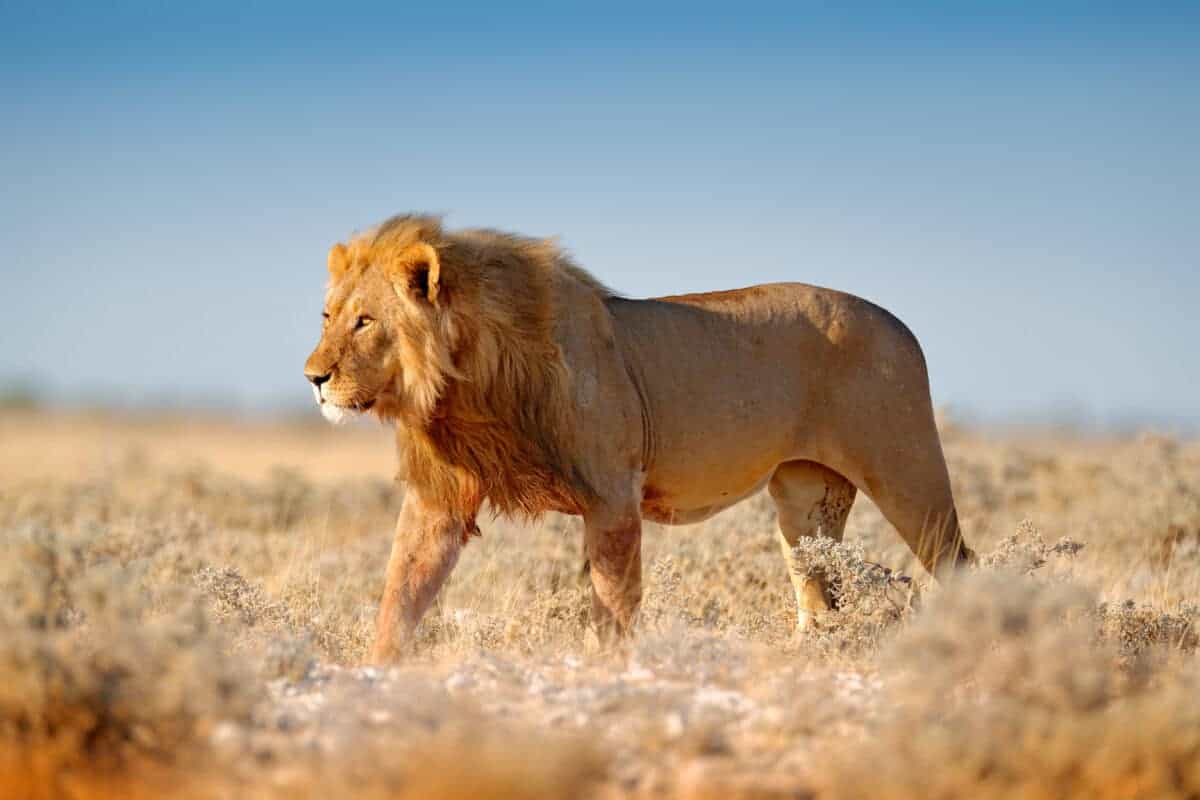
Successfully balancing the conservation of apex predators and minimizing threats to humans involves thoughtful strategies that promote coexistence. Conservation efforts often focus on habitat protection, ensuring these creatures have the space they need to hunt and thrive without conflict with human activities.
Communities living near apex predator habitats can adopt preventive measures such as securing livestock in robust enclosures, using guard animals, and technology like motion-sensor lighting to deter predators. Ecotourism also provides an avenue where local communities can benefit economically from the presence of these predators, turning potential adversaries into valuable allies.
The Importance of Apex Predators

Ultimately, apex predators are indispensable architects of Earth’s ecosystems. They maintain the delicate balance necessary for biodiversity and the health of the planet. As stewards of Earth, humans need to appreciate the critical roles these predators play and aim to mitigate conflicts through informed strategies.
By fostering a relationship of respect and understanding, humans can ensure that apex predators continue to thrive, fulfilling their role in the great tapestry of life while reducing the chance for conflict with communities. This balance holds the key for the future of many ecosystems, serving as a reminder of the shared space humans and these formidable creatures both inhabit.
Considering how much we have infringed on the Animal Kingdom, is it really right to say that apex predators are threats to humans? What are your thoughts on this? Comment below!

From exploring the marine wonders in the Azores and witnessing the vast savannas of Kenya, to delving deep into the rich biodiversity of South Africa and traversing iconic landscapes in Australia and the US like Yellowstone, Chris's experiences are vast.
With a penchant for diving alongside sharks, the ocean holds a special place in his heart.
Through his academic insights, he champions wildlife conservation, striving with 'Animals Around The Globe' to cultivate a profound connection between humans and animals, enhancing our mutual appreciation.
Connect with him at Feedback@animalsaroundtheglobe.com.