

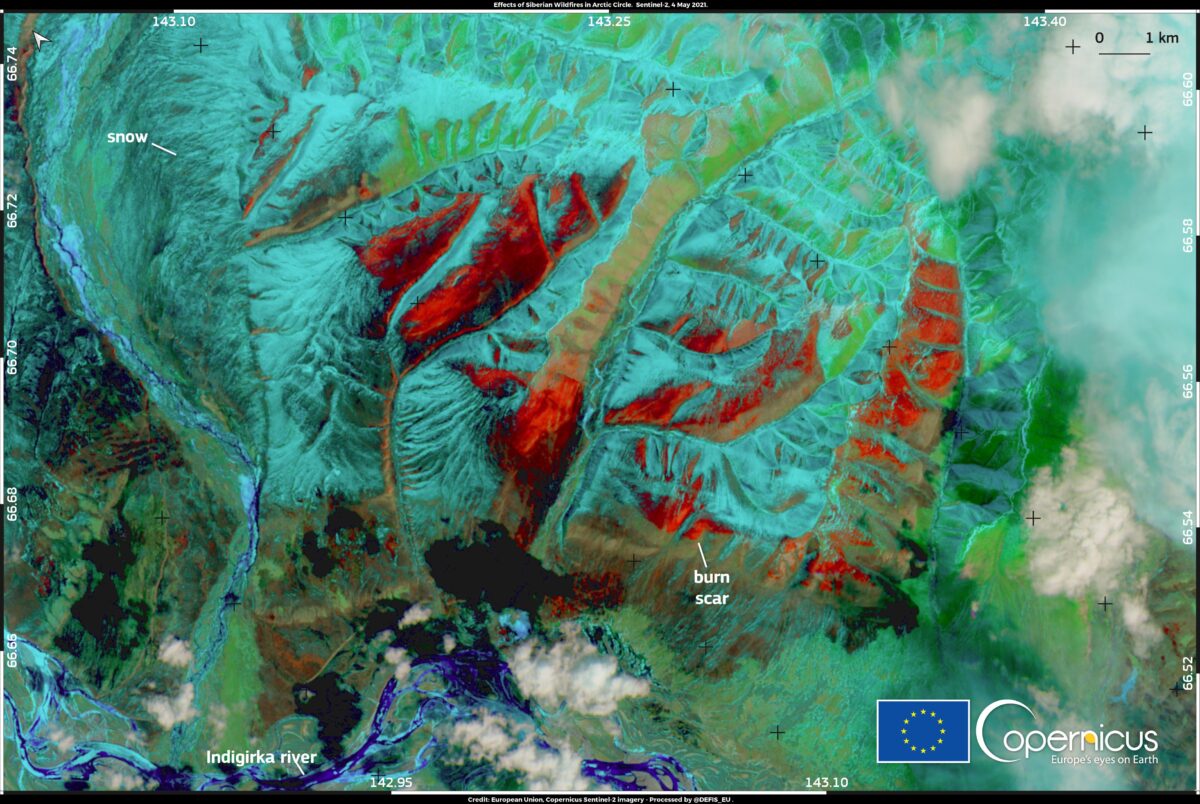

A New Era of Fire in Frozen Lands (Image Credits: Upload.wikimedia.org)
Across the vast expanses of the Arctic and subarctic regions, wildfires have emerged as a pressing environmental challenge, intensifying in both frequency and scale.
A New Era of Fire in Frozen Lands
Researchers have long viewed the far north as a resilient frontier, where permafrost and cold temperatures limited the spread of flames. Recent data, however, paints a starkly different picture. Satellite observations indicate that wildfires in these areas now burn larger areas and occur more often, challenging the ecosystems that have evolved over millennia.
This shift became evident in the past decade, as monitoring tools captured unprecedented fire activity. For instance, blazes that once confined themselves to brief summer windows now persist longer, fueled by drier conditions and extended warm spells. Scientists attribute this to broader climate patterns, where rising global temperatures thaw soils and dry out vegetation, turning tundras into tinderboxes.
The implications extend beyond immediate destruction. These fires release stored carbon from permafrost, accelerating warming in a feedback loop that amplifies the problem. Communities in Alaska, Canada, and Siberia have reported evacuations and property losses, underscoring the human toll of this fiery transformation.
Climate Change Ignites the Spark
Warming temperatures have not only dried the landscape but also shifted weather patterns dramatically. Lightning strikes, a primary ignition source, now reach farther north as storm systems intensify and migrate poleward. In the 1980s, such strikes were rare above 60 degrees latitude; today, they contribute to dozens of fires annually in these zones.
Vegetation changes play a role too. As shrubs and trees encroach on former grasslands, the fuel load increases, making fires more intense. Permafrost thaw releases methane and other gases, further warming the air and creating conditions ripe for combustion. This combination has led to what experts describe as a “new fire regime” in the Arctic, one the region is ill-equipped to handle.
Historical records show fire seasons starting earlier and ending later. In 2023 alone, northern fires scorched millions of acres, dwarfing previous years. Such events disrupt wildlife migration and alter soil composition, with long-term effects on biodiversity.
Satellites Uncover Hidden Patterns
NASA’s advanced imaging systems have revolutionized how scientists track these distant blazes. Instruments aboard satellites like MODIS and VIIRS detect heat signatures in real time, mapping fire perimeters with pinpoint accuracy. These tools reveal that while southern wildfires grab headlines, northern ones quietly expand, often smoldering undetected until they flare up.
By analyzing decades of data, researchers identify trends: fire frequency has doubled in some areas since 2000, with burned areas expanding by up to 50 percent. This granular view helps predict outbreaks and assess carbon emissions, informing global climate models.
One key finding involves smoke plumes, which travel thousands of miles and influence weather worldwide. In recent summers, these plumes have darkened skies over Europe and North America, highlighting the interconnectedness of northern ecosystems.
Ecosystems and Societies at Risk
The far north’s unique habitats face irreversible damage from these escalating fires. Tundra soils, once frozen, now bake under repeated burns, releasing ancient carbon that exacerbates climate change. Indigenous peoples, who rely on the land for subsistence, encounter disrupted hunting grounds and contaminated water sources.
Wildlife suffers as well. Caribou herds avoid scorched areas, leading to nutritional stress, while bird populations decline due to lost nesting sites. Restoration efforts lag behind the pace of destruction, as regrowth in these harsh climates takes decades.
Governments have ramped up response capabilities, deploying aerial tankers and ground crews. Yet, prevention remains elusive in such remote terrains. International cooperation, through forums like the Arctic Council, aims to share data and strategies, but challenges persist.
Pathways to Resilience
Mitigating northern wildfires requires a multifaceted approach, blending technology with policy. Enhanced early-warning systems, powered by satellite data, could alert responders sooner. Reforestation with fire-resistant species and controlled burns offer proactive measures to reduce fuel buildup.
Global emissions reductions remain crucial, as curbing the underlying warming slows the fire surge. Researchers advocate for more funding in monitoring and indigenous knowledge integration, which has proven vital in spotting risks early.
These efforts hold promise, but urgency defines the moment. As fires reshape the Arctic, proactive steps today could safeguard tomorrow’s northern landscapes.
Key Takeaways
- Northern wildfires have increased in frequency and size due to warmer temperatures and shifting lightning patterns.
- Satellite data from NASA provides critical insights into fire spread and carbon impacts.
- Ecosystems and communities face long-term risks, demanding international action and innovative mitigation.
The rise of fires in the far north signals a tipping point in our changing climate – one that demands attention and adaptation. What steps do you believe are most essential for protecting these vital regions? Share your thoughts in the comments.

- Urban Coyotes Show Remarkable Adaptability, Learning to Thrive in City Environments - July 22, 2026
- Beavers Are Nature’s Engineers, Creating Vital Habitats for Other Wildlife Species - July 21, 2026
- The Recovery of the California Condor Offers Hope for Other Critically Endangered Birds - July 21, 2026