


The legend of Bigfoot, or Sasquatch, has persisted for decades, with countless sightings reported across North America. Picture this: you’re deep in the woods, the air is crisp, and suddenly, you catch a glimpse of something large and hairy moving between the trees. Before you leap to conclusions, it’s worth considering that these sightings could well be attributed to misidentified wildlife rather than mythical creatures. This article delves into the factors behind Sasquatch sightings, examining the possibility that they are linked to more familiar, albeit sometimes elusive, animals.
Understanding the Bigfoot Phenomenon

The fascination with Bigfoot has woven itself into folklore and pop culture, featured in countless books, documentaries, and even television shows. But what feeds this phenomenon? The answer lies in human curiosity and a desire to explain the unexplainable, turning normal wildlife sightings into tales of mystery.
The Power of Suggestion and Human Psychology

Human psychology often plays a crucial role in Bigfoot sightings. The power of suggestion can lead people to misinterpret ordinary incidents. For example, when individuals enter forests expecting or hoping to see a legendary creature, their perceptions can easily be altered, turning mundane occurrences into thrilling encounters.
Native Wildlife Mistaken for Bigfoot

The North American wilderness is home to a variety of large mammals, some of which are frequently misidentified as Bigfoot. Bears, especially when standing on their hind legs, possess a silhouette and gait somewhat akin to descriptions of Sasquatch. Other animals, like elk, moose, or even the humble deer from a distance, can take on a mysterious presence.
Bears The Usual Suspects
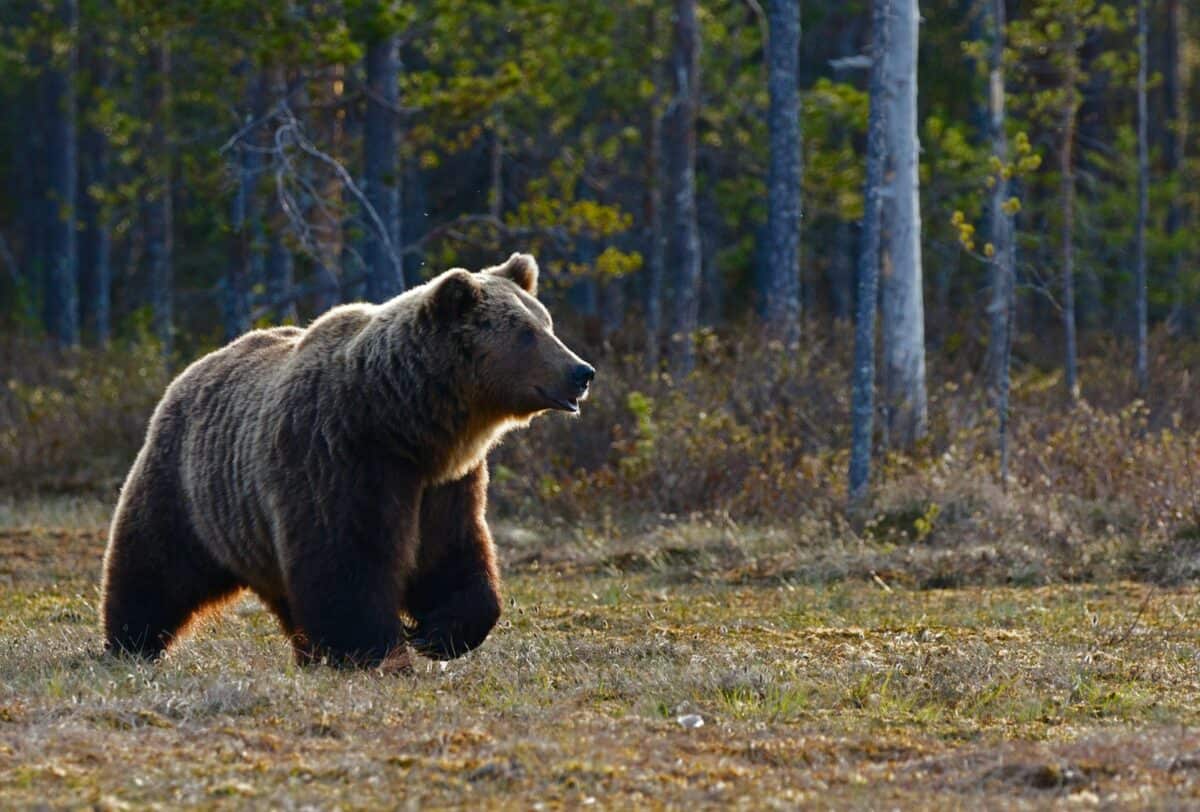
Among native wildlife, bears are the prime candidates for Bigfoot misidentifications. The American Black Bear has a surprising ability to stand and walk short distances on its hind legs, mimicking an upright creature. Their shaggy fur and large size can easily lead someone to believe they have glimpsed a Sasquatch.
Moose and Elk Enigmatic Forest Giants

Moose and elk are not typically associated with Bigfoot, yet they are massive creatures capable of leaving mysterious tracks. In poor lighting or dense foliage, their outlines may seem more human-like, potentially contributing to mistaken identities. Their impressive antlers can also add confusion, particularly at a distance or when partially obscured by trees.
Primates and Bigfoot The Connection

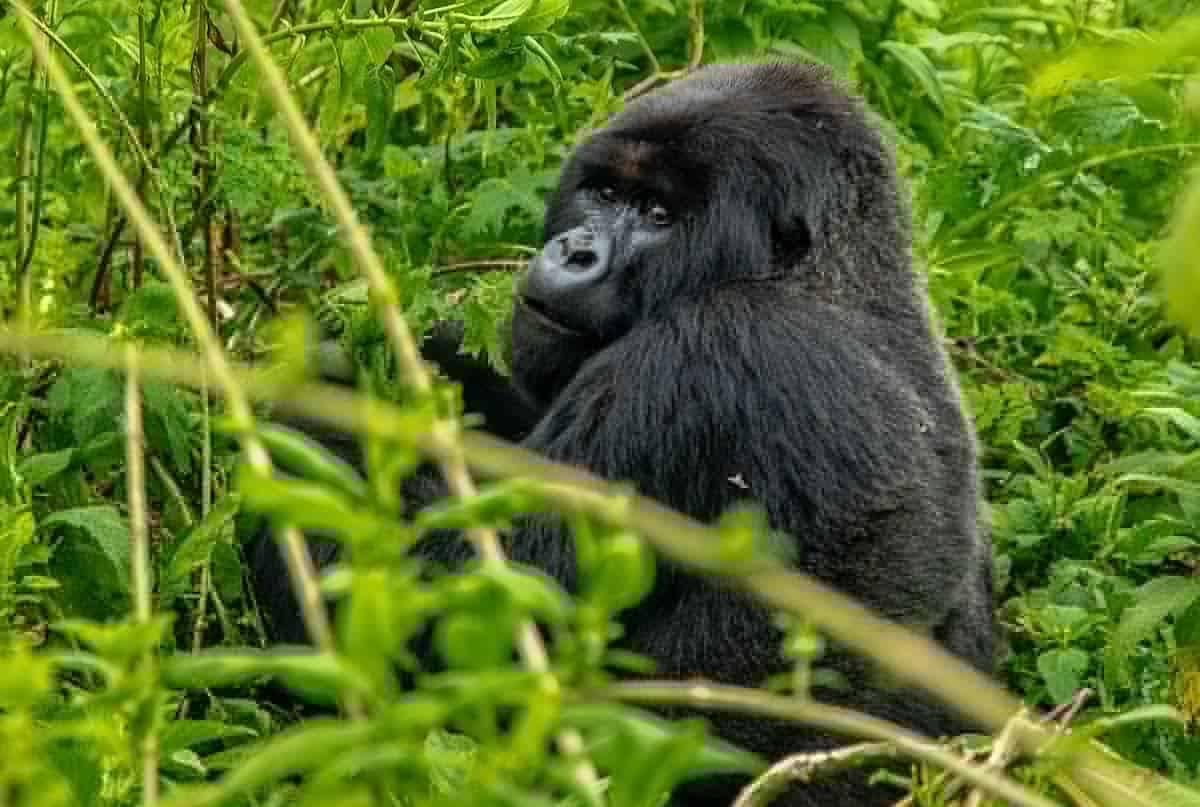
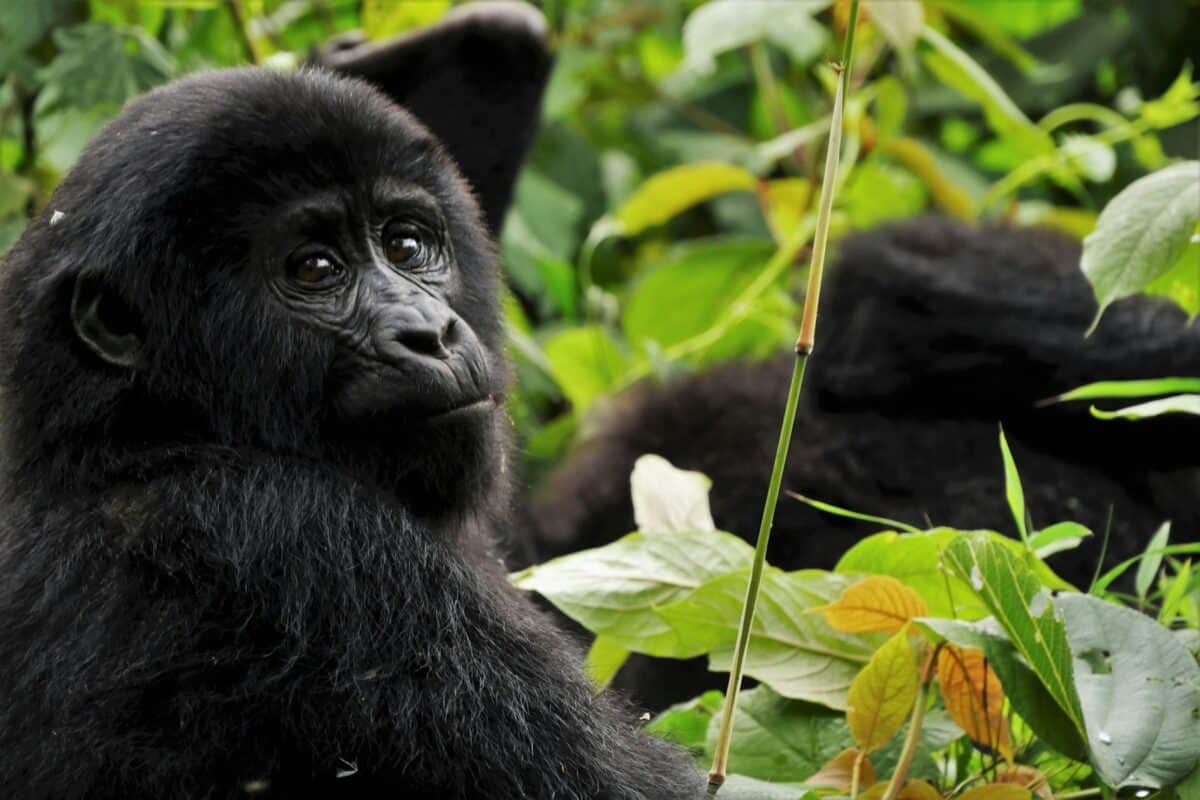
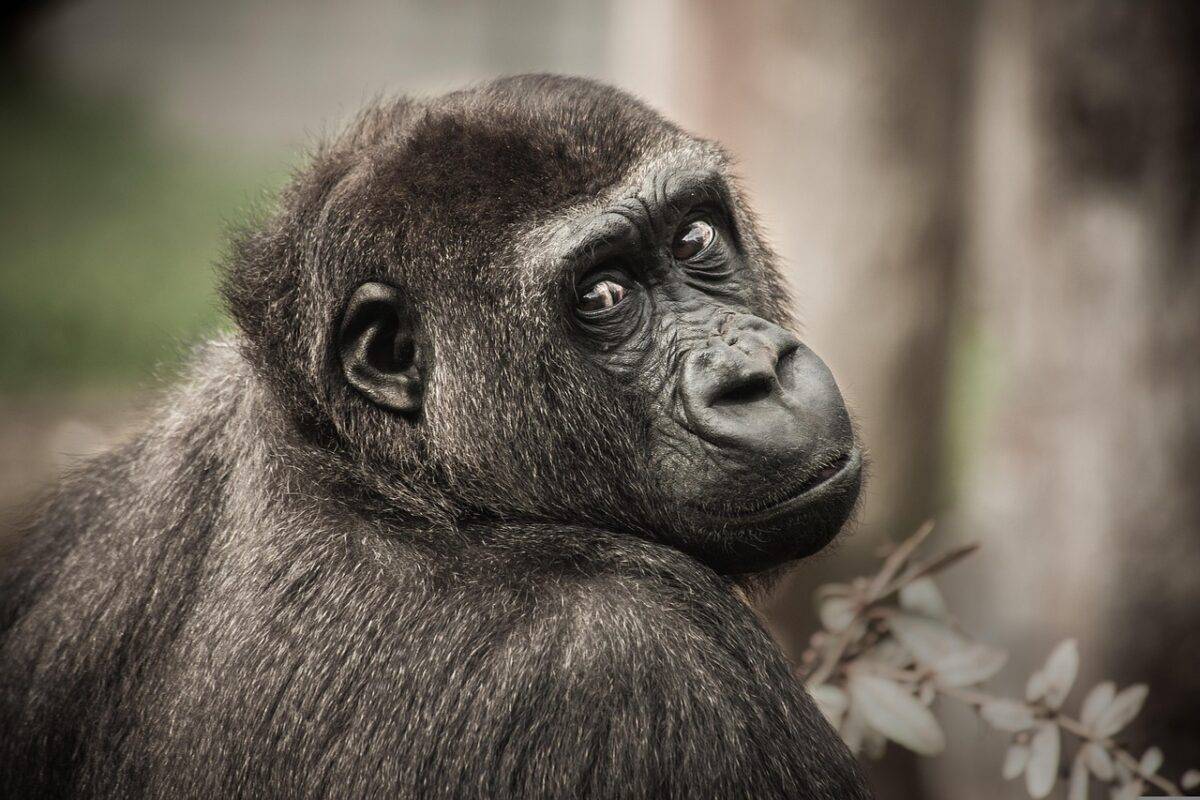
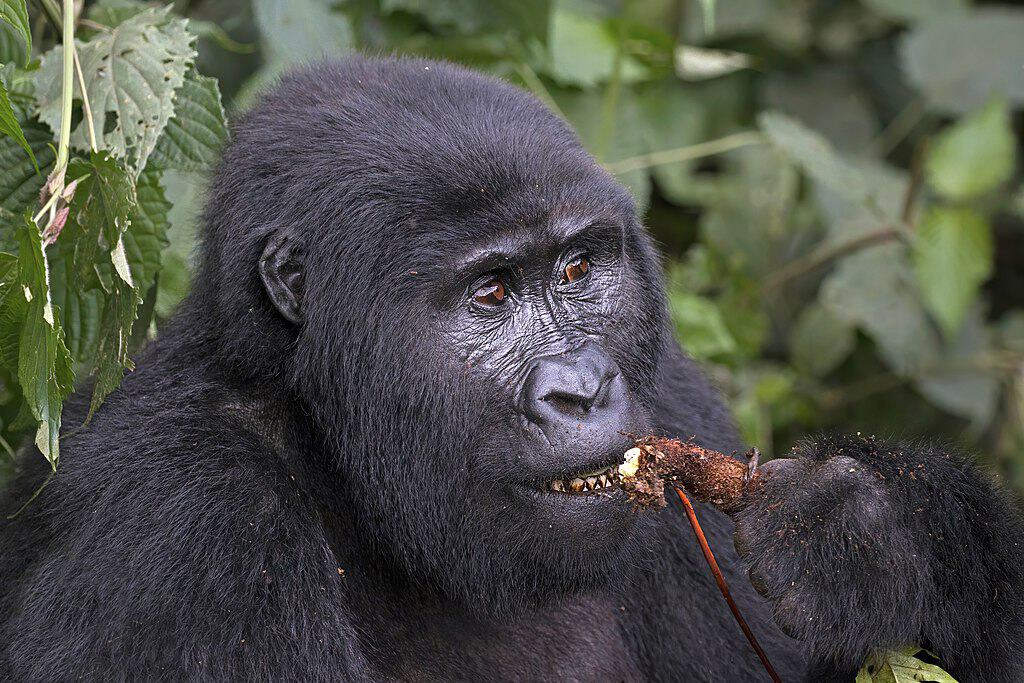
Another intriguing aspect of Bigfoot mythology is its resemblance to primates. Although primates are not native to North America, escaped or released exotic pets can add to the mix of mistaken identities. These primates, often large and covered in hair, could easily lead to calls of a Bigfoot sighting when glimpsed fleetingly.
The Role of Hoaxes and Fabrications
The world of Bigfoot is unfortunately rife with hoaxes. Throughout history, individuals seeking fame or attention have fabricated evidence, from fake footprints to doctored photos. These actions muddy the waters, making authentic reports harder to discern and fueling the mythos even further.
Cultural Influences and Media Representation

The media plays a profound role in shaping perceptions about Bigfoot. Dramatic reenactments and speculative documentaries can make even the most skeptical viewer question reality. Additionally, cultural beliefs and tales contribute to the legend’s robustness, passed down through generations and embellished over time.
Experts Weigh In Scientific Perspectives

Scientists approach Bigfoot with healthy skepticism, emphasizing that extraordinary claims require extraordinary evidence. Thus far, no concrete evidence has emerged to conclusively prove Bigfoot’s existence. Most researchers focus on well-documented wildlife, analyzing how environmental changes might affect animal behaviors that lead to unusual sightings.
The Influence of Environment and Geography
Environmental conditions, such as fog, dusk, or dense foliage, can play tricks on the eyes. Geographical areas with high sighting reports are often characterized by vast wilderness and limited human presence, enhancing the likelihood of misinterpretations.
Technological Advances in Wildlife Identification
Modern technology, such as wildlife cameras and drones, broadens the ability to correctly identify animals in their natural habitats. Such tools are invaluable in demystifying animal behaviors that might otherwise be mistaken for something far more legendary.
Case Studies and Anecdotal Evidence
Over the years, many famous Bigfoot cases have been re-examined with a critical eye. For instance, several high-profile sightings have been convincingly debunked as bears or other wildlife. These case studies highlight the necessity of approaching alleged sightings with a balanced, evidence-based perspective.
Summary: The Importance of Open Inquiry

The myth of Bigfoot serves as a reminder to remain inquisitive but grounded in evidence when confronting the unknown. While large and mysterious creatures continue to capture our imagination, it’s essential to consider plausible explanations involving familiar wildlife. With ongoing advancements in technology and scientific inquiry, we have the tools to bring clarity to the shadows and unlock the mysteries of our wild environments.

As a little kid, I fell in love with nature, wildlife, and animals. Living in the USA, South Africa, Italy, China and Germany gave me the opportunity to discover the world's Wildlife. My favorite animals are Mountain Gorillas, Siberian Tigers, and Great White Sharks.
I'm a certified PADI Open Water Diver, went to Everest Base Camp and Trekked Gorillas in Uganda. I hold a Master of Science in Economics and Finance.
Please send any feedback to feedback@animalsaroundtheglobe.com