
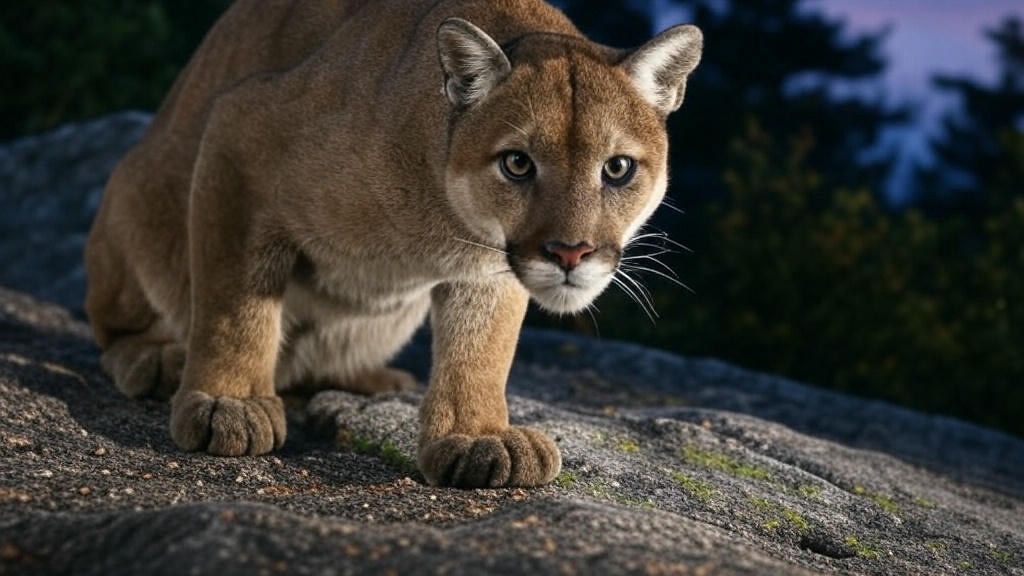
The allure of Colorado’s trails draws millions of hikers each year, seeking solace in the grandeur of untamed landscapes and crisp mountain air. Yet beneath the beauty lies a stark reminder that wilderness is, by definition, wild. Certain trails demand more than just physical endurance or a well-stocked backpack. They require unwavering vigilance and respect for the apex predators who call these mountains home.
Shortly before noon on New Year’s Day 2026, two hikers encountered a mountain lion near a woman’s body along a remote section of the Crosier Mountain trail, marking a turning point in how we perceive safety in Colorado’s backcountry. This isn’t just another trail with scenic vistas. It’s become ground zero for understanding what happens when human recreation collides with mountain lion territory.
The Deadly New Year’s Day Attack That Changed Everything
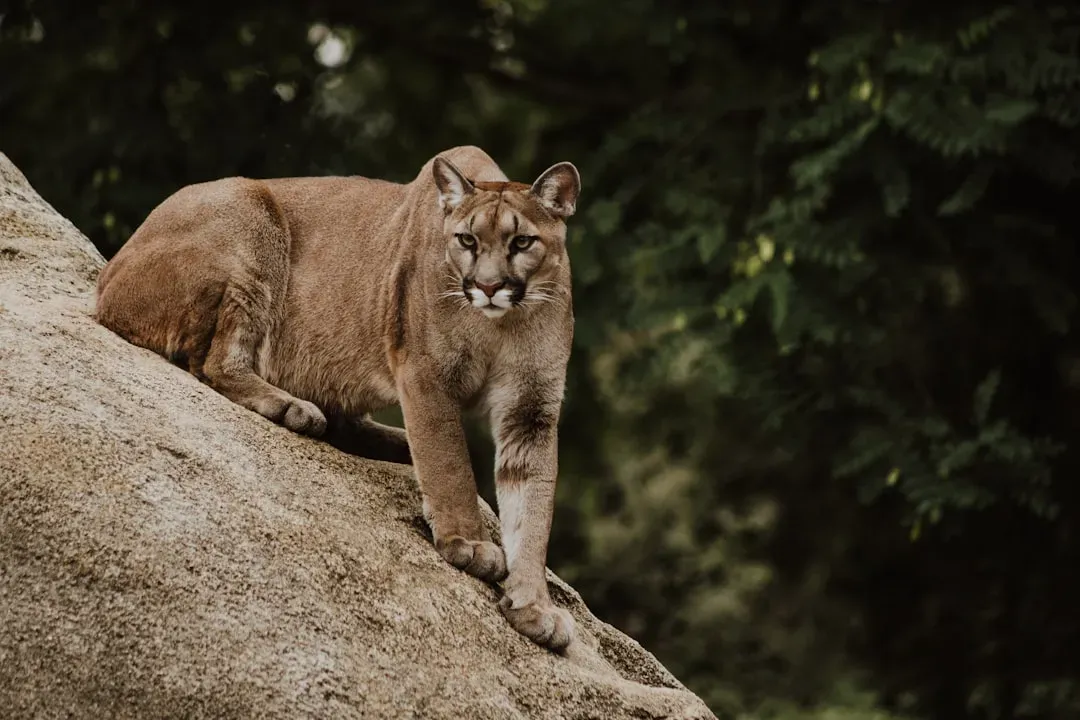
The victim was identified as Kristen Marie Kovatch, a 46-year-old from Fort Collins, and her death sent shockwaves through Colorado’s hiking community. She died due to asphyxia caused by external neck compression, a brutal testament to the raw power these predators possess. What makes this particularly chilling is that Kovatch was an experienced hiker who knew these trails intimately.
The area where the attack occurred is described as “very good mountain lion habitat”, with dense forests, rocky terrain, and dramatic elevation changes. Wildlife officials tracked down and euthanized two mountain lions at the scene. A necropsy revealed that one, a young male, had human DNA on all four paws, confirming the nightmare scenario that every backcountry enthusiast fears but rarely speaks about.
Why Crosier Mountain Trail Has Become Notorious
This scenic hike begins from the Garden Gate Trailhead and heads uphill via a rocky path with a nice mix of shaded and exposed sections, though the path is steep in sections and gains elevation via relentless switchbacks. Sounds like a typical Colorado trail, right? What sets it apart is the consistent mountain lion activity that has plagued this area for months.
Mountain lion sightings in that area east of Rocky Mountain National Park are common because it offers good habitat for the animals with its remote thick forests, rocky outcroppings and lots of elevation changes. The trail itself winds through Roosevelt National Forest, creating perfect conditions for these solitary hunters to thrive. Think about it this way: if you were a mountain lion, this terrain would be your dream home. Plenty of deer, excellent cover, and enough rocky hideaways to remain virtually invisible to humans.
The Warning Signs Everyone Ignored
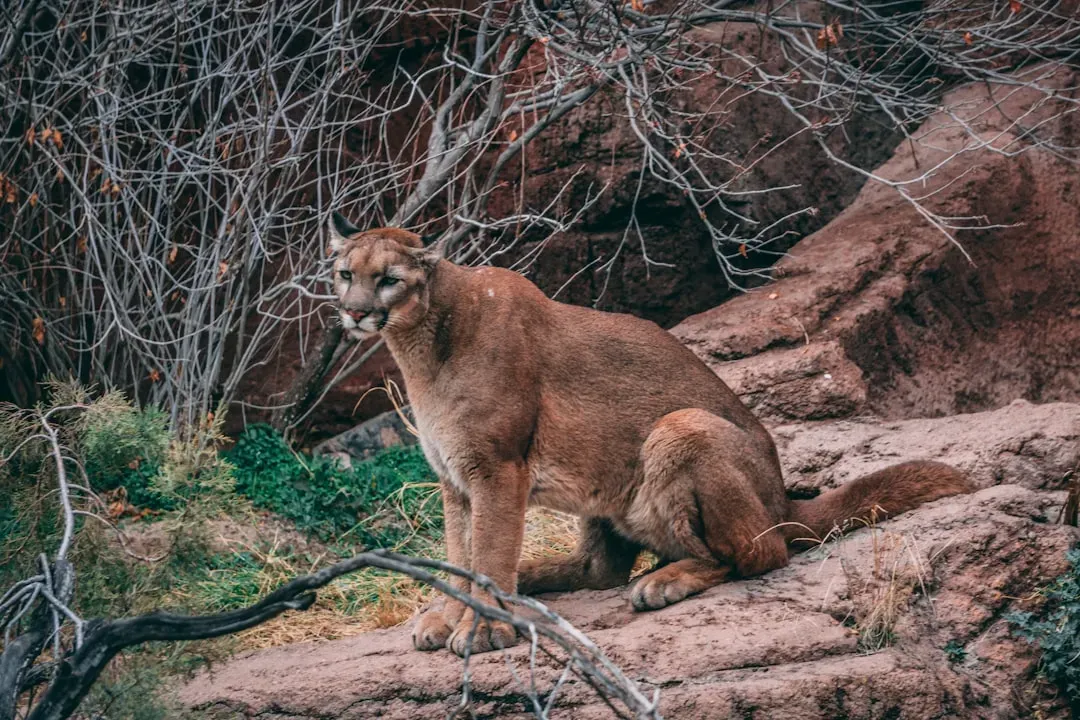
Here’s the thing that really gets under my skin. One woman was hiking alone on October 29 when a mountain lion attacked and killed her dog, and a couple was surrounded by a group of three mountain lions on the Crosier Trail at the end of November. These weren’t isolated incidents. They were alarm bells.
In November, Gary Messina was running along the same trail when his headlamp caught two gleaming eyes, a mountain lion rushed him, he threw his phone at the animal and kicked dirt while yelling as the lion kept trying to circle behind him, and after harrowing minutes he broke a stick off a log, hit the lion in the head with it, and it ran off. Messina reported the encounter, temporary warning signs went up, then they came down. Less than two months later, Kovatch was dead on that very trail.
Colorado’s Mountain Lion Population Is Thriving
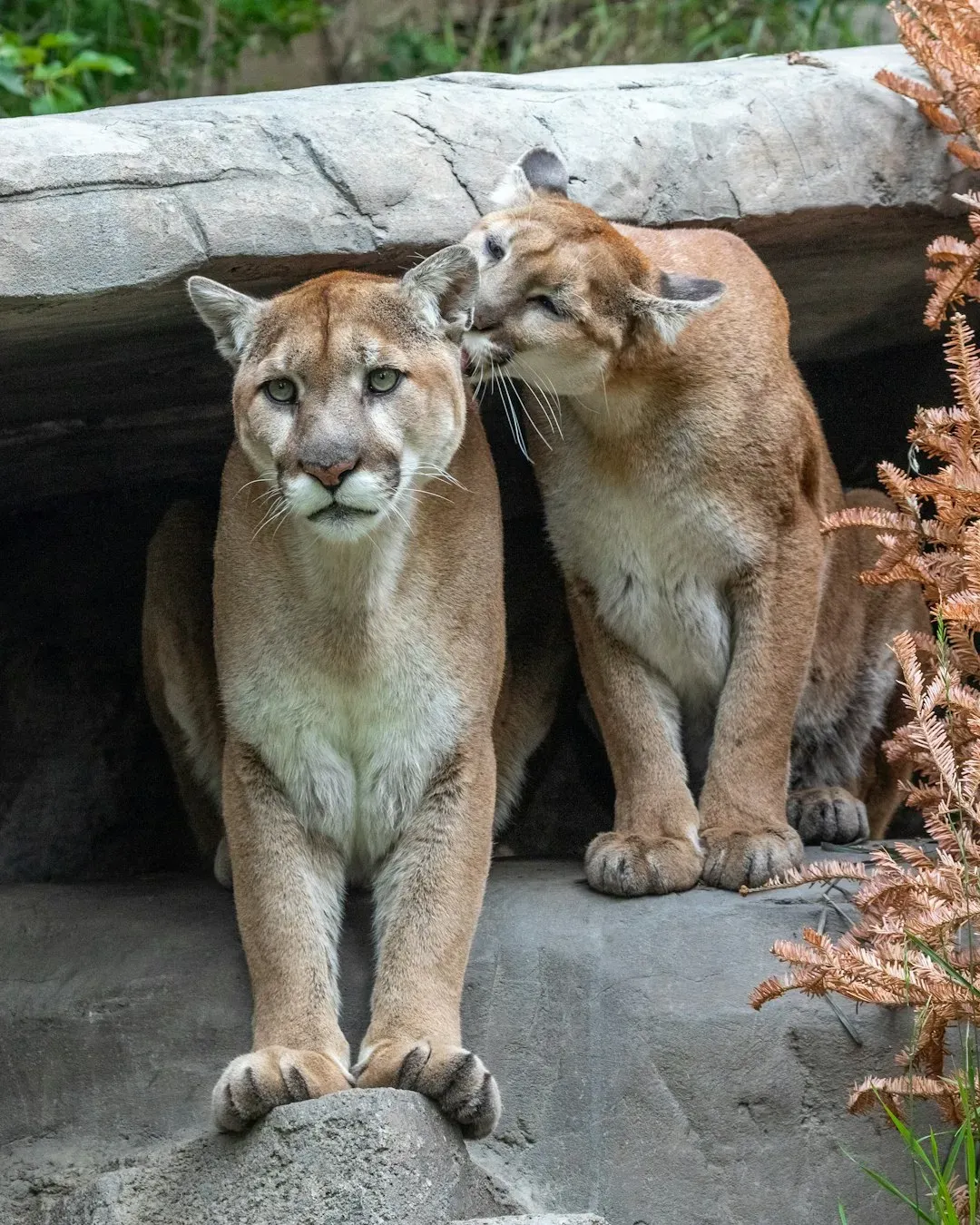
Let’s talk numbers for a moment. Colorado has an estimated 3,800 to 4,400 mountain lions, which are classified as a big game species in the state and can be hunted. That’s a substantial population of apex predators sharing space with an ever-growing number of outdoor enthusiasts. Larimer County has a high density of mountain lions due to its deer and elk populations and healthy habitat.
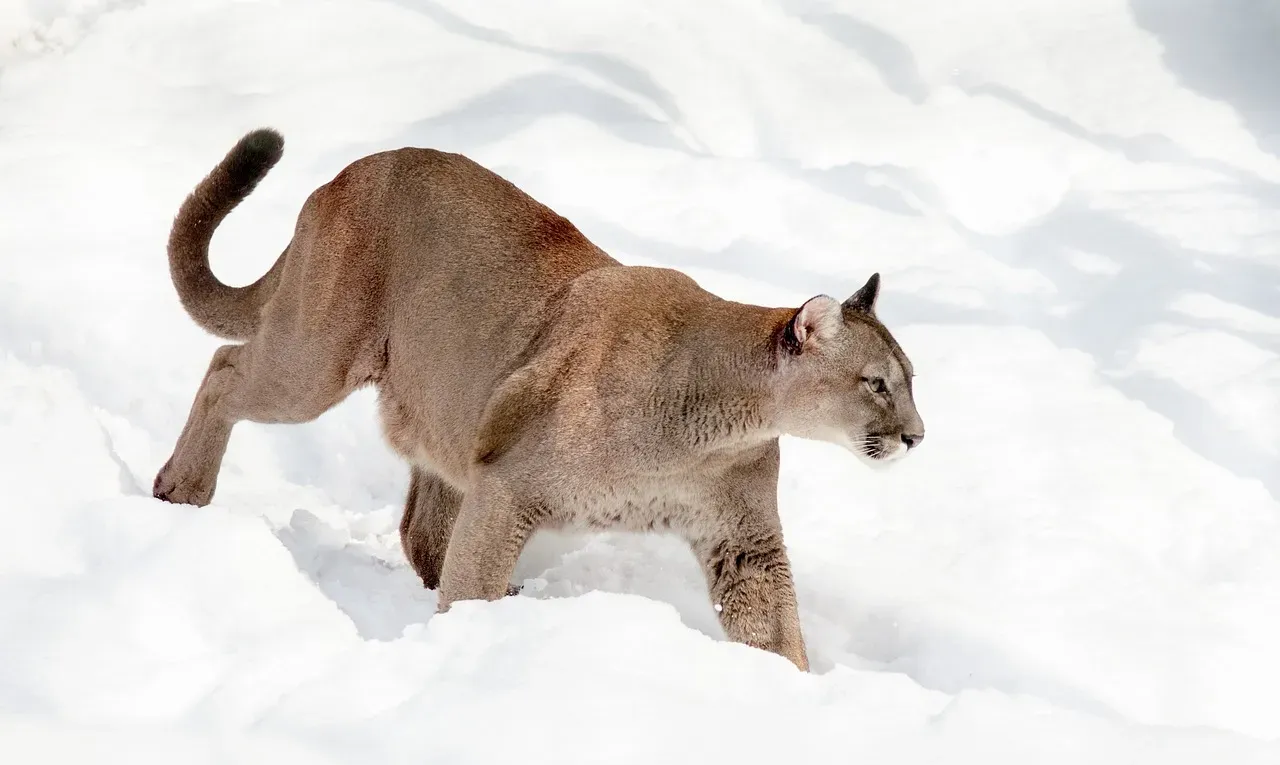
These aren’t small animals either. Mountain lions can weigh 130 pounds and grow to more than 6 feet long, and they primarily eat deer. When you’re alone on a trail, especially during dawn or dusk hours when these predators are most active, you’re entering their hunting grounds. The fatal attack on Kovatch marks the first fatal attack by a mountain lion in Colorado in more than 25 years, yet this rarity offers cold comfort when you’re the one facing those eyes in the brush.
What Makes a Mountain Lion Attack Humans
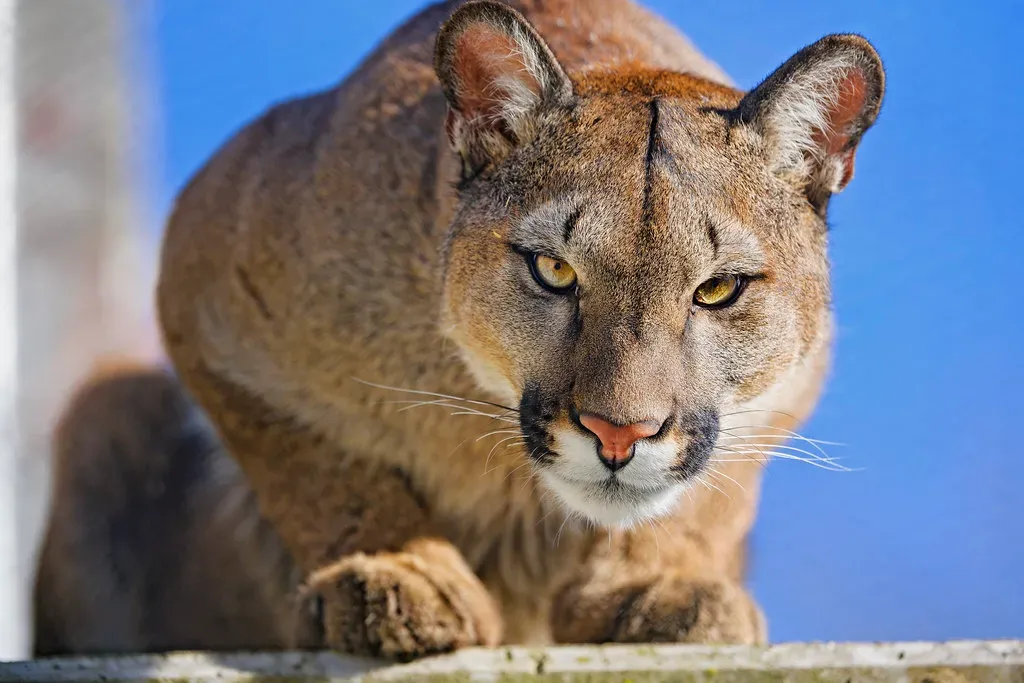
Mountain lions typically avoid people. They’re ambush predators who prefer prey that can’t fight back effectively. So what changed? Due to multiple lions present at the attack area and evidence found at the scene, CPW officers suspected a family group was responsible. This detail is critical.
A CPW researcher explained it’s common to see family groups of a mother and offspring living and hunting together, with offspring staying with their mother for about a year and a half while learning to hunt. Young mountain lions learning to hunt might be less cautious, more desperate, or simply unfamiliar with human scent as a warning signal. Wildlife officials euthanized two subadult lions at the scene, lending credence to this theory.
The psychology shifts when you realize these weren’t experienced adults avoiding humans out of learned caution. They were juveniles, possibly emboldened by hunger or inexperience, viewing a solitary hiker not as a threat but as potential prey.
How to Actually Survive a Mountain Lion Encounter
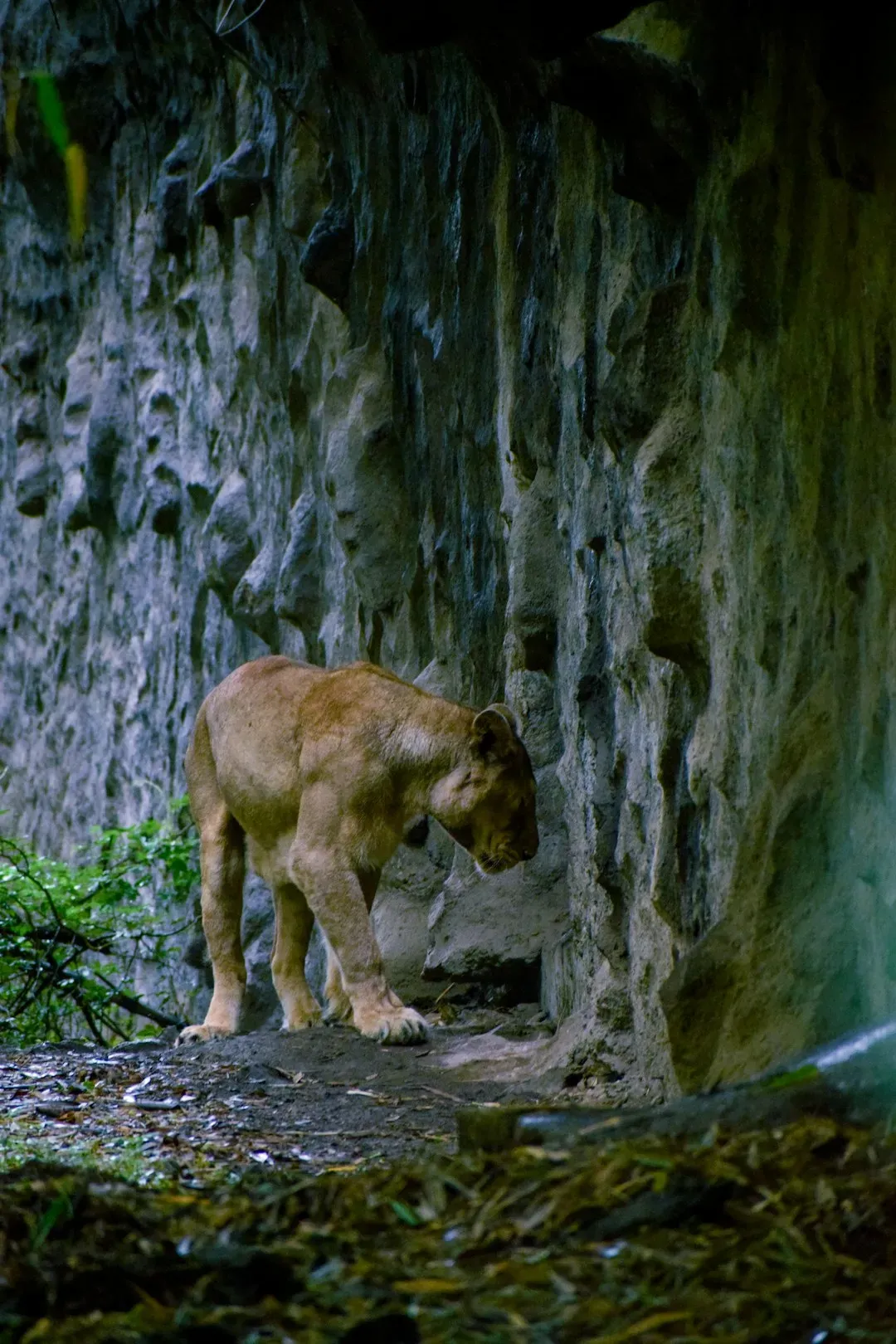
The conventional wisdom sounds simple until you’re staring down several hundred pounds of pure predatory muscle. If you encounter a lion, the goals are to convince it that you are not prey and that you may be dangerous, do not approach a lion, and most mountain lions will try to avoid a confrontation. Never run. Running triggers chase instinct.
When entering mountain lion territory it’s best to travel in groups, keep children close and avoid dawn and dusk when the big cats are most active, maintain eye contact with the animal, make yourself appear larger and back away slowly, and fleeing may trigger the animal to attack so stand your ground and avoid stooping. If the animal attacks, fight back with everything you have. Seriously, everything. Rocks, sticks, fists, whatever you can grab.
Make noise while hiking. Wear a bell. Talk loudly. Honestly, it might feel ridiculous singing show tunes on a mountain trail, but your embarrassment is far preferable to becoming prey.
The Current State of Crosier Mountain Trail
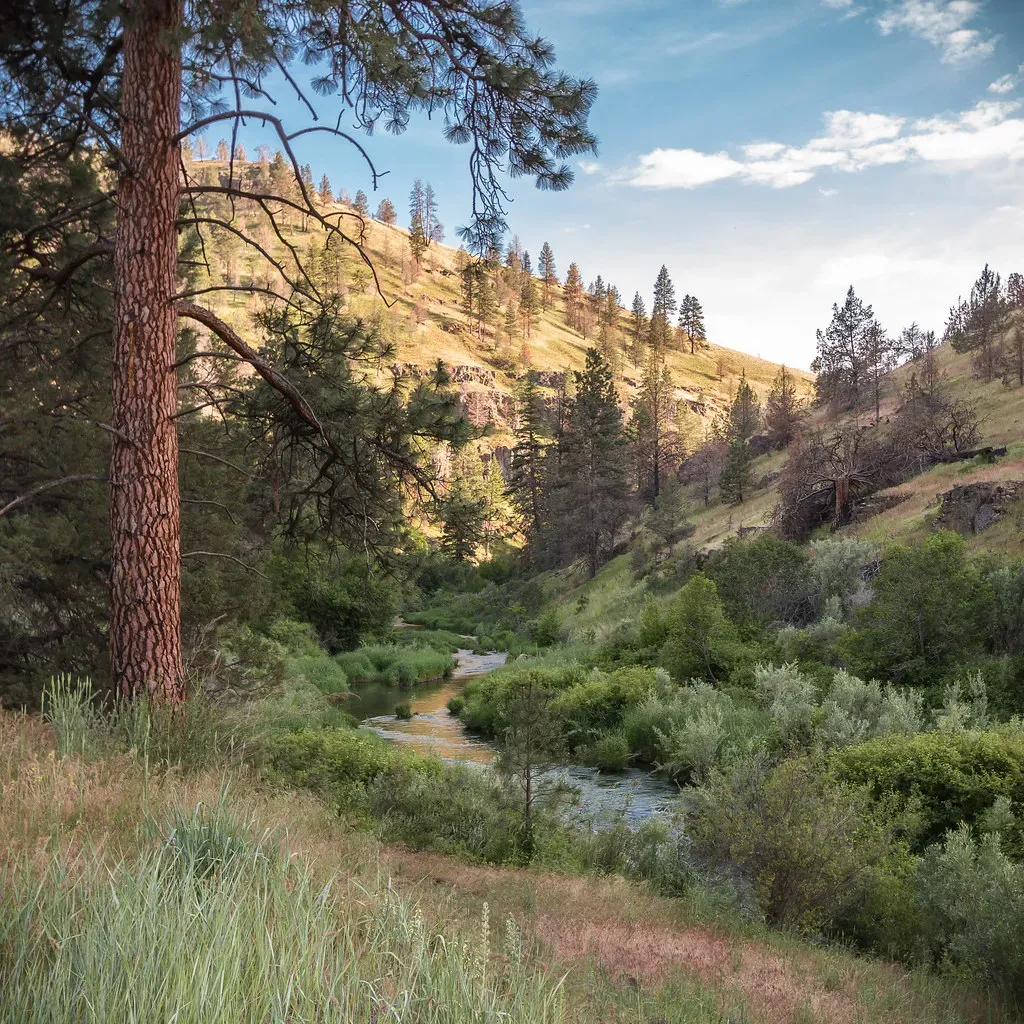
Colorado Parks and Wildlife has ended the active search for a third mountain lion, Crosier Mountain Trail is back open to the public, and mountain lion signage with education messages will remain as permanent signage warning of lion activity and how to handle conflicts has been in place on the trail for years. The trail is open, but should you hike it?
Larimer County is within prime mountain lion habitat supported by healthy deer and elk populations, and CPW reminds residents and visitors to stay alert, keep dogs leashed, recreate in groups, avoid wearing headphones, and know how to respond if a lion is encountered. If you choose to hike Crosier Mountain, do so with a heightened awareness that this specific trail has documented, recent, aggressive mountain lion activity. Don’t hike alone. Don’t wear headphones. Don’t run. Carry bear spray, which some experts suggest may deter mountain lions as well.
Would I hike Crosier Mountain Trail solo at dawn? Absolutely not. Would I go with a group at midday, making plenty of noise and staying hyper-vigilant? Perhaps, though I’d be lying if I said I wouldn’t think about Kovatch with every rustle in the brush.
Conclusion: Respecting the Wild Means Understanding the Risk
The mountains don’t care about your Instagram feed or your quest for solitude. They operate by older, harsher rules where apex predators reign and humans are guests, not masters. Crosier Mountain Trail offers stunning views and challenging terrain, yet it now carries the weight of tragedy and a stark warning about complacency in wild spaces.
This was the fourth fatal mountain lion attack in North America over the past decade, and the 30th since 1868. These attacks remain exceedingly rare, but rare doesn’t mean impossible. Kovatch’s death reminds us that wilderness isn’t a backdrop for our recreation. It’s a living, breathing ecosystem where we’re not always at the top of the food chain.
If you venture onto Crosier Mountain Trail or any remote Colorado path, bring friends, make noise, stay alert, and leave your ego behind. The mountains will still be beautiful tomorrow. Make sure you’re around to see them. What precautions do you take when hiking in mountain lion country? Tell us in the comments.
