
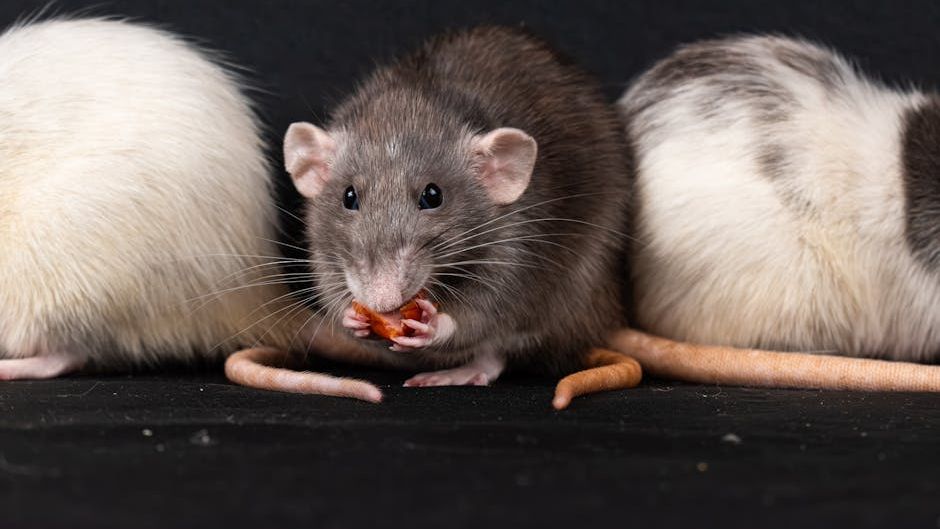
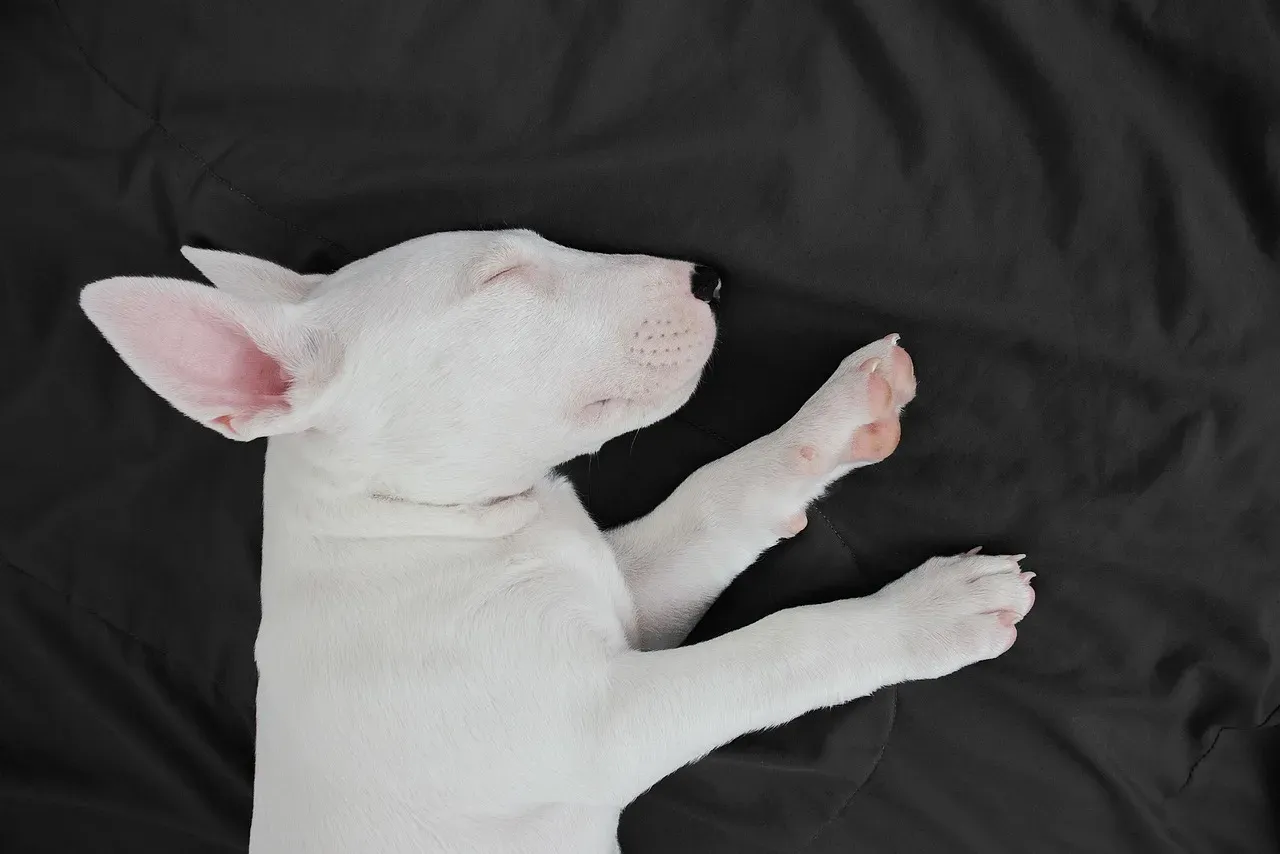
Imagine watching your dog twitch and whimper in its sleep, paws racing against some invisible surface. Most of us smile and assume it’s chasing squirrels. But what if that assumption barely scratches the surface of what’s actually happening inside that sleeping mind? What if that dream is a window into a rich, complex emotional life we’ve barely begun to understand?
Science, as it turns out, has been quietly chasing this question for decades. The findings are genuinely startling. From rats reliving mazes in vivid neural detail, to elephants replaying traumatic memories, to octopuses painting shifting canvases of color across their sleeping skin, the animal kingdom appears to dream far more deeply than we ever imagined. And once you truly sit with that idea, nothing about how we think of other species will quite feel the same again.
The Science of Animal Sleep: More Than Just Rest

Here’s the thing most people don’t realize: sleep is not passive. Far from it. Sleep plays a pivotal role in brain development and plasticity, and our brains cycle through two primary sleep stages: rapid eye movement (REM) and slow-wave sleep (SWS). These are not uniquely human features.
Since the Carboniferous period, research has shown that all observed animals engage in slow-wave sleep, characterized by minimal activity and sensory-motor downscaling. During this sleep phase, brain activity is prominent in the hippocampus, which plays a crucial role in memory consolidation and retrieval, and the neocortex, which is responsible for processing sensory perceptions, emotions, and cognitive functions.
REM sleep has evolved in animals with more complex learning requirements. Reptiles, for instance, with more straightforward needs for survival, often do not exhibit REM sleep. In contrast, during REM sleep in other species, the forebrain is as active as during waking. This hyperactivity promotes cognitive flexibility and abstract reasoning with the increased strength of memory associations and restructuring.
Think of it like a brain going back to review the day’s footage. Sleep is so important that every animal seems to have a version of it. Scientists have also cataloged sleep in reptiles, birds, amphibians, bees, mammals and jellyfish, to name a few. As one researcher put it, so far scientists have not found a single species that does not sleep.
What Rats and Birds Reveal About Animal Dreams
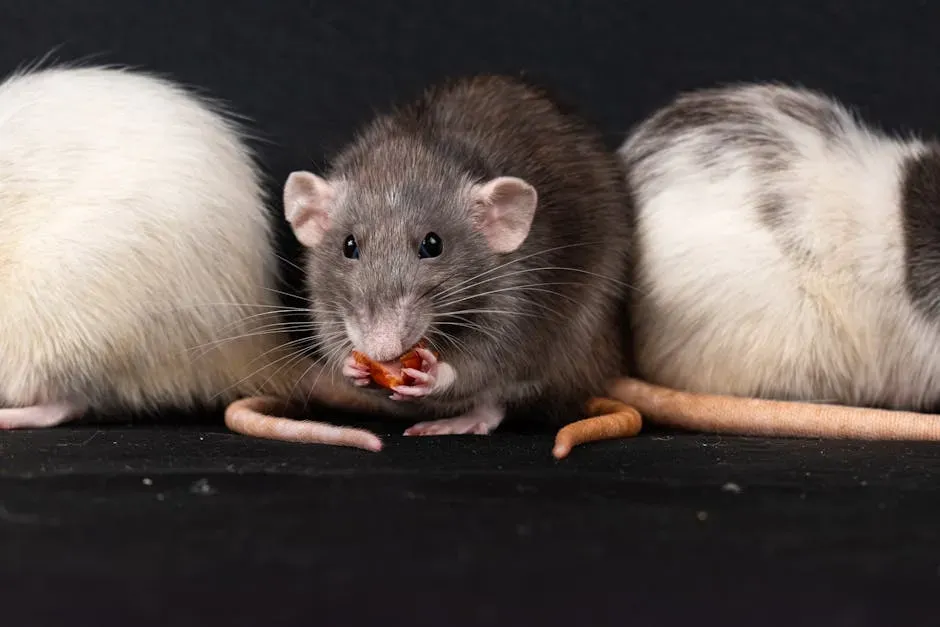
Some of the most powerful evidence for animal dreaming came from a landmark study at MIT. When awake, a rat’s hippocampus, a part of the brain responsible for making and storing memories, remembers the neuron pattern of navigating the maze. Later when asleep, the brain reproduces the identical pattern, suggesting the rat remembers or relearns the maze all over again. This 2001 finding was one of the first to suggest that animals had complex dreams.
It didn’t stop there. The correlation was so close that the researchers found that as the animal dreamed, they could reconstruct where it would be in the maze if it were awake, and whether the animal was dreaming of running or standing still. These memories were replayed at about the same speed that the animal had experienced them while awake.
The same has been found for auditory and even emotional areas that reactivate when the rat reruns the maze during REM sleep. Honestly, that detail floors me every time. It’s not just visual memory, it’s emotional memory too.
Despite being known for their lyrical songs, zebra finches aren’t born singers. The birds must learn by listening, practicing, and, perhaps, by dreaming. In 2000, researchers learned that neurons in the birds’ forebrains fire with a distinct pattern while they sing a song, one that scientists can recreate note by note. While the birds sleep, their brain reproduces this same pattern, replicating the song they heard and sang that day, suggesting the birds remember and practice songs in their sleep. The study authors suspect the songbirds dream of singing.
After further research over two decades, finches were the first non-mammals found to have a similar sleep structure as humans, including REM sleep. Remarkable.
The Octopus: An Alien Dreamer With Surprisingly Familiar Sleep
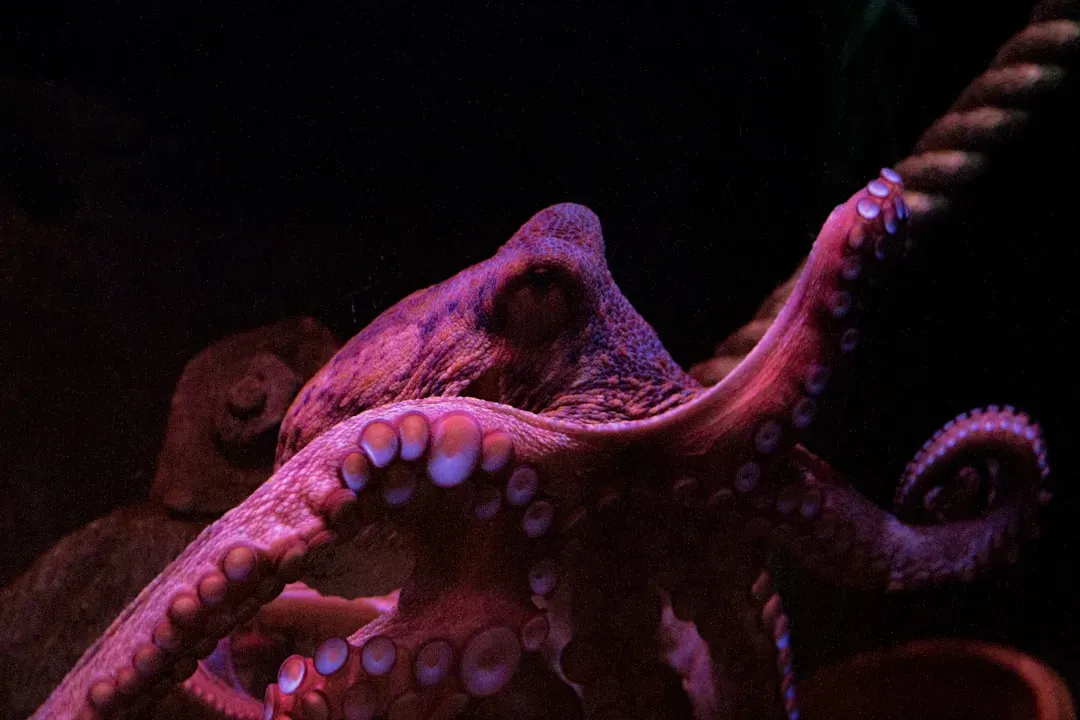
If rats and birds challenge our assumptions, then octopuses absolutely shatter them. These creatures sit on an entirely different branch of the evolutionary tree, yet the evidence for dream-like sleep in them is nothing short of mesmerizing.
When these eight-armed masters of disguise fall asleep, they don’t simply settle into a quiet snooze. Instead, they occasionally burst into short episodes where their arms twitch, their breathing quickens, and their skin ripples with vibrant, shifting colors. According to research published in Nature, these dazzling sleepy-time displays aren’t just for show. They may actually reveal that octopuses experience a form of dream-like sleep surprisingly similar to our own.
Shifts in color, behavior and movement are evidence of a sleep cycle in octopuses, with the octopus switching between active and quiet sleep just as humans switch between deep sleep and REM sleep. Think of it as a living, breathing mood ring showing you exactly what’s going on inside the brain.
As one researcher put it, while humans can verbally report what kind of dreams they had only once they wake, the octopus’s skin pattern acts as a visual readout of their brain activity during sleep. That is, frankly, one of the coolest scientific sentences I’ve ever come across.
The findings suggest that complex sleep, complete with a REM-like dream phase, has evolved in surprising ways and may not be exclusive to mammals. Still, it’s hard to say for sure how deep this rabbit hole goes for invertebrates. Today, researchers are finding signs of REM sleep in a broader array of animals than ever before: in spiders, lizards, cuttlefish, zebrafish. The growing tally has some researchers wondering whether dreaming, a state once thought to be limited to human beings, is far more widespread than once thought.
Nightmares, Trauma, and the Emotional Depth of Animal Dreams
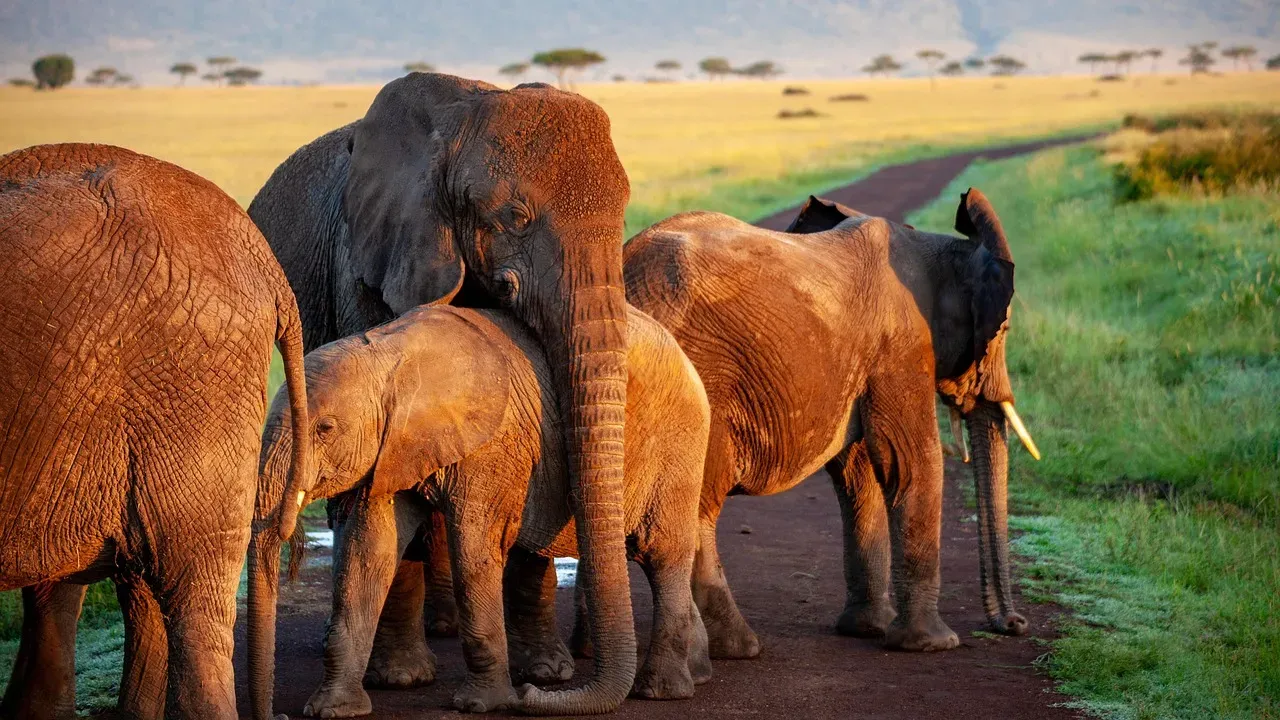
Let’s be real: it’s one thing to talk about animals replaying motor memories during sleep. It’s another thing entirely to acknowledge that animals may be having nightmares. That distinction carries serious emotional weight.
Research has painted a picture of the emotional depths of other animals, revealing complex, deep, emotional states they can experience and how sometimes those come out in various kinds of dreams. They can be negative dreams like nightmares, but they can also be extremely positive dreams where desire, aspiration, and hope come to the foreground.
When young elephants experience a deeply traumatic event such as witnessing human poachers murder one of their family members and cut out the tusks, those young animals remember that scene. It gets burned into their memory. And later when they are asleep, because they’ve been traumatized, they begin replaying that over and over again. They replay it so much that it can become a problem for their mental wellbeing.
In Michel Jouvet’s famous cat study, cats would stand and move around their enclosure as though chasing prey and, at other times, bit randomly without any apparent objective. These behaviors appeared to lack the intentional, goal-directed nature of their wakeful activities.
The parts of the brain associated with dreaming include the hippocampus, which incorporates memories into dreams, the amygdala, associated with the emotional aspect of dreams, and the thalamus, which relays sensory information. These are not fringe structures. They are the same deep-brain systems that process fear, joy, and grief in humans. The structural similarity is hard to dismiss.
What Animal Dreams Mean for Ethics and Our Moral Obligations
This is where the science stops being purely academic. Dreams provide an invaluable window into the cognitive and emotional lives of nonhuman animals, giving us access to a seemingly inaccessible realm of animal experience. Once that window opens, it’s nearly impossible to close it without consequences.
Once we accept that animals dream, we incur a host of moral obligations and have no choice but to rethink our views about who animals are and the interior lives they lead. The implications carry profound consequences for contemporary debates about animal cognition, animal ethics, and animal rights, challenging us to regard animals as beings who matter, and for whom things matter.
The New York Declaration on Animal Consciousness, signed in April 2024 by a diverse group of eminent scientists and philosophers, marks an important acknowledgment of the growing scientific evidence that a wide range of animals, including all vertebrates and many invertebrates, are likely conscious and able to subjectively experience the world. The declaration highlights that there is strong scientific support for consciousness in mammals and birds, and a realistic possibility of consciousness in other vertebrates like reptiles, amphibians and fishes, as well as many invertebrates including octopuses, crabs, shrimps, and insects.
A realistic possibility of sentience is sufficient to warrant serious moral consideration. Current speciesist attitudes, which discount the experiences of animals and treat them as mere resources, are ethically untenable.
Together, these findings lead to the conclusion that all dreamers should be treated as members of our moral and legal community, independently of species membership. That’s a bold claim, and it’s also a deeply logical one.
Conclusion
There is something quietly revolutionary happening in sleep labs and field studies around the world. Science is slowly, methodically pulling back the curtain on the inner lives of animals, and what it reveals is not a dim, instinct-driven shadow of human experience. It is something vivid, emotionally real, and genuinely complex.
We share our planet with creatures that replay their fears while sleeping, that dream of songs they are still learning to sing, that light up like living artwork as their sleeping brains process a day’s worth of experience. Every twitching paw, every ripple of color across a sleeping octopus, every elephant waking in distress after a nightmare, they are all signals worth listening to.
The question is no longer really whether animals dream. The question has shifted to something much harder. Now that we know they do, what are we going to do about it? What do you think? Does knowing animals dream change how you see them?

- 9 Things Chickadees Remember About Reliable Backyard Feeders - July 26, 2026
- Animal Science Says Your Dog Knows You're Coming Home Before Your Car Appears - July 26, 2026
- 10 Animals That Sacrifice Their Body Parts To Survive - July 26, 2026