


The Yangtze finless porpoise is a remarkable yet critically endangered marine mammal inhabiting China’s longest river, the Yangtze. Known for its strikingly intelligent nature and perpetual smile, this species symbolically showcases the challenges faced by aquatic wildlife amid rapid industrialization and environmental degradation. Once abundant, the finless porpoise is now fighting a battle against extinction. But is there hope for its salvation?
Understanding the Yangtze Finless Porpoise

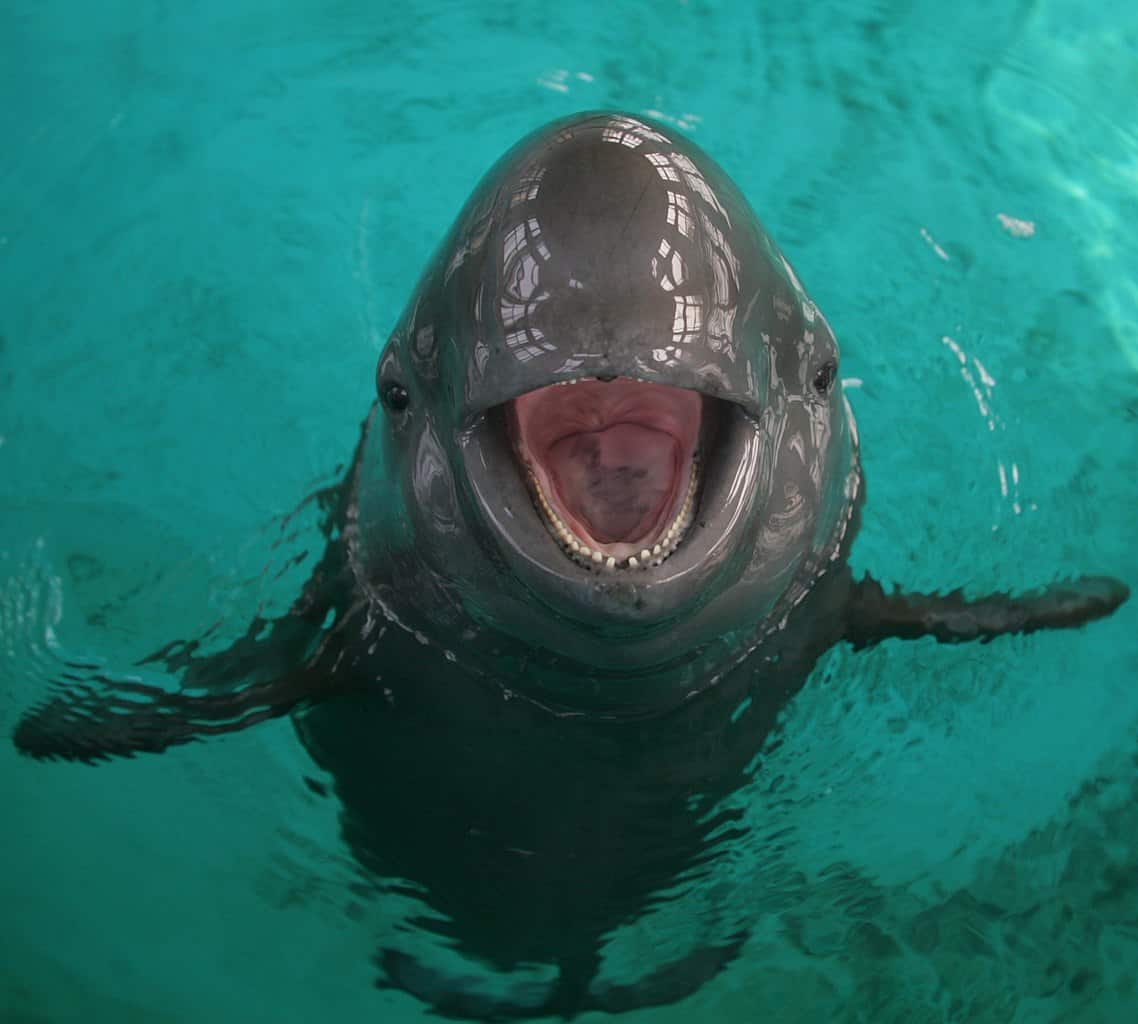
The Yangtze finless porpoise (Neophocaena asiaeorientalis ssp. asiaeorientalis) is unique to the Yangtze River ecosystem. Unlike its marine relatives, this porpoise is adapted to freshwater living, displaying a striking lack of a dorsal fin, which helps it navigate through the river’s complex and sometimes shallow waters. With advanced echolocation abilities, it moves gracefully across the turbid river, capturing fish and maneuvering around obstacles.
Unfortunately, the Yangtze finless porpoise’s existence is currently on the brink of collapse. The International Union for Conservation of Nature (IUCN) lists it as critically endangered. Its population has dwindled to less than 1,000 individuals, and the number continues to fall sharply.
Factors Contributing to Decline

The perpetuation of threats has severely impacted the Yangtze finless porpoise. Human activities loom as the primary threats, with overfishing diminishing their food supply and shipping traffic posing constant physical risk. Furthermore, industrial waste and agricultural runoff pollute the waters, carrying detrimental pesticides and heavy metals into the porpoise’s habitat.
Moreover, the construction of massive infrastructure, particularly the Three Gorges Dam, has drastically altered water flow and sedimentation patterns, degrading traditional habitats and increasing the species’ vulnerability.
Conservation Efforts A Glimmer of Hope

Twelve finless porpoises, an endangered species in the Yangtze River, have been found dead in Dongting Lake, the flood basin of the river in central Hunan Province, since March 3. Postmortem examinations showed most of these porpoises had no food in their digestive systems, and they did not have any fatal wounds. Veterinarians said they might have died of poisoning, starvation or an infectious disease, and further investigation is underway to find the causes of their death, Xiaoxiang Morning Post reported.
Despite the challenges, profound conservation efforts are striving to reverse the fate of the Yangtze finless porpoise. The Chinese government, alongside international and local organizations, is ramping up initiatives to protect and regenerate the species.
One promising strategy is the establishment of nature reserves and protected areas. By creating safe havens, such as the Tian-e-Zhou Oxbow Reserve, conservationists aim to monitor populations closely, ensure a stable food supply, and shield the porpoise from threatening human activities. Breeding programs within these sanctuaries are also being pursued, providing a controlled environment to help boost population numbers.
Additionally, effective enforcement of fishing regulations and pollution control measures are being prioritized to mitigate human-induced dangers. Awareness campaigns aim to engage communities living around the Yangtze Basin, enhancing public understanding and involvement in conservation activities.
Technological Innovations in Conservation

Innovations in technology are also emerging as valuable assets in the conservation toolbox for the Yangtze finless porpoise. For instance, the application of acoustic monitoring systems helps in keeping track of the porpoise’s echolocation clicks, enabling researchers to study their population dynamics and behaviours in greater depth.
Similarly, satellite and drone technology is being harnessed for precise habitat mapping, allowing for targeted conservation efforts. These tools assist in identifying critical areas that need protection and restoration, ensuring informed decisions to benefit the ecosystem as a whole.
The Road Ahead: Challenges and Opportunities

Twelve finless porpoises, an endangered species in the Yangtze River, have been found dead in Dongting Lake, the flood basin of the river in central Hunan Province, since March 3. Postmortem examinations showed most of these porpoises had no food in their digestive systems, and they did not have any fatal wounds. Veterinarians said they might have died of poisoning, starvation or an infectious disease, and further investigation is underway to find the causes of their death, Xiaoxiang Morning Post reported. Image via Depositphotos
Despite concerted efforts, significant challenges remain in the pursuit of saving the Yangtze finless porpoise. Navigating the complexities of balancing economic growth with environmental stewardship demands robust, multidisciplinary collaboration. Furthermore, climate change introduces another unpredictable factor by altering river ecosystems and affecting the species’ resilience.
Nevertheless, the resilience and adaptive prowess of the Yangtze finless porpoise give hope that extinction can be averted with unwavering commitment and innovative strategies. Broader international cooperation and continuously adapting conservation methodologies to evolving challenges will be essential components of lasting success.
Conclusion
The survival of the Yangtze finless porpoise is a testament not only to the stark realities of environmental degradation but also to the power of human agency in driving positive change. Through dedicated efforts, enhanced community involvement, and cutting-edge technology, it is possible to envision a future where this charismatic creature not only survives but thrives once again in the mighty Yangtze River.

From exploring the marine wonders in the Azores and witnessing the vast savannas of Kenya, to delving deep into the rich biodiversity of South Africa and traversing iconic landscapes in Australia and the US like Yellowstone, Chris's experiences are vast.
With a penchant for diving alongside sharks, the ocean holds a special place in his heart.
Through his academic insights, he champions wildlife conservation, striving with 'Animals Around The Globe' to cultivate a profound connection between humans and animals, enhancing our mutual appreciation.
Connect with him at Feedback@animalsaroundtheglobe.com.
- Narwhals Use Their Tusks to Stun Fish - June 29, 2026
- The Lizard That Brought Fire: Aboriginal Australian Legends - June 29, 2026
- 9 Animals That Have an Extra Sense Humans Can’t Even Imagine - June 29, 2026