
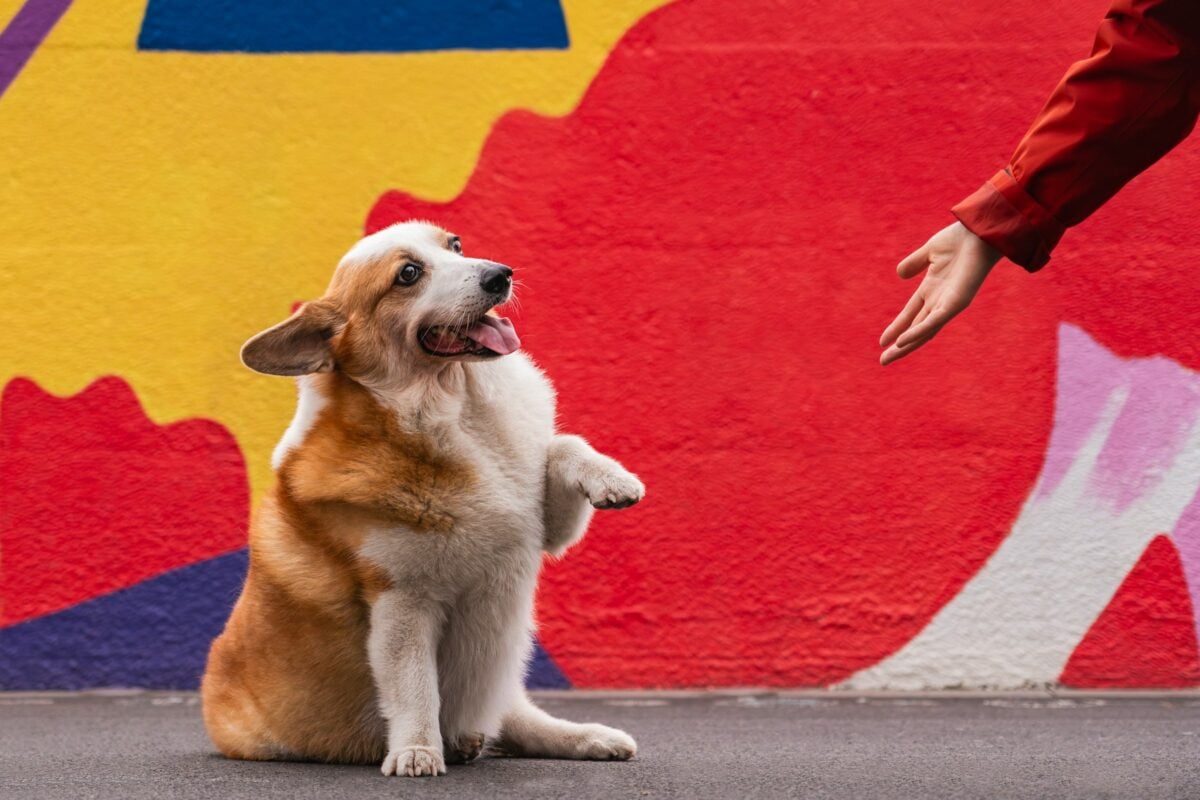
Most people assume our closest primate relatives hold the edge when it comes to grasping human intentions. Yet research in canine psychology keeps turning up a different pattern, one that highlights an unexpected strength in how dogs read our gestures. This difference shows up clearly in simple pointing tasks that test social understanding across species.
The finding invites a closer look at what domestication and daily life alongside humans have shaped in dogs. It also raises questions about how we measure intelligence when comparing animals that evolved under very different pressures.
The Classic Pointing Task in Comparative Cognition
🔥 Would you like to save this?
We'll email this post to you, so you can come back to it later!
Researchers present an animal with two containers, one hiding food. A human points to the correct container and watches whether the subject follows the gesture to find the reward. This setup has been used for decades because it isolates the ability to interpret a social cue without relying on smell or other senses.
Dogs routinely choose the pointed container at rates well above chance, often succeeding on the first try across repeated trials. The task requires no training for most family dogs, which makes the consistency across individuals striking. Variations include momentary pointing, where the hand moves away before the animal approaches, and these still produce strong results in canines.
Dogs Performance in Controlled Experiments

🔥 Would you like to save this?
We'll email this post to you, so you can come back to it later!
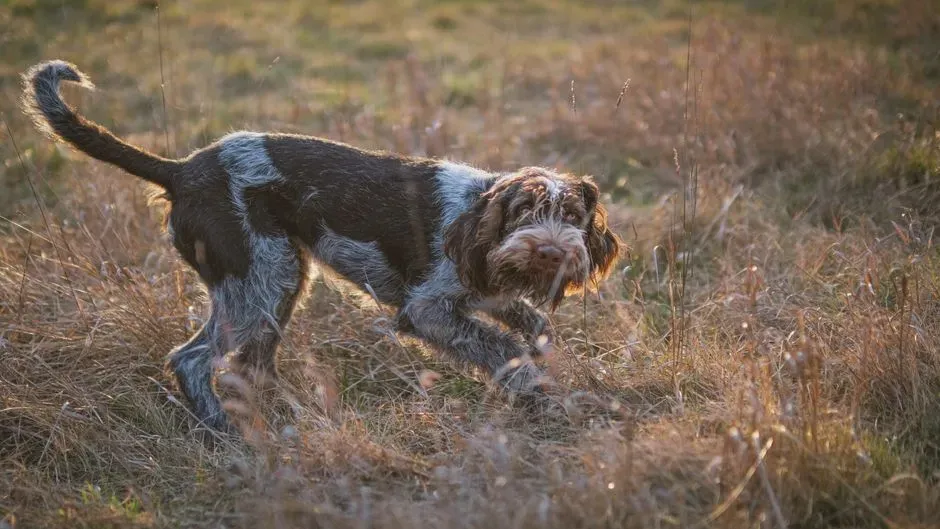
Studies with pet dogs show they integrate the pointing gesture quickly and adjust when the cue changes direction or distance. Puppies as young as a few months old already display this skill, suggesting it emerges early rather than through extensive learning. Shelter dogs with limited human contact still perform well, pointing to a robust trait rather than one built solely on individual experience.
Success rates remain high even when experimenters use subtle cues like head turns or gaze alone. This flexibility indicates dogs treat human gestures as reliable signals about the environment. The pattern holds across breeds, though some working lines show slightly sharper responses in certain setups.

Halloween Cat Costume Cloak Witch Hat Pet Accessories
Check Price on AmazonAs an Amazon Associate, we earn from qualifying purchases.
10/9/2026 2:44 pm GMTi

Professional 7 in 1 Dog Paw Cleaner for Dogs & Cats - Includes 1 Portable Paw Washer, 1 Bath Brush
Check Price on AmazonAs an Amazon Associate, we earn from qualifying purchases.
10/7/2026 1:26 pm GMTi

Smart Bird Feeder with Camera Solar Powered, 2K HD Live Video, 10,000+ Bird Species AI Identification
Check Price on AmazonAs an Amazon Associate, we earn from qualifying purchases.
10/7/2026 1:22 pm GMTi

Portable Dog Water Bottle Foldable Dog Travel Water Bottle
Check Price on AmazonAs an Amazon Associate, we earn from qualifying purchases.
10/7/2026 1:29 pm GMTi

Air Purifiers for Home Pets Large Room Up to 3000 Ft²,HEPA Air Cleaner with Washable Double-Side Filter, PM2.5 Air Quality Monitor,15dB Sleep Mode for Bedroom Odor Dust Pollen,White
Check Price on AmazonAs an Amazon Associate, we earn from qualifying purchases.
10/8/2026 8:23 am GMTi
Chimpanzee Responses in the Same Tests
🔥 Would you like to save this?
We'll email this post to you, so you can come back to it later!
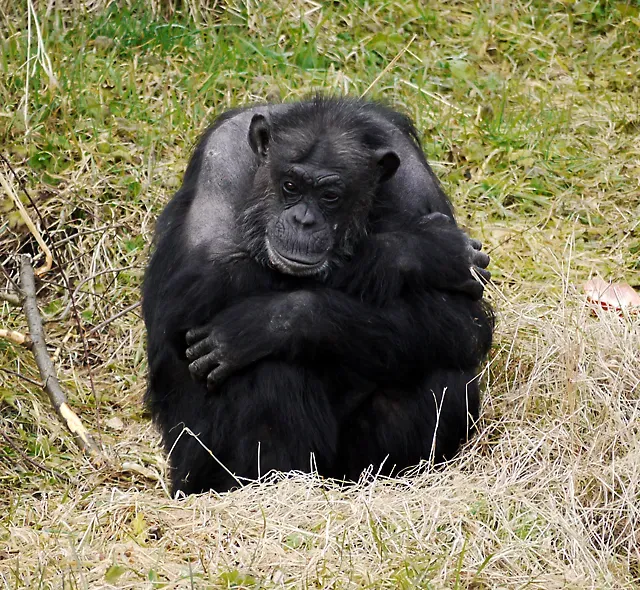
Chimpanzees, tested in comparable object choice tasks, follow human pointing less consistently than dogs. They often rely more on their own exploration or on cues from other chimpanzees. When the pointing is brief or the pointer is unfamiliar, performance drops further in many individuals.
Young chimpanzees raised in human environments sometimes improve, yet the advantage rarely matches the reliability seen in dogs. This gap persists even though chimpanzees excel at other forms of social reasoning within their own groups. The difference highlights how specific the human pointing skill appears in domestic dogs.
Domestication and the Shift in Social Attention
🔥 Would you like to save this?
We'll email this post to you, so you can come back to it later!
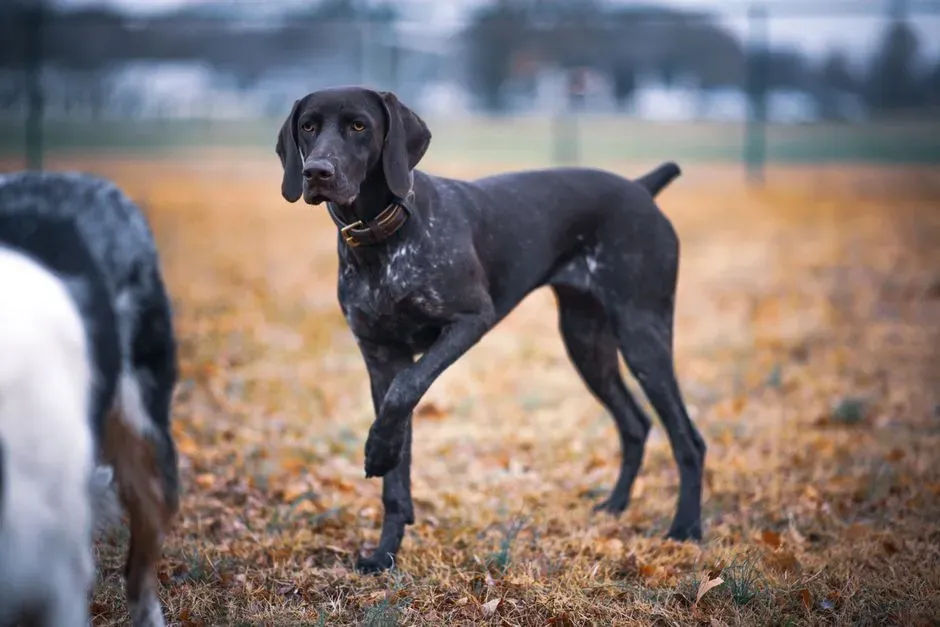
Selection pressures during domestication favored dogs that paid close attention to human behavior for survival advantages like shared meals and protection. Over generations this produced animals attuned to subtle movements and intentions. Wolves raised by humans show weaker performance on the same pointing tasks, underscoring the role of breeding rather than simple exposure.
Daily life reinforces the trait because dogs constantly navigate human environments filled with gestures, commands, and shared activities. This ongoing practice sharpens an already present sensitivity. The result is a form of interspecies communication that feels intuitive to owners yet stands out in formal testing.

2 Pcs Halloween Pet Hat Bandana Set, Witch Pumpkin Costumes for Dogs
Check Price on AmazonAs an Amazon Associate, we earn from qualifying purchases.
10/9/2026 2:45 pm GMTi

Dog Stairs for Bed 18" H, 4-Step Dog Steps for High Bed
Check Price on AmazonAs an Amazon Associate, we earn from qualifying purchases.
10/9/2026 2:42 pm GMTi

Glass Hummingbird Feeder for Outdoors Hanging, 16 oz Leak-Proof Nectar Feeder with Bee Guards & Ant Moat
Check Price on AmazonAs an Amazon Associate, we earn from qualifying purchases.
10/7/2026 1:22 pm GMTi

Halloween Dog Collar with Bow, Orange Cute Ghost Collar,
Check Price on AmazonAs an Amazon Associate, we earn from qualifying purchases.
10/9/2026 2:43 pm GMTi

Glass Hummingbird Feeder for Outdoors Hanging
Check Price on AmazonAs an Amazon Associate, we earn from qualifying purchases.
10/7/2026 1:21 pm GMTi
Broader Patterns in Canine Social Cognition
🔥 Would you like to save this?
We'll email this post to you, so you can come back to it later!
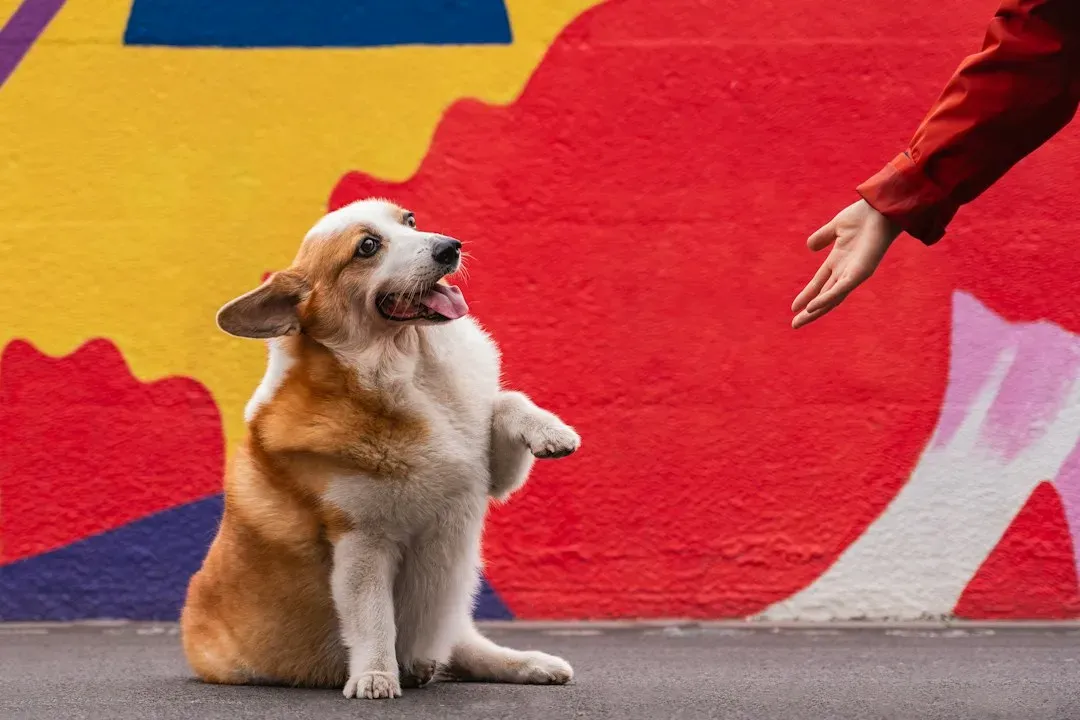
Dogs also read other human signals such as pointing with the eyes or body orientation, extending the pointing advantage into a wider suite of abilities. They distinguish between helpful and unhelpful humans in some experiments and adjust their approaches accordingly. These skills support cooperation in everyday settings like herding, guiding, or simply locating a dropped toy.
Comparative work with other species, including cats and horses, shows varying degrees of human cue reading, but dogs remain among the most consistent. The pattern suggests domestication created a specialized niche for understanding people. Ongoing studies continue to map how these abilities interact with memory and problem solving.

Earth Rated XL Dog & Puppy Pee Pads, Discreet Top, Max Absorbency
Check Price on AmazonAs an Amazon Associate, we earn from qualifying purchases.
10/7/2026 1:28 pm GMTi

Hand Blown Glass Hummingbird Feeders for Outdoors Hanging, 24oz Wild Bird Nectar Feeder
Check Price on AmazonAs an Amazon Associate, we earn from qualifying purchases.
10/7/2026 1:23 pm GMTi

Orthopedic Extra Large Dog Bed, Waterproof Washable XL Pet Bed 44"
Check Price on AmazonAs an Amazon Associate, we earn from qualifying purchases.
10/7/2026 1:32 pm GMTi

PetSafe Oasys Pet Fountain, 1/2 Gallon (64 oz), Small Dogs & Cats
Check Price on AmazonAs an Amazon Associate, we earn from qualifying purchases.
10/8/2026 8:14 am GMTi
Implications for How We View Animal Minds
🔥 Would you like to save this?
We'll email this post to you, so you can come back to it later!
The pointing advantage in dogs challenges simple rankings of intelligence based on genetic closeness to humans. Instead it points to specialized adaptations shaped by particular lifestyles and histories. Recognizing this helps explain why dogs integrate so smoothly into human households and working roles.
Future research may reveal similar specializations in other domesticated species or in wild animals that routinely interact with people. The core lesson remains that effective social understanding can arise through different evolutionary routes. Dogs demonstrate one clear path that prioritizes reading us over many other cognitive feats.
