
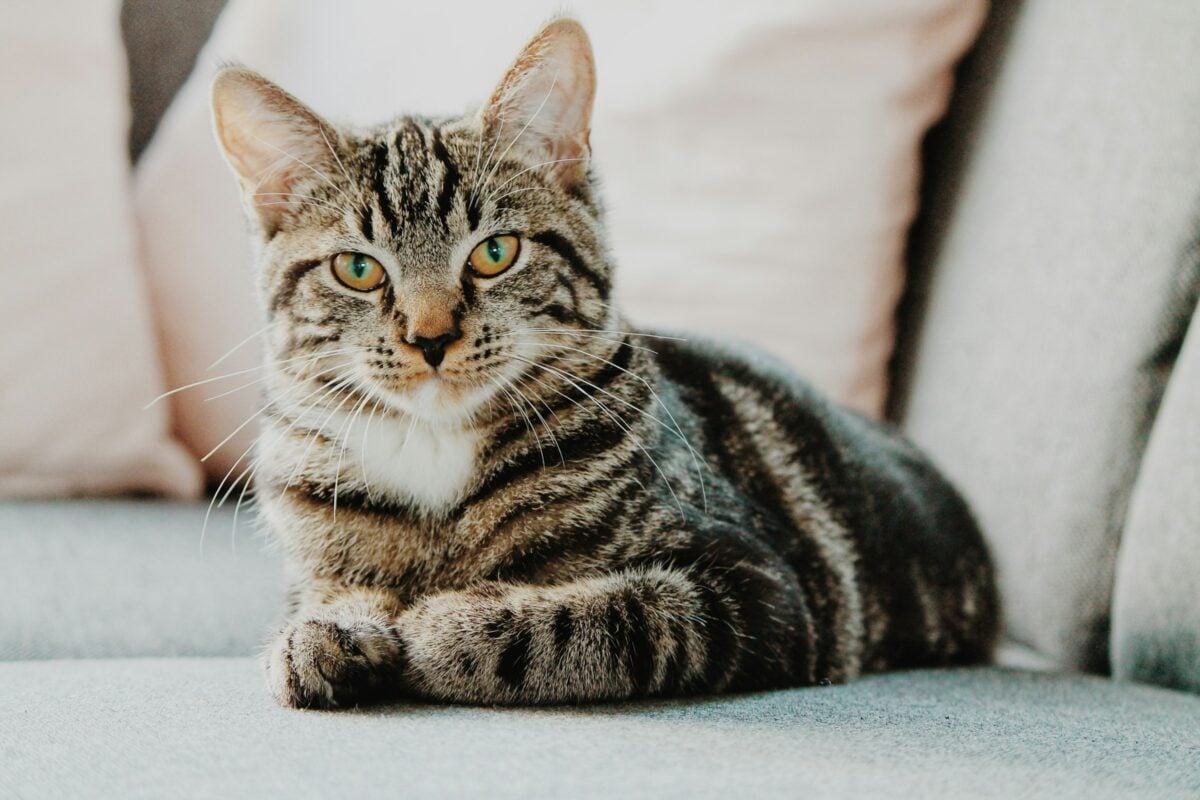
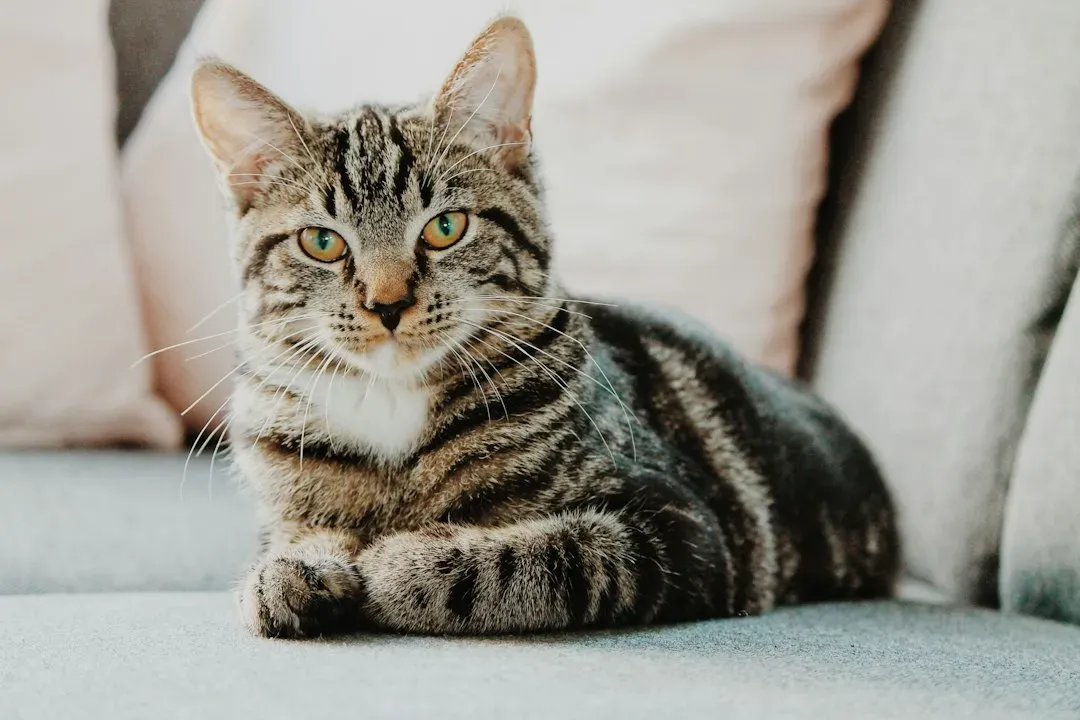
You’re sitting on the couch, minding your own business, and you notice your cat staring at you from across the room. Everything about the pose seems calm, except for one small detail. The very tip of the tail is flicking, just barely, like a tiny metronome.
It’s easy to shrug that off as a random habit. Cats rarely do anything without a reason, though, and the tail is one of the most expressive tools they have. Here’s what that little twitch is likely trying to tell you, and how to read it without overthinking.
The Tail Is a Running Commentary on Mood
🔥 Would you like to save this?
We'll email this post to you, so you can come back to it later!
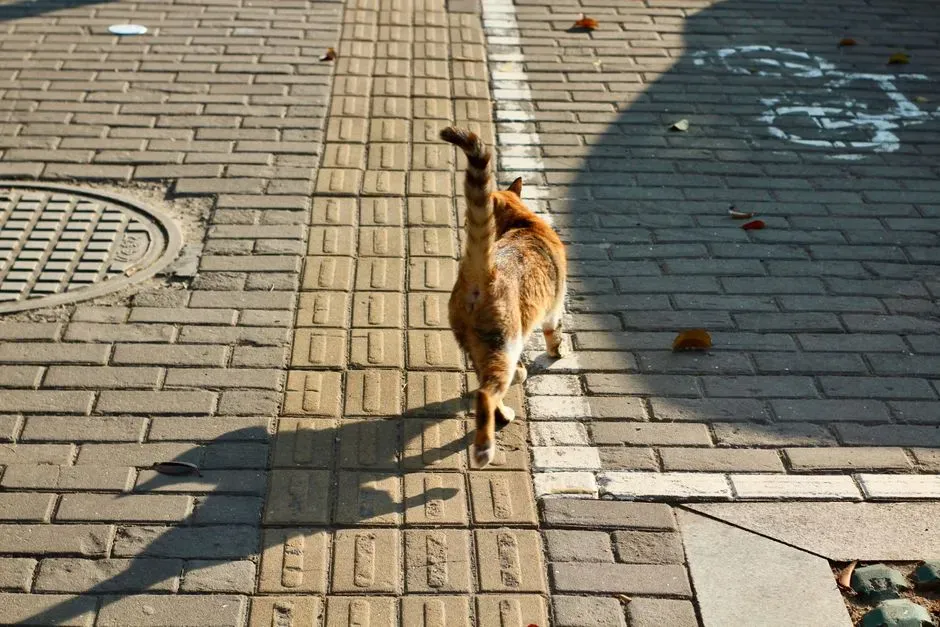
Cats use their tails to signal how they feel, and veterinary and behavior sources have long described tail position and movement as a core part of feline body language. A tail held high often signals confidence or friendliness, while a tucked tail usually points to fear or unease. Movement adds another layer, since speed and size of motion change the meaning.
A tip-only twitch sits in the middle of that spectrum. It’s a small, contained movement, which tends to suggest something is stirring in your cat’s mind without having tipped into full excitement or irritation. Think of it as a low volume signal rather than a shout.
Focused Attention Is the Most Common Explanation
🔥 Would you like to save this?
We'll email this post to you, so you can come back to it later!
When a cat watches you and the tail tip flicks, the simplest reading is that you have its attention. Cats often twitch their tails when they’re interested in something, whether that’s a bird outside the window, a toy, or you carrying a bag that might contain food. Your movements, sounds, and routines are all fascinating to an animal that studies its household closely.
Context helps a lot here. If your cat is relaxed, eyes soft, ears forward, and you’re heading toward the kitchen, the twitch probably means anticipation. Watch what you’re doing right before it happens, and a pattern usually emerges.
Mild Irritation or Mixed Feelings
🔥 Would you like to save this?
We'll email this post to you, so you can come back to it later!
Sometimes the twitch means your cat is a bit annoyed, or at least unsure. Behavior experts commonly note that tail flicking can show conflict or growing irritation, especially if the movement gets faster or more forceful. Petting a cat past its comfort point is a classic trigger, and the tail tip often gives the first warning.
If you see the twitch alongside flattened or sideways ears, a tense body, or dilated pupils, give your cat some space. Ignoring early signals is how people end up with a swat or a nip that seemed to come from nowhere. Honestly, it rarely does come from nowhere. The cat usually tried to tell you first.

Dog Stairs for Bed 18" H, 4-Step Dog Steps for High Bed
Check Price on AmazonAs an Amazon Associate, we earn from qualifying purchases.
10/9/2026 2:42 pm GMTi

Portable Dog Water Bottle Foldable Dog Travel Water Bottle
Check Price on AmazonAs an Amazon Associate, we earn from qualifying purchases.
10/7/2026 1:29 pm GMTi

PetSafe Oasys Pet Fountain, 1/2 Gallon (64 oz), Small Dogs & Cats
Check Price on AmazonAs an Amazon Associate, we earn from qualifying purchases.
10/8/2026 8:14 am GMTi

Orthopedic Extra Large Dog Bed, Waterproof Washable XL Pet Bed 44"
Check Price on AmazonAs an Amazon Associate, we earn from qualifying purchases.
10/7/2026 1:32 pm GMTi

Earth Rated XL Dog & Puppy Pee Pads, Discreet Top, Max Absorbency
Check Price on AmazonAs an Amazon Associate, we earn from qualifying purchases.
10/7/2026 1:28 pm GMTi
Play Mode and Hunting Instinct
🔥 Would you like to save this?
We'll email this post to you, so you can come back to it later!
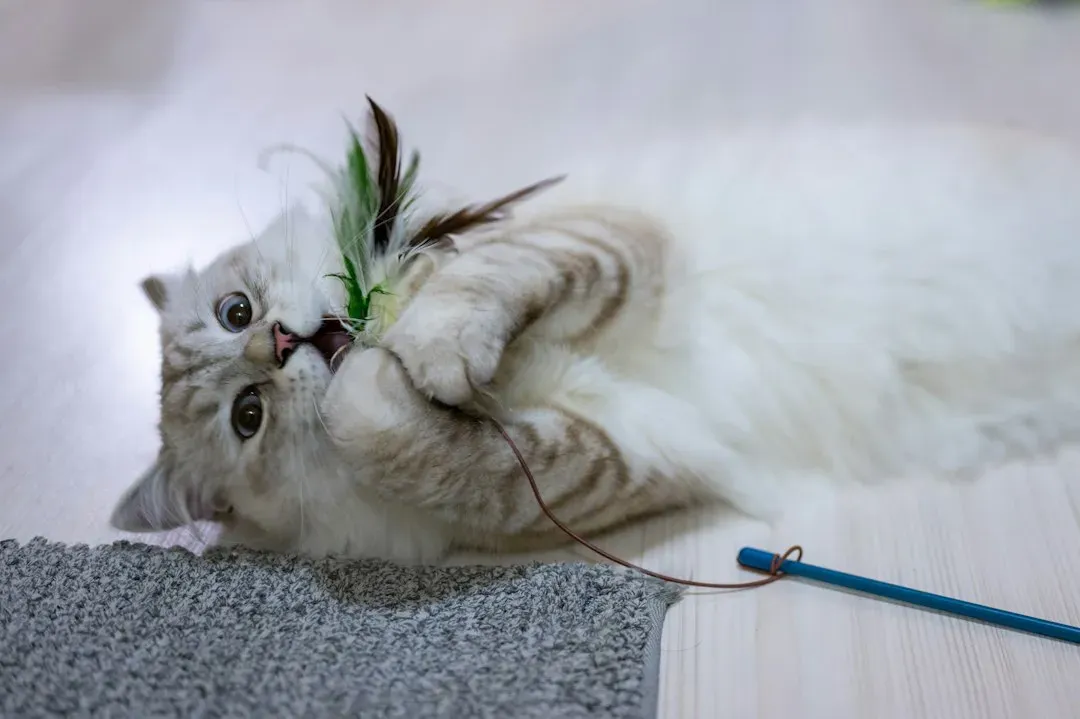
Cats are predators by design, and a watchful stare with a twitching tail tip can look a lot like the pre-pounce routine. A cat that’s locked onto you may be treating your moving feet, a dangling hoodie string, or your hand under a blanket as prey. The tail flick is often part of that focused, ready state.
Other clues include a lowered body, wiggling hindquarters, and wide pupils. If that sounds like your cat, a wand toy or a short play session can channel the energy. It’s usually better than letting your ankles take the hit.
When Your Cat Wants Something From You
🔥 Would you like to save this?
We'll email this post to you, so you can come back to it later!
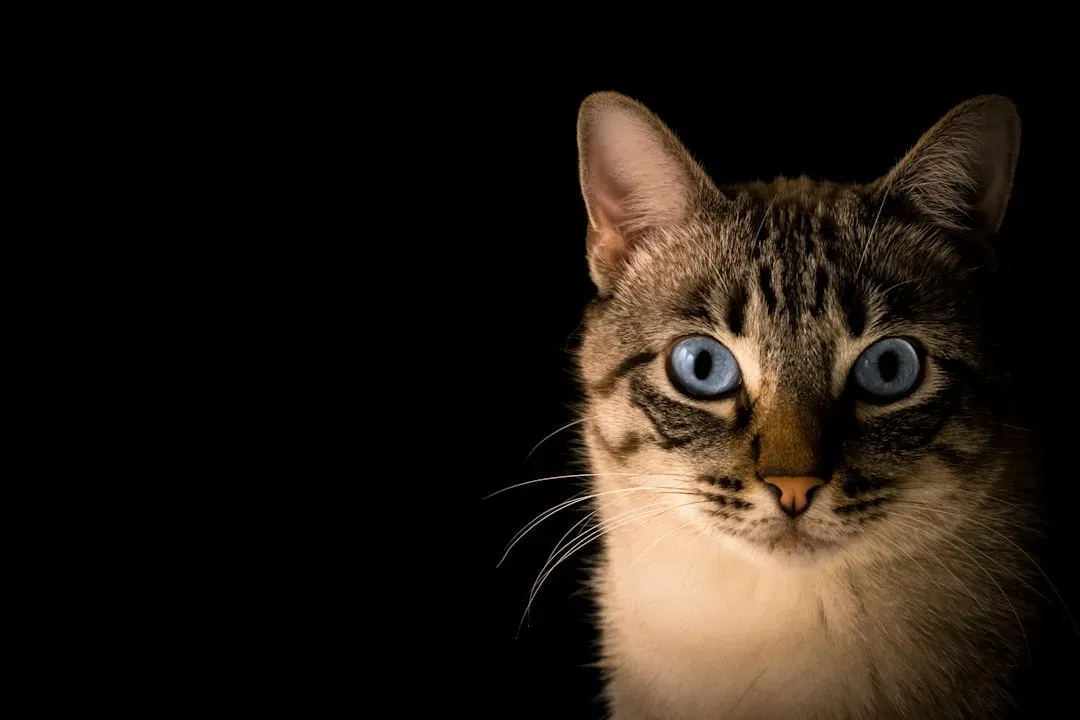
Many cats learn that staring at their person gets results. A watchful gaze with a subtle tail twitch can be a sort of request, perhaps for food, attention, a door opened, or a lap. Cats adapt their communication to the humans they live with, so what this looks like can differ from one household to the next.
There’s no universal code here, and it would be a stretch to claim one. Notice what tends to follow the twitch in your home. After a week or two of paying attention, you’ll probably know your own cat’s version better than any article could tell you.

Air Purifiers for Home Pets Large Room Up to 3000 Ft²,HEPA Air Cleaner with Washable Double-Side Filter, PM2.5 Air Quality Monitor,15dB Sleep Mode for Bedroom Odor Dust Pollen,White
Check Price on AmazonAs an Amazon Associate, we earn from qualifying purchases.
10/8/2026 8:23 am GMTi

Hand Blown Glass Hummingbird Feeders for Outdoors Hanging, 24oz Wild Bird Nectar Feeder
Check Price on AmazonAs an Amazon Associate, we earn from qualifying purchases.
10/7/2026 1:23 pm GMTi

Halloween Dog Collar with Bow, Orange Cute Ghost Collar,
Check Price on AmazonAs an Amazon Associate, we earn from qualifying purchases.
10/9/2026 2:43 pm GMTi

Halloween Cat Costume Cloak Witch Hat Pet Accessories
Check Price on AmazonAs an Amazon Associate, we earn from qualifying purchases.
10/9/2026 2:44 pm GMTi

Glass Hummingbird Feeder for Outdoors Hanging, 16 oz Leak-Proof Nectar Feeder with Bee Guards & Ant Moat
Check Price on AmazonAs an Amazon Associate, we earn from qualifying purchases.
10/7/2026 1:22 pm GMTi
When a Twitch Deserves a Closer Look
🔥 Would you like to save this?
We'll email this post to you, so you can come back to it later!
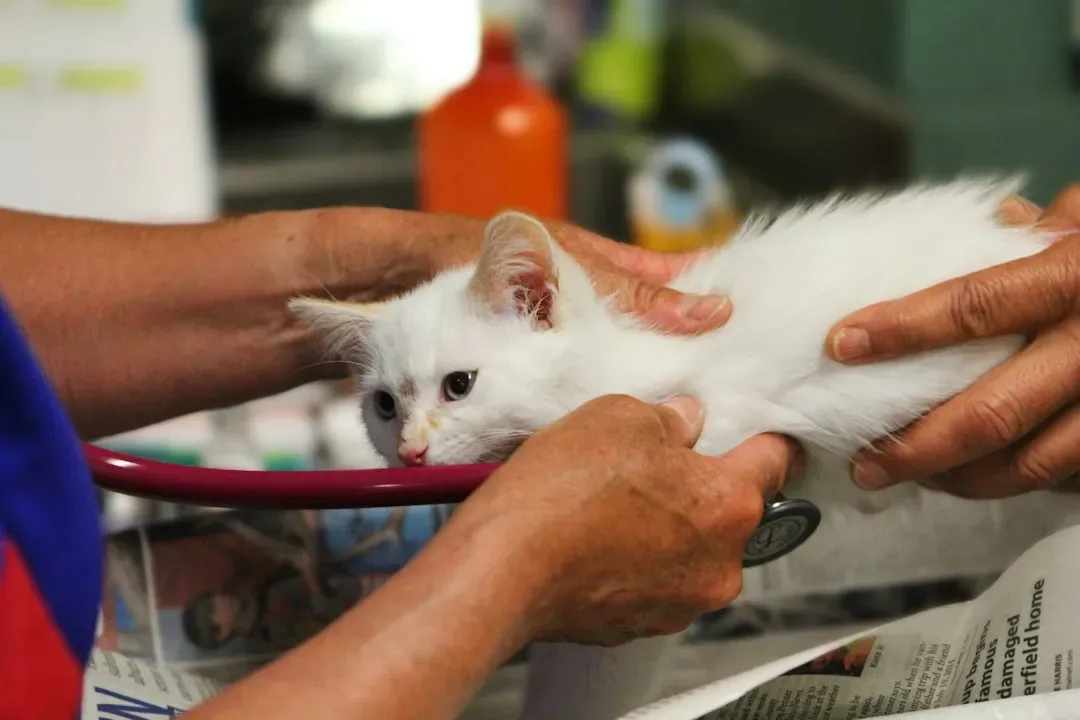
Most tip twitching is normal and harmless. However, if the tail twitching is constant, seems to happen alongside licking or biting at the tail or back, or your cat suddenly acts oddly about being touched near the base of the tail, it’s worth a call to your veterinarian. Skin irritation, fleas, or pain can sometimes show up as unusual tail behavior.
The same goes for any sudden change from your cat’s normal pattern, such as hiding, appetite changes, or aggression. A single flick while your cat studies you isn’t a red flag. A new, persistent behavior is the kind of thing a professional should see.

2 Pcs Halloween Pet Hat Bandana Set, Witch Pumpkin Costumes for Dogs
Check Price on AmazonAs an Amazon Associate, we earn from qualifying purchases.
10/9/2026 2:45 pm GMTi

Professional 7 in 1 Dog Paw Cleaner for Dogs & Cats - Includes 1 Portable Paw Washer, 1 Bath Brush
Check Price on AmazonAs an Amazon Associate, we earn from qualifying purchases.
10/7/2026 1:26 pm GMTi

Glass Hummingbird Feeder for Outdoors Hanging
Check Price on AmazonAs an Amazon Associate, we earn from qualifying purchases.
10/7/2026 1:21 pm GMTi

Smart Bird Feeder with Camera Solar Powered, 2K HD Live Video, 10,000+ Bird Species AI Identification
Check Price on AmazonAs an Amazon Associate, we earn from qualifying purchases.
10/7/2026 1:22 pm GMTi
Final Thoughts
🔥 Would you like to save this?
We'll email this post to you, so you can come back to it later!
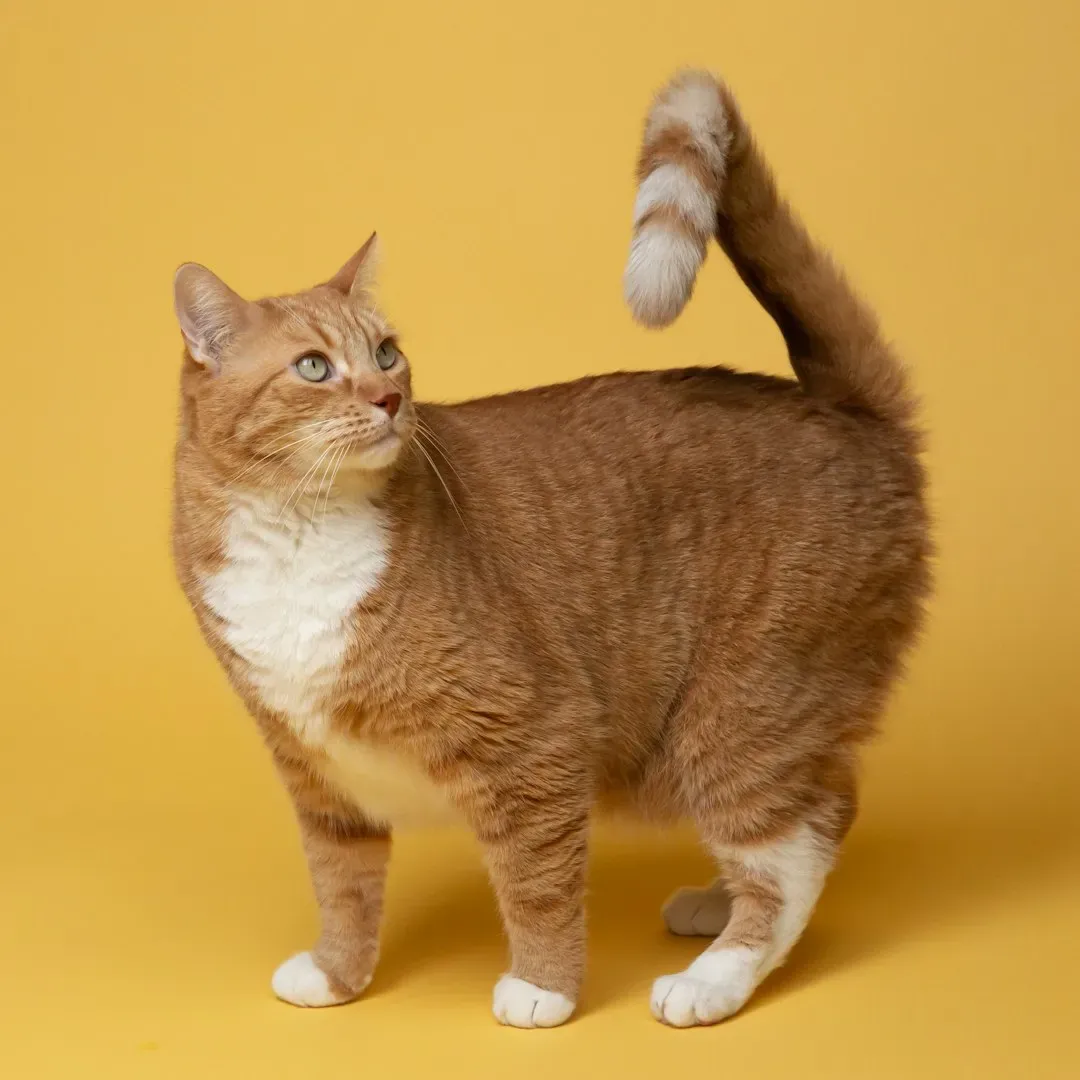
My view is that we spend too much time hunting for a single answer to what a cat’s tail “means,” when the better habit is simply paying attention. The tip twitch is a small, honest signal that your cat is tuned in, thinking something over, and maybe a little undecided about what comes next.
Read it alongside the ears, eyes, and posture, and respond with a bit of respect for the message. Do that consistently and you’ll end up with a cat that trusts you more, which beats any decoder chart.
